 EN
 DE
 FR
 ES
 RU
 JA EN DE FR ES RU JA
Custom manufactured for original equipment manufacturers (OEMs) and contract electronics manufacturers across Sydney, Melbourne, Brisbane, Perth, and Adelaide.
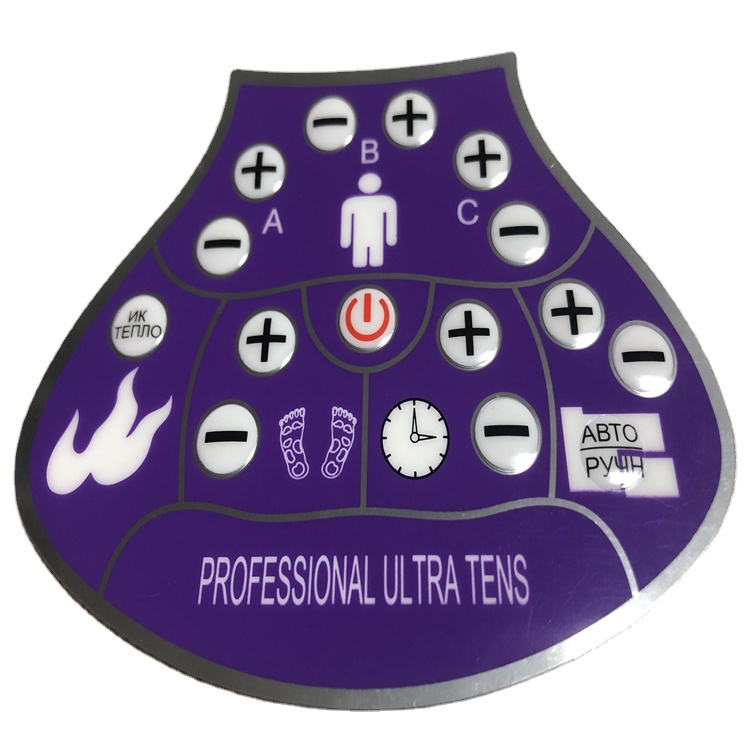
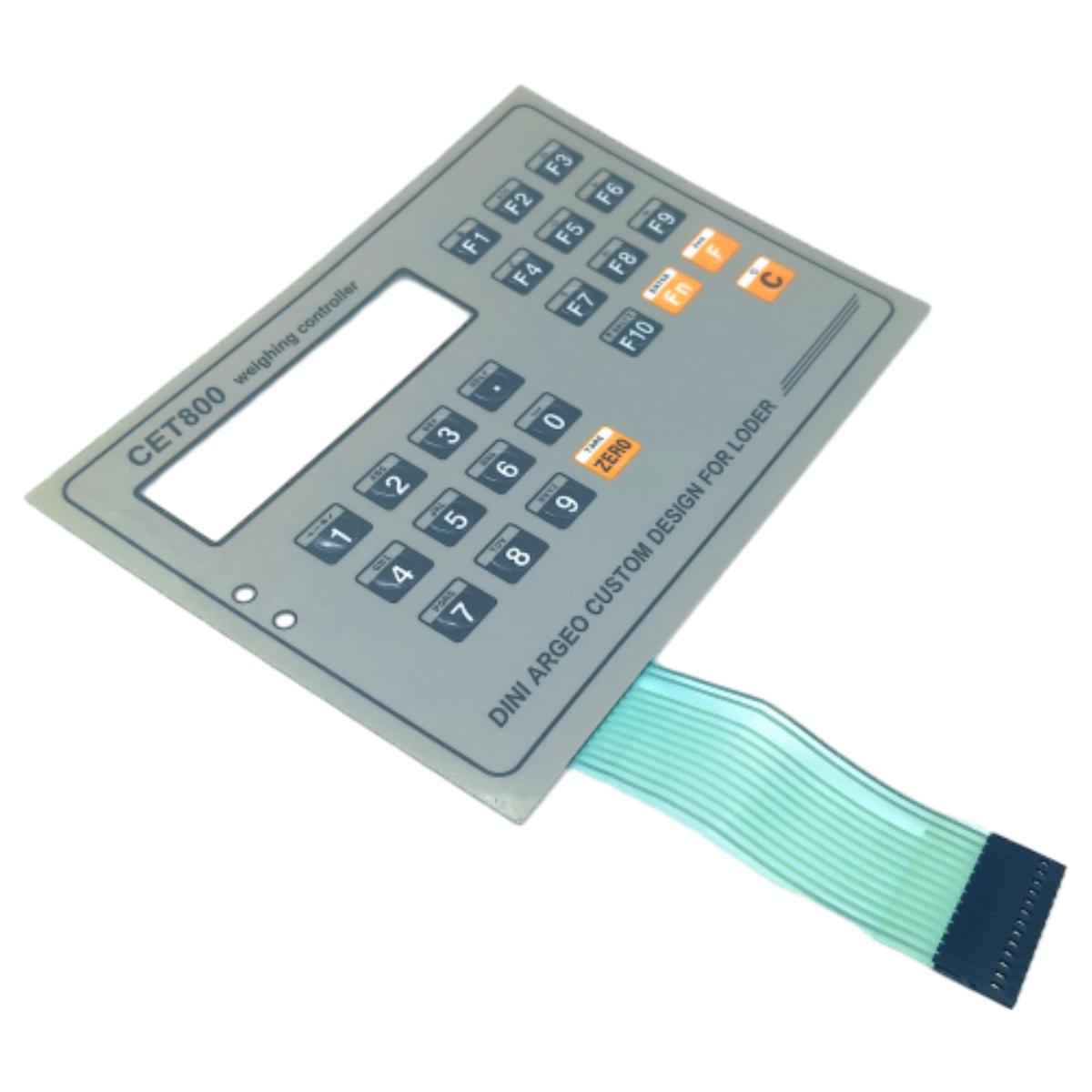
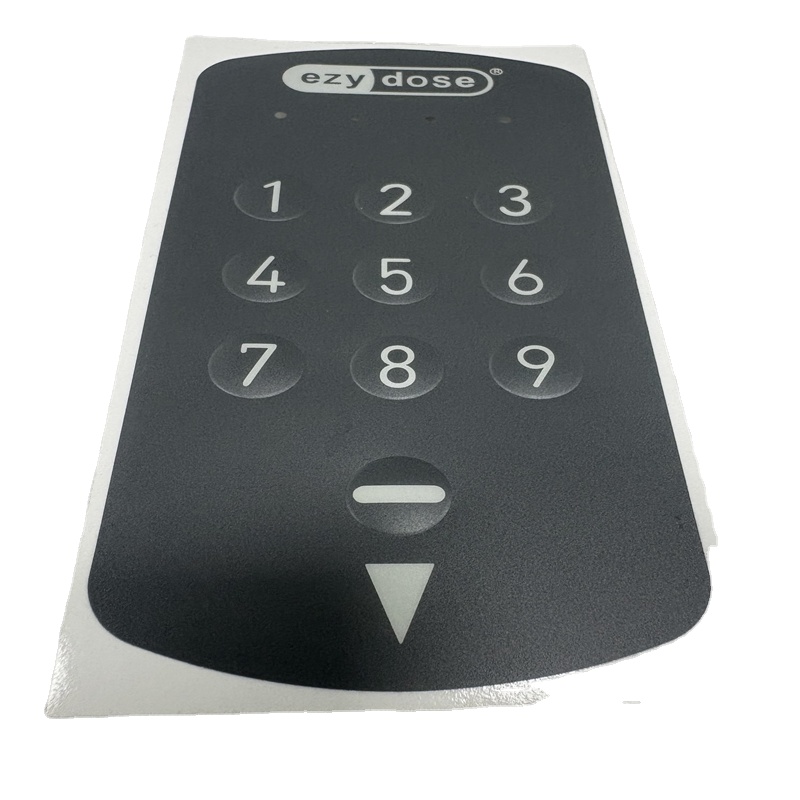
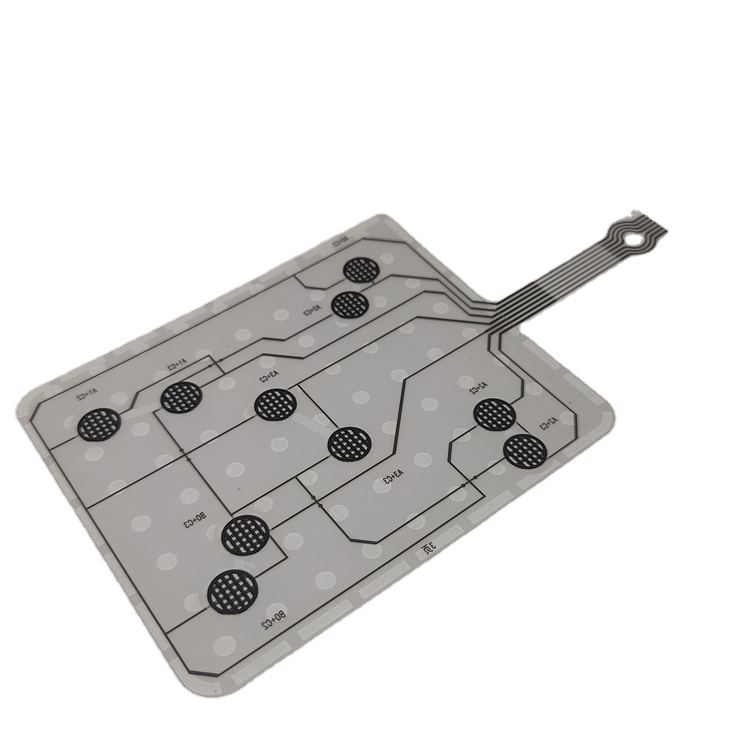
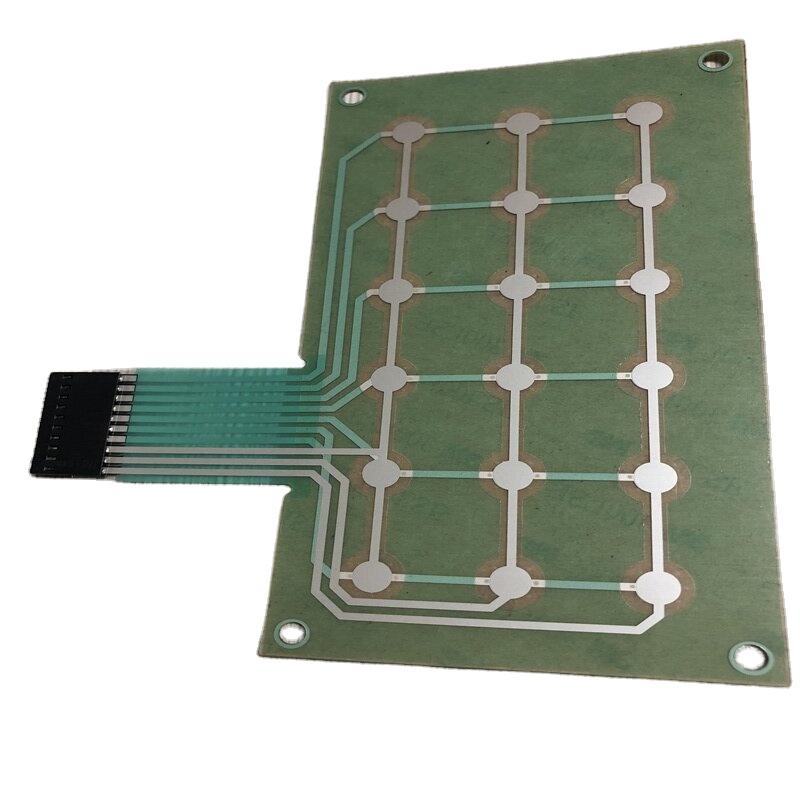
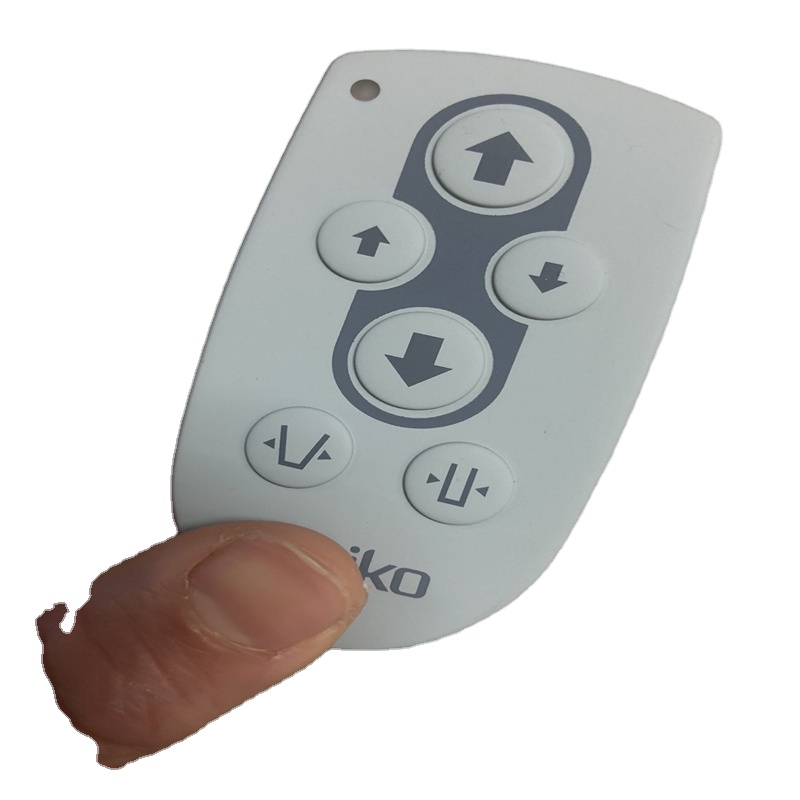
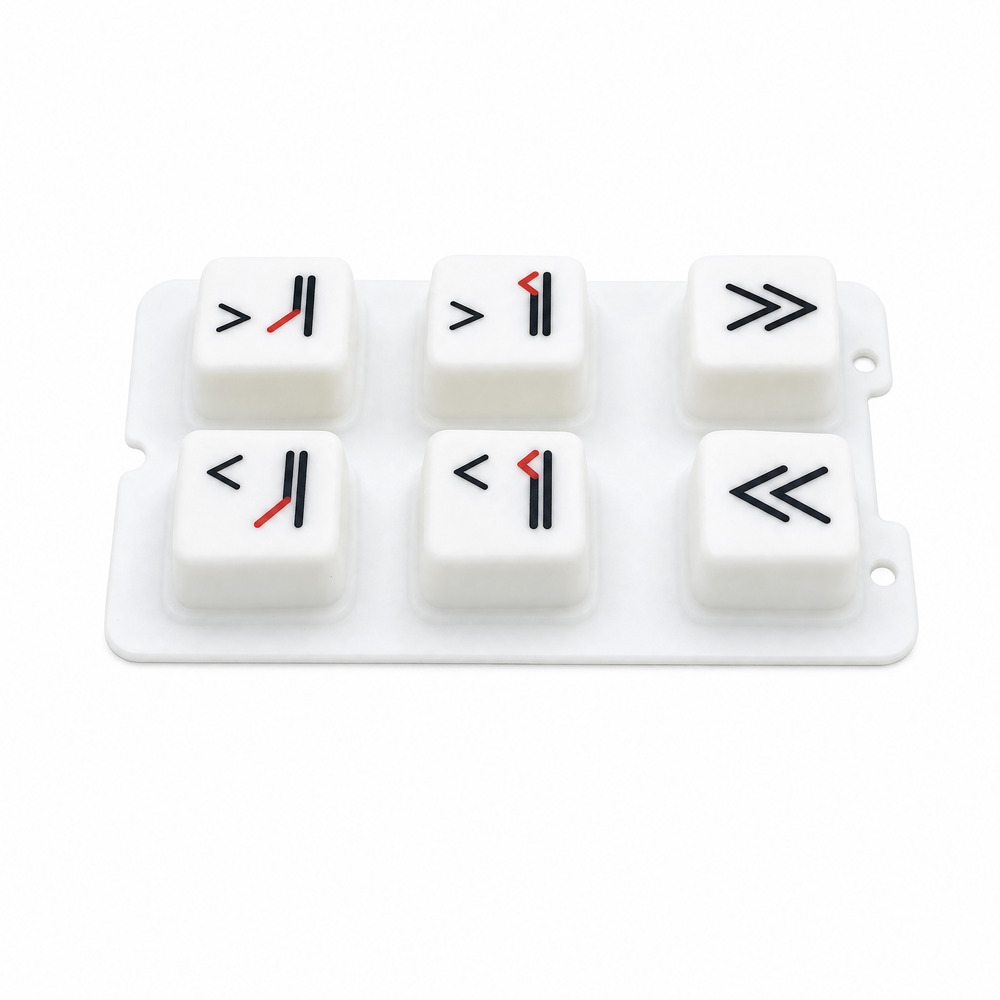
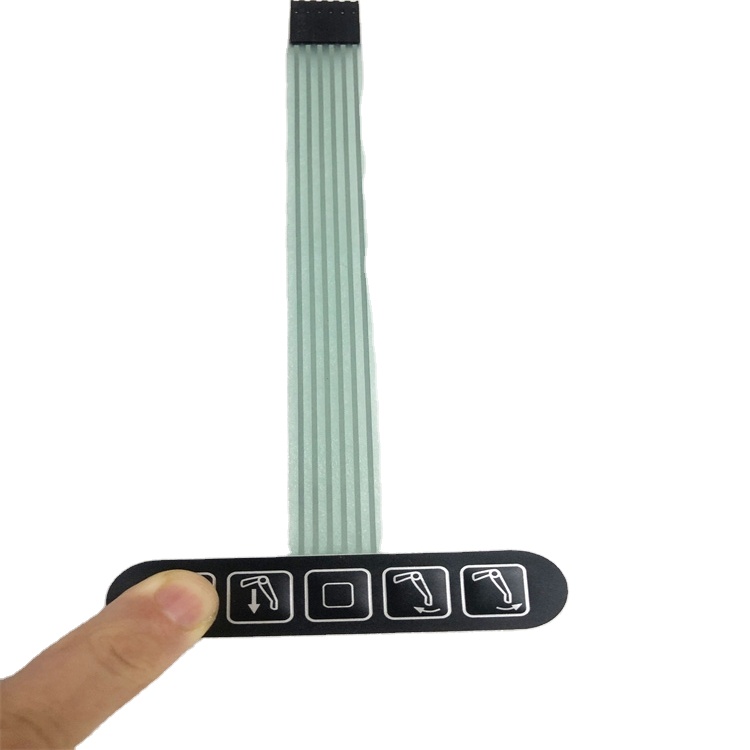
A flat membrane switch (commonly defined as a non-tactile membrane switch or flush-surface human-machine interface) is an electromechanical assembly that establishes electrical continuity when a conductive graphic layer is depressed through an open spacer into an underlying circuit. Unlike tactile switches that utilize stainless steel metal domes or thermoformed polydomes to generate a physical snap sensation, flat membrane switches feature a zero-profile actuation mechanism. The tactile feedback in flat switches is intentionally replaced by system-level acoustic beeps, optical LED confirmation, or direct software responses.
For Australian design engineers, original equipment manufacturers (OEMs), and contract electronics manufacturers (CEMs), flat membrane switches provide distinct structural advantages: ultra-thin profile requirements (often under 0.6 mm total stack height), completely flush wipe-clean top surfaces, exceptional longevity exceeding 5,000,000 actuation cycles without mechanical fatigue, and cost-effective tooling economics. In extreme operational environments such as the Pilbara mining fields in Western Australia, the tropical agricultural belts in Queensland, and clinical healthcare environments across New South Wales and Victoria, flat membrane switches provide superior resilience against contaminants, moisture, and ultraviolet degradation.
Engineering Core Insight: Because flat membrane switches eliminate physical metal domes that create mechanical flexural stress on perimeter seals, they achieve superior ingress protection (up to IP67/IP68 under AS 60529) and provide greater immunity against micro-particulate infiltration such as silica dust and iron ore fines.
Specifying a flat membrane switch for the Australian market requires a deep understanding of the country's unique geographical, climatic, and industrial conditions. Standard commercial off-the-shelf membrane switches built for indoor European or North American domestic use consistently fail under Australian operational stressors. Below are the key engineering factors that Dongguan Ravo Electronics accommodates when producing for Australian clients:
Australia registers among the highest ultraviolet (UV) radiation indices globally, frequently exceeding UV Index 12–14 across the Outback and Northern regions. Standard polycarbonate overlays turn yellow, crack, and undergo molecular embrittlement within months. We engineer graphic overlays utilizing biaxially oriented polyester films treated with UV-absorbent chemistry (such as Autotex XE), ensuring zero yellowing and over 10 years of outdoor service life.
In Australian resource extraction centers (Pilbara, Bowen Basin, Kalgoorlie), airborne particulates drop below 2.5 microns. Flat membrane switches prevent dust accumulation around key rims because they lack crevices or embossing pockets. With continuous 3M acrylic adhesive gaskets around the entire perimeter, our switches provide IP67 dust-tight performance matching AS 60529 requirements.
Australian operating equipment experiences wide diurnal thermal differentials, swinging from sub-zero night temperatures in inland deserts to +50°C ambient ground temps during midday summer peaks. Our multi-layer laminations utilize high-temperature acrylic adhesive systems (such as 3M 467MP and 3M 468MP) paired with thermally stabilized PET circuits rated from -40°C up to +85°C continuous operation.
A reliable flat membrane switch is an assembly of micro-engineered layers bonded under uniform vacuum pressure. Each layer plays a vital role in mechanical integrity, ingress barriers, and electrical performance. At Dongguan Ravo Electronics, our standard flat membrane switch stack-up encompasses six distinct functional strata:
| Layer Component | Material Specification | Standard Thickness | Primary Functional Role |
|---|---|---|---|
| 1. Graphic Overlay | Autotex PET / Lexan Polycarbonate / Anti-glare Matte | 0.125 mm – 0.20 mm | Sub-surface screen-printed artwork, chemical barrier, UV resistance, and wipe-clean surface. |
| 2. Overlay Adhesive | 3M 467MP / 3M 468MP High-Performance Acrylic | 0.05 mm – 0.13 mm | Bonds graphic overlay to upper circuit; absorbs thermal expansion mismatches. |
| 3. Upper Switch Circuit | Heat-stabilized PET with conductive silver paste | 0.075 mm – 0.125 mm | Carries flexible printed upper contact traces and dielectric crossover insulating coatings. |
| 4. Circuit Spacer | PET film with double-sided acrylic adhesive | 0.075 mm – 0.15 mm | Precision die-cut air chambers separating upper and lower switch pads; sets switch travel and actuation force. |
| 5. Lower Switch Circuit | Conductive silver ink / carbon wear-resistant paste | 0.075 mm – 0.125 mm | Forms the secondary circuit grid, connecting switch contact points to the integrated tail exit. |
| 6. Rear Mounting Adhesive | 3M 467MP / 3M 468MP / 3M 300LSE Low Surface Energy | 0.05 mm – 0.15 mm | Mounts switch assembly securely to powder-coated steel, cast aluminium, or injection-moulded ABS enclosures. |
To eliminate contact corrosion and silver migration in high-humidity Australian coastal regions (such as Darwin or Gold Coast), our automated printing lines apply a proprietary carbon overprint paste atop all silver trace contact points. This barrier prevents dendrite formation and maintains contact resistance under 100 Ω over millions of key presses.
Australian hardware engineers often debate whether to integrate flat non-tactile switches or tactile metal dome variants. Selecting the appropriate topology depends on user interface ergonomics, gloved operation, enclosure profile, and sanitation mandates. The table below outlines key parametric contrasts:
| Evaluation Parameter | Flat (Non-Tactile) Membrane Switch | Tactile Metal Dome Membrane Switch | Australian Engineering Recommendation |
|---|---|---|---|
| Operator Tactile Snap | None (Flat touch; relies on audio or LED cue) | Crisp physical snap (Actuation force 220g – 450g) | Tactile for heavy vibration / gloved mining rigs; Flat for medical & commercial. |
| Mechanical Cycle Life | > 5,000,000 switch operations | 1,000,000 – 2,000,000 switch operations | Flat switches deliver 3x longer longevity due to zero metal fatigue. |
| Total Profile Thickness | 0.5 mm – 0.8 mm ultra-thin profile | 0.8 mm – 1.4 mm (dome cavity clearance) | Flat switches excel in ultra-compact handheld controllers and flat front bezels. |
| Surface Cleanability | 100% flat flush surface, zero crevices | Embossed rims can accumulate fine residue | Flat switches are mandatory for hospital sterilization and sterile cleanrooms. |
| Unit Production Cost | Economical (Eliminates metal dome component costs) | Moderate (Includes metal dome placement process) | Flat switches provide significant cost advantages for large multi-key arrays. |
| Environmental Sealing | IP67 / IP68 easily achieved | IP65 / IP67 (requires specialized venting channel design) | Flat construction eliminates dome pressure pumping effects during temperature swings. |
Australian industry is characterized by high-reliability demands across mining, precision agriculture, medical instrumentation, commercial infrastructure, and renewable energy. Flat membrane switches from Dongguan Ravo Electronics are actively deployed across the following domestic sectors:
Supervisory control panels, conveyor belt emergency stops, motor soft-starter interfaces, and crushing plant diagnostics. Flat membrane switches prevent abrasive red ore dust from lodging beneath keys. Combined with 3M 468MP adhesive on thick powder-coated steel cabinets, they resist high vibration and aggressive solvent washdowns.
Irrigation valve cluster controllers across the Murray-Darling basin, telemetry monitoring hubs, and automated grain grading consoles. These installations operate unattended in direct sun and extreme ambient heat. Flat PET overlays with anti-UV Lexan/Autotex finishes prevent sun-bleached legends and maintain responsive circuit switching across seasonal extremes.
Ultrasound therapy systems, autoclave controllers, clinical dialysis interfaces, and hospital bedside call systems compliant with Australian Therapeutic Goods Administration (TGA) manufacturing principles. Flat membrane switches allow continuous wipe-down with quaternary ammonium disinfectants, isopropyl alcohol, and bleach without ink delamination or liquid ingress.
Rooftop solar inverter parameter input pads, commercial battery energy storage system (BESS) status terminals, and EV charging station keypads. Flat membrane switches provide compact profiles behind vandal-resistant polycarbonate bezels, delivering reliable touch input in high-humidity coastal and high-temperature inland installations.
Public transport payment kiosks in Sydney and Melbourne, smart lockers, and commercial beverage dispensers. Flat switch assemblies with 0.125mm glossy or velvet PET withstand constant sanitization, eliminate button tampering, and feature 5M+ cycles, ensuring continuous 24/7 public operation without key sticking.
Deck instrumentation, fish-finder consoles, and VHF radio front panels exposed to high-salinity marine spray along Australia's 34,000 km coastline. Salt mist testing (ASTM B117 compliance) ensures that our sealed tail exits, carbon-coated silver contacts, and watertight 3M adhesive boundaries prevent salt bridging and short circuits.
The Australian manufacturing landscape has evolved significantly. While high-volume consumer assembly has largely migrated offshore, Australia maintains a thriving, high-value ecosystem specializing in high-mix, low-to-medium-volume (HMLV) specialized hardware. Australian procurement managers and hardware founders face specific supply chain dynamics when sourcing membrane switches:
1. Demand for Low Prototype MOQs with Rapid DFM Turnaround: Australian engineering firms cannot afford long tooling lead times or 5,000-piece minimum order quantities during NPI (New Product Introduction) phases. Dongguan Ravo Electronics bridges this gap by offering prototype manufacturing from as few as 1 to 10 units, paired with engineering reviews completed within 2 hours during Australian Eastern Standard Time (AEST).
2. China-Australia Free Trade Agreement (ChAFTA) Duty Advantages: Under the ChAFTA tariff schedule, custom membrane switches imported under HS Code 8537.10 benefit from preferential zero or near-zero tariff schedules, significantly reducing landed procurement costs compared to sourcing from European or American converters.
3. Air Freight & Direct Sea Lanes: With direct air express routes from Shenzhen/Guangzhou to Sydney (SYD), Melbourne (MEL), and Brisbane (BNE), custom membrane switch samples arrive at Australian engineering labs in 3 to 5 business days post-production. Consolidated sea freight (FCL/LCL) through Fremantle, Melbourne, and Port Botany supports scheduled mass production call-offs.
Established in 2003 in Fenggang Town, Dongguan — the world's leading electronic manufacturing heartland — Dongguan Ravo Electronics Co., Ltd. has spent over two decades engineering and manufacturing high-precision human-machine interface components. Rather than acting as a broker, Ravo operates an integrated 12,000 m² production complex with cleanroom assembly workshops, precision screen printing, laser die-cutting, embossing stations, and automated electrical testing labs.
We produce our own silkscreens, laser die-cut fixtures, and embossing dies on-site. This eliminates external subcontracting delays, enabling design changes and rapid DFM revisions to be completed in days rather than weeks.
Every single flat membrane switch undergoes automated test validation: open/short circuit detection, loop trace resistance measurement, insulation resistance verification (>100 MΩ at 100V DC), and contact bounce analysis.
We source authentic films and adhesives from trusted global suppliers: 3M adhesive systems, MacDermid Autotype PET, and Sabic Lexan PC. All raw inputs carry complete RoHS, REACH, and UL flammability documentation to streamline your regulatory filings.
Detailed technical, logistics, and quality assurance answers compiled by our senior engineering and export teams for Australian procurement specialists:
Our prototype MOQ starts from just 1 to 5 pieces for initial engineering verification. Standard prototype orders ship within 7 to 10 working days following final DFM (Design for Manufacturability) drawing approval. Express air courier transit to Sydney, Melbourne, Perth, or Brisbane takes an additional 3 to 5 working days.
We engineer a continuous perimeter adhesive ring using high-tack 3M acrylic adhesive (minimum 5mm border width) combined with a sealed internal tail exit channel. This prevents fluid ingress from high-pressure washdowns or rain while internal breather channels equalize barometric pressure changes between isolated switch cavities without venting to external moisture.
For outdoor Australian deployments, we specify premium UV-stabilized polyester such as Autotex XE or XE Fine. Unlike standard polycarbonate, which discolors and embrittles under harsh sunlight, UV-stabilized PET offers superior chemical resistance, flexural life over 5M cycles, and 10+ years of outdoor aesthetic clarity.
Yes. We utilize precision spectrophotometers to ensure precise color matching against Pantone Matching System (PMS) and RAL color standards. Color proofs and first-article screen-printed samples are provided on actual production substrate for customer verification prior to mass production runs.
We support standard 2.54mm (.100") and 1.27mm (.050") pitch female crimp housings (compatible with FCI, Nicomatic, and Amphenol connectors), solder tabs, zero-insertion-force (ZIF) compatible bare tail traces, and flexible printed circuit (FPC) copper conductors with stiffeners for direct SMT board headers.
For high-energy smooth metal surfaces, 3M 467MP is our industry standard. However, for textured, powder-coated, or low surface energy (LSE) plastics such as polypropylene or cast aluminum casings common in Australian industrial enclosures, we specify 3M 300LSE or 3M 9472LE adhesives to guarantee peel adhesion.
Under the China-Australia Free Trade Agreement (ChAFTA), custom membrane switch assemblies enjoy preferential tariff status. We supply a formal Certificate of Origin (Form CHAFTA) alongside standard commercial invoices, packing lists, and test reports to ensure customs clearance across all Australian ports.
Yes. To protect sensitive internal microprocessors from electrostatic discharge (ESD) events common in arid Australian desert environments, we integrate continuous printed silver or aluminum foil grounding shields beneath the graphic overlay, discharging up to 15 kV static strikes to system ground.
Upload your 2D/3D CAD drawings (DXF, DWG, STEP) or graphic artwork (AI, PDF). Our senior application engineers will review your design, perform a comprehensive DFM assessment, and return a competitive factory-direct quote within 2 hours during AEST business hours.
Contact Us