1 / 5
 EN
 DE
 FR
 ES
 RU
 JA
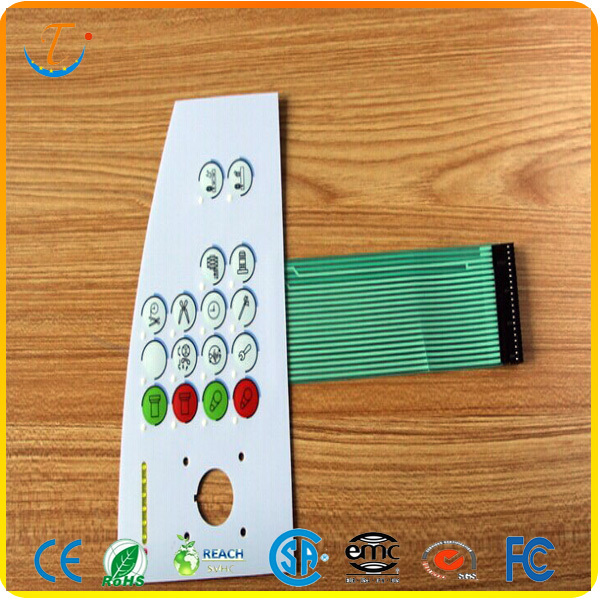
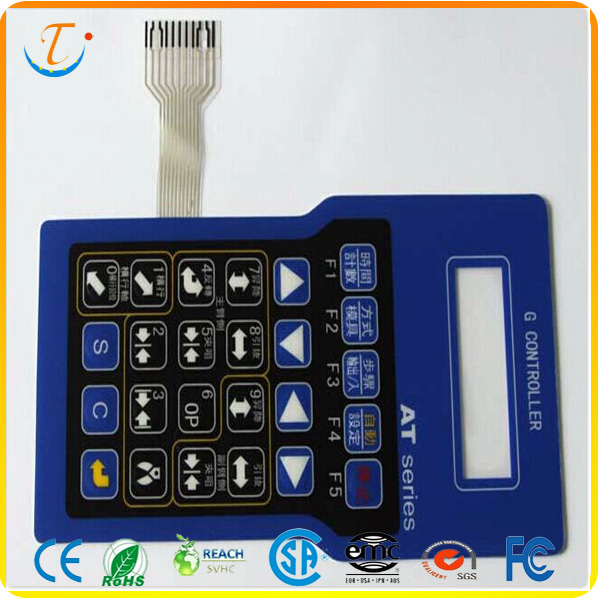
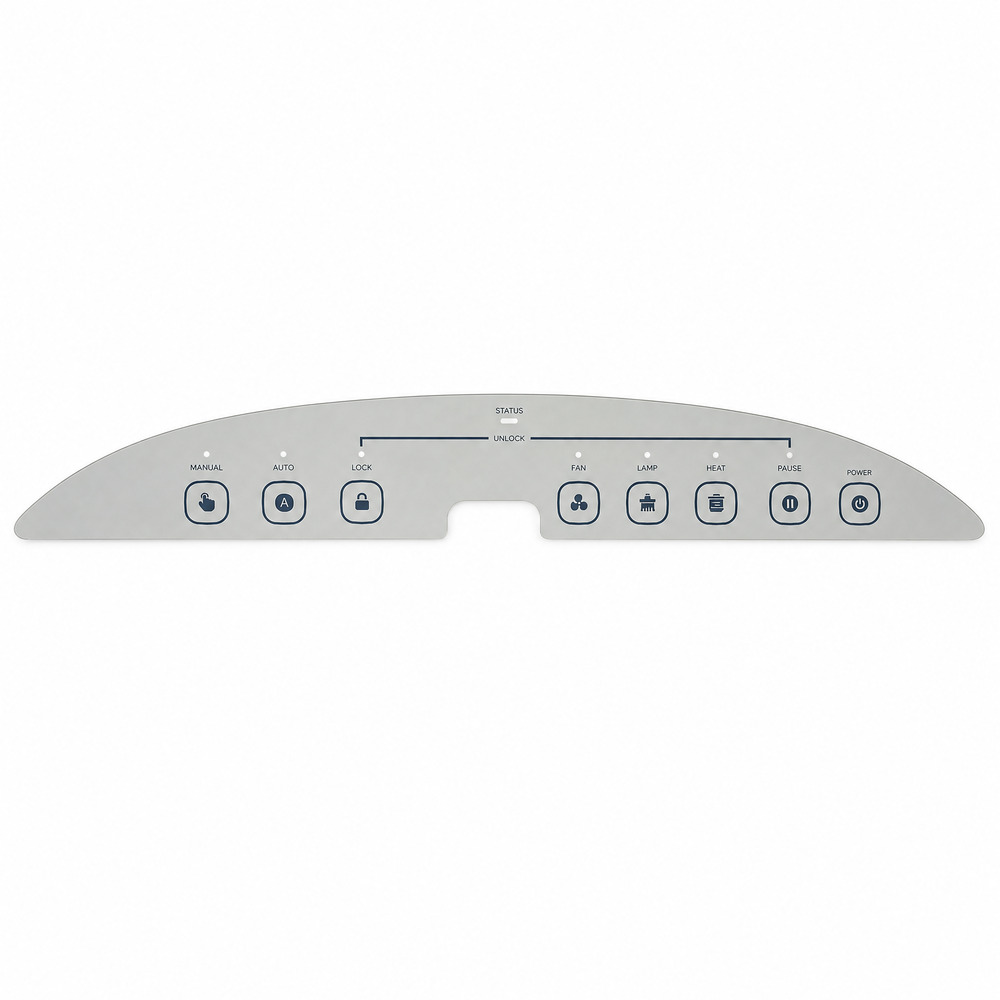
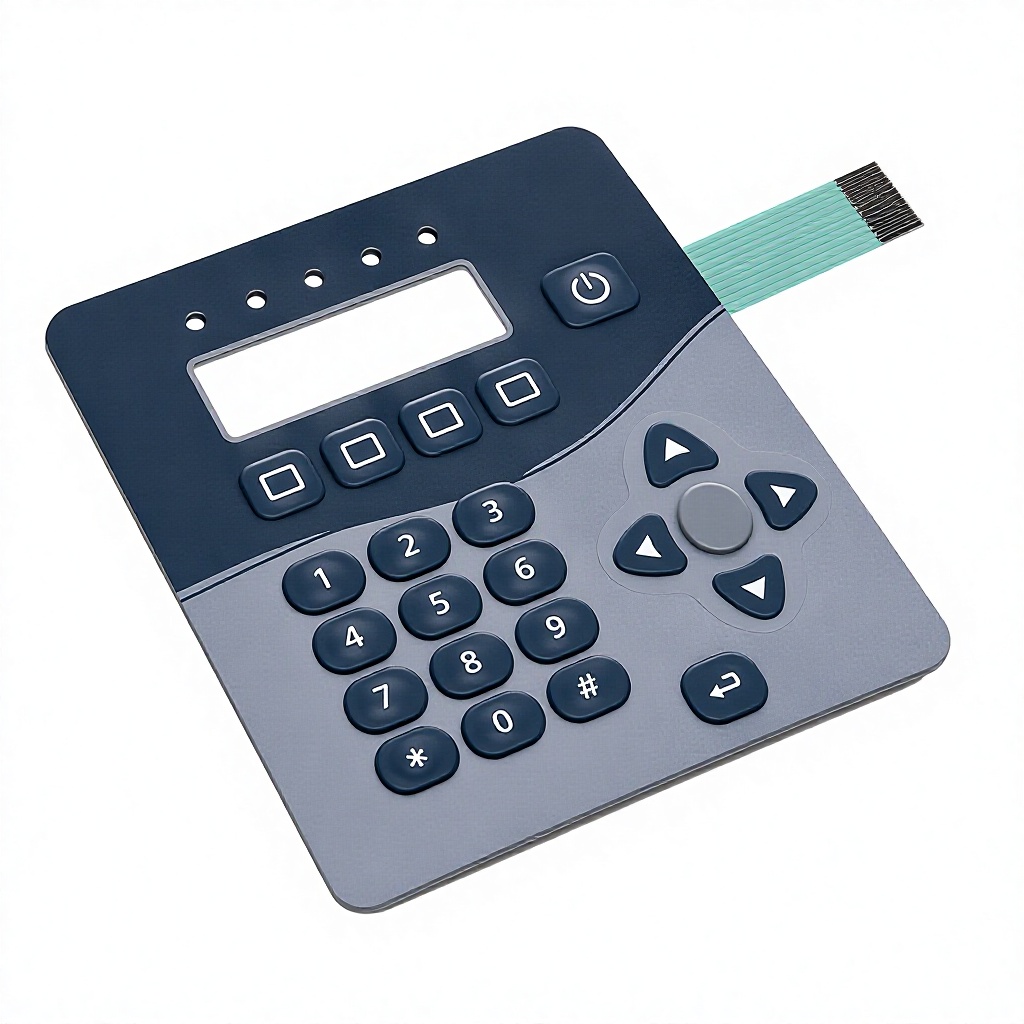
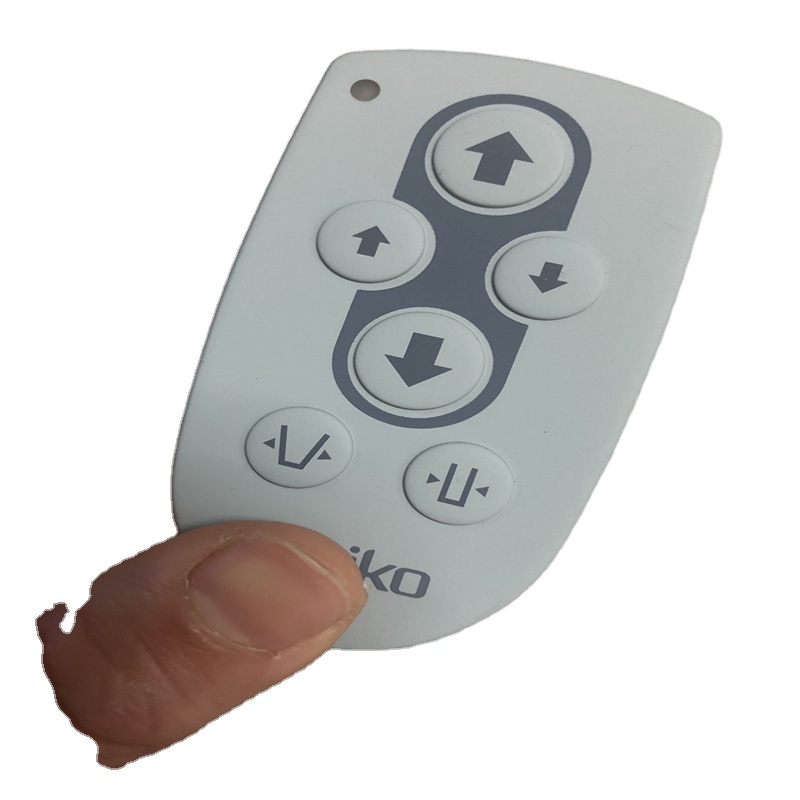
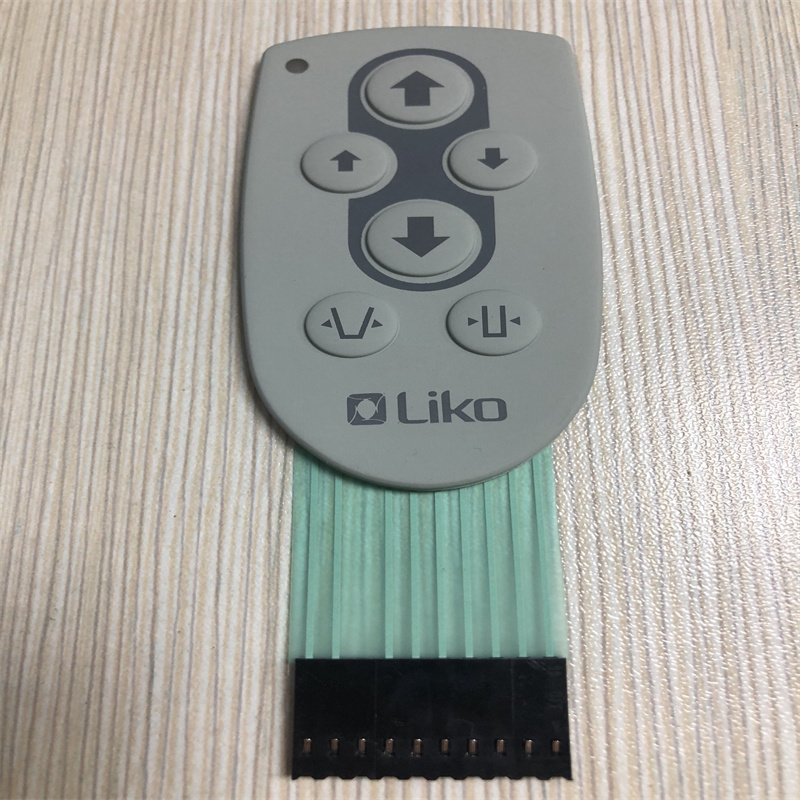
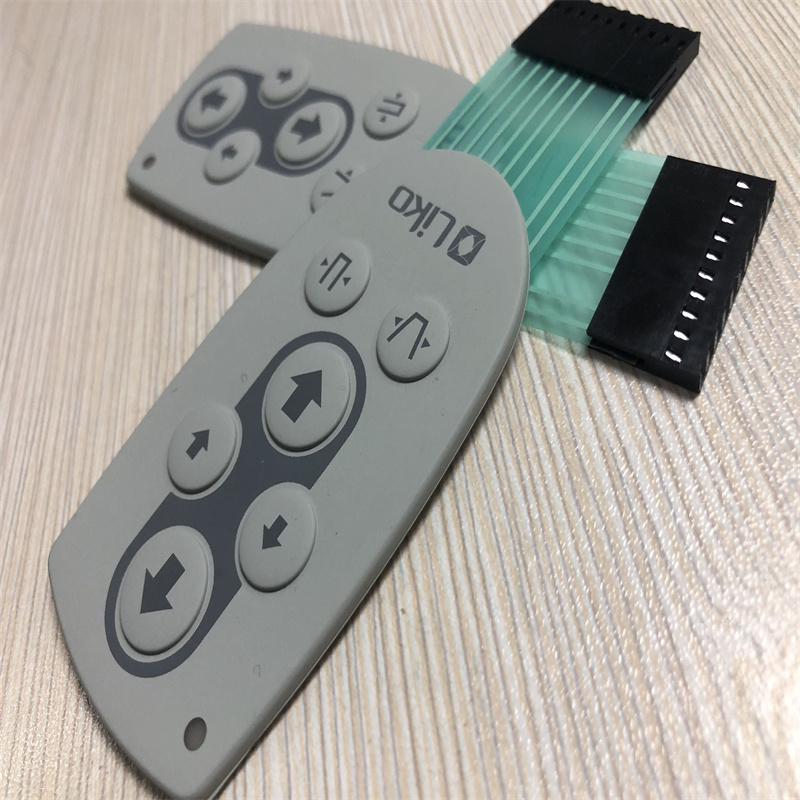
As we know, the common membrane switch usually uses PET and PC film as the graphic overlay. The product can be very thin, usually less than 1mm. However, many customers choose to design their products with silicone rubber keypad switches because the rubber provides users with an exceptional tactile feel.
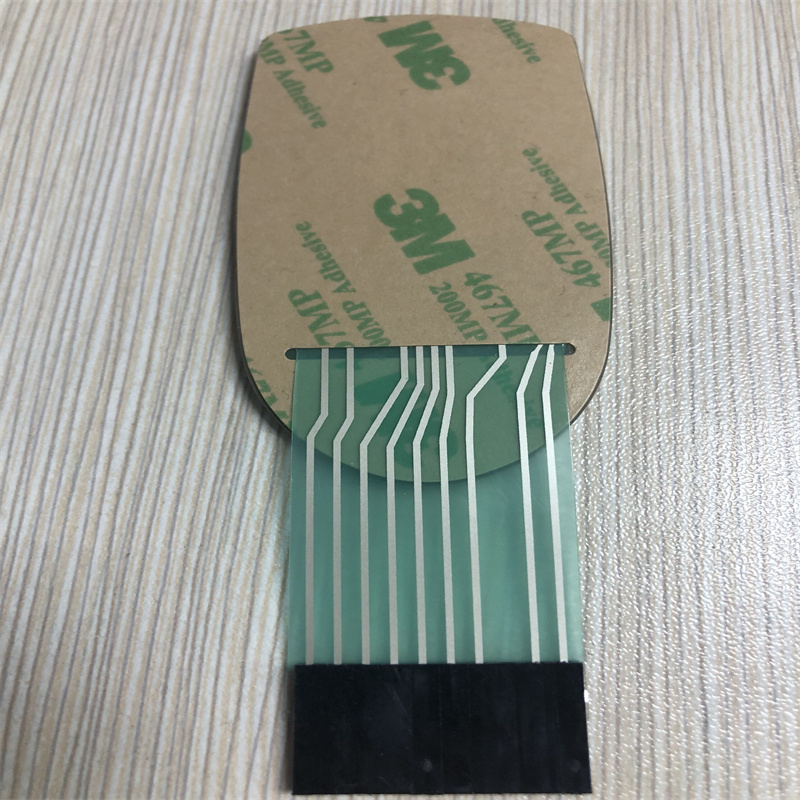
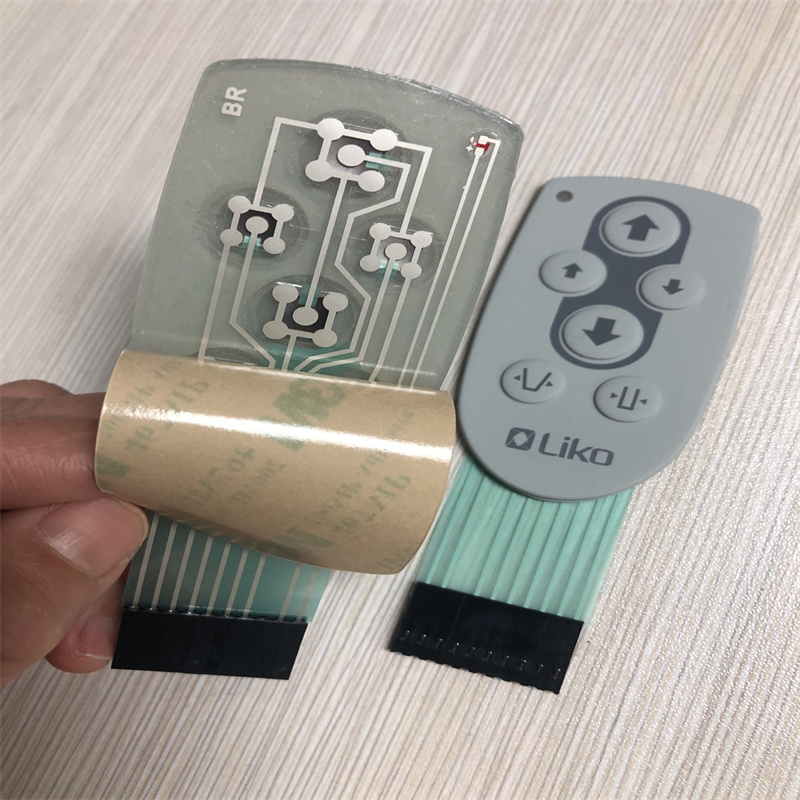
In addition, silicone rubber keypads can be integrated with conductive carbon pills on the back of the buttons, allowing for effortless integration with PCB circuits. By creating gold-plated conductive pads on the PCB and assembling it with the silicone keypad, pressing a button connects the carbon pill directly to the gold pad to trigger the function.
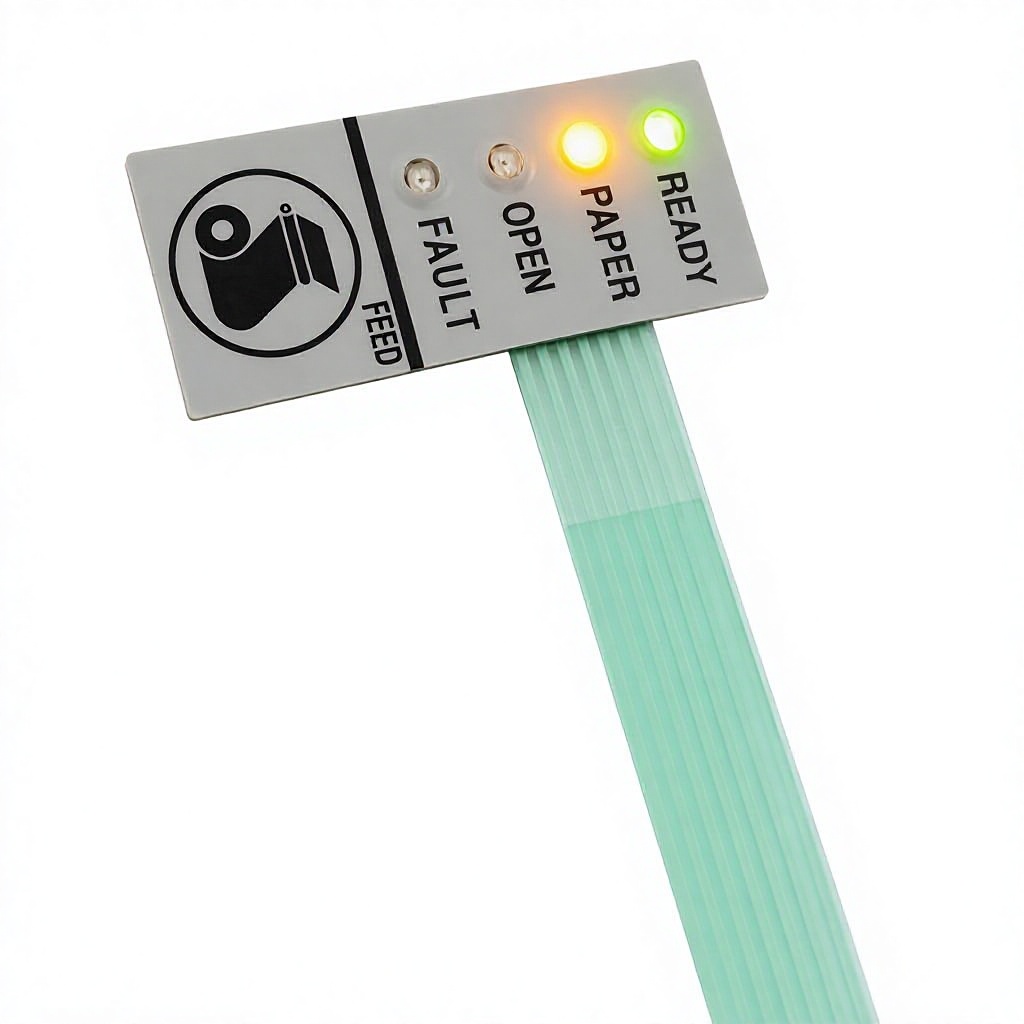
Silicone rubber keypad switches also achieve backlighting easily. The natural raw silicone rubber material is translucent, allowing light transmission. Once painted with custom exterior colors, backlit symbols and letters can be laser etched. The LED light from the rear PCB or membrane circuit passes through the etched graphics to deliver a clear, vibrant illuminated effect.
Silicone rubber is easy to clean, allowing simple maintenance if the surface becomes contaminated. It also features a high operational lifespan of at least 1,000,000 actuations. Highly durable and resistant to mechanical wear, rubber keypad switches are widely used across machinery, industrial automation, vending machines, and oily or contaminated operating environments.
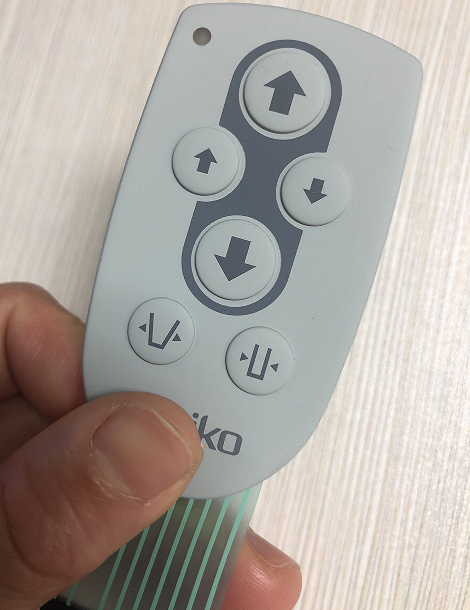
Silicone Rubber membrane switches are an excellent choice for medical, industrial, and commercial device controls. Offering soft, elastic tactile dynamics, rubber switches deliver an ergonomic user experience paired with key structural advantages:
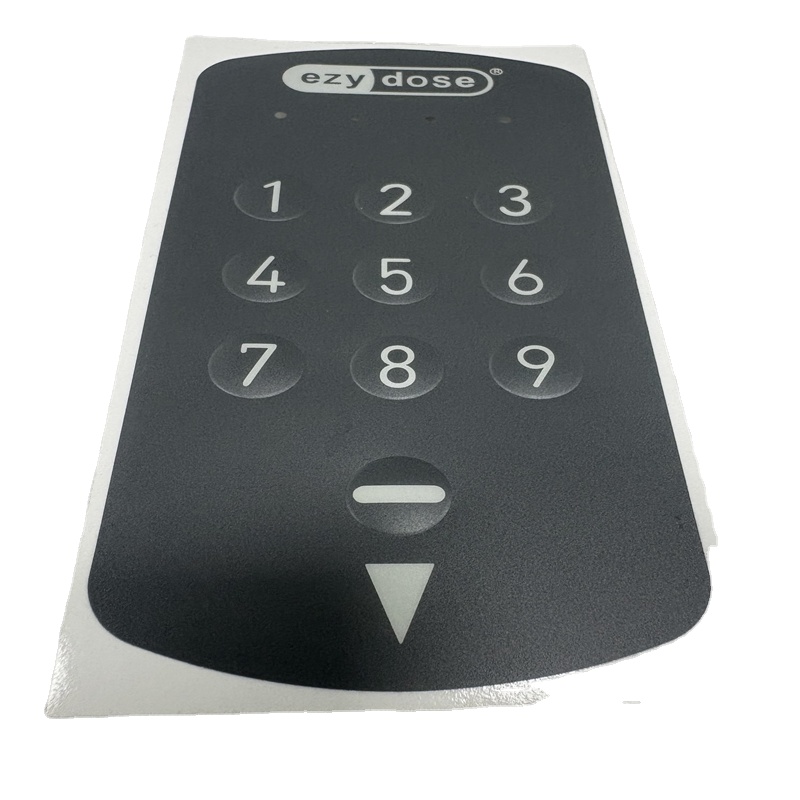
Cosmetically appealing, 3-D Silicone Rubber Keypads offer the electrical reliability of a membrane or PCB-substrate switch alongside the three-dimensional feel and durability needed for demanding operations.