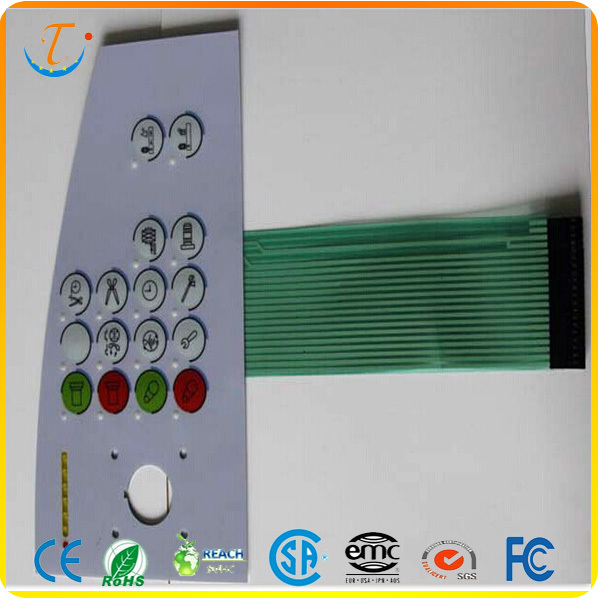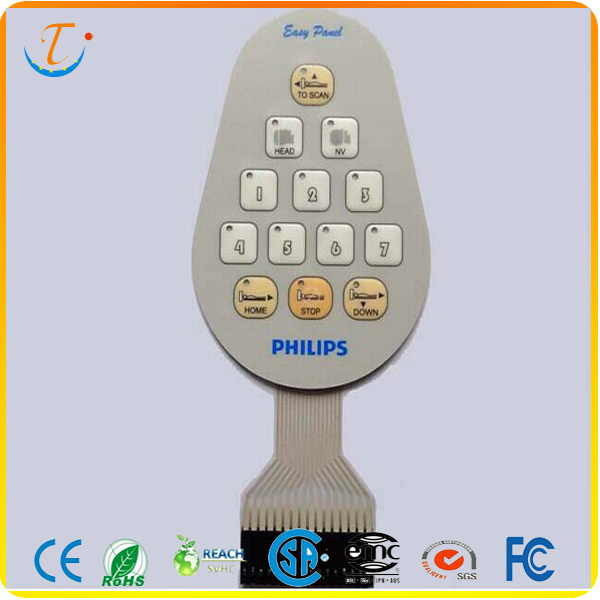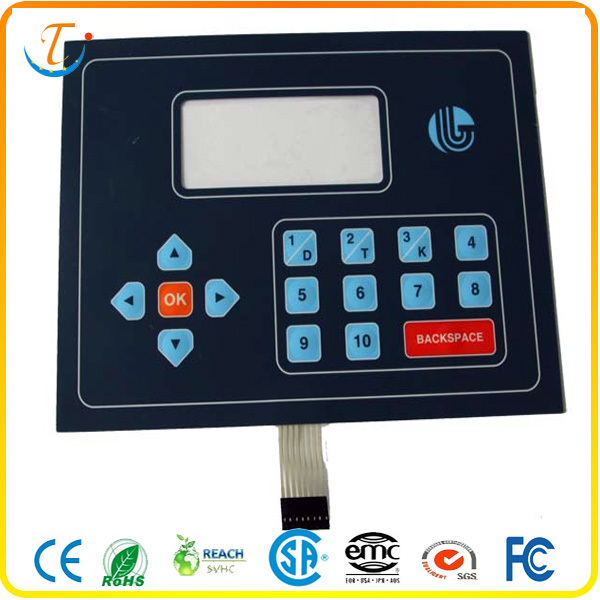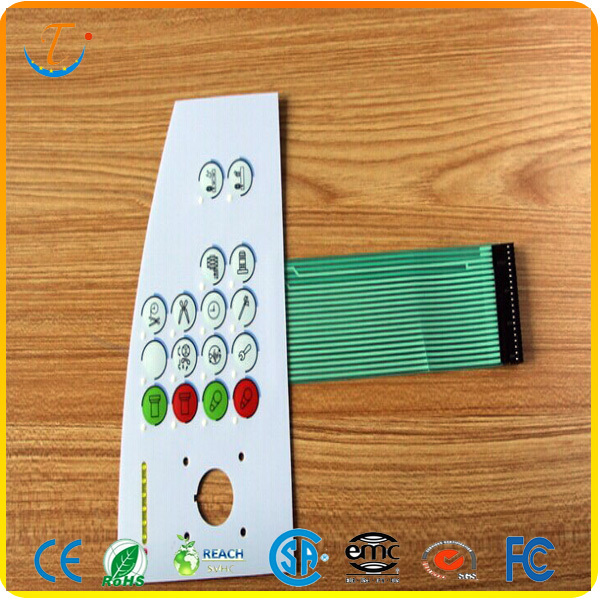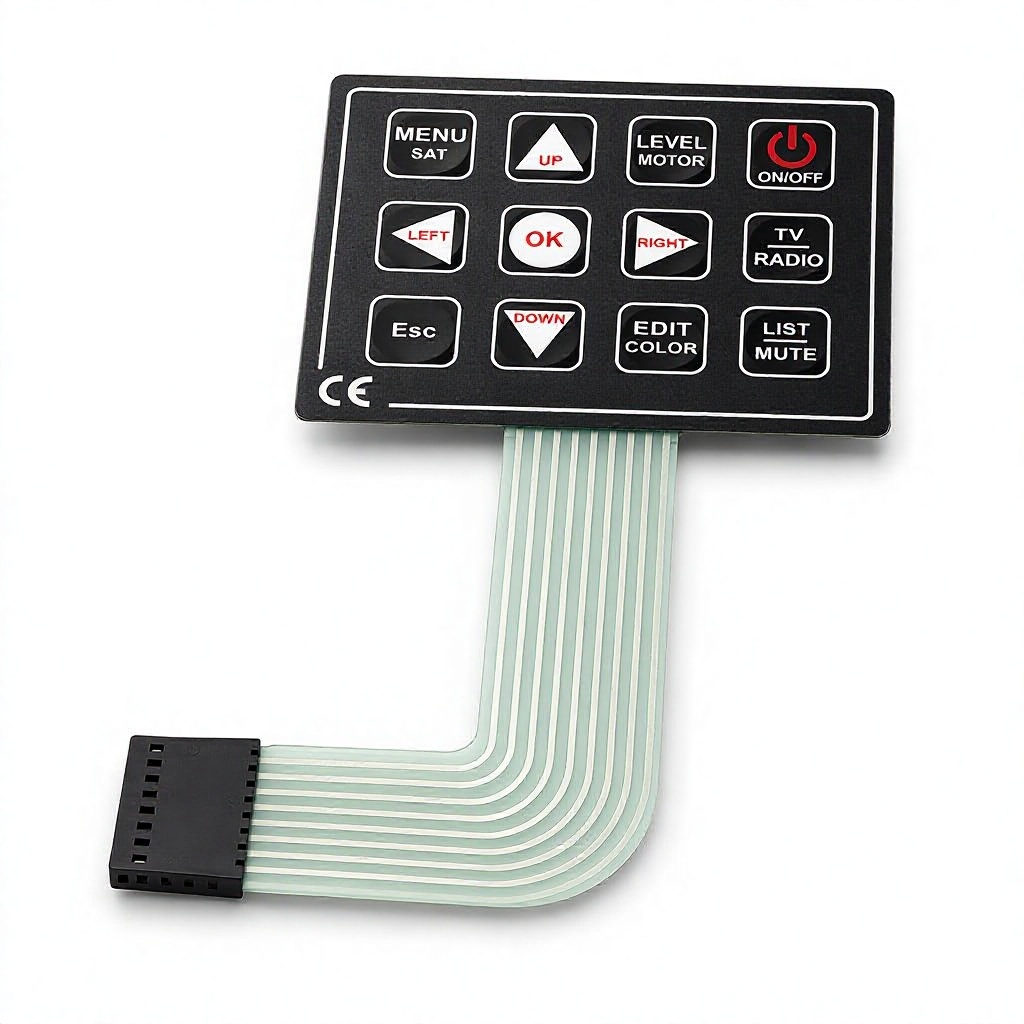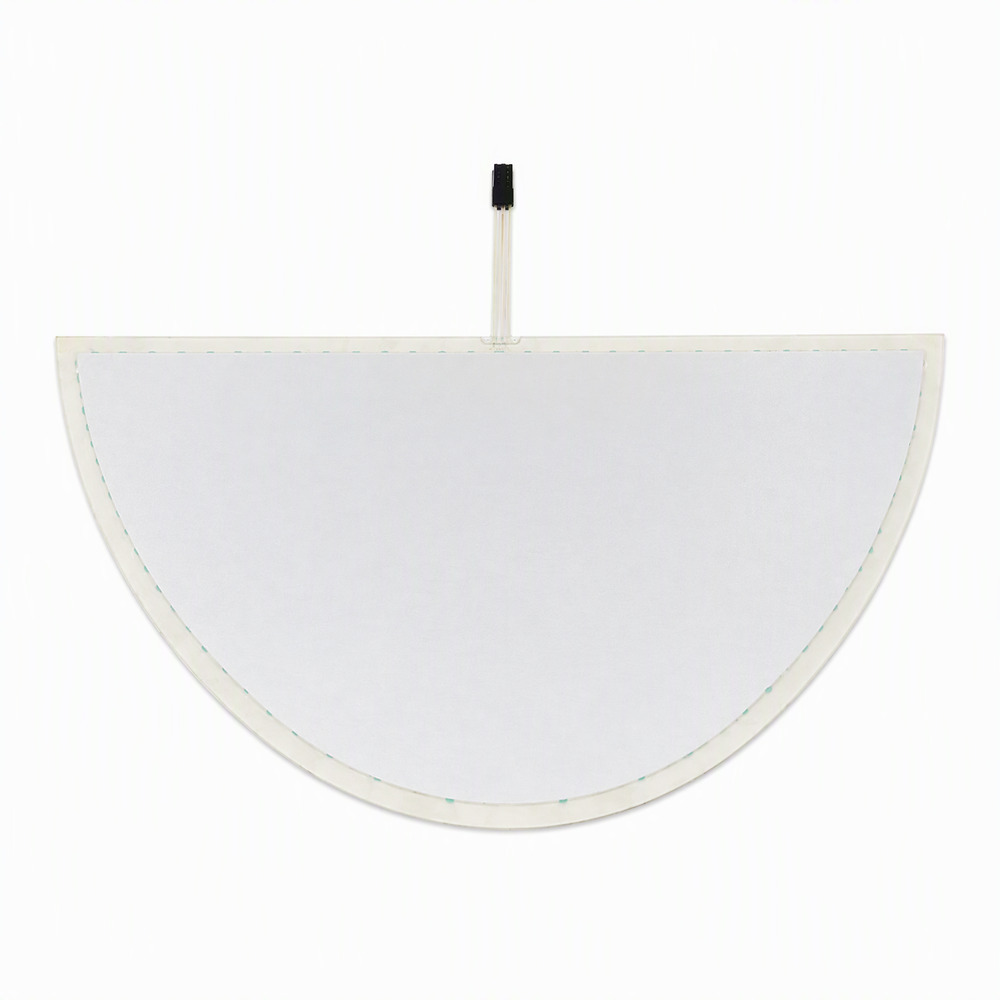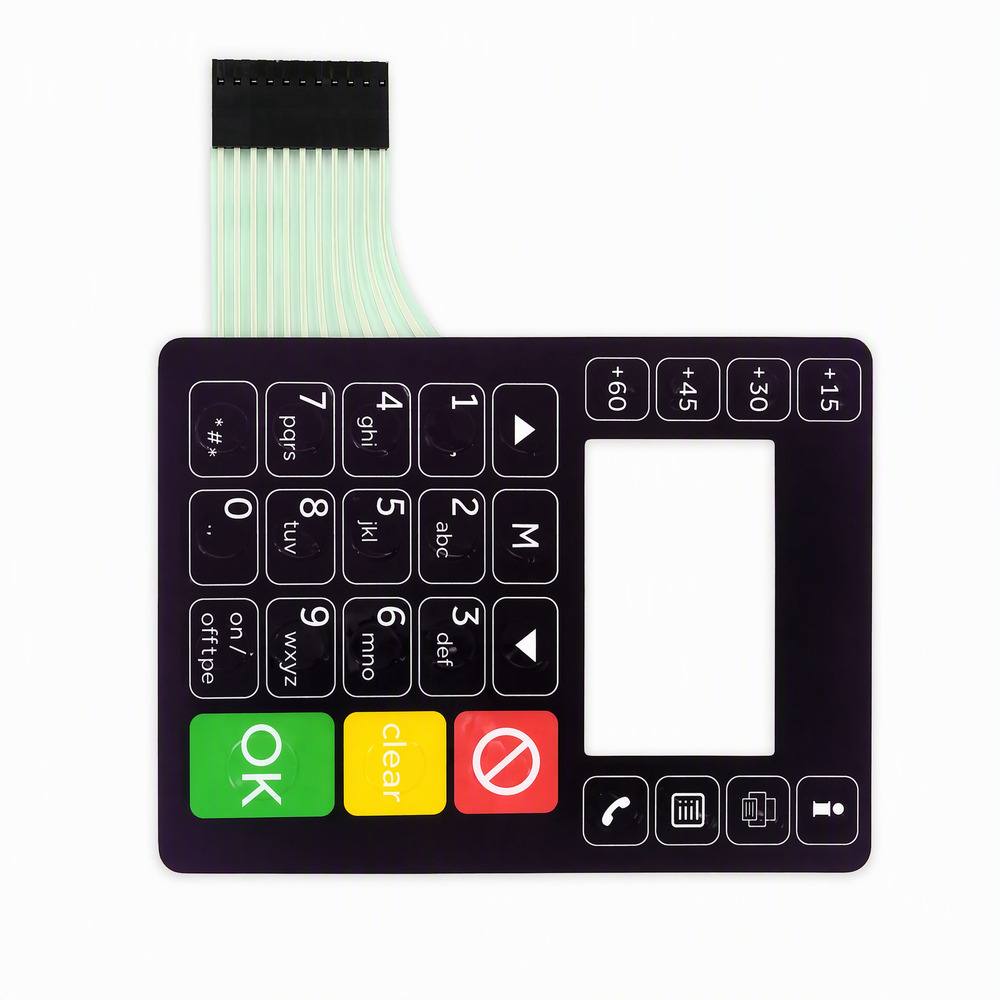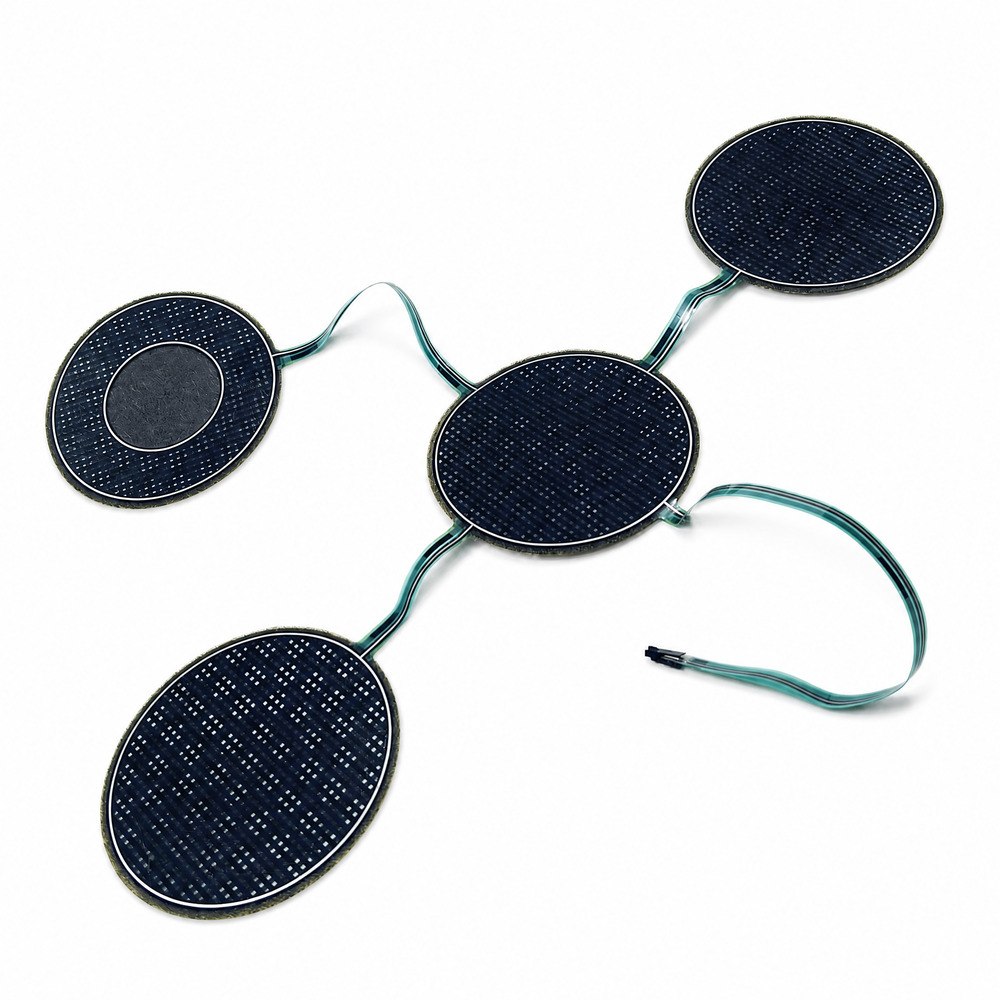
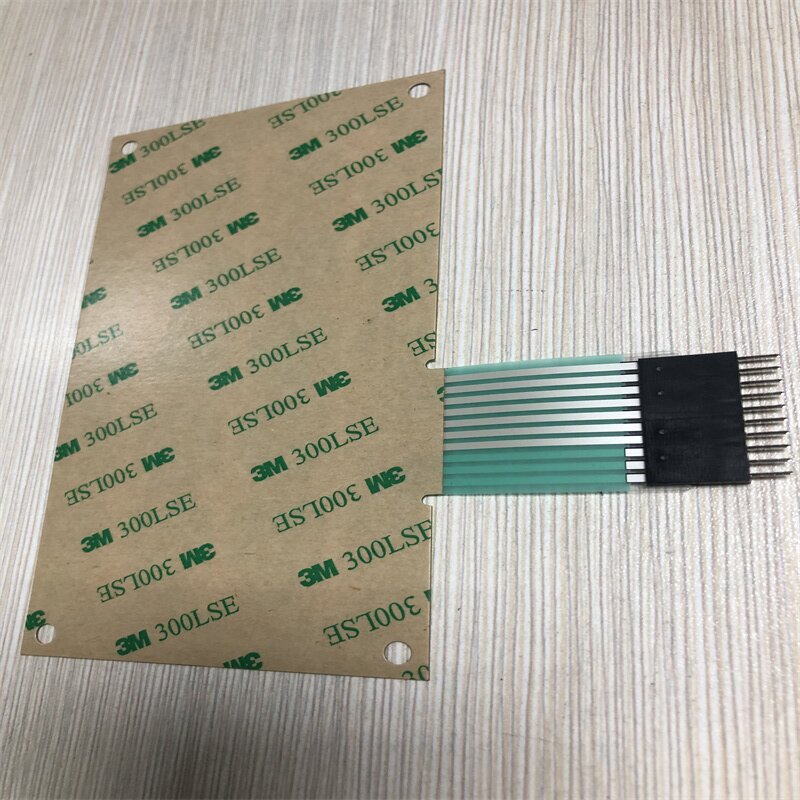
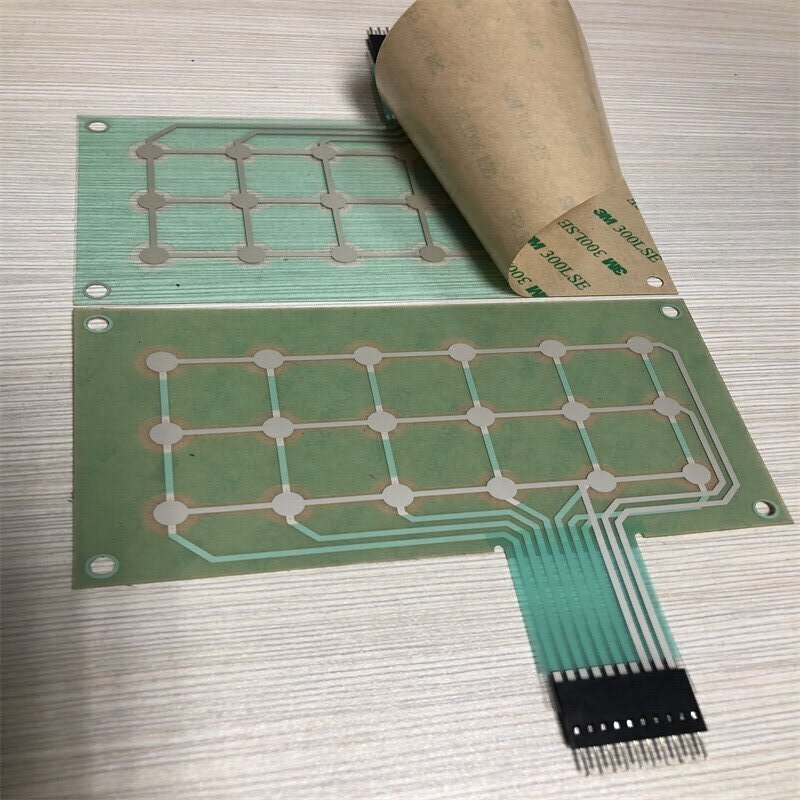
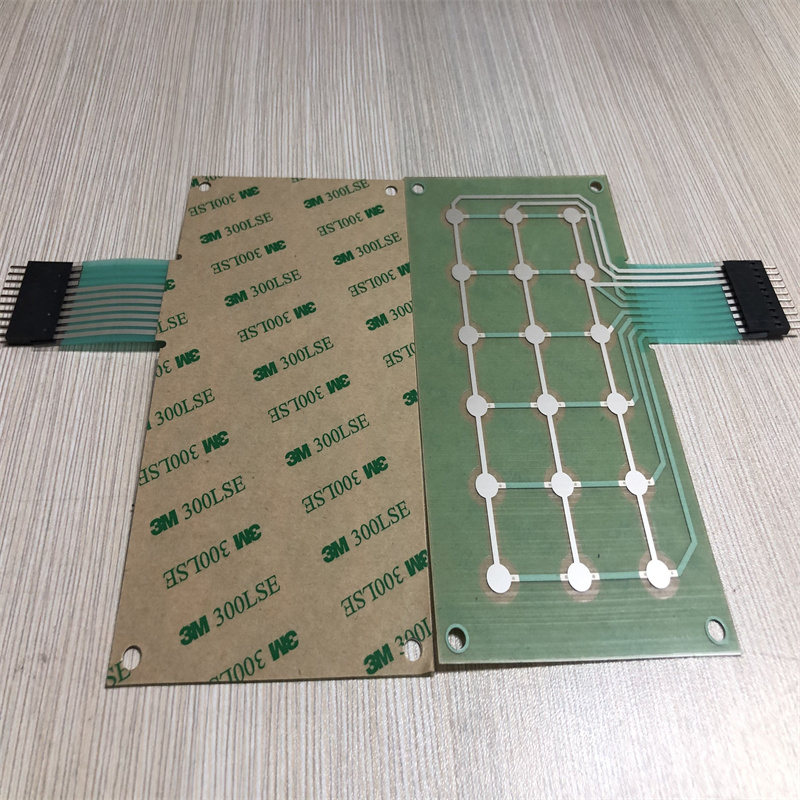
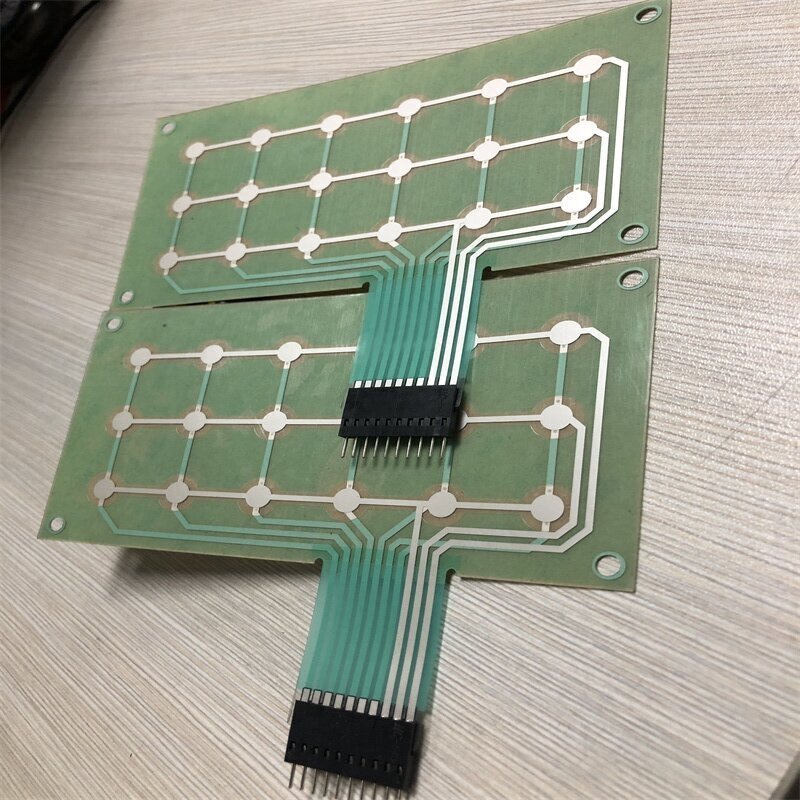
0.125mm Glossy PET Material Membrane Switch Keyboard Circuit with 3M467 Adhesive 2NO for Vending Machine Application

Product Description

Factory 0.125mm Glossy PET Material Membrane Switch Keyboard Circuit with 3M9495 Adhesive for Vending Machine Application

What Are Membrane Switches?

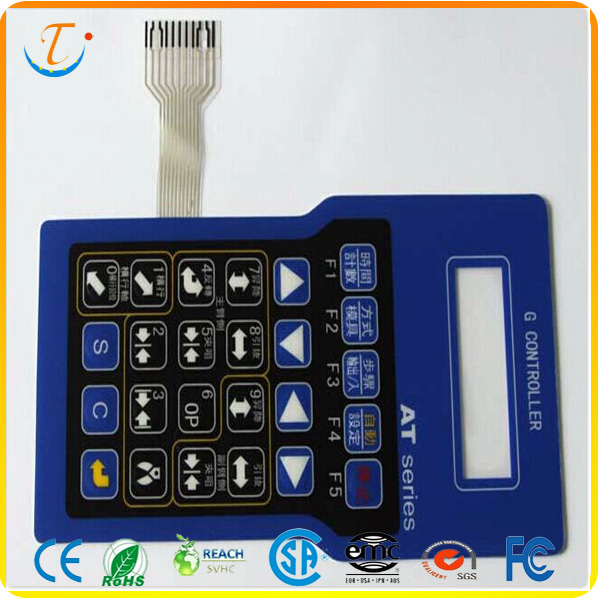
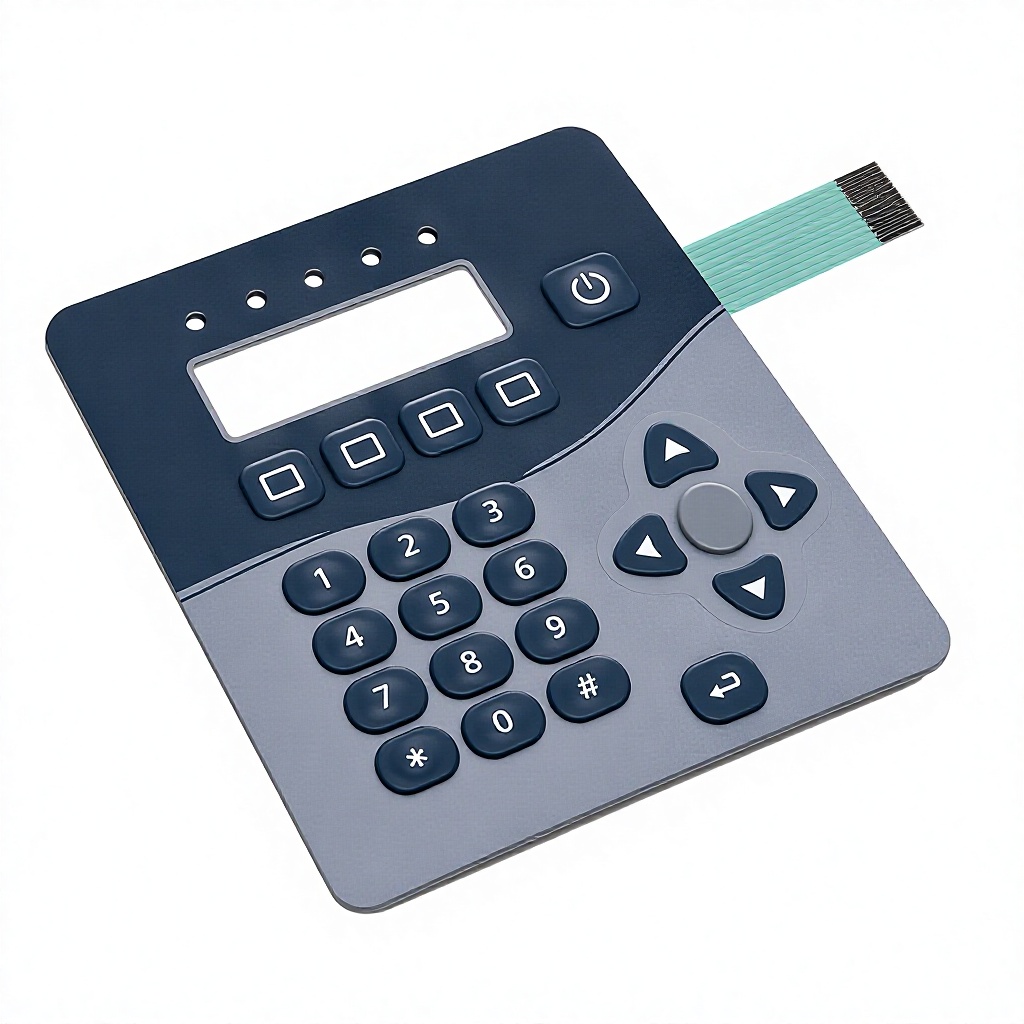
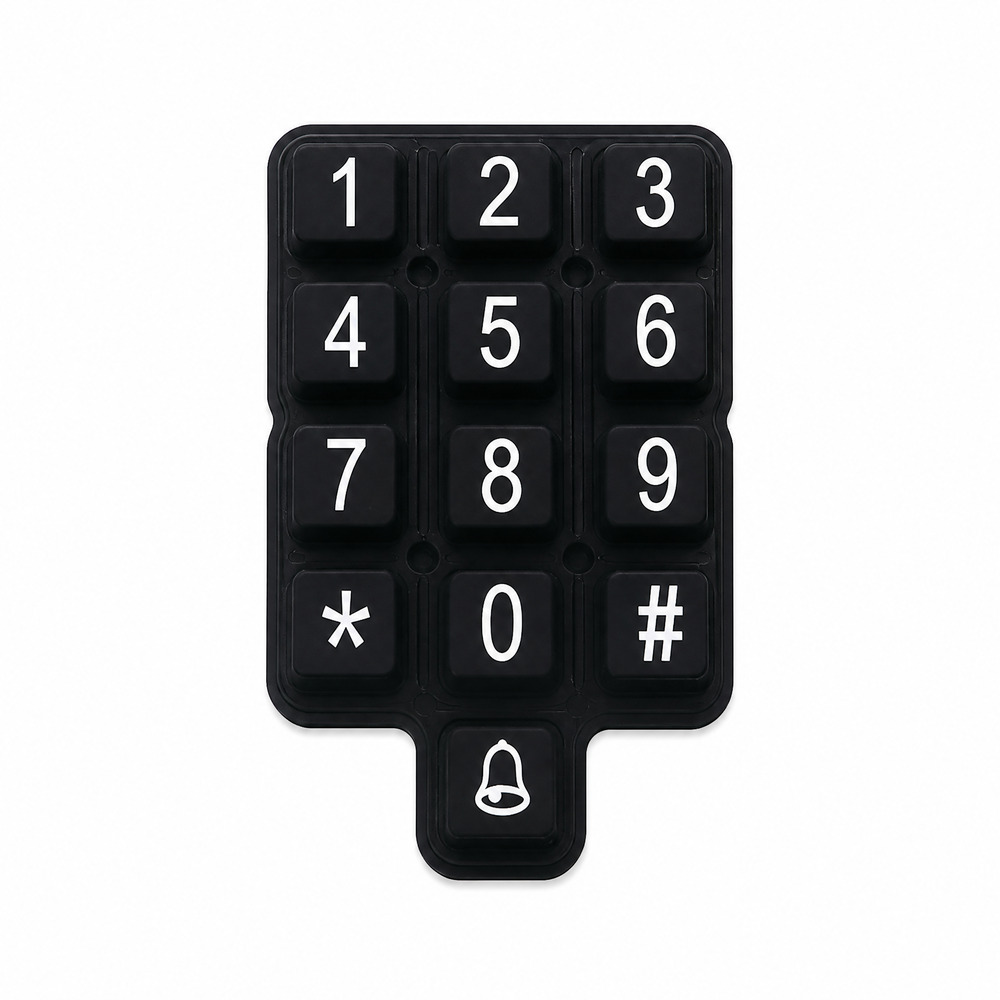
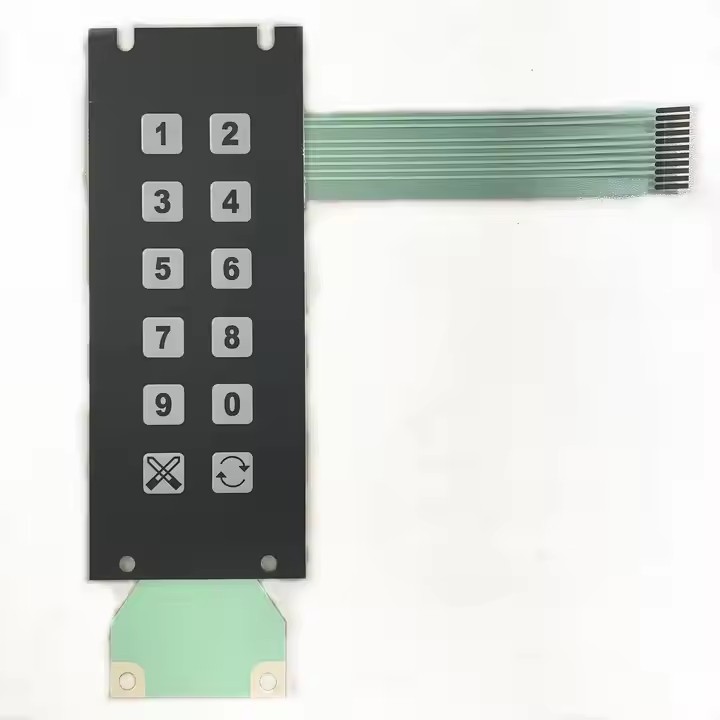
Membrane switches are thin electronic circuits that allow users to interface with a device using pressure. Pushing on a membrane switch closes or opens a circuit. Membrane switches are a class of user interface that allows humans to interact with electronic devices and machinery.

Considerations for Simple Membrane Switch Constructions

Tactile vs Non-Tactile Feedback

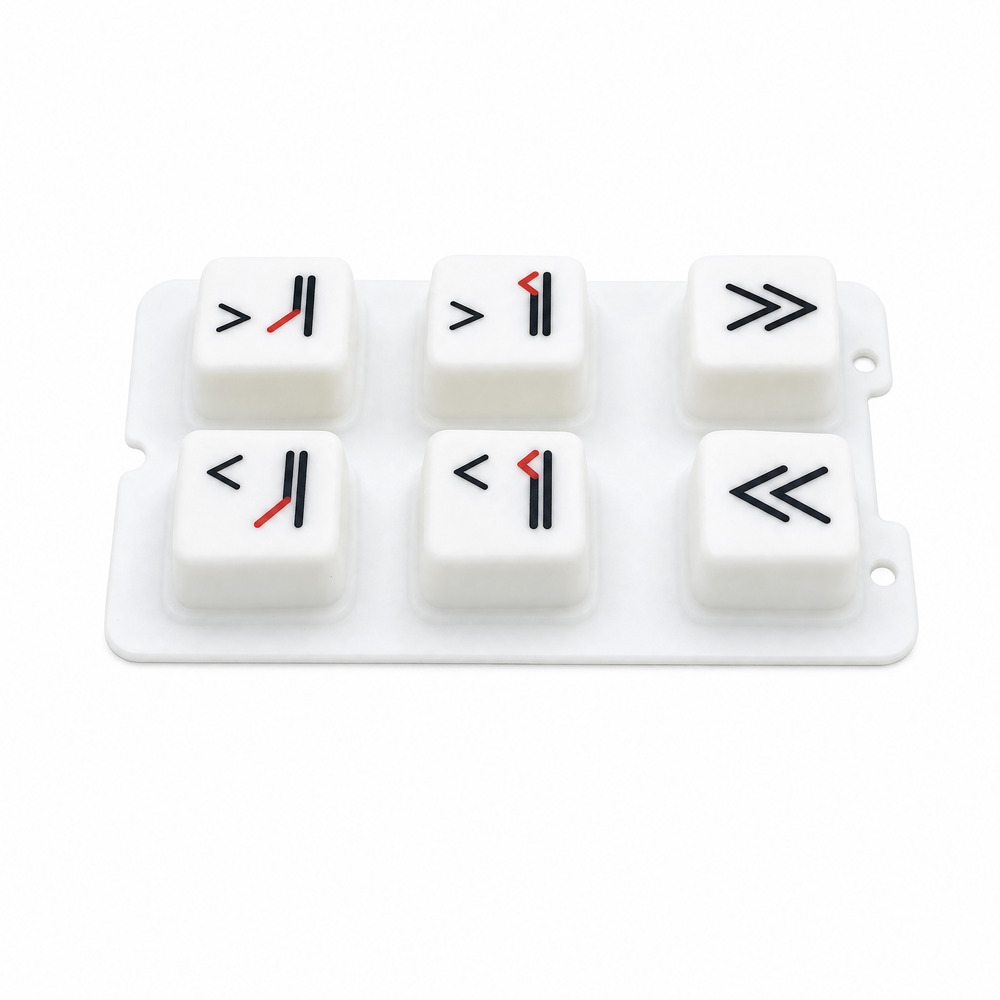
Tactile feedback refers to the feel you experience when you push a button. By using different materials and sizes for these buttons, you can vary the actuation force required to activate the switch.

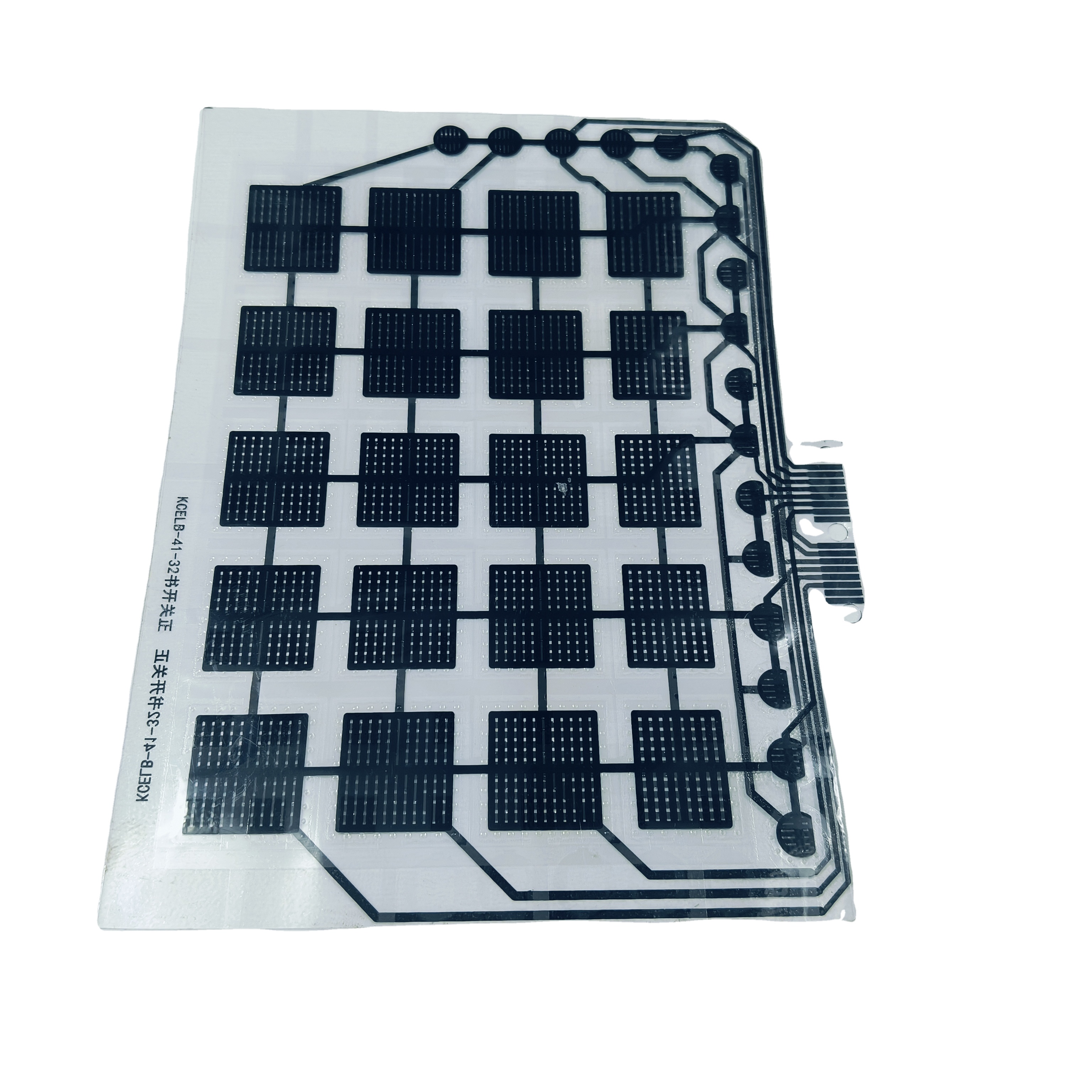
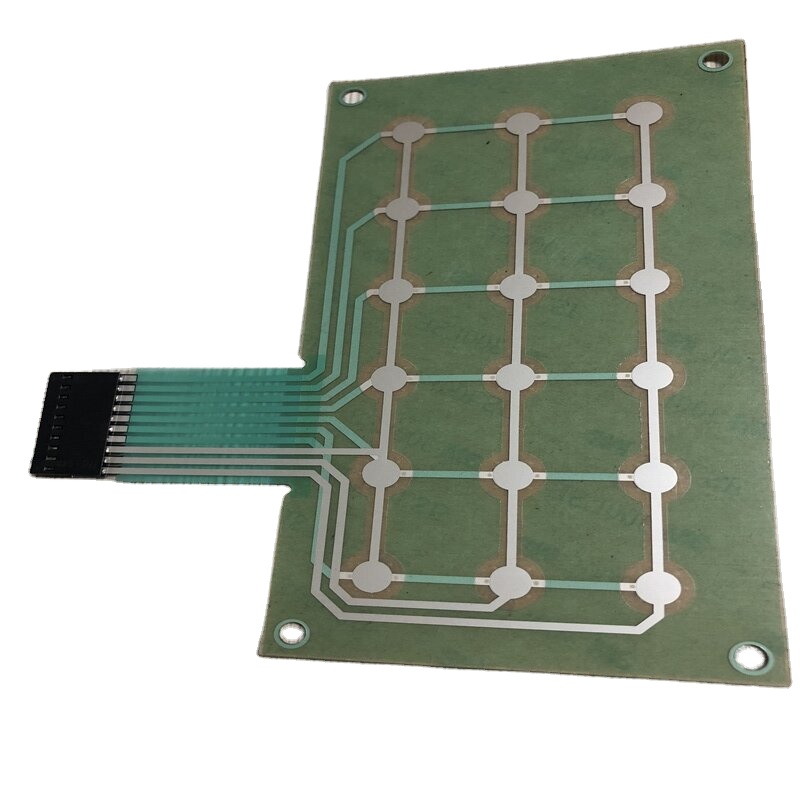
Tactile Switch with Silver Circuitry

Tactile switches incorporate a metal dome or a polydome into the membrane assembly to achieve a desired tactile (and sometimes audible) response. By using different materials and sizes for these domes, you can vary the actuation force required to activate the switch.

Non-Tactile Switch with Silver Circuitry

Since there is no tactile feel when these circuits are actuated, there is often a sound or light component put in place to indicate activation. Depending on the device and the design, electronic shielding techniques may also need to be incorporated.

Considerations for Complex Membrane Switch Constructions

Copper Flex Membrane Switches

Unlike screen-printed silver, copper flex circuits are manufactured by laminating copper to an underlying substrate, and then etching that substrate in a way that leaves specific conductive traces, resulting in a more flexible, durable, and precise circuit that compounds can be soldered to.

Printed Circuit Boards (PCBs)

Some user interfaces require higher-density, more miniature components. In these situations, printed circuit boards (PCBs) and printed circuit board assemblies (PCBAs) are often brought into play.

LED Backlighting Options

Designing the right backlighting technology into a switch assembly can help deliver a superior user experience. A wide variety of backlighting options are available, allowing engineers to precisely manage light quality, color, intensity, and coverage, so it is important that your selected switch manufacturer understands the advantages and disadvantages of these different techniques and how to properly incorporate them into a design.

Dead Front Display

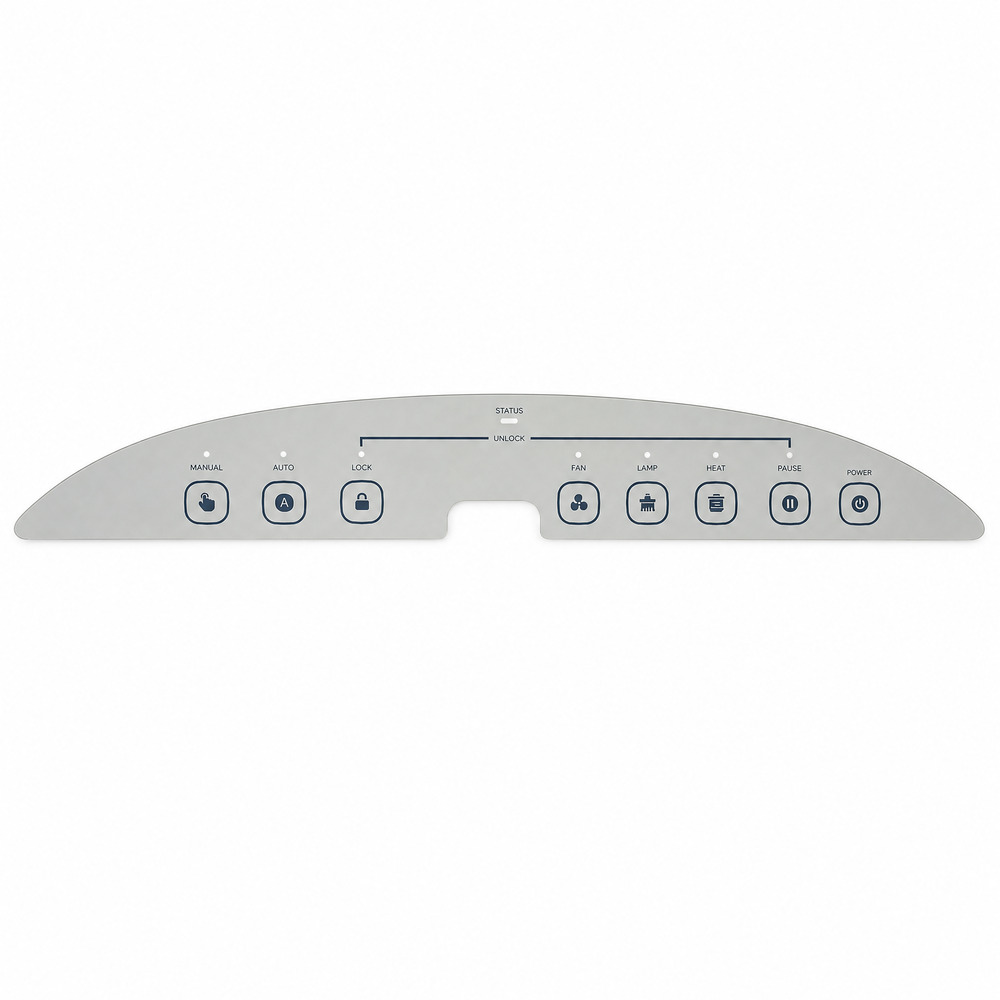
When a clean aesthetic and emphasizing certain icons is important, dead front displays are utilized. Dead fronting is a term used to describe an icon that is typically hidden from view but is visible under certain circumstances. The dead front icon must be transparent and allow light to shine through, therefore illuminating the icon, while the surrounding overlay must remain opaque and undisturbed by the backlight.

Welcome you to send us design (CAD / AI / CDR format drawing) or original sample membrane switch circuit for further process!
Contact: sunny Wechat: sunny13715385424 Whatsapp: +86 13715385424 Skype: sunny.Lee539

Packaging & Shipping

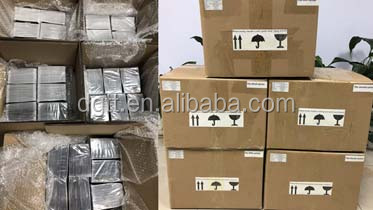
Packaging: Mainly depends on customer's requirements. Or 50pcs/100pcs each OPP bag, then protect it with bubble film and put it into thick-carton.
Shipping: Air Express like DHL UPS FedEx TNT, or by Sea shipping.
0.125mm Glossy PET Material Membrane Switch Keyboard Circuit with 3M467 Adhesive 2NO for Vending Machine Application

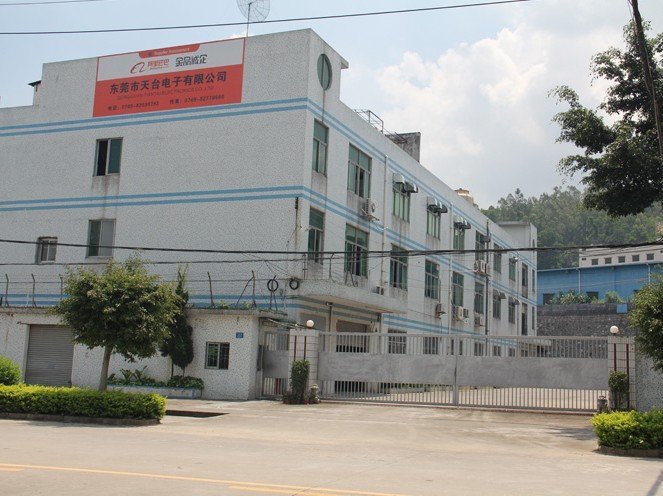
Sincerely Welcome to Visit Our Factory!

0.125mm Glossy PET Material Membrane Switch Keyboard Circuit with 3M467 Adhesive 2NO for Vending Machine Application

Frequently Asked Questions (FAQ)

What materials are commonly used for membrane switch circuits?
PET (Polyester) is widely used, particularly 0.125mm glossy or matte PET films, due to its excellent mechanical strength, chemical resistance, and high flex fatigue life. Screen-printed silver conductive ink or etched copper traces are typically applied as circuitry.
What is the advantage of using 3M adhesive on membrane switches?
High-performance adhesives like 3M9495 or 3M467 offer superior initial tack and shear strength, guaranteeing strong bonding on metal, plastic, and rough housing surfaces across various operating temperatures, ideal for vending machine environments.
How do I choose between tactile and non-tactile switches?
Tactile switches utilize metal domes or polydomes to provide direct physical 'click' feedback to the user, making them ideal for interfaces requiring confirmation of input. Non-tactile switches provide a smooth, flat surface and rely on audio or visual indicators (such as LEDs or beeps) for input recognition.
Can membrane switches be customized with LED backlighting and dead front icons?
Yes. Membrane switches can integrate surface-mount LEDs, light guide films, and selective light-blocking layers to illuminate specific zones. Dead-front technology keeps selected icons concealed until activated by illumination.
What file formats are required for customized membrane switch production?
Vector design files such as CAD (.dwg, .dxf), Adobe Illustrator (.ai), or CorelDRAW (.cdr) are preferred. You may also provide physical samples for reverse engineering and circuit tracing.

Related Products