1 / 5
 EN
 DE
 FR
 ES
 RU
 JA
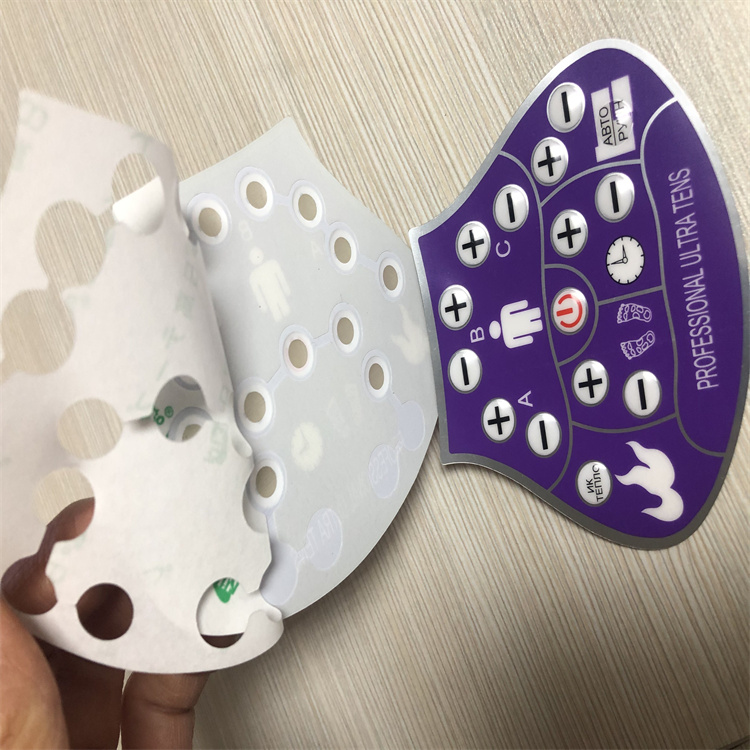
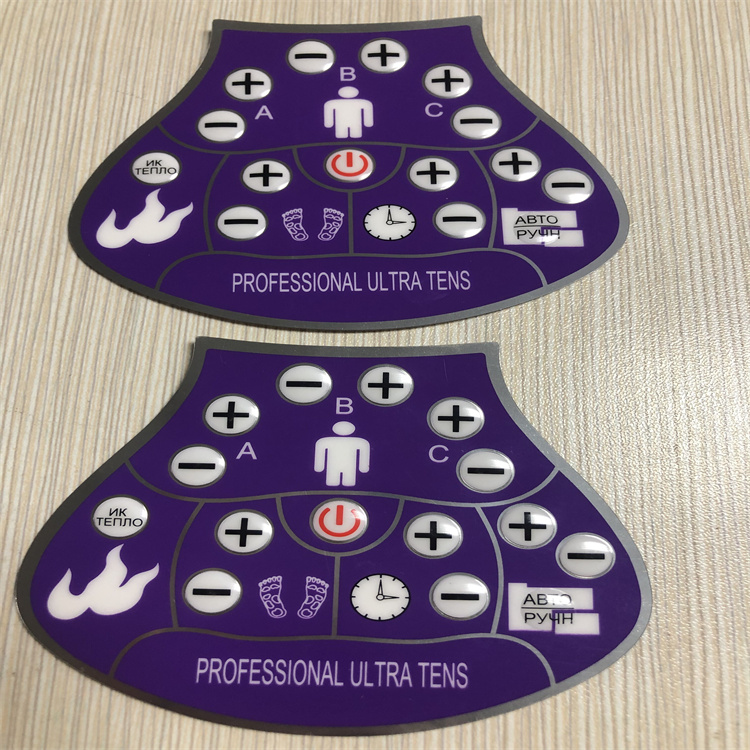
Graphic overlays can be made from a variety of materials to suit different products and environments. Some of the most commonly used are:
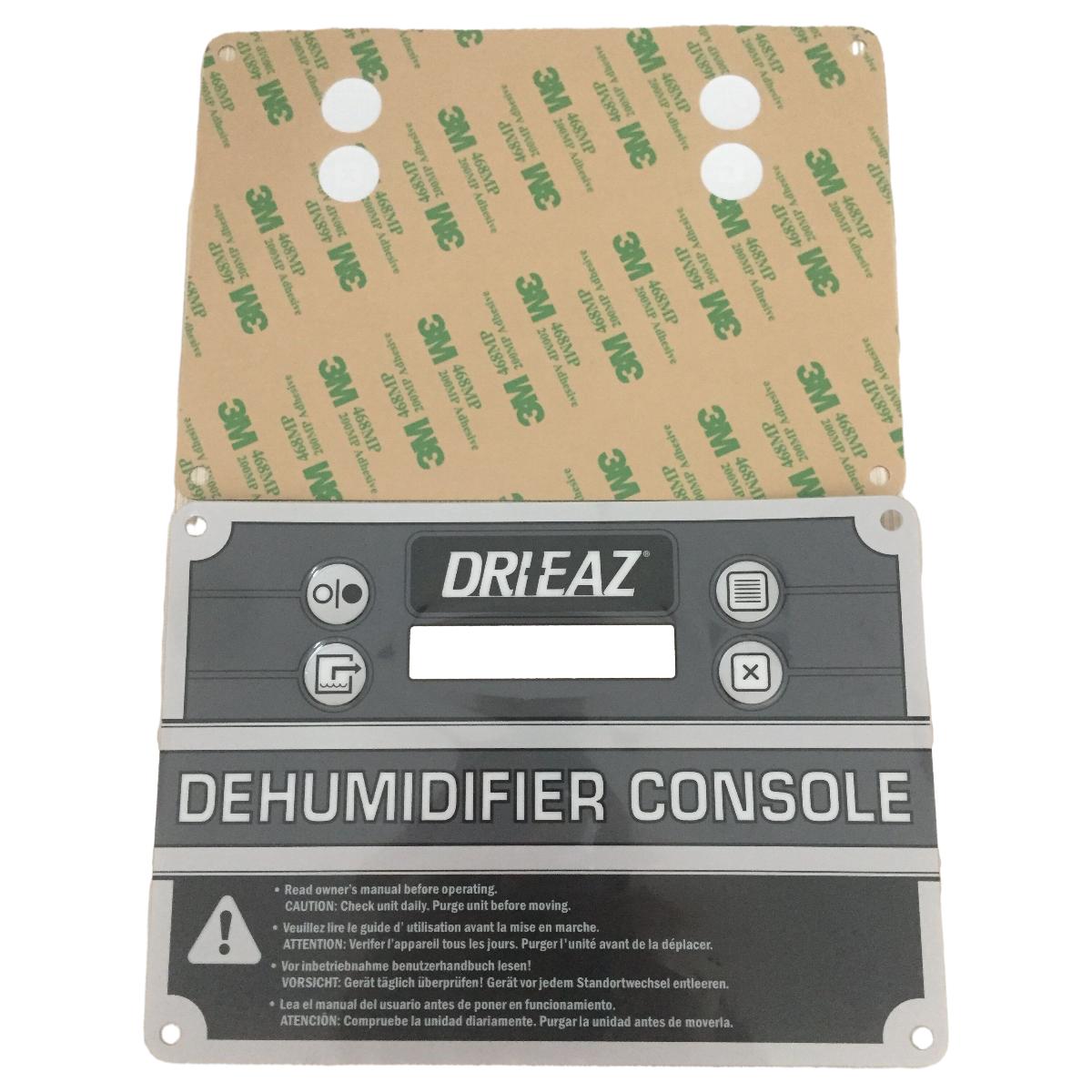
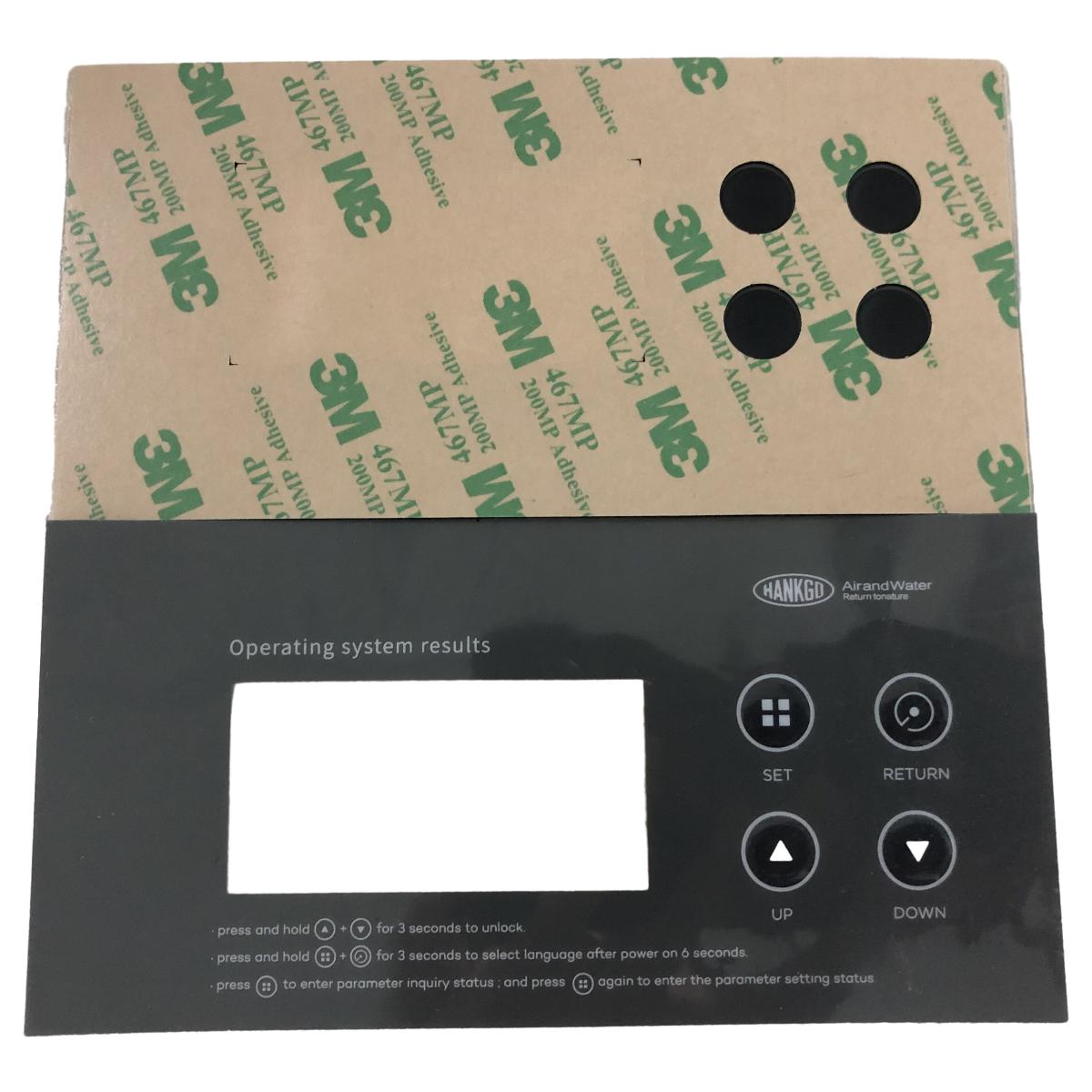
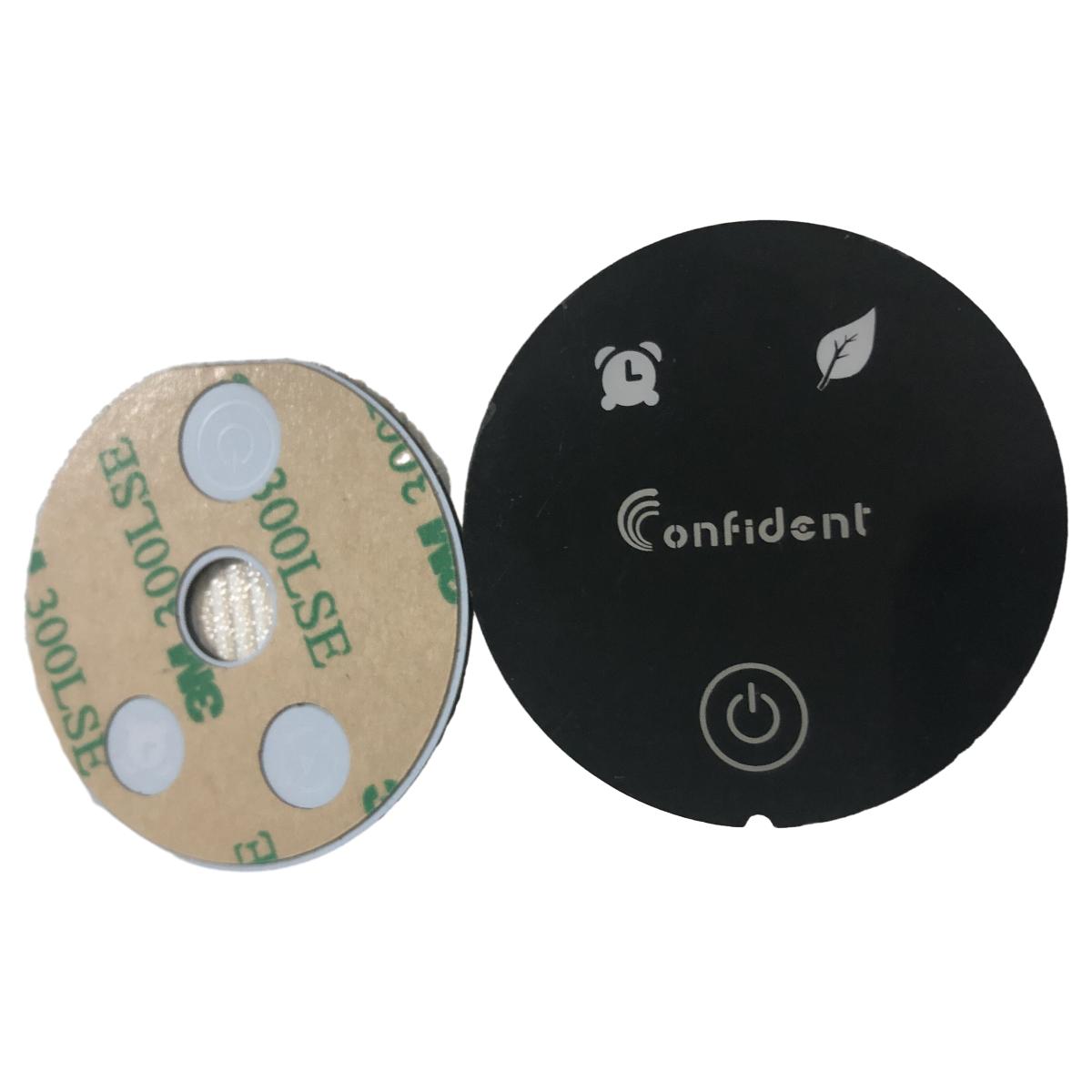
Polyester overlays are the most frequently utilized material for graphic overlays as it is the most commonly used plastic in the world. Polyester overlays have good chemical resistance and can withstand higher temperatures compared to the other materials commonly used to produce graphic overlays.
Polyester overlays are most commonly used in applications where the product may be exposed to chemicals, harsh environments, temperature extremes, or cleaning agents. They’re also the most durable material that can be used even though their thickness only goes up to approximately .010".
Polycarbonate overlays are a common material used for graphic overlays when impact resistance and transparency are required, as they are naturally transparent materials. Polycarbonate material is known for being easy to laser cut, die-cut, screen print, and texturize. Unlike polyester overlays which are naturally chemical resistant, polycarbonate overlays need a hard coat protection to be applied to the top layer to increase the chemical resistance.
Standard polycarbonates can also be subjected to heat; however, they can only be exposed to a temperature of approximately 220 degrees Fahrenheit. Another form of polycarbonate overlay, known as an FR or Fire Retardant polycarbonate, can help to extinguish fires the overlay is exposed to or help with the temperature extremes the overlay may be placed into. When it comes to impact resistance for an overlay, polycarbonate overlays are hands-down the best material that can be used.
Acrylic overlays are the least commonly used material for graphic overlays, but they’re another type of plastic overlay that can be utilized. Acrylic overlays gain popularity because they are clear and lightweight. It is also more transparent than typical glass and is nearly 50% lighter. If your main priority of an overlay is to diffuse or transmit light, then an acrylic overlay would be the best option for you. Acrylic overlays are strong and do not bend easily, which can help provide stiffness and make your display durable.
| Selective textures | We can create graphic overlays with glossy, matte and other selective textures, giving manufacturers more opportunities to customize the look and feel of the finished product. |
|---|---|
| Custom thicknesses, sizes and shapes | We can die-cut graphic overlays to create nearly any size or shape for unique applications. We can also use our materials science expertise to help manufacturers choose materials with the right thickness to minimize costs while achieving desired product performance. |
| Embossing | Make images stand out with pad embossing, rail embossing and other embossing techniques that add function to graphic overlays. We can also emboss braille to improve accessibility for consumer-facing applications. |
| Transparent windows and cut outs | We can produce dead front and backlit overlays with windows and cut outs of nearly any size or shape. Windows and cut outs can be clear, have varying degrees of dead front or feature transparent colors for more dynamic functionality. |
| Printing | We use digital and screen-printing techniques to add a wide range of colors to graphic overlays, creating higher definition graphics and patterns. |
| Dead front graphics and windows | Create dead front graphics that only appear when backlit for a clean look and better user experience. |
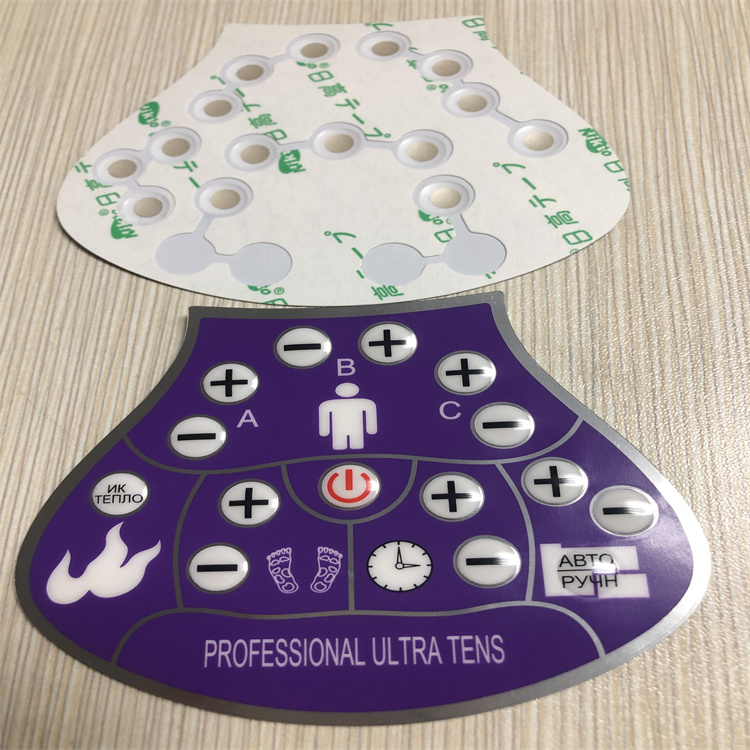
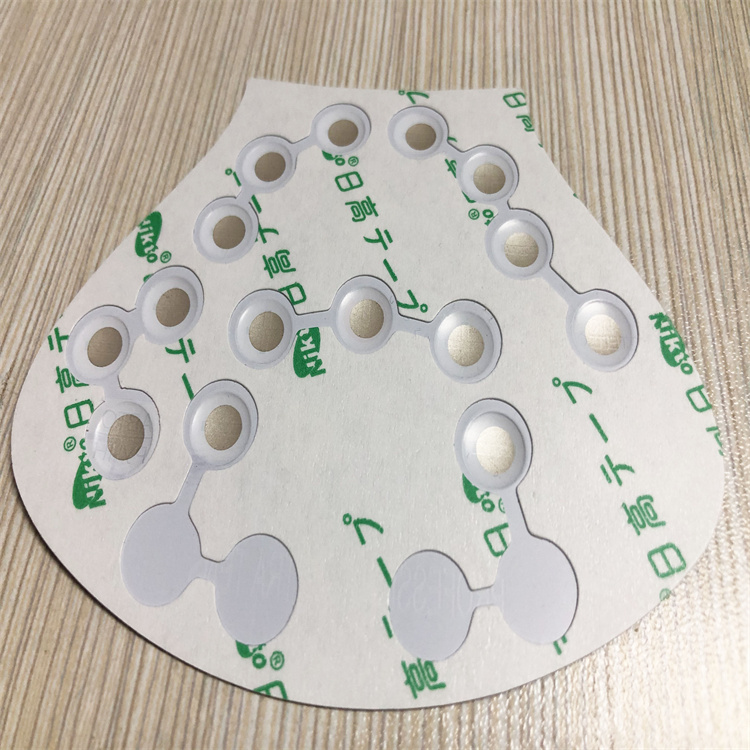
| Selective adhesives | We can create a full coverage adhesive on the back of a graphic overlay or use selective adhesives to work around windows and cut outs. As a preferred 3M converter. |
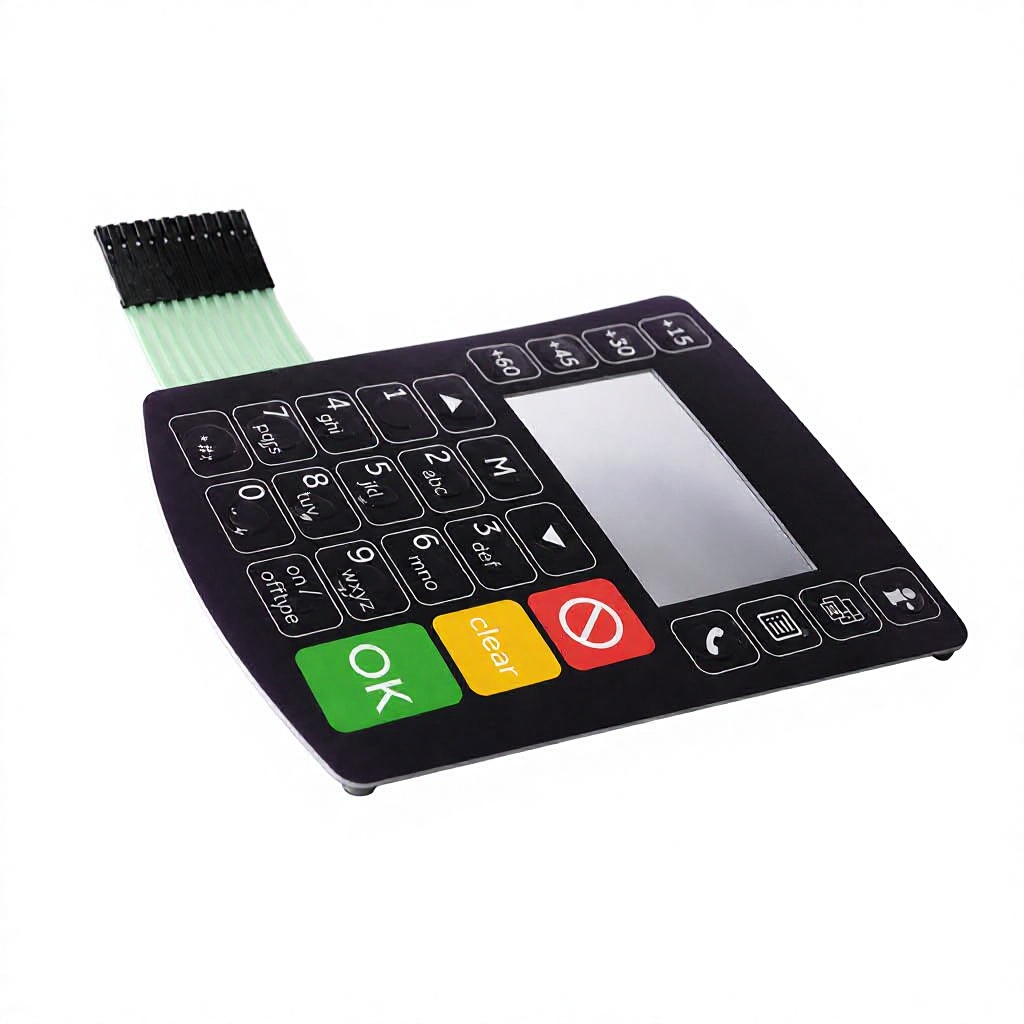
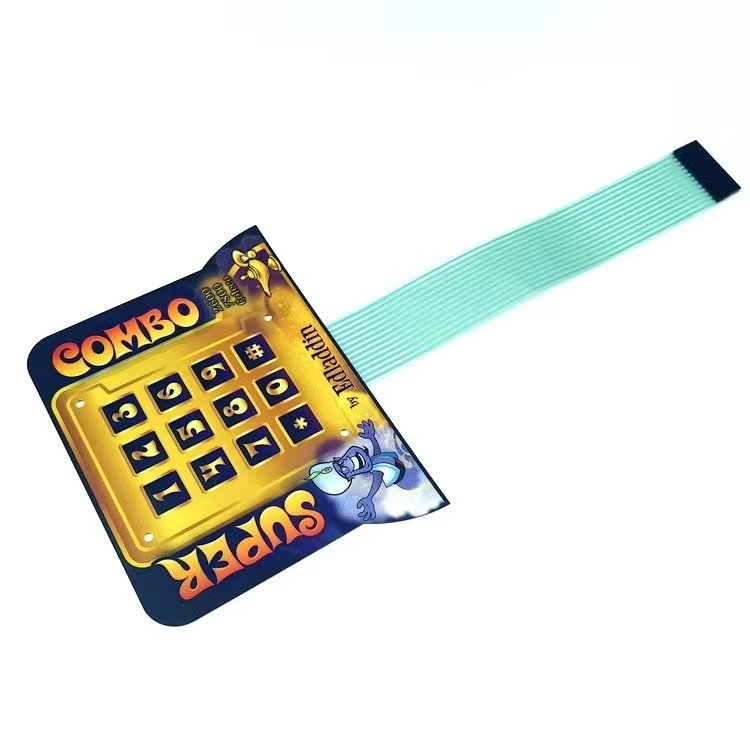
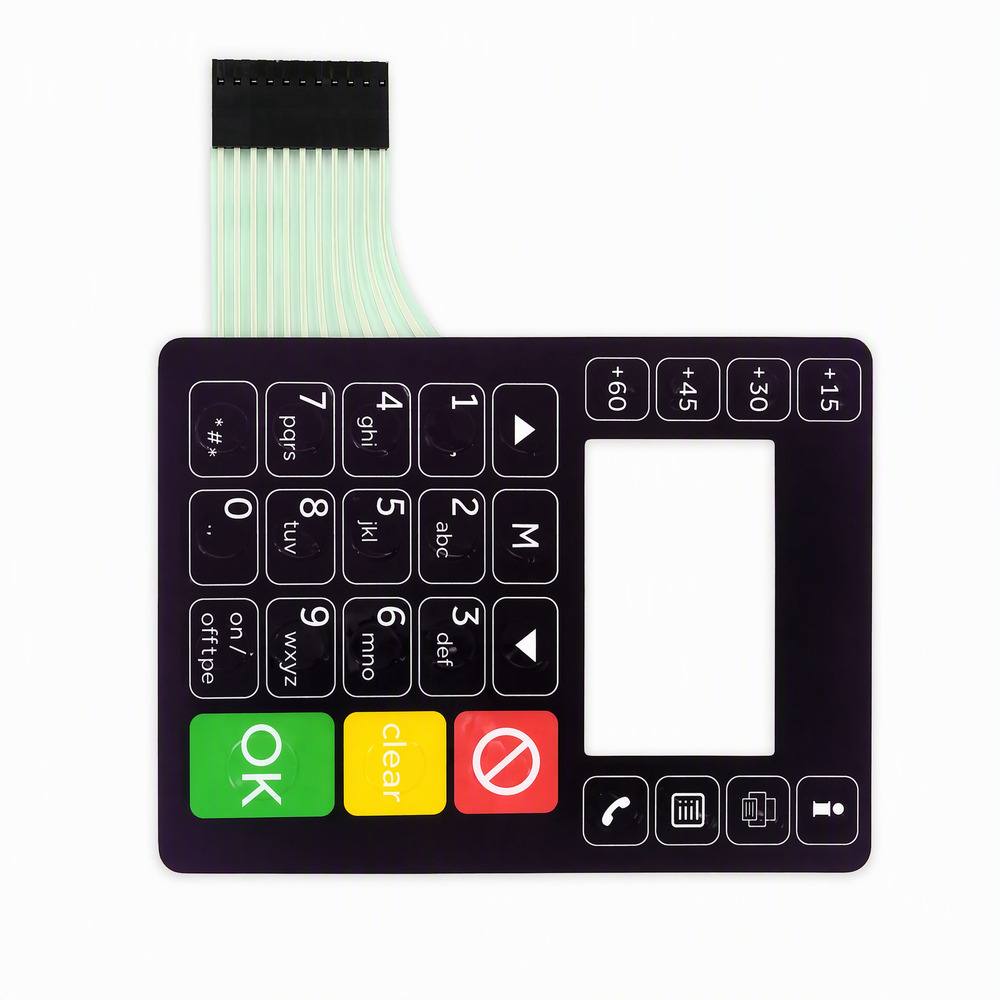
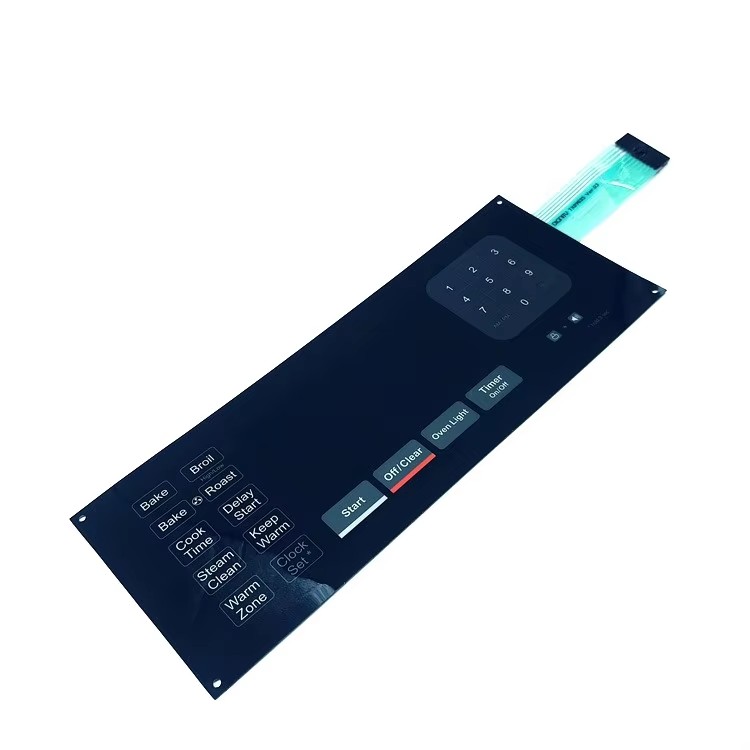
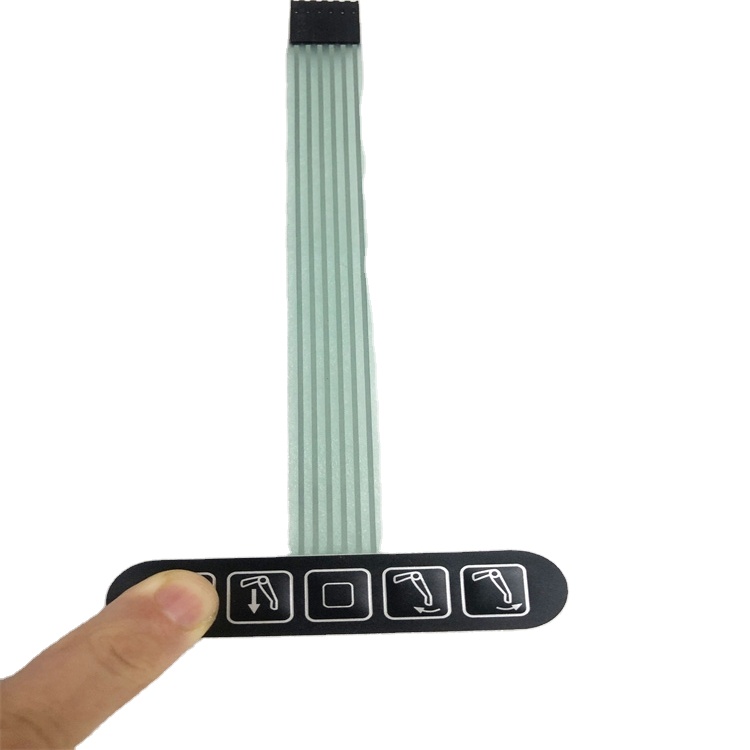
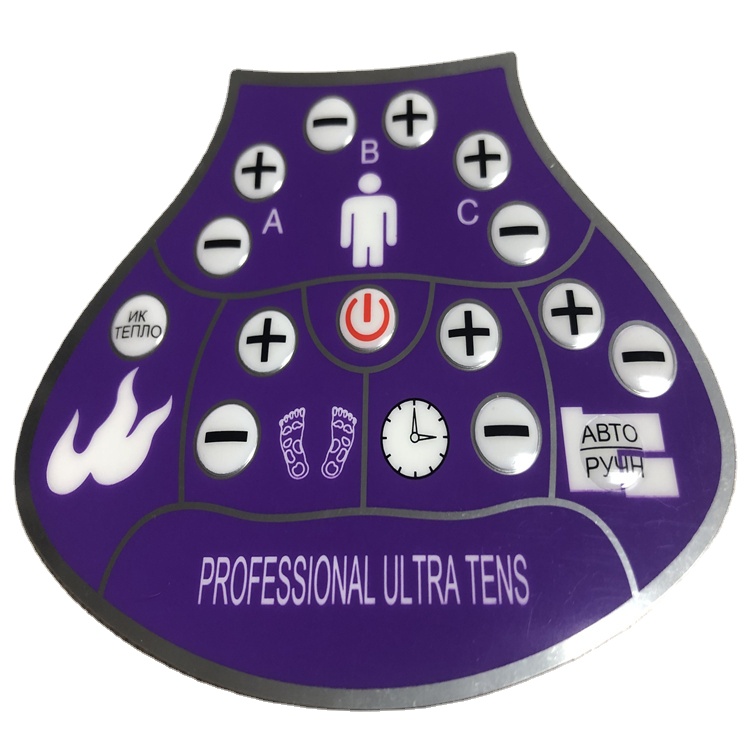
Graphic overlays can be placed on a variety of equipment, including industrial machinery, vending machines, sound systems, medical equipment, appliances, telecommunication devices, and many more. Any equipment with keypads, switches, or any other controllers need to have identification to keep the operator safe and the equipment from malfunctioning. We can provide a custom graphic overlay to fit your needs.
A customer service specialist will ask you to describe how and where you’d like to use the overlay. He or she will make recommendations about materials, sizes, layout, and design. Because everything we do is custom, we start from scratch with each new order. Our engineer and artists will ensure you receive the ideal product you require.