1 / 5
 EN
 DE
 FR
 ES
 RU
 JA
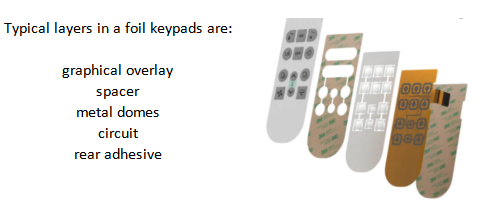
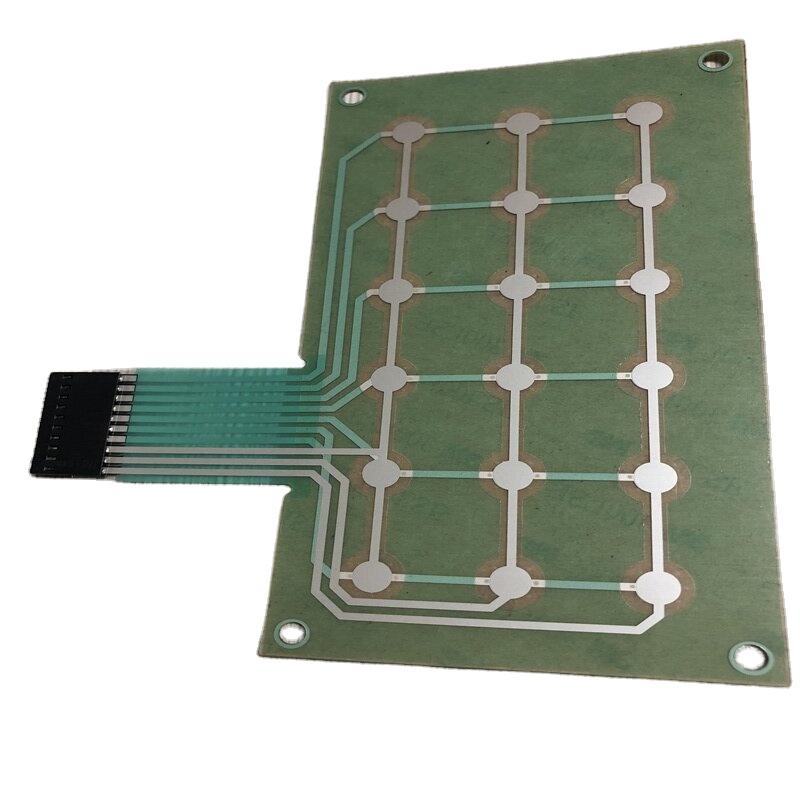
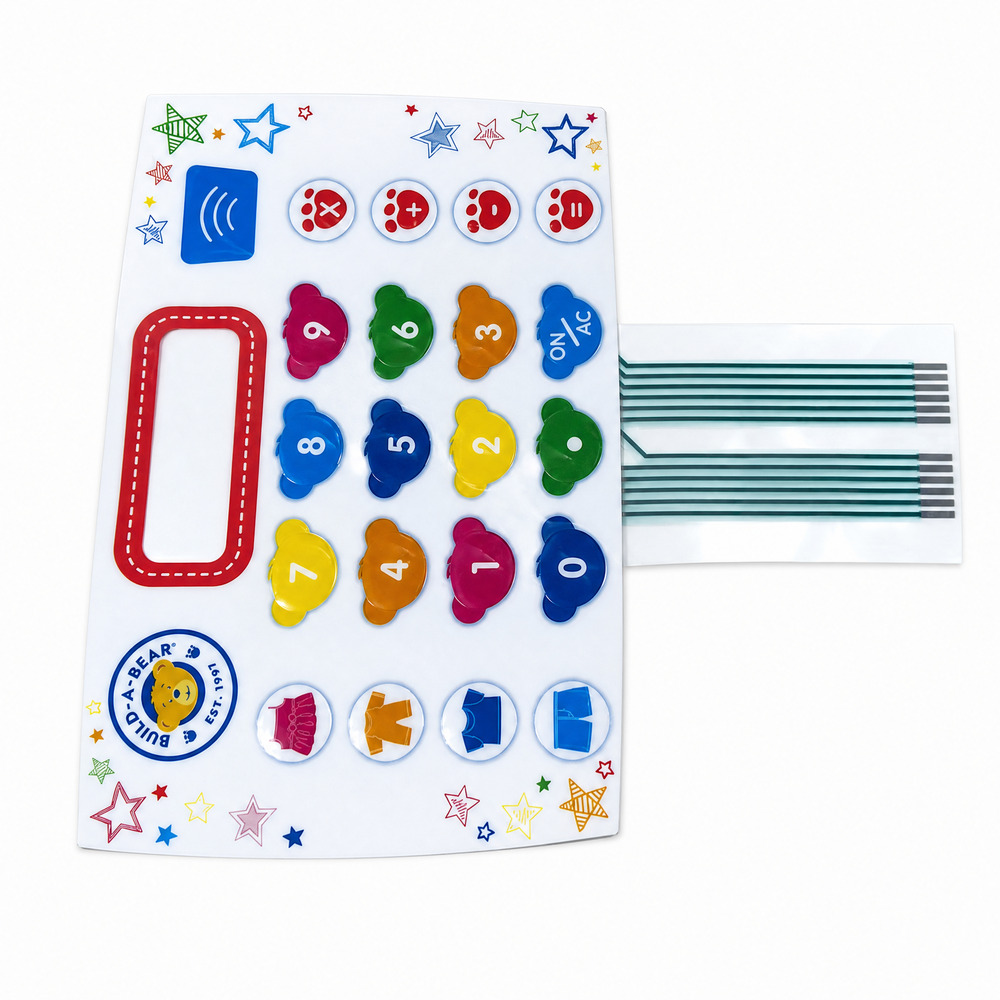
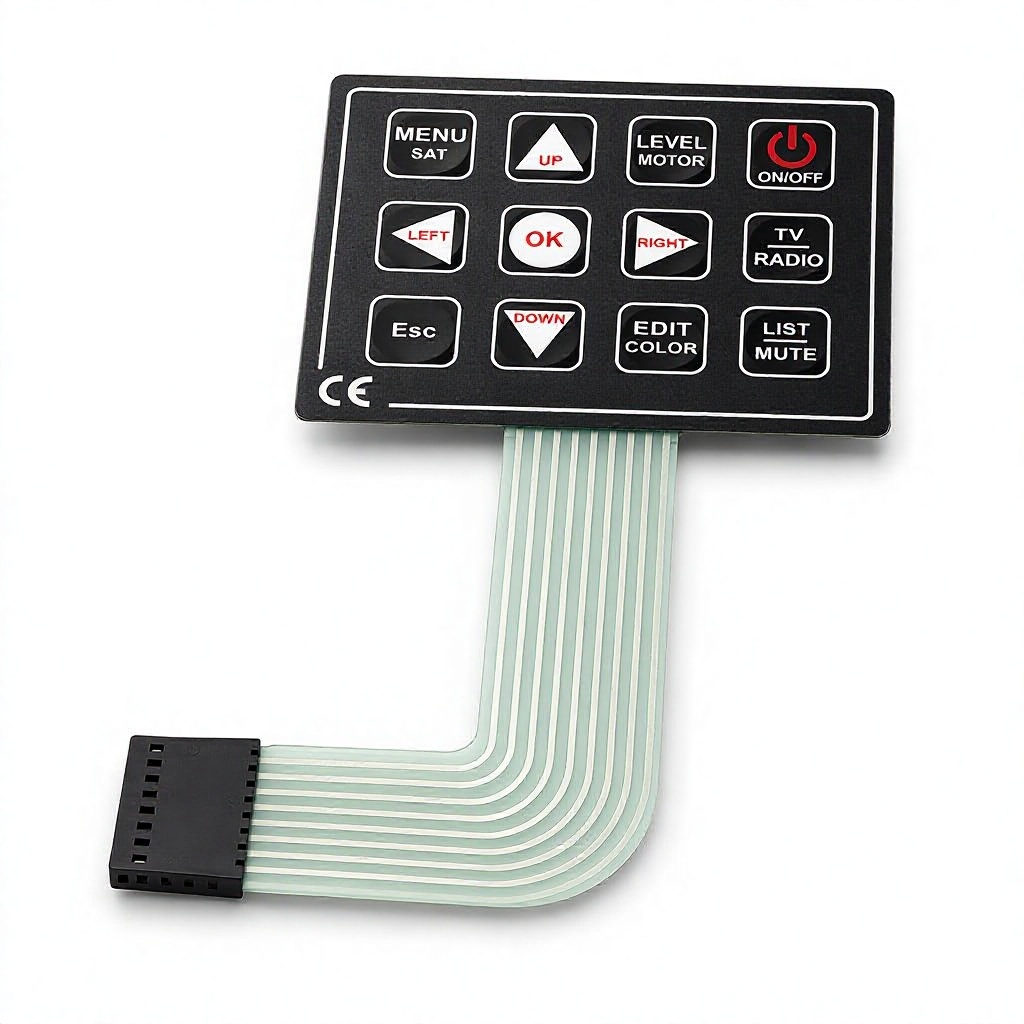
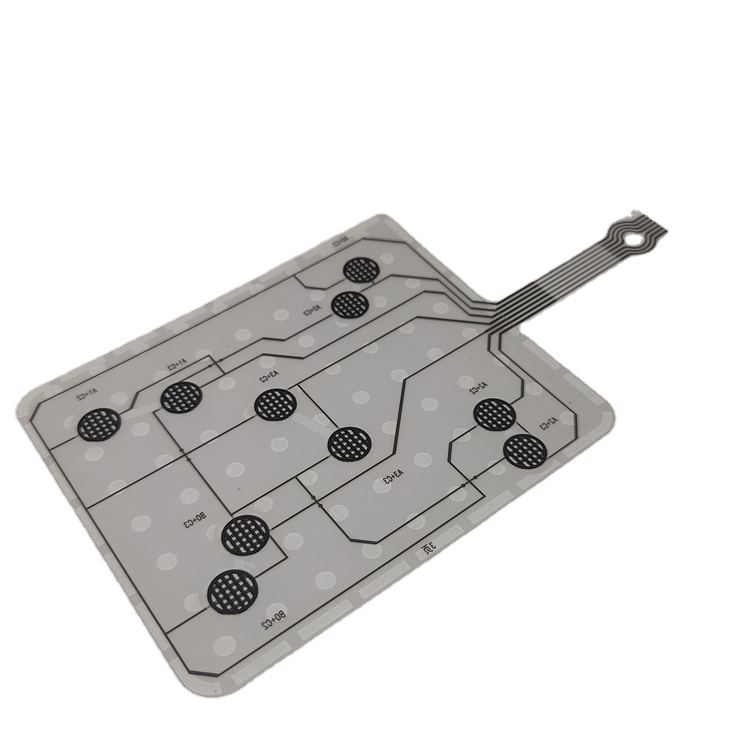
Tactile switches are designed to provide a response when pressed by an actuator or finger. An overlay over the switch has symbols or letters used to designate the function of each switch. Generally, these switches are designed using metal domes. When pressed, the metal dome pushes against a conductive footprint, causing an action to happen.
A non-tactile switch works the same as a tactile except there is no tactile response when pressed. In a non-tactile switch, the bottom side of the overlay is connected to a conductive pad. When the overlay is pressed down the conductive pad connects to the conductive footprint connected to the circuit board's substrate.
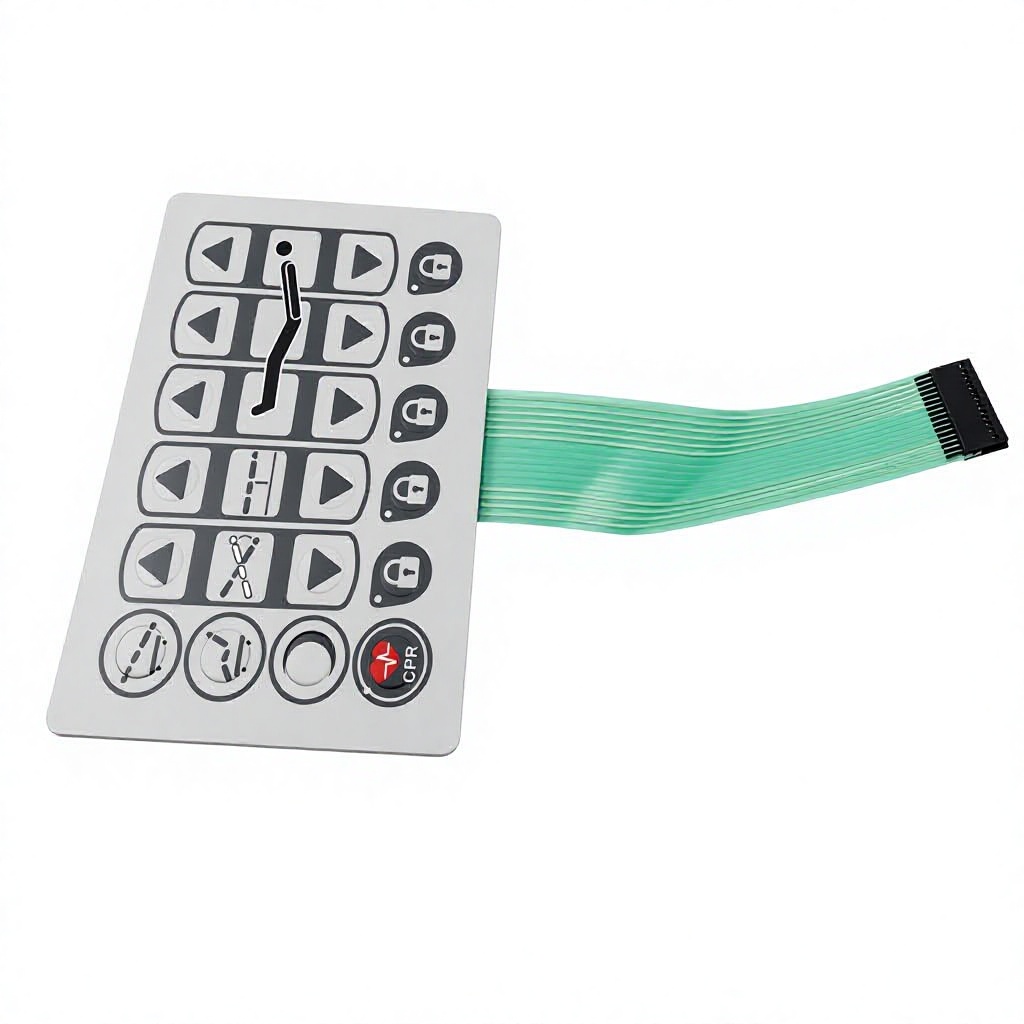
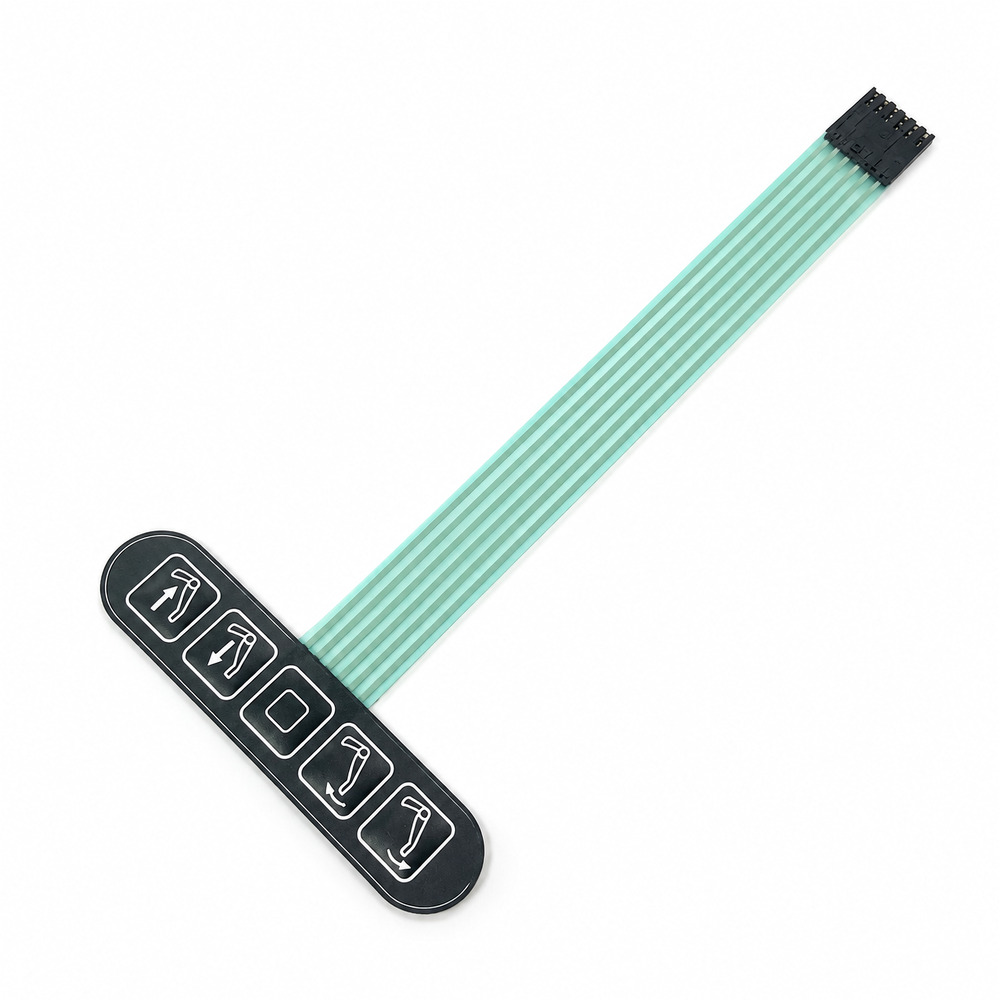
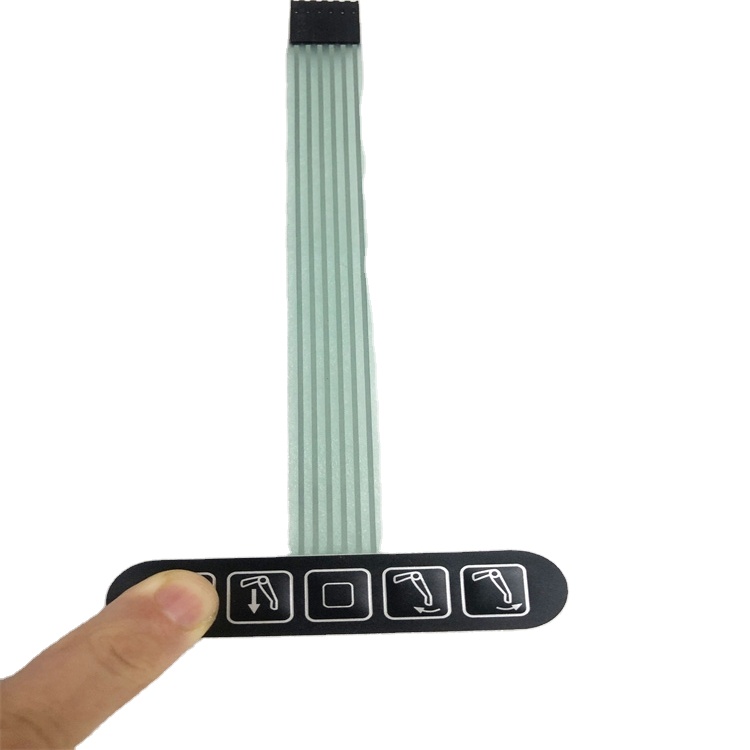
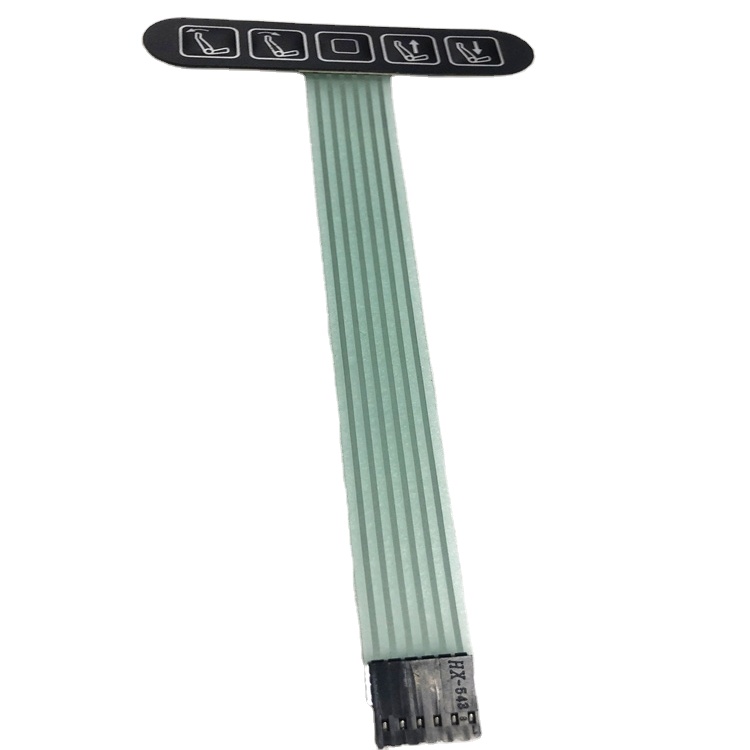
Non-tactile switches are self-contained units. The overlay on a non-tactical switch typically has items like directional arrows for you to control a device connected to the circuit board. These switches can be activated up to five million times.
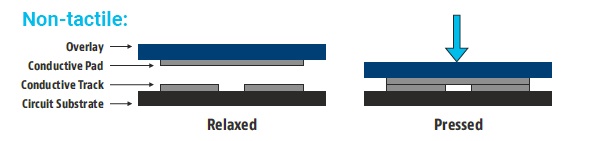
Non-tactile switches are used alongside tactile switches in a supportive role. A common use case – is the use of non-tactile switches on inputs as backlights. Another scenario is using non-tactile buttons for controls and tactile switches for inputs.
Metal domes are normally-open contacts that, when pressed, complete the circuit. Metal domes, also known as tactile domes, create tactile feedback for the user and come in a wide variety of sizes, styles, and forces. Domes have life ratings of up to 10 million presses.
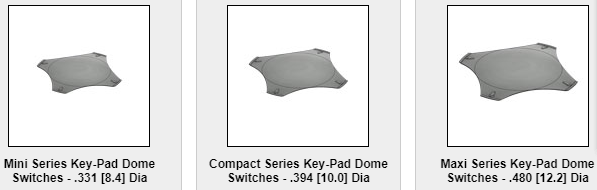
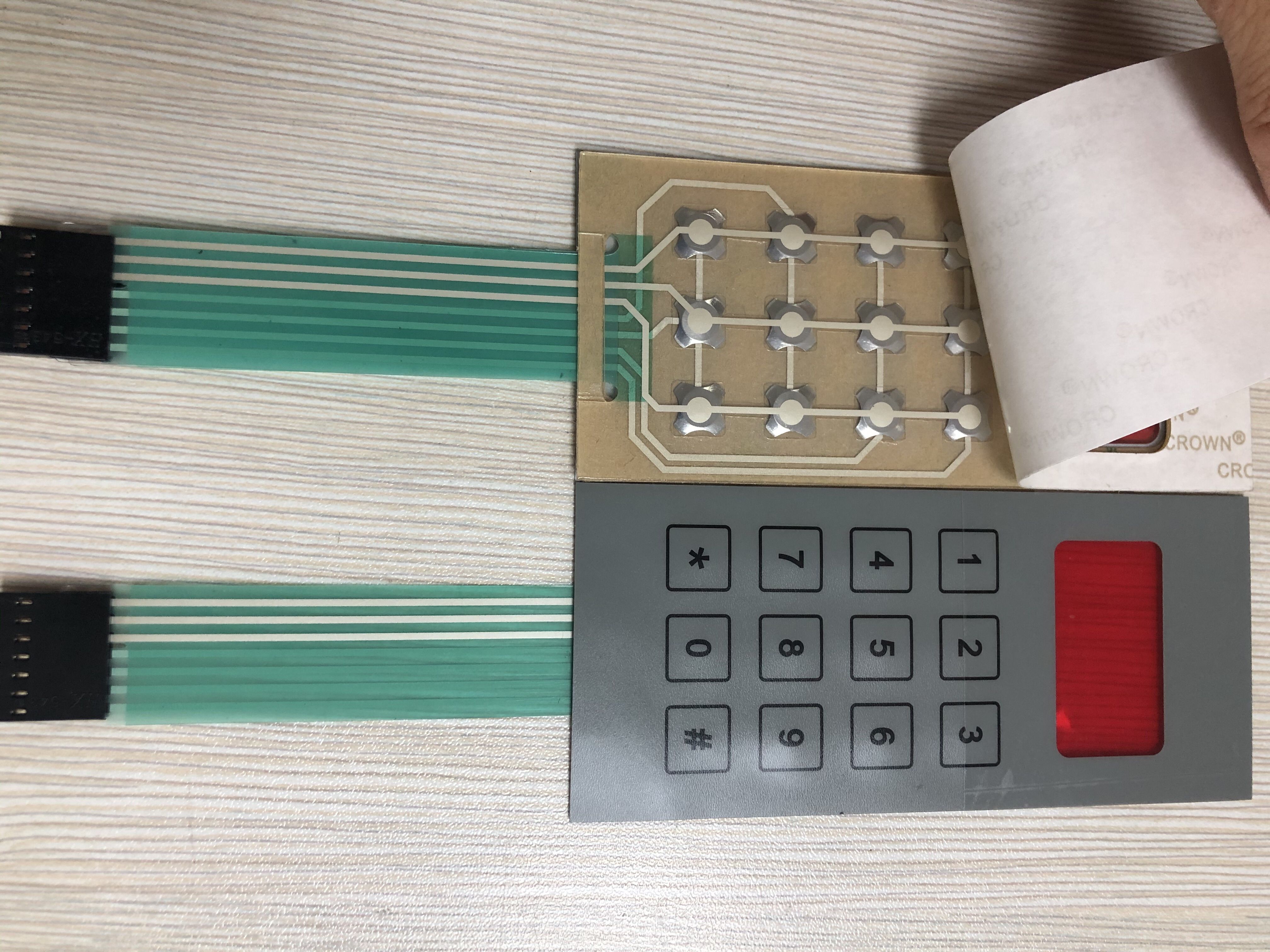
Both types of membrane switches offer reliable and cost-effective solutions for a wide range of industries. But how do you decide between the two? Generally, the decision between tactile and non-tactile comes down to the following factors:
| 1. Electricity Performance |
Working voltage: ≤50VD Operating current: ≤100mA Contact resistance: 0.5-10Ω Return route resistance: Generally ≤150Ω, specially according to customer request Switch power: 1W Insulated resistance: ≥100mΩ Base material pressure: 1500VDC |
| 2. Physical Performance |
Service life: 1,000,000 times Touching with joint forces: 15-500g Snapping back time: 10s Closed displacement: 0.1—0.4ms (not touching) 0.4—1.0ms (with touching) The caudal may fold: ≤180° |
| 3. Environment Adaptability |
Operating temperature: -10 ℃ ~ 70 ℃ Depositing temperature: -40 ℃ ~ 70 ℃ Working humidity: < 95% Altitude: 0-4500 meter |
| 4. Machine Capability |
External dimensions: 400×800MM Key size: According to customer request Key spacing: >1.5MM Line wide: >0.5MM Resisting vibration: Reference to MIL-STD-202 |
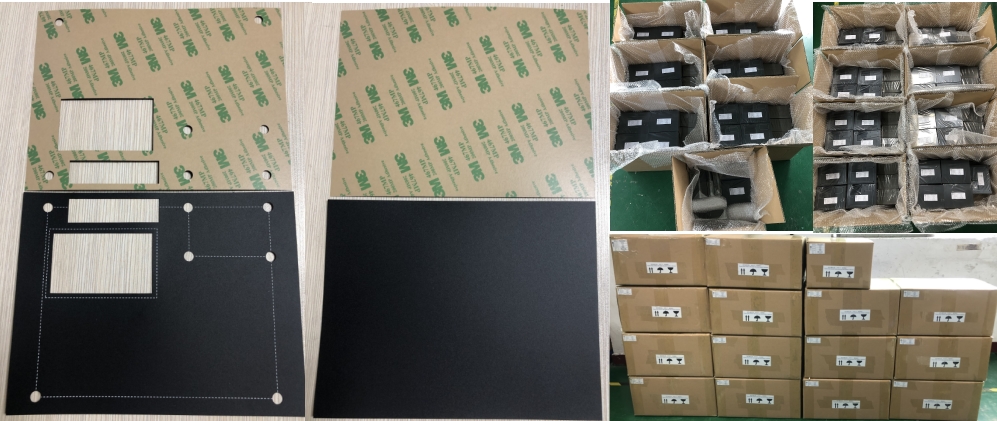
Packaging: Mainly depends on customer's requirements. Or 50pcs/100pcs each OPP bag, then protect it with bubble film and put it into thick carton.
Shipping: Air Express like DHL UPS FedEx TNT, or by Sea shipping.
Tactile switches utilize metal domes to deliver distinct physical feedback when pressed, confirming input. Non-tactile switches feature a flat overlay with conductive pads, operating quietly and smoothly without physical snap feedback.
Metal dome membrane switches offer exceptional mechanical endurance, with standard switch life ratings reaching between 1,000,000 to up to 10,000,000 actuations depending on switch design and force specifications.
Membrane switches provide a flat, sealed, and waterproof front layer that is easy to sanitize, disinfect, and clean, making them ideal for sterile medical environments and harsh, dusty industrial settings.
They are engineered to operate in temperatures from -10 ℃ to 70 ℃ (with storage limits of -40 ℃ to 70 ℃), withstand humidity levels up to 95%, operate at altitudes up to 4,500 meters, and resist vibration according to MIL-STD-202 standards.
Yes, both switch types can be integrated together. Common configurations utilize tactile buttons for critical input commands and non-tactile areas for display backlights, status indicators, or secondary control keys.