The industrial fabric of Zaragoza—spanning the vibrant manufacturing ecosystems of Plataforma Logística de Zaragoza (PLAZA), Polígono Industrial Malpica, and the automotive clusters surrounding Figueruelas—is undergoing a rapid technological transformation. As industrial equipment builders, mobility Tier-1 suppliers, and logistics robotics creators evolve toward Industry 4.0 paradigms, the demand for ultra-compact, mechanically versatile human-machine interfaces (HMIs) and tactical sensing arrays has accelerated exponentially. Among these specialized components, the Force Sensitive Resistor (FSR) stands out as an irreplaceable engineering asset.
Unlike conventional electromechanical switches that rely solely on binary open-or-closed states, an FSR sensor provides analog force sensing capability through changes in electrical resistance dictated by applied physical pressure. By exploiting quantum mechanical tunneling and multi-point micro-contact phenomena across a polymer thick-film conductive matrix, modern FSRs enable machines to interpret not merely presence, but intent, weight distribution, structural clamp force, and variable operator input. For Zaragoza’s rigorous engineering community, identifying top trusted FSR sensor manufacturers requires evaluating not just catalog availability, but deep layer-stack customization, conductive paste adhesion longevity, and cross-temperature hysteresis control.
Piezoresistive Physics & Structural Architecture of Industrial FSRs
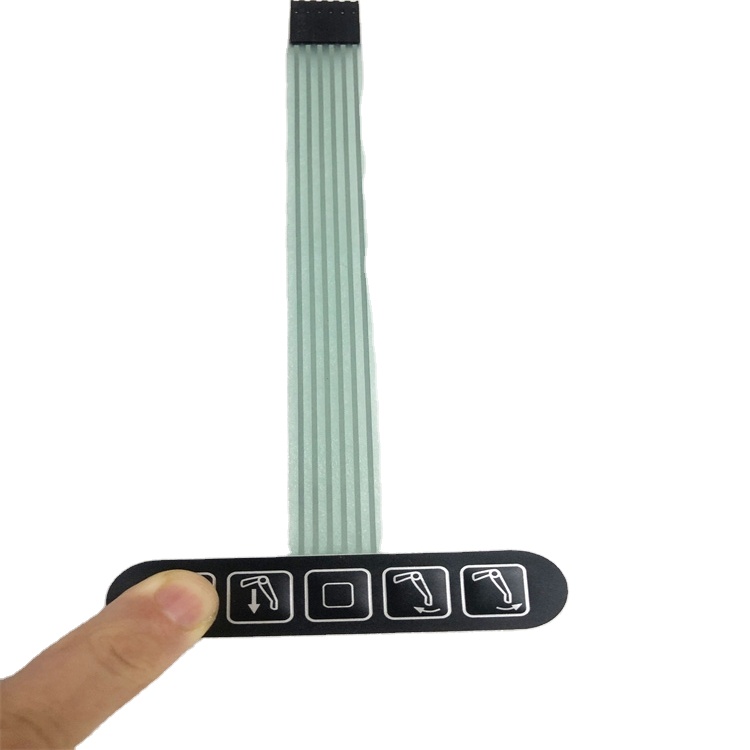
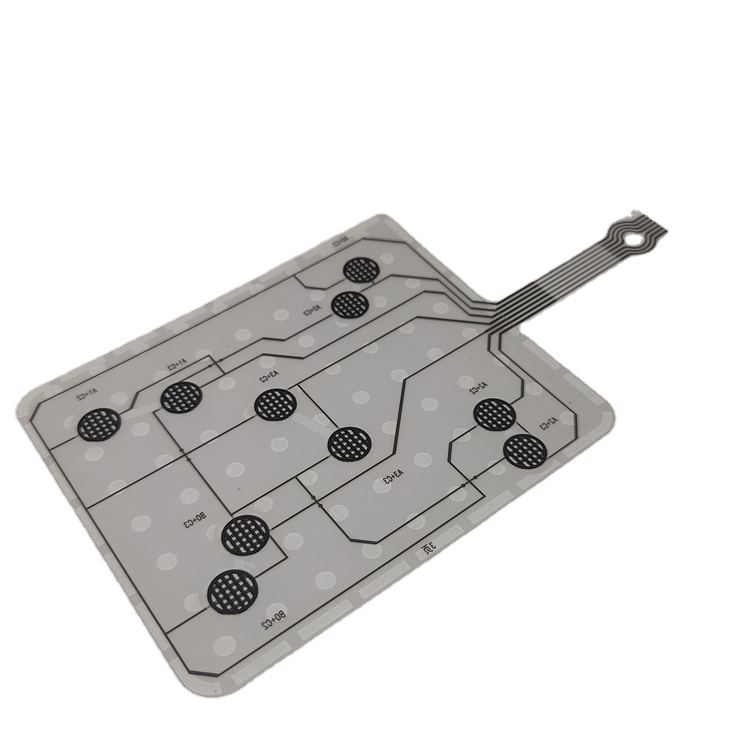
At its core, a flexible thin-film FSR sensor manufactured by Ravo Electronics consists of multi-layer polymer films precision-laminated with specialty adhesives. The primary operational principle rests upon percolation theory and micro-asperity mechanical deformation:
- Top Active Layer: High-grade optical or velvet-treated Polyethylene Terephthalate (PET) or Polyimide (Kapton) carrying an etched or screen-printed semi-conductive carbon polymer formulation. The surface topography is microscopically textured with controlled roughness to regulate initial contact resistance.
- Intermediate Dielectric Spacer: A laser-cut or die-cut acrylic spacer (typically incorporating premium 3M 467MP or 3M 9448A double-coated adhesives) that creates an internal cavity gap ranging from 0.05 mm to 0.15 mm, preventing uncommanded continuity under resting conditions.
- Bottom Circuit Substrate: A stabilized polyester film printed with high-purity silver-ink interdigitated fingers (comb-pattern conductors) or continuous conductive traces, coated selectively with dielectric passivations to mitigate silver migration in high-humidity ambient environments.
When an external mechanical force is exerted upon the sensor's exterior boundary, the microscopic asperities of the carbon paste are brought into closer physical contact with the interdigitated conductive fingers. As normal force intensifies, contact area expands dramatically at the microscopic scale, establishing redundant parallel micro-current paths that yield a characteristic hyperbolic drop in resistance:
RFSR ≈ R0 + (k / Fn), where R0 denotes baseline contact impedance, F is the perpendicular force vector, and n typically ranges between 0.7 and 1.1 across linear actuation regions.
| Engineering Parameter |
Standard Commercial Thin-Film FSR |
Ravo High-Reliability Industrial Grade FSR |
| Actuation Force Threshold |
0.30 N – 0.50 N (inconsistent sensitivity) |
Customizable from 0.10 N to 1.0 N (±0.05 N tolerance) |
| Dynamic Sensing Range |
1 N to 30 N |
0.2 N to 100+ N (Optimized paste formulations) |
| Actuation Life Cycle |
1,000,000 actuations |
>5,000,000 to 10,000,000 continuous cycles |
| Hysteresis (Load/Unload Gap) |
> 25% to 35% typical |
≤ 10% to 15% through specialized elastic fillers |
| Operating Temperature Window |
-10°C to +50°C |
-30°C to +80°C (Polyimide thermal options available) |
| Ingress Environmental Protection |
IP40 (Vulnerable to capillary moisture) |
Up to IP67 sealed perimeter with vent channels |
Localized Industrial Applications Across the Zaragoza Region
Zaragoza’s unique position as the logistical epicenter of Southern Europe and a major manufacturing corridor in northeastern Spain produces distinctive functional demands for thin-film force sensors. Local procurement engineers consistently integrate custom FSRs across four predominant regional pillars:
Automotive & Tier-1 Components
Integrated within automotive seating plants near Figueruelas for precision Seat Occupancy Detection (SBR), steering wheel grip sensing (capacitive-force hybrids), and smart interior consoles.
Logistics & AGV Handling (PLAZA)
Embedded inside automated guided vehicles (AGVs), pallet payload scales, and robotic end-effectors to gauge variable package weight distribution and prevent carton crush incidents.
Medical & Biomechanical Rehab
Under-foot gait analysis pads, physical therapy posture mapping sheets, and tactile surgical equipment panels requiring non-intrusive thickness and wipe-clean sanitization compliance.
Beyond transportation and warehousing, Zaragoza’s substantial machinery manufacturing infrastructure—including industrial packaging machinery, agricultural implement control consoles, and commercial kitchen ovens—relies on FSR technology to replace bulky mechanical load cells where physical clearances are constrained to fractions of a millimeter.
Regional Market Trends: Digitalization & Hybrid Switching in Aragón
Several structural industry trends are reshaping the way Aragón's engineering and procurement departments approach sensor acquisition:
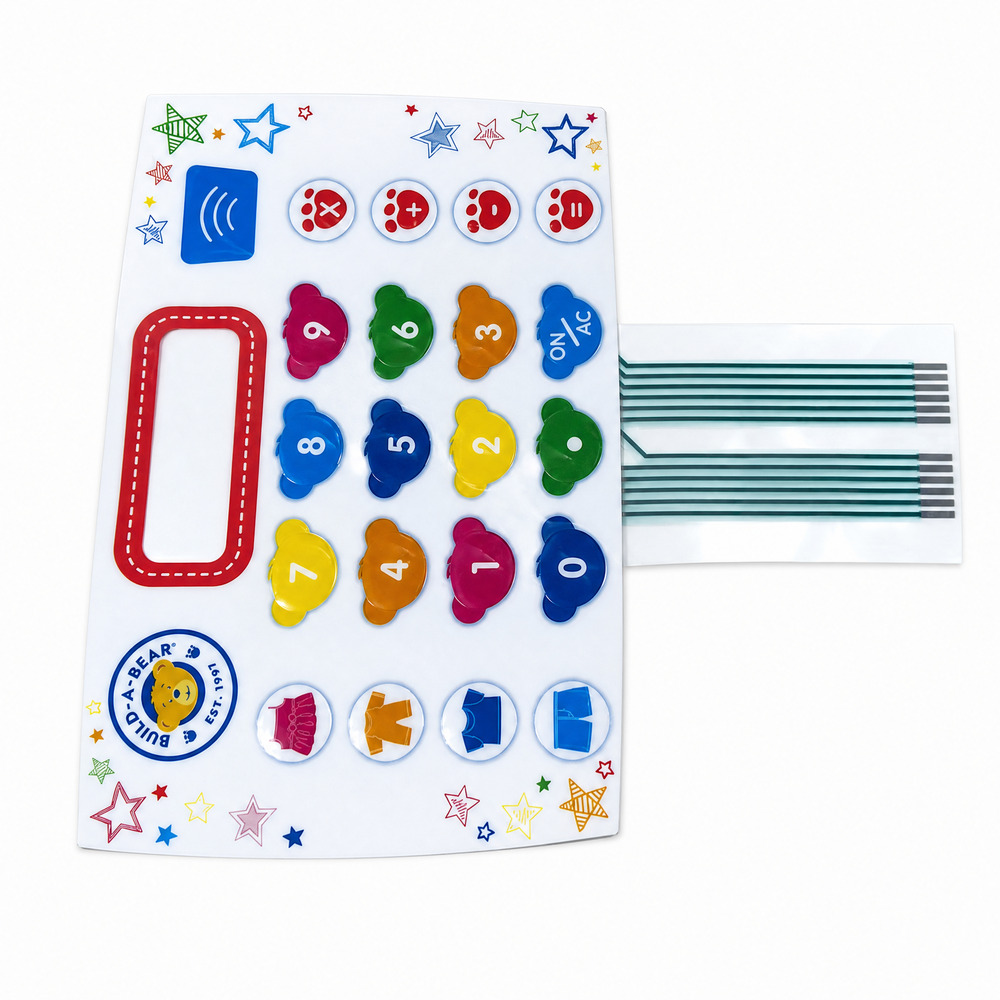
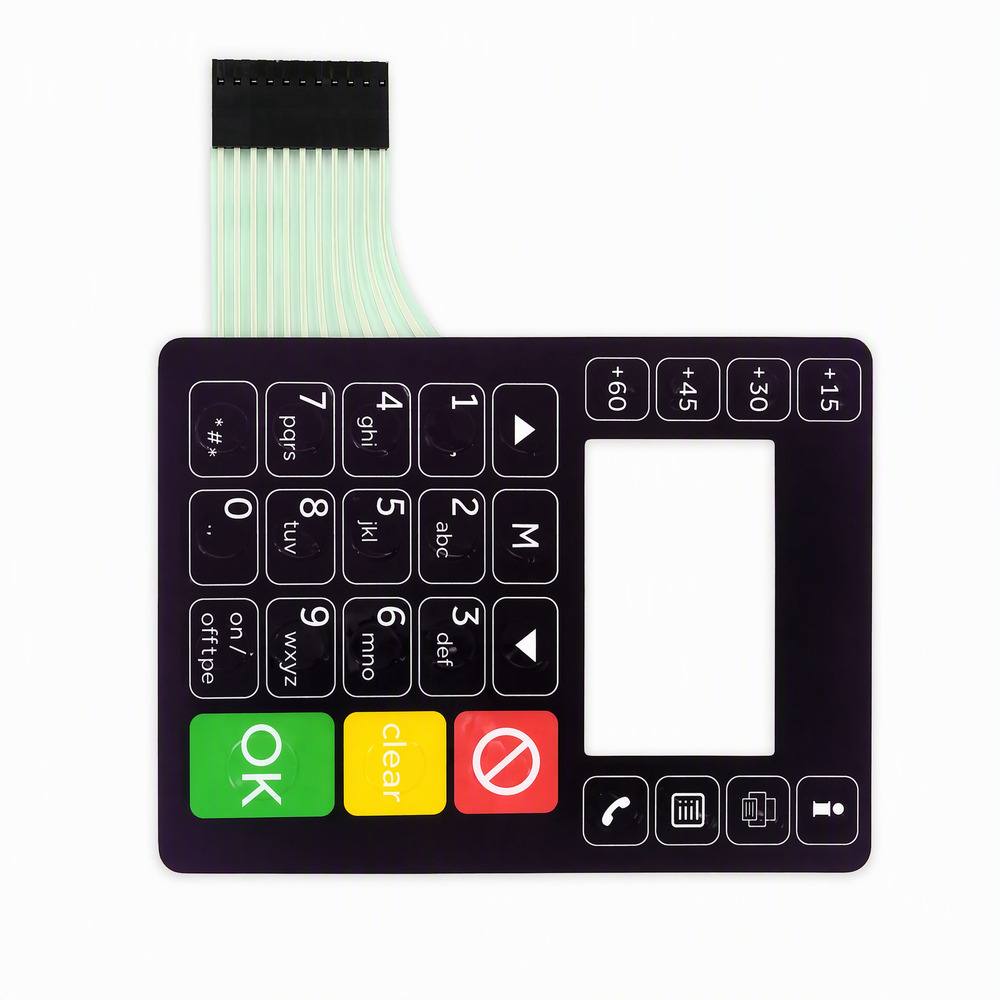
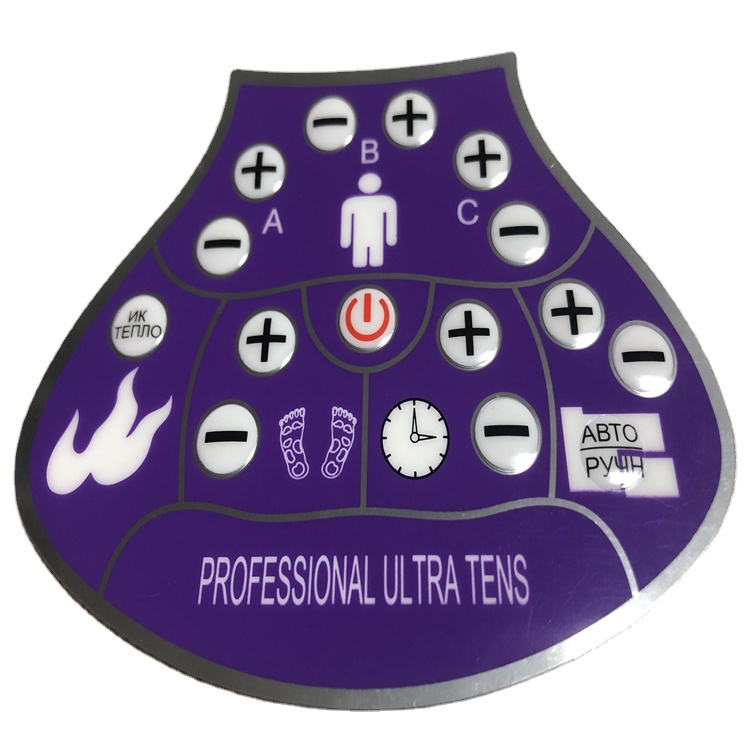
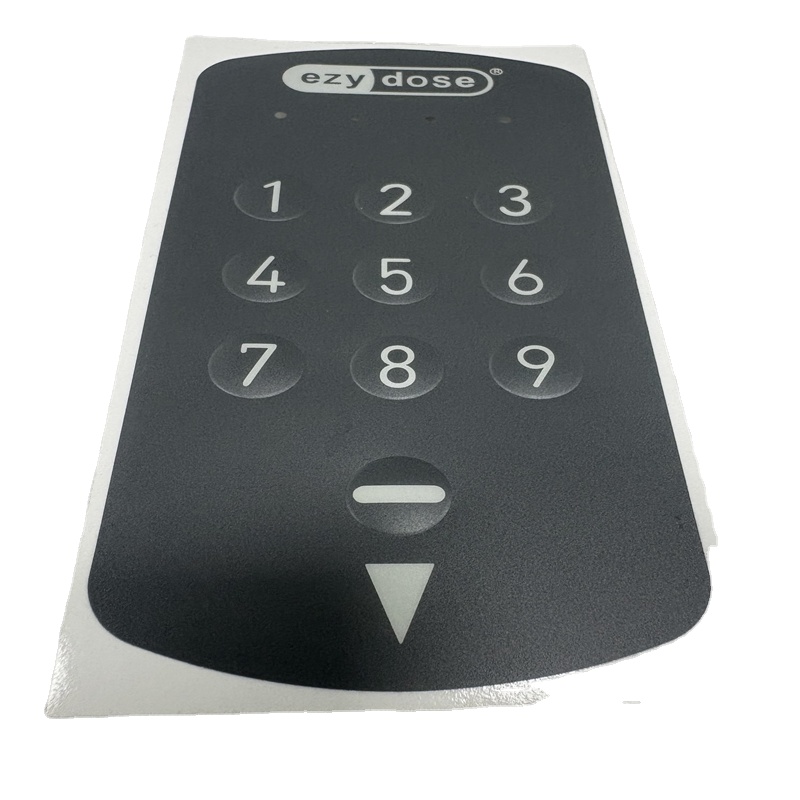
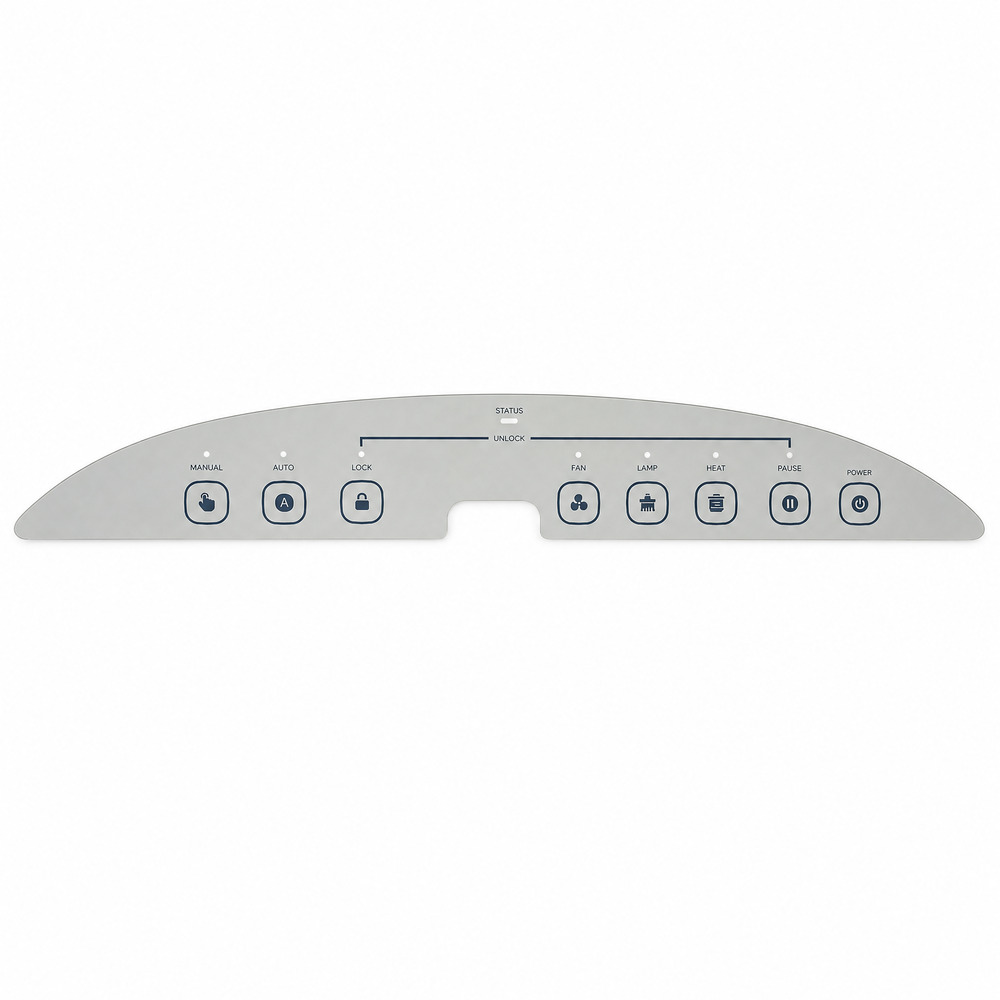
1. Convergence into Hybrid HMI Panels: Equipment manufacturers are transitioning away from disparate, stand-alone components. Zaragoza engineers increasingly design monolithic front panels that combine reverse-printed graphic overlays, embossed metal-dome switches for primary tactile navigation, and analog FSR sub-layers for variable throttle or speed regulation. This monolithic integration minimizes enclosure cutout needs and guarantees front-panel liquid ingress protection up to IP67.
2. Adoption of Flexible Printed Circuitry (FPC) Tails: While conventional screen-printed silver ink traces on polyester tails remain cost-effective for static installations, robotic end-effectors and vibrating automotive cabins are shifting toward flexible copper-on-polyimide (FPC) interconnects. Polyimide tails provide superior bend radii (<1.5 mm) and tolerate millions of continuous dynamic cycles without experiencing silver micro-fracturing or resistance drift.
3. Direct Supply-Chain Collaboration with Tier-1 China Producers: With local European assembly labor remaining specialized in system integration, Zaragoza procurement managers are bypassing intermediate distributors to form direct technical relationships with high-volume, vertically integrated manufacturers in China like Ravo Electronics. This direct-to-factory model reduces tooling turnaround times, allows tailored DFM optimizations within hours, and slashes total unit acquisition costs by 30% to 50% without compromising ISO 9001 compliance.
Founded in 2003, Dongguan Ravo Electronics Co., Ltd. has grown from an agile technical switch workshop into a vertically integrated powerhouse operating across more than 12,000 square meters of world-class manufacturing space in Fenggang Town, Dongguan. Our infrastructure is purpose-built to bridge the gap between initial Western engineering prototyping and high-volume, defect-free serial production.
Complete In-House Tooling
We craft printing screens, steel rule cutting dies, CNC punch sets, and thermoforming tools entirely on-site. This eliminates external subcontracting delays and allows prototype builds from just 1 piece.
≤2-Hour Rapid DFM Response
Our dedicated European export engineering group analyzes your incoming DWG, DXF, or Gerber files and returns full Design For Manufacturability (DFM) suggestions within 2 hours during active business cycles.
Comprehensive 100% Electrical Testing
Every single membrane trace, FSR conductive finger, and snap-dome switch undergoes automated continuity, open/short, and resistance threshold verification on custom test fixtures prior to packing.
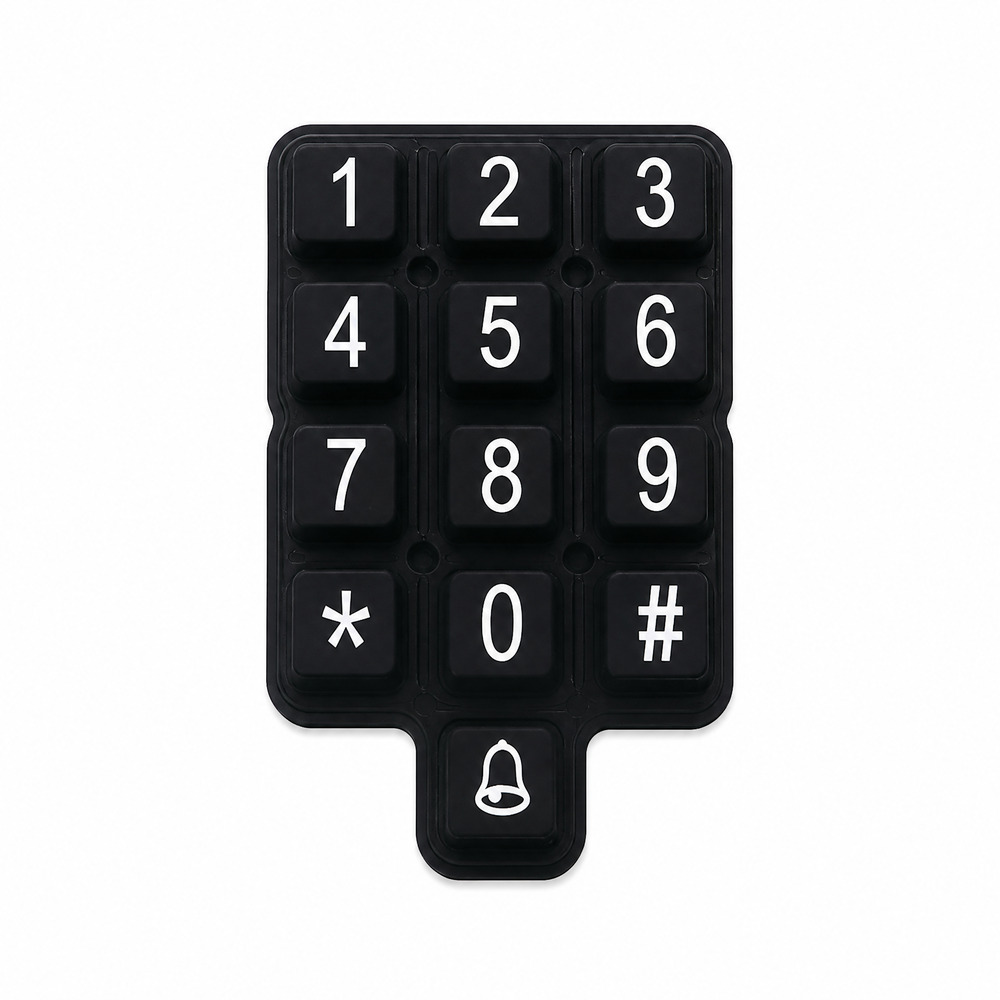
Our technical capabilities extend far beyond standalone sensors. We specialize in complex, integrated HMI sub-assemblies—combining FSR pressure sensing elements, tactile metal domes, embedded miniature surface-mount LEDs, capacitive touch triggers, rigid FR-4 PCB backers, and custom-molded silicone rubber keys. By choosing Ravo as your direct engineering manufacturer, your Zaragoza-based operations benefit from transparent communication, rigorous process controls, and components built to perform reliably over millions of operating cycles.
Accelerate Your Zaragoza Sensor & HMI Development
Upload your 2D drawings, mechanical boundaries, or circuit diagrams. Our engineering department will evaluate your project parameters, recommend optimized layer stacks, and provide a comprehensive quotation within 2 hours.
 EN
 DE
 FR
 ES
 RU
 JA