 EN
 DE
 FR
 ES
 RU
 JA EN DE FR ES RU JA
Direct OEM manufacturing with 100% electrical testing, sub-millimeter pitch tolerances, and proven performance across Canadian industrial and medical environments.
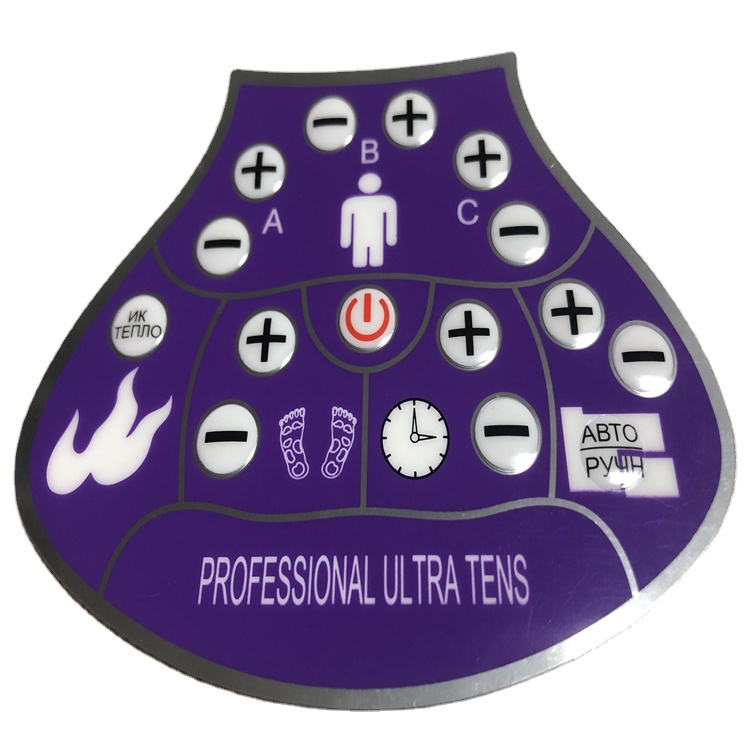
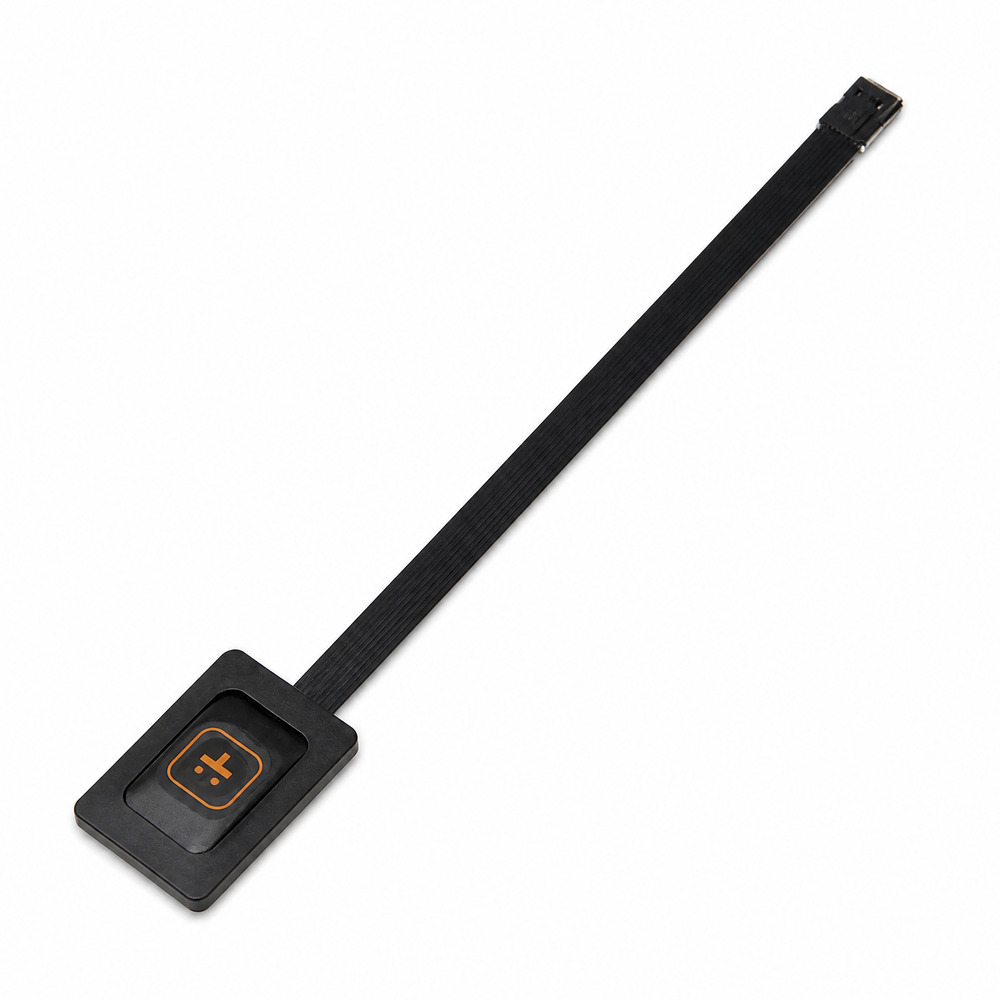
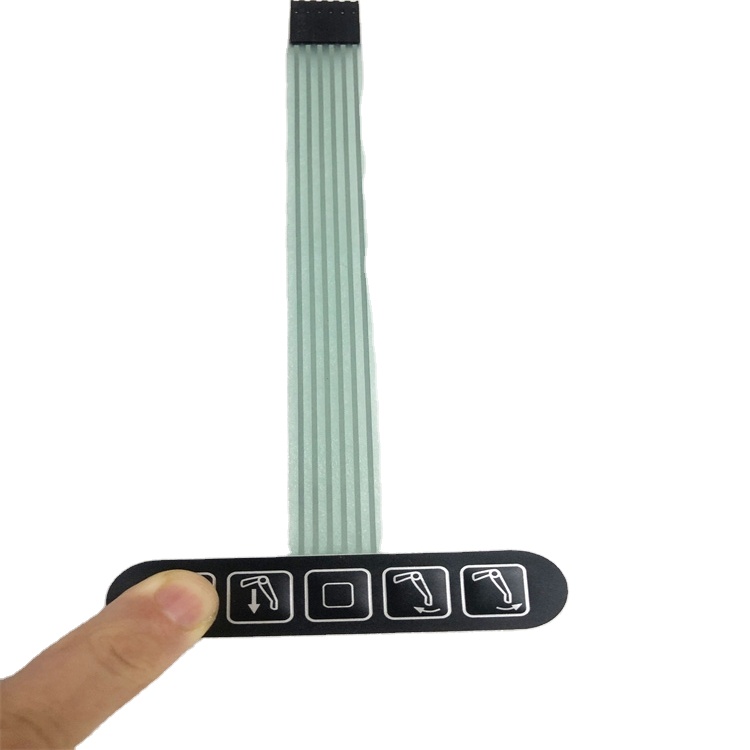
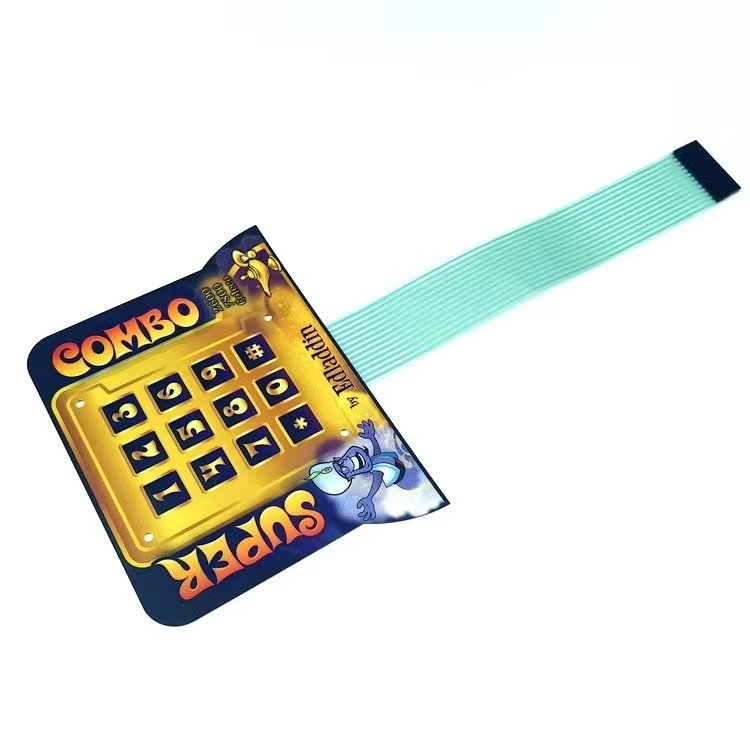
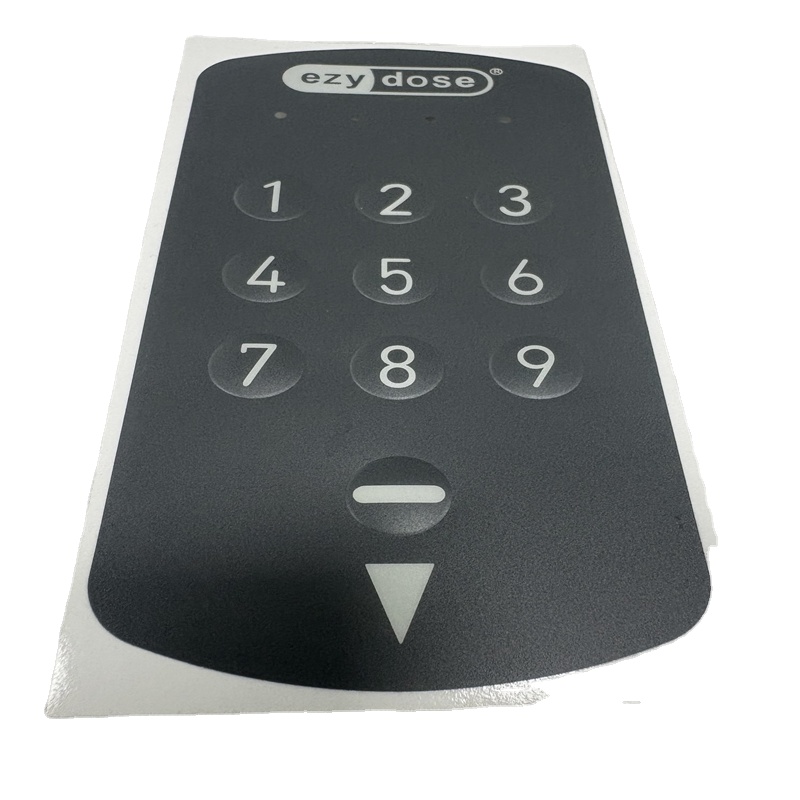
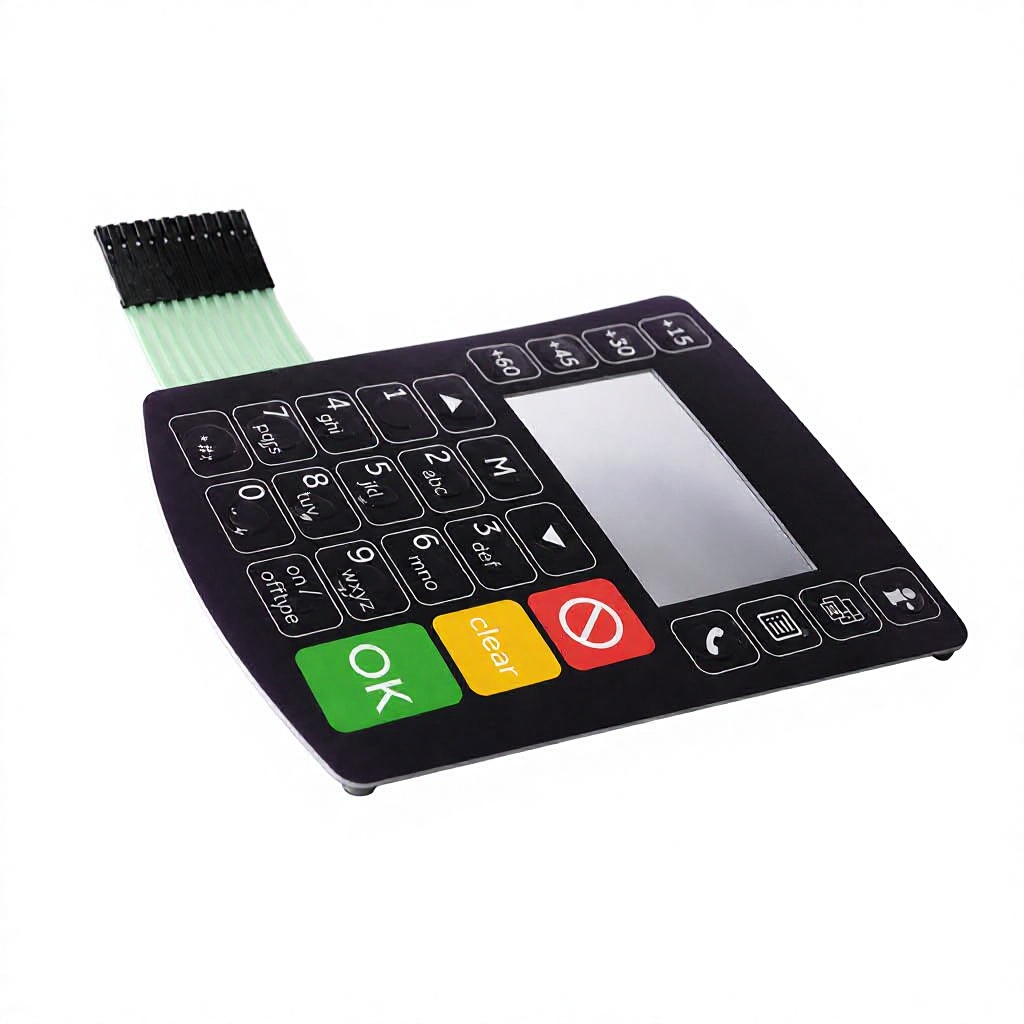
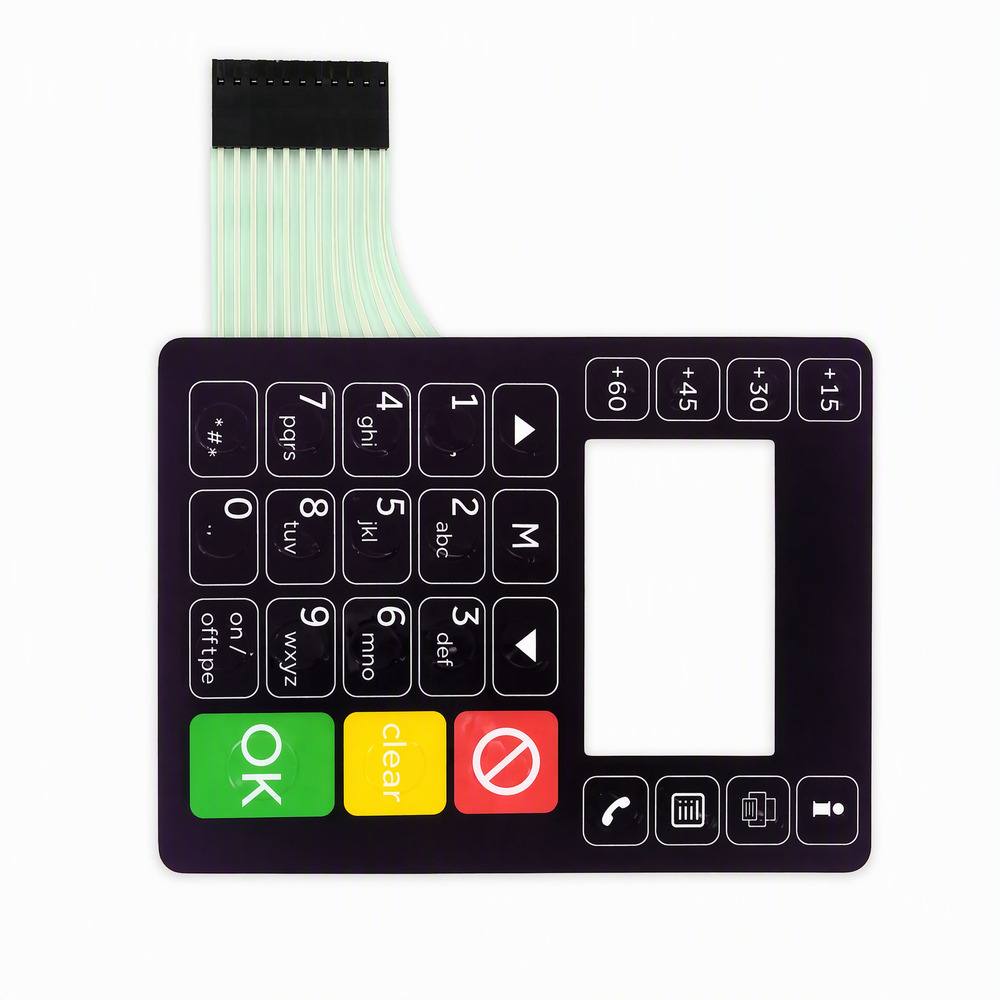
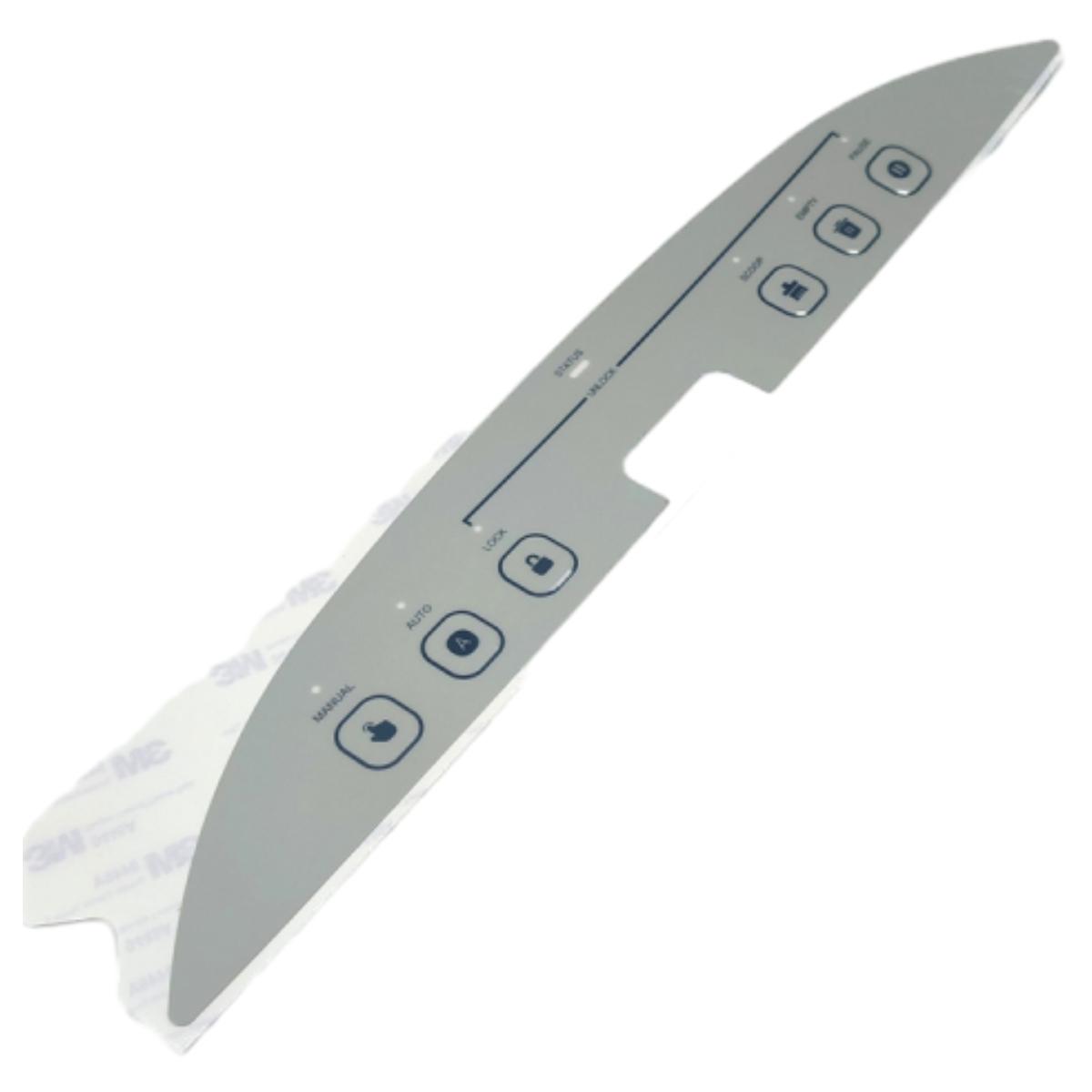
The Greater Toronto Area (GTA)—from Mississauga’s automation hubs to Markham’s tech corridor—demands components certified for rigorous thermal extremes, medical hygiene, and continuous industrial cycling.
Toronto’s Discovery District and health corridor lead global clinical innovation. Our FPC membrane switches provide non-porous, chemically inert polyester overlays (Autotex XE / MacDermid Autotype) resistant to hospital disinfectants (Virex, Isopropyl Alcohol, Bleach). Combined with copper polyimide flex circuits, they eliminate signal jitter in critical patient monitors and surgical console interfaces.
The manufacturing heartlands of Ontario rely heavily on heavy-duty packaging machinery, CNC systems, and automated sorting centers. Standard printed silver ink circuits often crack under repetitive heavy vibration. Our flexible FPC membranes utilize rolled annealed copper traces laminated with 3M 300LSE/468MP adhesives, ensuring zero trace fractures and uncompromised sealing against lubricants and metal shaving ingress.
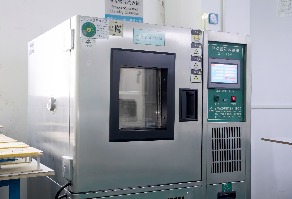
Southern and Central Ontario experience thermal swings ranging from -35°C in deep winter to +35°C in summer. Outdoor access terminals, transit fare kiosks, and agricultural vehicles require membrane panels engineered with thermal expansion matching. We employ specialized polycarbonate/polyester compounds and cold-rated acrylic bonding agents that resist delamination and embrittlement down to -40°C.
In mission-critical electronics, circuit substrate selection dictates long-term failure rates. Below is the comparative engineering matrix used by our R&D team during Design for Manufacturability (DFM) audits.
| Engineering Parameter | Flexible Printed Circuit (FPC Polyimide) | Standard Silver Ink PET Screen-Printed | Impact on Canadian Field Deployment |
|---|---|---|---|
| Substrate Base & Traces | Polyimide (Kapton) with Etched Copper Foil | Polyester (PET) with Screened Conductive Silver Flake | FPC allows fine-pitch trace density (down to 0.5mm pitch) for compact housings. |
| Conductor Resistance | Ultra-low (< 0.1 Ω/sq); negligible trace loss | Variable (10 to 50 Ω depending on path length) | Copper FPC supports direct logic driving, LED matrices, and zero voltage drops. |
| SMT Component Reliability | Direct reflow soldering of LEDs, resistors & ICs | Conductive epoxy bonding (fragile under shear) | Withstands automotive & transit vibration testing (ASTM D4728) without bond fractures. |
| Silver Migration Risk | Zero risk (pure encapsulated copper) | High risk in humid conditions with DC bias | Prevents field shorts in Ontario humid summers and washdown settings. |
| Flexural Endurance | > 5,000,000 tight-radius dynamic bends | Micro-fractures occur under repeated sharp bends | Ideal for robotic arms, medical handhelds, and articulating instrument arms. |
| Thermal Range | -40°C to +105°C continuous | -20°C to +65°C continuous | Guarantees uninterrupted sub-zero cold starts without switch cracking. |
Founded in 2003, Dongguan Ravo Electronics Co., Ltd. has developed from an 8-person workshop into a 12,000 m² integrated HMI manufacturing powerhouse, supplying tier-1 OEMs across North America, Germany, and Japan.
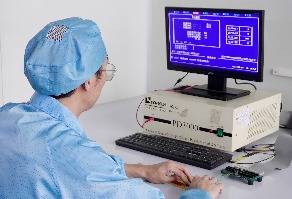
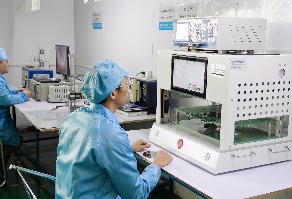
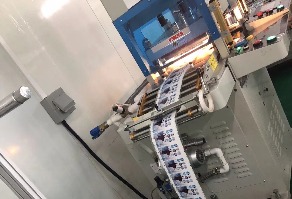
Every step—screen-printing, cleanroom SMT placement, precision die-cutting, embossing, and automated optical inspection (AOI)—is executed under one roof. This closed loop minimizes external sub-tier handling, eliminating tooling delays and ensuring total trace alignment accuracy within ±0.05 mm.
Our Canadian clients operate on tight iterative engineering schedules. Ravo’s dedicated export engineering division delivers full Design for Manufacturability reports, layer stack-up diagrams, and adhesive mapping recommendations within 2 hours of drawing receipt (DXF, DWG, Step, Gerber, or AI).
We work exclusively with certified supply chains: genuine 3M adhesives (3M 467MP, 468MP, 9448A), MacDermid Autotype PET, and Rogers Poron gaskets. Every switch batch undergoes 100% electrical continuity testing, contact resistance checks, and mechanical actuation life verification up to 1M clicks.
Procurement directors and hardware leads across the Toronto-Waterloo Innovation Corridor are modernizing their HMI component architectures to meet strict ESG, tactile ergonomics, and lifecycle mandates.
Modern equipment aesthetics in commercial automation and medical devices require clean, unified dark glass or matte panels where indicators remain invisible until illuminated. By combining ultra-thin optical light-guide film (LGF) with dead-front screen-printed graphics, we provide Toronto designers with uniform key illumination without light bleed, using up to 70% fewer LEDs.
With increasing automation in food processing facilities across Vaughan and Burlington, control interfaces face high-pressure water jets and caustic cleaning agents. Ravo engineers perimeter-sealed gasket channels using micro-cellular urethane foam and selective hydrophobic vents that equalize pressure variations without moisture penetration.
Hardware startups and established OEMs in Ontario can no longer accept 10-week domestic prototyping cycles. Ravo provides laser-cut, digital-printed engineering prototypes in 5 to 7 business days, allowing mechanical verification in Toronto laboratories before full steel tooling commitment.
Clear, direct technical and commercial answers for Canadian procurement managers, component engineers, and supply chain specialists.
Collaborate directly with Dongguan Ravo Electronics' senior interface engineers. Send your mechanical schematics, circuit requirements, or overlay artwork for an immediate DFM manufacturability check and localized quotation.
