1 / 5
 EN
 DE
 FR
 ES
 RU
 JA
Polycarbonate overlays are easy to die cut, print, and texture. However, they may show signs of wear after 100,000 actuations. If the environment is subject to chemicals, a hard coat should be used for protection. Polycarbonate overlays are optically clear at any thickness and provide a crisper emboss. Polycarbonate is lower in cost than polyester. Most users prefer the look of polycarbonate overlays versus polyester.
Polyester material is thinner and more resilient. It shows no sign of wear after 1,000,000 actuations. It also has superior resistance to chemicals and harsh environments. Polyester is more expensive than polycarbonate. (This material is perfect for industrial graphic overlays.)
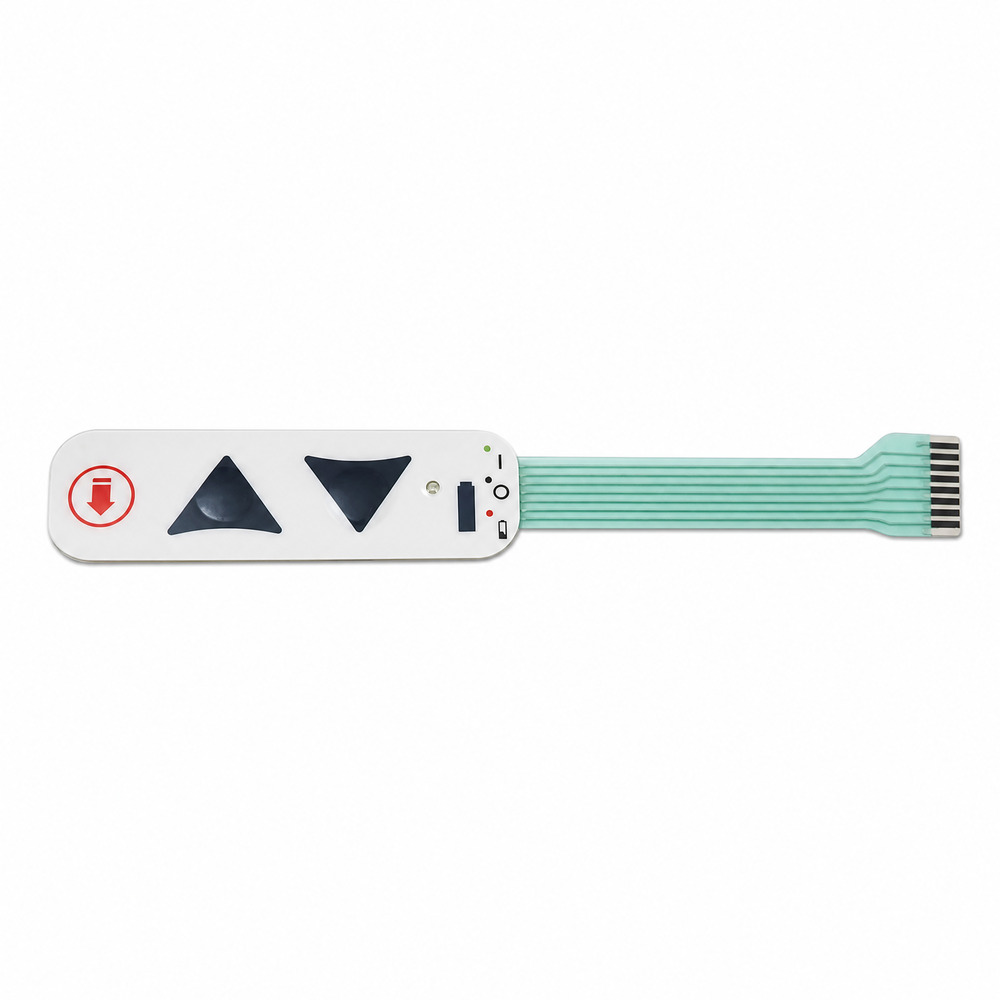
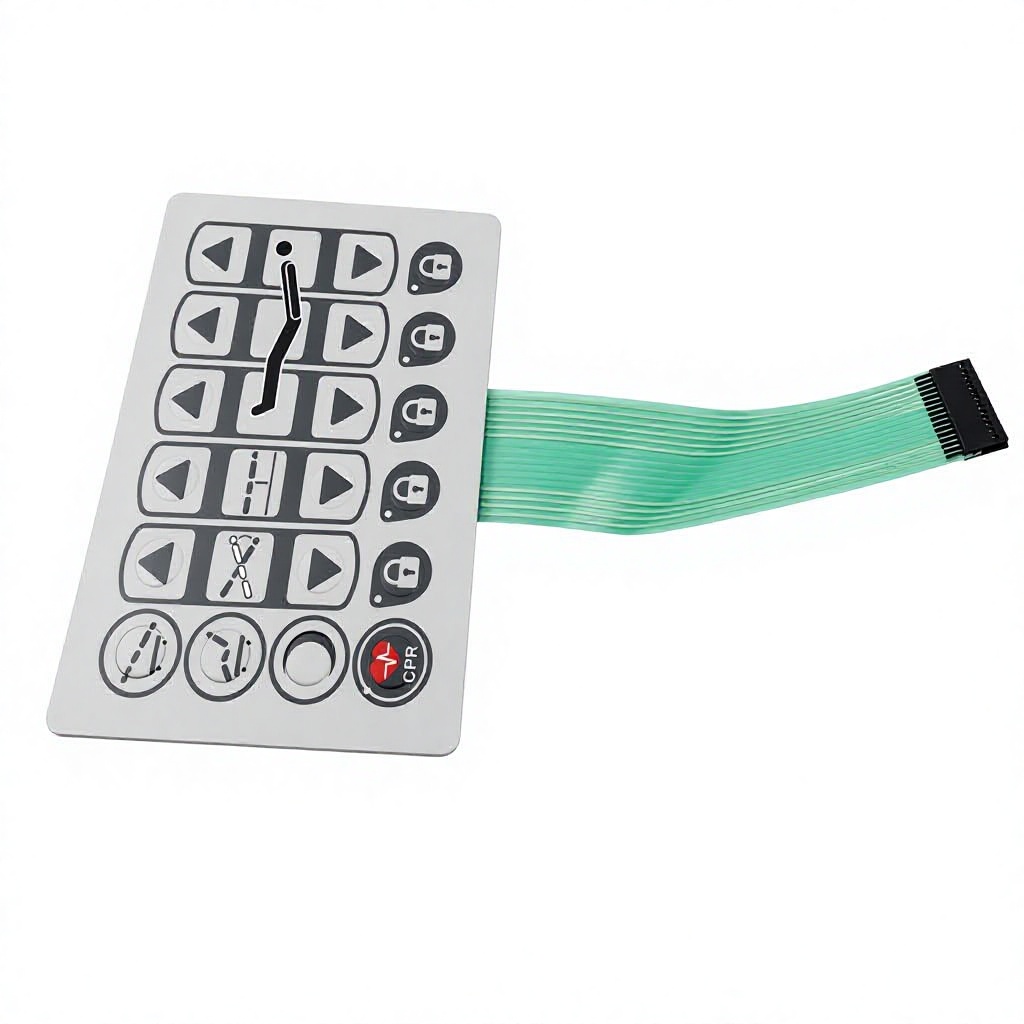
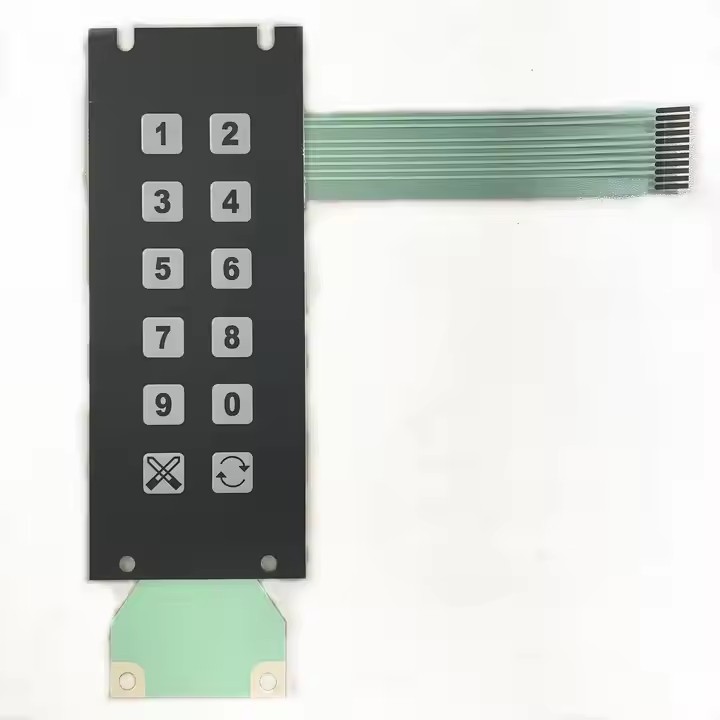
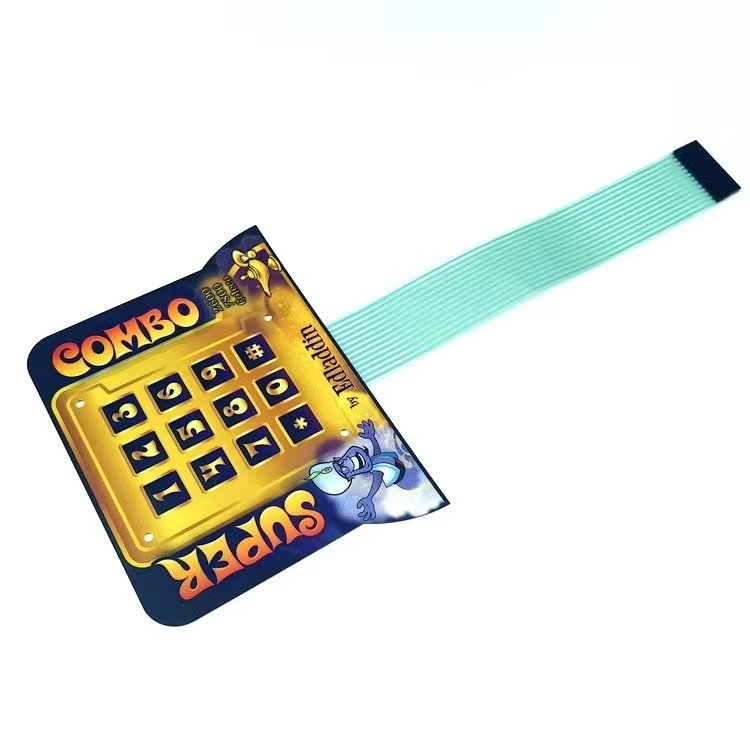
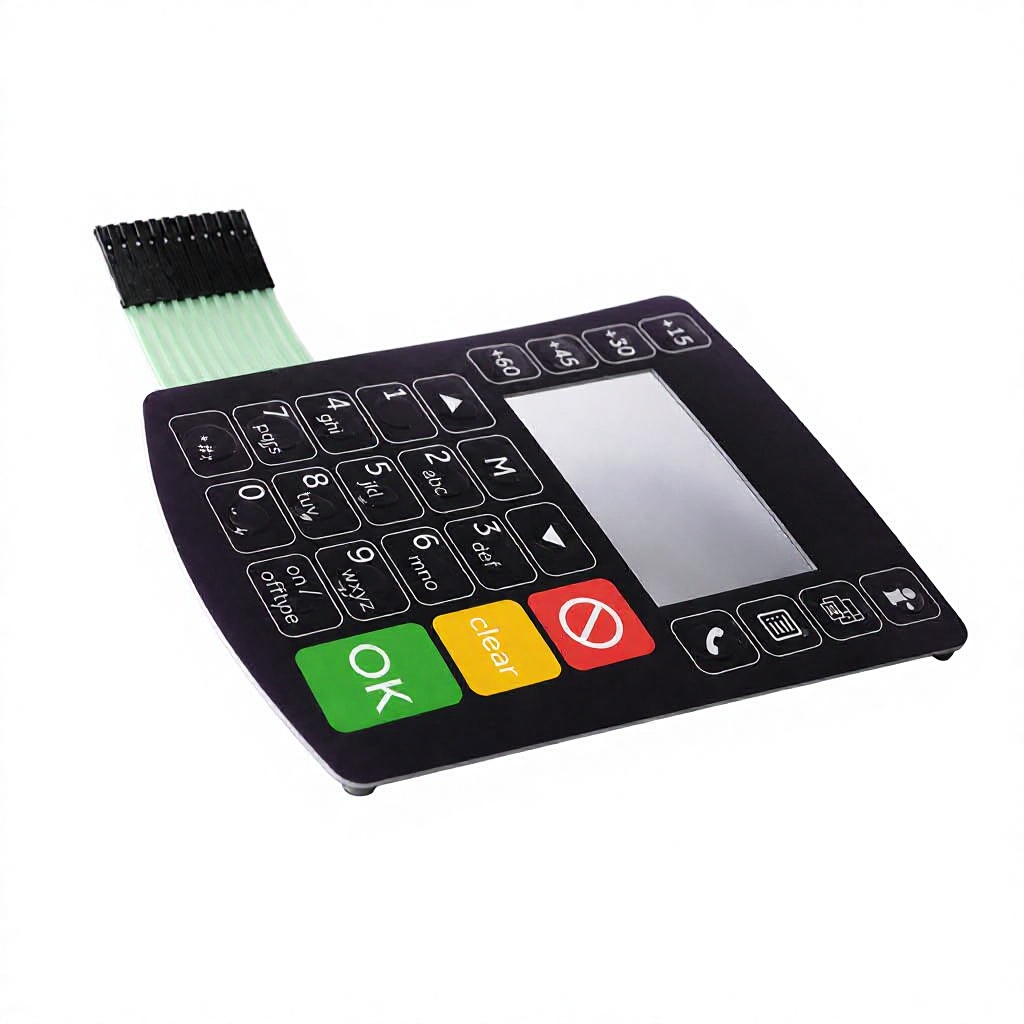
Polycarbonate and polyester graphic overlays are custom designed for maximum durability and legibility for indoor and outdoor applications, including exposure to extreme temperatures, ultraviolet (UV), chemicals and cleaning solutions.
| Customization | Benefit |
|---|---|
| Selective Texture | Create contrast, add interest, or designate areas for buttons and control features |
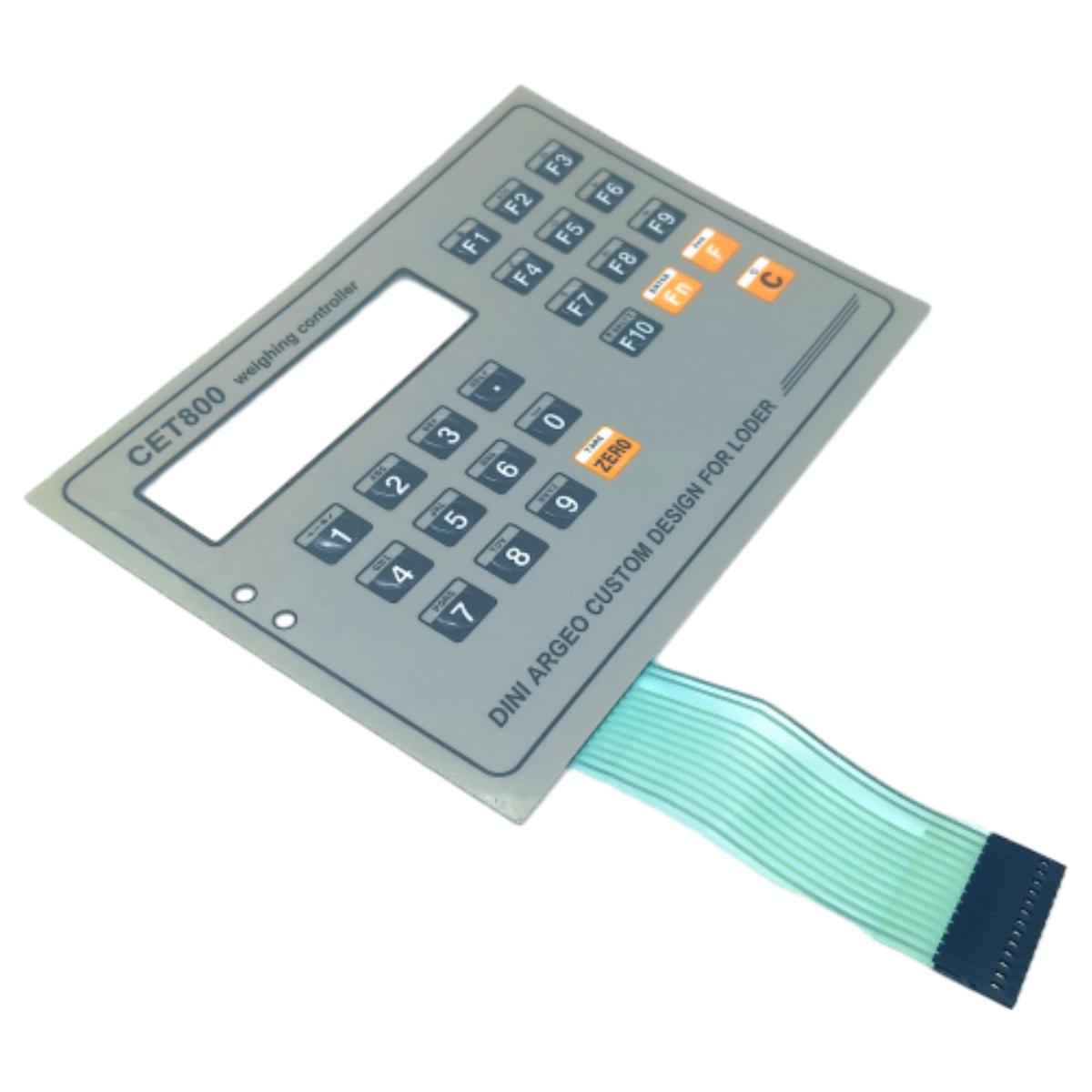
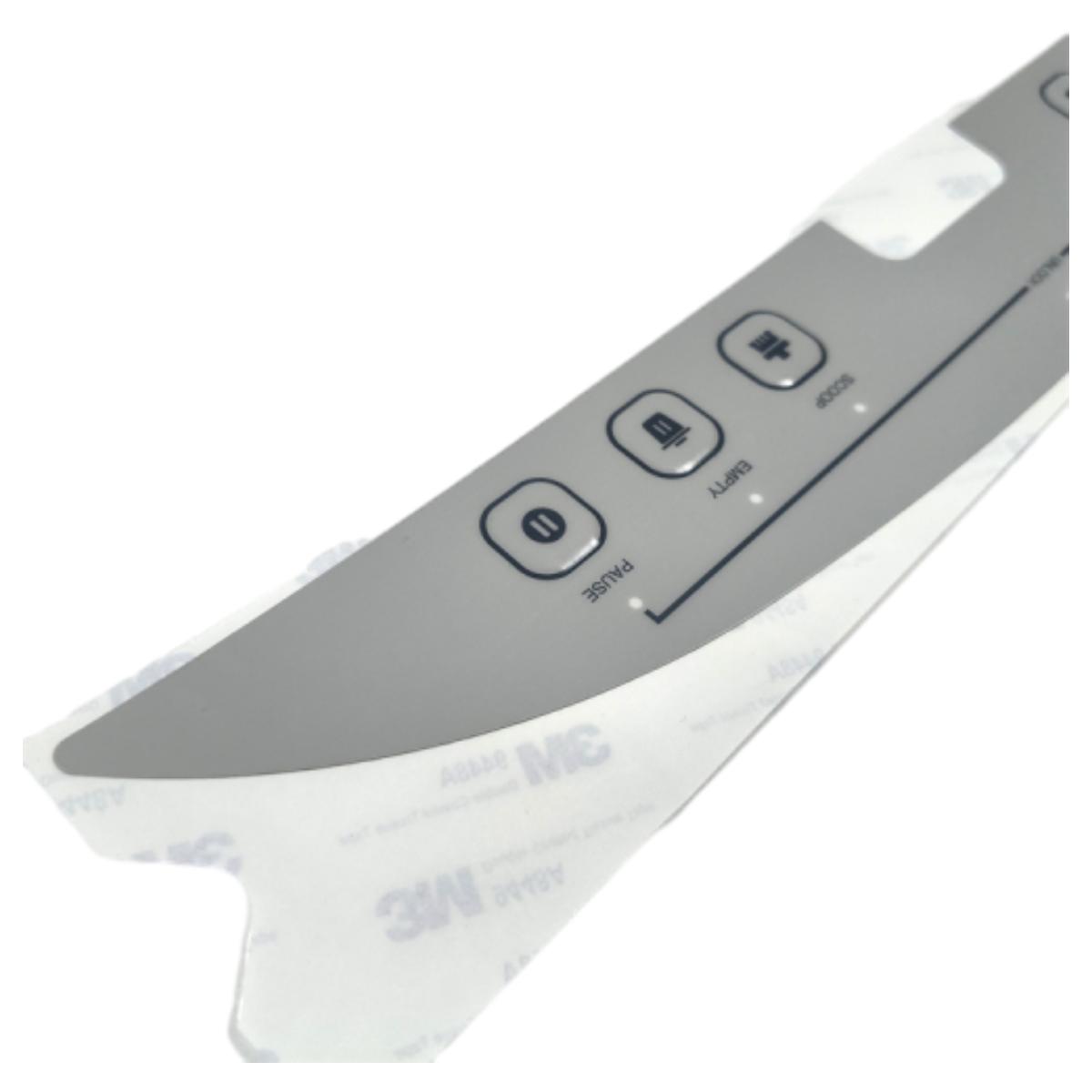
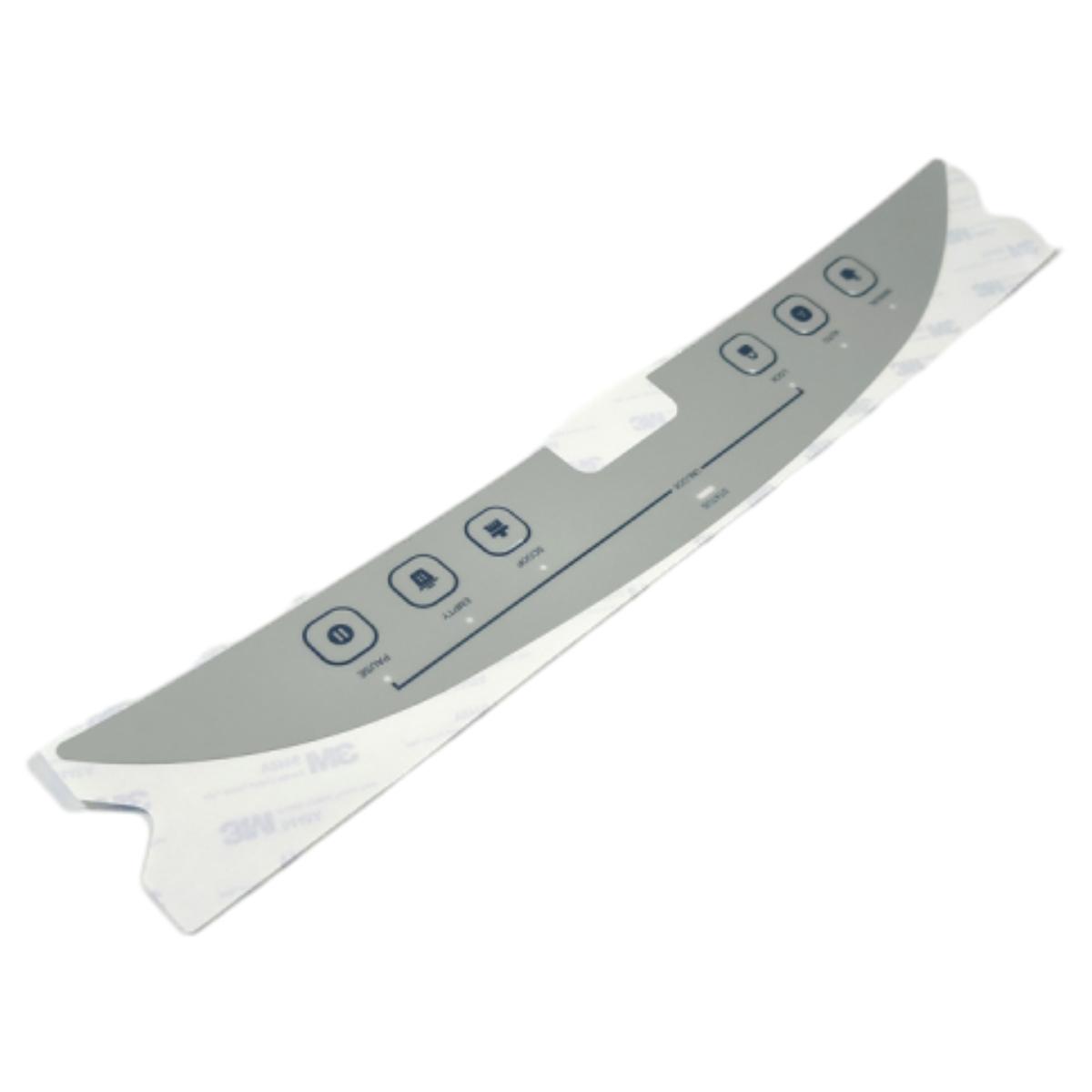
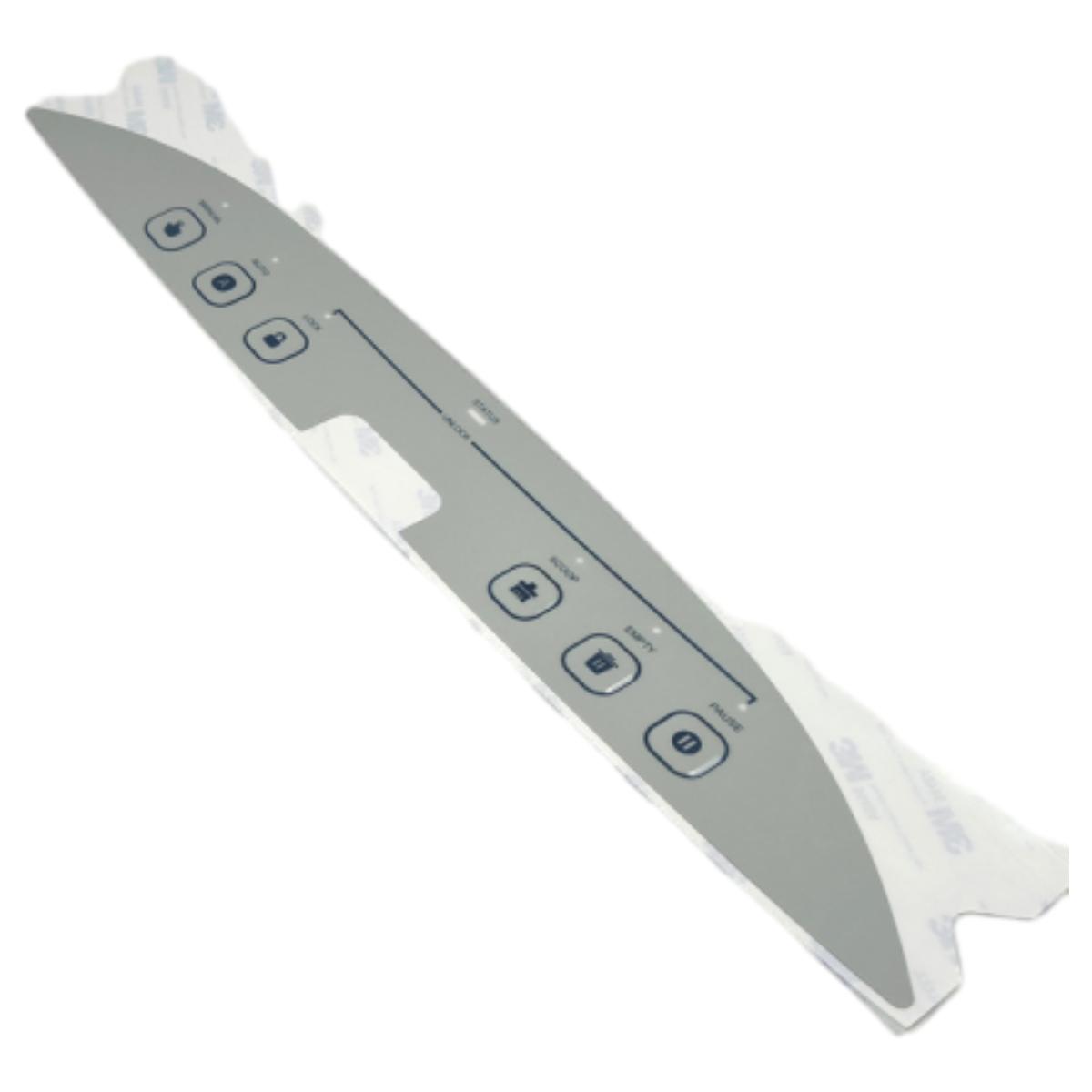
| Die Cut Holes | Cutout areas allow for plugs, connectors, pins, knobs, and buttons |
| LED and Transparent Windows | Clear and transparent color windows allow LED lights or display information to show through the overlay |
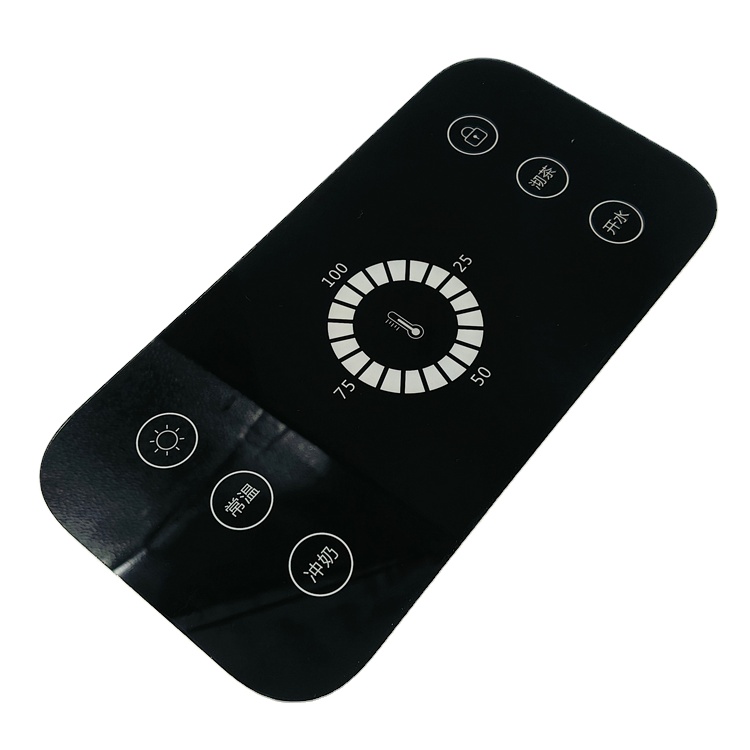
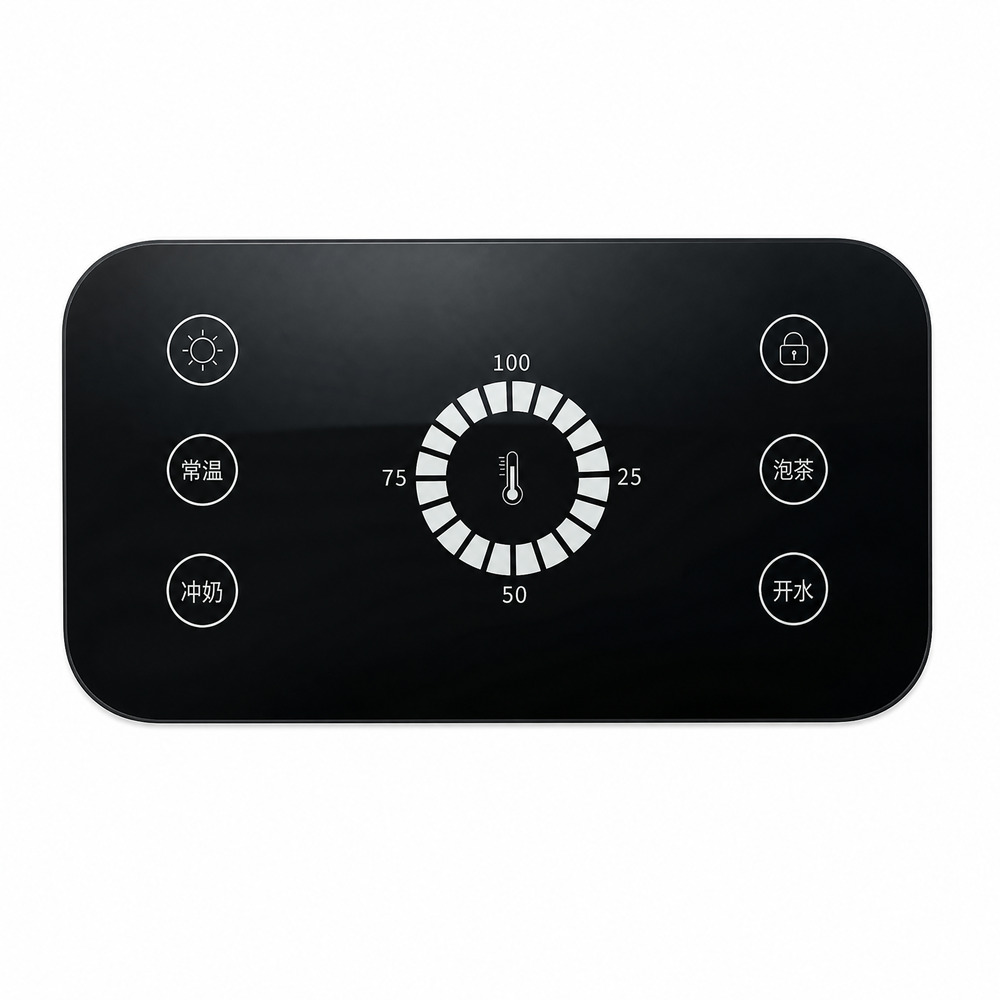
| Dead Front Graphics | Hidden graphics show alerts and special icons only when lit |
| Backlit Graphics | Transparent colors for indicators, speedometer numbers, and other lit graphics |
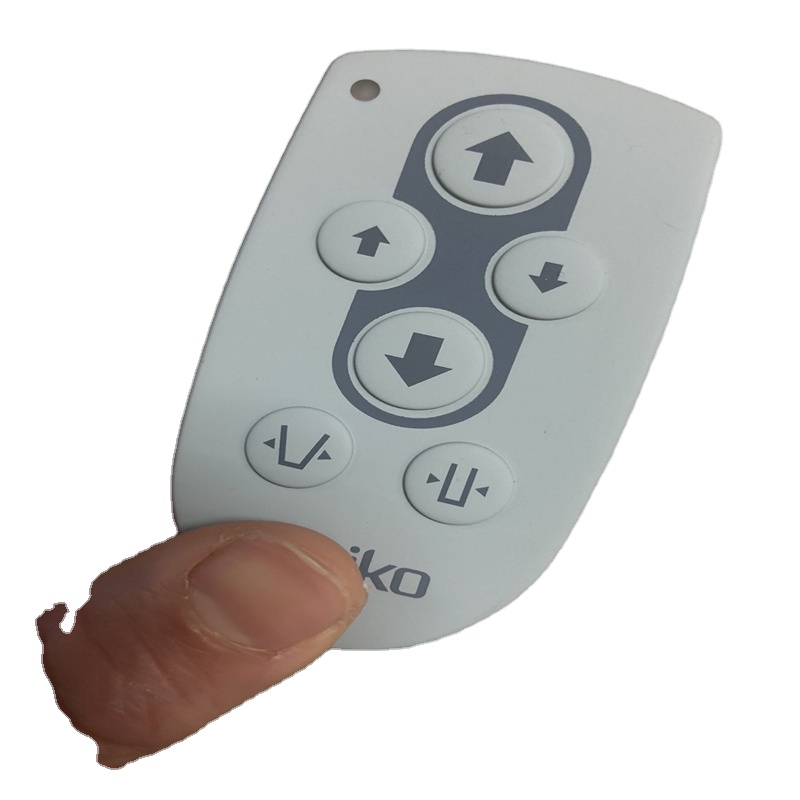
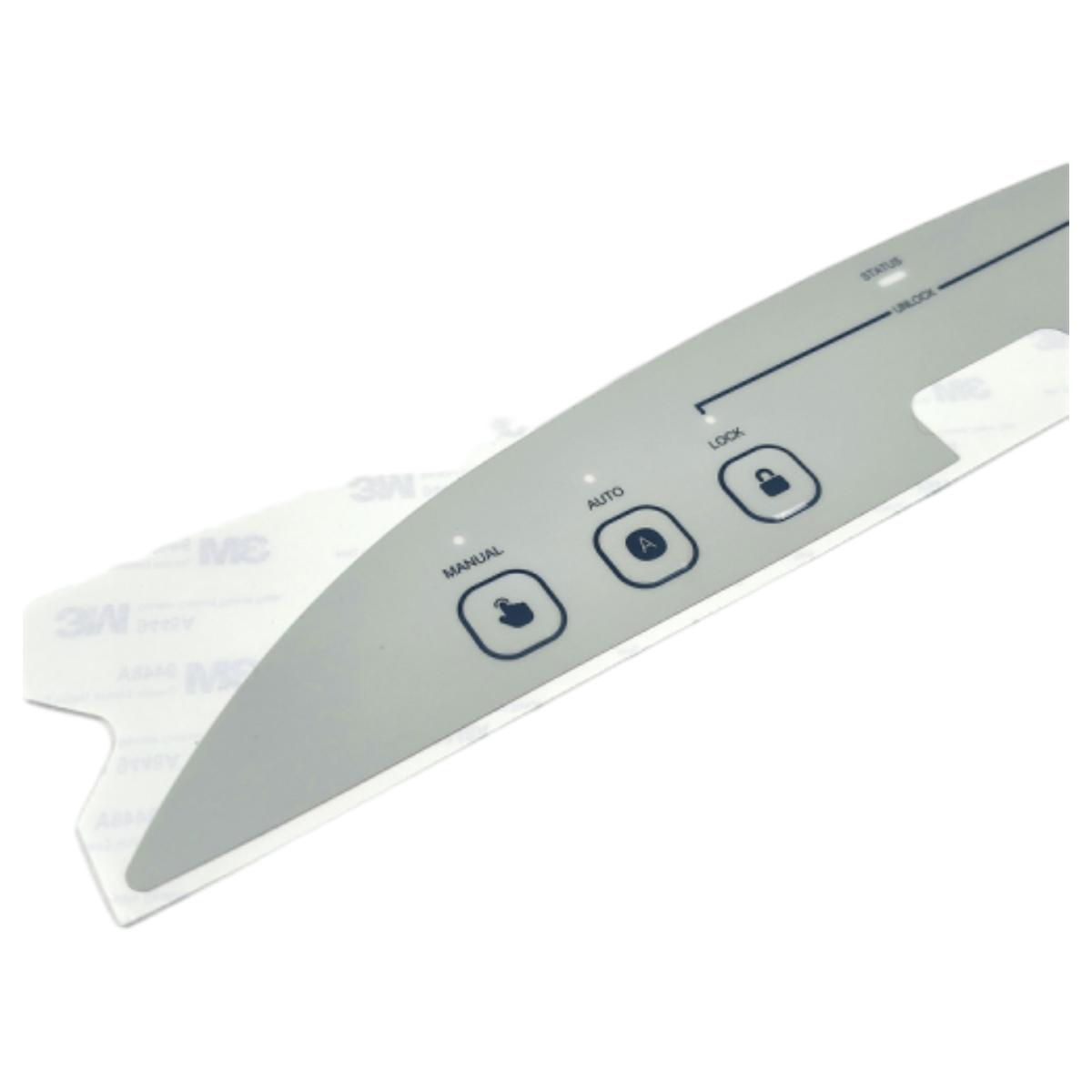
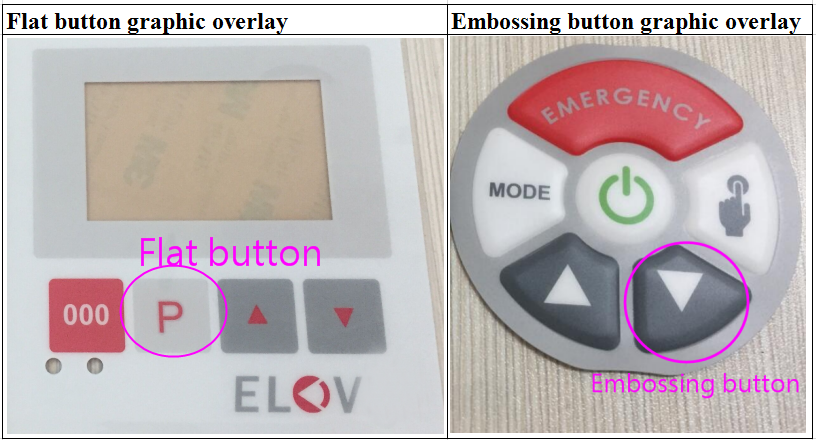
| Embossed Buttons or Borders | Raised areas that clearly designate control buttons, keypads, or border elements |
| Hardcoat and Overlaminate Protection | Added protection against abrasions, scratches, and exposure to chemicals |
| Anti-glare, Matte, Velvet, Brushed, or Glossy Finishes | Special finishing options |
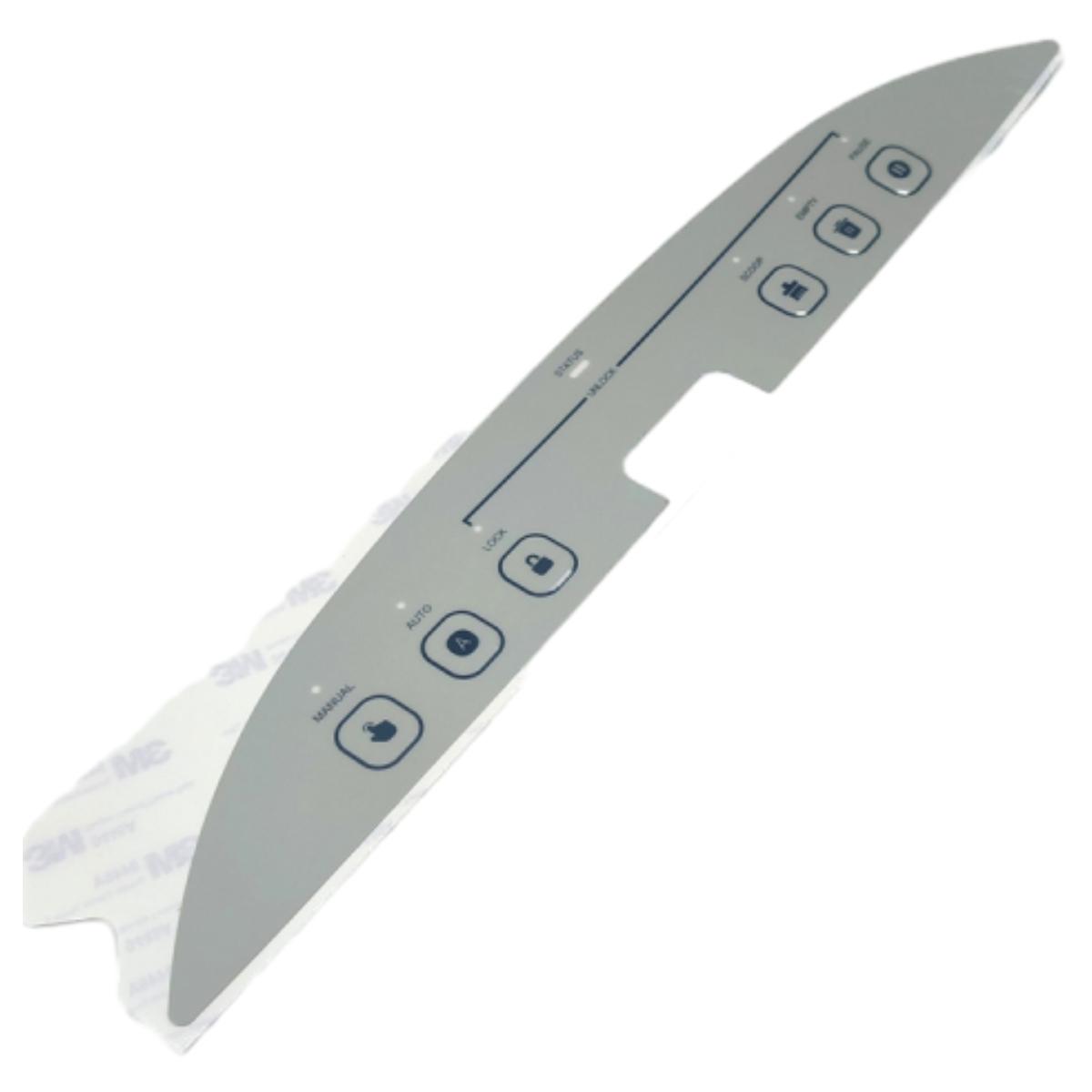
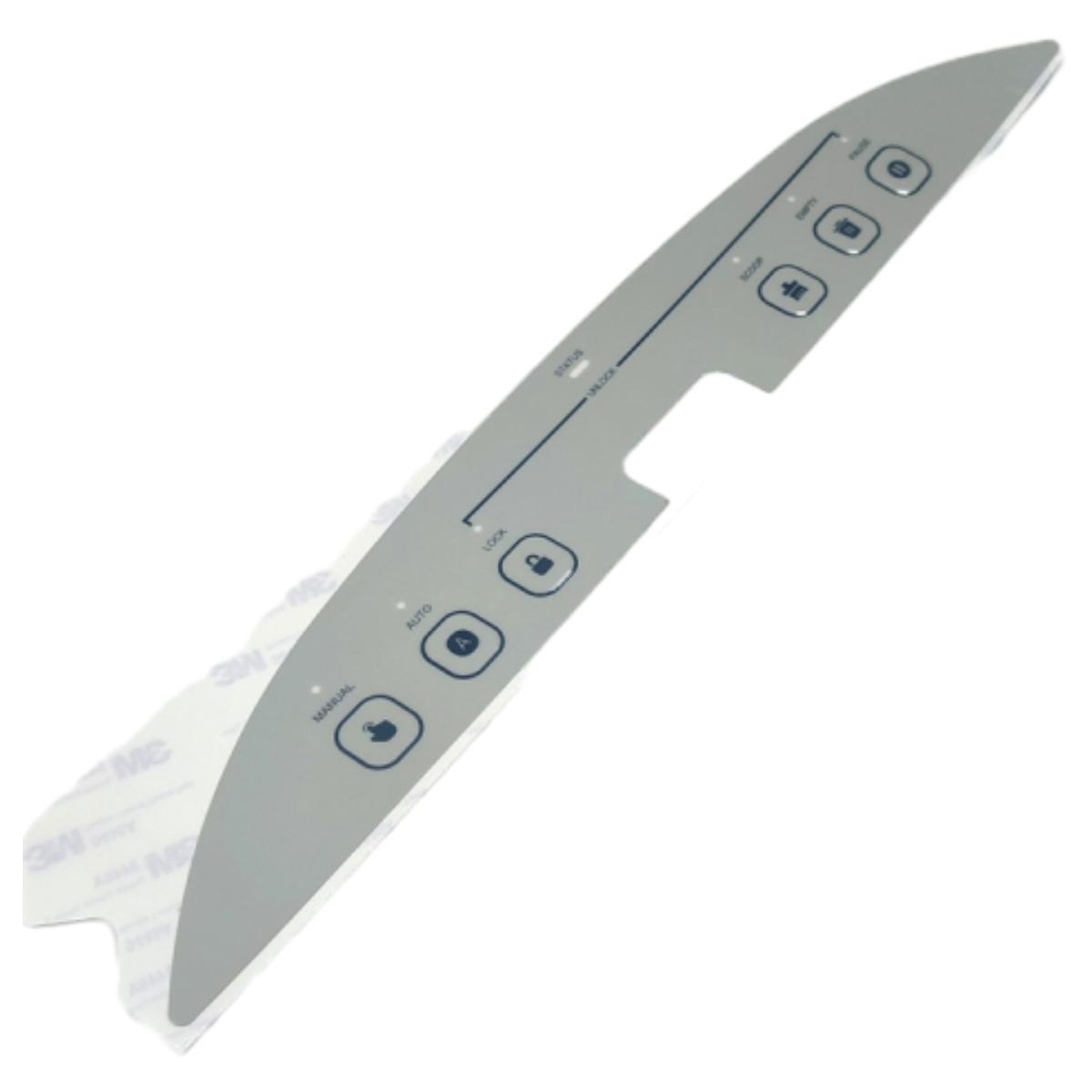
| Selective Adhesive | Areas with no adhesive, such as buttons, windows, dead front or backlit graphics |
Generally speaking, there are 2 kinds of the surface finish of membrane switch for people to choose: glossy finish and matte finish. Those who choose a glossy finish are usually looking for its soft surface feel and uniform color; while those who choose matte surface value the anti-scratch and wear-resistant characteristics of the product: PET Matte / PET Glossy / PC Matte / PC Glossy.
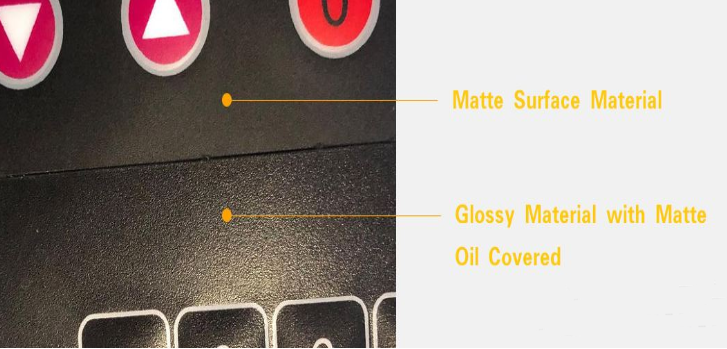
As it shows, the two finishes in the picture are both "matte", but visually they look different. The former uses a matte PET/PC substrate, while the latter uses a glossy PET/PC substrate, and the TianTai factory applied a matte oil to the latter to achieve a matte finish.
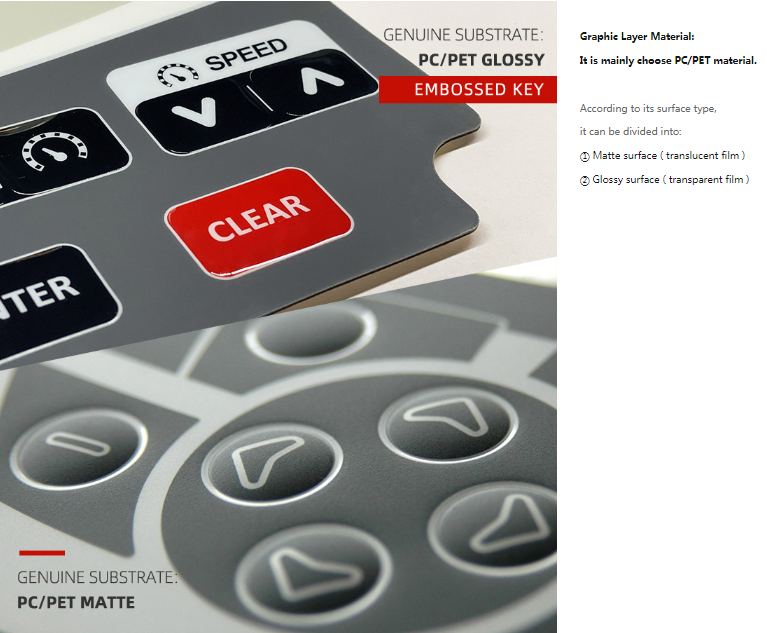
Polycarbonate (PC) is cost-effective, optically clear, easy to die-cut and emboss, rated for around 100,000 actuations. Polyester (PET) is more resilient and chemical-resistant, rated for over 1,000,000 actuations, making it ideal for harsher industrial applications.
A glossy finish is preferred when a soft feel and vibrant, uniform color saturation are required. A matte finish is selected primarily for anti-scratch, anti-glare, and high wear-resistance properties.
It is a hybrid solution designed for displays with LED/LCD indicators. It features transparent glossy display windows for optimal clarity alongside a durable, scratch-resistant matte finish on the remaining overlay surface.
Dead Front graphics are hidden indicators or icons that blend seamlessly into the overlay surface when inactive, and only become visible to the user when backlit by an LED light.
Yes, both polycarbonate and polyester graphic overlays are engineered for extreme durability, resisting extreme temperatures, ultraviolet (UV) radiation, chemical cleaners, and abrasions.
Selective adhesive refers to precisely applying adhesive backing only to designated mounting areas, keeping spaces free of adhesive where mechanical switches, backlit graphics, or transparent display windows reside.