EN
 DE
 FR
 ES
 RU
 JA EN DE FR ES RU JA
Explore our top-tier HMI solutions engineered with specialized backings, protective overlays, and high-cycle actuation feedback.
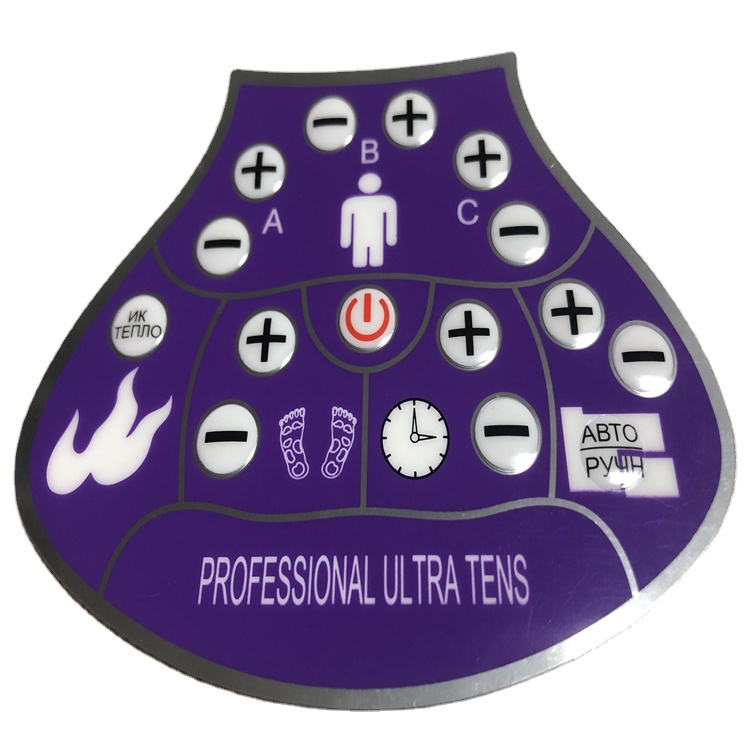
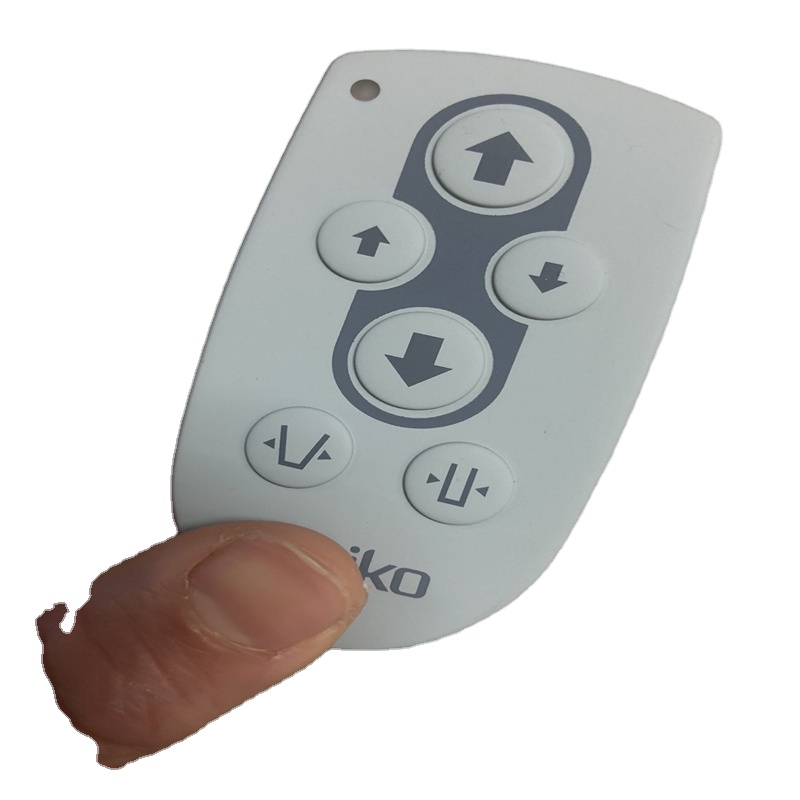
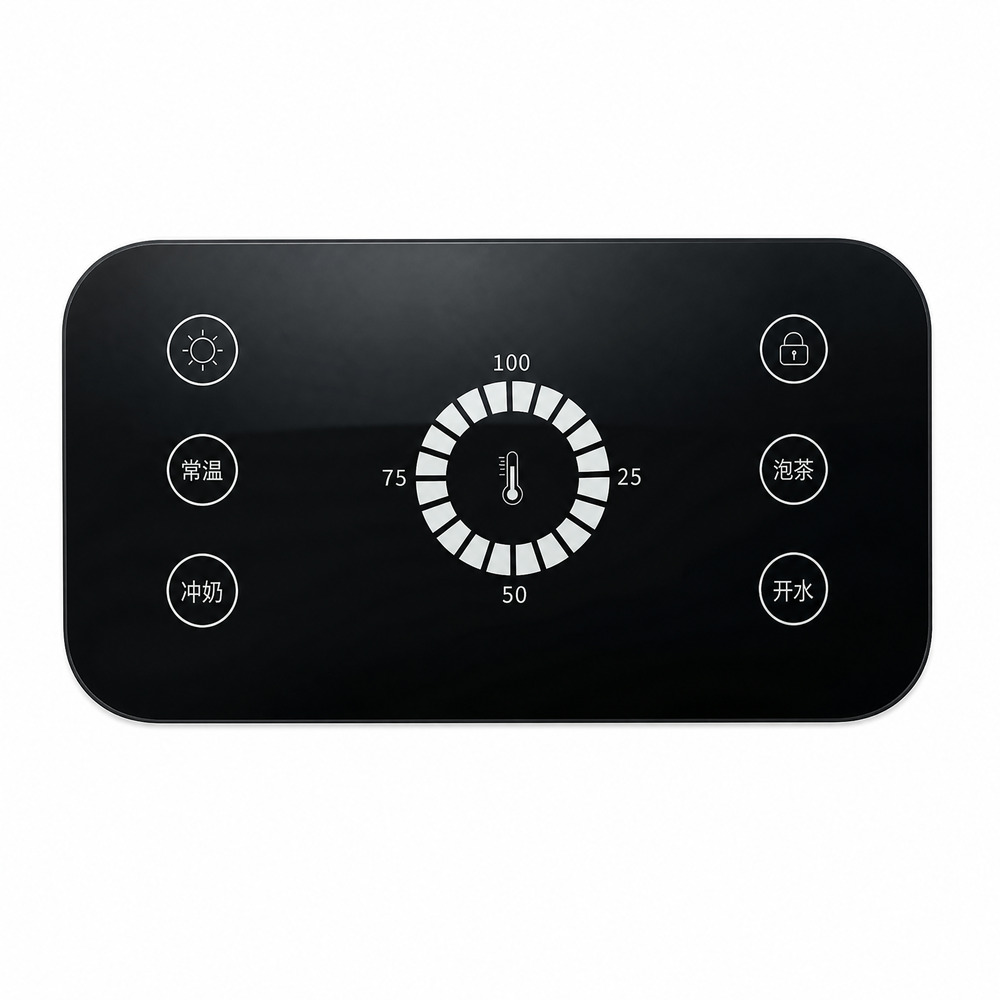
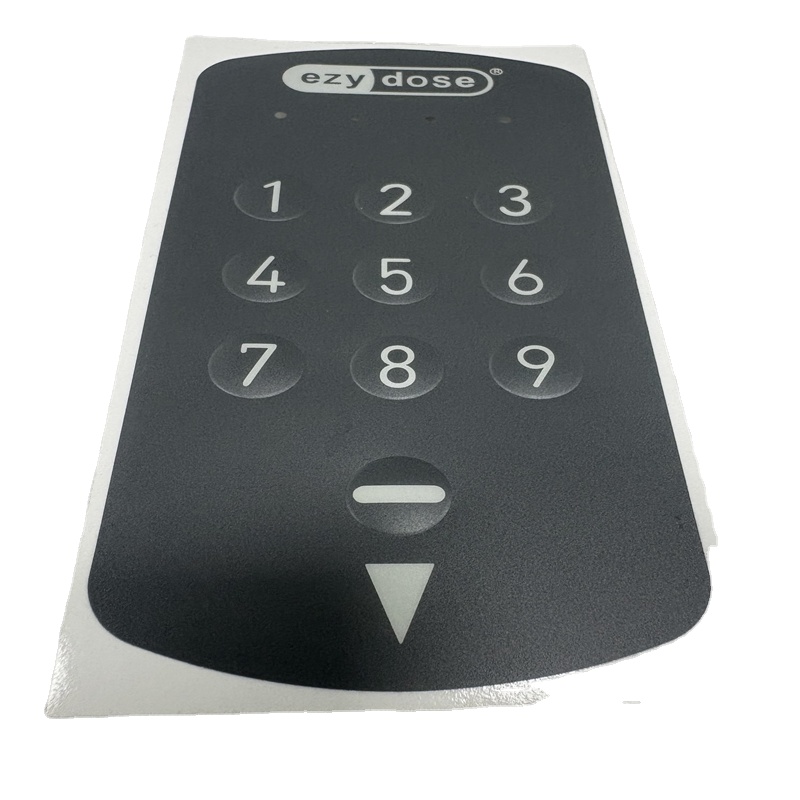
As industrial automation, maritime transportation, and off-grid utility infrastructure expand across the Vava'u island group in Tonga, the demand for high-reliability Human-Machine Interface (HMI) hardware in Neiafu has reached an unprecedented peak. Designing electronic control interfaces for tropical, marine-adjacent environments presents severe engineering challenges. Standard flexible membrane switches built on thin polyester (PET) sub-layers frequently fail when exposed to chronic ambient humidity exceeding 90%, high-salinity air, rapid thermal expansion, and mechanical vibration common to maritime and industrial operations.
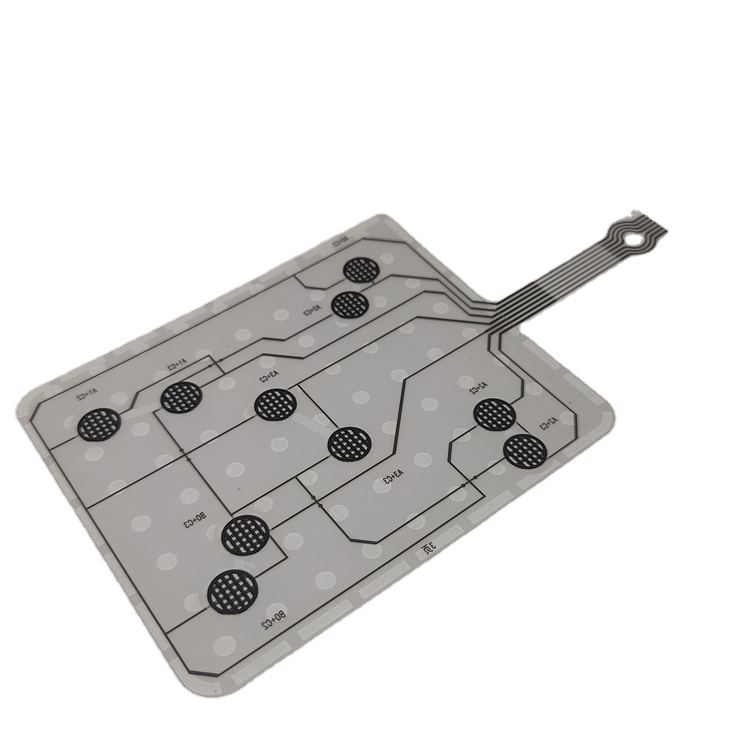
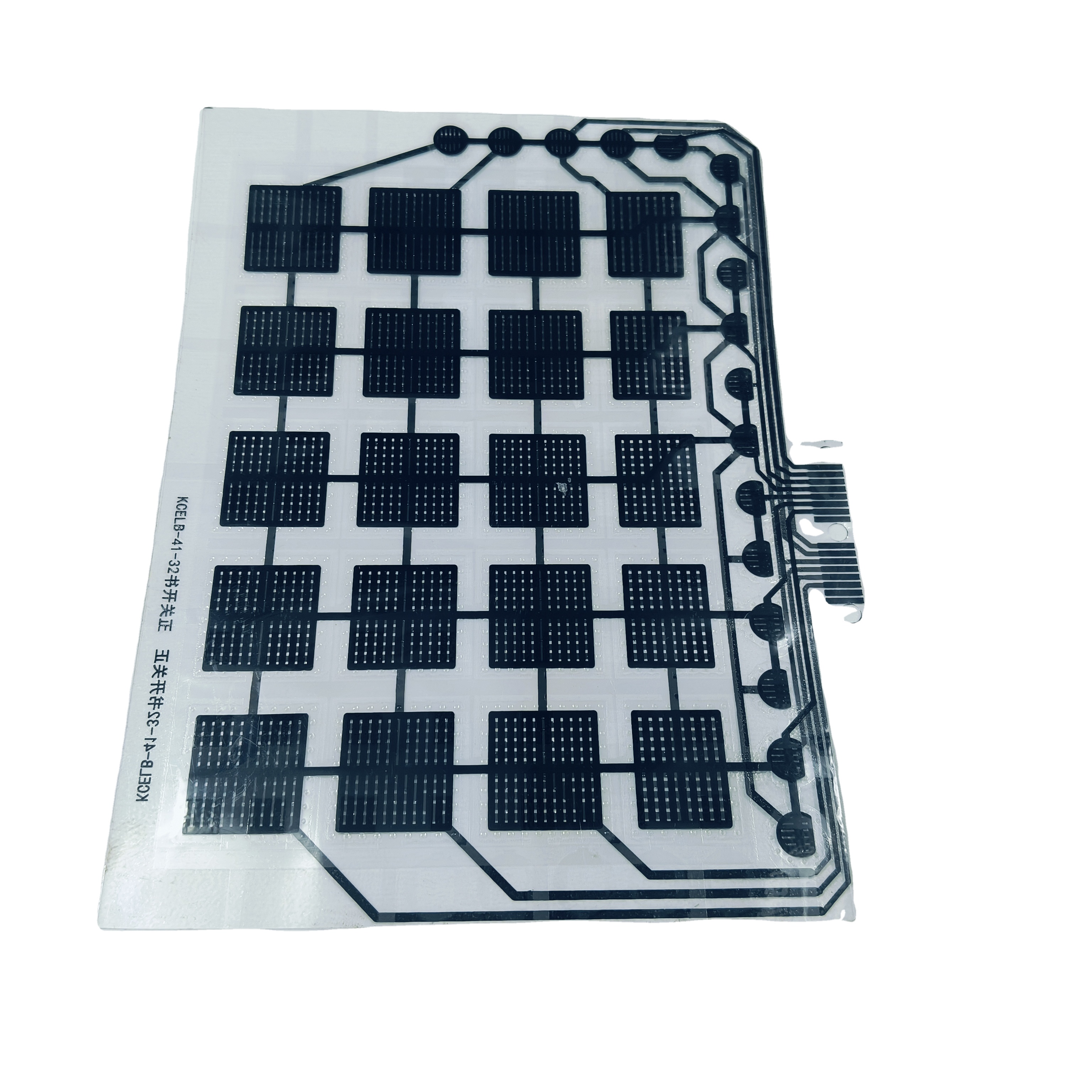
A PCB Backer Membrane Switch (also known as a Rigid FR-4 Substrate Membrane Keyboard) directly solves these environmental vulnerabilities by substituting traditional flexible silver-ink PET traces with a rigid, glass-reinforced epoxy laminate printed circuit board (FR-4 PCB). This architectural shift bridges the gap between classic graphic overlay aesthetics and robust electronic component integration.
Understanding the multi-layer stack-up of a premium PCB backer membrane switch is vital for procurement officers and system integrators operating in Neiafu. Unlike standard thin-film keypads, the rigid PCB acts as both the structural foundation and the primary circuit layer:
Autotex MacDermid PET or Sabic Lexan PC with selective matte/gloss textures, anti-glare coatings, transparent window displays, and UV-resistant inks engineered for South Pacific solar intensity.
Stainless-steel tactile metal domes (four-leg or round shapes, 250g to 500g snap force) providing crisp tactile feedback rated for over 1.5 million operational cycles.
High TG-150 / TG-170 glass-epoxy board featuring Immersion Gold (ENIG) or HASL surface finishes to eliminate copper oxidation caused by humid, saline marine atmospheres in Neiafu.
In humid coastal regions such as Neiafu, silver ink migration is a leading cause of short circuits in flexible PET membrane keypads. Microscopic moisture particles penetrate micro-cracks in PET substrates, causing silver ions to migrate between positive and negative traces under DC voltage. A PCB backer eliminates this vulnerability by using etched copper traces sealed under a solder mask, providing absolute dielectric isolation and zero silver migration risk.
Selecting the optimal human-machine interface requires evaluating mechanical strength, environmental sealing, component density, and total cost of ownership. The matrix below illustrates why leading OEMs in Neiafu specify PCB backer membrane switches for heavy-duty hardware deployments:
| Performance Parameter | Standard Flex PET Switch | FPC (Flexible Copper) Switch | PCB Backer Membrane Switch |
|---|---|---|---|
| Structural Rigidity | Flexible (Requires separate subpanel) | Semi-flexible (Requires support plate) | Self-Supporting Rigid FR-4 (0.6mm - 3.2mm) |
| Silver Migration Resistance | Moderate to Low in humid conditions | High (Etched Copper) | Exceptional / Zero Risk (Solder Masked Copper) |
| Component Integration | Limited to low-temp conductive adhesive LEDs | SMD LED & Passive components soldered | High Density: SMD LEDs, ICs, Connectors, Studs |
| Connector Integrity | 2.54mm Pitch Crimp Connector (Flex tail) | ZIF / FPC Solder pad | Direct Soldered Terminal Blocks, Header Pins, Board-to-Board |
| Salt Spray & Corrosion Resistance | Standard perimeter seal (IP54-IP65) | Enhanced perimeter seal (IP65) | IP67 / IP68 Hermetic Gasket Seal Compatible |
| Actuation Lifecycle Rating | 1,000,000 Cycles | 1,500,000 Cycles | 3,000,000+ Cycles (Solid Dome Backing) |
Neiafu, as the administrative and economic focal point of the Vava'u archipelago, relies heavily on specialized hardware tailored to maritime commercial shipping, diesel and solar microgrids, agricultural processing, and tropical medical healthcare. Here is how our PCB backer membrane switches are integrated locally:
Neiafu's deep-water port hosts fishing vessels, catamarans, and inter-island ferries. Control panels on fish-finders, radar consoles, and bilge pump controllers utilize our IP67-sealed PCB backer switches with ENIG gold-plated traces, resisting saltwater spray, heavy wave impact, and diesel oil exposure.
As Vava'u transitions toward sustainable renewable energy, solar power inverters and energy storage systems in Neiafu require robust outdoor user interfaces. Our PCB membrane panels incorporate UV-blocking polycarbonate overlays and high-temperature FR-4 layers operating reliably up to 85°C ambient temperatures.
Vanilla curing and agricultural exports are crucial to Neiafu’s economy. Processing facility keypads must withstand daily washdowns with cleaning agents. PCB backed membrane panels with sealed perimeter gaskets prevent moisture ingress into environmental monitoring systems.
Medical equipment operating in Neiafu's healthcare clinics demands antimicrobial surfaces and absolute switch actuation certainty. Integrated LED status backlighting on rigid PCB backers provides clear feedback to medical staff during critical night procedures.
The electronics procurement landscape in Neiafu and the greater South Pacific region is undergoing rapid modernization driven by three primary technological shifts:
System designers in Neiafu are moving away from discrete, multi-component control panels toward integrated HMI modules. By combining the graphic overlay, metal dome switches, SMD indicator LEDs, sensor microcontrollers, and female header sockets into a single PCB backer assembly, local equipment manufacturers cut assembly times by over 60% and streamline inventory sourcing.
While tactile pushbuttons remain essential for gloved marine operators, modern consumer and eco-tourism hardware in Neiafu is adopting capacitive touch technology. Printing capacitive touch pads directly onto the top copper layer of an FR-4 PCB beneath a seamless glass or PMMA panel allows for elegant, zero-wear touch keypads that are naturally waterproof and immune to dust ingress.
With ocean freight transit to the Kingdom of Tonga requiring careful scheduling, engineers cannot afford high field-failure rates. Specifying 3M 468MP high-tack acrylic adhesives, stainless steel 304 dome arrays, and double-sided solder-masked FR-4 boards has become the standard procurement requirement for all hardware deployed across Neiafu’s maritime infrastructure.
As a global leader in human-machine interface engineering, Dongguan Ravo Electronics Co., Ltd. (founded in 2003) operates a state-of-the-art 12,000 m² manufacturing facility dedicated to custom membrane switch production, silicone rubber keypads, graphic overlays, and thin-film pressure sensors.
Our experienced engineering team provides comprehensive Design for Manufacturability (DFM) feedback within ≤ 2 hours of receiving your Gerber or DXF vector files, optimizing your layer stack for production yield.
Every PCB backer membrane switch is manufactured under strict ISO 9001 quality management standards using 100% RoHS and REACH compliant raw materials, ensuring international compliance.
From single-piece rapid prototypes for testing engineering concepts in Neiafu to high-volume automated production runs, Ravo delivers consistent lead times and rigorous quality assurance.
Common technical, engineering, and logistics inquiries from hardware procurement managers and electrical engineers in Neiafu and the South Pacific:
We specify Immersion Gold (ENIG) surface finishes over copper traces on the FR-4 backer. Combined with perimeter waterproof gaskets (3M 468MP adhesive) and sealed tail exits, salt spray cannot penetrate the internal contact matrix.
Yes. Unlike thin film PET keypads, our rigid FR-4 PCB backers allow direct surface-mount (SMT) and through-hole soldering of locking headers, screw terminals, microcontrollers, and high-brightness SMD LEDs.
Our engineering department accepts Gerber files for the PCB layer stack, along with DXF, DWG, AI, or vector PDF files for the graphic overlay, color callouts (Pantone), and tactile key layout.
Engineering DFM and sample production are completed within 7–10 business days. Expedited air express freight directly to Neiafu delivers prototypes within 5–8 days post-production.
Absolutely. We use UV-stabilized Autotex XE polyester films specifically treated to resist yellowing, embrittlement, and ink fading caused by prolonged tropical solar exposure.
We support engineering development in Neiafu with prototype MOQs starting from 1 to 5 pieces, allowing you to thoroughly test mechanical fitting before committing to full production runs.