EN
 DE
 FR
 ES
 RU
 JA EN DE FR ES RU JA
Manufactured under strict ISO 9001 registration in Dongguan, our thin-film arrays, capacitive assemblies, and tactile control layers provide turnkey sensory integration for equipment builders in Kyiv and broader European supply chains.
A rigorous examination of carbon-nanotube conductive ink rheology, polymer substrate stability, and sensor design optimization for mission-critical deployments.
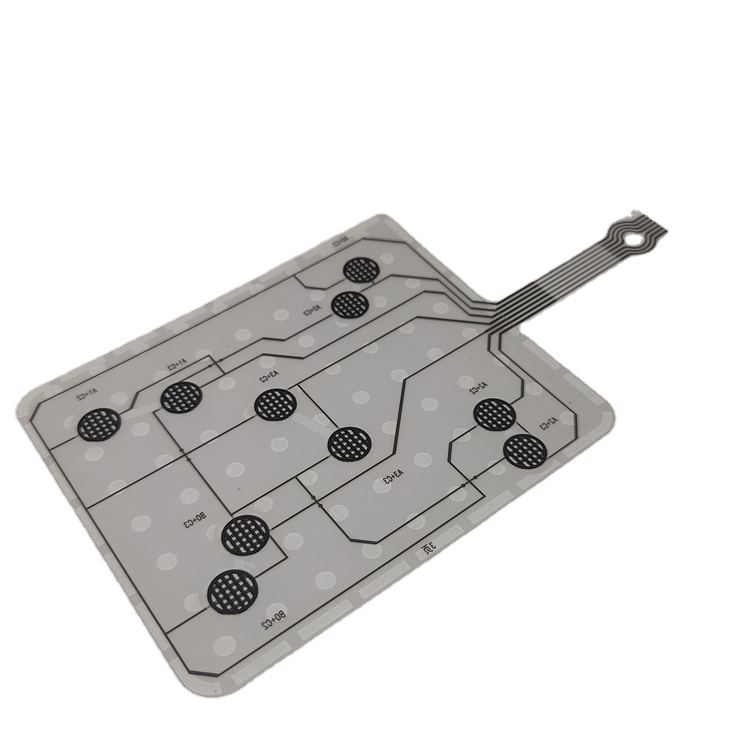
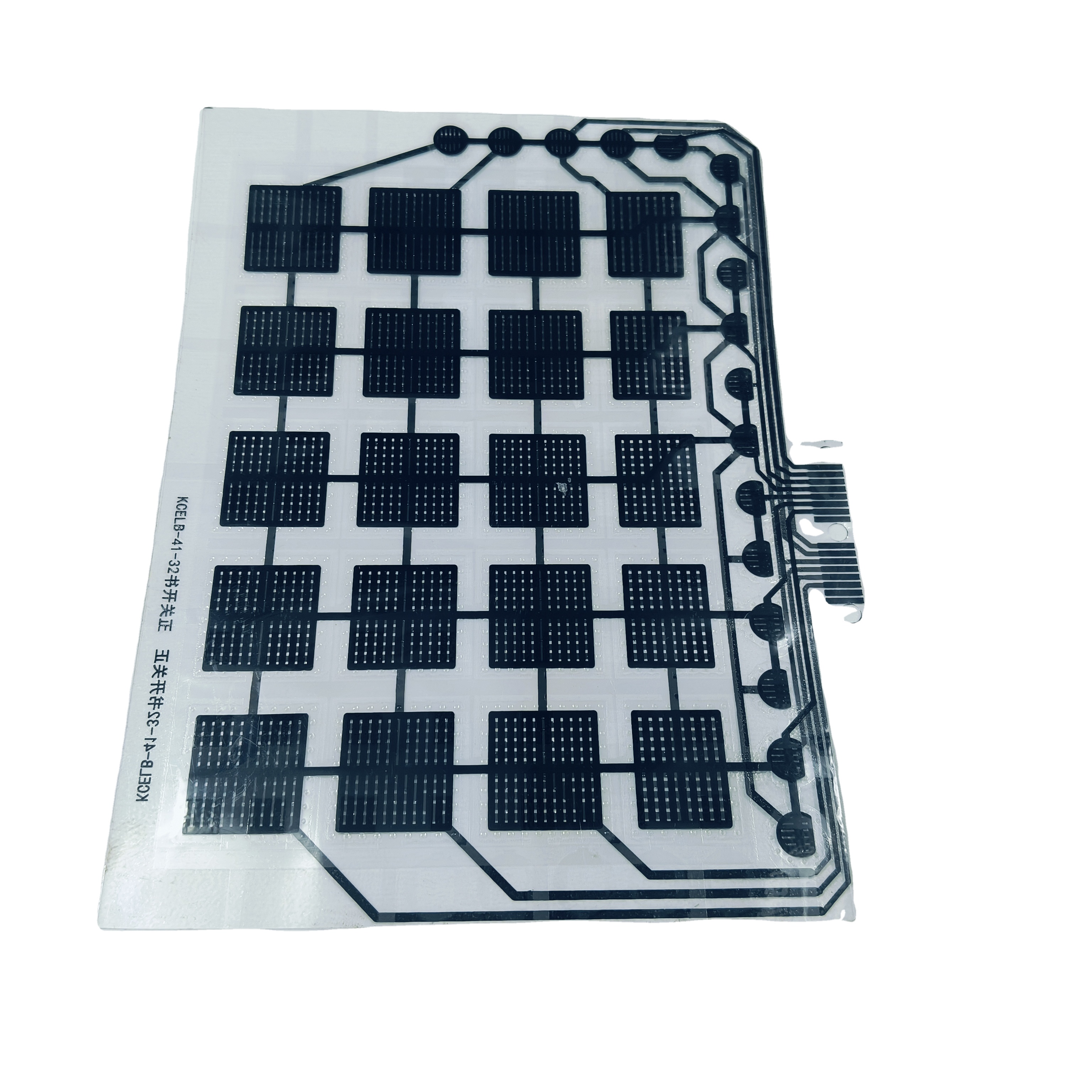
A flexible pressure sensor—frequently classified as a Force Sensitive Resistor (FSR)—operates on the micro-contact quantum tunneling effect and percolation theory across a semi-conductive polymer matrix. When an external mechanical force is exerted normal to the active sensing area, microscopic conductive particles dispersed within the polymer matrix are compressed closer together, drastically lowering the interfacial bulk electrical resistance. In precision manufacturing, the linearity, sensitivity threshold, dynamic range, and drift coefficient of the sensor depend entirely on three core parameters: ink deposition rheology, spacer dielectric thickness, and the surface micro-topography of the opposing electrodes.
Unlike rigid load cells based on metal foil strain gauges, flexible thin-film sensors boast an ultra-thin stack profile (frequently under 0.25 mm total thickness), minimal thermal mass, non-magnetic properties, and superior flexural endurance. Dongguan Ravo Electronics Co., Ltd. formulates proprietary nano-carbon paste formulations coupled with high-conductivity silver interdigitated electrode arrays on heat-stabilized Polyethylene Terephthalate (PET) or polyimide (PI) substrates. This formulation mitigates common industrial pain points such as sensor creep, mechanical hysteresis, and thermal resistance drift over extended operating regimes from -40°C up to +85°C.
| Performance Specification | Standard Silver/Carbon FSR | Polyimide (FPC) Backed Matrix | Rigid-Flex PCB Sensor Module |
|---|---|---|---|
| Typical Thickness | 0.18 mm – 0.35 mm | 0.12 mm – 0.22 mm | 0.80 mm – 1.60 mm |
| Operating Force Range | 20 g to 10 kg (Customizable) | 50 g to 50 kg (Multi-Zone) | 100 g to 100 kg (High Stress) |
| Actuation Time / Response | < 5 microseconds | < 2 microseconds | < 10 microseconds |
| Mechanical Life Cycles | > 5 Million Actuations | > 10 Million Actuations | > 20 Million Actuations |
| Bending Radius Tolerance | R = 2.5 mm | R = 0.8 mm (Ultra-Flexible) | Non-bendable sensing surface |
| Temperature Window | -25°C to +70°C | -40°C to +105°C | -40°C to +85°C |
Kyiv is experiencing a structural technological transformation, shifting rapidly toward sovereign defense-tech hardware, biomedical recovery systems, and automated agricultural infrastructure.
Integration into dynamic prosthetic sockets, prosthetic limb load balance tracking, and in-shoe plantar pressure mapping systems assisting wounded personnel across clinical centers in Kyiv and Lviv.
Tactile gripper feedback for explosive ordnance disposal (EOD) ground robots, UAV flight control console switchboards, and payload distribution monitoring requiring zero electromagnetic interference.
Grain hopper weight-distribution monitoring, seed dispenser fluid/clog sensors, and rugged combine harvester cabin human-machine interfaces designed for heavy dust and vibration resistance.
Inverter interface switches, transformer substation HMI controllers, and backup generator consoles demanding hermetic IP67 water/oil resistance and fail-safe operation during grid fluctuation.
How institutional investments, international supply partnerships, and local engineering hubs are redesigning procurement requirements in the Kyiv municipal region.
The Ukrainian industrial electronics sector, centered in Kyiv, is undergoing one of the fastest R&D acceleration cycles in Eastern Europe. Initiated by state-backed innovation clusters such as Brave1, as well as joint European venture-backed engineering hubs, Ukrainian hardware developers are increasingly bypassing legacy mechanical switches in favor of solid-state, dust-proof, and moisture-proof thin-film sensing assemblies.
Three distinct sourcing patterns characterize the current procurement landscape for Ukrainian technology firms:
1. Demand for Rapid Prototyping Without Tooling Lock-In: Hardware startups and military engineering incubators in the Podil and Shevchenkivskyi districts of Kyiv require rapid iterations. Prototypes cannot afford long tooling lock-ins. Ravo’s ability to deliver sample iterations from 1 piece using high-precision digital cutting and laser profiling allows local engineers to validate physical fit and firmware integration within short release cycles.
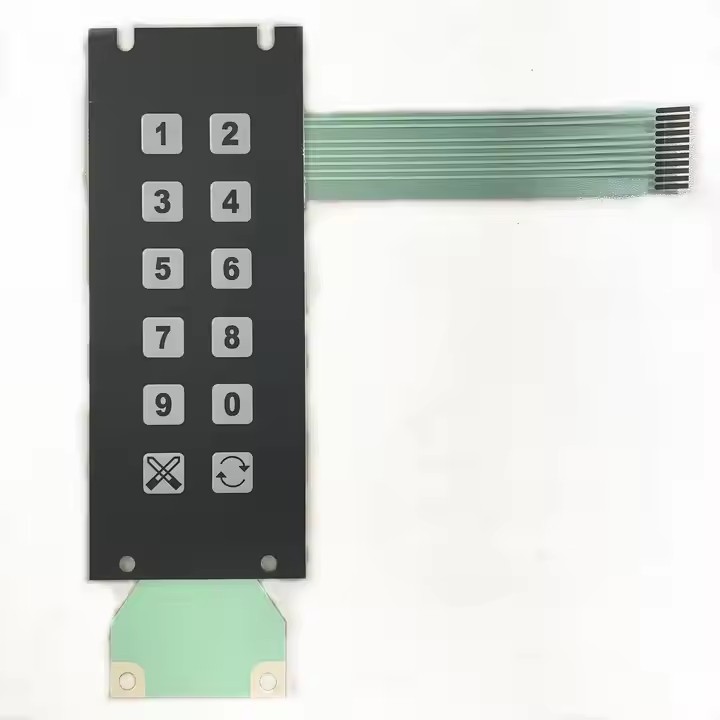
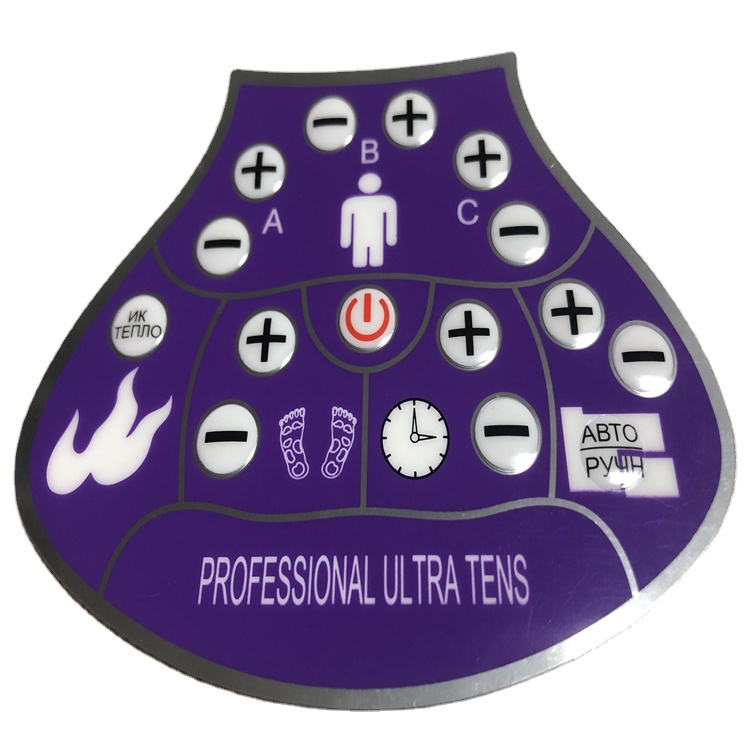
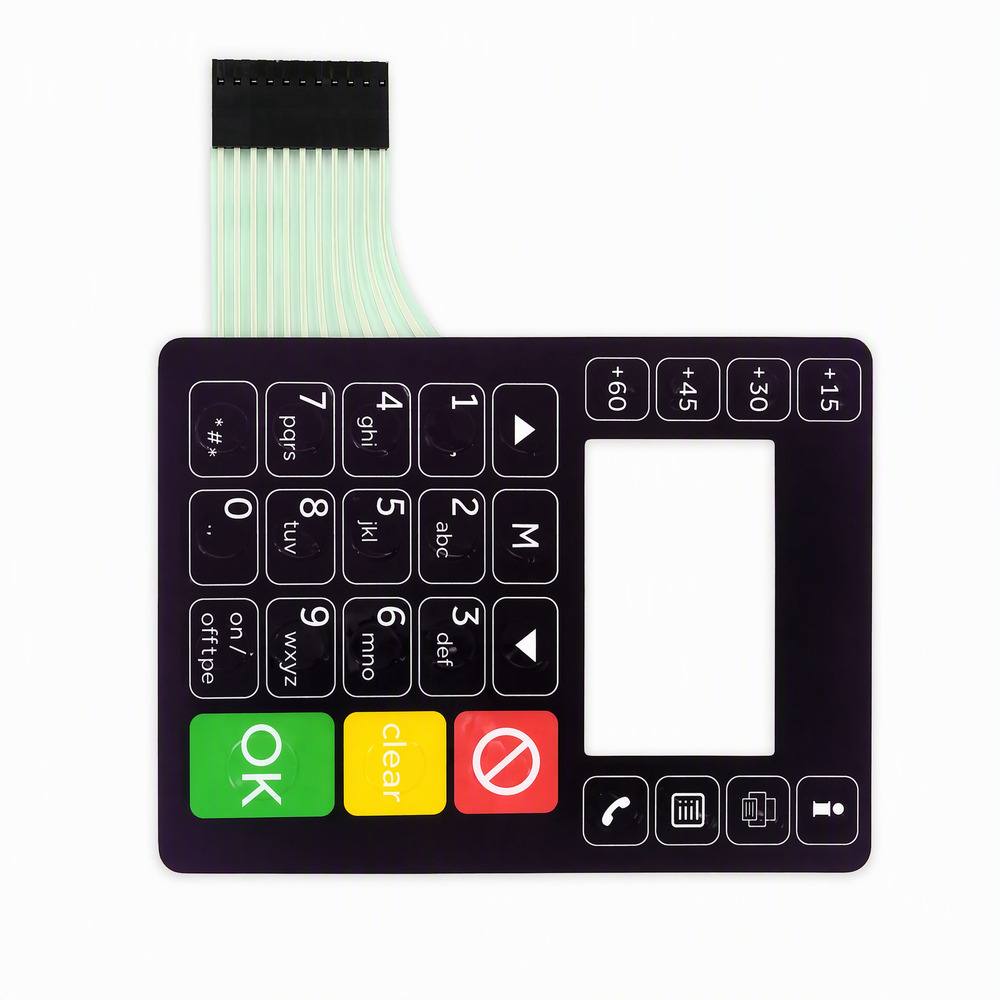
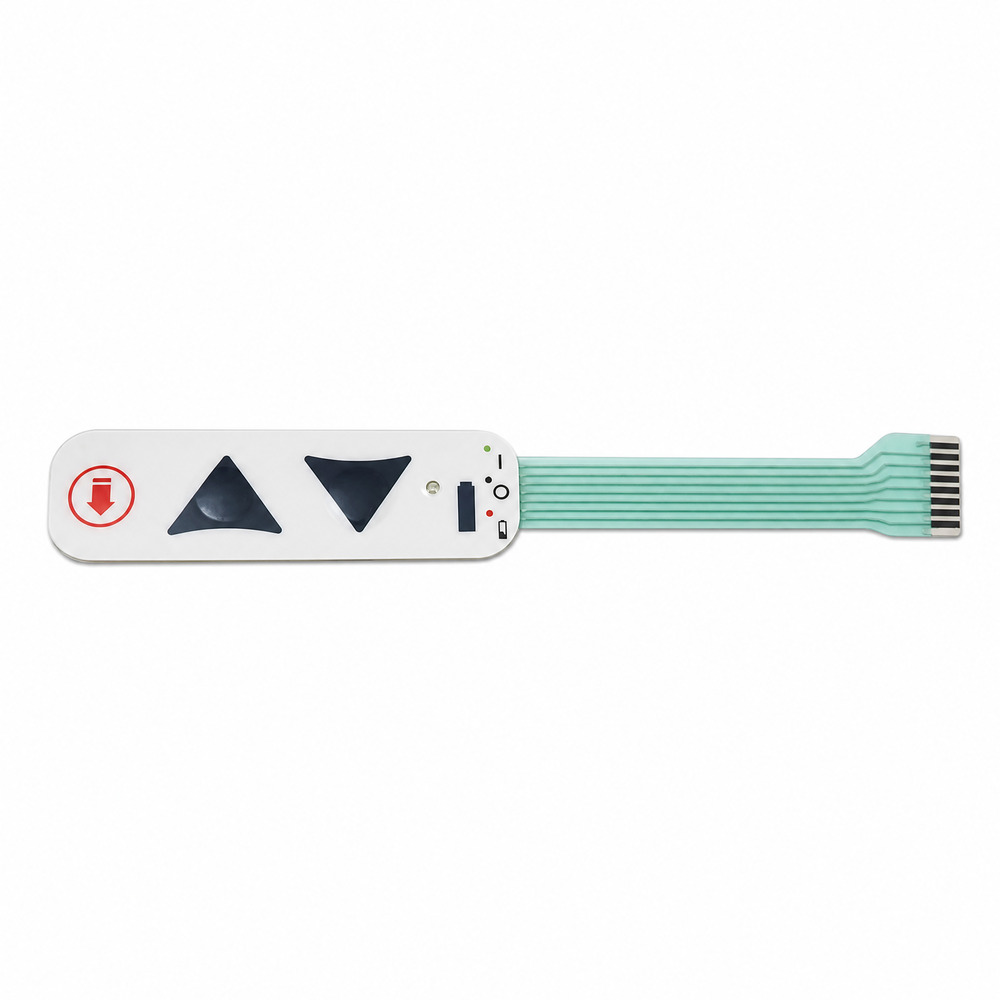
2. Substitution of Vulnerable Mechanical Linkages: Harsh tactical and industrial field conditions expose conventional potentiometers and physical mechanical push-buttons to water ingress, mud clogging, and vibration fatigue. Multi-layer sealed membrane switches with embedded thin-film FSR sensor arrays eliminate mechanical wear, ensuring hermetic sealing against moisture, chemicals, and fine particulate contamination.
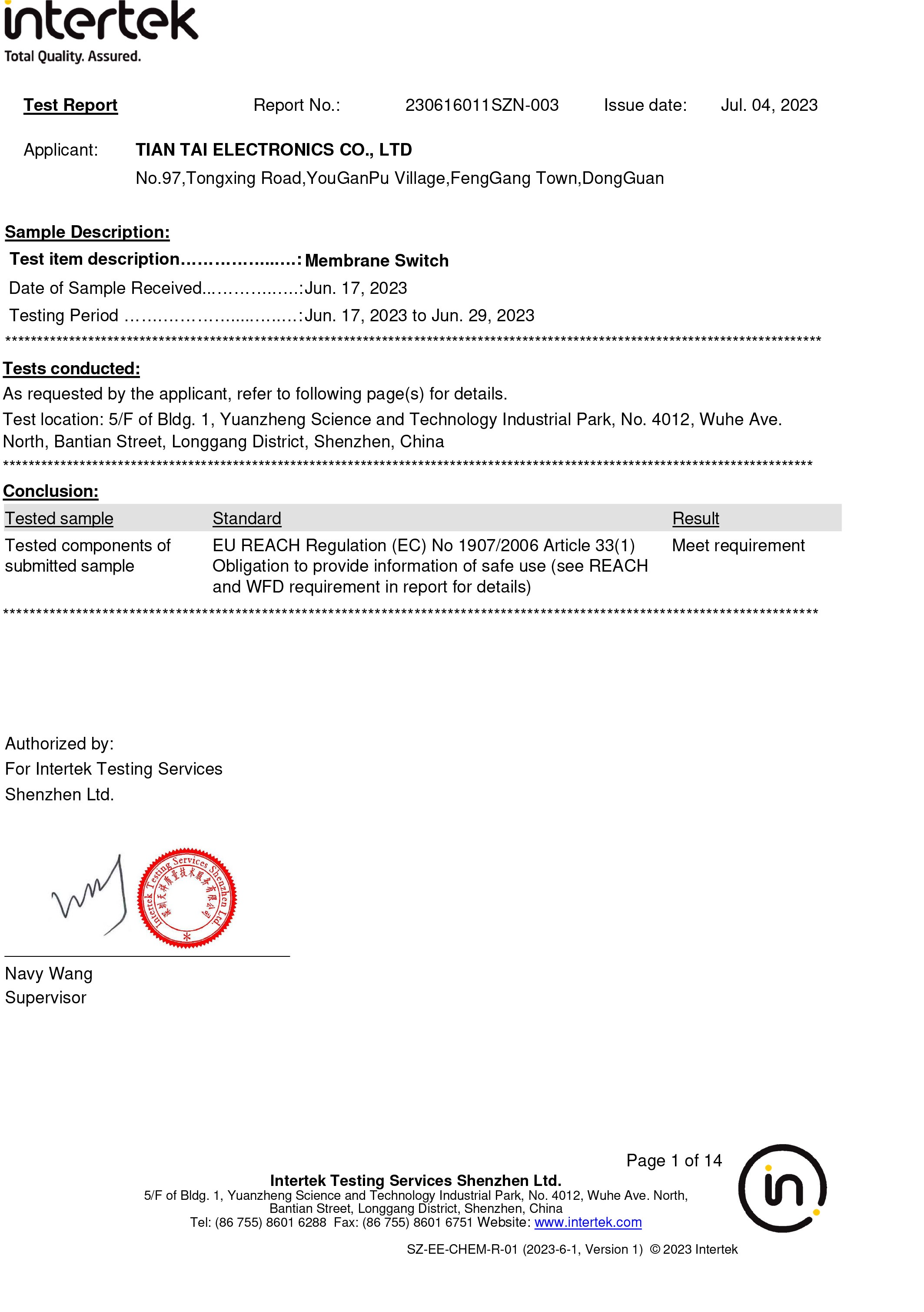
3. Supply Chain Nearshoring and Polish Logistics Corridors: Because maritime direct ports are subject to commercial constraints, supply chains between Asian manufacturing facilities and Kyiv rely on expedited air freight to Warsaw, Rzeszów, or Katowice, followed by scheduled overland bonded road transit straight into Kyiv customs terminals. Ensuring full RoHS/REACH compliance documentation and harmonized HS tariff code documentation is vital to bypass border inspection delays.
From precision laser plotting, screen exposure, and chemical etching to precision die punching, all tooling is produced internally under tight registration tolerances of ±0.05 mm.
Kyiv engineering teams receive rapid Design-For-Manufacturability feedback. Submit DXF, DWG, or Gerber files, and receive circuit layout verification and stack-up proposals within 2 hours.
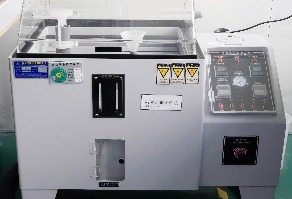
Every sensor production batch undergoes pneumatic cyclic life testing up to 5,000,000 strokes, assessing impedance stability, contact bounce, and dielectric breakdown resistance.
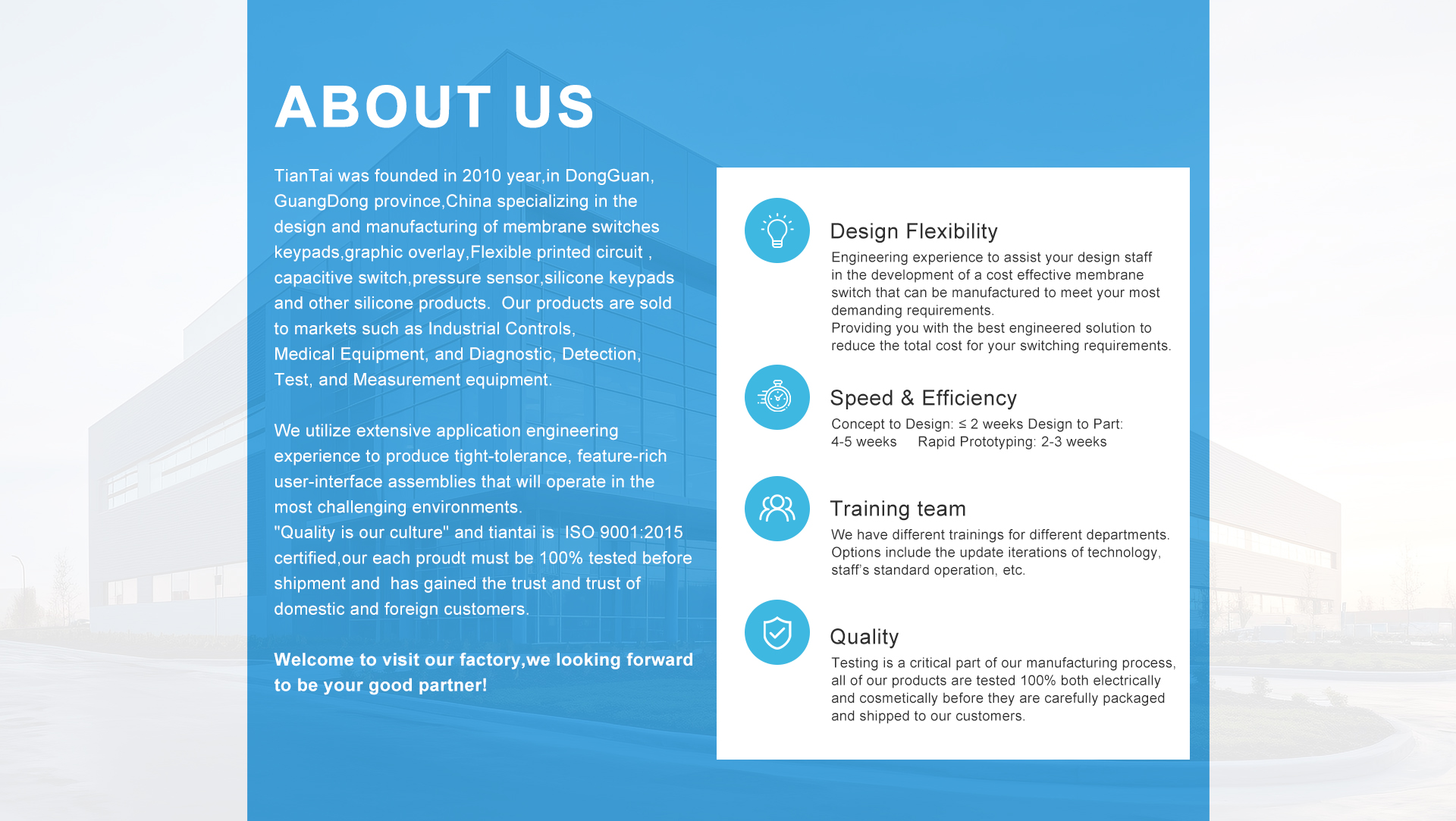
Founded in 2003, our 12,000 m² campus in Fenggang Town, Dongguan houses fully automated screen printing lines, cleanroom lamination, and comprehensive environmental testing labs.
Vertically integrated plant with climate-controlled screen-printing lines, high-speed computerized die-cutting, and automated SMD placement.
Dust-free lamination and assembly of graphic overlays, light-guide plates, and sensitive FSR conductive ink layers to avoid micro-shorts.
Strict incoming raw-material inspection of 3M adhesives, Autotype PET, and Acheson conductive silver inks to guarantee full export traceability.
Clear, direct answers regarding logistics corridors, minimum order quantities, sub-zero temperature tolerance, custom design specifications, and payment terms.
Whether you require a custom FSR matrix for dynamic biomechanical prosthetics, a ruggedized console keyboard for robotics, or waterproof industrial overlays, our engineering team in Dongguan delivers comprehensive DFM feedback in ≤2 hours.