EN
 DE
 FR
 ES
 RU
 JA EN DE FR ES RU JA
Engineered to ISO 9001:2015 standards with custom layer stack-ups, precision silver/carbon conductive printing, and robust 3M adhesive backings.
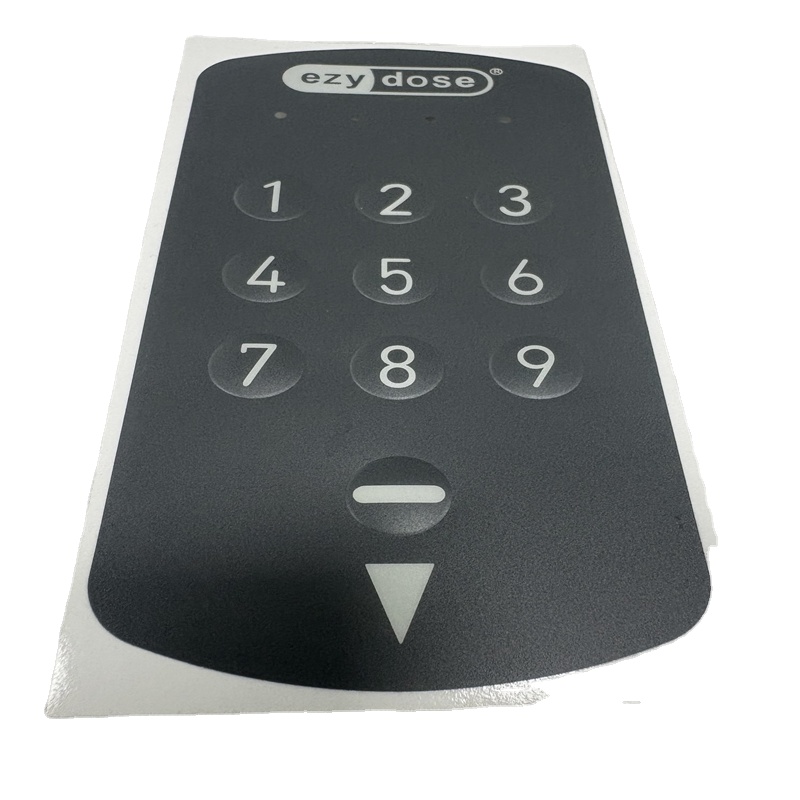
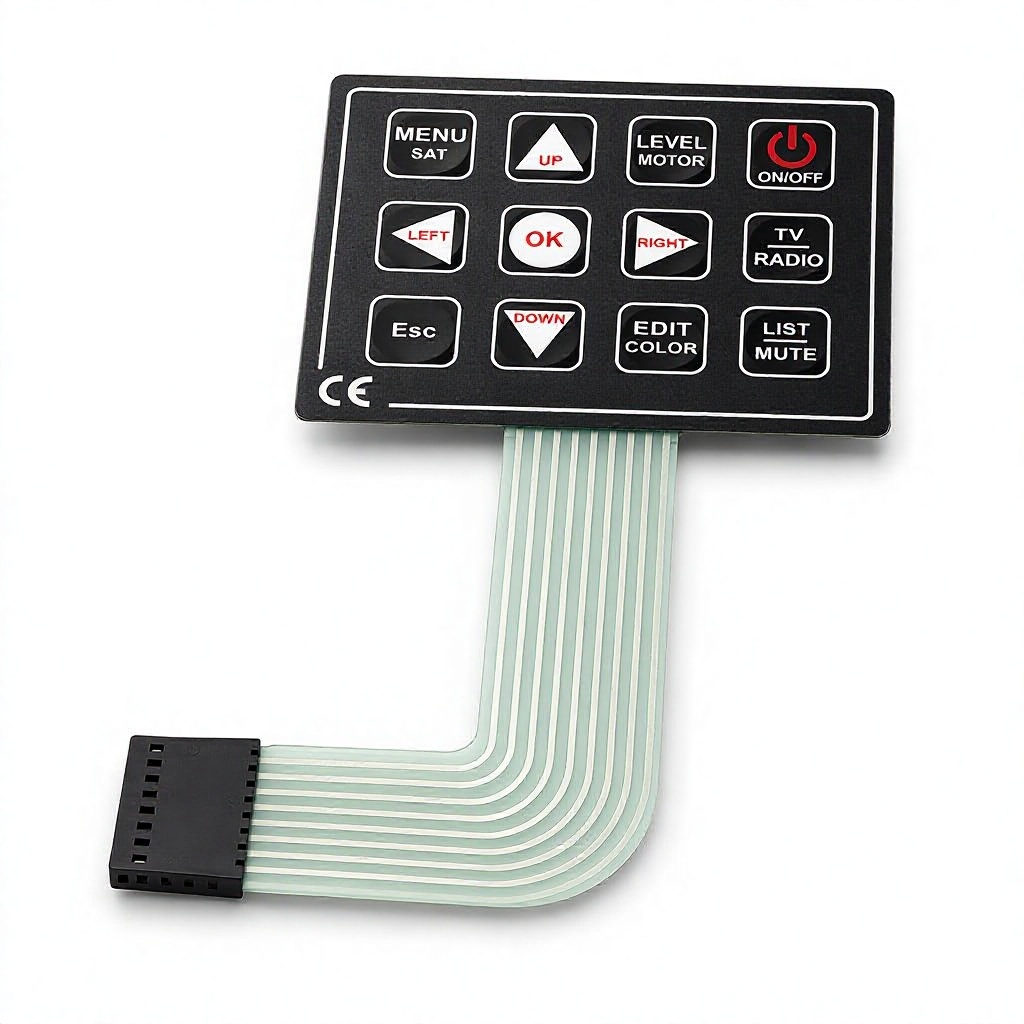
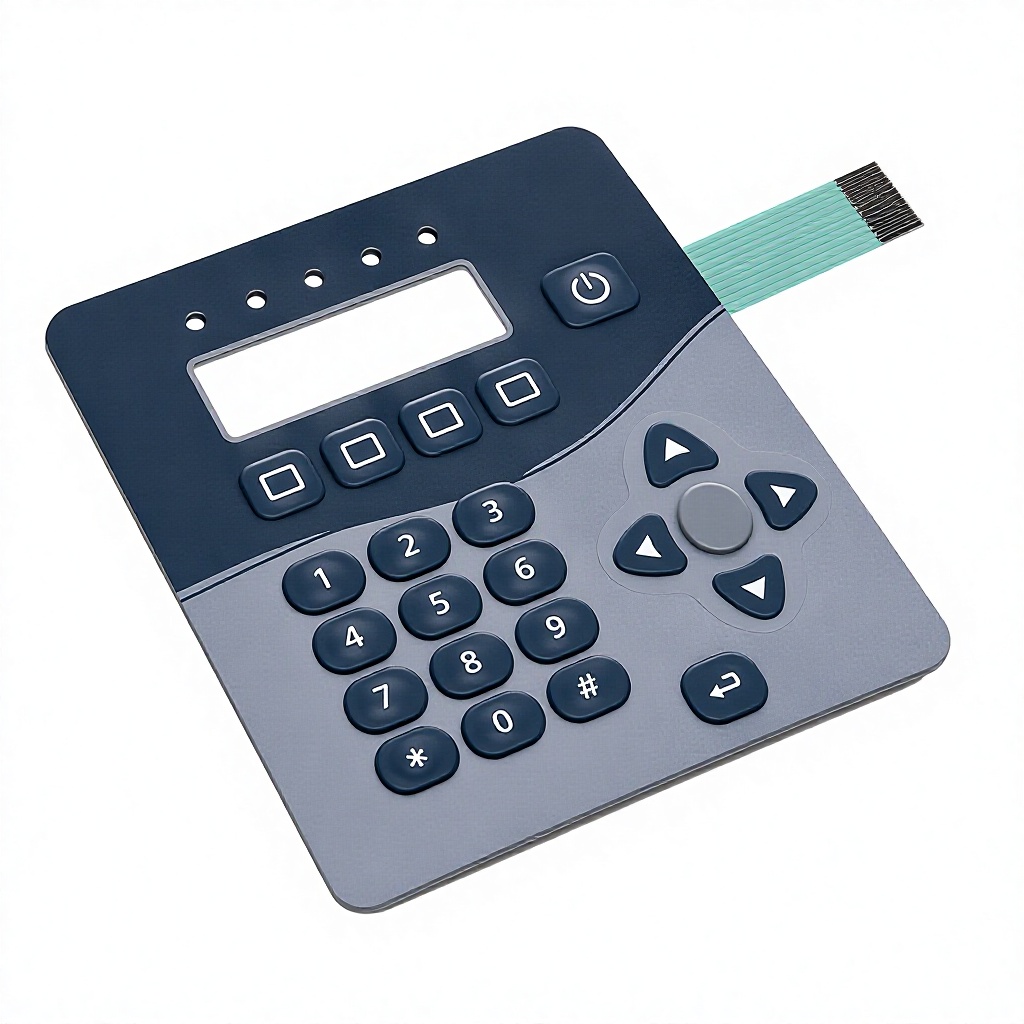
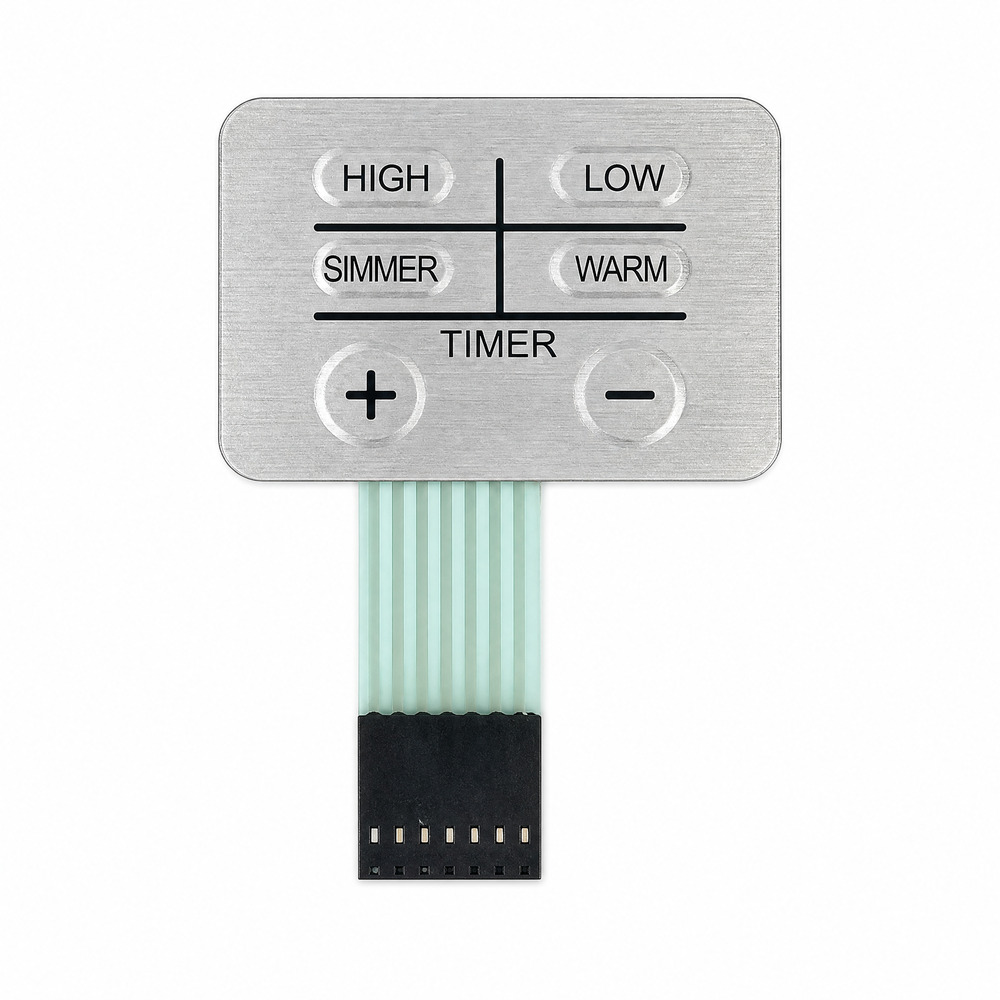
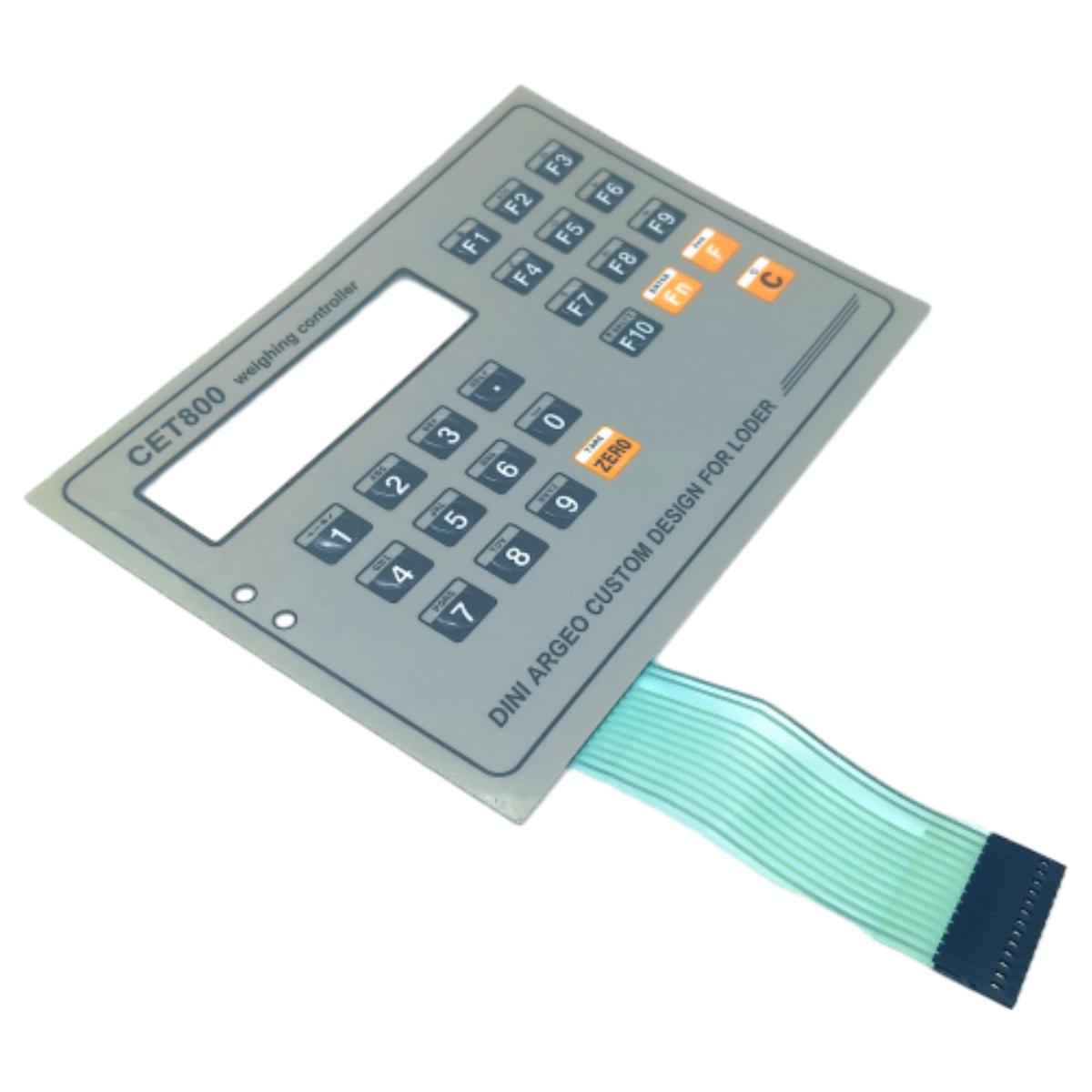
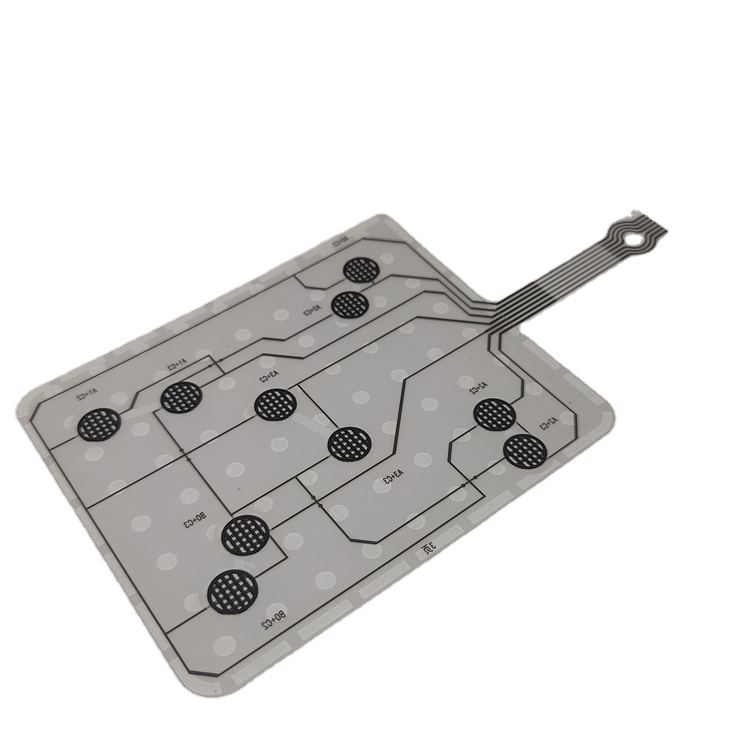
In the rapidly evolving landscape of medical podiatry, gait analysis, sports biomechanics, and human-machine interaction (HMI), the demand for dynamic, micro-thin tactile pressure mapping has surged. A Foot Pressure Sensor Film—also categorized under Force Sensitive Resistors (FSR)—operates on piezoresistive principle dynamics. When mechanical pressure is exerted onto the active sensor zone, the microscopic contact points between conductive silver traces and semi-conductive carbon paste layers increase, resulting in an inverse logarithmic drop in electrical resistance.
As a primary OEM manufacturer based in Fenggang Town, Dongguan, Dongguan Ravo Electronics Co., Ltd. formulates proprietary conductive inks and laminates ultra-thin polyester (PET) or polyimide (PI) substrates to manufacture custom foot pressure sensor films. These flexible sensors achieve sub-millimeter thickness profiles (0.1mm to 0.25mm), making them perfectly unobtrusive when integrated into podiatric insoles, gait assessment mats, athletic footwear evaluation systems, or industrial machinery mats shipped to international distributors in Apia and across the South Pacific.
To survive millions of high-impact heel strikes and propulsive toe-offs, foot pressure sensor films require rigorous material science engineering. Our factory utilizes high-grade optical polyester films with dimensional stability across tropical temperature variations (-20°C to +70°C). The construction layer stack typically comprises:
| Parameter | Standard Specification | Medical/High-Precision Grade |
|---|---|---|
| Substrate Thickness | 0.125mm – 0.175mm PET | 0.10mm Polyimide (PI) / PET |
| Force Sensitivity Range | 0.1 kg to 20 kg (1 N to 200 N per sensing node) | 0.02 kg to 50 kg (customizable grid density) |
| Repeatability / Hysteresis | < ±5% Full Scale | < ±2.5% Full Scale (Calibrated) |
| Initial Resistance (Unloaded) | > 10 MΩ (Open Circuit State) | > 20 MΩ |
| Active Actuation Response Time | < 1 Microsecond | < 0.5 Microseconds |
| Operating Temperature Range | -20°C to +65°C | -30°C to +85°C (High Humidity Resistant) |
| Bending Radius Limit | R = 5.0mm Minimum | R = 2.5mm Flexible FPC Base |
Tailoring advanced Chinese flexible electronic manufacturing to the specific healthcare, athletic, and environmental conditions of Apia and the South Pacific region.
In healthcare facilities across Apia and the wider Samoan archipelago, managing metabolic health and preventing diabetic foot complications is a critical clinical priority. Our thin-film pressure sensor insoles enable local medical providers to conduct real-time static and dynamic plantographic mapping. By highlighting peak pressure hot-spots under metatarsal heads and the calcaneus, clinicians can fabricate custom offloading orthotics to prevent tissue breakdown.
Rugby union, sprinter performance, and barefoot biomechanical research are central to Samoan sports science. Integrating high-density FSR matrices directly into athletic footwear or force plates allows coaches in Apia to analyze ground reaction forces (GRF), stance phase timing, and asymmetry during sprinting and cutting maneuvers. Our custom sensors withstand heavy impact forces exceeding 2000 N without signal saturation or physical delamination.
Apia’s equatorial maritime climate exhibits elevated ambient moisture and salt air corrosion. Standard membrane circuits degrade under prolonged humidity. Ravo Electronics seals sensor outer perimeters with high-grade waterproof acrylic barriers and hydrophobic tail covers, achieving IP65 to IP67 environmental sealing. This ensures reliable operation in marine vessel control decks, damp agricultural processing equipment, and outdoor footwear testing.
Samoa’s agricultural sector increasingly explores smart monitoring for livestock health and heavy equipment weight distribution. Custom flexible pressure film arrays placed under scale platforms or livestock mats capture subtle weight shifts, aiding early detection of lameness in cattle or pig farms surrounding Apia. The durable carbon-silver ink layout tolerates uneven mechanical loads and harsh organic debris.
Commercial complexes, hotels, and government administrative facilities in Apia utilize matrix floor sensors concealed beneath decorative carpets or door entryways. These pressure-sensitive films trigger automated sliding doors, monitor occupant traffic volume, and actuate security alerts without requiring exposed optical cameras or mechanical push-buttons susceptible to tropical weathering.
For heavy machinery operated in Matautu Port or agricultural land clearing in Upolu, operator safety is paramount. Our thin-film pressure sensors serve as seat occupancy detectors (SBR) that ensure machinery cannot operate unless the driver is firmly seated, providing essential safety compliance for local equipment fleet managers and importers.
As a vital economic hub in the South Pacific, Apia is experiencing a steady digital transformation across public health infrastructure, commercial import sectors, and tele-medical diagnostics. Key trends driving the importation of wholesale flexible pressure sensors from China include:
Connecting health centers across Upolu and Savai'i with specialist doctors in Apia requires cloud-connected diagnostic devices. Foot pressure sensor films linked to low-power microcontroller platforms (such as BLE or Wi-Fi modules) enable health workers to capture high-resolution plantar pressure maps in rural villages and transmit data instantaneously to clinical centers in Apia for expert evaluation.
Pacific Rim medical device developers and electronics startups often operate in small-to-medium batch runs. Traditional sensor manufacturers require prohibitive minimum order quantities (MOQs). Dongguan Ravo Electronics Co., Ltd. solves this bottleneck by providing prototype runs from just 1 to 10 pieces, combined with fully customized matrix layouts, tailored tail lengths, and custom impedance matching.
Standard mechanical switches continuously fail in tropical island environments due to humidity ingress, oxidation, and fungal growth on contacts. Importers and repair technicians in Apia are increasingly replacing mechanical keypads with sealed thin-film membrane switches and capacitive pressure sensors that feature continuous front overlays, zero moving parts, and total IP67 sealing.
Over two decades of OEM/ODM engineering excellence, delivering direct factory pricing, rigorous quality control, and fast air/sea freight logistics to Samoa.
Our dedicated engineering team reviews your 2D/3D CAD drawings (DXF, DWG, AI, PDF) and returns full Design for Manufacturing (DFM) analysis and stack-up recommendations in less than 2 hours.
From precision automated screen-printing and high-temperature curing ovens to laser cutting and digital registration, all manufacturing processes are conducted within our 12,000m² factory floor in Dongguan, China.
Every foot pressure sensor film batch undergoes 100% electrical continuity testing, force calibration sampling, and environmental stress screening using raw materials fully compliant with RoHS and REACH standards.
Direct answers regarding customization, shipping logistics, climate resilience, and order fulfillment.
A: Standard prototype samples ship within 7 to 10 working days after drawing approval. Transit to Apia via air express (DHL, FedEx, UPS) typically takes 5 to 8 days, arriving directly at Faleolo International Airport or local commercial addresses in Apia.
A: Yes! We offer complete custom OEM services. You can specify the exact outline shape (e.g., EU/US shoe sizes, full foot or targeted heel/metatarsal pads), matrix density (from single-point FSR to 1024-node arrays), and custom tail lengths.
A: We utilize specialized moisture-resistant silver conductive pastes and hydrophobic PET cover films. Furthermore, we can completely seal the sensor edges with 3M waterproof adhesive gaskets to prevent moisture ingress (IP67 standard).
A: We support custom prototyping from as low as 1 to 10 pieces, allowing engineers and medical startups in Samoa to evaluate hardware before placing mass production orders.
A: Our FSR films interface easily with standard microcontrollers (Arduino, ESP32, STM32, Nordic BLE) using a simple voltage divider circuit or operational amplifier (Op-Amp) transimpedance circuit.
A: Please supply a 2D vector drawing (DXF, DWG, AI, or PDF) detailing the sensor layout, active sensing zone dimensions, required actuation force range, pin connector type, and estimated order quantity.
Contact our expert engineering team in Dongguan today. Get instant DFM feedback, custom stack-up advice, and wholesale pricing tailored to your exact application requirements.
Contact Us