 EN
 DE
 FR
 ES
 RU
 JA EN DE FR ES RU JA
Standard and tailor-engineered electro-mechanical assemblies manufactured under stringent statistical process control (SPC) for medical devices, automated robotics, automotive cockpits, and demanding industrial controls.
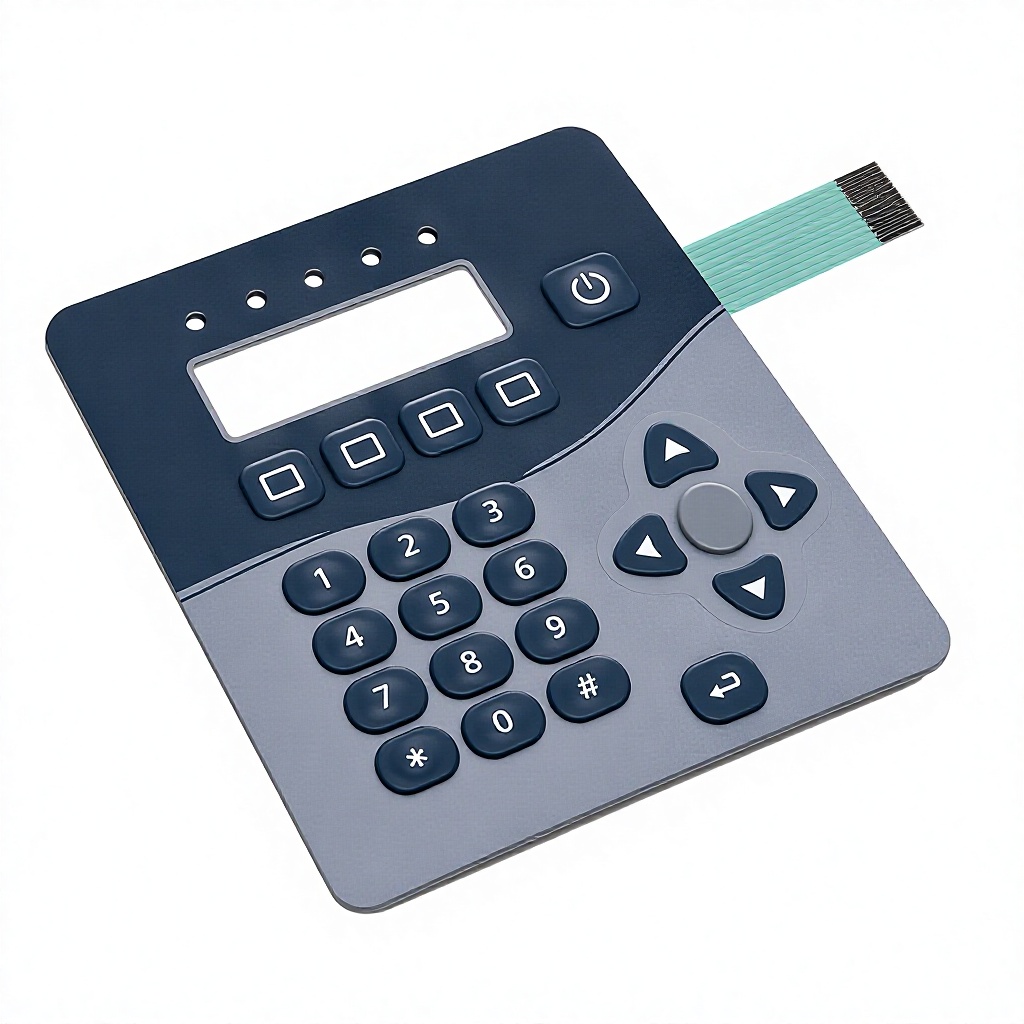
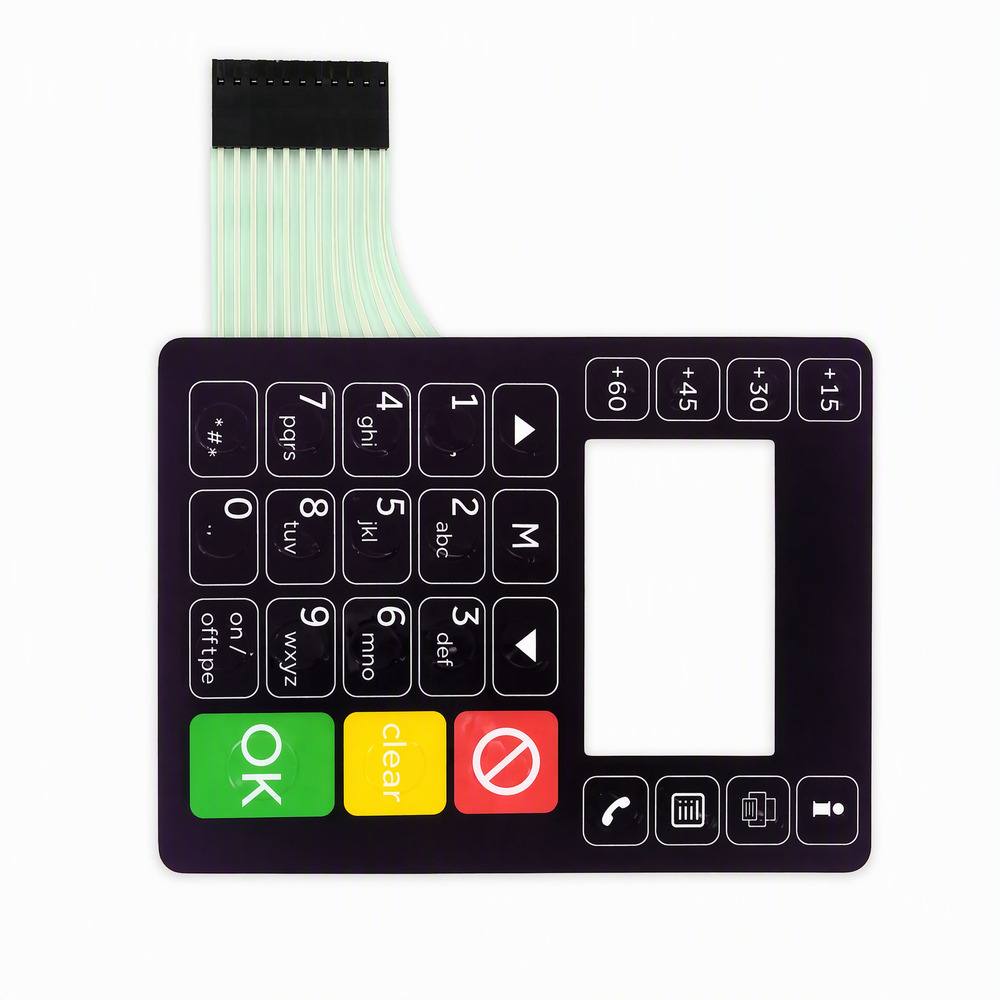
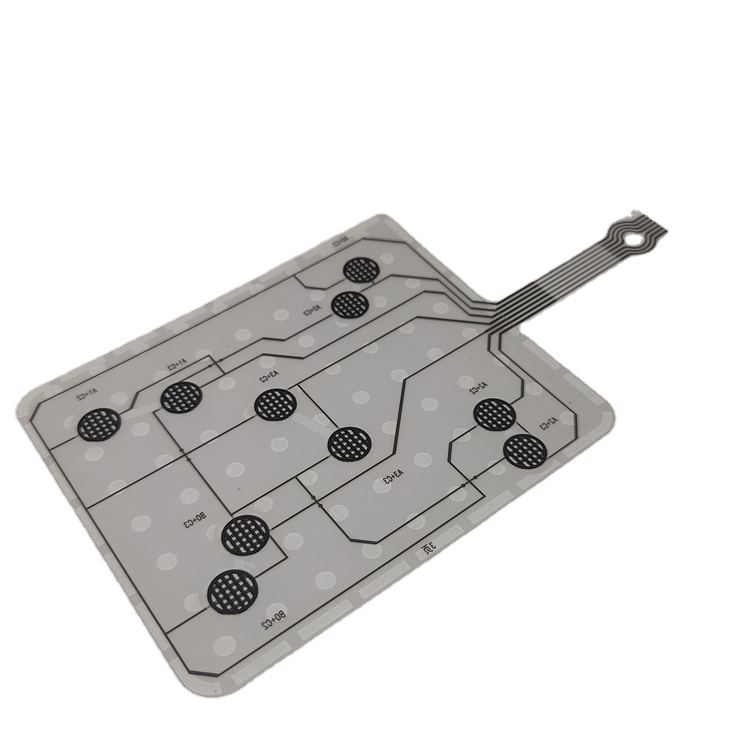
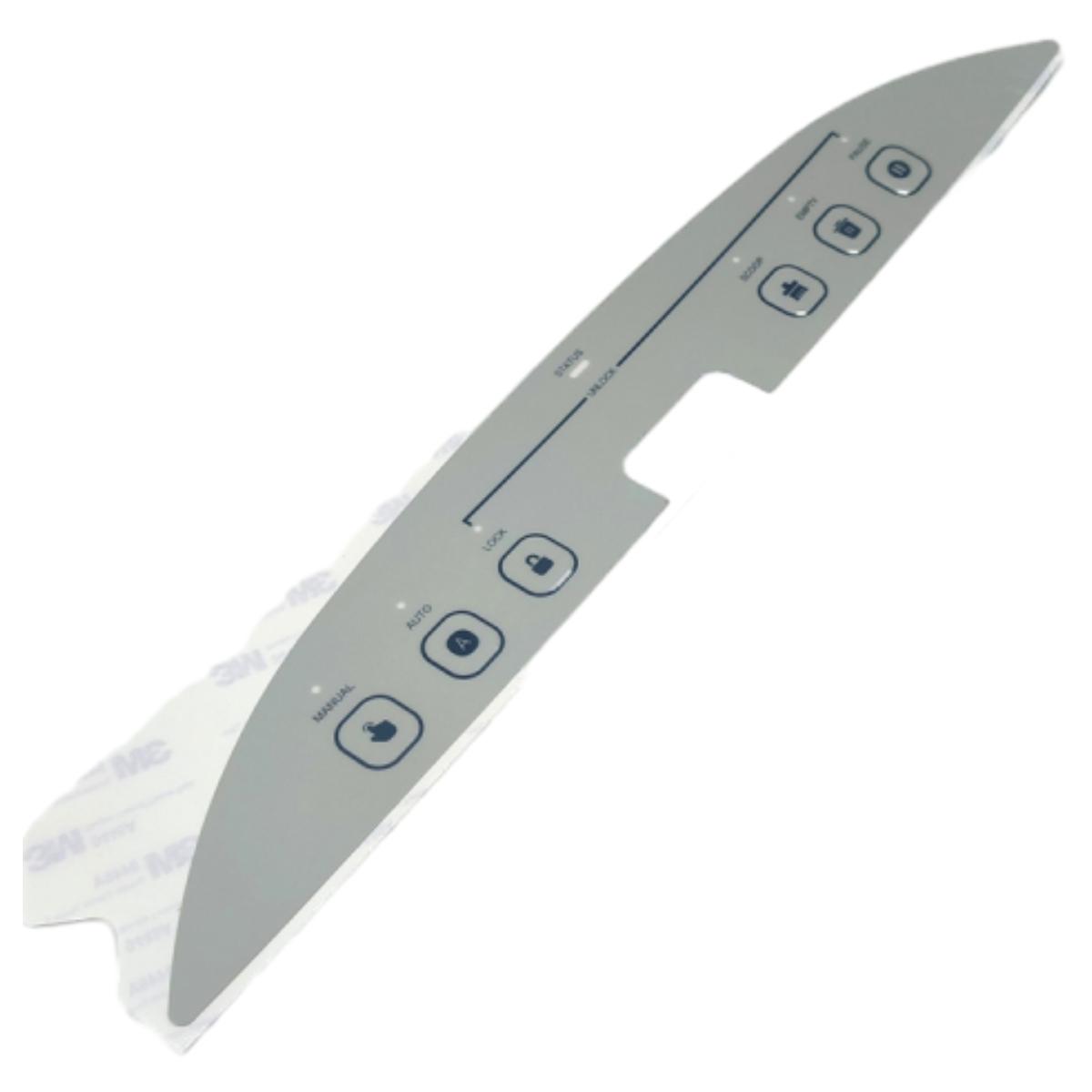
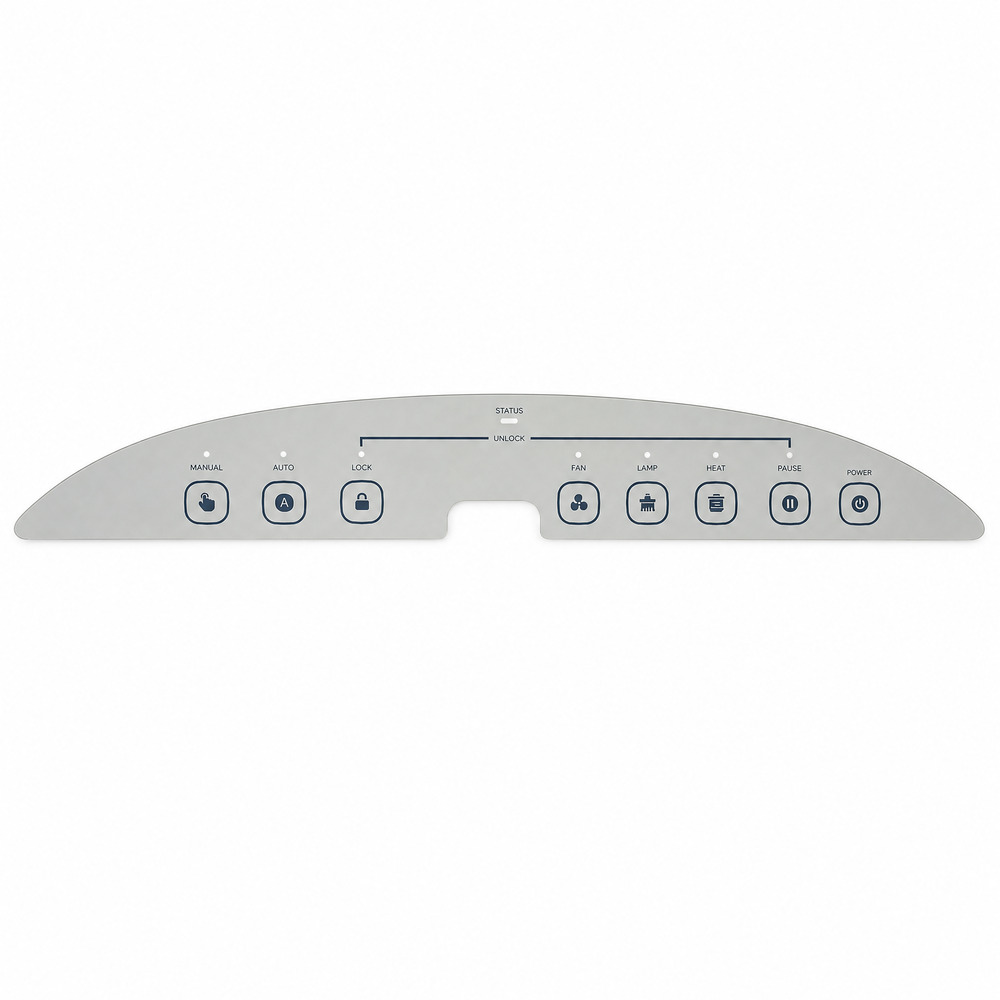
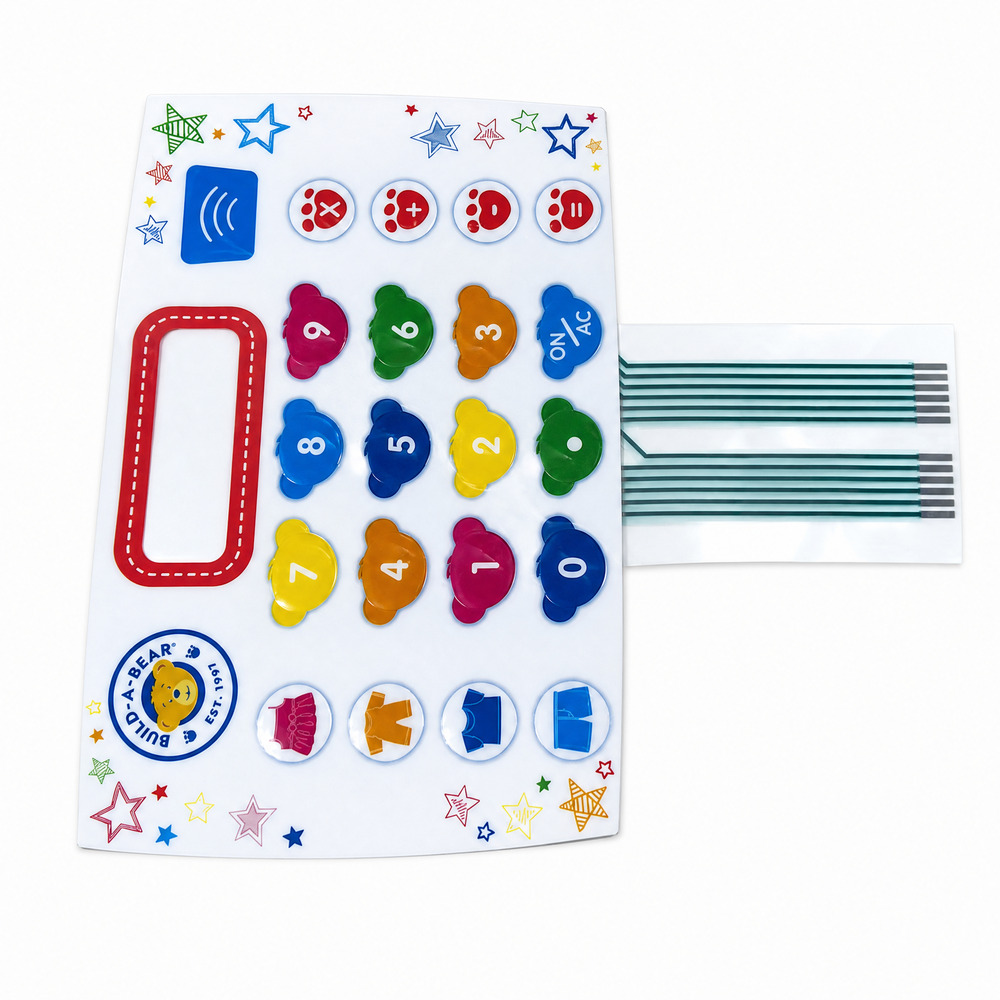
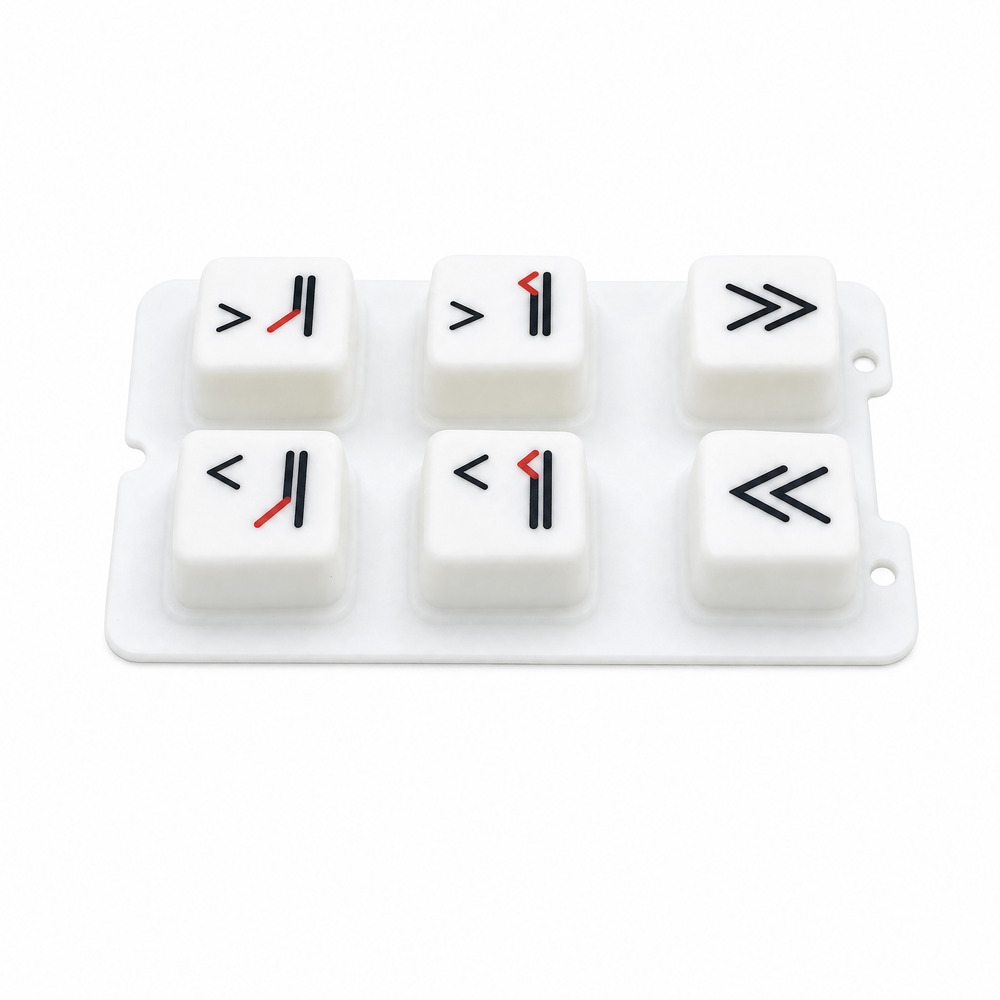
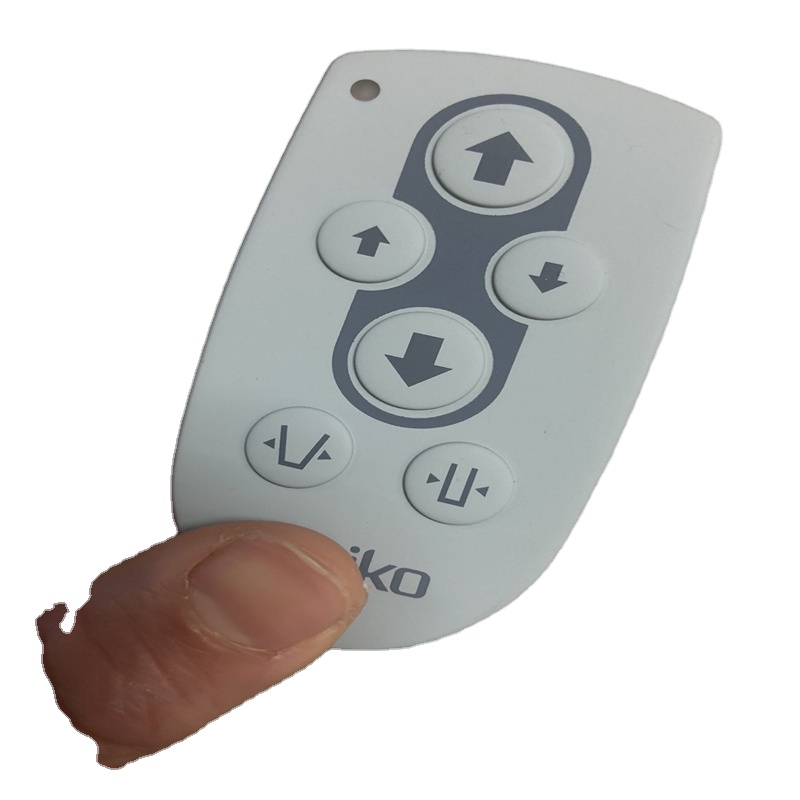
Bridging the critical gap between mechanical interface tactile responsiveness and dynamic, continuous pressure distribution measurement.
Flexible pressure sensors, commonly referred to in electromechanical systems as Force-Sensitive Resistors (FSR), operate primarily on the principle of piezoresistive transduction. Unlike rigid mechanical strain gauges or capacitive touch sensors that only register proximity or binary state changes, thin-film flexible pressure sensors continuously vary their electrical output resistance as a functional curve of localized normal force.
The internal architecture leverages polymer thick film (PTF) physics. When a localized mechanical load is exerted normal to the active sensor surface, micro-contact points between the specialized conductive carbon particles embedded in the resistive ink matrix and the interdigitated conductive silver traces establish micro-percolation pathways. As mechanical pressure increases, microscopic elastomeric deformation exponentially compresses these particles together, causing electrical contact resistance to plunge across several orders of magnitude—typically from >10 MΩ in the unloaded state down to <1 kΩ under full rated saturation pressure.
Selecting the optimal flexible substrate directly dictates dynamic operating limits, environmental longevity, and thermal survival during mass-scale deployment. For 85% of commercial, consumer, and ergonomic diagnostic use-cases, heat-stabilized Polyethylene Terephthalate (PET) sheets ranging from 75 µm to 175 µm thickness represent the gold standard, providing superior dielectric strength (>180 kV/mm), unmatched tear resistance, and economic tooling parameters.
Conversely, for mission-critical automotive powertrain enclosures, autoclave-sterilized surgical instrumentation, or high-density surface mount devices (SMD) requiring lead-free reflow soldering, Polyimide (Kapton/PI) carriers are engineered into the multi-layer stack. Polyimide substrates withstand sustained thermal regimes from -40°C to +150°C (with excursions up to 260°C), preventing molecular shrinkage, trace micro-fractures, and electrical drift under severe cyclic thermal stress.
A direct technical comparison to support component selection during Design for Manufacturability (DFM) reviews.
| Transduction Architecture | Typical Dynamic Range | Actuation Threshold | Hysteresis (%) | Response Rise Time | Primary Industrial Sector | Key Sourcing Consideration |
|---|---|---|---|---|---|---|
| Shunt-Mode Piezoresistive | 0.2 N to 50 N / cm² | < 15 grams | < 6.5% FSO | < 1.2 ms | Medical diagnostic mats, robotics tactile skins | Requires precision spacer thickness calibration (50-75 µm). |
| Thru-Mode Piezoresistive | 1 N to 100 N / cm² | > 50 grams | < 8.0% FSO | < 2.5 ms | Automotive occupant sensing, impact logging | Two-sided conductor coating; lower saturation slope. |
| Flexible Capacitive Matrix | 0.05 N to 20 N / cm² | < 5 grams | < 2.5% FSO | < 15 ms (ADC-bound) | Hygienic sterile interfaces, home appliances | Sensitive to ambient EMI and parasitic moisture coupling. |
| Hybrid Metal Dome + FSR | Discrete click + 0-20 N | 180g - 450g click | Negligible on snap | Instantaneous | Heavy industrial cranes, combat/defense controllers | Eliminates accidental actuations; provides dual digital/analog signals. |
| High-Density Matrix Array | Spatial 16x16 to 64x64 | Variable per node | < 7.0% FSO | Scan rate dependent | Biomechanical gait analysis, battery pack expansion | Demands multi-channel multiplexing and ghost-key suppression. |
Navigating geopolitical supply chain shifts, miniaturization demands, and smart surface integration in high-reliability procurement.
Procurement teams are transitioning away from bulky mechanical switch clusters toward consolidated 3D functional surfaces. In modern automotive cockpits and premium consumer electronics, thin-film flexible pressure sensors are laminated directly behind curved thermoplastic fascias, capacitive slider panels, or synthetic leather interiors. This integration eliminates tooling joints, cuts assembly bill-of-materials (BOM) overhead by up to 35%, and yields completely sealed, wipe-clean IP67 surfaces resistant to harsh cleaning chemicals.
Regulatory pressure across the European Union and North America (such as REACH Annex XVII expansions and RoHS 3 directives) is reshaping raw material qualification. Sourcing managers must mandate suppliers utilize zero-halogen, low-VOC cross-linking polymer binders and lead-free micro-silver formulations. Furthermore, leading exporters are replacing solvent-heavy inks with water-dispersible graphene-carbon hybrid inks, which provide tighter sheet resistance consistency (±3% Ω/sq) while significantly reducing manufacturing carbon footprints.
The historical challenge with thin-film piezoresistive sensing—drift across broad temperature operating envelopes and signal line attenuation—is being solved at the procurement level. B2B buyers now prioritize suppliers capable of integrating low-profile analog-front-end (AFE) micro-controllers, onboard EEPROMs, and zero-insertion-force (ZIF) connectors directly onto the flexible sensor tail. This onboard conditioning converts non-linear analog resistance curves into calibrated digital SPI or I²C outputs at the source.
Recent micro-nanotechnology innovations overcoming traditional performance bottlenecks in dynamic tactile arrays.
Traditional flat carbon paste films exhibit inherent mechanical hysteresis (typically 8–15%) due to viscoelastic relaxation in the polymer matrix under sustained load. Recent R&D breakthroughs spearheaded by advanced precision screen-printing utilize micro-pyramidal and porous polydimethylsiloxane (PDMS) topologies. By photolithographically embossing micro-dome arrays onto the contact interface, the mechanical contact area expands linearly with applied force, slashing overall hysteresis to below 3% and lowering detection thresholds to an ultra-sensitive 0.5 kPa.
This breakthrough enables unprecedented adoption in robotic end-effector tactile grippers, allowing surgical and industrial cobots to handle delicate biological tissues or fragile silicon wafers without slip or crushing damage.
In ultra-large format pressure mapping—such as full-bed hospital decubitus ulcer prevention systems or multi-point electric vehicle (EV) battery pouch expansion diagnostics—passive matrix architectures suffer from parasitic resistance and "ghosting" effects where active nodes leak current into adjacent traces. The engineering response has been the commercialization of Active Matrix Tactile Arrays.
By printing thin-film carbon nanotube (CNT) transistors or organic field-effect transistors (OFET) directly at each node crossing, every individual sensor cell is isolated with an independent active switch. This eliminates crosstalk entirely, allowing scanning frequencies exceeding 100 Hz across grids containing more than 4,096 continuous measurement points.
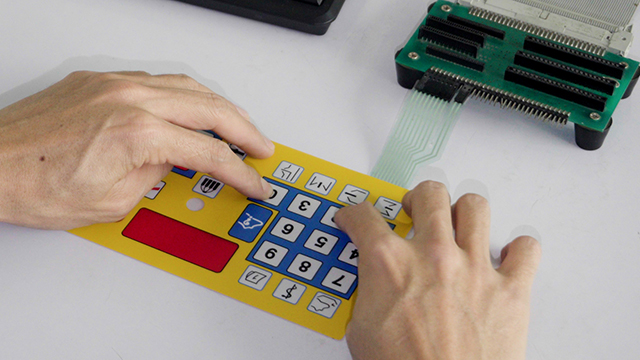
Dongguan Ravo Electronics Co., Ltd. provides complete in-house design, tooling, screen printing, lamination, and automated electrical QA from one facility.
Founded in Fenggang Town, Dongguan, Ravo Electronics operates over 12,000 square meters of production space staffed by over 300 highly trained technical specialists. Our specialized screen printing, layer stack assembly, and sensor lamination suites maintain Class 10,000 cleanroom controls with positive-pressure air filtration to eliminate airborne micro-contaminants that cause circuit open/shorts or localized pinhole resistance anomalies.
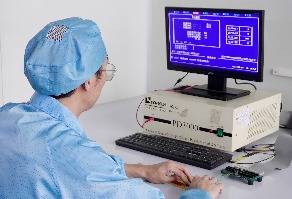
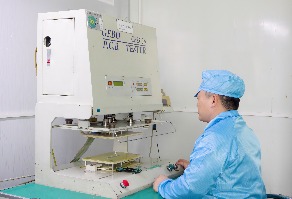
Every single flexible pressure sensor and membrane interface passes through our rigorous multi-stage quality assurance protocol. We perform 100% automated electrical continuity testing, insulation resistance validation (>100 MΩ at 250V DC), contact bounce logging (<5 ms standard), and automated optical inspection (AOI) to confirm print alignment tolerances within ±0.05 mm prior to lamination and export dispatch.
Hardware development timelines cannot afford weeks of engineering lag. Our senior HMI engineering team delivers exhaustive Design for Manufacturability (DFM) reviews—including stack-up optimization, adhesive shear analysis, and connector pinout validation—within ≤2 hours of receiving your CAD/Gerber documentation. We support fast-turn prototypes from 1 piece up to multi-million unit production batches.
Detailed answers to the most critical technical, operational, and commercial questions asked by international hardware buyers and sourcing teams.
From initial drawing feasibility reviews to high-volume multi-layer lamination, Dongguan Ravo Electronics is your certified engineering partner for advanced flexible tactile switches and thin-film pressure transducers.
Send your specifications, Gerber layers, or 2D CAD files to our engineering desk. Our cross-functional technical team will deliver a comprehensive manufacturability analysis, layer stack-up recommendation, and competitive export cost structure within two hours.
