EN
 DE
 FR
 ES
 RU
 JA EN DE FR ES RU JA
Explore our precision-molded elastomeric button pads, tactile silicone overlays, and hybrid membrane assemblies engineered for harsh operating environments, high-cycle reliability, and superior actuation tactile response.
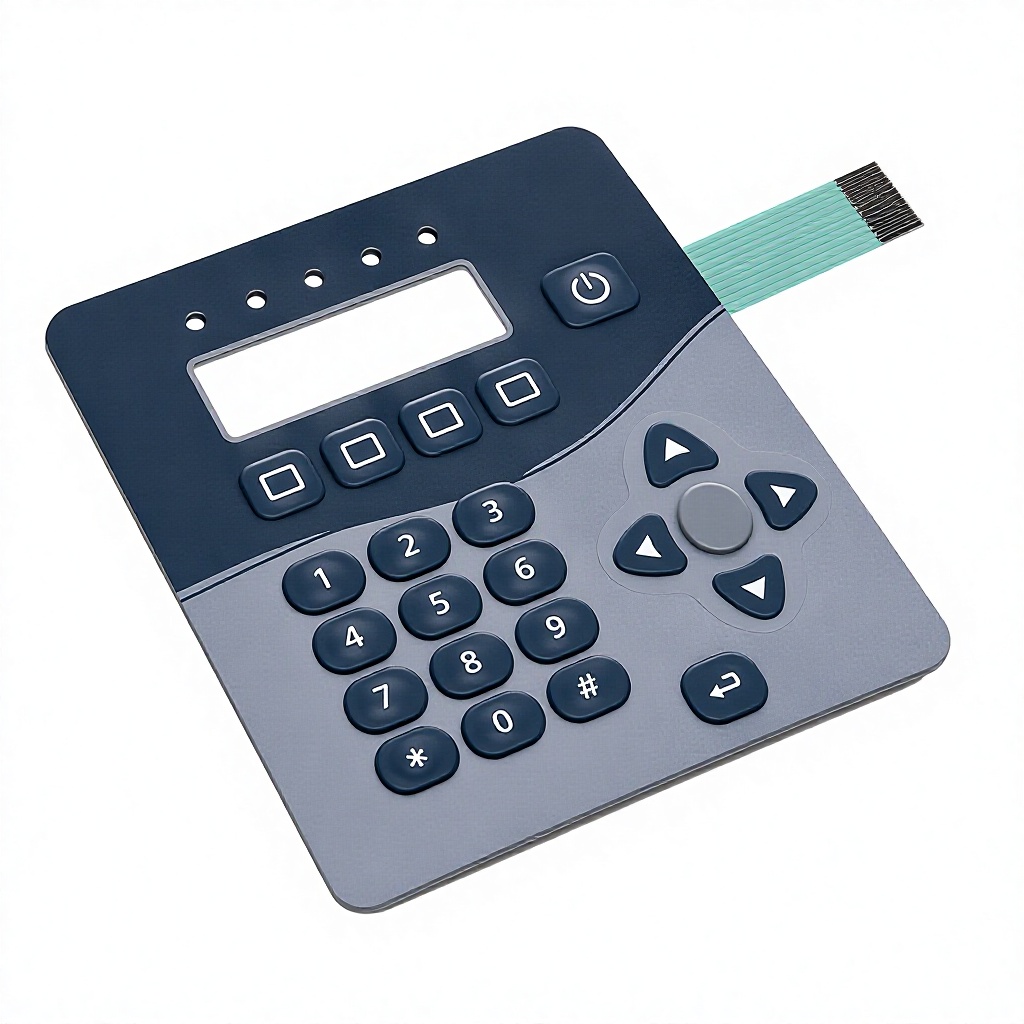
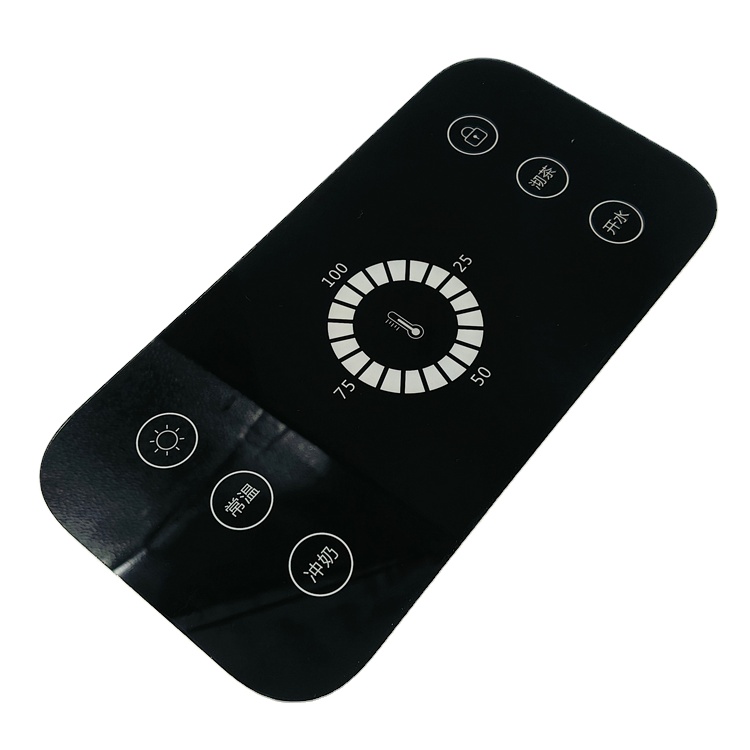
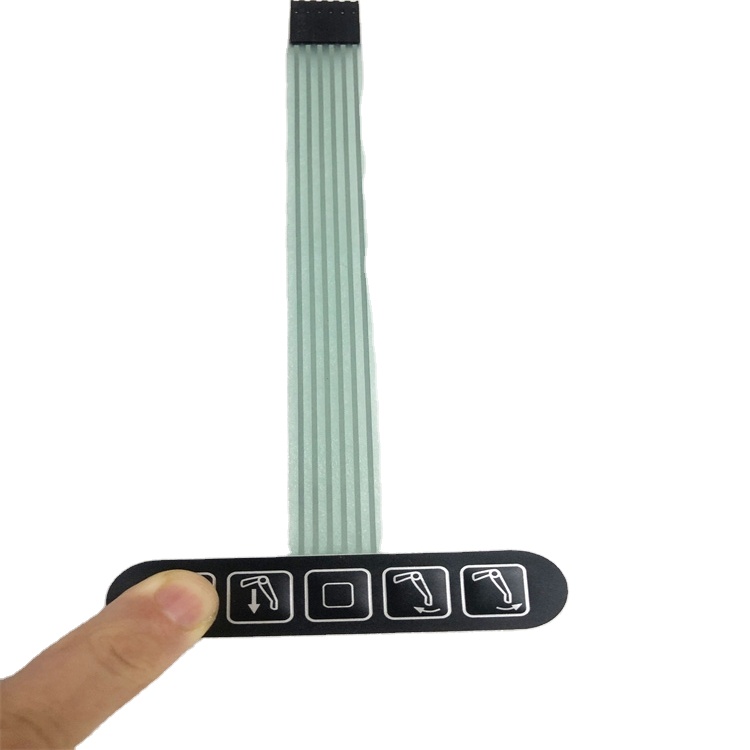
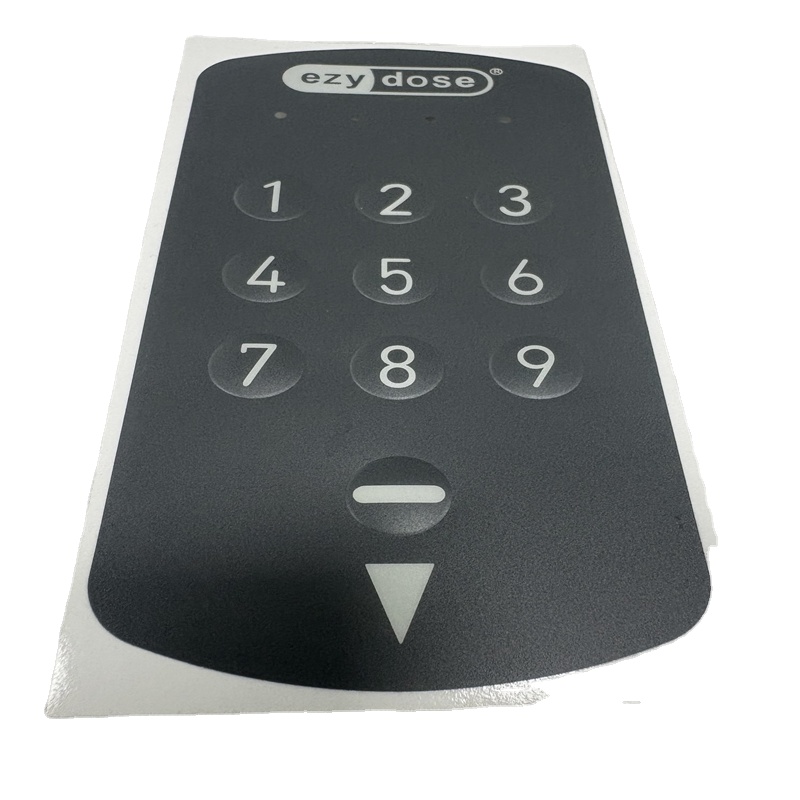
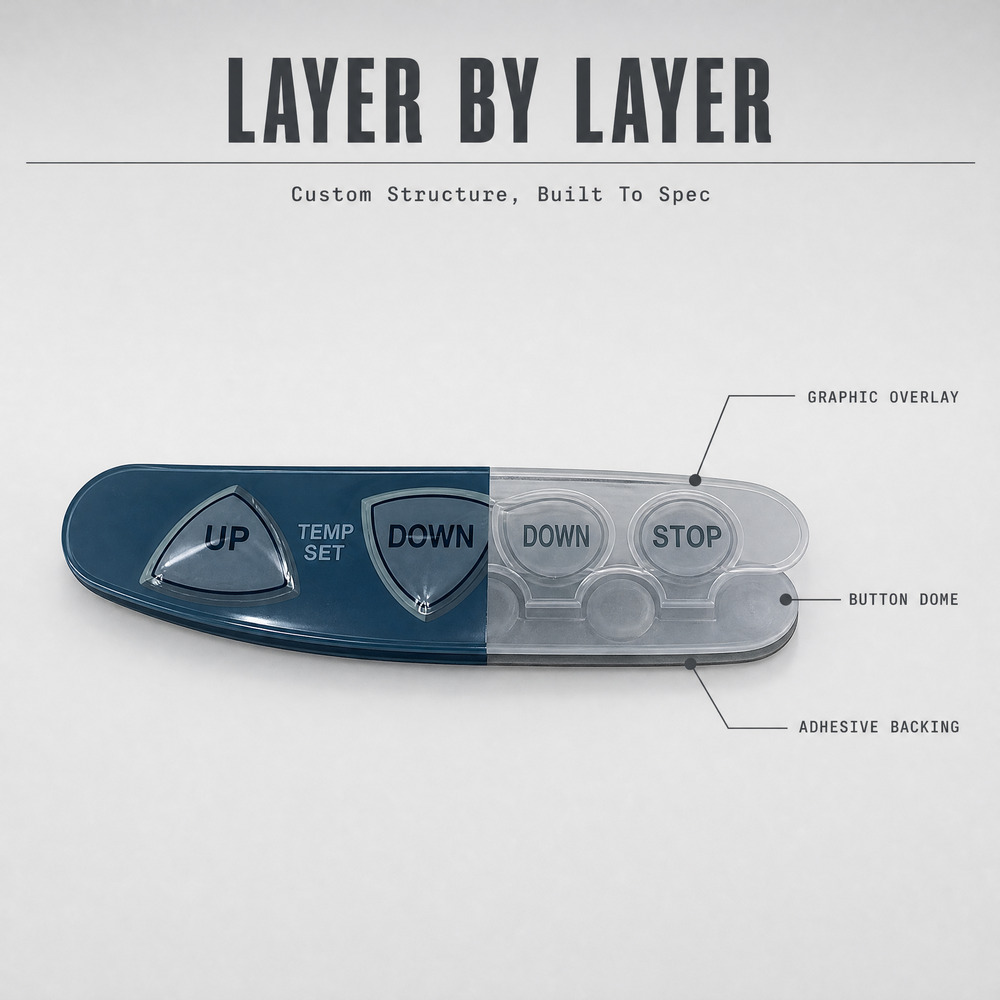
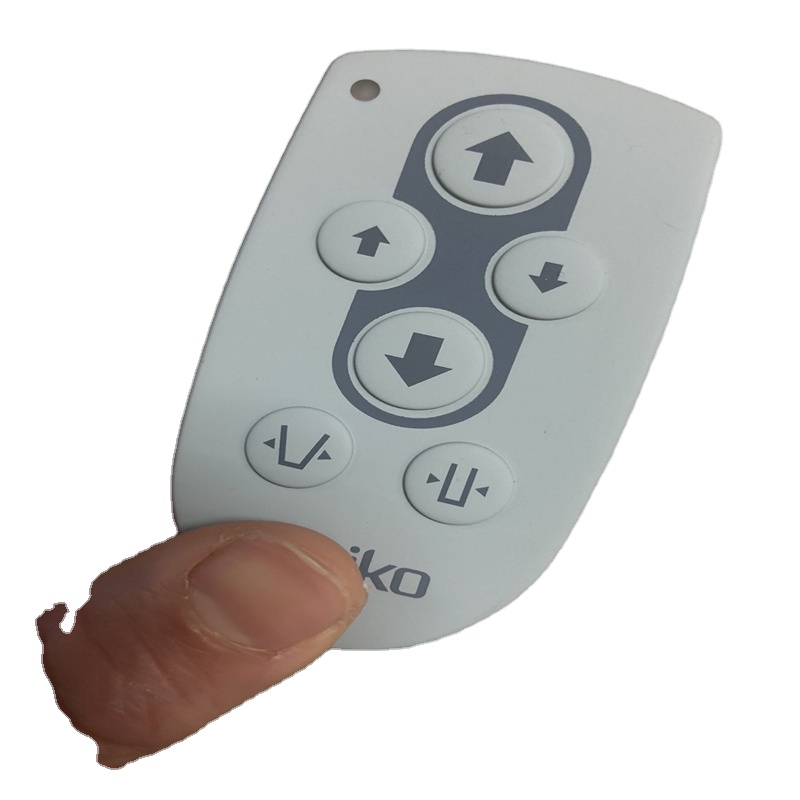
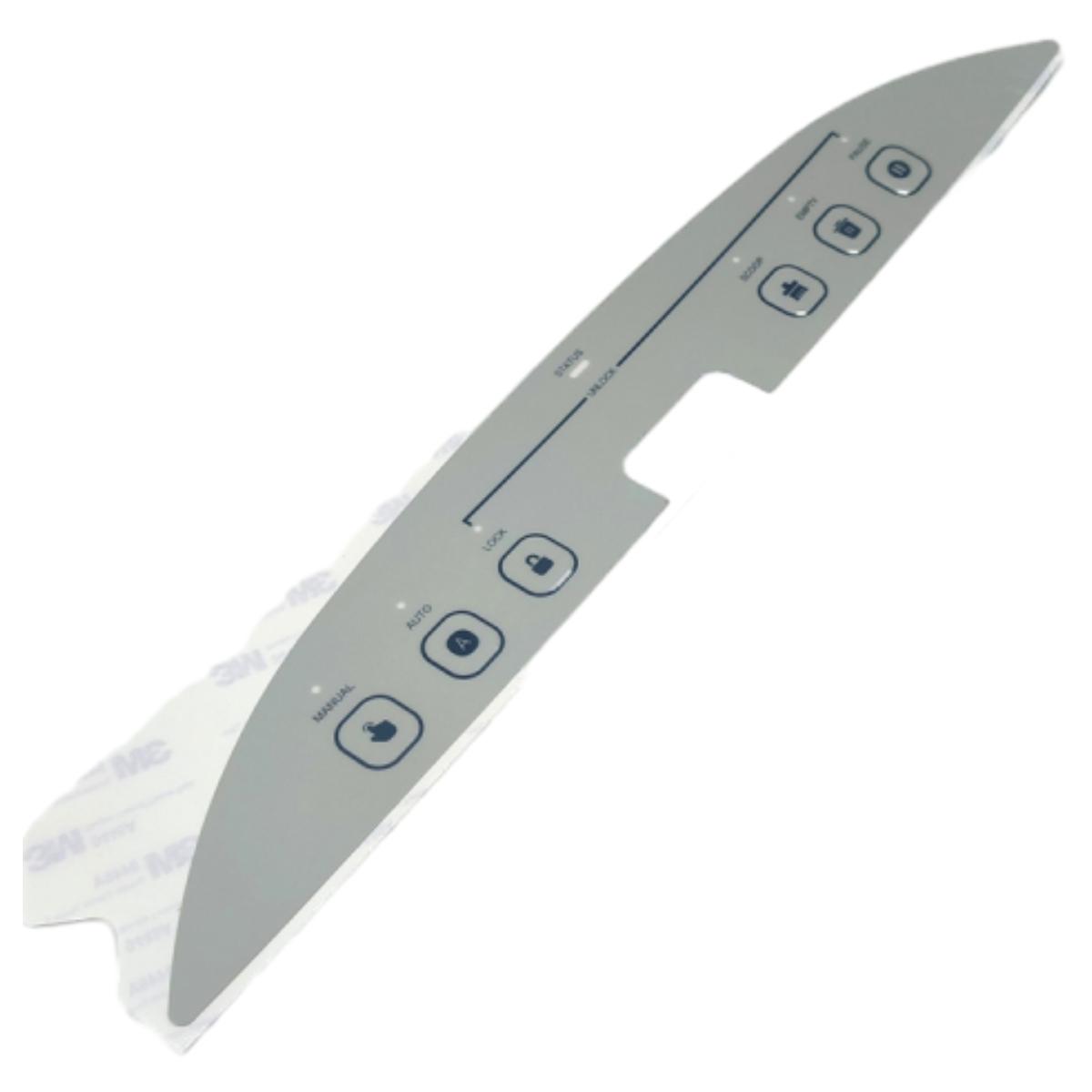
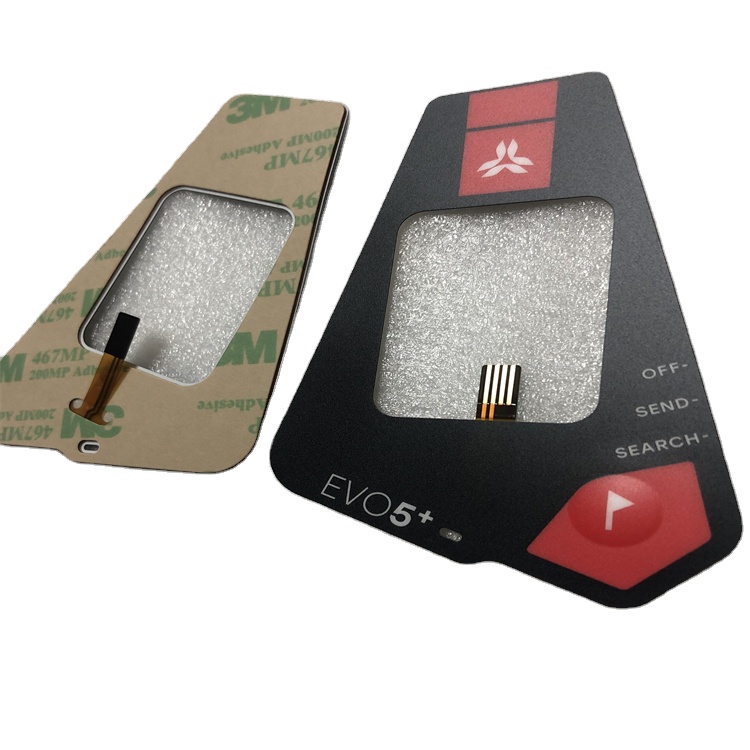
Since 2003, Dongguan Ravo Electronics Co., Ltd. has bridged the gap between elastomeric polymer formulation, precision compression tooling, and complete electro-mechanical human-machine interface assemblies.
We engineer precision compression molds and liquid injection silicone tools in-house. Sub-micron EDM finishing guarantees razor-sharp key perimeters, uniform wall webbing, and consistent actuation snaps across multi-cavity production runs.
Formulating high-consistency silicone rubber (HCR) and liquid silicone rubber (LSR) from 30 Shore A to 80 Shore A. Options include flame retardant (UL 94-V0), medical grade (USP Class VI), and low compression set compounds.
Bypass protracted lead times with our rapid soft-tooling prototyping. Prototype silicone keypads can be sampled within 7 to 10 working days, backed by comprehensive DFM reports and force-displacement curve analysis.
Every batch undergoes rigorous quality assurance: automated optical inspection (AOI) for graphic registration, digital micrometer wall-thickness verification, contact resistance testing (<100 Ω), and multi-cycle actuation endurance stress tests.
Advanced cleanroom spray lines apply smooth-touch PU, UV-cured protective clears, and epoxy drip coatings that resist abrasion, oils, and chemical disinfectants. High-precision laser etching produces sharp backlit symbols with zero light bleed.
We integrate molded elastomeric button pads directly onto rigid FR-4 PCBs, flexible polyimide (FPC) circuits, or silver-printed PET layers, incorporating metal domes, light guide films (LGF), and custom display windows into unified assemblies.
In modern industrial, medical, and mission-critical human-machine interfaces, the elastomeric silicone button pad serves as both the mechanical spring and the physical conduit of operator intent. Unlike simple rigid plastic keys, a custom silicone keypad leverages nonlinear material deformation via an engineered elastomeric web (membrane skirt). When designed correctly, this architecture delivers intuitive tactile feedback, acoustic damping, and decades of environmental isolation.
The core mechanical feel of a silicone button pad is governed by its actuation force curve. During initial depression, the resistance force rises linearly up to the peak actuation point (F1). As the operator exceeds this critical threshold, the silicone webbing buckles downward into a state of negative resistance until reaching the contact point (F2). The tactile feel is defined by the Snap Ratio (Click Ratio):
Our engineering team adjusts the web angle (typically 40° to 60°), web thickness (0.30 mm to 0.65 mm), and stroke travel (0.8 mm to 3.0 mm) via high-precision CNC tool geometry to match target ergonomic specifications precisely.
Depending on electrical circuit voltage, bounce time limitations, and environmental noise, selecting the appropriate conductive contact mechanism is paramount:
| Contact Technology | Typical Contact Resistance | Actuation Force Range | Mechanical Lifetime | Primary Use Cases |
|---|---|---|---|---|
| Molded Carbon Pills | < 100 Ω (std) / < 20 Ω (low-ohm) | 80g – 350g | > 5,000,000 cycles | Industrial remotes, telecommunications, home appliances |
| Gold / Nickel Pills | < 0.5 Ω | 100g – 400g | > 5,000,000 cycles | High-speed data entry, low-voltage digital inputs (< 3.3V) |
| Direct Metal Dome Actuation | < 1 Ω | 180g – 500g | > 1,000,000 cycles | Medical diagnostic gear, defense electronics, high-vibration systems |
| Conductive Carbon Ink Printing | < 150 Ω | 50g – 200g | > 1,000,000 cycles | Cost-sensitive consumer goods, disposable diagnostic panels |
A primary failure mode of electronic equipment deployed in outdoor, wet, or chemical environments is liquid ingress through the switch array. A custom OEM silicone keypad acts as its own perimeter seal when designed with integrated perimeter sealing lips and flow channels. By incorporating an engineered compression gasket bead around the keypad perimeter, clamped within a rigid enclosure bezel, the silicone button pad can effortlessly establish an IP67 or IP68 hermetic barrier without requiring secondary liquid adhesives.
Global OEM purchasing directors and component sourcing teams face evolving supply chain demands. Staying ahead requires understanding emerging manufacturing paradigms, regulatory compliance, and total lifecycle optimization.
Procurement is shifting away from discrete subcomponents toward fully integrated hybrid assemblies. Tier-1 buyers increasingly source silicone button pads unified with flexible printed circuits (FPC), surface-mount LEDs, and thin-film force sensing resistors (FSR). Sourcing a unified module reduces incoming inspection overhead, eliminates multi-tier supplier finger-pointing, and cuts final box-build assembly times by up to 40%.
With the global expansion of point-of-care medical diagnostic equipment and portable ventilators, supply chain audits prioritize cleanroom manufacturing. Keypad procurement contracts increasingly mandate certified Class 100,000 cleanroom molding, post-curing degassing protocols to eliminate residual siloxane volatiles, and compliance with ISO 10993 and USP Class VI biocompatibility standards.
Product lifecycles in electronics continue to compress. Procurement teams now require dual-stage tooling models: rapid aluminum prototype tooling producing 10 to 500 qualification units in days, followed by hardened steel multi-cavity tooling for automated mass production. Manufacturers offering seamless DFM-driven scalability allow OEMs to validate designs in real markets before committing to high-tonnage tooling budgets.
Strict EU RoHS, REACH, and California Proposition 65 regulations have made traceability mandatory. Global buyers require end-to-end documentation proving that silicone compounds, conductive vulcanization catalysts, and surface PU spray finishes are completely halogen-free and heavy-metal free. Strategic vendor qualification now hinges on verifiable third-party SGS/RoHS analytical certification.
Discover how advancements in liquid silicone injection molding, laser micro-machining, and photoluminescent light-guide integration are redefining human-machine tactile interfaces.
Traditional spray-on polyurethane coatings eventually wear down in abrasive industrial or surgical environments. Next-generation silicone button pads utilize vapor-deposited Parylene nano-coatings. This pinhole-free molecular barrier delivers near-zero friction, prevents dust adhesion, and withstands thousands of hospital autoclave and IPA wipe-down cycles.
Backlighting modern thin-profile silicone button pads without hotspots has historically been a challenge. By bonding ultra-thin micro-etched Light Guide Films directly below the translucent silicone keycaps, side-firing LEDs can illuminate large button arrays uniformly with minimal power consumption, eliminating the need for bulky per-key LED arrays.
Advanced multi-shot compression tooling enables the creation of dual-durometer button pads in a single cycle. The structural keycap can be molded from rigid 70–80 Shore A silicone for a robust, plastic-like actuation feel, while the underlying snap web is molded from 40 Shore A silicone to provide low actuation resistance and high fatigue endurance.
Technical, commercial, and manufacturing guidance compiled by our senior engineering team to streamline your project qualification process.
We require a 3D CAD model in STEP (.stp) or IGES (.igs) format detailing key travel, web geometry, and internal enclosures. In addition, 2D vector artwork in DXF, DWG, Adobe Illustrator (.ai), or vector PDF format is needed with Pantone (PMS) color callouts, legend positioning, and surface texture callouts.
Standard industrial-grade silicone keypads engineered with conductive carbon pills typically exceed 1,000,000 to 5,000,000 actuation cycles under normal stroke conditions. By optimizing the snap web transition radii and employing high-tear-strength platinum-cured compounds, life cycles can be extended beyond 10,000,000 operations.
We offer multiple levels of legend protection: smooth matte polyurethane (PU) spray coatings for consumer electronics, industrial-grade UV-curable hardcoats that resist solvents, and thick epoxy drip overcoats that encapsulate the legend permanently beneath a clear protective dome.
Yes. We utilize translucent silicone rubber compounded with specialized light-diffusion agents. The keypad is multi-coat spray-painted (translucent white primer followed by an opaque top coat), then precision laser-ablated to remove the top coat. Integrated silicone light-isolation baffles prevent cross-talk between adjacent keys.
Standard molded conductive carbon pills exhibit contact resistance between 10 Ω and 100 Ω when mated to gold-plated or nickel-plated PCB contact traces. For applications requiring ultra-low resistance (such as sensitive analog sensing or battery-powered devices), low-resistance pills (<10 Ω) or gold-plated metal domes (<0.5 Ω) are recommended.
Prototype single-cavity aluminum tooling is typically completed in 7 to 10 working days, with initial first-article samples shipped immediately via courier. Multi-cavity hardened steel mass-production tooling typically requires 15 to 22 working days, inclusive of cleanroom sample validation and full dimensional CMM inspection reports.
We understand that medical and industrial automation products often have specialized initial volumes. We support prototypes from 1 piece and pilot production batches from 100 to 500 units, utilizing modular tooling bases to significantly minimize upfront NRE (Non-Recurring Engineering) mold charges.
Dongguan Ravo Electronics Co., Ltd. operates under an ISO 9001 certified quality management system. All silicone raw materials, pigments, conductive pills, and protective coatings strictly comply with RoHS and REACH directives, with certified testing reports available for every production lot.