 EN
 DE
 FR
 ES
 RU
 JA EN DE FR ES RU JA
Direct from Dongguan Ravo Electronics. Engineered for extreme operating environments, each overlay stack integrates sub-surface screen printing, selective velvet or gloss texturing, and tailored 3M adhesive bonding systems.
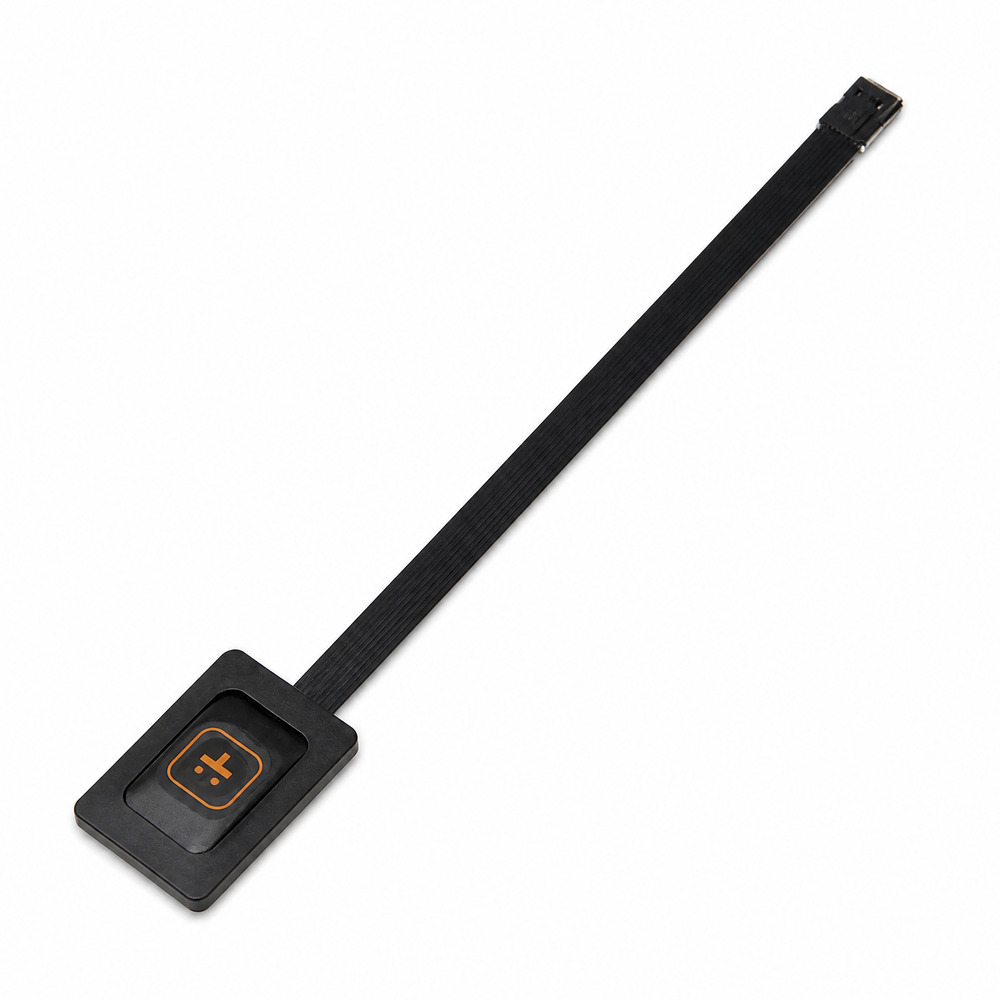
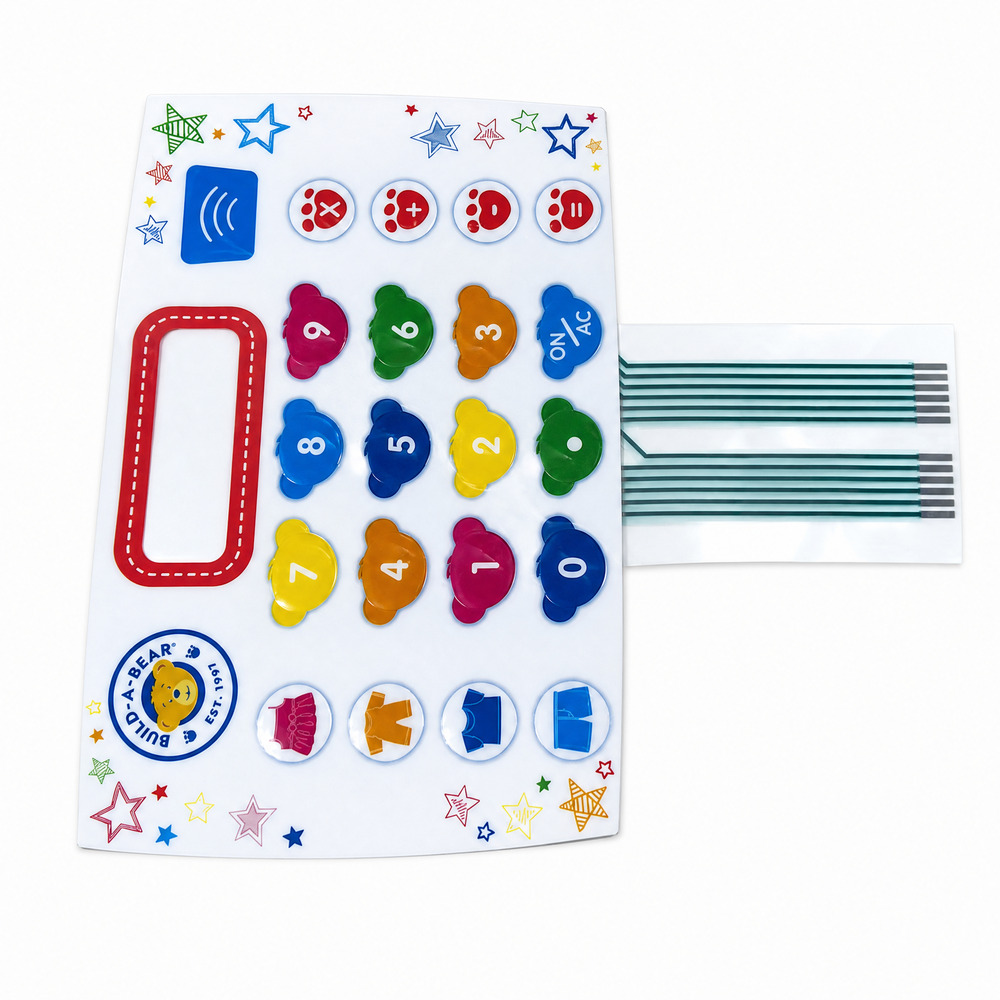
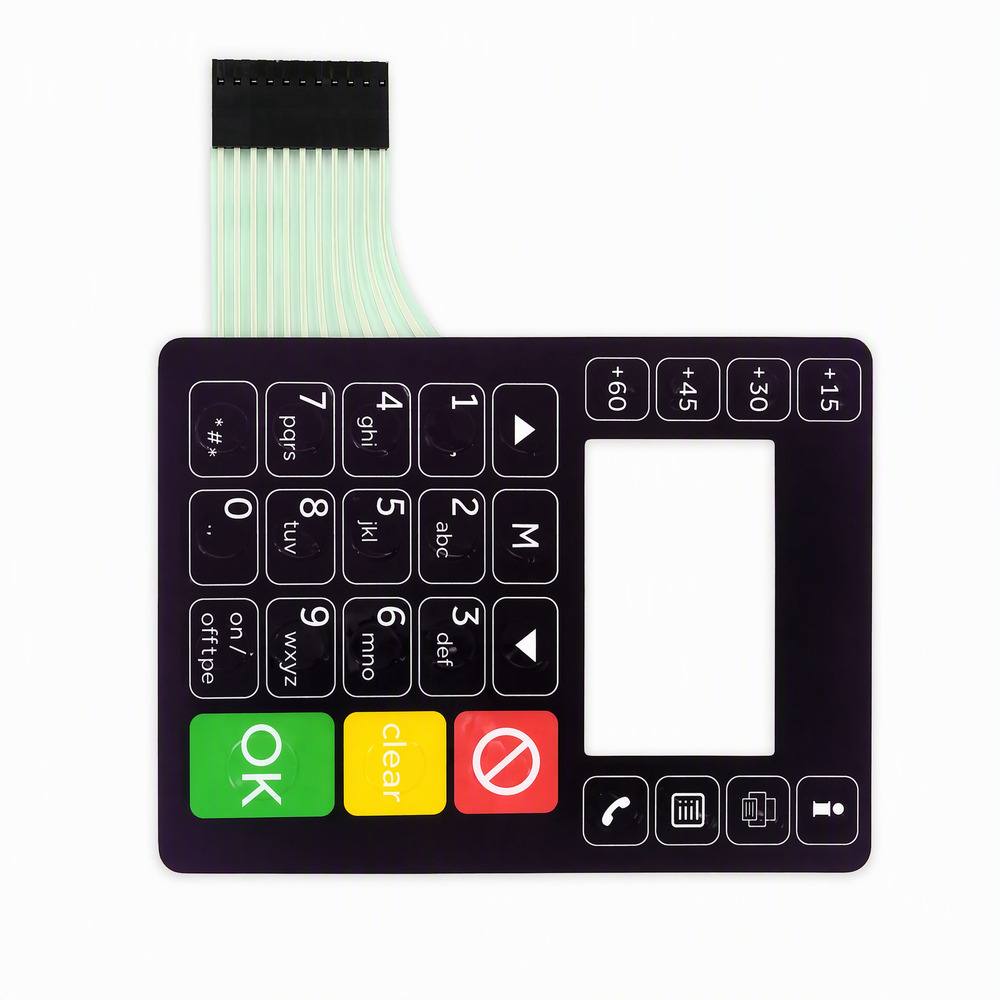
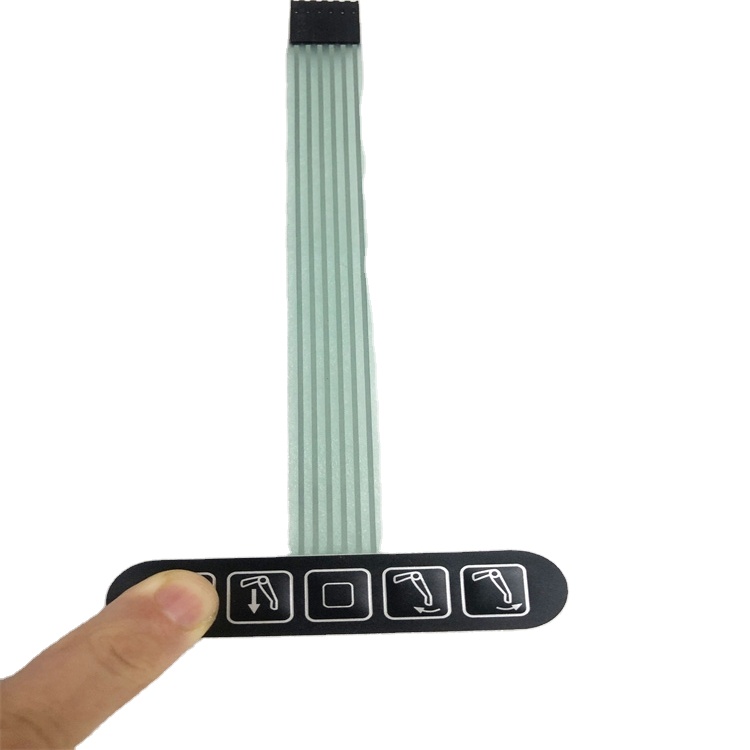
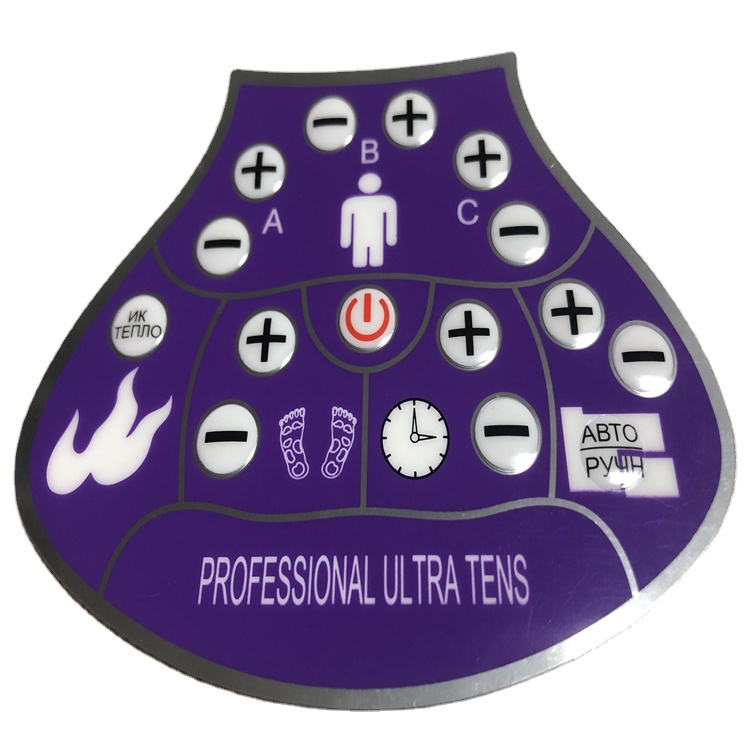
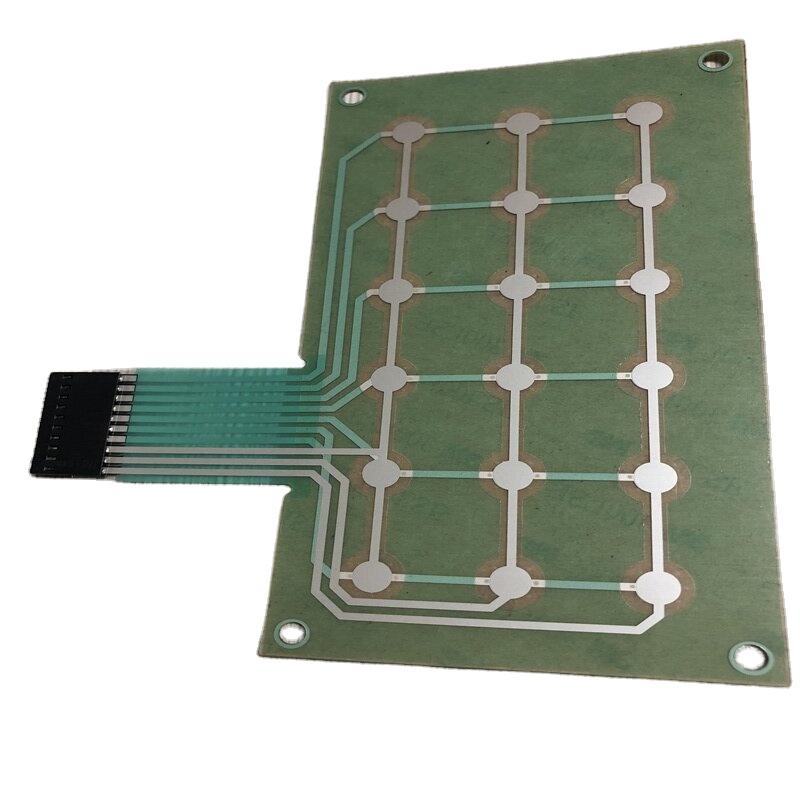
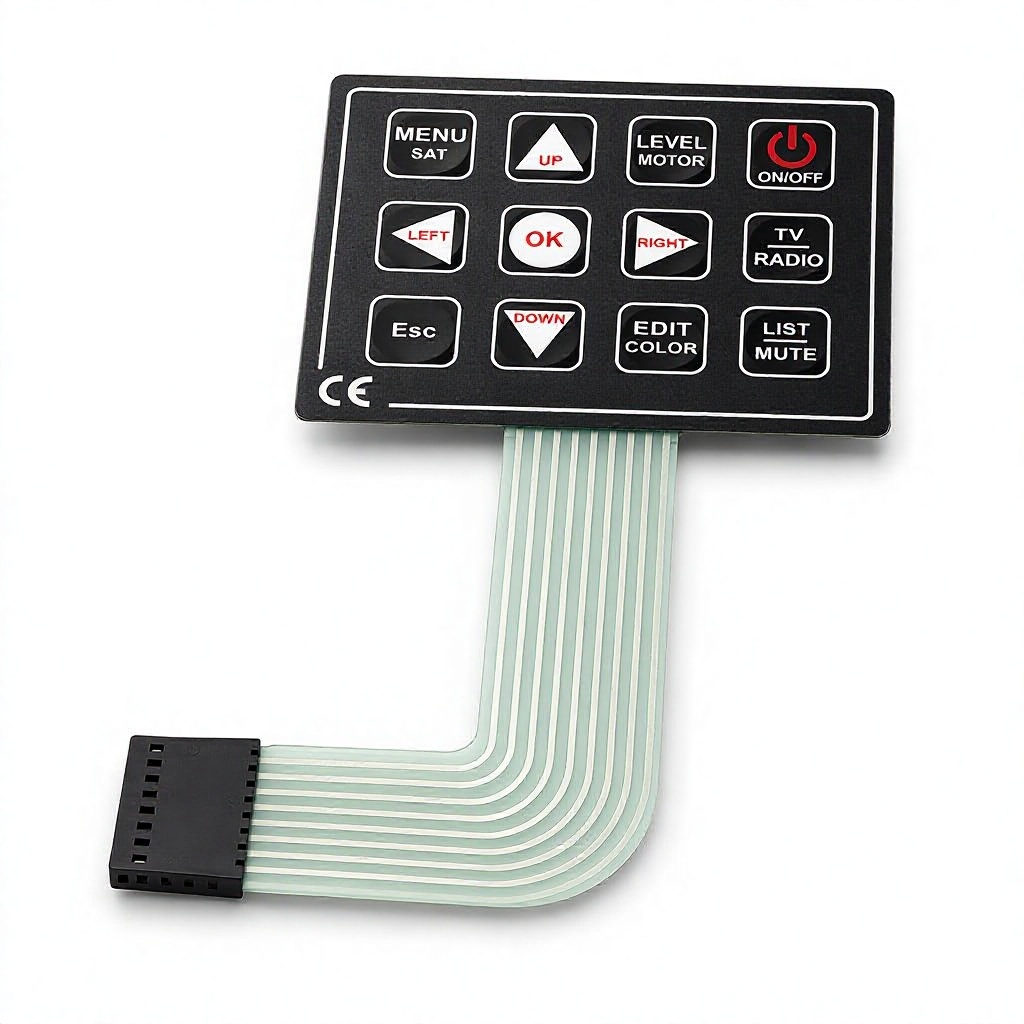
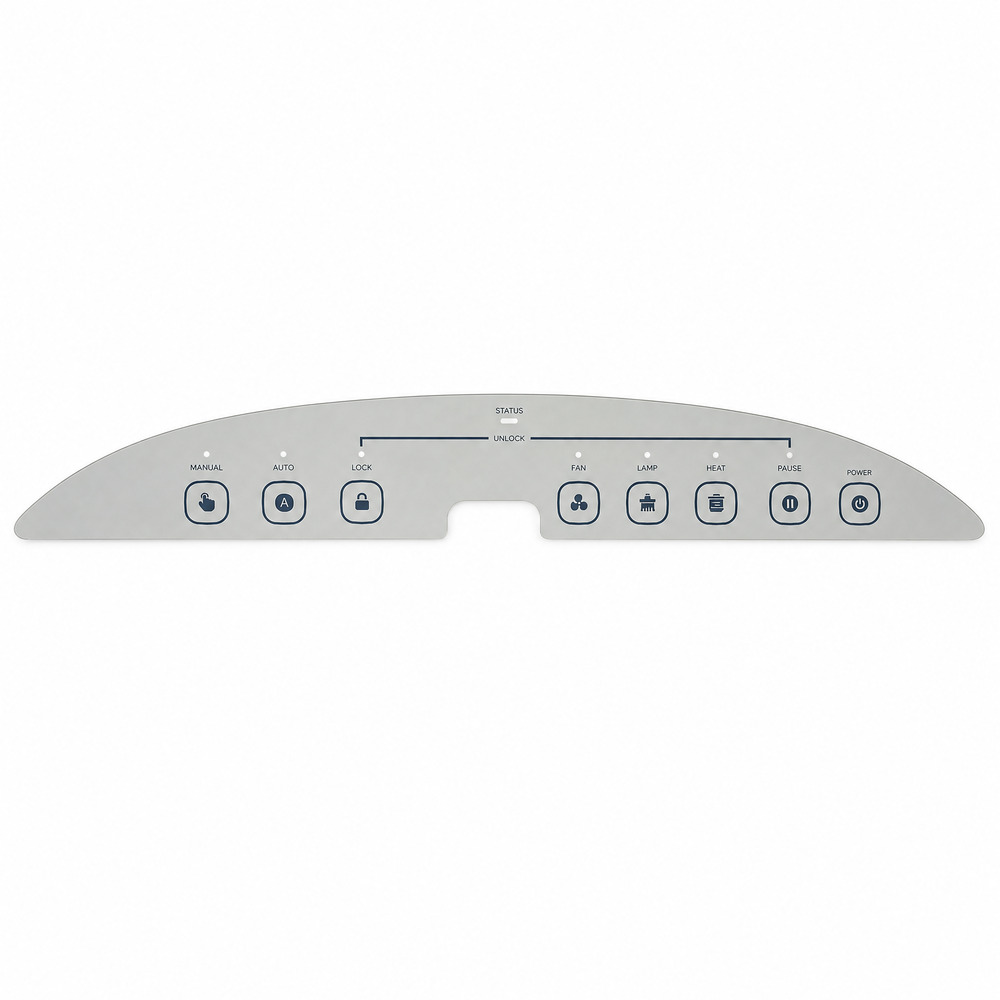
An authoritative comparative analysis of optical films, resin formulations, sub-surface printing dynamics, and flammability certifications for international industrial buyers.
Polycarbonate (Lexan 8010, Makrofol DE) offers natural luminous transmittance up to 90.5%. Sub-surface printing guarantees permanent protection against abrasion, solvents, and moisture ingress. Through selective texturing, we produce matte anti-glare surfaces while retaining crystal-clear optical display windows for OLED, LCD, and seven-segment LED units.
Unlike standard polyesters, polycarbonate exhibits exceptional dimensional stability under wide temperature fluctuations (-40°C to +130°C continuously). Certified under UL94 V-2 and UL94 V-0 flame ratings, our exported overlays satisfy stringent European electrical machinery safety standards without yellowing, outgassing, or embrittlement.
Polycarbonate offers superior thermoformability and cold die-cutting characteristics. Ravo engineers implement rim, pillow, and custom perimeter embossing with tight depth controls (0.25mm to 0.50mm) that provide distinct tactile button feedback, preventing micro-stress fractures commonly observed in substandard polyester formings.
| Material Engineering Property | Polycarbonate (PC / Lexan™) | Polyester (PET / Autotex™) | Acrylic (PMMA) |
|---|---|---|---|
| Actuation Flex Life (Switch Cycles) | 100,000 – 500,000 cycles | > 5,000,000 cycles (Superior) | Non-flexible (Rigid lens only) |
| Impact Resistance & Toughness | Extremely High (Virtually Unbreakable) | Moderate to High | Brittle (Prone to chipping) |
| Optical Clarity & Window Transmission | 88% – 92% (Excellent transparency) | 86% – 89% (Slight haze in thick gauges) | 92% – 94% (Highest optical clarity) |
| Thermal Continuous Rating | -40°C to +130°C | -40°C to +85°C (Special grade to 105°C) | -30°C to +70°C |
| Flammability Rating (UL94) | V-0, V-2, or HB rated formulations | VTM-2 / HB (Flammable without treatment) | HB (Burns readily) |
| Chemical Resistance (Solvents / Alkalis) | Moderate (Sensitive to esters, ketones) | Superior (Resists harsh cleaners, oils) | Poor to Moderate |
| Pencil Hardness (Standard vs Hard-Coated) | 1H (Standard) / Up to 3H–5H (Hard-Coated) | 2H (Standard) / Up to 3H (Hard-Coated) | 3H (Standard) / Up to 6H (Coated) |
| Embossing & Thermoforming Capability | Superior (Deep draw, crisp profile) | Good (Requires hot-tool hydroform) | Not applicable for membrane flexing |
| Typical Application Range | Industrial machinery, medical panels, power tools | Membrane keyboards, automotive switches | Structural display windows, meter bezels |
Year Established in Dongguan, China
Vertically Integrated Production Facility
Engineering DFM Review Turnaround
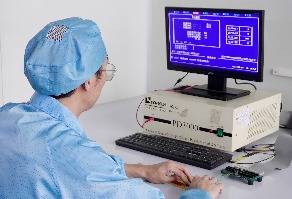
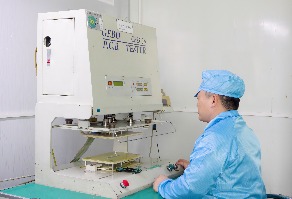
Automated Optical & Electrical Continuity Tested
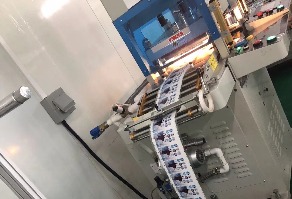
Over 20 years of continuous manufacturing excellence. We combine cleanroom sub-surface screen printing, multi-axis automated die cutting, and in-house tooling to eliminate supply chain layers and reduce procurement lead times.
Every CAD dataset (DXF, DWG, Step, AI) undergoes exhaustive Design for Manufacturability analysis. We optimize layer stacks, trace routing, and adhesive channel venting within 2 hours.
Optical window printing and dust-free overlay lamination occur inside enclosed cleanrooms. Zero black-spot inclusion, air bubble formation, or pinhole defects across mass runs.
High-precision laser steel-rule dies, chemical-etched dies, and CNC embossing fixtures are fabricated on site, shrinking prototype delivery cycles to 5–7 working days.
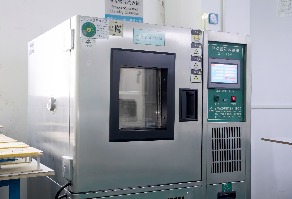
Automated circuit analyzers verify contact resistance, circuit isolation, and switch bounce time. Sample batches undergo actuation life testing exceeding 1,000,000 clicks.
Key shifts shaping B2B component sourcing, material sciences, human-machine interface convergence, and international supply chain agility through 2030.
Modern medical and automotive HMIs are migrating away from static labels toward "dead-front" panels. Icons remain invisibly black until illuminated by backmounted SMD LEDs or light guide films (LGF). Achieving zero light leakage while maintaining precise optical density (OD 2.5–3.2) requires advanced micro-pigmented screen inks on Lexan substrates.
Procurement directors in healthcare, commercial food equipment, and outdoor metering require extreme chemical and abrasion resistance. Next-generation UV-curable nano-silica hard coats upgrade surface pencil hardness from 1H up to 5H, while retaining elasticity for embossing and incorporating silver-ion anti-microbial additives that inhibit 99.9% of surface bacteria.
Traditional mechanical switches are giving way to hybrid interfaces. By marrying a hard-coated polycarbonate graphic overlay with thin-film printed capacitive touch sensors or FPC circuitry, devices eliminate moving parts. This results in hermetically sealed, IP69K washdown-capable front bezels that meet strict industrial hygienic standards.
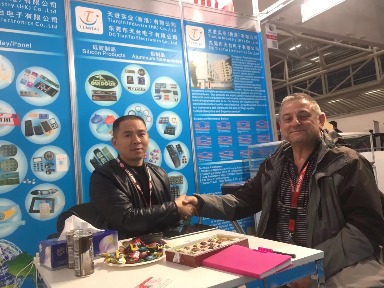
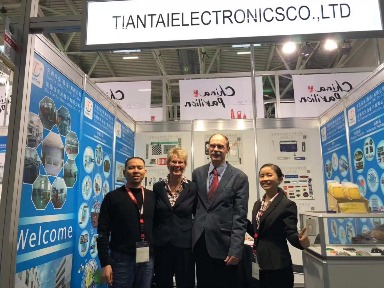
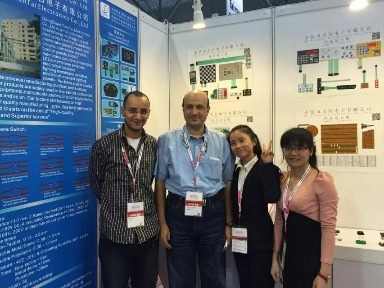
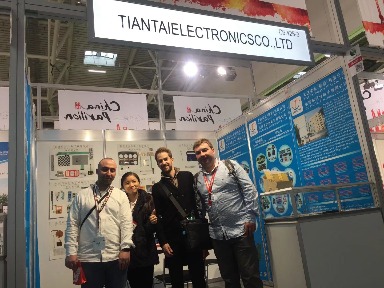
From electronica Germany to trade fairs in North America and Asia, our technical sales engineers regularly showcase working polycarbonate membrane assemblies to international purchasers.
Detailed answers covering manufacturing tolerances, adhesive selection, CE marking compliance, and international logistics for custom polycarbonate overlays.
While passive graphic overlays themselves do not carry an independent CE mark, they form the critical external barrier of electrical equipment governed by the EU Low Voltage Directive (LVD 2014/35/EU), EMC Directive (2014/30/EU), and RoHS Directive (2011/65/EU). Our overlays utilize certified flame-retardant (UL94 V-0/V-2) polycarbonate resins, RoHS/REACH-compliant non-toxic screen inks, and integrated aluminum/carbon shielding to help your finished device achieve frictionless CE compliance.
We operate according to DIN ISO 2768-m (fine-to-medium) standards. For laser die-cut and CNC routed polycarbonate profiles, external dimensional tolerances are held within ±0.10mm (±0.004 in). Window-to-perimeter alignment and graphic-to-hole registration are maintained within ±0.05mm using automated visual alignment cameras on our flatbed screen printing presses.
Adhesive selection is governed by the surface energy of your enclosure. For high-surface-energy metals (aluminum, stainless steel) and ABS, we specify 3M 467MP (200MP acrylic, 0.05mm). For textured plastics or powder-coated cast metals, 3M 468MP (0.13mm) is preferred. For low-surface-energy plastics like polypropylene or polyethylene, we utilize 3M 300LSE high-strength modified acrylic tapes to prevent edge delamination.
We maintain stock of optical-grade and velvet polycarbonate films from 0.125mm (0.005 in) up to 1.0mm (0.040 in). For tactile embossed switches, 0.175mm (0.007 in) and 0.25mm (0.010 in) are the industry benchmarks, providing optimal actuation snap without fatigue. For flat control bezels and heavy equipment nameplates, 0.38mm to 0.75mm is standard.
Yes. We utilize selective UV screen varnishing. By printing a selective gloss clearcoat over targeted window apertures on a velvet film, or vice versa by printing a selective texture varnish over gloss optical film, we create perfectly transparent display windows with zero optical distortion while preserving a durable, anti-glare, fingerprint-resistant body.
Following CAD drawing sign-off and Pantone color matching, prototype overlay samples are completed within 5 to 7 working days. Rapid prototyping (from 1 to 10 pieces) is supported without hard tooling via digital cutting. Full production runs (500 to 50,000+ units) typically ship within 12 to 18 working days, packaged in moisture-barrier anti-static export cartons.
Submit your 2D/3D CAD drawings (DXF, DWG, Step, PDF) today. Our Senior DFM engineering group returns comprehensive stack-up recommendations, material datasheets, and formal quotations in under 2 hours.
