 EN
 DE
 FR
 ES
 RU
 JA EN DE FR ES RU JA
Direct from our Dongguan production facility: high-durability membrane switches, reverse-printed graphic overlays, and custom thin-film pressure sensor assemblies designed to withstand Cascadia's environmental rigors.
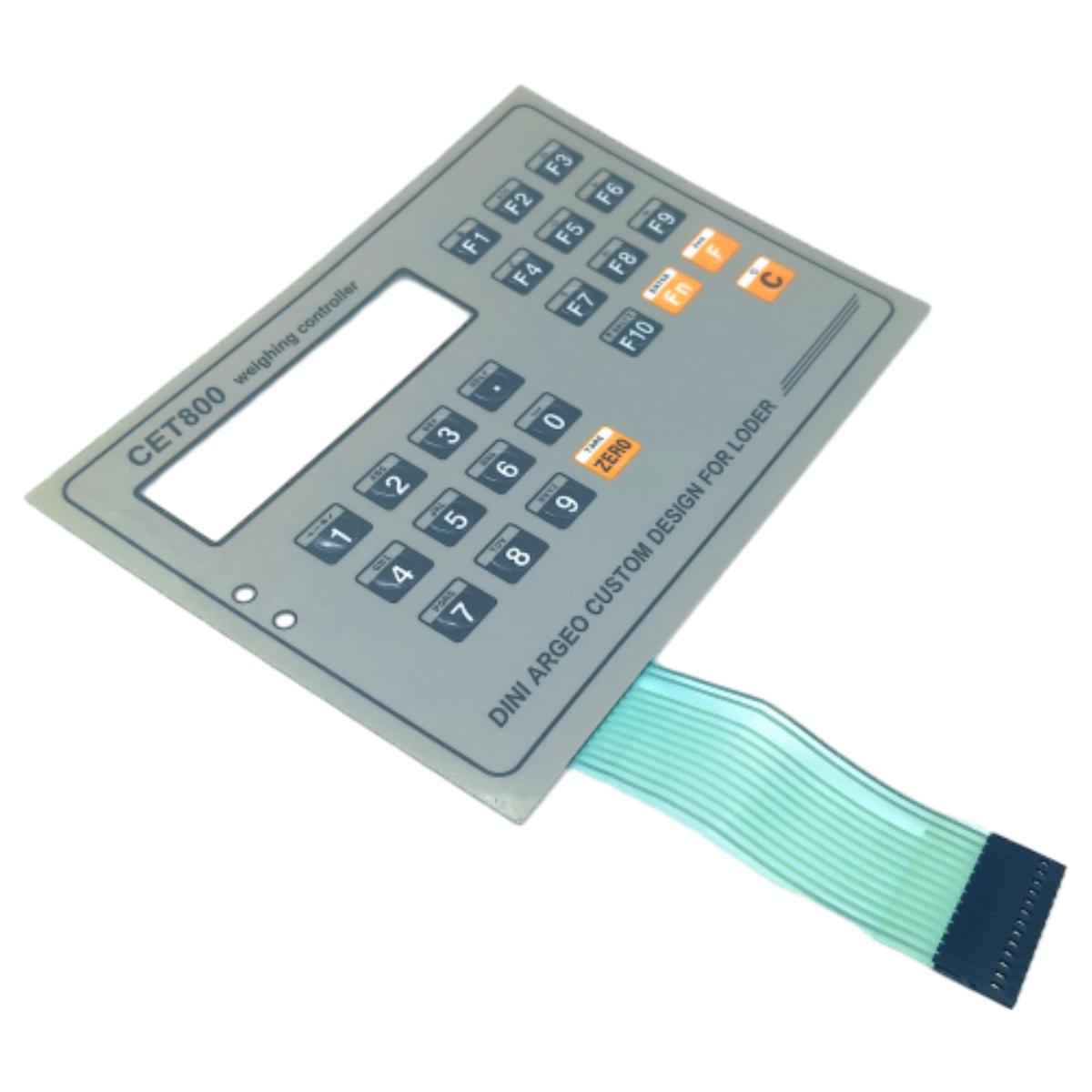
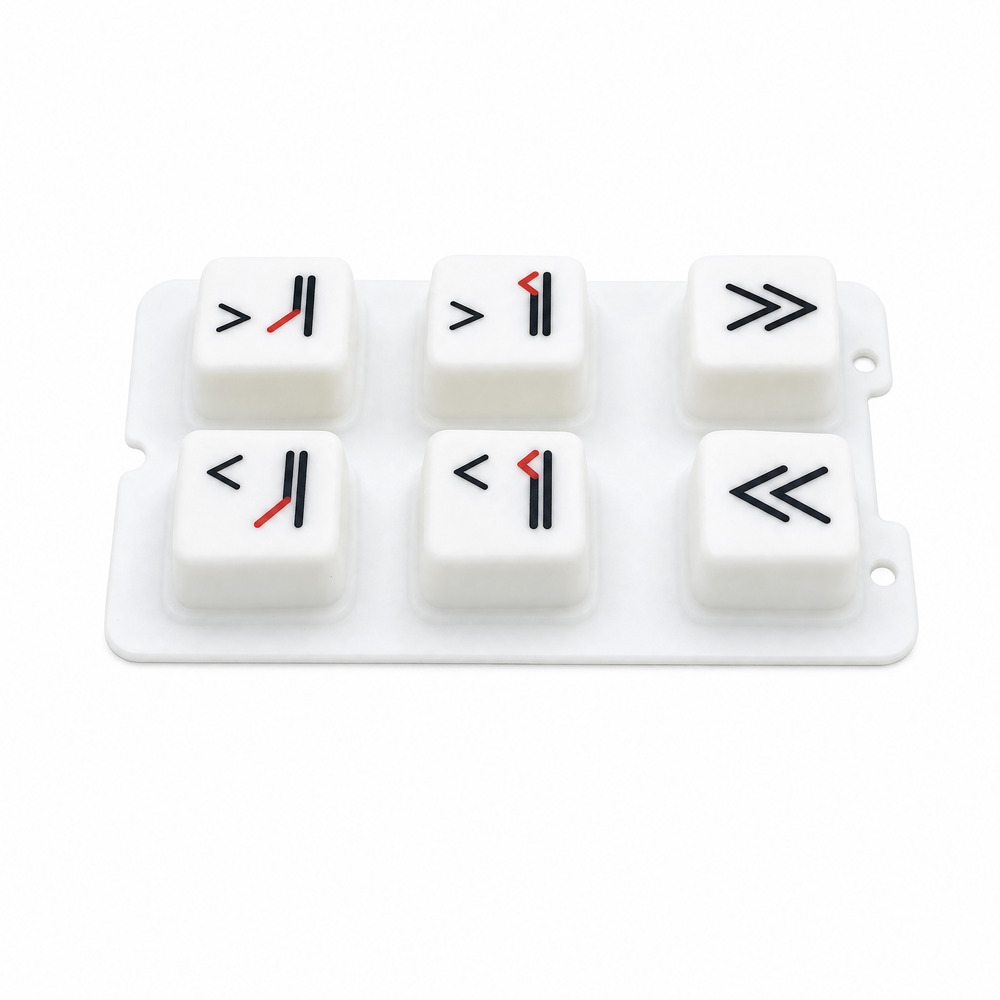
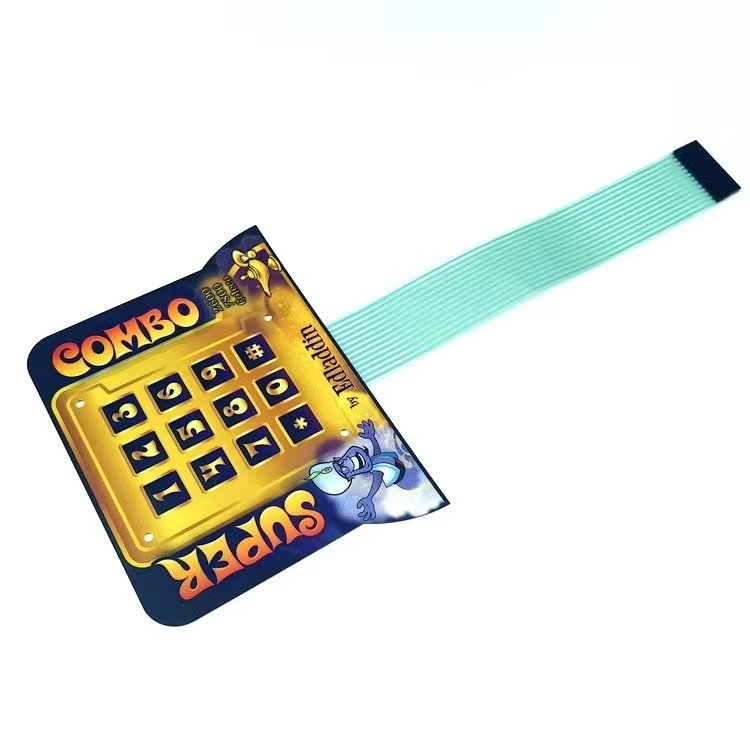
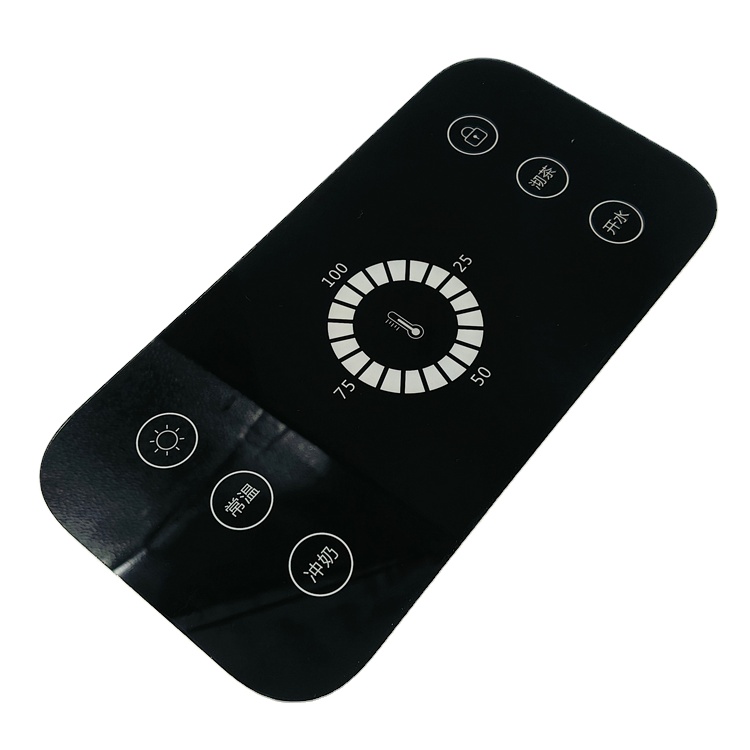
A technical examination of piezoresistive physics, layer stacks, and dynamic pressure profiling engineered for original equipment manufacturers (OEMs).
Modern seat occupancy detection (SBE/OCS) and ergonomic load distribution monitoring systems have evolved far beyond rudimentary mechanical snap switches. Leading aerospace, automotive, medical, and transit engineering divisions across Greater Vancouver and the Cascadia Innovation Corridor now mandate Piezoresistive Thin-Film Force-Sensing Resistor (FSR) Arrays. These multi-layer flexible substrates convert variable mechanical surface pressure into measurable electrical resistance changes, enabling microcontrollers to detect analog pressure gradients, occupant presence, biometric seating posture, and passenger classification.
The core operating principle hinges upon the quantum tunneling and microscopic contact dynamics between micro-textured semi-conductive carbon paste formulations and interdigitated conductive silver traces. In a relaxed, unweighted state, the electrical resistance of the sensor cell exceeds 10 MΩ (acting as an open circuit). When an occupant applies vertical load, the elastic deformation of the polyester substrate compresses the microscopic asperities of the carbon layer into physical contact with the interdigitated silver fingers. As the active contact surface area multiplies logarithmically, electrical resistance cascades inversely down to sub-1 kΩ levels under maximum rated mechanical force.
Our seat sensor matrices utilize optical-grade biaxially-oriented polyethylene terephthalate (BOPET) or high-performance polyimide (PI) carrier films (typically 75μm to 125μm thickness). These films undergo pre-shrink heat stabilization at 150°C for 30 minutes prior to printing, mitigating thermal expansion and mechanical dimensional distortion across -40°C to +85°C ambient operating profiles.
We screen-print low-resistance conductive traces using ultra-pure micronized silver inks (<0.015 Ω/sq/mil) overprinted with wear-resistant semi-conductive colloidal graphite carbon paste. A specialized polymeric dielectric coating isolates the routing traces, ensuring zero parasitic capacitive leakage and preventing premature electrochemical silver migration under extreme humidity.
The mechanical sandwich relies on high-shear 3M 467MP / 3M 200MP acrylic adhesives. To prevent atmospheric barometric pressure entrapment and moisture cavitation during cabin pressure fluctuations or deep foam cushion compressions, our structural CAD layouts incorporate microscopic serpentine breathing channels fitted with hydrophobic ePTFE vent membranes.
For Vancouver hardware engineering teams deciding between sensor modalities, the following technical matrix details performance boundaries across vital mechanical and environmental benchmarks:
| Engineering Attribute | Piezoresistive Thin-Film FSR (Ravo Design) | Capacitive Seat Sensor Arrays | Discrete Mechanical Seat Switches |
|---|---|---|---|
| Dynamic Sensing Profile | Continuous analog resistance output proportional to occupant weight (10g to 50kg/cell) | Binary proximity or low-resolution dielectric shift; prone to moisture false triggers | Binary ON/OFF only; zero gradient or pressure distribution telemetry |
| Physical Thickness Profile | Ultra-thin: 0.15mm – 0.35mm total stack-up; zero interference with seat foam cushioning | Thin (0.3mm – 0.6mm); requires extensive grounded shielding layers | Bulky: 8.0mm – 25.0mm; necessitates custom cavity carving into seating foam |
| Operating Temperature | -40°C to +85°C; thermally cured conductive polymer matrix | -20°C to +70°C; thermal drift requires continuous baseline recalibration | -30°C to +80°C; mechanical springs susceptible to fatigue at sub-zero temps |
| Resistance to Water & Moisture | IP65 to IP68 hermetically perimeter-bonded with hydrophobic venting | Poor; moisture puddles on upholstery mimic human dielectric capacitance | Requires costly elastomeric boots; unsealed microswitches corrode quickly |
| Actuation Cycle Durability | > 1,000,000 to 5,000,000 cycles with minimal sensor drift (<5% hysteresis) | Solid state (long life), but susceptible to electromagnetic interference (EMI) | Mechanical wear out typically occurs between 100,000 – 300,000 cycles |
| Tooling & Prototyping Cost | Low NRE tooling cost; laser plot prototyping ready within 3 to 7 working days | Moderate to high; complex multi-layer PCB layout and complex ASIC controllers | High tooling cost for injection molding frames and stamped metal brackets |
Vancouver is an internationally recognized hotbed for sustainable transportation, cutting-edge biomedical research, advanced maritime engineering, and ergonomic human-centric design. Here is where our seat sensor technology deploys locally.
Greater Vancouver's public transit network (TransLink, Coast Mountain Bus Company) and regional clean commercial EV manufacturers require dynamic passenger seat occupancy sensors. Thin-film sensors embedded inside passenger seats provide real-time bus ridership load tracking, seat availability displays via smartphone APIs, and heating/cooling zone management that conserves battery power on electric buses across the Lower Mainland.
Driven by initiatives out of the University of British Columbia (UBC) BioMedical Engineering labs and Vancouver General Hospital rehabilitation centers, our matrix sensors integrate into specialized pressure-relief wheelchair cushions. High-density FSR arrays monitor long-term sitting pressure points to mitigate decubitus ulcers (bedsores), triggering automated pneumatic air bladders or IoT telemetry alerts for clinical caregivers.
Operating in the Salish Sea and coastal fjords requires seating interfaces built for salt mist, high humidity, and constant vibration. Our waterproof-sealed seat sensors are utilized by maritime shipyards in North Vancouver and Richmond for helm seat dead-man safety interlocks, passenger presence confirmation on high-speed water taxis, and crew alert consoles that comply with Transport Canada marine standards.
Vancouver's rapidly expanding tech office sector (spanning downtown Vancouver, Mount Pleasant, and Burnaby) has spurred demand for smart ergonomic office chairs. Built-in thin-film sensor pads capture center-of-gravity shifts, user posture anomalies, and sedentary duration, seamlessly transferring data via Bluetooth LE to ergonomic workplace well-being dashboards.
Resource extraction equipment operating in the British Columbia interior, as well as container-handling straddle carriers at the Port of Vancouver (Centerm and Deltaport), utilize our ruggedized seat presence sensors. These switches verify operator presence before hydraulic controls can be actuated, meeting strict WorkSafeBC industrial safety compliance mandates.
Key regulatory drivers, climate goals, and technological transitions reshaping seat sensor specification in the Canadian Pacific market.
Under the CleanBC Roadmap to 2030, commercial vehicle fleets, transit buses, and port drayage trucks must transition toward zero-emission powertrains. Seat pressure sensors are central to smart HVAC power zoning, allowing intelligent climate management systems to deactivate heating or air conditioning on unoccupied seats, extending vehicle range by up to 8% in winter conditions.
Automotive and commercial shuttle builders operating across BC must comply with Canadian Motor Vehicle Safety Standard 208 (CMVSS 208 - Occupant Crash Protection). Our seat sensors feature multi-zone classification matrices capable of differentiating between child safety seats, fifth-percentile female occupants, and adult males to regulate airbag deployment force.
With an aging demographic across Vancouver Island and the Lower Mainland, long-term care facilities are deploying remote patient monitoring (RPM). Thin-film bed and seat occupancy sensors provide non-intrusive wandering detection, fall-prevention alerts, and sleep restlessness tracking without relying on invasive optical video surveillance.
Vancouver’s coastal temperate rainforest climate presents a distinctive engineering challenge: prolonged exposure to relative humidity exceeding 90% during winter months, coupled with sub-zero freeze-thaw cycles along highway corridors like the Coquihalla. Traditional open-switch designs experience condensation pooling, which leads to galvanic corrosion of printed circuits. Ravo’s proprietary manufacturing processes utilize perimeter hot-melt polyurethane barriers, hydrophobic fluoropolymer venting, and DuPont silver conductors doped with platinum group metals to prevent electrochemical migration under damp electrical bias.
Direct, unvarnished engineering answers covering supply chain logistics, cross-border freight, material certifications, and testing methodologies.
For rapid prototyping and urgent pilot runs, DHL/FedEx air express directly from Shenzhen (SZX) or Hong Kong (HKG) to Vancouver International Airport (YVR) takes 3 to 5 business days. For mass volume shipments, trans-Pacific ocean freight from Yantian or Shekou to the Port of Vancouver (Roberts Bank/Deltaport) takes approximately 14 to 18 sailing days, offering an economical supply line for BC original equipment manufacturers.
We implement custom IP65 to IP67 rated perimeter sealing using double-coated high-tack acrylic adhesives (such as 3M 467MP or 3M 9448A). In addition, we incorporate internal serpentine anti-clog venting equipped with porous, hydrophobic membrane patches. This lets internal air balance naturally during heavy cushion depression while preventing liquid or airborne moisture ingress.
Our engineering team works with standard CAD formats including DXF, DWG, STEP, or Adobe Illustrator (AI/PDF) vector files for graphic overlay and circuit routing. Please include your targeted pressure threshold (in grams or N/cm²), operating voltage/current, tail connector type (e.g., FCI/Amphenol 2.54mm, JST, or bare ZIF contact), and mating enclosure drawings. We supply a comprehensive Design for Manufacturability (DFM) review within ≤ 2 hours during business hours.
We understand that hardware startups and university engineering teams need fast agile verification. Prototyping quantities start at just 1 to 10 pieces using rapid digital cutting tables that bypass hard tooling dies. Volume production runs typically begin at 100 to 500 units, scaling smoothly up to hundreds of thousands of parts per month with progressive stamping and automated roll-to-roll screen printing.
Yes. All films (Autotype, Melinex, Lexan), conductive silver pastes, semi-conductive carbon pastes, and 3M transfer adhesives conform to RoHS 3 (EU 2015/863) and REACH regulations. For transit and aerospace applications, we can specify flame-retardant polycarbonate substrates that meet UL94 V-0 or UL94 VTM-0 flammability classifications.
Every production batch undergoes 100% automated electrical continuity testing, closed-loop resistance tolerance checks (±10% calibration), contact bounce testing, and high-voltage dielectric isolation checks. Furthermore, sample units from every tooling setup undergo pneumatic cylinder fatigue life testing exceeding 1,000,000 actuations under calibrated load blocks.
Founded in 2003, Dongguan Ravo Electronics Co., Ltd. has grown from a specialized tooling workshop into an internationally trusted 12,000 m² human-machine interface and sensor manufacturing powerhouse.
Established in 2003 in Fenggang Town, Dongguan, our plant houses over 300 experienced technicians, toolmakers, and engineers who specialize exclusively in membrane circuits, capacitive touch sensors, elastomeric keypads, and thin-film force sensors.
We do not outsource critical processes. Screen printing, cleanroom lamination, laser cutting, embossing, surface-mount component pick-and-place, die-cutting, and computerized testing all occur under one roof, guaranteeing strict IP protection and rigorous quality control.
Hardware design cycles cannot tolerate multi-day communication lags. Our dedicated English-speaking technical sales engineers analyze your 2D/3D drawings, stack-ups, and circuit traces, delivering a manufacturability report and optimized quote in two hours or less.
We build exclusively on proven substrate foundations: authentic 3M 467MP/468MP/300LSE adhesive transfer tapes, DuPont conductive silver inks, Acheson semi-conductive carbon pastes, and MacDermid Autotype textured polyesters for maximum service life.
Our facility operates an ISO 9001 certified quality management system. From incoming raw material verification (IQC) to automated optical inspection (AOI), 100% electrical continuity testing (FQC), and environmental thermal cycling chambers, your parts are built to perform reliably.
With 14+ years of direct verified international trading history, we coordinate export documentation, tariff classification assistance (HS Code 8538.90 / 8543.70), anti-static moisture-barrier packaging, and air/ocean freight delivery right to your facility in British Columbia.
Whether you require quick-turn sensor prototypes for a biomedical pilot at UBC or mass production of transit-grade seat occupancy sensors for public electric bus fleets, our senior engineering team is ready to assist with full DFM feedback and sample quotes.
