EN
 DE
 FR
 ES
 RU
 JA EN DE FR ES RU JA
Explore our industrial-grade piezoresistive film sensors, custom graphic overlays, and silicone membrane switch assemblies manufactured under ISO9001 standards.
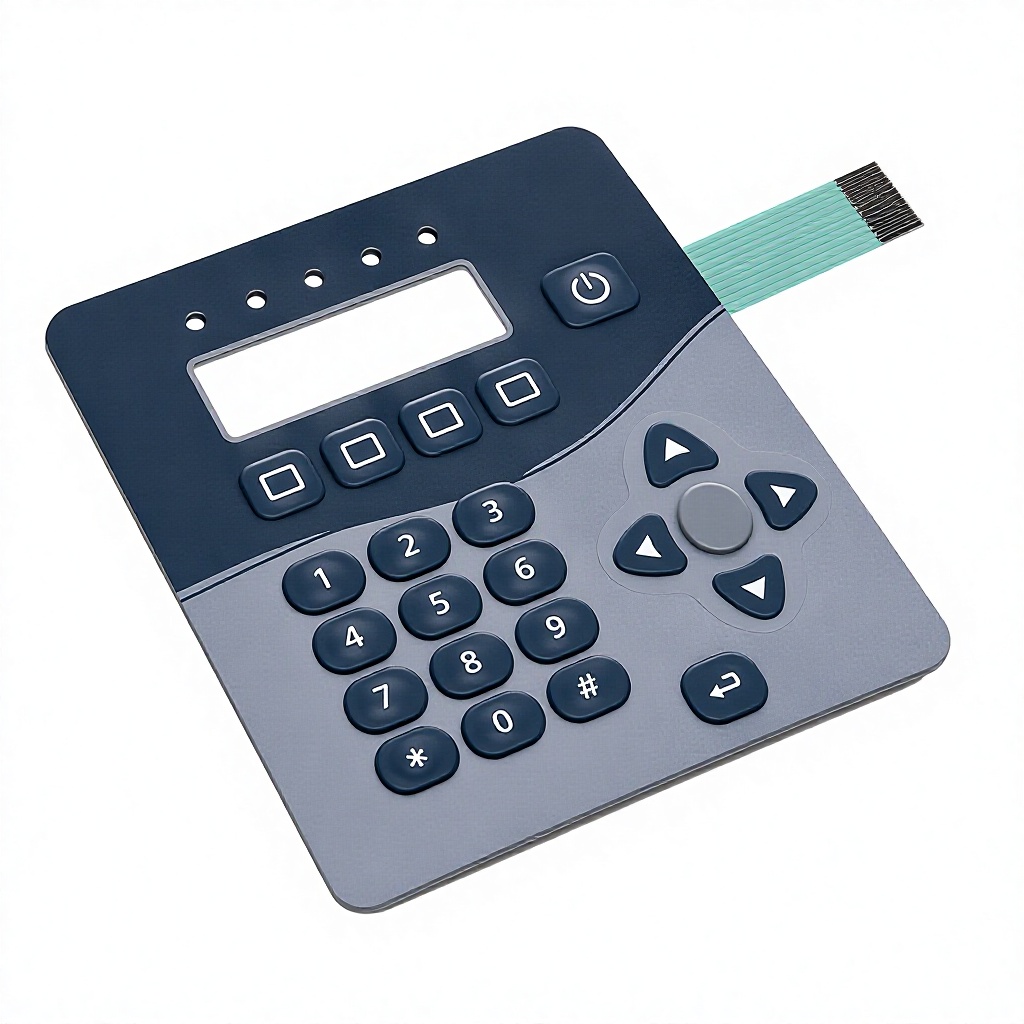
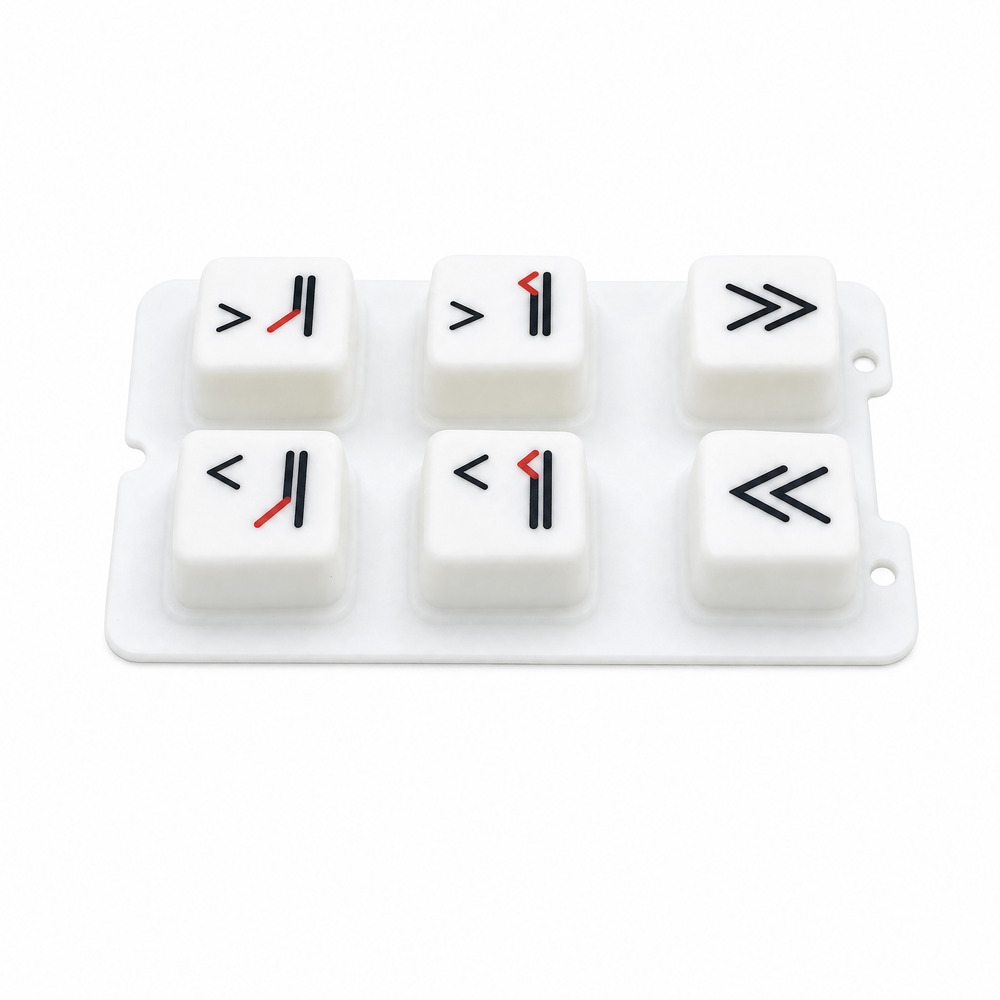
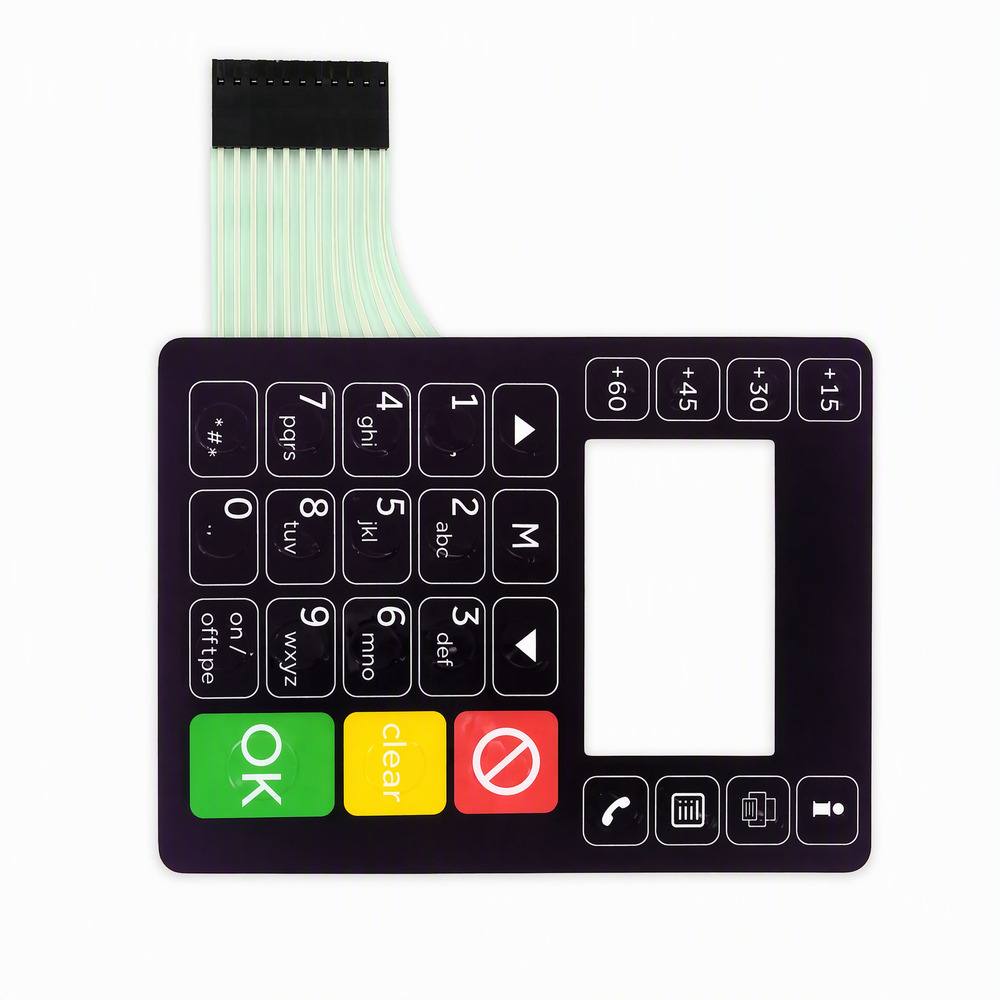
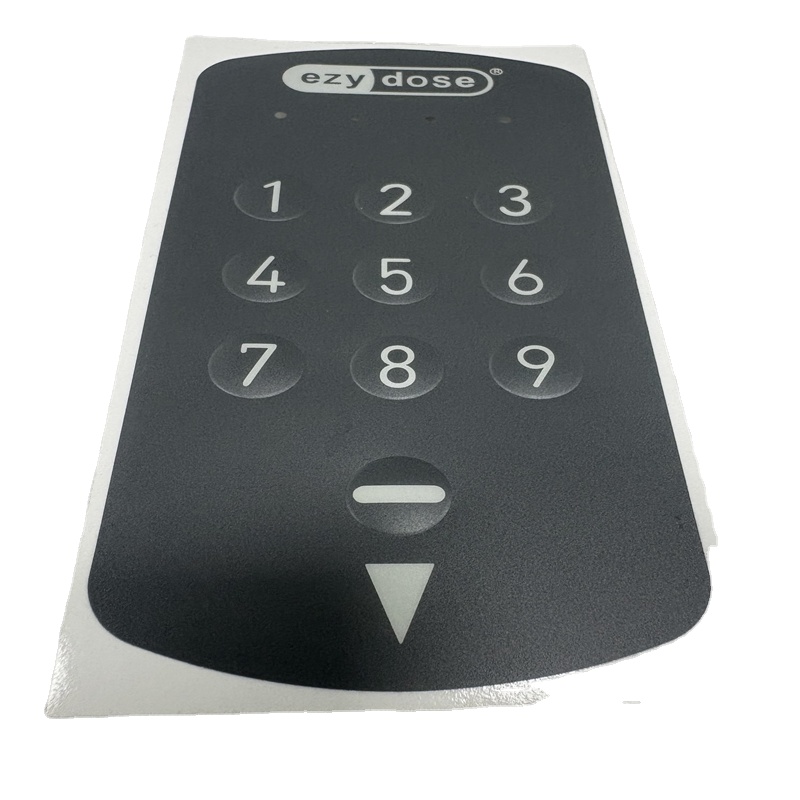
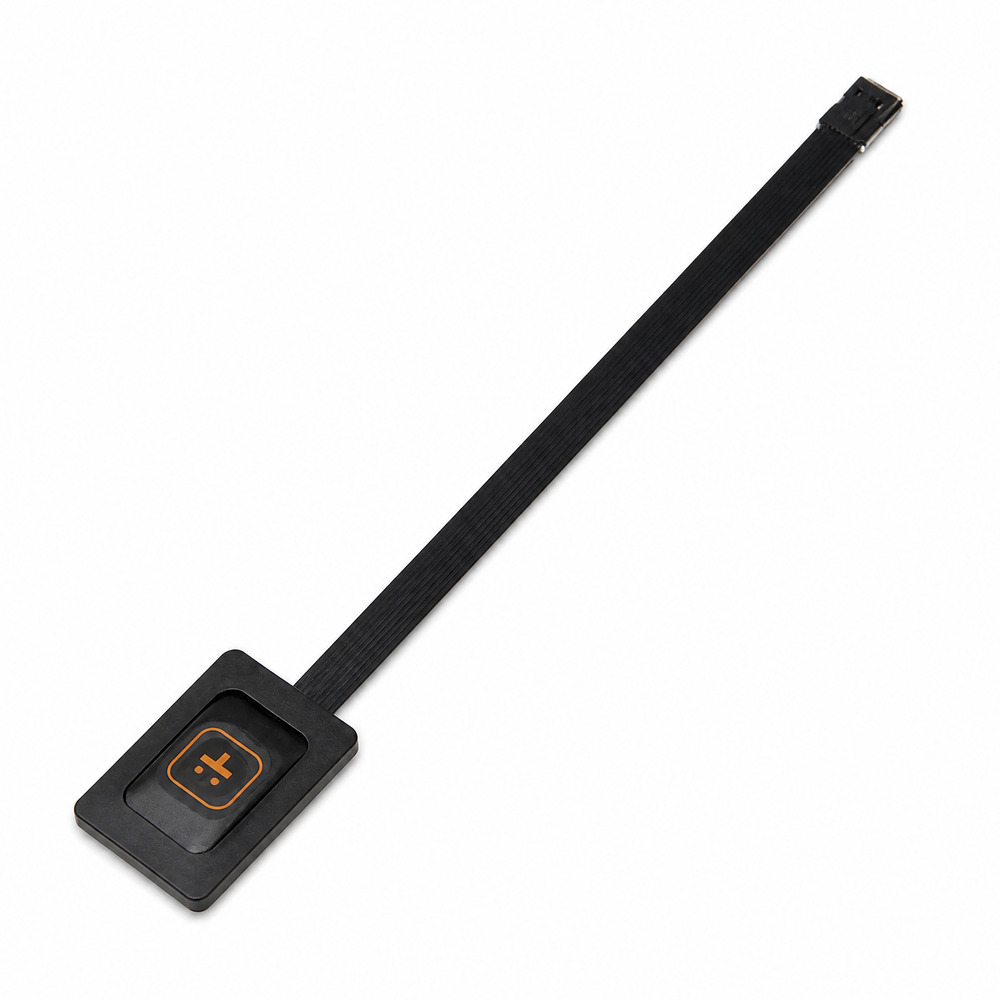
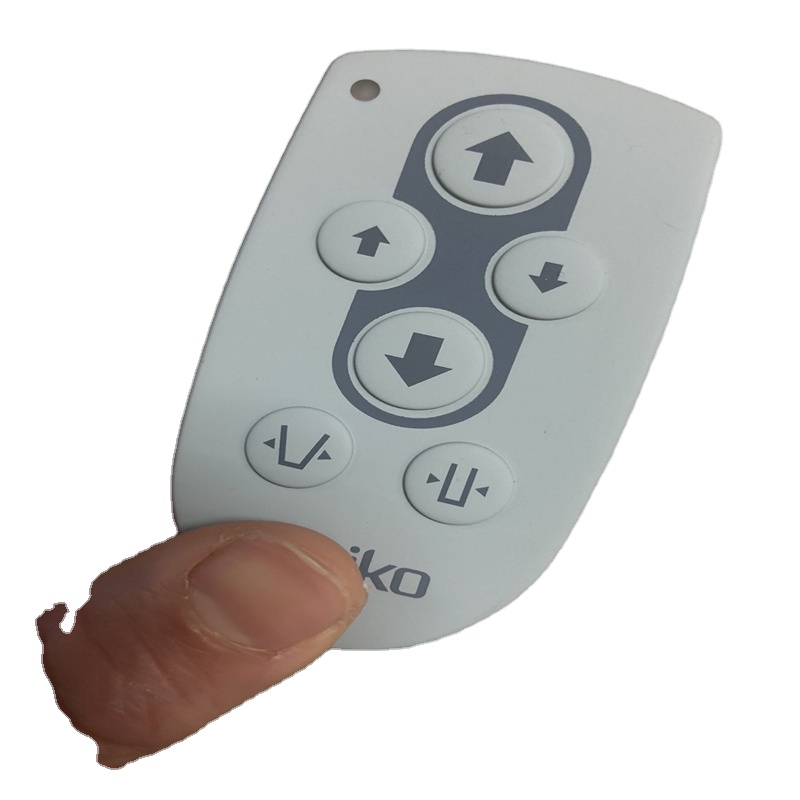
Piezoresistive film sensors, frequently classified under force-sensitive resistors (FSR), represent a pivotal breakthrough in human-machine interface (HMI) design, biometric force tracking, and industrial automation control. By leveraging semi-conductive polymer matrix inks screen-printed onto flexible polyester (PET) or polyimide (PI) substrates, these sensors demonstrate a predictable inverse logarithmic resistance drop upon the application of physical force. As Choloma solidifies its reputation as Honduras’ premier manufacturing and assembly epicentre, industrial engineers and sourcing managers require a thorough understanding of piezoresistive sensor physics, stack-up customization, and environmental resilience to select optimal sensor configurations.
At the fundamental level, piezoresistive force sensors operate via quantum tunneling effects and particle contact mechanics within a functionalized conductive polymer layer. The active sensing layer consists of nano-scale conductive particles (typically carbon black, nickel, or silver flakes) suspended uniformly within an elastomeric resin matrix. In an unactuated state, the electrical resistance across the sensor terminals remains exceedingly high—frequently exceeding 1 Megohm (Ω). When mechanical pressure is exerted onto the active surface, the flexible top film compresses, driving the conductive particles into closer proximity and dramatically increasing microscopic electrical contact points.
Technical Insight (Information Gain): Piezoresistive sensors do not measure displacement; they measure dynamic and static normal force. The resistance drop follows a two-stage characteristic curve: an initial low-force activation threshold (break-in force) followed by a power-law resistance curve until saturation. Proper op-amp signal conditioning converts this non-linear resistance into a linear voltage signal suitable for microcontroller ADCs.
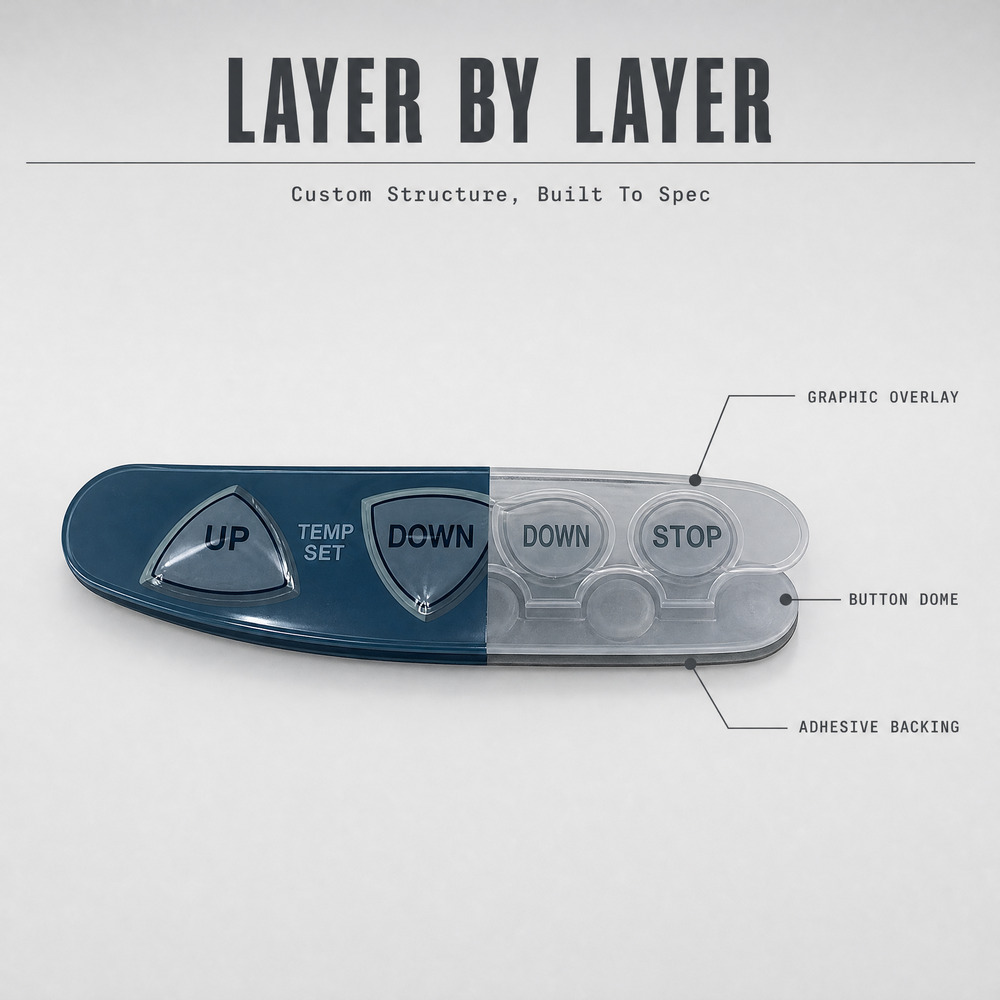
A multi-layer piezoresistive film sensor assembly manufactured by Dongguan Ravo Electronics Co., Ltd. is engineered to withstand aggressive industrial duty cycles while remaining resistant to moisture ingress. The stack-up comprises several critical layers:
| Performance Characteristic | Standard Silver/Carbon PET Sensor | Advanced FPC-Backed Piezo Sensor | High-Temperature Polyimide Sensor |
|---|---|---|---|
| Force Sensitivity Range | 0.1 N to 20 N (10g – 2kg) | 0.2 N to 100 N (20g – 10kg) | 0.5 N to 200 N (50g – 20kg) |
| Substrate Thickness | 0.125 mm – 0.25 mm PET | 0.10 mm – 0.20 mm Polyimide | 0.125 mm High-Temp Kapton |
| Break-in Force (Actuation) | < 10 grams force | < 15 grams force | < 20 grams force |
| Operating Temperature | -20°C to +65°C | -40°C to +85°C | -40°C to +125°C |
| Hysteresis (% Full Scale) | < 10% to 15% | < 5% to 8% | < 6% to 9% |
| Lifetime Actuations | > 1,000,000 Cycles | > 5,000,000 Cycles | > 3,000,000 Cycles |
A primary challenge encountered by field engineers in high-humidity regions is sensor drift caused by moisture absorption into standard polyester films. Standard silver ink circuits can experience silver migration under high DC bias voltage and elevated relative humidity. Ravo Electronics resolves this by offering complete micro-encapsulation, carbon-over-silver dielectric potting, and perimeter sealing options. By applying hydrophobic sealants and utilizing closed-cell 3M adhesive gaskets, our piezoresistive film sensors achieve IP65 to IP67 ingress protection, ensuring stable signal integrity even in non-climate-controlled factory environments.
Designed for seamless integration into medical devices, industrial controllers, smart apparel, and automotive manufacturing plant equipment.
Engineered to any form factor—from ultra-narrow strip array sensors for tension monitoring to large-area seat occupancy matrix grids and complex circular pads.
Combine piezoresistive force sensing, tactile metal dome switches, SMD LEDs, and transparent LCD windows directly onto a single multi-layer assembly.
Textured polycarbonate (PC) and autotype polyester (PET) graphic overlays resist industrial cleansers, solvents, hydraulic fluids, and continuous friction.
Accelerate your NPI timeline. Our dedicated engineering desk provides full Design for Manufacturability (DFM) feedback within two hours of file submission.
Custom tail exit routing equipped with standard 2.54mm pitch female crimp connectors, ZIF pin connections, or gold-plated FPC solder tabs.
Every single force-sensitive film sensor and membrane switch panel undergoes automated continuity, resistance window, and dielectric isolation testing prior to export.
Located in the heart of the Cortés Department, Choloma stands as Honduras’ principal industrial epicenter, housing major industrial parks such as ZIP Choloma, ZIP El Salto, and San José Industrial Park. The city's dense network of export processing zones (maquiladoras), textile processing plants, automotive harness assembly lines, and commercial electronics facilities demands highly specialized sensor solutions designed to withstand non-stop multi-shift operation under humid, tropical conditions.
Choloma’s world-renowned textile and apparel manufacturing sector relies on high-speed automated sewing stations, computerized fabric spreaders, and ultrasonic seam welders. Installing custom piezoresistive film sensors beneath pressing presser feet enables real-time pressure feedback during fabric feed cycles. By accurately measuring clamping force, the system prevents material distortion, eliminates seam puckering, and alerts operators to mechanical wear on pneumatic cylinders.
The regional automotive components and wire harness assembly facilities in Cortés require foolproof error-proofing (Poka-Yoke) systems. Ravo’s force-sensitive resistor arrays are integrated directly into assembly jigs and connector insertion fixtures. When technicians push terminal pins into harness connectors, the piezoresistive sensor verifies that the exact required insertion force is reached—confirming full latching without over-stressing delicate plastic housings.
Logistics hubs and warehousing facilities operating inside Choloma’s free zones require robust safety interlocks on material handling equipment. Custom thin-film piezoresistive seat occupancy sensors embedded into operator seats detect human presence via pressure mapping. These sensors ensure that hydraulic lifts and power drive systems remain disabled unless an operator is seated securely, satisfying international occupational safety guidelines.
In plastics molding, food processing, and packaging plants across Choloma, conventional mechanical push-buttons frequently fail due to dust accumulation, chemical washdowns, and aggressive usage. Reverse-printed polycarbonate membrane switches with integrated piezoresistive touch pads and tactile metal domes provide a completely sealed, wipe-clean IP67 control panel that impervious to dirt, oils, and moisture.
The manufacturing landscape in Honduras is undergoing a profound digital transformation. Plant managers and procurement directors in Choloma are shifting away from standalone mechanical switches toward smart, sensorized HMIs capable of providing actionable data to central Supervisory Control and Data Acquisition (SCADA) systems and Industrial Internet of Things (IIoT) platforms.
As North American OEMs relocate supply chains closer to home, Choloma’s maquiladoras are upgrading machinery to meet stringent international quality benchmarks, triggering rapid adoption of precision force sensors.
High relative humidity and ambient temperatures in Central America shorten the lifespan of open-contact mechanical switches. Sealed PET/PC membrane keypads have become the regional standard for replacement and NPI builds.
Local engineering teams require rapid prototyping (1 to 10 pieces) to validate custom jig designs before committing to high-volume production orders. Ravo’s flexible MOQ model directly satisfies this regional requirement.
By partnering directly with Dongguan Ravo Electronics Co., Ltd., industrial enterprises in Choloma gain direct access to overseas factory-direct pricing, custom DFM engineering consulting, and fully certified ISO9001 quality manufacturing—all supported by rapid international courier delivery straight to the Cortés Department free zones.
Founded in 2003 in Fenggang Town, Dongguan—the epicenter of global electronics hardware manufacturing—Dongguan Ravo Electronics Co., Ltd. has expanded from a specialized screen-printing shop into an expansive 12,000 m² vertically integrated production facility. With over two decades of dedicated research and development in thin-film pressure sensors, capacitive touch keypads, and graphic overlays, Ravo serves global clients across Europe, North America, and Central America.
Common technical and procurement inquiries from plant managers, design engineers, and purchasing officers in Honduras.
Our piezoresistive film sensors are specifically engineered to withstand ambient temperatures ranging from -20°C to +65°C (with high-temperature polyimide options up to +125°C) and relative humidity levels exceeding 85%. By incorporating micro-encapsulated carbon-over-silver conductors, closed-cell 3M adhesive perimeter gasketing, and optional hydrophobic vent membranes, we eliminate moisture ingress and prevent silver migration in humid factory environments like Choloma.
To initiate a comprehensive DFM review and quotation, please supply your 2D mechanical drawings (DXF, DWG, or PDF), 1:1 artwork files specifying Pantone color codes (AI, CDR, or vector PDF), circuit schematic, requested force threshold range (gram-force or Newtons), tail connector pitch preference, and estimated annual procurement quantities. Our engineering desk returns complete feedback in 2 hours or less.
We actively support engineering prototypes and pilot production runs with MOQs as low as 1 to 10 pieces for standard film builds. For full-scale volume manufacturing runs, standard production MOQs typically start at 100 to 500 pieces depending on layer complexity, specialized tooling, and backlighting requirements.
Yes. Ravo specializes in hybrid HMI integration. We can stack a piezoresistive force sensor layer directly beneath tactile metal dome switches, silicone rubber keypad covers, or capacitive touch panels. This hybrid design enables dual-function user interfaces—for instance, providing tactile click feedback alongside variable force measurement or press-and-hold speed scaling.
All finished membrane assemblies and piezoresistive sensors are packed in ESD anti-static vacuum-sealed bags, cushioned with shock-absorbing polyethylene foam, and boxed in heavy-duty export master cartons. We routinely export via express air carriers (DHL, FedEx, UPS) directly to industrial parks in Choloma, with air freight lead times typically ranging from 4 to 7 business days.
For rough, low-surface-energy (LSE) plastics or textured powder-coated metal housings commonly found on industrial machinery, we recommend specifying 3M 300LSE (such as 3M 9472LE) or thick acrylic foam adhesive tape. For smooth painted metal and polycarbonate surfaces, industry-standard 3M 467MP or 3M 468MP transfer tapes provide exceptional shear strength and temperature endurance.
Connect directly with Dongguan Ravo Electronics' senior application engineers. Submit your drawings now for a free DFM review, layer stack consultation, and factory-direct price quotation.
Get a Quote