 EN
 DE
 FR
 ES
 RU
 JA EN DE FR ES RU JA
Explore production-proven graphic overlays, tactile membrane keypads, and thin-film sensor assemblies specified across high-reliability equipment lines.
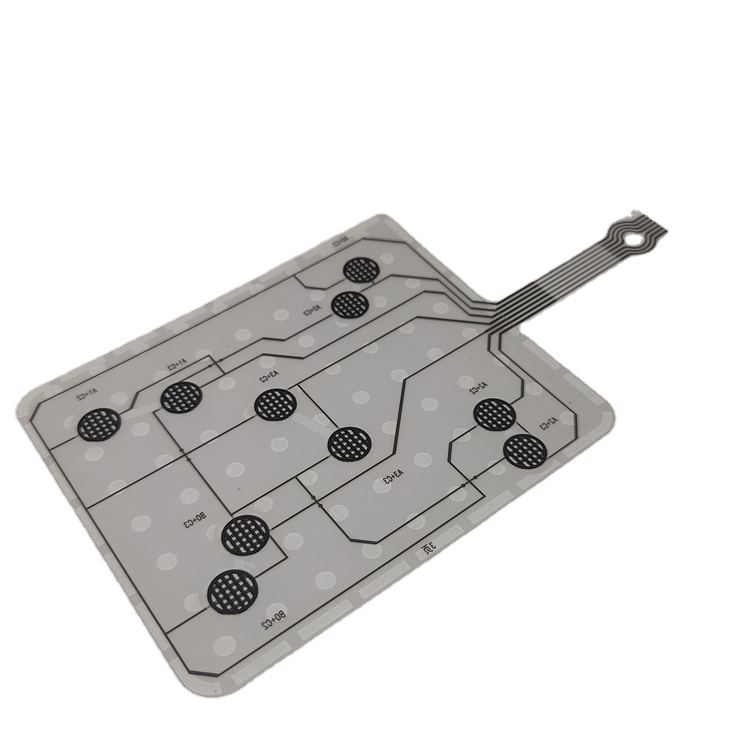
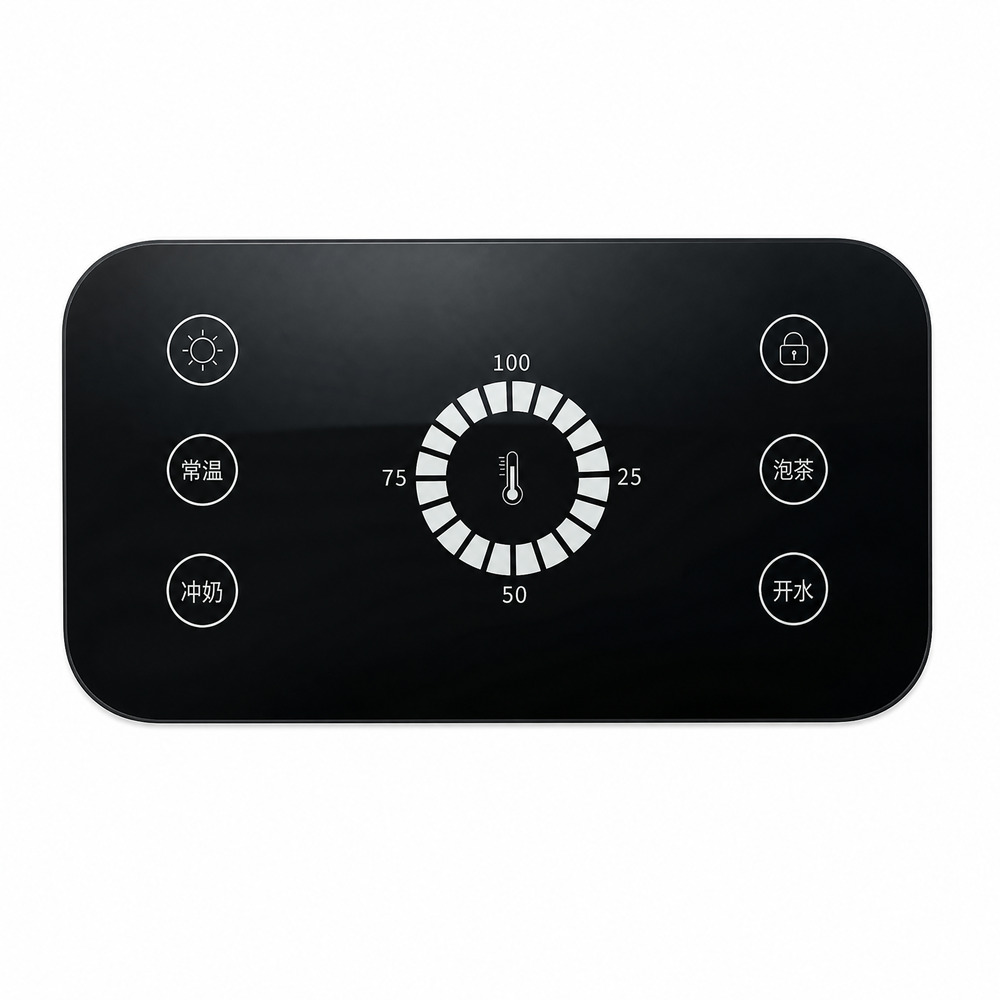
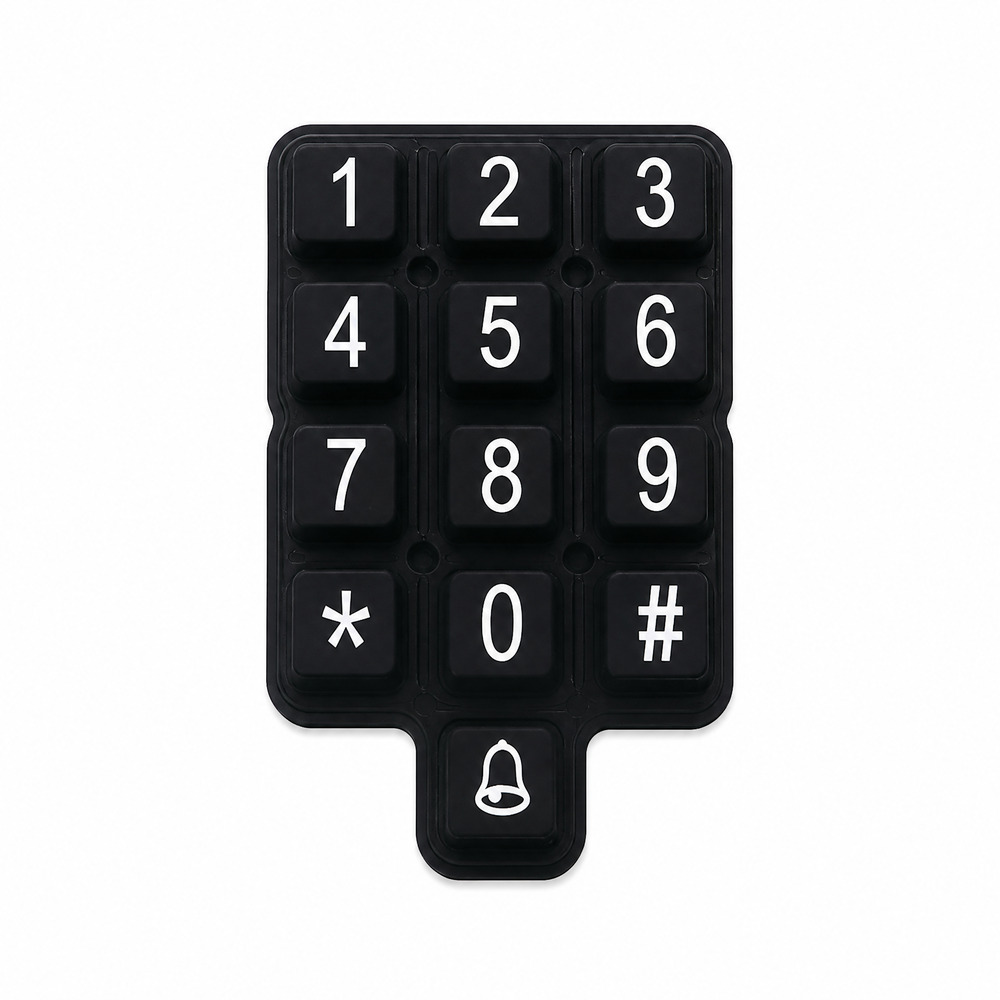
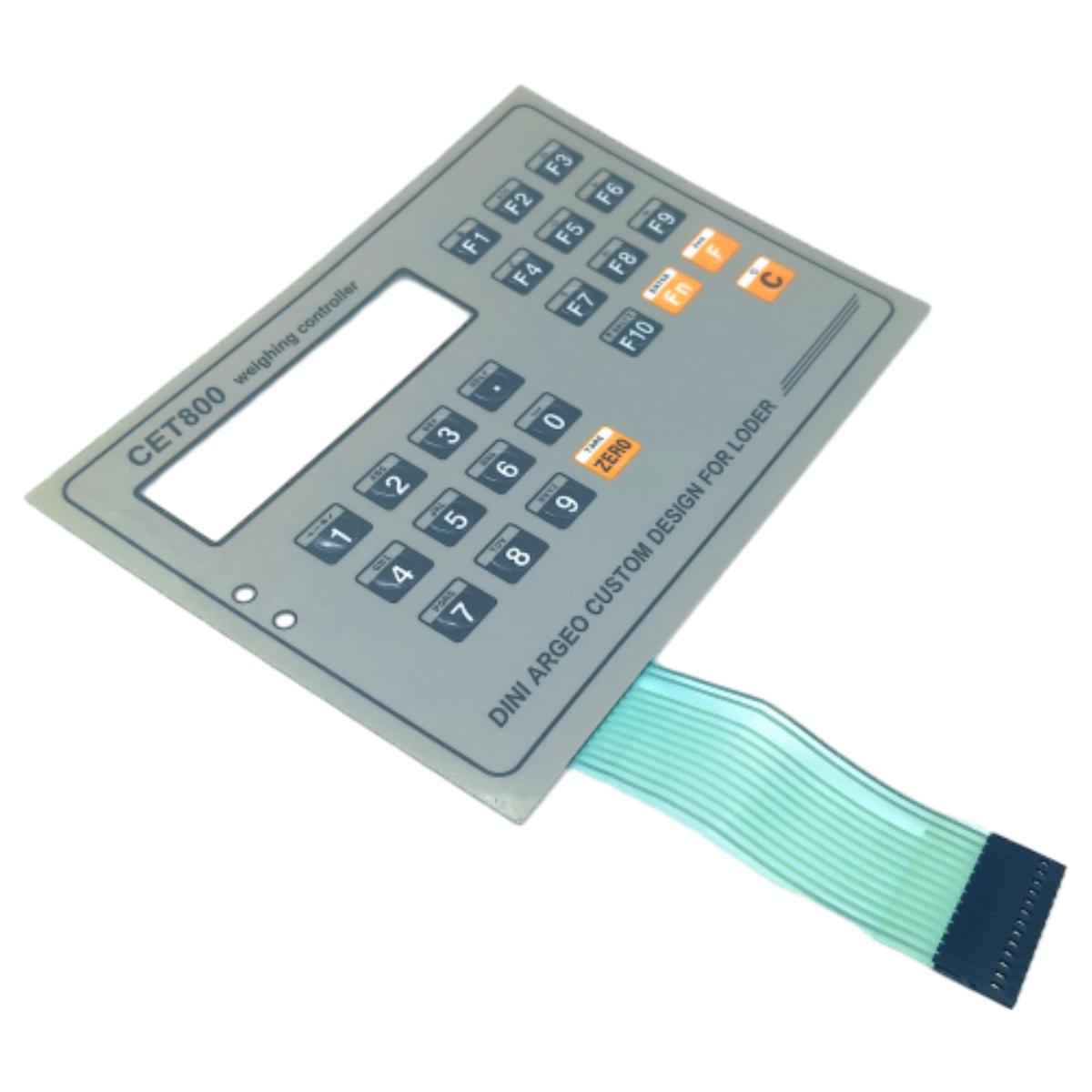
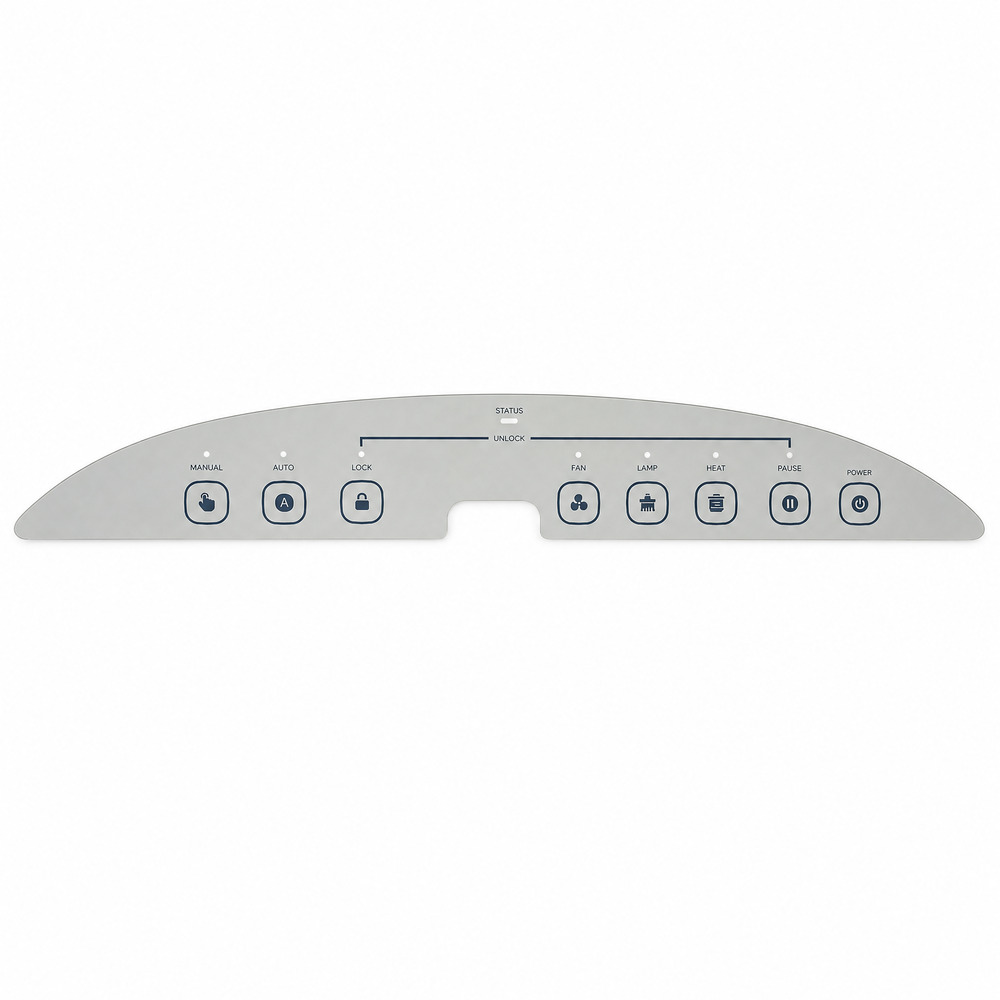
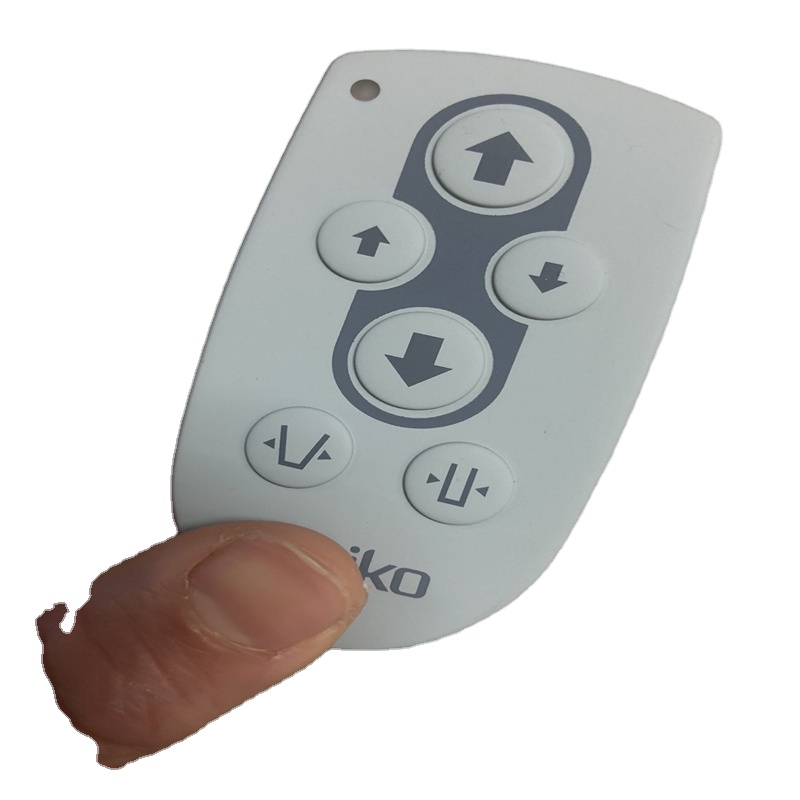
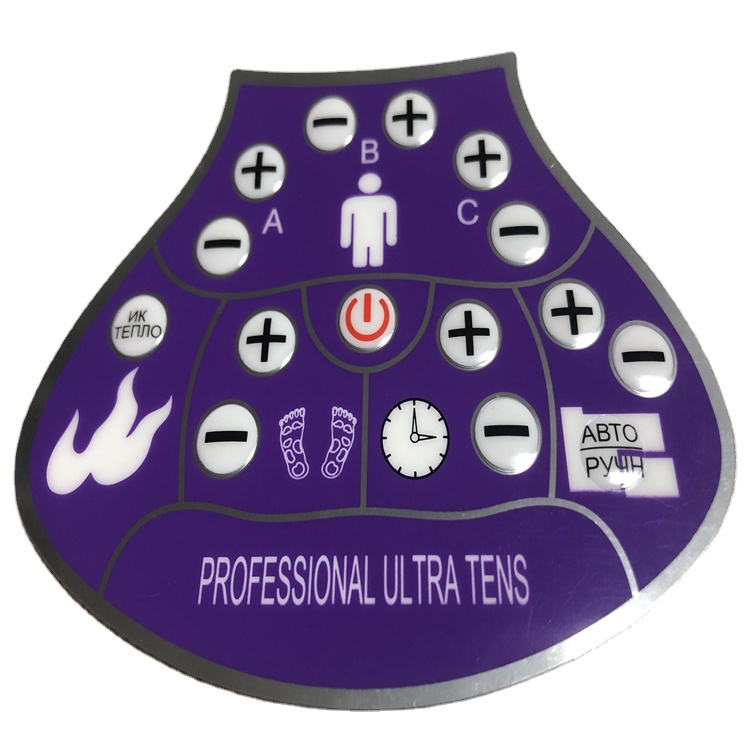
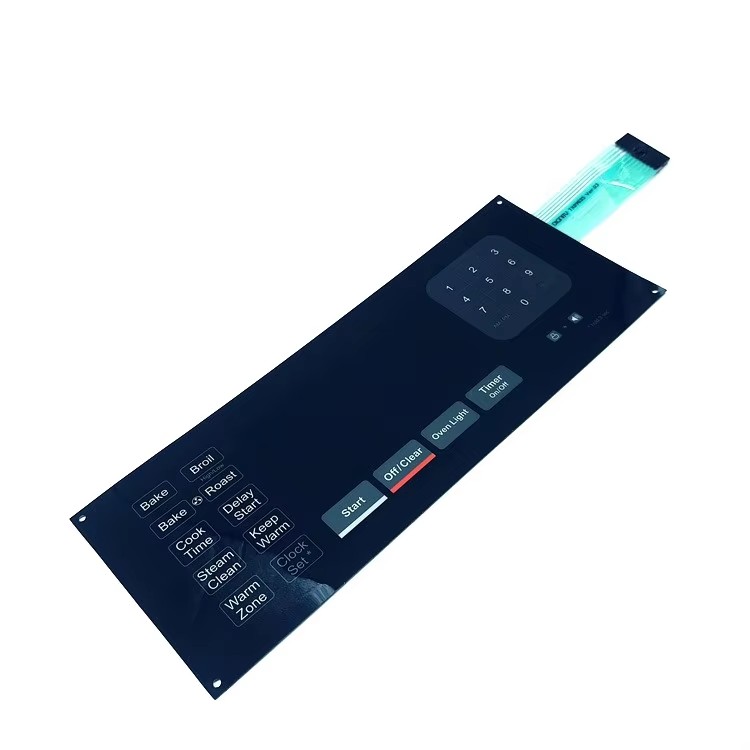
Analyzing procurement dynamics, interface survivability, and manufacturing standards across Texas's Silicon Prairie.
The Dallas–Fort Worth (DFW) metroplex represents one of North America's most dynamic and high-density industrial design hubs. Known as the epicenter of the Texas "Silicon Prairie," Dallas is home to an expansive network of defense contractors, telecommunication infrastructures, medical equipment developers, and high-temperature oilfield instrumentation manufacturers. Within these sophisticated sectors, the printed front overlay—often referred to interchangeably as a graphic overlay, front fascia, or faceplate—serves as the primary human-machine interface (HMI). It is not merely an aesthetic graphic skin; it is a critical dielectric barrier, ingress seal, and tactile communication channel that protects delicate underlying electronics from catastrophic failure.
Historically, DFW hardware OEMs faced a critical dilemma: either rely on local contract converters who charge exorbitant NRE tooling costs with extended multi-week lead times, or navigate fragmented offshore sourcing devoid of deep technical Design-for-Manufacturability (DFM) oversight. As Dallas-area engineering firms accelerate iterative agile development, the demand has shifted dramatically toward vertically integrated manufacturing partners who possess direct cleanroom screen printing, precision die-cutting, laser profiling, and multi-layer environmental bonding capabilities under a unified ISO 9001 certified roof.
Lockheed Martin, Bell Flight, and Raytheon supply chains demand ITAR-ready materials, EMI/RFI shielding grids, NVIS (Night Vision) compliant LED filtering, and MIL-STD-810 sand/fog resistant overlay textures.
Centered around UT Southwestern and Plano's biomedical corridor, medical devices require non-porous antimicrobial textured films (such as Autotex AM) that withstand hospital disinfectant wipe-downs without hazing.
Petrochemical, drilling, and pipeline telemetry enclosures operating in West Texas withstand intense UV radiation, high ambient temperatures exceeding 50°C, and direct contact with caustic hydrocarbons.
The Richardson Telecom Corridor relies on high-density server rack front panels featuring dead-front status iconography, anti-glare display windows, and electrostatic discharge (ESD) suppression circuits.
How cutting-edge printing chemistry, tactile engineering, and capacitive sensing are redefining user interfaces.
Industrial design in North Texas is shifting away from generic mechanical push-buttons toward integrated, low-profile smart surfaces. In particular, Dallas hardware innovators are combining tactile responsiveness with hermetic ingress sealing. The prevailing engineering trends transforming front overlay architecture include:
Texas sunlight degrades standard polycarbonates within months. Modern designs implement biaxially oriented, UV-stabilized outdoor polyesters (Autotex XE) with sub-surface reverse screen-printing to resist yellowing and embrittlement.
Traditional tactile switches are now augmented with Force Sensitive Resistor (FSR) ink matrices and capacitive touch traces behind seamless 0.175mm front foils, achieving zero-crevice IP67 washdown compliance.
Selective UV-cured hard-coat finishes create smooth clear LCD display windows while applying fine-velvet or suede matte textures on the surrounding body, eliminating visual reflections under bright outdoor sun.
With hardware startup incubators across Dallas and Austin launching specialized IoT devices, manufacturers utilize laser die-cutting and high-definition UV flatbed digital printing to build 1-piece prototypes without hard tooling delays.
Selecting the exact polymer film and structural pressure-sensitive adhesive (PSA) to guarantee lifecycle reliability.
A failed front overlay is frequently the result of an incorrect adhesive pairing or substrate degradation under environmental stress. Engineering teams in North Texas must balance optical clarity, actuation fatigue, and chemical resistance when assembling bill-of-materials (BOM) documentation:
| Substrate Material | Flexural Life (Cycles) | Thermal Stability | Chemical & Solvent Resistance | Key Applications in DFW Market |
|---|---|---|---|---|
| Polycarbonate (Lexan 8010 / 8A35) | ∼100,000 cycles (Moderate) | -40°C to +130°C | Low (Attacked by MEK, aromatic hydrocarbons) | Indoor instruments, IT server bezels, cost-effective flat panels. |
| Polyester (Autotex V200 / F150) | >5,000,000 cycles (Superior) | -40°C to +85°C | High (Resistant to alcohols, cleaning agents, oils) | Medical diagnostic equipment, industrial HMIs, high-use keypads. |
| Outdoor UV Polyester (Autotex XE) | >5,000,000 cycles (Superior) | -40°C to +85°C (UV Shielded) | High (Withstands weathering and solar exposure) | Oil & gas telemetry, outdoor fueling kiosks, agricultural controls. |
| PMMA / Acrylic (Optix / Plexiglas) | Rigid (Non-tactile only) | -30°C to +70°C | Moderate (Excellent optical transmission) | Heavy-duty protective gauge lenses, scratch-resistant meter faces. |
Substrate selection is only half the equation. The overlay must adhere permanently to cast aluminum, ABS, powder-coated steel, or polycarbonate enclosure bezels. Our engineering team routinely incorporates high-performance acrylic adhesives:
An impartial, procurement-focused review of top local converters, national specialists, and global direct OEM producers supplying DFW OEMs.
Over two decades of precision HMI fabrication, vertically integrated engineering, and direct export mastery.
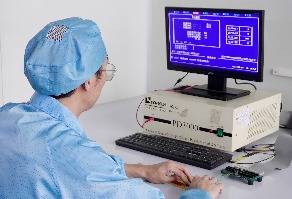
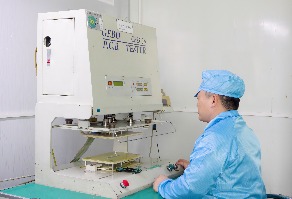
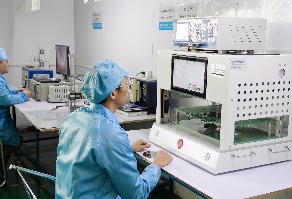
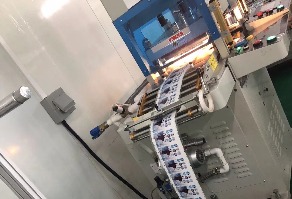
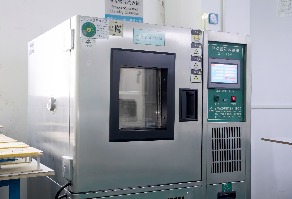
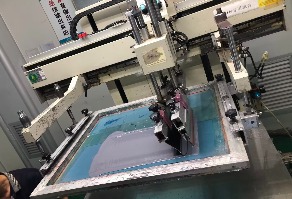
Founded in 2003 in Fenggang Town, Dongguan, Ravo Electronics has expanded from a dedicated 8-person engineering group into a fully certified 12,000 m² production powerhouse. We design, silkscreen print, die-cut, assemble, and 100% electrically test printed front overlays, membrane switches, capacitive panels, flexible printed circuits (FPC), and thin-film pressure sensors under one roof. Our agile engineering model provides Dallas procurement managers with distinct strategic advantages:
Technical and commercial answers addressing tooling, environmental ingress, materials, and international logistics.
Utilizing our digital flatbed printing and precision laser cutting lines, standard custom prototypes ship in 5 to 7 business days following drawing sign-off. Air express to Dallas/Fort Worth International Airport (DFW) takes an additional 3 to 4 business days.
Powder-coated metal enclosures are Low Surface Energy (LSE) materials with microscopic surface textures. We engineer these assemblies exclusively with 3M 300LSE (such as 3M 9472LE or 8153LE), which exhibits exceptional peel adhesion over textured finishes.
Yes. Dead-front legends appear completely invisible (matching the dark front background) until illuminated from behind by internal LEDs. We achieve this through calibrated translucent smoke ink densities and light-blocking mask printing.
Rim embossing raises only the perimeter border of the key, guiding the operator's fingertip into the center of the key. Pillow embossing elevates the entire key pad area smoothly. Both provide critical tactile orientation for gloved technicians in industrial environments.
Achieving IP67 involves printing continuous perimeter adhesive gaskets (unbroken by vent channels) and incorporating internally vented dome channels that breathe inside the sealed enclosure rather than venting to ambient atmosphere.
Yes. We routinely provide Certificates of Conformance (CoC), material lot test reports, RoHS 3 (EU 2015/863) certifications, REACH declarations, and ISO 9001 factory inspection records with every production shipment.
Please share vector artwork (AI, EPS, or vector PDF) specifying Pantone PMS color codes, alongside a 1:1 mechanical drawing (DXF, DWG, or STEP) depicting cutout dimensions, window locations, embossing zones, and tail pinouts.
We offer flexible shipping terms including DAP and DDP directly to your dock via DHL, FedEx, or UPS Air Express. Customs clearance paperwork and HS tariff codes are handled completely by our export team.
Send your CAD files or interface specifications today. Our senior engineering team will return a complete DFM manufacturability review, layer stack optimization, and direct factory pricing within two hours.
