EN
 DE
 FR
 ES
 RU
 JA EN DE FR ES RU JA
Custom-engineered Force Sensitive Resistors, silicone keypads, and graphic overlays manufactured under strict ISO 9001 quality controls.
Tactile pressure sensors—frequently designated as Force Sensitive Resistors (FSRs) or thin-film force sensors—represent a cornerstone of modern Human-Machine Interfaces (HMI) and structural health monitoring systems. As industrial equipment, medical controls, and oceanographic vessels deployed in region hubs like Kolonia (Pohnpei State, Federated States of Micronesia) face aggressive environmental stress factors such as 90%+ relative humidity, ambient salt fog, thermal cycling, and continuous mechanical stress, standard off-the-shelf membrane assemblies routinely suffer from delamination, silver ink electromigration, and signal drift.
This technical paper outlines the piezoresistive sensing physics, advanced substrate selections, conductive ink stack-ups, and hermetic perimeter sealing techniques utilized by Dongguan Ravo Electronics Co., Ltd. to produce high-reliability tactile pressure sensors exported directly to Kolonia and global industrial buyers.
Core Engineering Insight: Force Sensitive Resistors do not function as static capacitive devices; they utilize polymer thick-film (PTF) physics where applied normal force reduces contact resistance between conductive interdigitated silver tracks and a specialized semiconductive carbon layer. Minimizing sensor hysteresis under oceanic conditions requires micro-gap dielectric spacer calibration and stress-relaxed PET/Polyimide substrate selection.
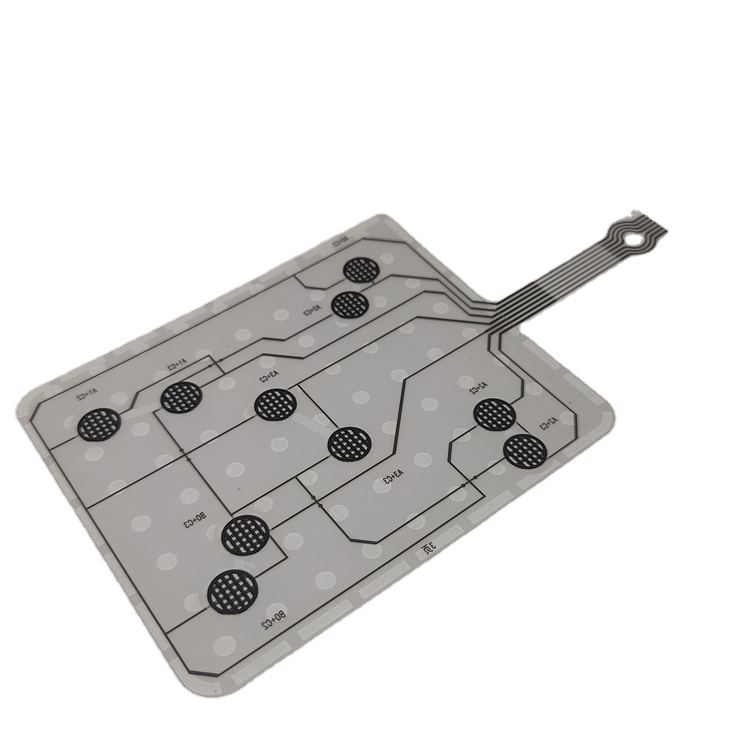
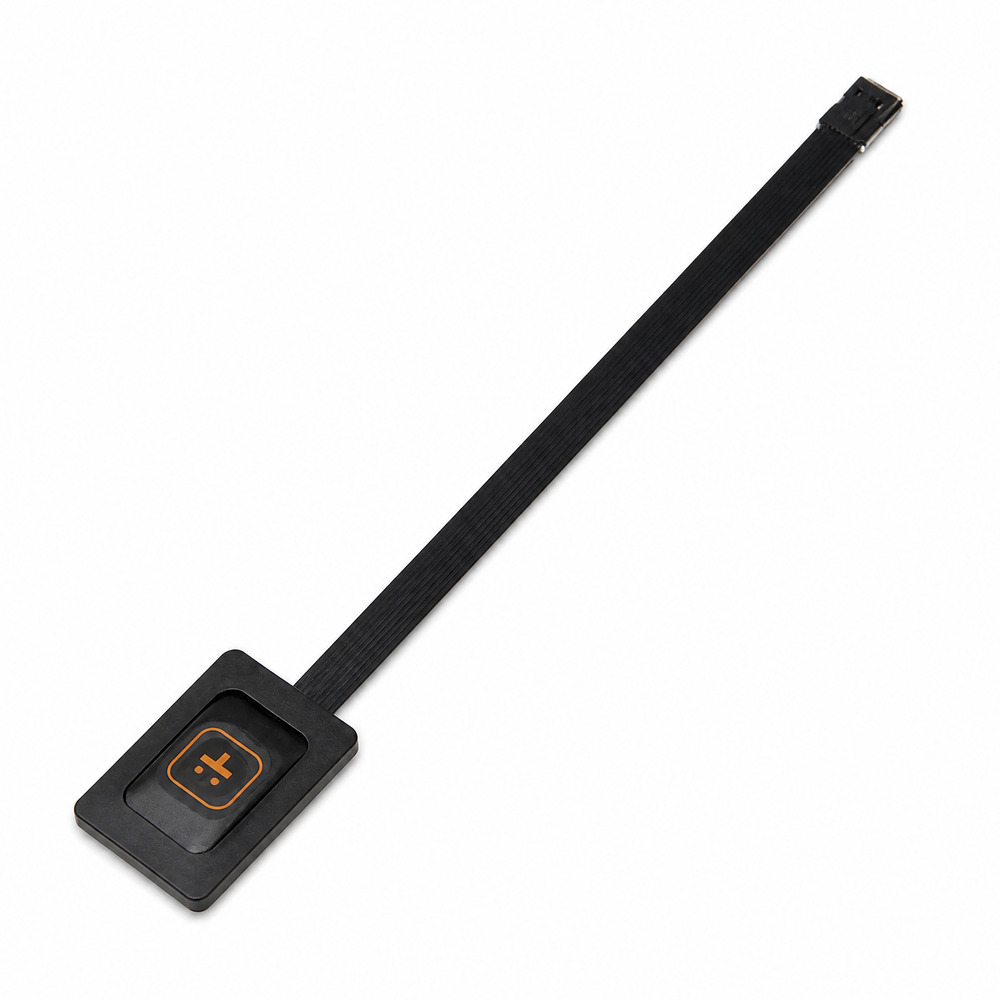
The thin-film tactile pressure sensor consists of two flexible substrate layers separated by a micro-thin dielectric spacer die-cut with an active sensing window:
| Parameter Spec | Standard FSR Film | High-Precision Matrix Tactile Sensor | Subsea / Marine Grade (Kolonia Spec) |
|---|---|---|---|
| Force Sensing Range | 0.1 N – 20 N (10g to 2kg) | 0.05 N – 100 N (5g to 10kg) | 0.2 N – 200 N (Customizable) |
| Resistance Range | > 1 MΩ (Unpressed) to < 2 kΩ (Max Force) | > 10 MΩ (Unpressed) to < 500 Ω (Max Force) | > 5 MΩ (Unpressed) to < 1 kΩ (Max Force) |
| Breakforce (Threshold) | ~20 grams force | ~5 grams force | ~30 grams force (Anti-vibration) |
| Hysteresis (% RF) | < 12% to 15% | < 4% to 6% | < 5% (Thermal Compensated) |
| Operating Temp Range | -20°C to +65°C | -40°C to +85°C | -30°C to +85°C (High Salt Fog) |
| Actuation Life Expectancy | > 1,000,000 actuations | > 5,000,000 actuations | > 10,000,000 actuations |
In high-salinity island climates like Kolonia, standard conductive silver tracks are highly vulnerable to electromigration—a process where moisture and voltage cause silver ions to migrate across dielectric gaps, causing catastrophic short circuits. Ravo Electronics mitigates this through a multi-layer defense stack-up:
Tailored HMI and force-sensing hardware designed for the specific industrial, marine, and medical infrastructure demands of Kolonia, Pohnpei.
Oceanographic research vessels and coastal monitoring gear docking at Kolonia Harbor require force-sensing arrays resistant to salt water immersion. Our IP67/IP68 sealed tactile switches act as pressure-compensating triggers for underwater equipment housings.
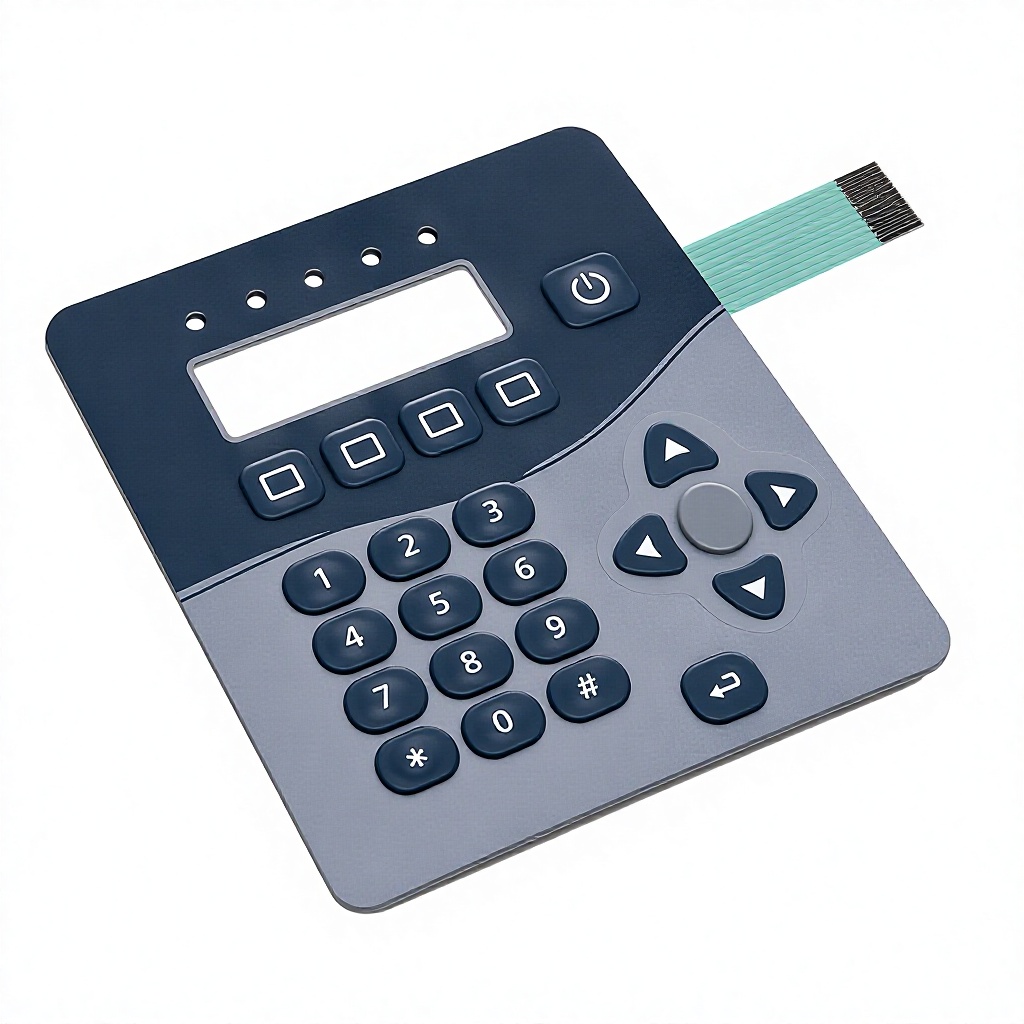
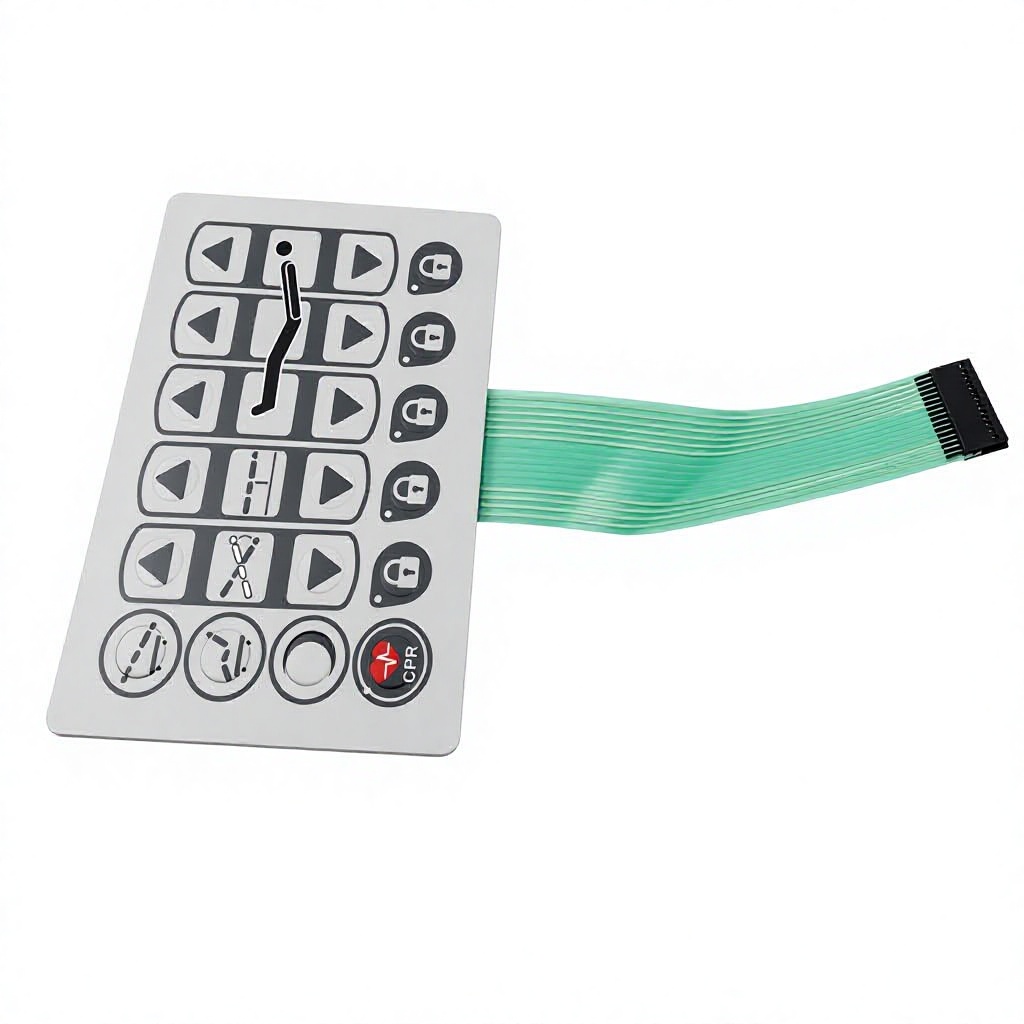
Hospitals and clinics in Kolonia demand wipe-clean, anti-microbial membrane switch keypads for patient lifters and surgical beds. Embedded tactile metal domes offer clear auditory and tactile feedback to healthcare workers wearing medical gloves.
Commercial tuna fishing fleets operating around Pohnpei rely on force-sensitive floor mat sensors and hatch door tactile switches that withstand freeze-thaw cycles (-30°C to +50°C) and heavy mechanical impact during cargo handling.
With Kolonia expanding tropical solar energy installations, our UV-resistant polycarbonate graphic overlays and tactile membrane keyboards provide weather-proof interface control for outdoor power conversion units exposed to direct tropical sunlight.
Technological evolutions driving procurement decisions for original equipment manufacturers and importers in Kolonia.
Industrial buyers in Pacific island hubs are moving away from traditional mechanical push-buttons toward flat, glass/polycarbonate touch panels that combine capacitive touch sensing for light taps with underlying piezoresistive FSR zones for high-force safety confirmation.
Remote environmental monitors across Micronesia require sensor arrays with zero static power drain. Piezoresistive FSR sensors consume zero current when unpressed, extending lithium battery lifespan in remote oceanic telemetry buoys up to 10 years.
Standard PVC overlays yellow and crack under intense Pacific ultraviolet exposure. Modern specifiers in Kolonia insist on MacDermid Autotype PET or textured PMMA films treated with hard-coat UV stabilizers and anti-glare velvet finishes.
Since 2003, Dongguan Ravo Electronics Co., Ltd. has established itself as an authoritative manufacturer and exporter of membrane switches, silicone keypads, and custom force sensors. Operating from our 12,000 m² integrated plant in Fenggang Town, Dongguan, we eliminate middlemen costs while providing white-glove engineering support for overseas buyers.
We accommodate custom prototyping from 1 to 10 pieces with zero minimum order limits on standard stack-ups, allowing engineering verification prior to full tooling investments.
Equipped with semi-automatic screen printers, laser cutters, CNC die makers, and thermoforming presses, our factory maintains full quality control from raw PET film to final packing.
Every tactile pressure sensor and membrane panel undergoes automated continuity testing, contact resistance checks, registration inspection, and force-deflection verification prior to export dispatch.
Technical and procurement answers addressing international shipping, custom specifications, and environmental ratings.
Yes. For island and marine deployments in Kolonia, we utilize 3M waterproof adhesive perimeters (such as 3M 300LSE or 9448A), full carbon-encapsulated silver ink traces, and sealed tail exit designs to achieve IP65 to IP67 environmental sealing against moisture and salt spray.
Our engineering team reviews 2D drawings (DXF, DWG, PDF) or 3D STEP files and issues a comprehensive Design for Manufacturability (DFM) assessment with stack-up recommendations within 2 hours during standard business hours.
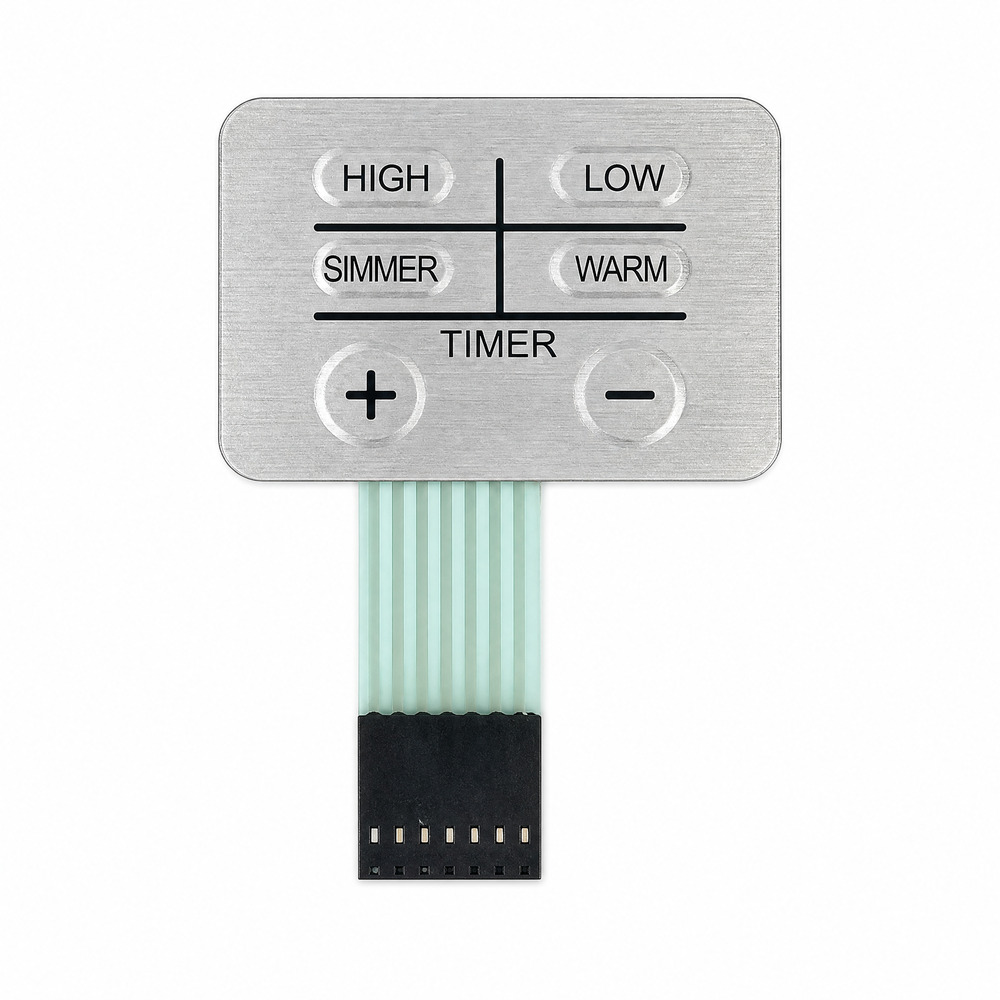
We offer standard female crimp connectors (2.54mm or 1.25mm pitch, FCI/Nicomatic), ZIF (Zero Insertion Force) bare flex tail connectors, flexible copper polyimide (FPC) tails, or direct PCB solder pin headers depending on your enclosure design.
While prototype runs start at 1 to 5 pieces, volume production runs typically start at 100 to 500 pieces. We handle all export packaging, anti-static shielding, and customs commercial documentation required for smooth clearance into Kolonia, Pohnpei.
Force sensitivity curves are adjusted by modifying dielectric spacer thickness, micro-screen mesh size during conductive ink printing, and adjusting the formulation ratios of carbon-to-binder in the sensing paste layer.
We stock premium Autotype Polycarbonate (PC), Gloss/Matte Polyester (PET), PMMA (Acrylic), and custom silicone rubber boots, allowing custom selective embossing, anti-glare window textures, and full Pantone color matching.