 EN
 DE
 FR
 ES
 RU
 JA EN DE FR ES RU JA
Engineered to withstand extreme environmental thermal gradients, mechanical cycles, and rigorous washdown standards across Colorado aerospace, biomedical, and industrial applications.
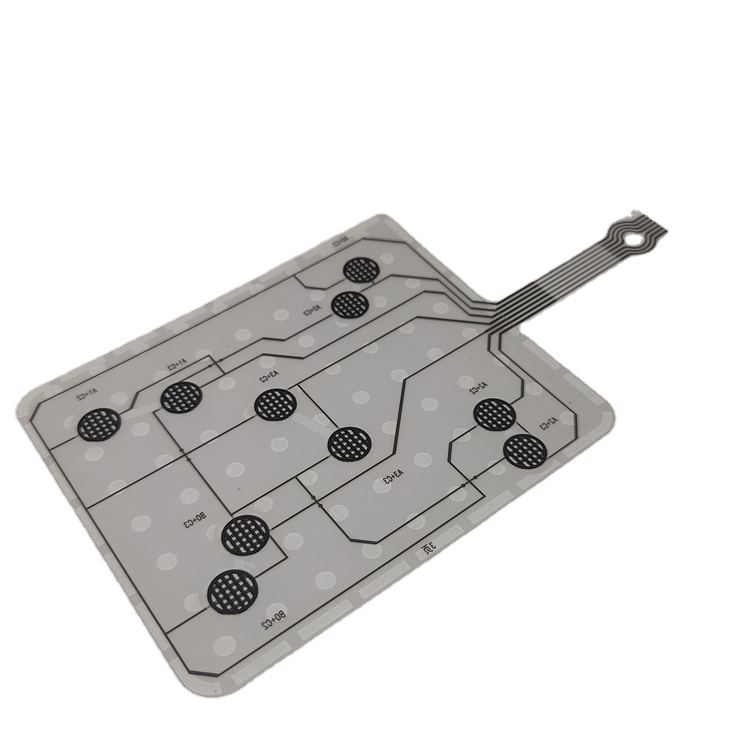
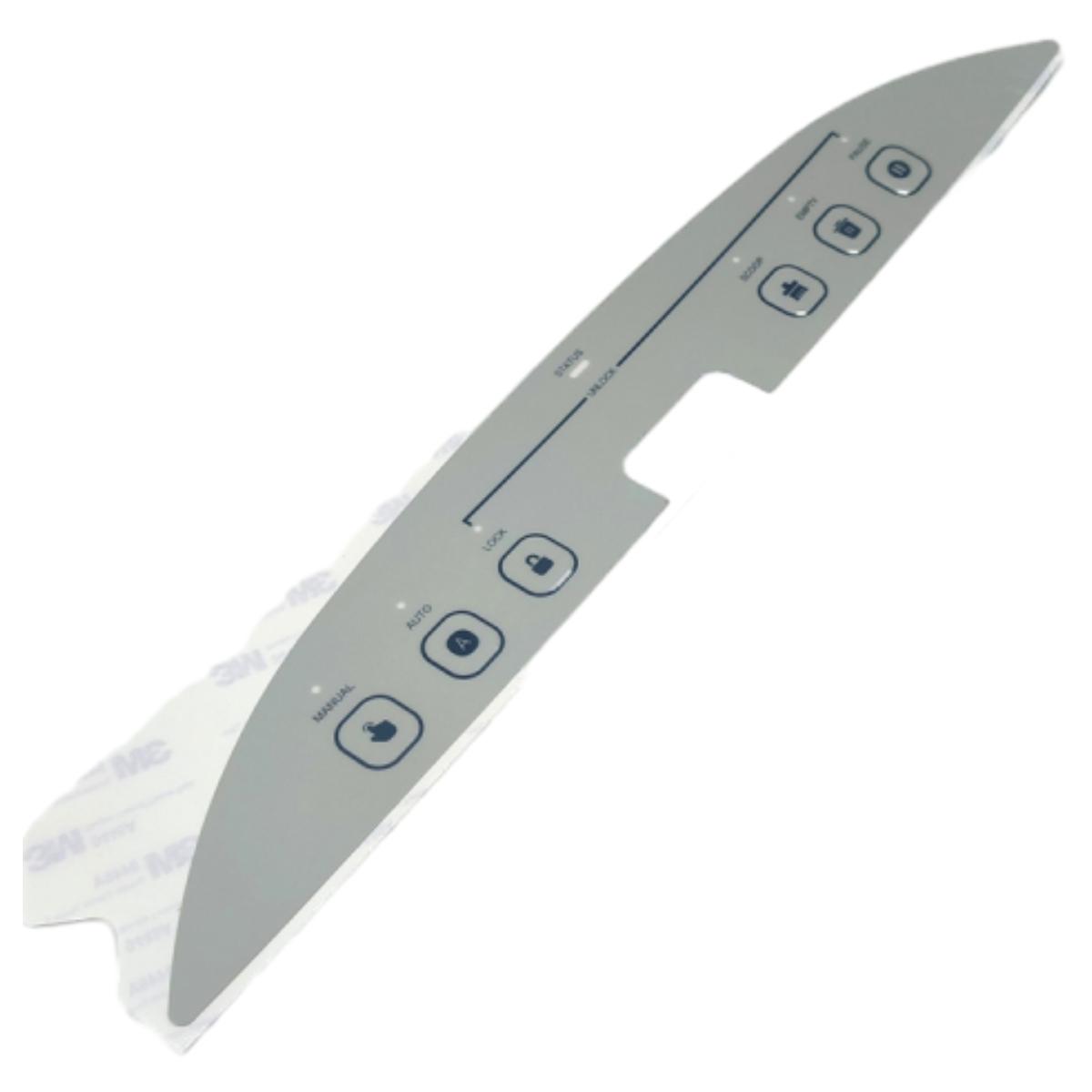
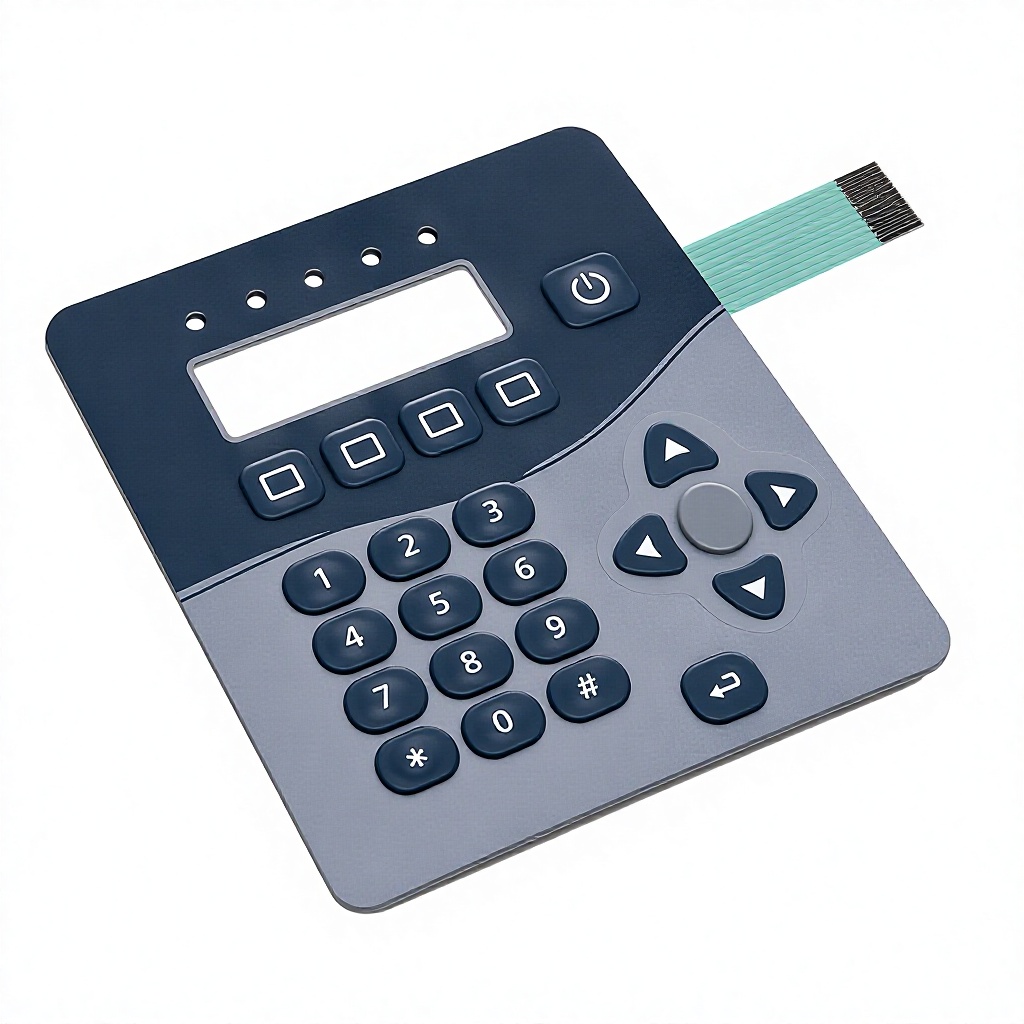
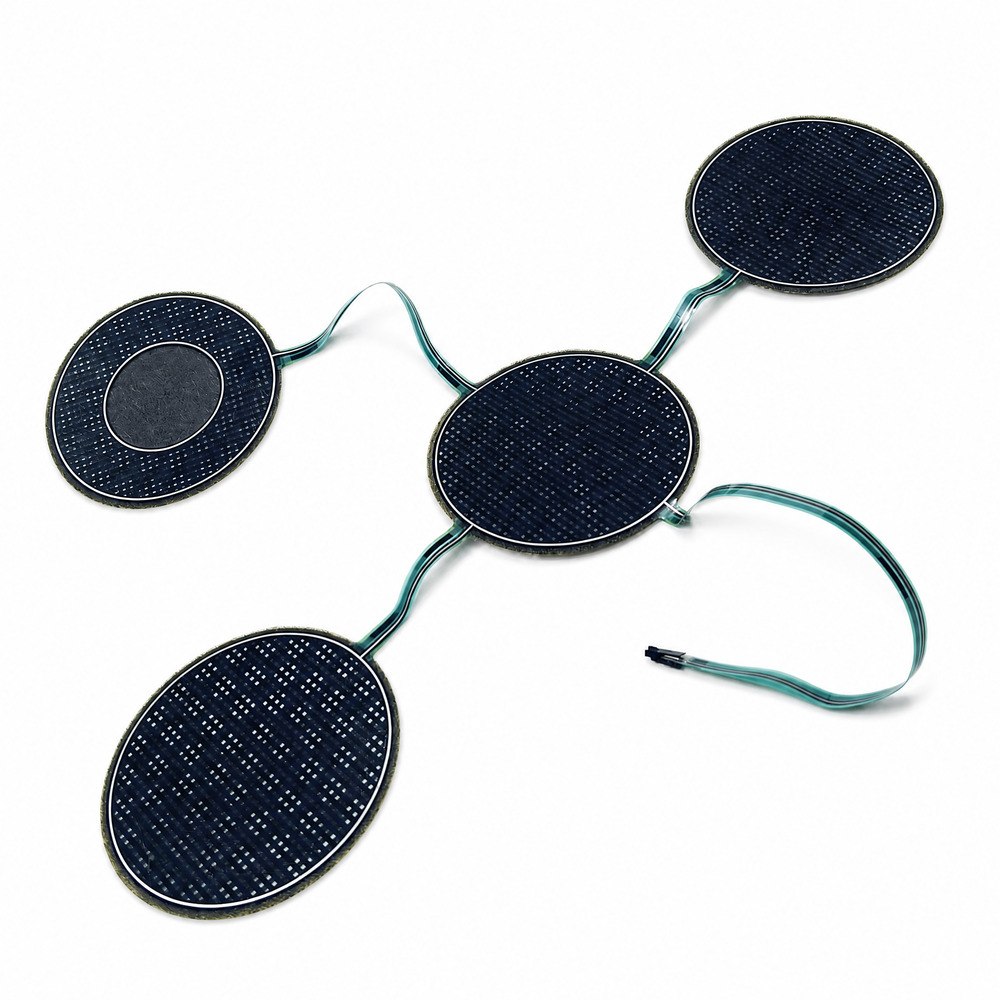
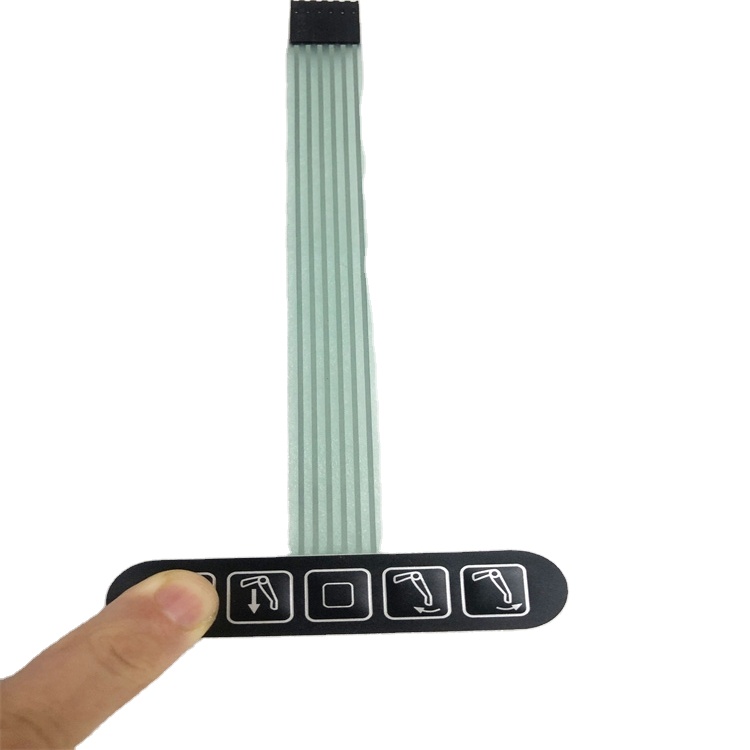
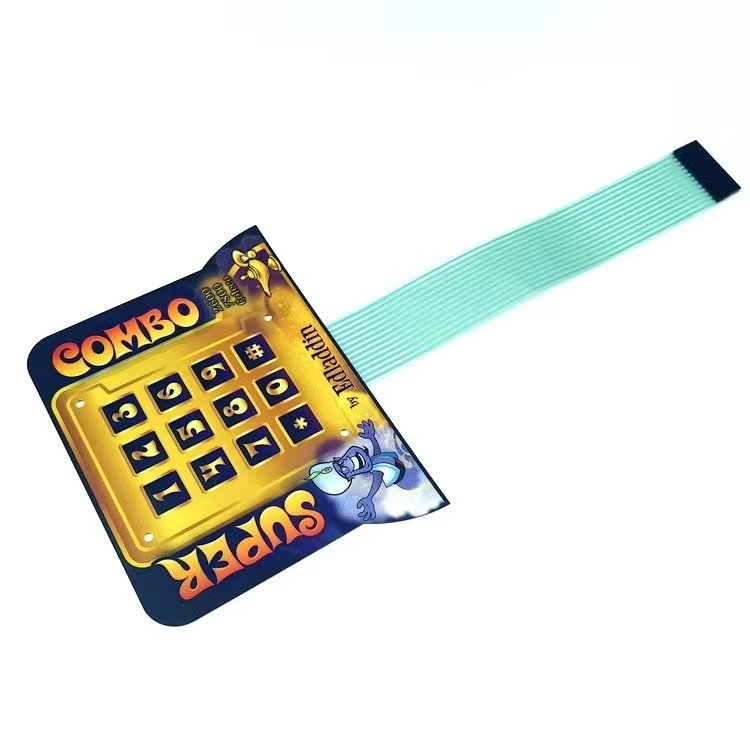
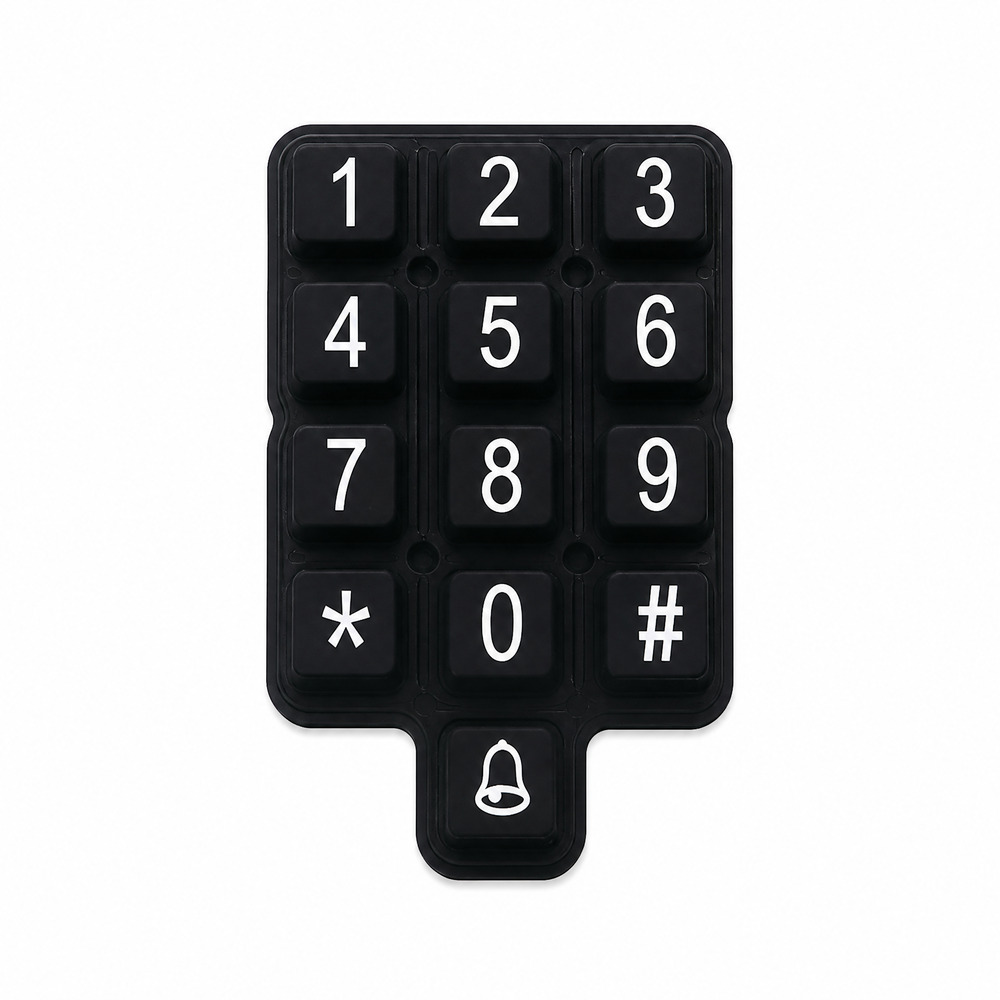
For electronic design engineers and procurement leads operating along the Denver–Aurora–Boulder corridor, specifying human-machine interfaces (HMIs) demands an acute understanding of contact physics. A tactile metal dome switch relies on the controlled mechanical inversion of a precision-formed stainless steel dome (SUS301 or SUS304 alloy) across an air gap above an open circuit trace.
The operator perception of tactile feel is governed by the Tactile Ratio (Snap Ratio), mathematically defined as:
Snap Ratio formula: SR = (Factuation − Frelease) / Factuation × 100%
Optimal industrial tactile snap ratios range between 40% and 65%. In extreme cold field deployments across the Colorado Rockies, lower ratios risk sluggish return, while excessively stiff domes induce operator fatigue during repetitive data entry.
At Dongguan Ravo Electronics, our metal domes are custom engineered with selective plating—either pure nickel (Ni) for general rugged industrial enclosures or immersion flash gold (Au) for micro-signal and low-voltage digital circuits (<5V DC). This metallurgical precision prevents galvanic corrosion, reduces contact bounce to under 5 milliseconds, and keeps loop resistance reliably below 100 Ω over 1,000,000 actuations.
Colorado’s high-tech manufacturing landscape encompasses aerospace contractors in Littleton, bioscience startups at Fitzsimons, energy tech in Golden, and environmental measurement firms throughout Boulder.
Ground support consoles, satellite testing racks, and avionics test benches across Littleton and Centennial require tactile membrane arrays with EMI/ESD aluminum foil shielding and MIL-STD-810G thermal shock resistance.
Aurora medical device innovators require hermetically sealed polyester overlays capable of withstanding daily sterilization via Isopropyl Alcohol (IPA), quaternary ammonium, and bleach compounds without clouding display windows.
Deployed in Rocky Mountain extractive corridors and solar field arrays, our sealed NEMA 4X keypads incorporate high-force stainless domes (350g–500g) enabling unambiguous actuation even through heavy leather industrial work gloves.
Scientific weather stations and avalanche transceiver controls deployed at altitudes exceeding 12,000 feet rely on integrated ePTFE hydrophobic pressure-equalizing vents to prevent altitude pillaging and air-pocket expansion.
Designing an interface switch for Denver (5,280 ft) or Rocky Mountain field conditions requires addressing unique environmental stressors that sea-level manufacturers frequently overlook.
At Denver's elevation, standard atmospheric pressure drops from 101.3 kPa to ~83 kPa. A hermetically sealed switch assembled at sea level will expand ("pillow"), resulting in switch dead-zones or false actuations. Ravo integrates engineered hydrophobic vents and internal serpentine channels to ensure zero distortion.
Colorado's semi-arid continental climate causes persistent low relative humidity (<15% RH during winter), creating extreme Electrostatic Discharge (ESD) risks. We print continuous carbon or aluminum grid grounding planes that dissipate charges up to 15 kV safely to chassis ground.
Solar irradiance is up to 25% more intense at a mile high than at sea level. Standard graphic inks fade and polycarbonate can become brittle. Ravo utilizes Autotex XE (UV-resistant textured polyester) and fluoropolymer stabilizing coats to guarantee a minimum 5-year outdoor UV lifespan.
Review key electrical, mechanical, and environmental parameters before finalizing your mechanical drawing and bill of materials (BOM).
| Switch Technology | Actuation Travel | Operating Force | Audible Feedback | Rated Life Cycles | Cold Tolerance (-30°C) | Recommended Front Range Use |
|---|---|---|---|---|---|---|
| Tactile Metal Dome (SUS301) | 0.35 – 0.70 mm | 220g – 450g | Crisp, Metallic Click | > 1,000,000 cycles | Outstanding (No stiffening) | Medical instruments, aerospace ground units, industrial controllers |
| Polydome (Thermoformed PET) | 0.20 – 0.40 mm | 150g – 280g | Soft, muted click | > 300,000 cycles | Moderate (PET stiffens) | Indoor test fixtures, smart home devices, white goods |
| Capacitive Touch Membrane | 0.00 mm (Solid State) | 0g (Touch sensing) | None (Needs buzzer/LED) | Virtually Unlimited | Excellent | Sterile diagnostic consoles, hygienic laboratory equipment |
| Silicone Elastomer Overlays | 0.80 – 2.00 mm | 100g – 250g | Soft ergonomic return | > 500,000 cycles | High (Silicone remains pliable) | Rugged hand-held military radios, outdoor survey gear |
| Rigid PCB Backer Switch | 0.40 – 0.60 mm | 280g – 500g | Sharp, clear click | > 1,500,000 cycles | Outstanding | High-vibration machinery, power inverters, robotics interfaces |
Since 2003, Dongguan Ravo Electronics Co., Ltd. has served as the contract manufacturer of choice for high-mix, high-reliability HMI products. Operating from our vertically integrated 12,000 m² production complex, we perform precision screen printing, automated CNC die-cutting, cleanroom SMD LED assembly, vacuum lamination, and 100% electrical continuity testing in-house.
By bypassing domestic brokers and middle distributors, Denver engineering teams work directly with experienced HMI toolmakers and material engineers. We offer seamless CAD-to-prototype support, allowing you to validate tactile feedback, backlighting uniformity, and enclosure fit within days.
Send DWG, DXF, or STEP models and receive detailed manufacturing feedback within 120 minutes during working shifts.
Validate form, snap ratio, and ribbon tail pinout on pilot runs without punitive tooling minimums.
Strict traceability, RoHS & REACH compliant materials, and comprehensive optical & ohmic test reports with every shipment.
Daily express air freight lanes direct to Denver International Airport (DIA), clearing customs in 3 to 5 business days.
Direct answers to common questions surrounding prototyping, environmental sealing, atmospheric venting, and freight logistics into Colorado.
Because barometric pressure in Denver is ~17% lower than at sea level, air sealed inside dome cavities will push upward against the overlay. If unvented, this causes overlay delamination or "mushy" tactile feedback. We solve this by engineering internal perimeter channels linked to an exterior breathable hydrophobic ePTFE vent (such as Gore-Tex), preventing moisture entry while balancing internal and external pressures dynamically.
Yes. We specialize in rapid-turnaround NPI (New Product Introduction) workflows. Using digital plotting cutters and laser-etched tooling, we produce functional prototypes from as few as 1 to 5 pieces. Standard prototype runs typically ship within 7 to 10 working days directly to your development lab in Denver, Boulder, or Fort Collins via DHL or FedEx Express.
Many Front Range rugged enclosures are made of die-cast aluminum or powder-coated steel. Standard adhesives can lift on textured surfaces. We specify 3M 467MP for smooth metallic surfaces or 3M 300LSE / 3M 9472LE for powder-coated or low surface energy (LSE) plastic enclosures. These provide peel strengths exceeding 30 oz/inch even across thermal cycling between -40°C and +85°C.
Silver ink screen-printed on PET is the industry standard for cost-effective, multi-layer membrane keypads. However, when your interface requires high-density pitch tails (e.g., 0.5mm or 1.0mm ZIF connectors), tight bend radii, or heavily populated surface-mount LEDs/resistors, we recommend a Polyimide Copper Flexible Printed Circuit (FPC). Copper FPC handles higher current loads and eliminates silver migration concerns in humid environments.
We utilize precise spectrophotometer color measurement matching Pantone Matching System (PMS) and RAL references. We print color-control coupons before production runs. Graphic overlays are second-surface printed (on the reverse side of clear optical-grade PET or PC), ensuring that legends, gradients, and icons never wear off, even under heavy abrasion or chemical wiping.
Yes. We incorporate ultra-thin 0603 or 0805 SMD LEDs directly into the spacer layer. For uniform whole-key or icon illumination, we integrate optical-grade Light Guide Films (LGF) or side-firing LEDs with micro-diffusers. This provides high-contrast, visible night-time illumination without generating localized hot spots or excessive heat build-up.
Every production batch undergoes 100% automated electrical testing for pin-to-pin continuity, open circuits, short circuits, and contact resistance. We also provide First Article Inspection (FAI) reports, overlay thickness certifications, dome actuation force test curves, and material compliance certificates for RoHS, REACH, and UL94 flammability ratings upon request.
Following mechanical drawing approval, tooling and screen creation takes approximately 5 to 7 business days. Prototype samples typically ship within 10 to 14 days. Full-scale production lots of 500 to 10,000 pieces are typically completed and tested in 15 to 22 business days, followed by direct express delivery into Colorado.
Consult with our engineering team for detailed DFM reviews, layer stack configurations, tactile snap optimization, and altitude venting architectures. Download our full technical catalog or submit your design files for a prompt quotation.
