 EN
 DE
 FR
 ES
 RU
 JA EN DE FR ES RU JA
Precision-engineered elastomeric silicone keypads, hermetic membrane interface assemblies, and thin-film force sensors tailored for Nouvelle-Aquitaine’s demanding agritech, enological automation, aerospace, and biomedical sectors.
High-reliability tactile matrices, reverse-printed protective overlays, and dynamic conductive circuits designed for industrial performance in high-humidity and chemically aggressive environments.
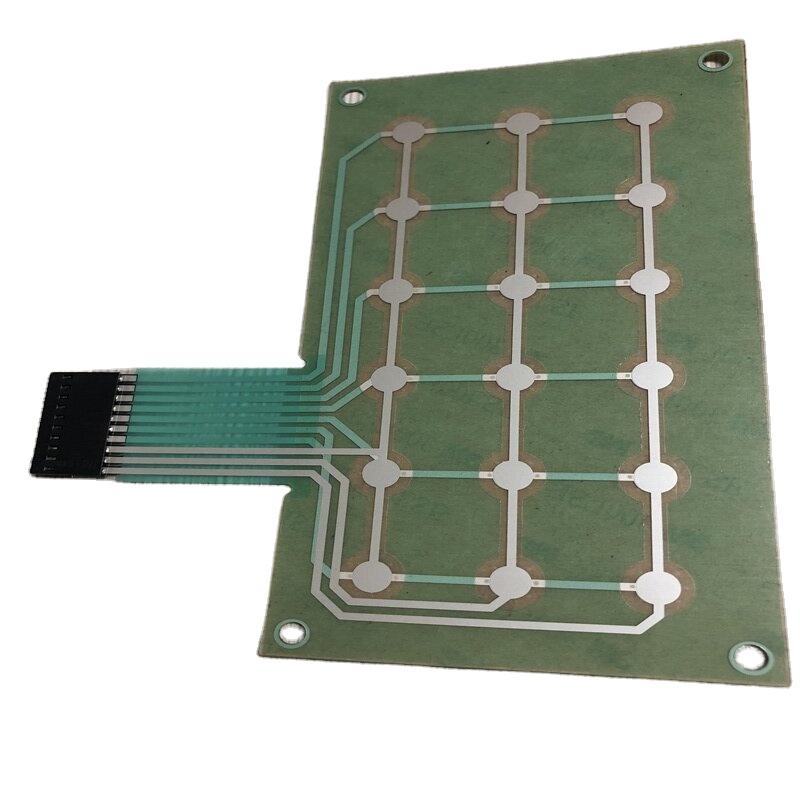
Ultra-slim profile engineered with precision silver circuits and aggressive 3M 467MP adhesive backing, delivering consistent actuation life.
Technical Specs →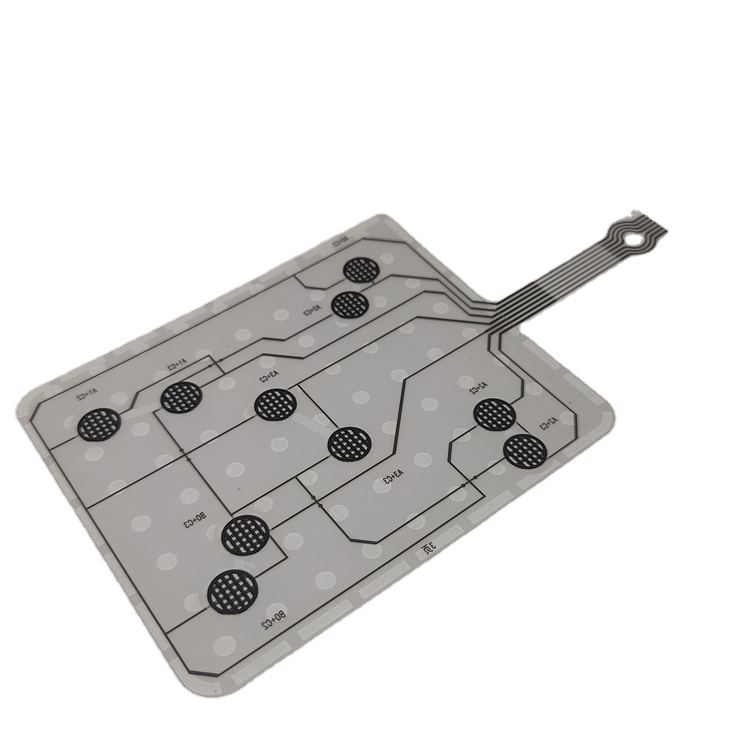
Calibrated carbon-paste sensor film designed for pressure profiling, robotics, liquid container level detection, and biomechanical telemetry.
Technical Specs →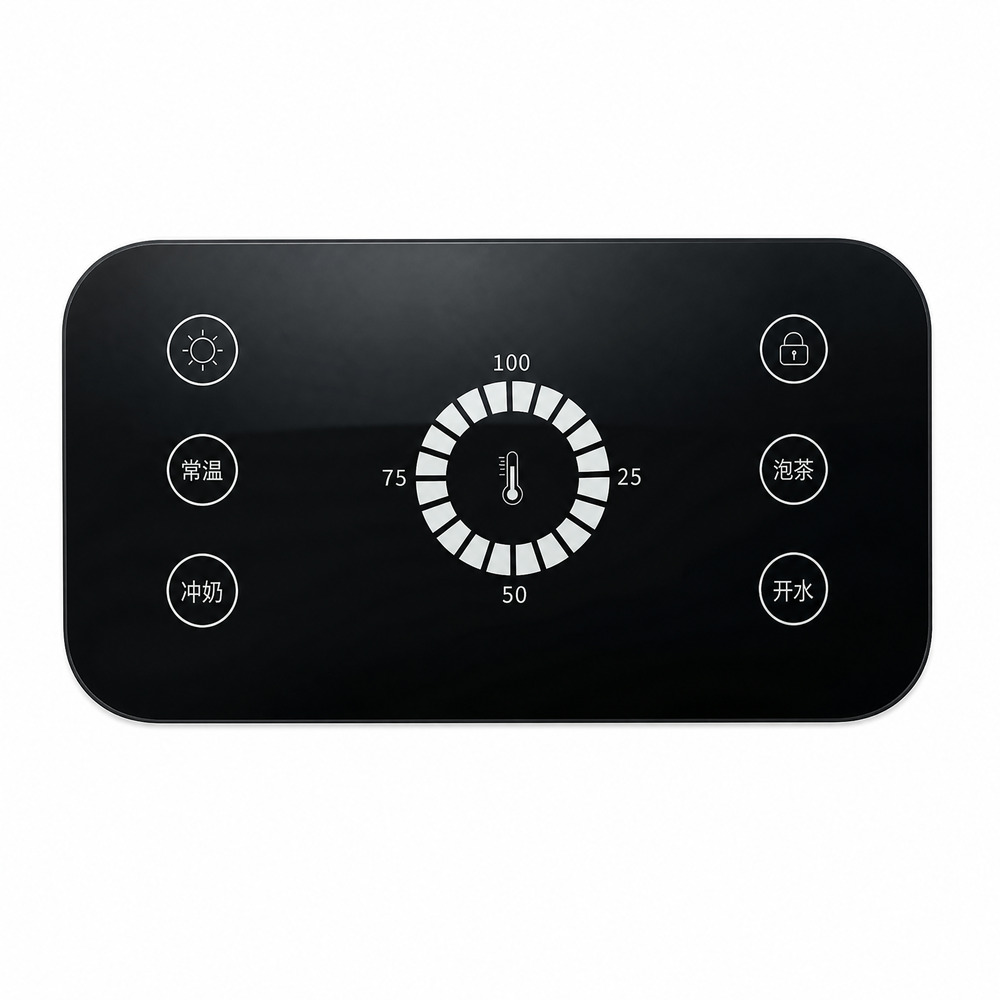
Fluid-impermeable front fascia featuring integrated surface-mount LED windows and optical-grade display filtering windows.
Technical Specs →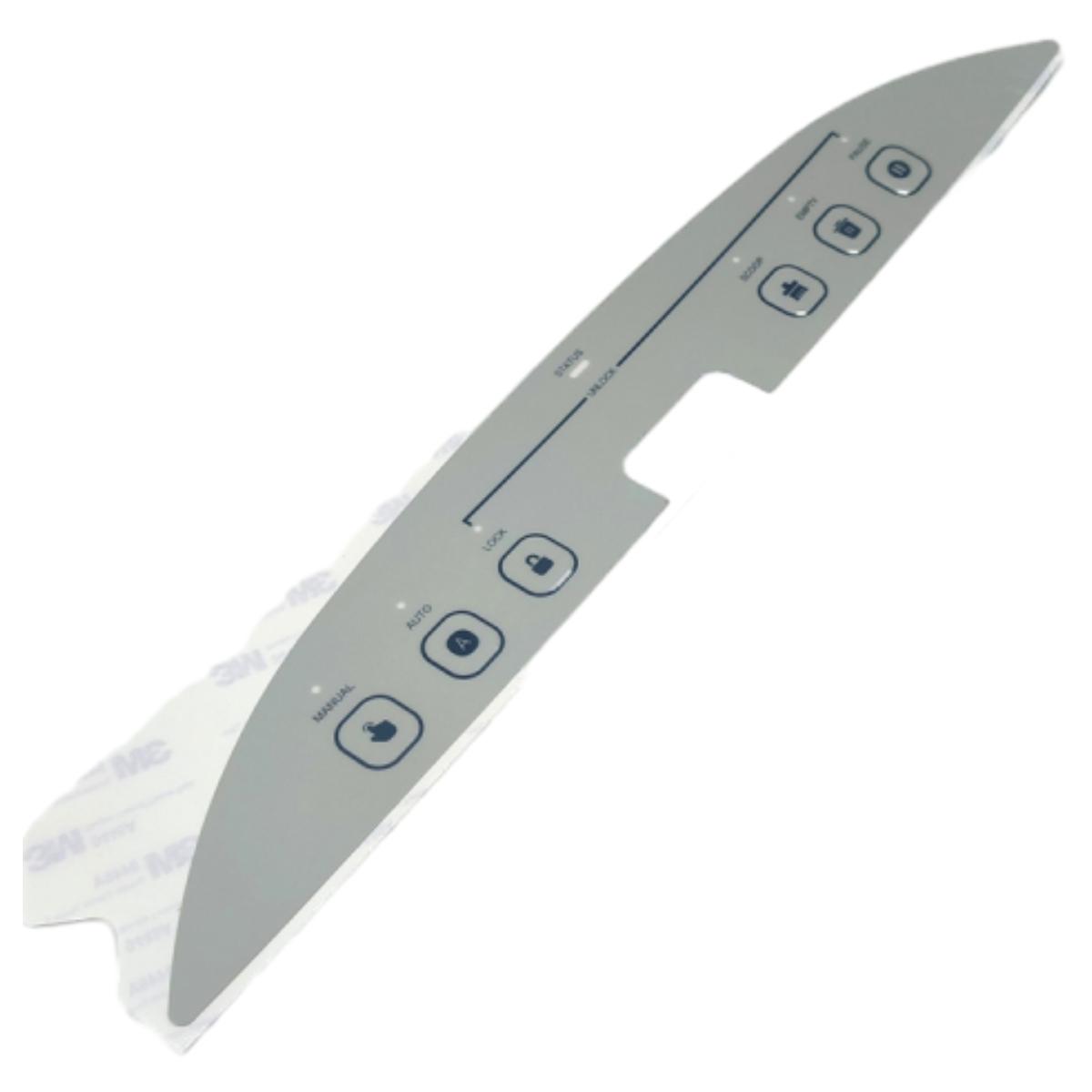
Sub-surface screen-printed graphic overlays resistant to aggressive sanitizers, ethanol washing, outdoor UV, and mechanical scuffing.
Technical Specs →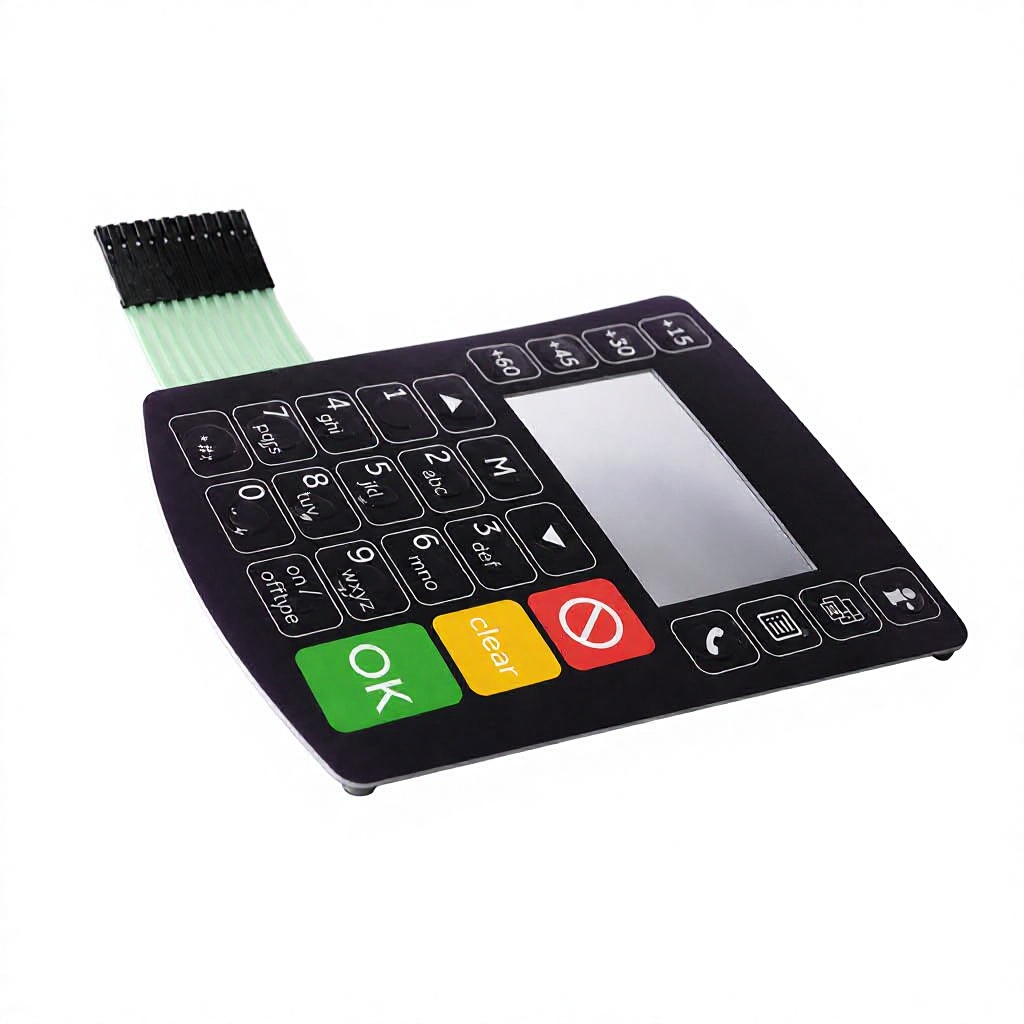
Zero-wear capacitive interface eliminating mechanical moving components, ideal for hygienic food processing and laboratory equipment.
Technical Specs →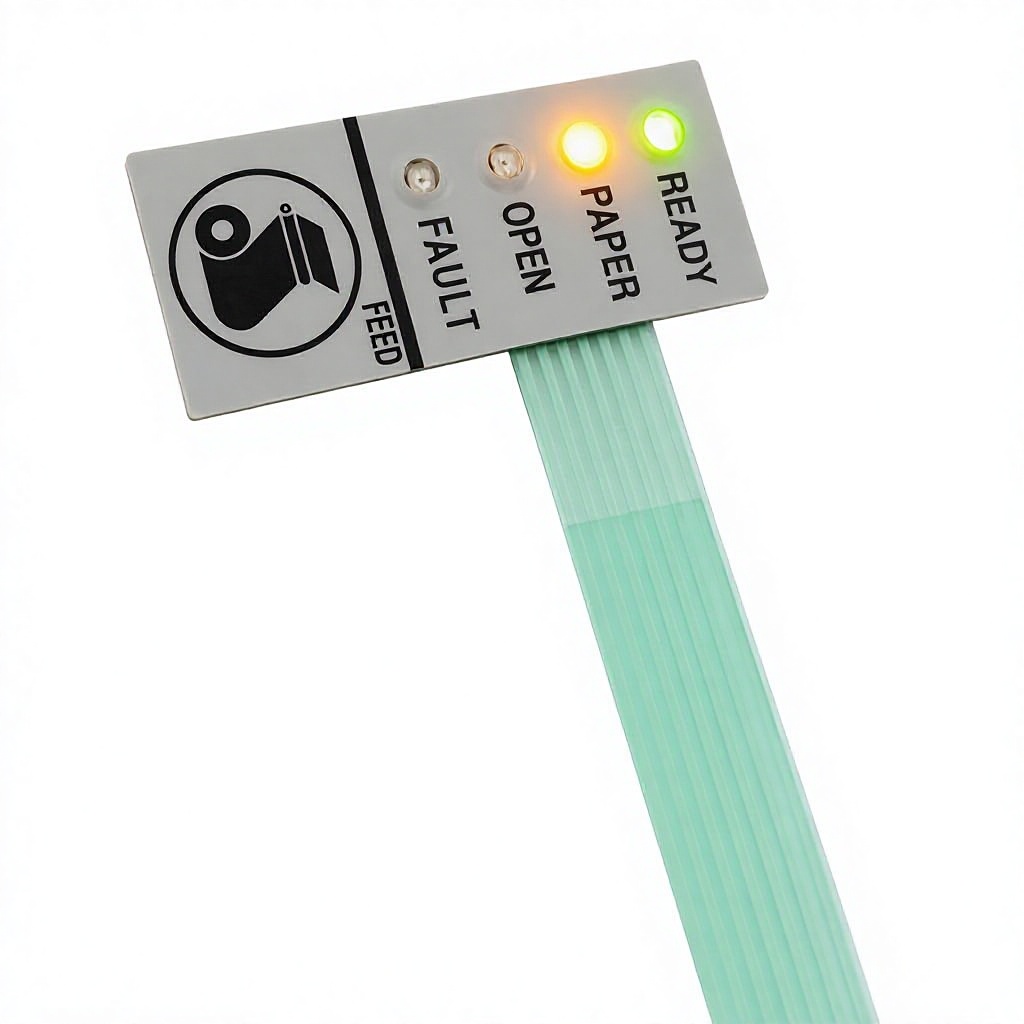
Embedded micro-LED routing paired with tactile stainless-steel domes to provide immediate audiovisual confirmation in industrial environments.
Technical Specs →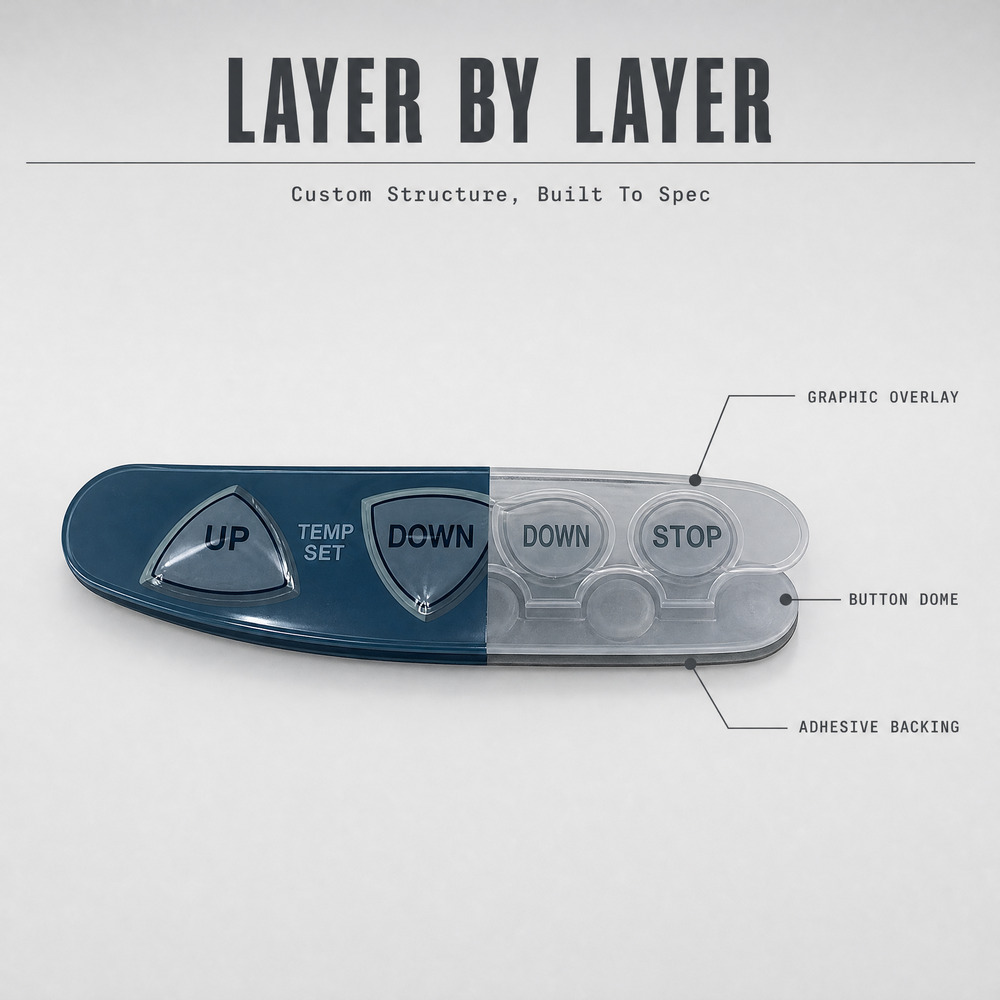
Compression-molded high-elasticity silicone rubber keypads offering laser-etched backlighting options, carbon pill contacts, and custom durometers.
Technical Specs →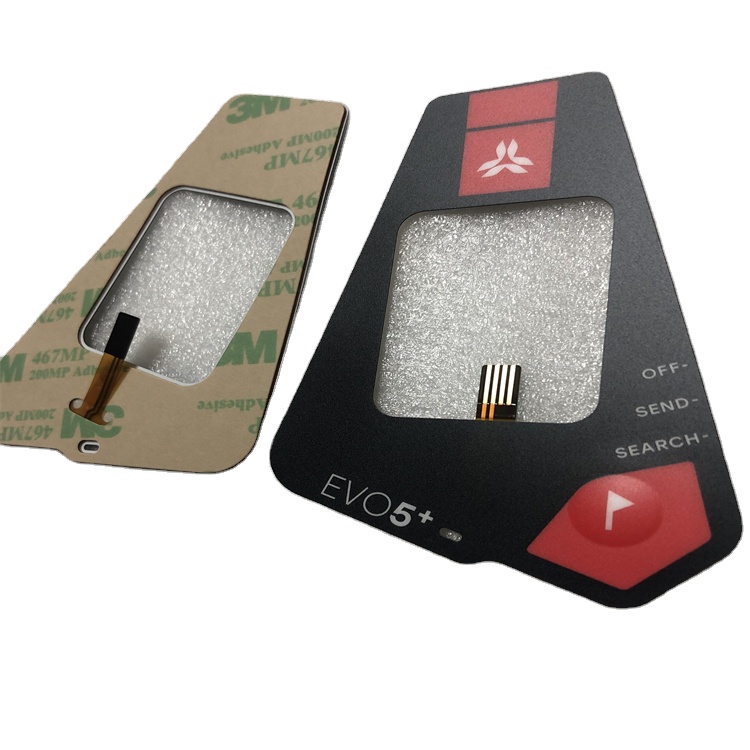
Polyimide flexible printed circuit (FPC) tail termination resisting repetitive vibration and fine-pitch interconnection mechanical fatigue.
Technical Specs →A rigorous evaluation of elastomeric switchgear deployment across the industrial ecosystems of Bordeaux and the broader Gironde territory.
The industrial landscape of Bordeaux and the Nouvelle-Aquitaine region represents a sophisticated convergence of legacy agricultural machinery, state-of-the-art enological automation, commercial aerospace (the Bordeaux-Mérignac aviation corridor), and marine instrumentation. In these environments, conventional plastic switches and unsealed mechanical key arrays consistently suffer from early degradation. The primary drivers of mechanical failure include atmospheric moisture, airborne cellar micro-flora, washdown detergents, volatile organic compounds (VOCs), and hydraulic fluid mists.
For industrial design engineers sourcing silicone button pads, the choice of elastomeric formulation is critical. Liquid Silicone Rubber (LSR) and high-consistency silicone gum (HCR) provide broad thermal stability (-40°C to +180°C) and elastic recovery. When paired with secondary processing techniques—such as polyurethane (PU) spray coatings, Parylene vapor deposition, or fluorosilicone compounding—these silicone pads exhibit complete resistance to cellar moisture, sulfur dioxide (SO2) sanitizing washes, and ethanol-based barrel washing regimes common across Saint-Émilion, Pauillac, and Graves bottling facilities.
Achieving crisp, repeatable tactile actuation requires careful calculation of the elastomeric switch web profile. The actuation force (typically ranging between 120g and 300g) and snap ratio (the ratio of peak force to return force, ideally maintained between 40% and 60%) dictate whether an operator wearing heavy industrial nitrile or leather safety gloves receives reliable tactile feedback. By combining conductive carbon pills (resistance <100Ω) or gold-plated metal domes with perimeter sealing bezels, Ravo delivers HMI switchgear that meets rigorous IP67 and IP68 ingress protection standards without compromising tactile performance.
Continuous adhesive gaskets utilizing 3M 467MP/9448A and molded silicone rim lips isolate internal trace circuits from steam washdowns, airborne cellar dust, and direct hydraulic jetting.
Finite element analysis (FEA) calibrated key webs generate positive tactile clicks that cut through vibrations on heavy grape harvesters, bottling conveyers, and field utility remotes.
Top-coat treatments using specialized matte PU or anti-fingerprint hardcoats resist breakdown from grape must, acidic winery detergents, industrial lubricants, and solar UV radiation.
Targeted switchgear solutions engineered for the specific functional and regulatory demands of Southwestern French original equipment manufacturers.
Autonomous harvesting platforms, destemmers, pneumatic membrane wine presses, and automated bottling lines deployed in Médoc, Libourne, and Pessac-Léognan. Interfaces must survive continuous high-pressure washdowns and daily exposure to acidic juices without electrical shorting.
Diagnostic spectrometers, fermentation titrators, and clinical lab equipment produced in Bordeaux Métropole. Interfaces feature completely flat, non-porous silicone button skins and flush capacitive touch films compatible with aggressive autoclaving and alcohol wipes.
Ground handling consoles in Mérignac and marine navigation controls built for the Arcachon maritime cluster. Engineered with laser-etched translucent legends, integrated backlighting, EMI/RFI shielding grids, and salt-fog corrosion immunity.
| Functional Metric | Molded Silicone Button Pad | Tactile Membrane Switch (PET) | Capacitive Glass / PET Panel |
|---|---|---|---|
| Tactile Travel & Feel | True 3D travel (0.8mm – 2.0mm) with ergonomic elastomeric snap | Crisp metallic snap dome click (0.3mm – 0.6mm travel) | Zero physical travel; audible or haptic feedback required |
| Washdown & Liquid Resistance | IP68 capability with integral molded compression perimeter gasket | IP65 to IP67 with closed perimeter acrylic adhesive tracks | IP68 hermetic front surface; highly sensitive to standing water pooling |
| Operating Temperature | -40°C to +180°C (exceptional thermal stability) | -20°C to +65°C (standard industrial grade) | -10°C to +60°C (controller IC constrained) |
| Typical Bordeaux Use Case | Heavy viticulture machinery remotes, cellar pump controllers | Sterile wine laboratory titrators, conveyor speed consoles | Luxury retail bottle dispensing displays, cleanroom instrumentation |
How automation advancements and eco-regulations are reshaping component specifications for European industrial sourcing.
Wine production hubs are upgrading to smart, telemetry-enabled field machinery. Sensor arrays now demand human interfaces that incorporate thin-film FSR force sensors and multi-color indicator LEDs directly into the button keypad layer to report machine status real-time.
European Union directives mandate zero halogens, SVHCs, or toxic plasticizers. Local Bordeaux engineering procurement demands documented traceability on all raw silicone gums, silver inks, and adhesive laminates entering French ports.
Bordeaux agritech startups cannot afford months of iterative re-tooling. Modern sourcing models demand rapid prototyping (1–5 units) with comprehensive DFM feedback delivered within hours, accelerating trial deployments prior to harvest windows.
Two decades of vertical integration providing Bordeaux OEMs with robust technical support and manufacturing reliability.
From internal mold CNC machining, compression silicone molding, and cleanroom screen-printing to laser etching and automated optical inspection, every stage is maintained under one roof.
Our dedicated application engineering team reviews technical 2D/3D CAD drawings (DXF, STEP, DWG) and provides comprehensive DFM proposals with stack-up analysis within 2 hours.
ISO 9001 certified operations running 100% electrical continuity verification, switch travel/actuation force sampling, and environmental stress screening on all export lots.
Detailed technical answers addressing the logistical, compliance, and material considerations of French equipment manufacturers.
Submit your CAD files, mechanical schematics, or target performance criteria. Our senior human-machine interface engineers will deliver a detailed DFM review and formal quotation within 2 hours.
Contact Us