EN
 DE
 FR
 ES
 RU
 JA EN DE FR ES RU JA
Explore our export-ready human-machine interface assemblies tailored for automotive control, industrial automation, medical technology, and smart appliances.
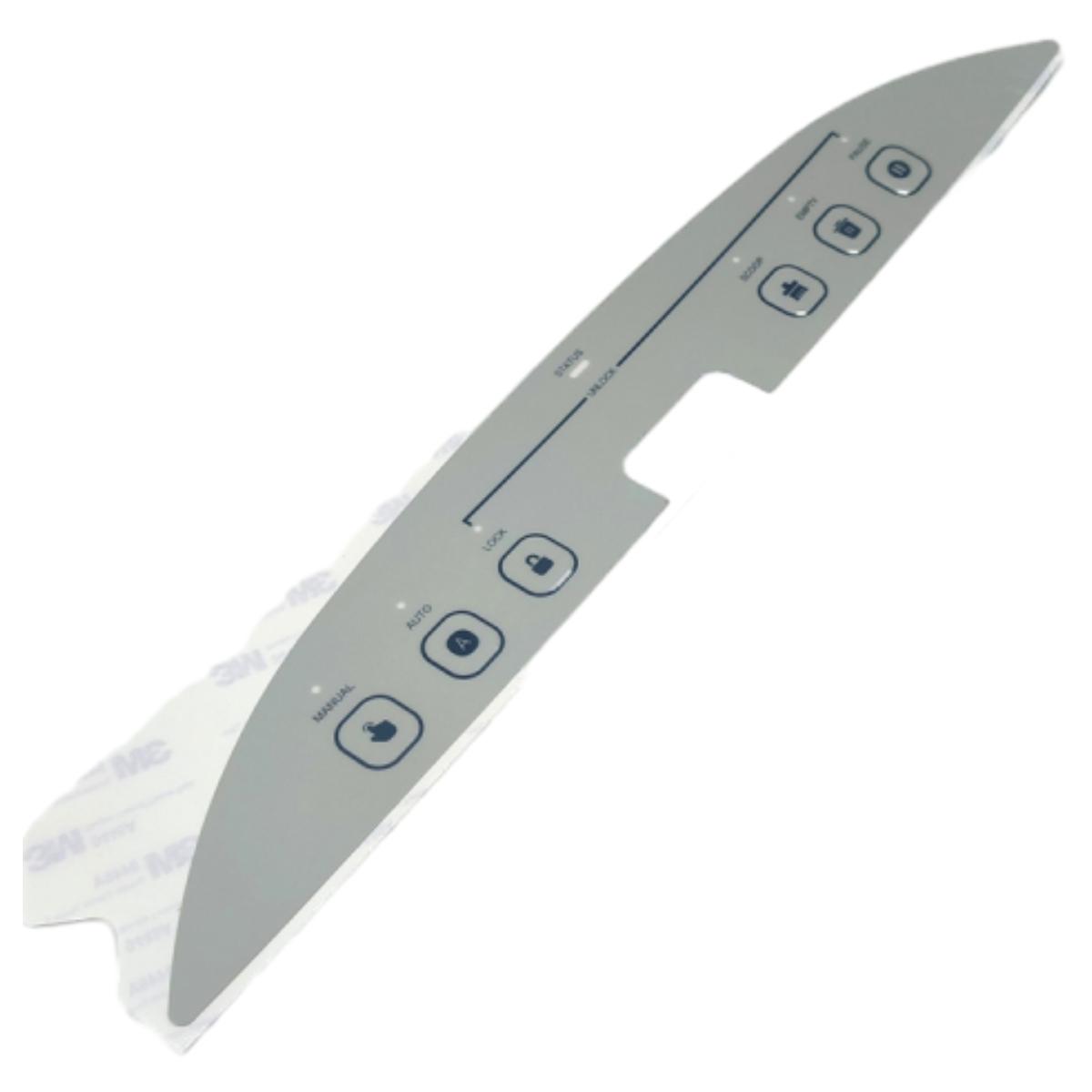
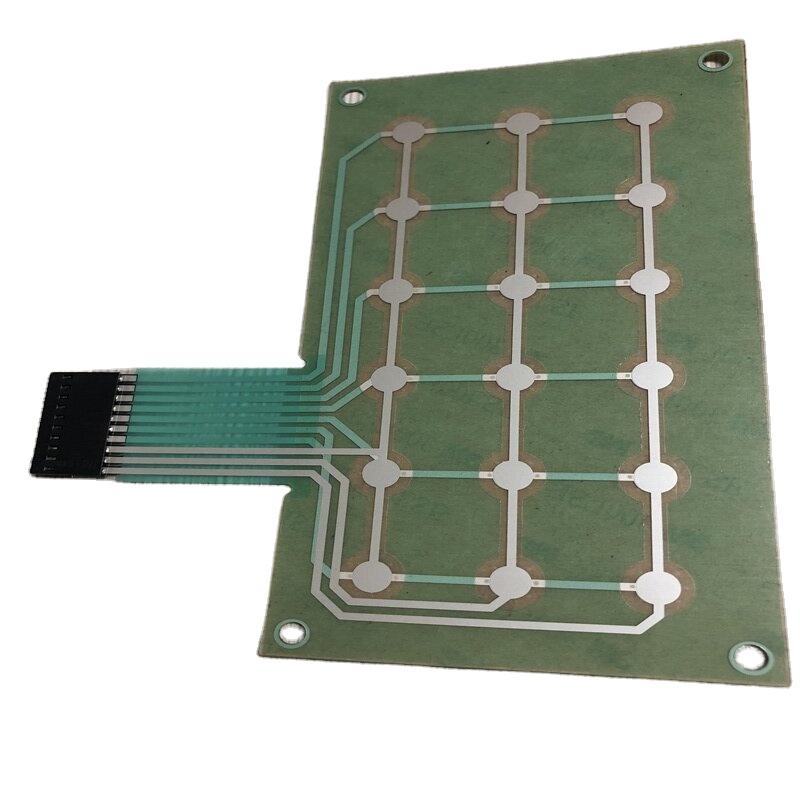
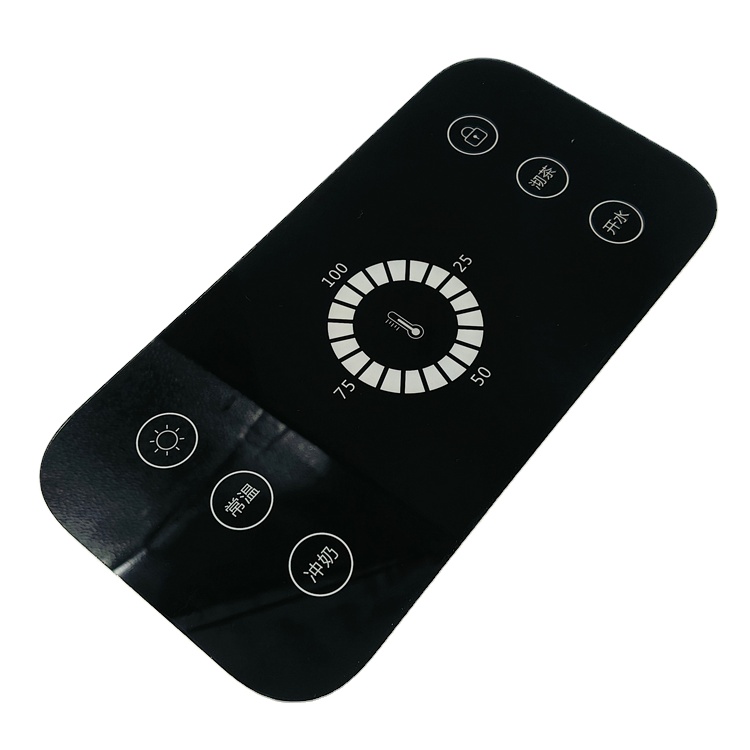
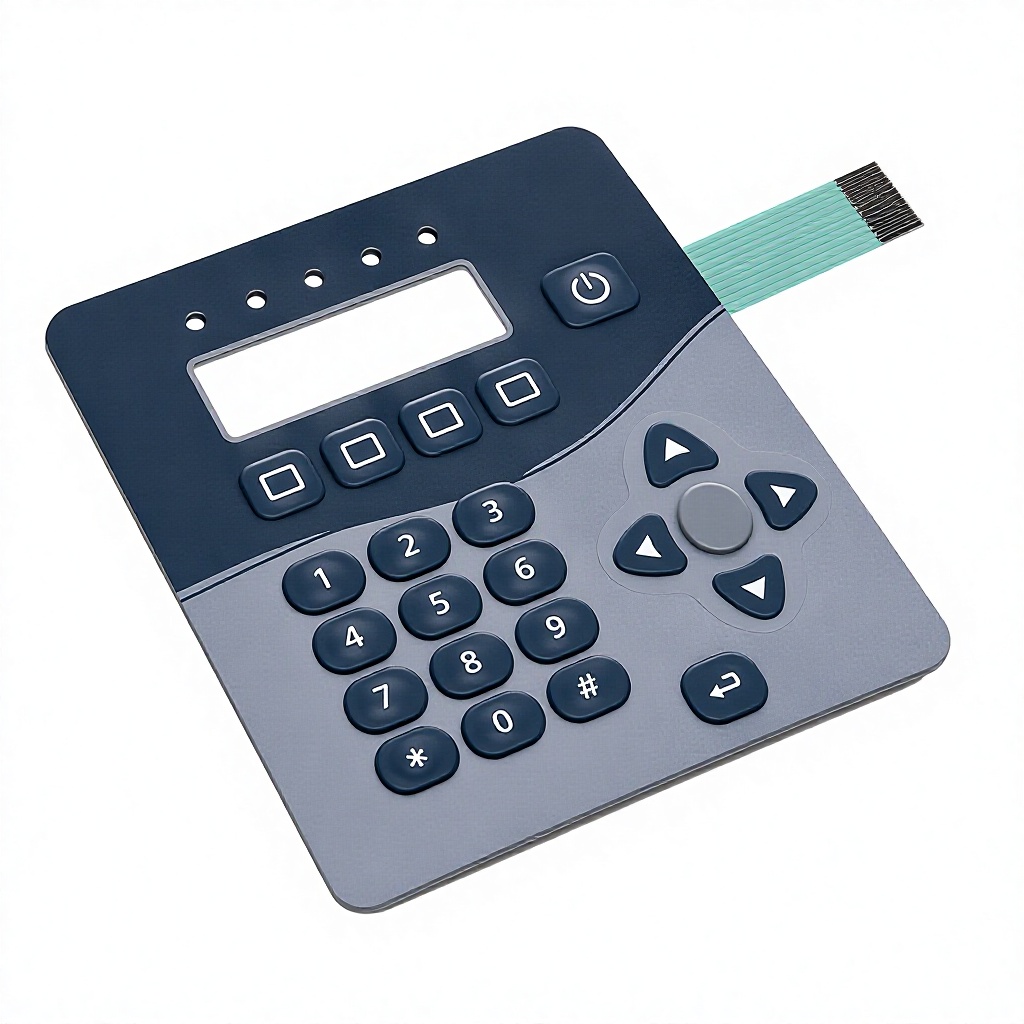
Combining over 20 years of HMI engineering specialized expertise with high-volume manufacturing rigor, delivering certified excellence to Nitra and international markets.
From initial 2D/3D DXF, DWG, and AI vector drawings to custom physical embossing, laser-cut adhesives, and custom tactile feedback selection, our vertically integrated plant executes screen printing, laminating, assembly, and 100% automated optical and electrical testing without third-party delay.
All human-machine interface components are manufactured using premium RoHS, REACH, and SVHC-compliant raw materials (including MacDermid Autotype PET, Sabic Lexan Polycarbonate, 3M 467MP/468MP adhesives, and DuPont silver conductive inks) for zero environmental compliance risk in the European Union.
Dedicated rapid-prototyping lines allow Nitra design engineers to test physical samples in as fast as 5–7 working days. Seamlessly transition from 1-piece first-article verification to 500,000+ unit mass production with consistent color registration and electrical reliability.
A technical reference whitepaper for system integrators, design engineers, and procurement specialists evaluating HMI front panel stack-ups.
Modern Human-Machine Interfaces (HMIs) represent critical interaction points between human operators and industrial machinery, automotive electronics, and medical diagnostics. An optimized HMI panel must synthesize graphic legibility, tactile feedback, environmental sealing, electromagnetic immunity, and high structural longevity. As a specialized manufacturer serving international markets, including the highly automated industrial cluster in Nitra, Slovakia, our engineering team adheres to rigorous Design for Manufacturability (DFM) standards.
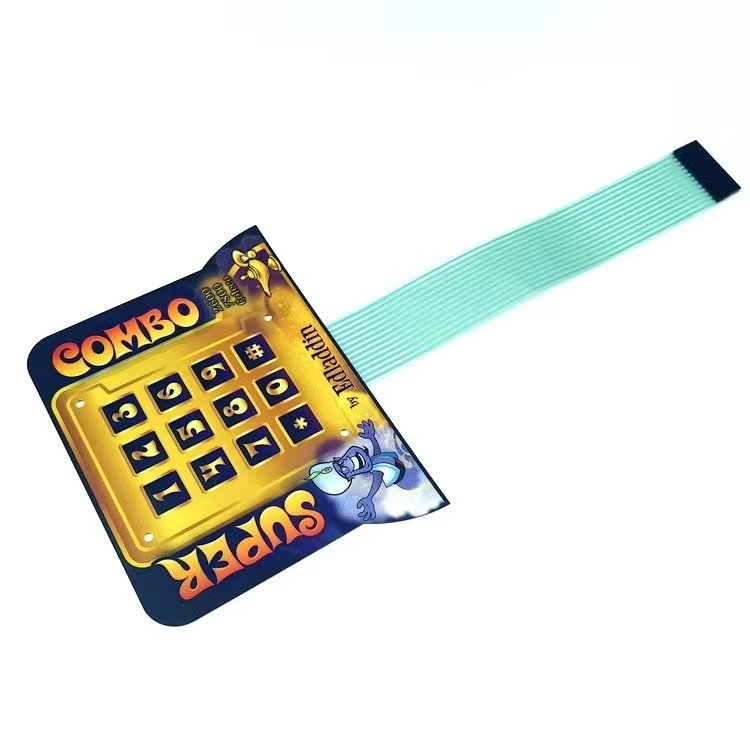
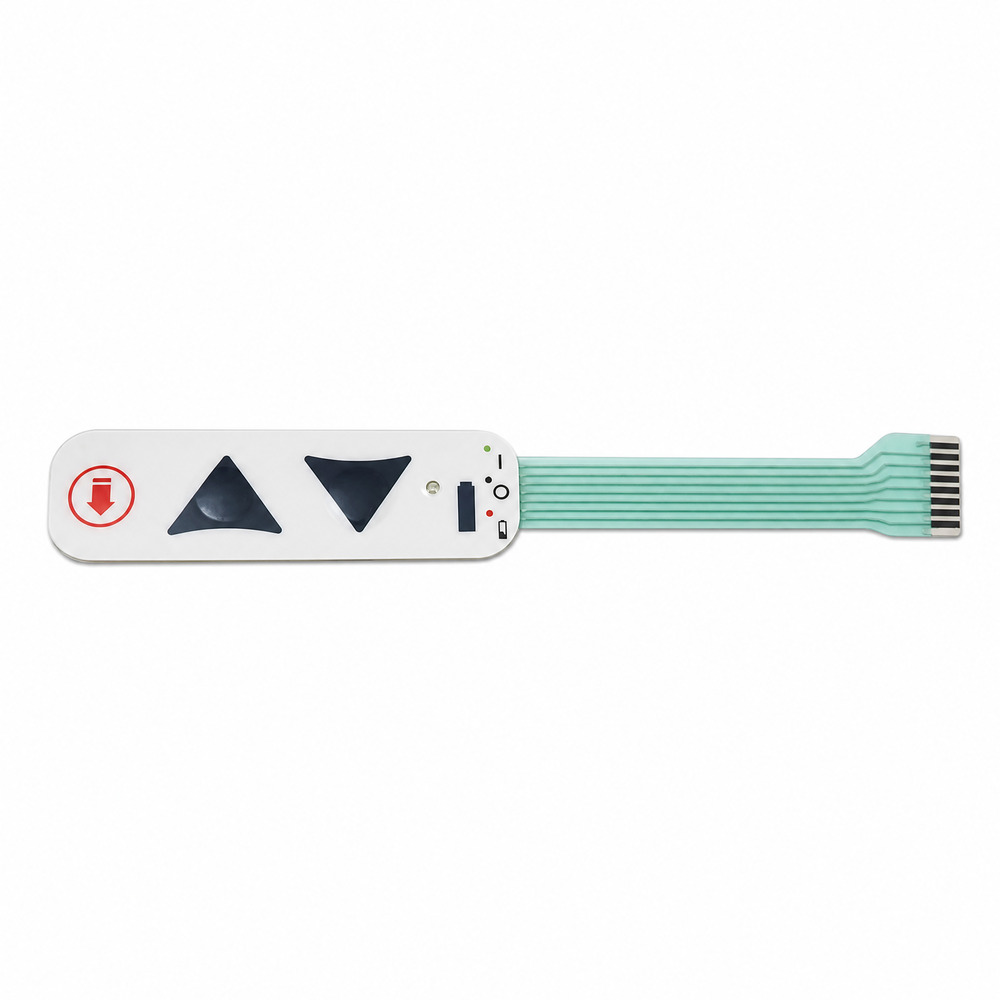
A fully functional multi-layer tactile membrane switch assembly typically comprises 6 to 8 specialized functional films and pressure-sensitive adhesive layers:
| Layer Sequence | Component Name | Material Options | Engineering Function |
|---|---|---|---|
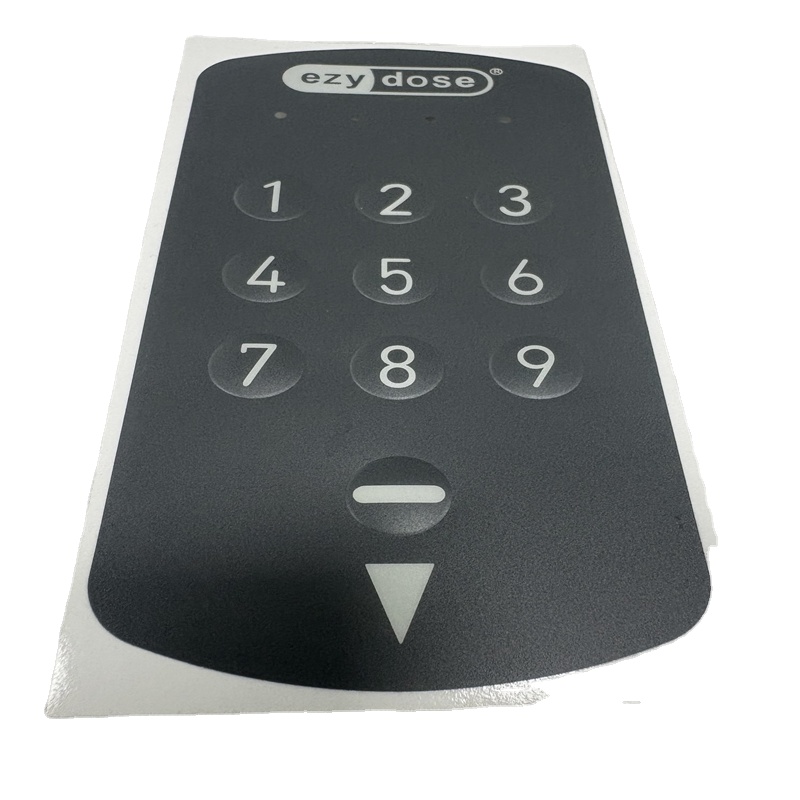
| Layer 1 (Top) | Graphic Overlay | Autotex PET (F150/F200), Lexan PC, PMMA | Provides visual interface, key legend printing, display windows, UV/chemical resistance. |
| Layer 2 | Overlay Adhesive | 3M 467MP, 3M 468MP, 3M 200MP | Bonds graphic overlay to the upper circuit layer; dampens acoustics. |
| Layer 3 | Upper Circuit / Metal Domes | PET with Silver Ink, FPC, Stainless Steel Domes | Carries upper trace matrix and tactile actuation elements (metal/polydomes). |
| Layer 4 | Circuit Spacer | Polyester (PET) with double-sided adhesive | Establishes open switch gap distance; prevents unintended electrical contact. |
| Layer 5 | Lower Circuit | Silver/Carbon printed PET, Polyimide FPC, FR4 PCB | Contains static contact pads, common ground traces, and connector tail exit. |
| Layer 6 (Bottom) | Rear Mounting Adhesive | 3M 9448A, 3M 300LSE, 3M 468MP | Secures complete HMI panel to metallic or low-surface-energy (LSE) plastic housing. |
Selecting the correct substrate material dictates the physical lifespan, key actuation flexural durability, chemical resistance, and optical clarity of display windows:
| Evaluation Parameter | Polyester (PET) - e.g., Autotex | Polycarbonate (PC) - e.g., Lexan | Acrylic (PMMA) |
|---|---|---|---|
| Flexural Fatigue Life | Extremely High (>5,000,000 cycles) | Moderate (<100,000 switch actuations) | Not Suitable for Flexing/Embossing |
| Chemical & Solvent Resistance | Superior (Resists alcohols, harsh industrial detergents) | Fair (Susceptible to aromatic hydrocarbons, esters) | Good against mild acids; sensitive to solvents |
| Embossing & Tactile Features | Excellent permanent pillow/rim embossing retention | Easy thermoforming; may relax over extended wear | Machined or molded only; non-embossable |
| Optical Transparency (Windows) | High with optical clear window varnish | Natively Crystal Clear | Highest Optical Clarity (>92% Light Transmittance) |
| Impact Strength & Scratch Resistance | Hard-coated finishes provide up to 3H pencil hardness | High impact strength; prone to scratching without coating | Rigid surface; brittle under severe flexing |
Tailored HMI manufacturing aligned with Nitra’s strategic role as Central Europe’s premiere automotive production hub and growing industrial automation center.
Nitra, strategically situated in the Zobor region of Western Slovakia, has rapidly evolved into an advanced manufacturing powerhouse. Driven by major automotive investments—such as the state-of-the-art Jaguar Land Rover (JLR) automotive complex in Nitra Sever Industrial Park—and surrounded by Tier-1/Tier-2 automotive suppliers, industrial machine builders, and logistics hubs in Lužianky and neighboring Trnava, the demand for highly reliable, custom-built HMI interfaces is unprecedented.
Nitra's automotive plants require ruggedized HMI control panels capable of handling continuous operation in robotic body shops, stamping cells, and paint shops. Our IP67-sealed membrane switches with tactile stainless-steel metal domes provide definitive click confirmation for line operators wearing protective industrial gloves. Integrated ESD shielding (aluminum foil or selective conductive carbon matrices) safeguards sensitive control logic against static discharges up to 15kV common in high-speed assembly environments.
Within the bustling logistics parks around Lužianky and Nitra Sever, automated guided vehicles (AGVs), warehouse conveyor systems, and CNC machining centers depend on robust operator interfaces. We engineer PCB-backed and FPC-backed membrane keypads that integrate SMD LEDs, dead-front status indicators, and clear LCD display windows. Reverse-printed polycarbonate graphic overlays ensure that key legends and company branding remain immune to abrasion, oil splash, and mechanical impact.
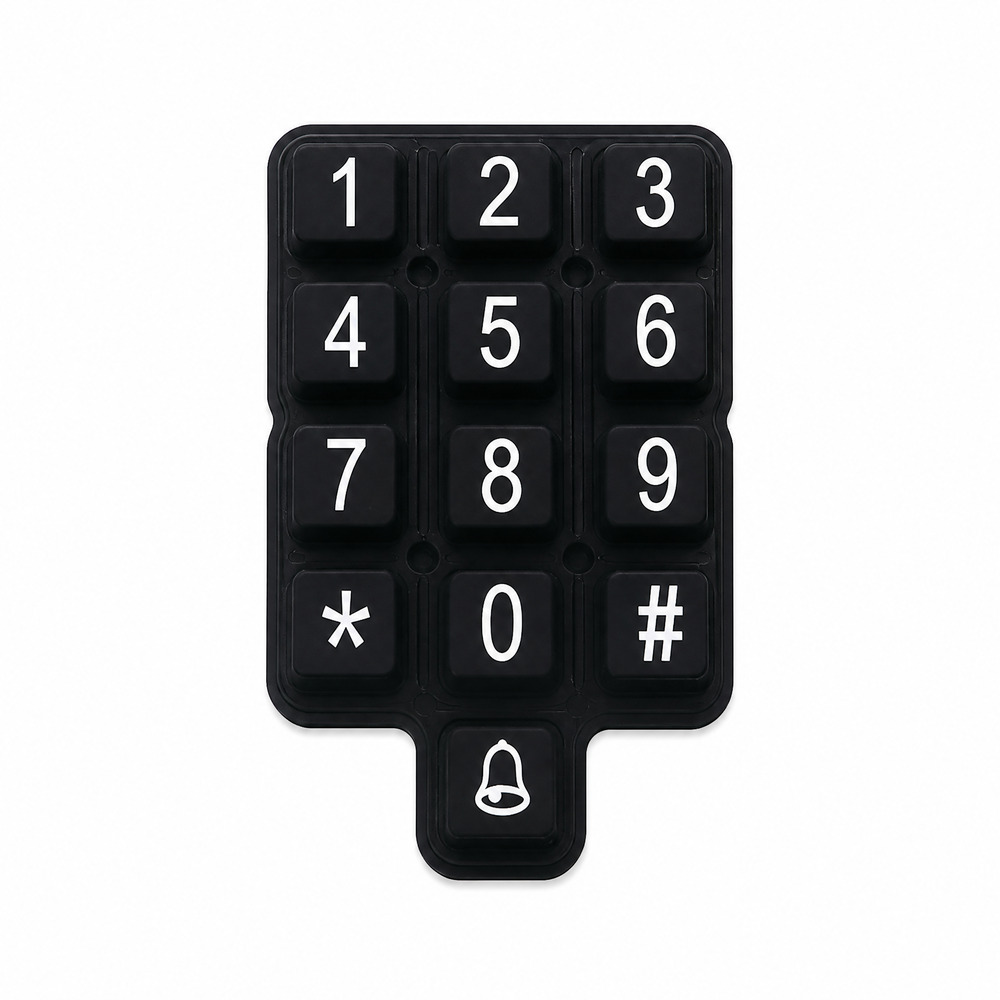
Healthcare facilities and medical device manufacturers serving the Nitra regional health ecosystem demand complete surface hygiene. Our capacitive touch membrane switches and seamless silicone rubber keypads eliminate dirt-trapping key crevices. Featuring antimicrobial hard-coat film options and full wash-down liquid protection (IP65 to IP68), these HMIs withstand daily sterilization using isopropyl alcohol, bleach solutions, and hospital-grade disinfectants without degradation.
Extending into the broader Nitra agricultural region, heavy equipment (tractors, grain monitoring systems, food processing machinery) operates in dust-heavy, high-vibration outdoor environments. We supply UV-resistant Autotex XE polyester graphic overlays combined with 3M 300LSE high-tack adhesives specifically designed to bond tightly to powder-coated metal enclosures and low-surface-energy plastics, resisting thermal cycling from -40°C to +85°C.
Key technological shifts driving next-generation human-machine interface procurement across Slovak and European markets.
As Central European manufacturers accelerate their transition toward Industry 4.0, smart automation, and energy-efficient manufacturing, HMI front panel specifications are rapidly evolving beyond simple mechanical push-buttons. Based on procurement data and direct engineering feedback from Nitra-based system integrators, three core trends dominate the local sourcing landscape:
While traditional mechanical metal dome switches remain the standard for high-vibration automotive line controls, modern industrial terminals increasingly incorporate slick, glass-like capacitive touch control zones paired with secondary tactile physical buttons for critical emergency stops or power controls. Our thin-film printed capacitive touch circuits deliver seamless multi-key responsiveness beneath smooth acrylic or polycarbonate front overlays.
In low-light factory environments and modern vehicle cockpits, operator clarity is paramount. The integration of high-brightness surface-mount SMD LEDs, ultra-thin side-lit light guide films (LGF), and secret-until-lit "dead-front" printing technology allows panel legends to remain invisible until illuminated. This reduces operator visual fatigue and prevents erroneous key presses during complex assembly operations.
Automation engineers in Nitra are increasingly embedding Force Sensitive Resistors (FSR)—printed carbon paste sensor arrays—into robotic grippers, smart operator seating, and safety mats. As a pioneer in thin-film pressure sensor manufacturing, we provide custom-tailored FSR arrays integrated directly into the membrane switch circuit layer, minimizing wiring harness complexity and reducing total assembly BOM costs.
Addressing common technical, logistical, and commercial inquiries when importing custom HMI components into Slovakia and the European Union.
Upon final approval of our engineering Design for Manufacturability (DFM) drawings and artwork color proofs, standard prototype samples are produced and dispatched within 5 to 9 working days. Express international air freight (via DHL, FedEx, or UPS) directly to Nitra, Lužianky, or Bratislava typically takes an additional 3 to 5 days, making total prototype delivery possible in under two weeks.
We source 100% of our raw materials—including PET films, PC sheets, conductive inks, LEDs, and pressure-sensitive adhesives—from globally certified suppliers. Full RoHS compliance test reports, REACH SVHC declarations, and material safety data sheets (MSDS) are provided with every first-article delivery package to satisfy European import customs and client audit standards.
Yes. Our precision screen printing facility utilizes spectrophotometer-guided ink mixing to achieve exact matching against Pantone Matching System (PMS) and RAL color standards. We also offer light-guide film (LGF) and selective LED illumination to ensure clear, uniform backlighting across all icon graphics and status windows.
To provide a detailed quotation and engineering review within 2 hours, please provide:
1. 2D Mechanical Drawing (DXF, DWG, or PDF) showing dimensions, hole cutouts, key locations, and tail exits.
2. Vector Graphic Artwork (AI, CDR, EPS, or vector PDF) specifying PMS/RAL colors and fonts.
3. Circuit Schematic / Pinout Diagram detailing switch matrix or common bus wiring and connector pitch (e.g., 2.54mm female crimp, 1.0mm ZIF).
4. Estimated Annual Volume and operating environment details (indoor/outdoor, IP rating requirements).
All finished membrane switches and flexible circuits are individually packed in anti-static (ESD) shielding bags with desiccant packs, placed between rigid protective cardboard sheets, and boxed in heavy-duty export corrugated cartons. Tail connectors and flex tails are fitted with plastic protective sleeves to guarantee pristine condition upon arrival at your Nitra facility.
For smooth metallic surfaces, 3M 467MP (200MP family) is standard. For textured metal, powder-coated cabinets, or low-surface-energy plastics like polypropylene or ABS commonly found in automotive enclosures, we strongly recommend 3M 468MP or 3M 300LSE high-tack adhesive, which provides exceptional peel strength and moisture resistance.
Partner with a trusted global manufacturer delivering factory-direct cost efficiency, rapid prototyping, and uncompromising quality to the Nitra industrial market.