EN
 DE
 FR
 ES
 RU
 JA EN DE FR ES RU JA
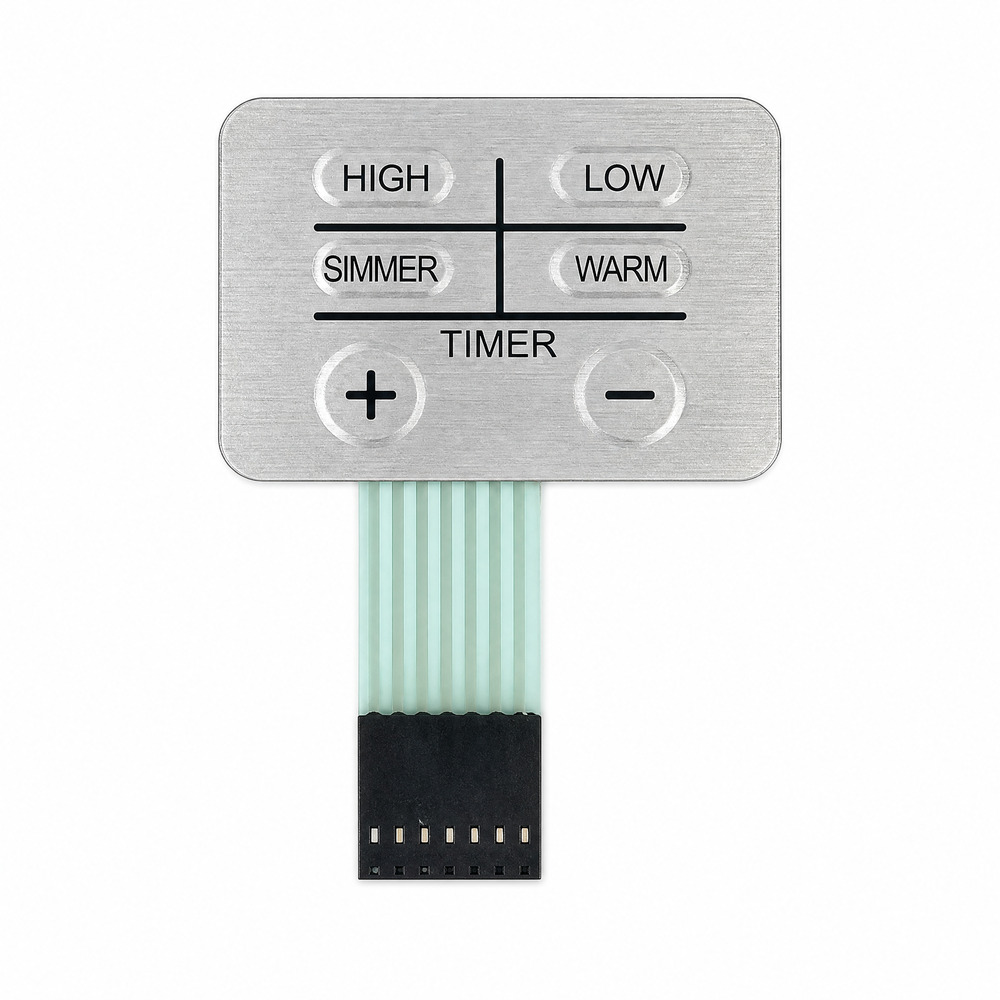
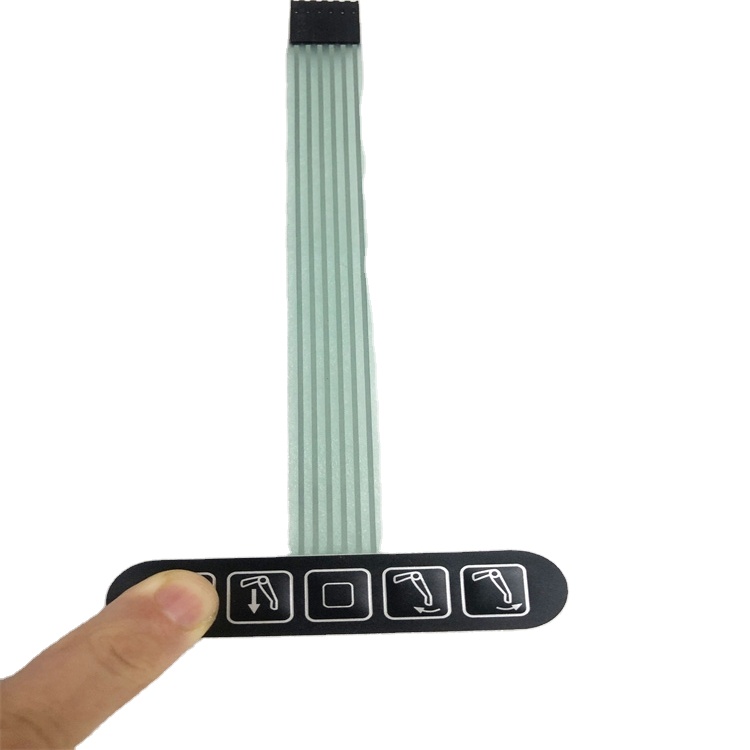
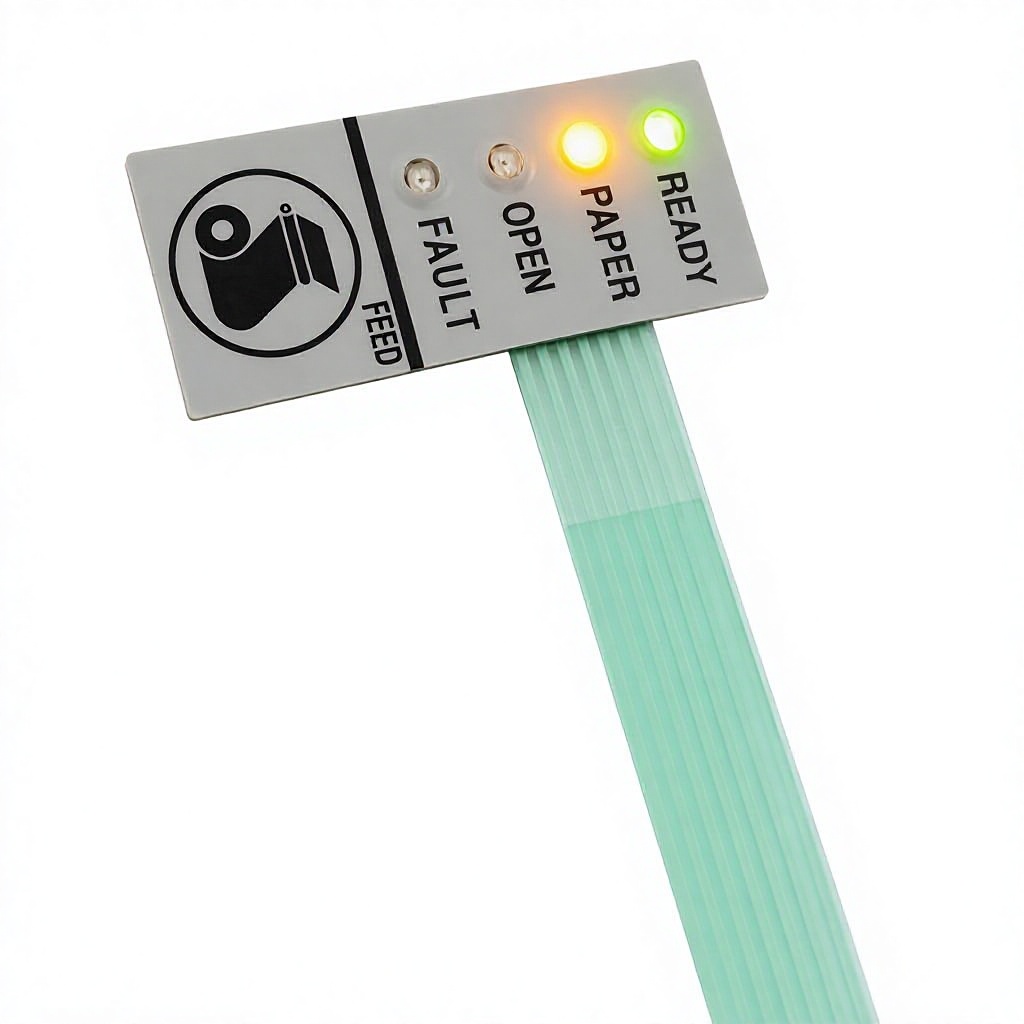
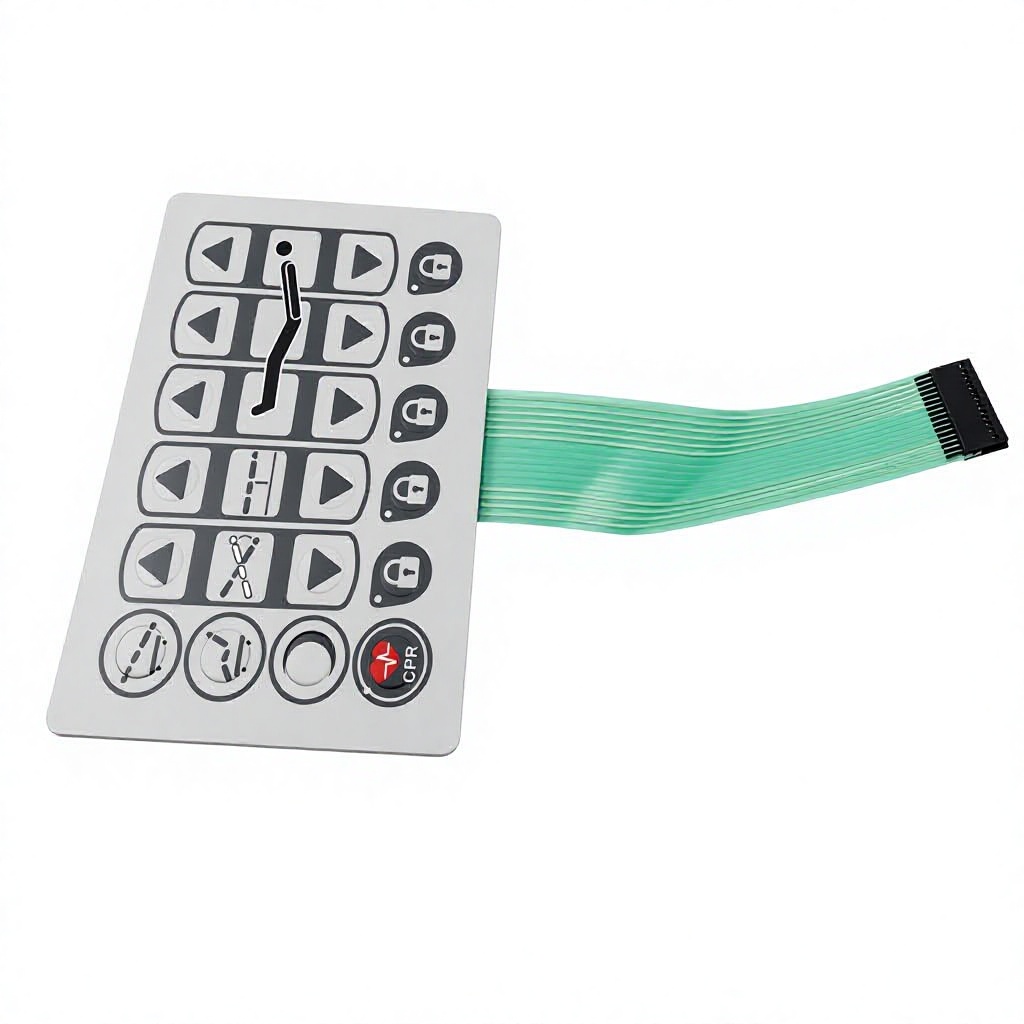
Direct-from-factory membrane switches, thin-film pressure matrices, and tactile command panels engineered for harsh environments, high cycle rates, and micro-precision tactile response.
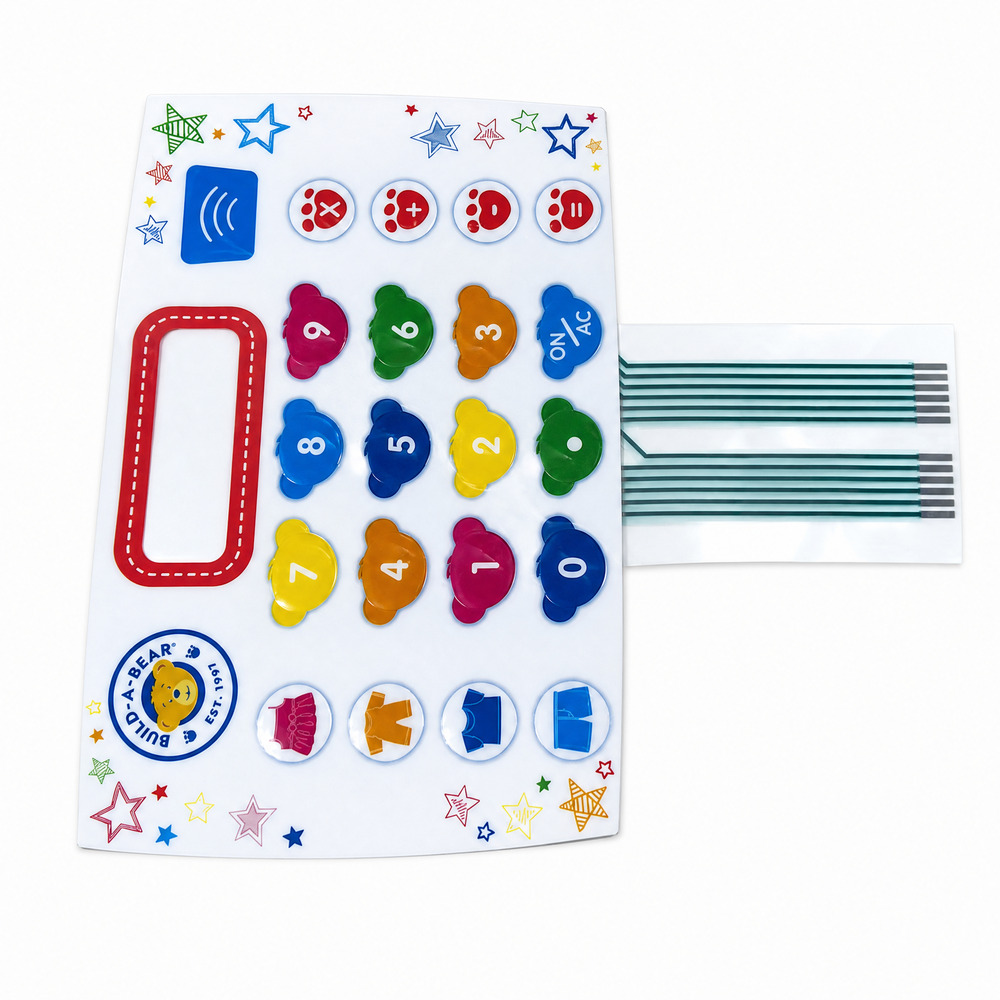
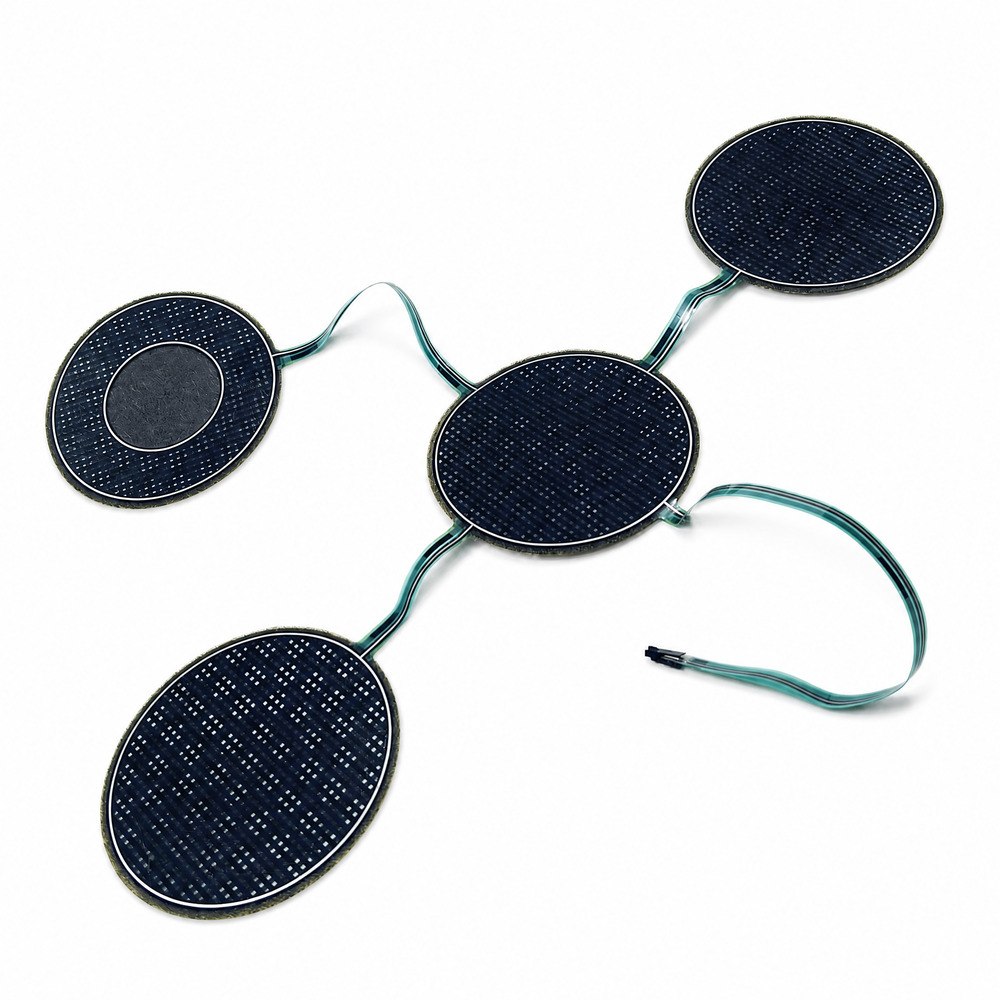
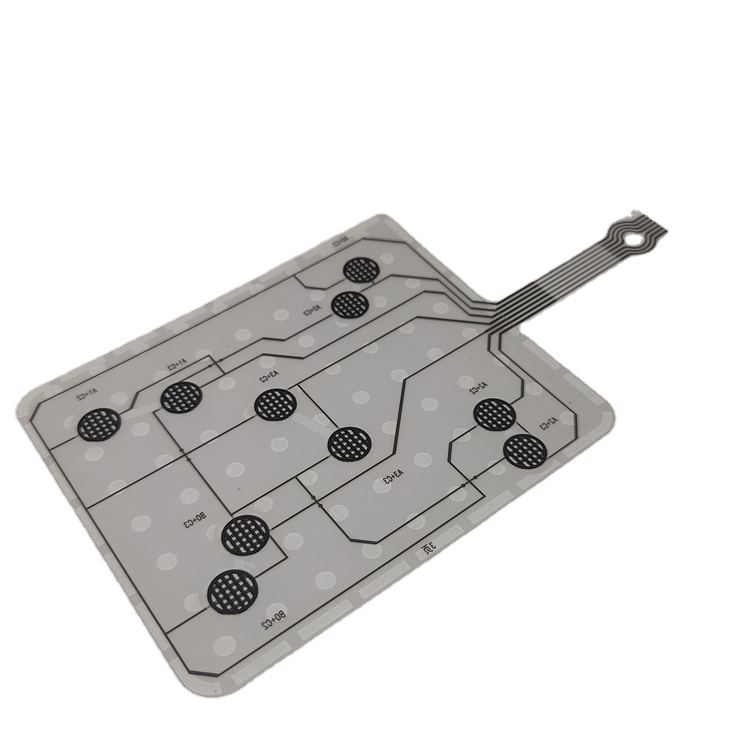
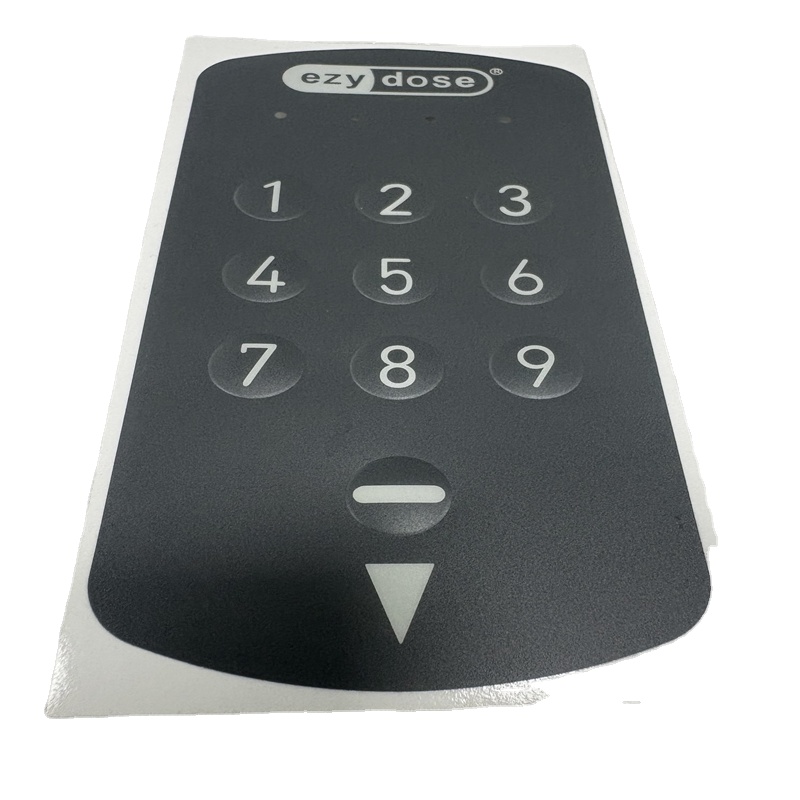
In the rapidly advancing domain of tactile biomechanics and kinetic telemetry, foot pressure sensor film represents a foundational breakthrough over rigid load cells and bulky piezoelectric transducers. Constructed through precision screen printing of carbon-based semiconductive paste and highly conductive micro-silver traces across flexible polyethylene terephthalate (PET) or polyimide (PI) substrates, these sensors operate on the principle of force-sensitive elastomeric piezoresistivity. When an external plantar force is exerted upon the sensor array, microscopic surface asperities on the functional ink compress against interleaving conductive fingers, geometrically multiplying the conductive contact paths and inversely lowering electrical resistance in direct proportion to applied normal pressure.
For original equipment manufacturers (OEMs), clinical prosthetics designers, and athletic shoe developers operating within the Charlotte-Concord-Gastonia commercial corridor, thin-film tactile matrices unlock real-time spatial pressure mapping inside unconstrained in-shoe geometries. Unlike conventional rigid sensors that alter plantar tactile proprioception and distort natural gait kinematics, our specialized sensor films feature a negligible profile stack-up ranging between 0.15 mm and 0.28 mm. This structural compliance preserves normal foot articulation, enabling continuous clinical laboratory-grade plantar analysis directly on athletic turf, asphalt, and concrete floors across North Carolina.
Tailored sensing matrices with single-point FSR monitors, 16-zone anatomical pods, or ultra-dense 1,024-node multiplexed arrays designed precisely for metatarsal, midfoot, heel strike, and hallux kinetic profiling.
Formulated ink viscosities yield wide dynamic measurement ranges from 0.1 kg/cm² to 50 kg/cm² (10 kPa to 5 MPa), ensuring minimal signal saturation during explosive sprint impacts or heavy industrial payload carriage.
Negligible response delay (<10 µs electrical rise time) delivers precise sampling frequencies above 500 Hz to 1,000 Hz, critical for capturing sudden pronation spikes, sprint impact vectors, and brake pedal kick-forces.
When Charlotte system architects select pressure mapping technologies for patient monitoring, wearable consumer athletic trackers, or automotive driver telemetry, physical volume constraints, shear tolerance, and integration costs guide component feasibility. The table below outlines how our thin-film FSR matrices compare against legacy approaches:
| Evaluation Parameter | Dongguan Ravo Custom FSR Film | Rigid Strain Gauge / Load Cell | Capacitive Sensing Mats | Optical / Piezoelectric Transducers |
|---|---|---|---|---|
| Typical Thickness | 0.15 mm – 0.28 mm (In-shoe flush) | 6.0 mm – 25.0 mm (Bulky assembly) | 1.2 mm – 3.5 mm (Moderate) | 2.0 mm – 8.0 mm |
| Dynamic Range | 10 kPa to 5,000 kPa (Customizable) | 100 kPa to 50 MPa | 5 kPa to 500 kPa | High frequency / dynamic only |
| Mechanical Flexibility | High flex endurance (>1,000,000 bends) | Zero flexibility; causes gait interference | Moderate; subject to crease damage | Low; brittle fiber/crystal elements |
| Electromagnetic Immunity | High (Shielded silver / carbon ink) | Prone to cable electromagnetic noise | Highly vulnerable to parasitic body EMI | Susceptible to acoustic / opto-drift |
| Bespoke Prototyping Cost | Low tooling costs (Screen stencil dies) | High precision CNC tooling costs | Medium to high calibration tooling | High component investment |
| Operating Environment | IP65–IP67 sealed against sweat/fluids | Moisture-sensitive; oxidation prone | Moisture shifts baseline dielectric | Sensitive to ambient contamination |
Charlotte, North Carolina has emerged as one of the fastest-growing innovation centers on the East Coast, transitioning from a purely financial powerhouse into a prominent center for advanced medical technology, sports science, smart textiles, and high-performance motorsports engineering. Through direct manufacturing partnerships, Dongguan Ravo Electronics bridges Tier-1 Asian manufacturing scale with regional engineering teams situated across Mecklenburg, Cabarrus, and surrounding counties.
Anchored by premier healthcare hubs including Atrium Health and Novant Health, the Charlotte medical research network requires high-precision foot pressure films for smart insoles that alert diabetic neuropathic patients to harmful localized peak pressures, preventing ulcerations before tissue breakdown occurs.
In North Carolina's "Race City USA" racing corridor near Lake Norman and Concord, NASCAR engineering crews integrate customized micro-thin sensor films into throttle, clutch, and high-load brake pedal contact points to capture driver foot modulation down to fractional foot-pound increments during competitive track testing.
With Charlotte's expanding collegiate and professional athletic biomechanics centers, our thin-film matrices are sewn into custom insole pods for high-frequency motion tracking, evaluating shoe midsole degradation, ground reaction force (GRF), and lateral slip indices under rigorous sports dynamics.
Charlotte's immense logistics, distribution, and warehousing footprint throughout I-85 and I-77 utilizes custom-printed floor sensor runners to detect worker standing fatigue, monitor ergonomic matting compliance, and verify forklift-pedestrian intersection clearance.
Procurement engineers and hardware architects across North Carolina are executing a distinct shift toward hybrid agile manufacturing: sourcing foundational micro-printed sensing films from specialized ISO-certified production plants with deep tooling knowledge, then completing final firmware integration, calibration, and enclosure encapsulation within domestic Carolinas facilities. Key industry trends driving procurement in this sector include:
Plantar sensor matrices are no longer tethered via long umbilical cables to stationary computers. Charlotte wearables startups demand thin-film flex tails designed with zero-insertion-force (ZIF) stiffeners and micro-pitch FPC connectors (0.5 mm or 1.0 mm) capable of interfacing seamlessly with miniature ankle-mounted BLE microcontrollers running onboard machine learning gait classifiers.
In-shoe environments exhibit extreme temperature oscillations, high humidity, and acidic salt perspiration. Ravo utilizes closed-cell 3M medical-grade acrylic adhesive laminates (such as 3M 467MP and 9448A) combined with laser-welded perimeter barriers, eliminating fluid ingress and preventing silver dendrite migration under sustained electrical potential.
Dynamic gait analysis requires that sensor resistance return instantaneously to infinite baseline upon heel off. Our proprietary conductive carbon pastes demonstrate minimal mechanical hysteresis (<5% full scale) and low drift over hundreds of thousands of continuous gait impacts, ensuring repeatable data analytics.
Operating since 2003 from Fenggang Town, Dongguan—the epicenter of global precision electronics fabrication—Dongguan Ravo Electronics Co., Ltd. has expanded from an artisan engineering workshop of eight technicians into a modern manufacturing complex spanning over 12,000 square meters. By integrating graphic overlay screen printing, high-precision laser cutting, Class 1,000 dust-free lamination, dome array stamping, and 100% automated electrical continuity testing under one roof, we guarantee unprecedented manufacturing rigor for buyers across North America and Europe.
Whether you require an exploratory 5-piece proof-of-concept run for clinical trials or a 500,000-unit mass manufacturing rollout, our internal screen and die tooling shop enables rapid iteration without penalizing development timelines.
Our dedicated hardware engineers analyze your 2D/3D schematics (DXF, DWG, Gerber, AI), evaluating circuit resistance limits, trace spacing, tail exit bending radii, and adhesive shear limits before tooling commences.
Every batch of raw film, conductive silver paste, carbon ink, and adhesive backing is strictly certified to RoHS, REACH, and environmental non-toxicity standards, accompanied by detailed outgoing inspection test records.
Beyond foot pressure films, Ravo engineers tactile metal dome membrane keypads, LED backlit panels, capacitive touch panels, silicone keypads, and rigid PCB/FPC hybrid sub-assemblies for multi-layer industrial integration.
Every single finished sensor film undergoes micro-ohm trace continuity checking, open/short circuit verification, and sample-based pneumatic force-resistance testing to confirm strict resistance-versus-pressure calibration curves.
Our multilingual export logistics division manages end-to-end air freight documentation directly into Charlotte Douglas International Airport (CLT), ensuring seamless customs clearance and door-to-door delivery within days.
Transparent answers addressing engineering specifications, minimum order constraints, environmental sealing, and lead times for North Carolina industrial and biomedical procurement teams.
Send your CAD drawings or technical requirements to our engineering team today. Benefit from direct factory pricing, rapid ≤2-hour engineering feedback, and precision manufacturing from Dongguan Ravo Electronics.