EN
 DE
 FR
 ES
 RU
 JA EN DE FR ES RU JA
Direct manufacturer supply for Columbus OEMs, systems integrators, and electronics contract assemblers. Fully customizable layer stacks from 1-piece DFM prototyping to scheduled production runs.
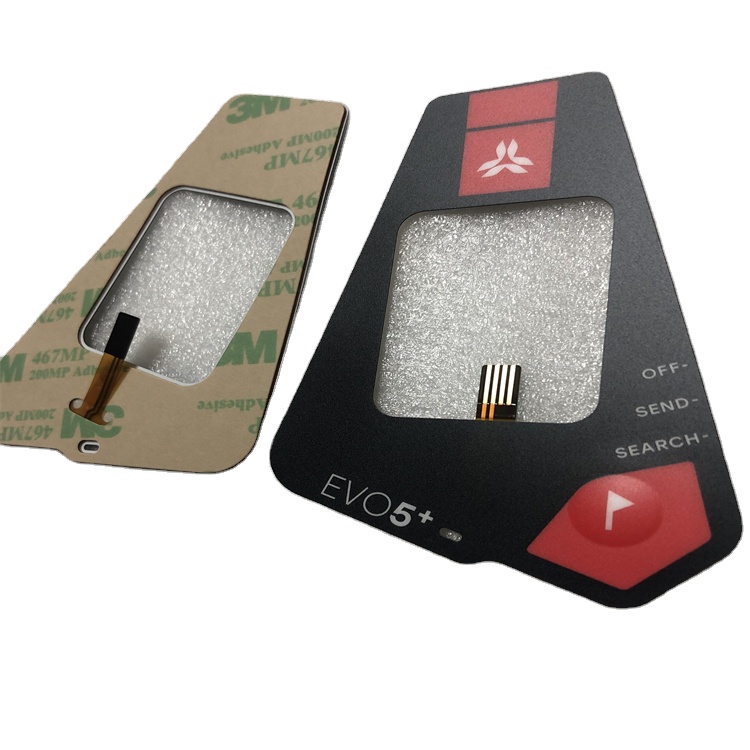
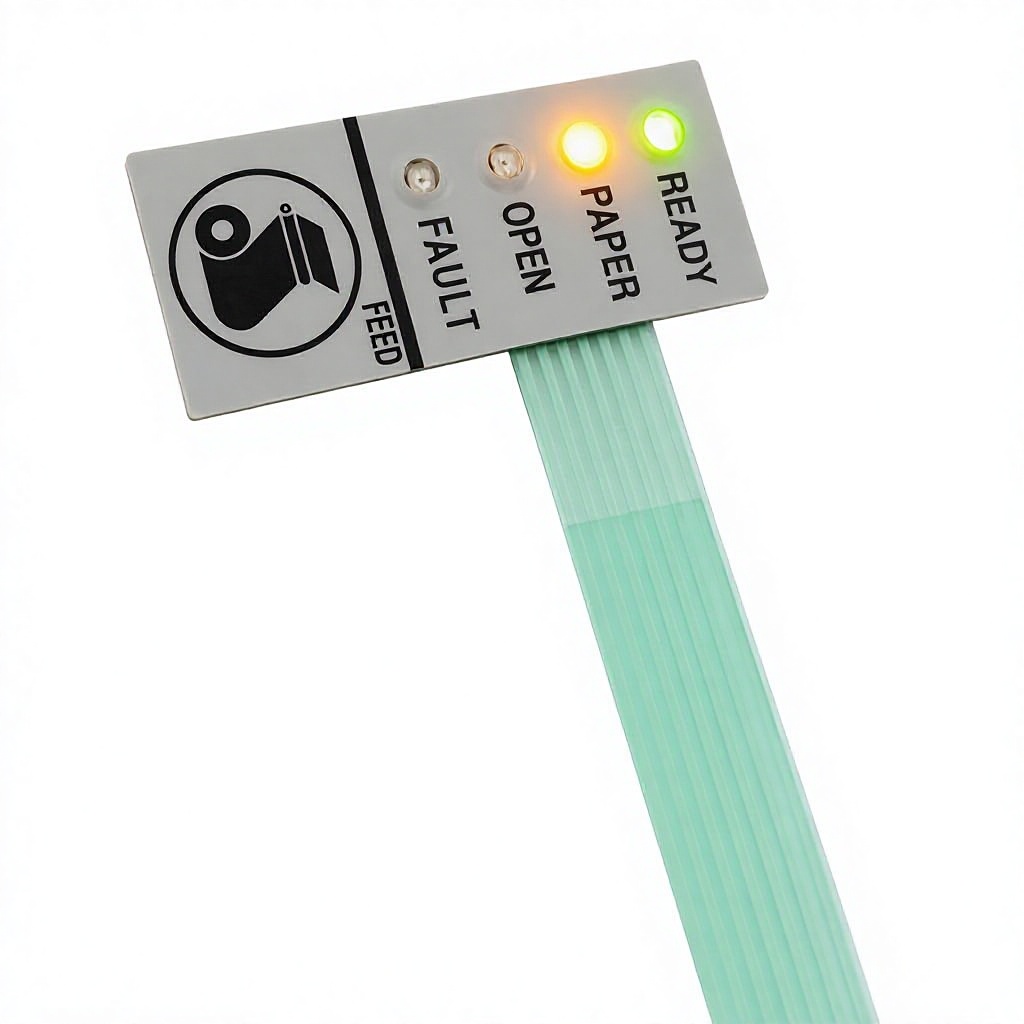
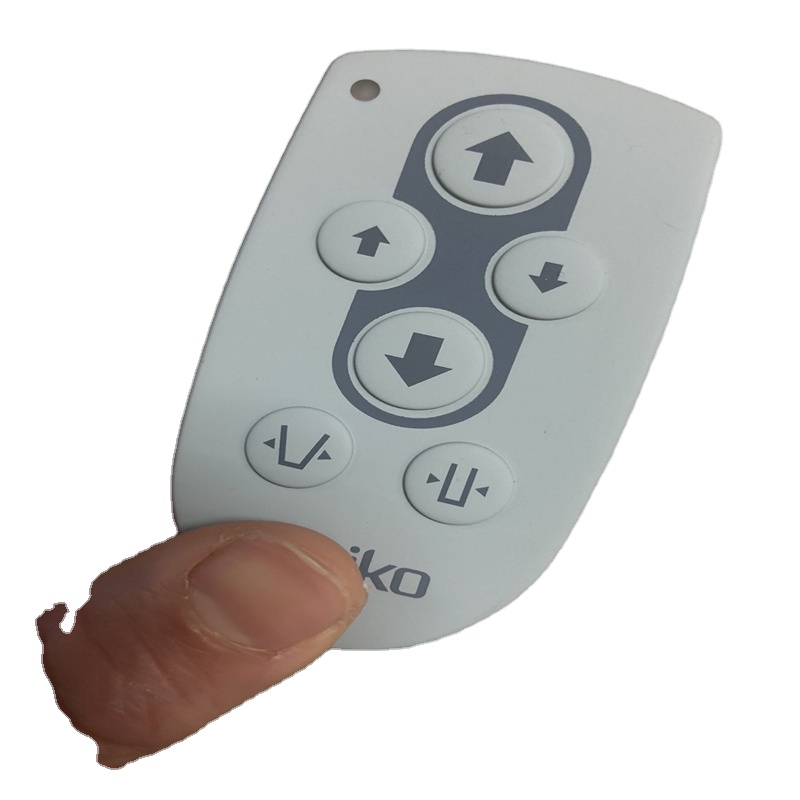
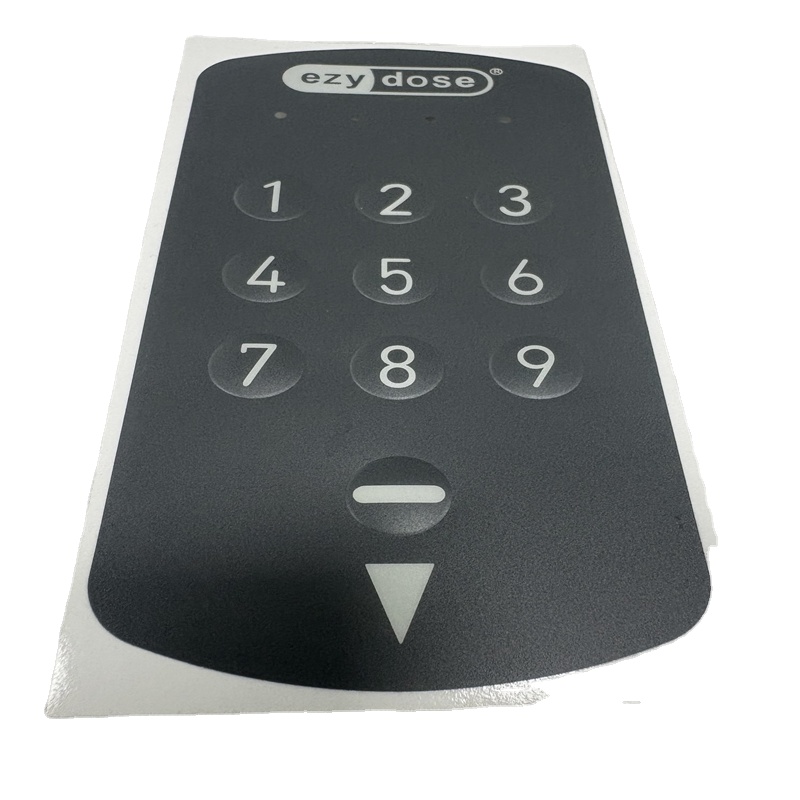
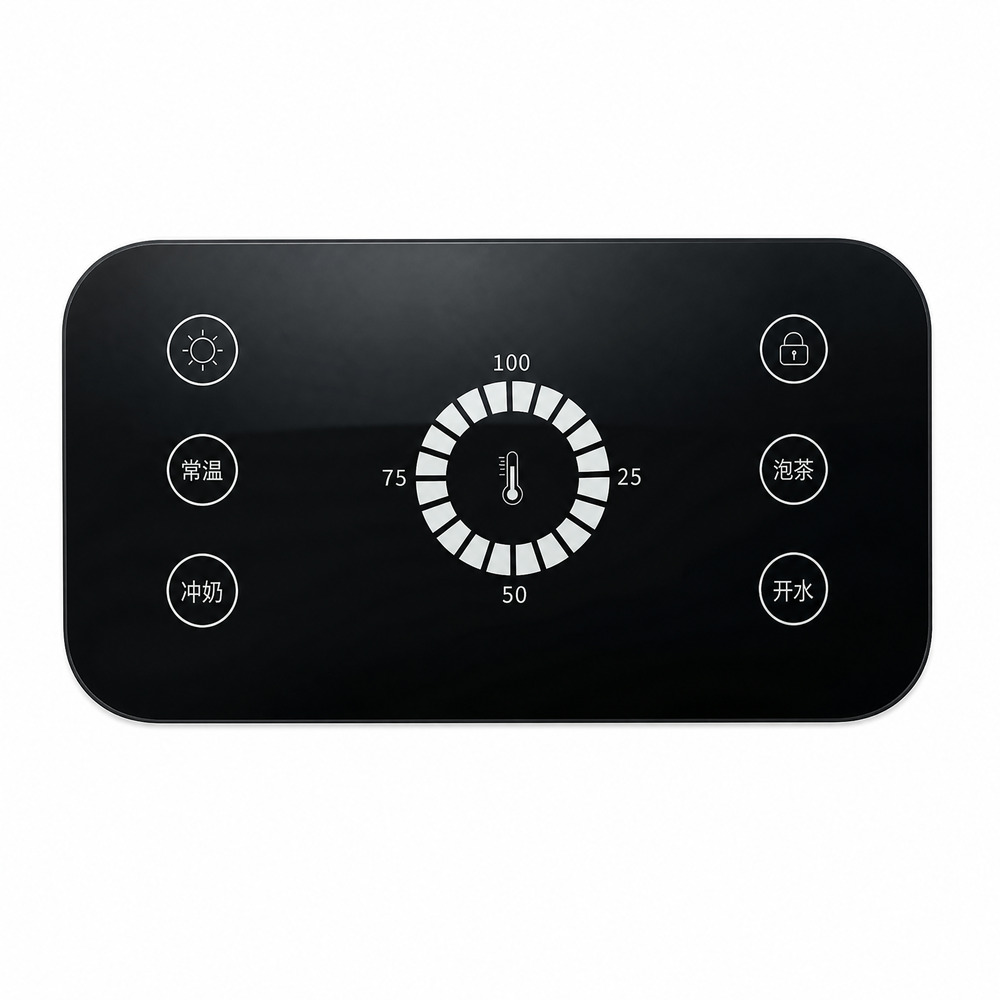
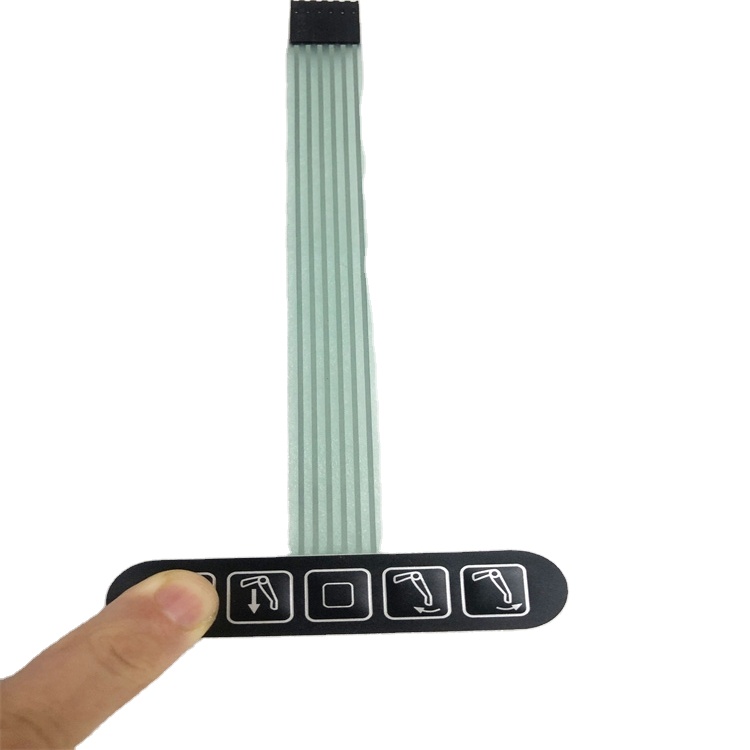
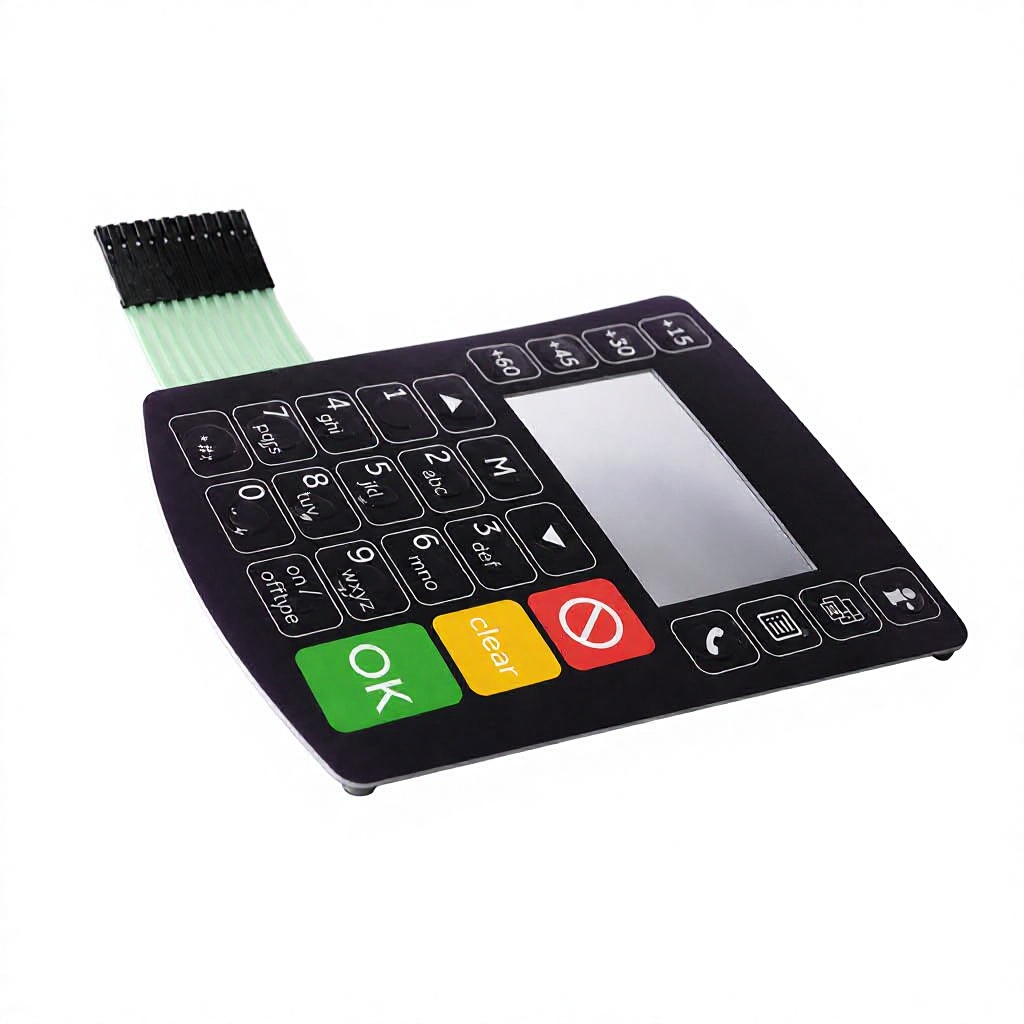
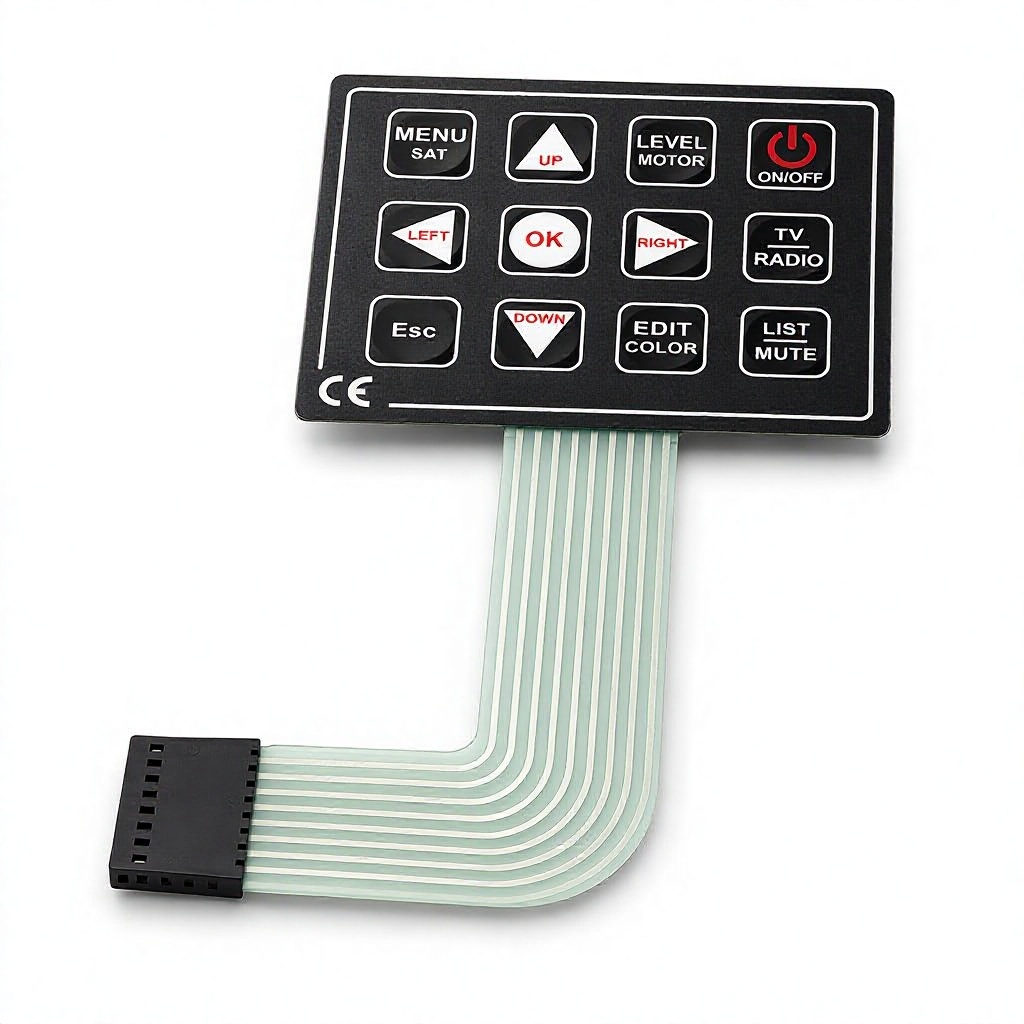
In modern industrial instrumentation, heavy machinery controls, and critical biomedical diagnostic equipment throughout Central Ohio, interface design has transitioned past standard screen-printed silver ink circuits. While conventional silver ink deposited on polyester (PET) remains a functional, budget-conscious choice for light commercial electronics, high-consequence environments require the thermodynamic stability, dense routing capabilities, and structural longevity of Flexible Printed Circuit (FPC) membrane switch architecture.
An FPC membrane switch incorporates a rolled annealed (RA) or electro-deposited (ED) copper foil circuit bonded to a polyimide (PI) substrate. Unlike silver flake matrices that can suffer from micro-fractures during dynamic flexing, silver migration in high-humidity Midwestern conditions, and relatively high trace loop resistance, etched copper conductors provide pristine signal integrity down to fractional ohm values. This allows Columbus electrical hardware engineers to route fine-pitch conductors (down to 0.5 mm or 1.0 mm ZIF pitch), solder miniature surface-mount device (SMD) bi-color LEDs directly onto the circuit layer, and achieve dynamic bend radii unobtainable with screen-printed polymer thick films (PTF).
Polyimide copper construction completely eliminates the catastrophic risk of dendritic silver electro-migration under continuous DC bias and localized humidity variations.
Enables reflow soldering of ultra-miniature 0603/0402 package LEDs, light-pipes, integrated optical sensors, and micro-diodes directly onto the flexible polyimide layer.
Rated for millions of continuous reverse bends without resistive degradation, making FPC tails optimal for robotic articulations and pivoting warehouse terminal enclosures.
Selecting the optimal conductor platform depends on environmental stresses, connector geometry, and enclosure real estate. The comparative engineering table below summarizes critical electrical and mechanical metrics utilized during our DFM (Design for Manufacturability) client reviews:
| Performance Parameter | Flexible Printed Circuit (FPC) | Silver Conductive Ink (PET) | Rigid Backer Board (FR-4) |
|---|---|---|---|
| Base Material Substrate | Polyimide (Kapton) Film (25μm - 75μm) | Polyester (PET / Mylar) (100μm - 175μm) | Woven Fiberglass & Epoxy (0.8mm - 2.4mm) |
| Conductor Layer | Etched RA/ED Copper (0.5oz - 2.0oz) | Screen-Printed Conductive Silver Flake Paste | Etched Copper Foil Laminated to FR-4 |
| Trace Loop Resistance | < 0.5 Ω (Ultra-Low Voltage Drop) | 10 Ω – 150 Ω (Dependent on Tail Length) | < 0.1 Ω (Negligible Resistance) |
| Component Assembly Method | Standard SMT Reflow / Hard Solder | Conductive Epoxy Adhesion (Pliable) | Through-Hole & Surface Mount Reflow |
| Minimum Connector Pitch | 0.5 mm – 1.0 mm (ZIF Connectors) | 2.54 mm (Crimpflex Male/Female Terminals) | Board-to-Board, Standard Pin Headers |
| Operating Temperature | -40°C to +105°C Continuous | -20°C to +65°C | -40°C to +130°C |
| Chemical / Harsh Washdown | Immune to Most Organic Solvents & Oils | Moderate; Degrades If Vapor Enters Vents | Superior Substrate Toughness |
From the booming smart logistics corridors in Obetz and Groveport to medical research centers in Dublin and automated electronics plants across Licking County, Columbus-area OEMs demand Human-Machine Interfaces that withstand thermal shifts, chemical cleansers, and ceaseless mechanical cycling.
Operating out of Rickenbacker Global Logistics Park and surrounding multi-modal transit networks:
Serving healthcare device developers connected with the Ohio State medical district and local biotech parks:
Supporting Central Ohio's rapidly expanding clean-tech, battery manufacturing, and semiconductor clusters:
Precision 4-leg metal domes calibrated between 220g and 450g actuation forces for definitive auditory and physical feedback.
Combination velvet, matte, and optical gloss finishes with transparent or smoke display filter windows for OLED/LCD readouts.
Precision-engineered perimeter adhesive walls with gas-vent breathers channeled internally away from exterior environmental exposure.
Full-coverage printed aluminum foil or conductive carbon mesh screens connected directly to ground paths for ESD/EMI protection.
The "Silicon Heartland" evolution across Central Ohio—spurred by semiconductor mega-fabs, green battery production facilities, and industrial automation corridors—has altered the demands placed on electronic component suppliers. Tier-1 procurement teams and engineering managers are no longer evaluating membrane switch vendors solely on per-unit unit prices; they demand speed to market, comprehensive DFM transparency, certified raw materials, and risk-insulated overseas factory partnerships.
Dongguan Ravo Electronics Co., Ltd. addresses this transition directly. Having served European and North American industrial builders since 2003 from our 12,000 square meter ISO 9001-certified factory floor, we bridge the gap between custom Asian volume manufacturing efficiency and the strict technical oversight mandated by US engineering teams. Our direct engineering channel delivers comprehensive feedback within two hours, while streamlined air freight to John Glenn Columbus International Airport (CMH) or Rickenbacker International Airport (LCK) ensures rapid prototyping turnaround times of 7 to 12 business days.
Clear, direct answers regarding design files, electrical tolerances, logistics timelines, and material declarations for Central Ohio procurement professionals.
We accept 2D vector graphic layouts in DXF, DWG, Adobe Illustrator (.AI), or PDF formats with explicit key dimension callouts. Artwork should include Pantone (PMS) or RAL color matching codes, window locations, tail pinout schematic, circuit logic (matrix vs. common bus), and intended connector specifications. We deliver a detailed DFM feedback report within ≤ 2 hours.
While screen-printed silver ink works well for indoor, cost-sensitive consumer products, FPC (etched copper on polyimide) is strongly recommended for Columbus industrial, automotive, and outdoor machinery. FPC resists mechanical vibration, eliminates silver migration risks under high humidity, permits direct reflow soldering of compact SMT LEDs, and yields near-zero circuit resistance.
Our outdoor-rated membrane switches utilize premium grade Autotex XE polyester or UV-resistant Lexan HP polycarbonate overlays paired with genuine 3M 467MP or 3M 300LSE acrylic adhesives. This stackup endures operating temperatures ranging from -40°F (-40°C) up to 185°F (85°C) without delamination, bubble formation, or embrittlement.
We support rapid R&D prototyping with minimum orders starting from just 1 to 5 pieces for design validation. For scheduled mass production, our flexible MOQ typically spans 100 to 500 units depending on physical dimensions, dome integration, and custom connector requirements.
We engineer continuous, unvented outer adhesive boundary rings that encapsulate all key chambers. Tail exits are sealed using specialized liquid-tight silicone seals or secondary potting enclosures. Breathability between switch cavities is managed entirely through internal channels rather than venting outward, blocking pressurized water jets.
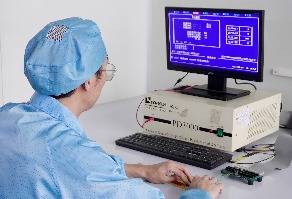
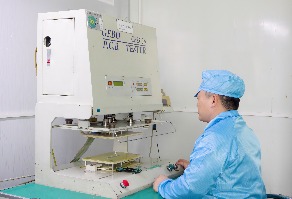
Every single membrane switch undergoes 100% automated electrical testing for continuity, short-circuit detection, open circuits, contact loop resistance, and LED forward voltage verification. Mechanical pull tests on connector tails and automated optical inspection (AOI) for graphic registration are rigorously executed prior to cleanroom vacuum packing.
Following final engineering approval of 2D mechanical proofs, rapid prototypes ship within 7 to 10 business days. Full production orders typically complete within 15 to 20 working days. International express transit (DHL, FedEx, UPS) directly to Columbus facilities generally takes 3 to 5 business days.
Yes. All polycarbonate films, polyester sheets, conductive inks, copper laminates, adhesives, and internal domes comply strictly with RoHS 3 (EU 2015/863) and REACH (EC 1907/2006) regulations. Full material declarations, CoCs, and independent SGS test reports are supplied with every initial production shipment.
Connect directly with our engineering department in Dongguan. Send your CAD drawings, key schematics, or target BOM specs to receive a full DFM analysis, layer stack proposal, and transparent factory quotation.