Engineering Grade HMI & Piezoresistive Sensing

Film Force Sensor Suppliers & Exporter in the Pärnu Market

Delivering micro-thickness polymer thick film (PTF) pressure sensors, tactile user interfaces, and custom membrane switch solutions engineered for industrial automation, maritime robotics, and Baltic IoT manufacturing.

2003+
Engineering Precision

Over 20 years dedicated to custom membrane switches and printed electronics.

12km²
Production Facility

Cleanroom printing, precision laser cutting, and full-line testing in Dongguan.

≤2h
DFM Response Time

Fast European time-zone technical appraisal and Gerber design verification.

100%
Electrical & Force QA

Comprehensive loop resistance, hysteresis, and cycle life validation per batch.

Catalog Selection

High-Reliability Force Sensing & Control Switch Solutions

Engineered to withstand rigorous mechanical cycling, wide thermal variations (-40°C to +85°C), and harsh ingress factors. Available with custom graphic overlays, selective texturing, and flexible interconnect terminations.

Engineering Whitepaper

Thin-Film Force Sensing Architecture: The Mechanics of Piezoresistive Precision

A comprehensive analysis of Polymer Thick Film (PTF) pressure measurement, actuation characteristics, and layer configuration for advanced Scandinavian and Baltic hardware engineers.

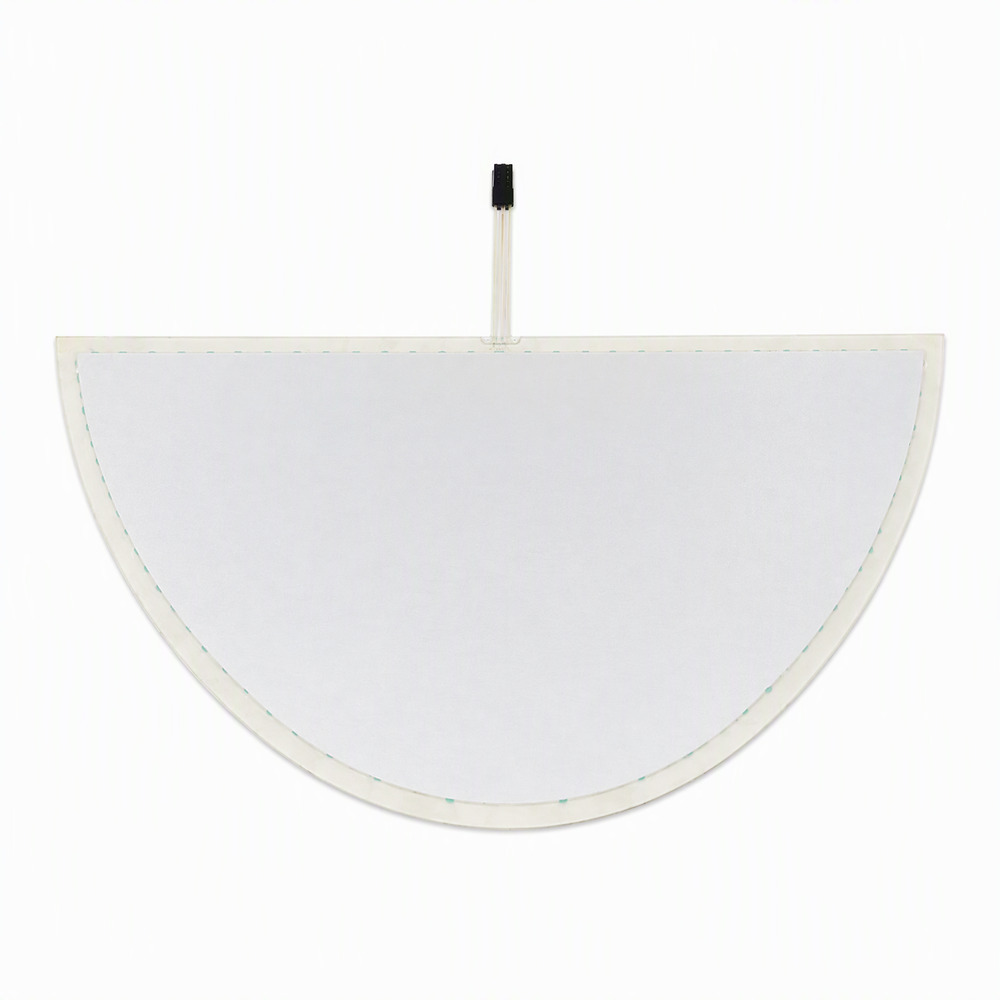
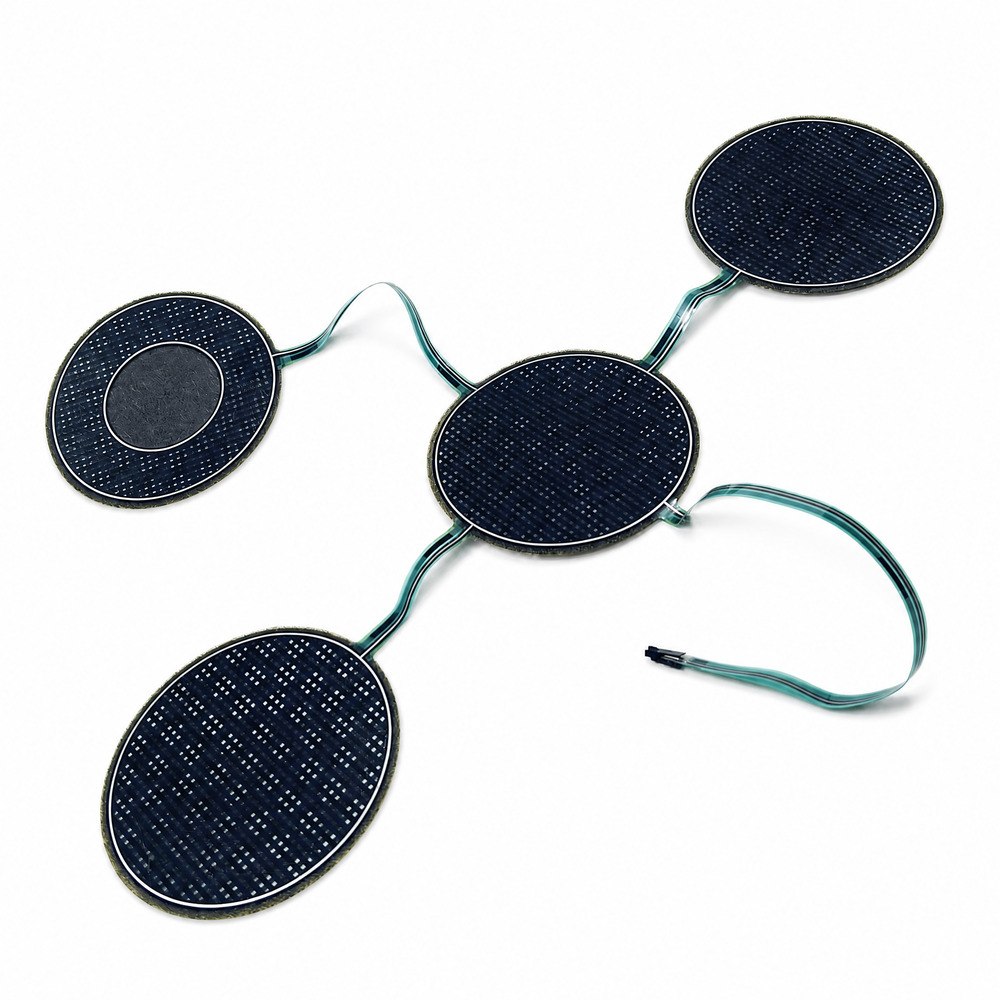
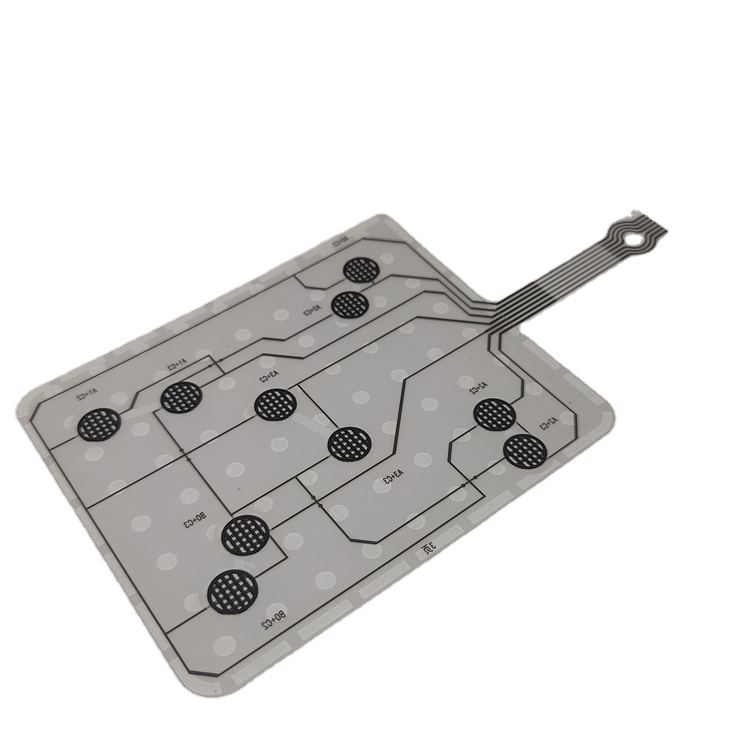
Film force sensors (often designated as Force Sensitive Resistors or FSRs) operate on the quantum physical and mechanical contact phenomenon known as percolation conductivity. The sensor construction comprises two functional micro-layers separated by an engineered dielectric spacer window:

  • The Piezoresistive Functional Layer: A polymeric matrix formulated with suspended conductive sub-micron carbon particles and proprietary organosilicon binders, screen-printed onto high-stability, heat-stabilized polyethylene terephthalate (PET) or polyimide substrate films.
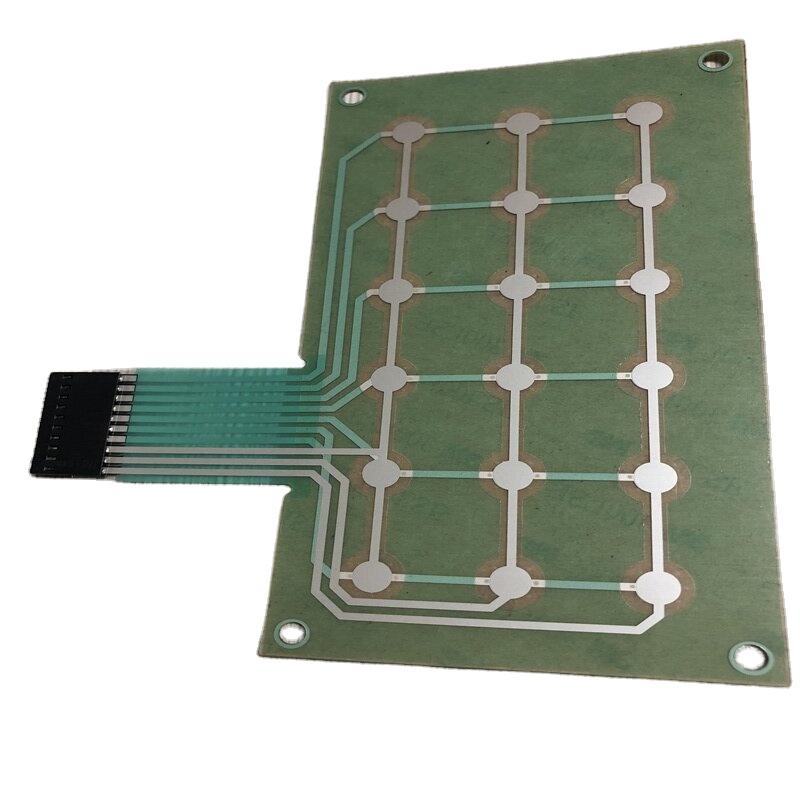
  • The Interdigitated Electrode Matrix: Precision micro-pitch interlinked silver-ink conductive traces printed onto an opposing substrate layer, creating an open circuit condition in the unactuated state.
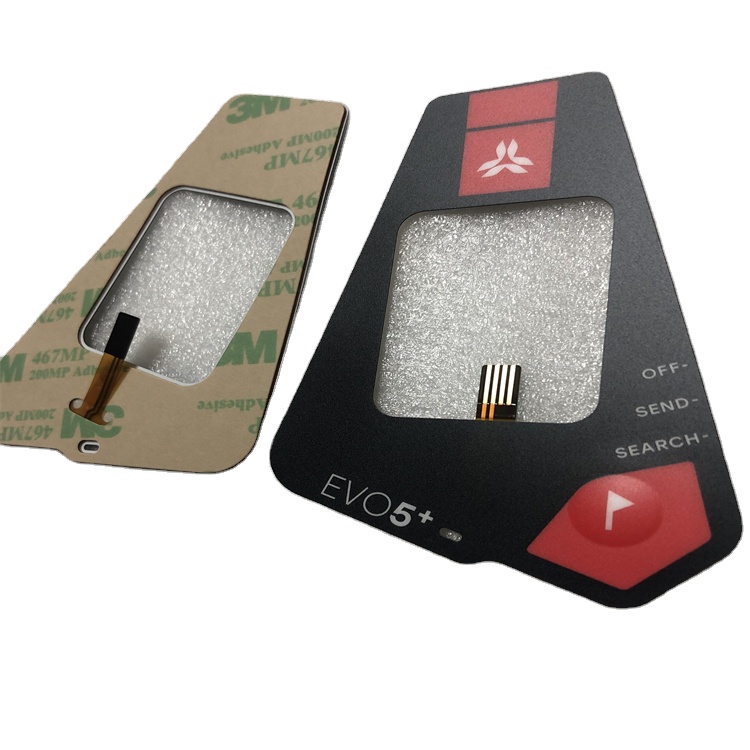
  • The Micro-Venting Dielectric Spacer: A precision die-cut acrylic adhesive film (typically 3M 467MP or 3M 200MP) that establishes the baseline stand-off distance and air equalization channels to negate localized atmospheric vacuum effects.

When normal mechanical pressure is applied across the active sensor area, the microscopic asperities of the piezoresistive carbon ink are forced into physical contact with the interdigitated conductive fingers. As the applied load increases, an exponentially greater number of conductive pathways close. This shifts the bulk junction resistance from high mega-ohms down to sub-kilo-ohm values. This transfer function exhibits repeatable logarithmic response across broad actuation curves.

Electrical Dynamic Range

Our film sensors accommodate standard 0.1N to 100N (customizable up to 500N) force profiles with continuous resistance output:

  • Standby Resistance: > 10 MΩ (open-circuit baseline)
  • Saturation Resistance: < 500 Ω at maximum rated load
  • Excitation Voltage: 3.3V to 5.0V DC microcontroller logic
  • Rise Time: < 5 microseconds (instantaneous response)

Material & Mechanical Integrity

Formulated to deliver high mechanical resistance across millions of actuation cycles under variable industrial loads:

  • Continuous Life: > 5,000,000 actuations without loss of curve
  • Hysteresis Index: Controlled to < 10% of full scale
  • Repetitive Accuracy: Within ±2.5% reading-to-reading
  • Substrate Thickness: 0.10 mm to 0.25 mm ultra-thin profile

Environmental Durability

Engineered to operate reliably in high-latitude environments, marine atmospheres, and unconditioned industrial zones:

  • Operational Temperature: -35°C to +80°C continuous
  • Thermal Shock Resistance: -40°C to +85°C cycling tested
  • Humidity Tolerance: 95% RH at 40°C (non-condensing)
  • Chemical Stability: Unaffected by oils, salts, or mild acids
Regional Integration

Localized Applications Across Pärnu & the Estonian Industrial Axis

Pärnu represents a key logistics, light-electronics, and maritime industrial corridor connecting Tallinn, Tartu, and the wider Baltic-Nordic supply chain. Our film force sensors and membrane controls provide high mechanical and electrical reliability for key sectors across southwestern Estonia.

Timber & Woodworking Automation

Pärnu County is a vital hub for Estonia’s timber processing, pre-fabricated modular timber construction, and automated milling machinery. Our thin-film force sensors serve as rugged, dust-proof pressure feedback points inside lumber vacuum lifters, pneumatic clamping jigs, and automated surface defect detection platforms where traditional mechanical load cells are prone to sawdust-induced binding.

Baltic Maritime & Coastal Telematics

Operating along the Gulf of Riga requires marine navigation devices, boat winches, and autonomous surface vessels (ASVs) to resist persistent saltwater humidity, sub-zero winters, and heavy rain. Ravo’s custom IP67-sealed membrane switches, silicone elastomer sealed consoles, and force matrix sensors function under gloved operation without risking water seepage into cockpit avionics.

Smart Logistics & Intralogistics AGVs

With major freight transport routes traversing Pärnu along Via Baltica (E67), warehouse automation and autonomous guided vehicles (AGVs) demand reliable bump-sensing, pallet presence detection, and automated weight distribution verification. Our thin-film force resistors provide flexible, low-profile impact arrays laminated directly to robotic chassis corners.

Sanitary, Medical & Rehabilitation Equipment

Pärnu’s wellness institutions, specialized therapy clinics, and medical apparatus manufacturers utilize our multi-point force-sensing films for therapeutic pressure mapping, hospital bed occupancy alarms, patient transfer hoists, and ergonomic clinical diagnostic chairs where high sensor flexibility and chemical washdown survivability are essential.

Public Kiosks & Municipal Smart Metering

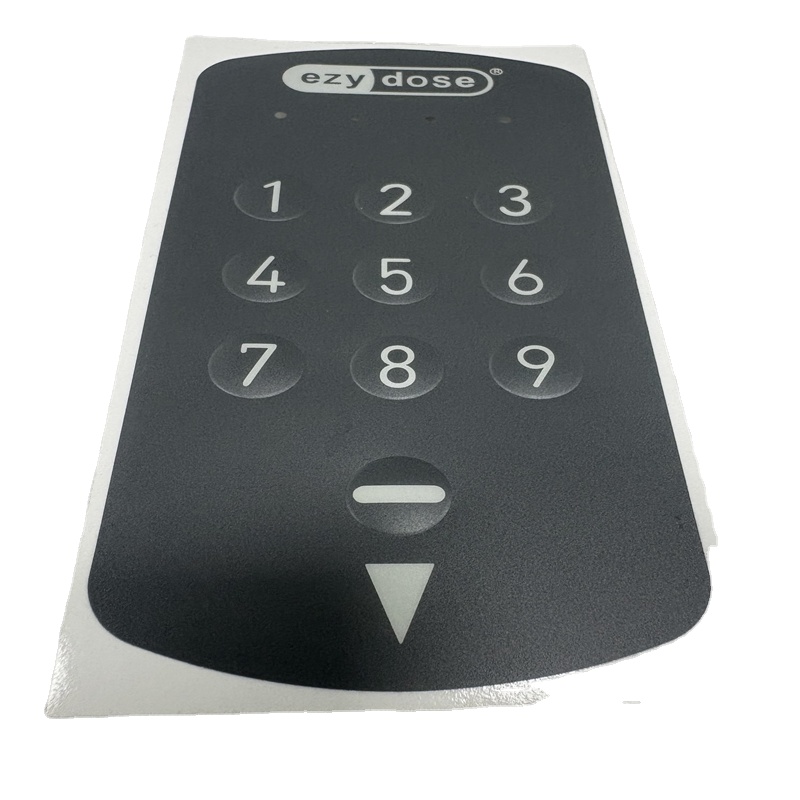
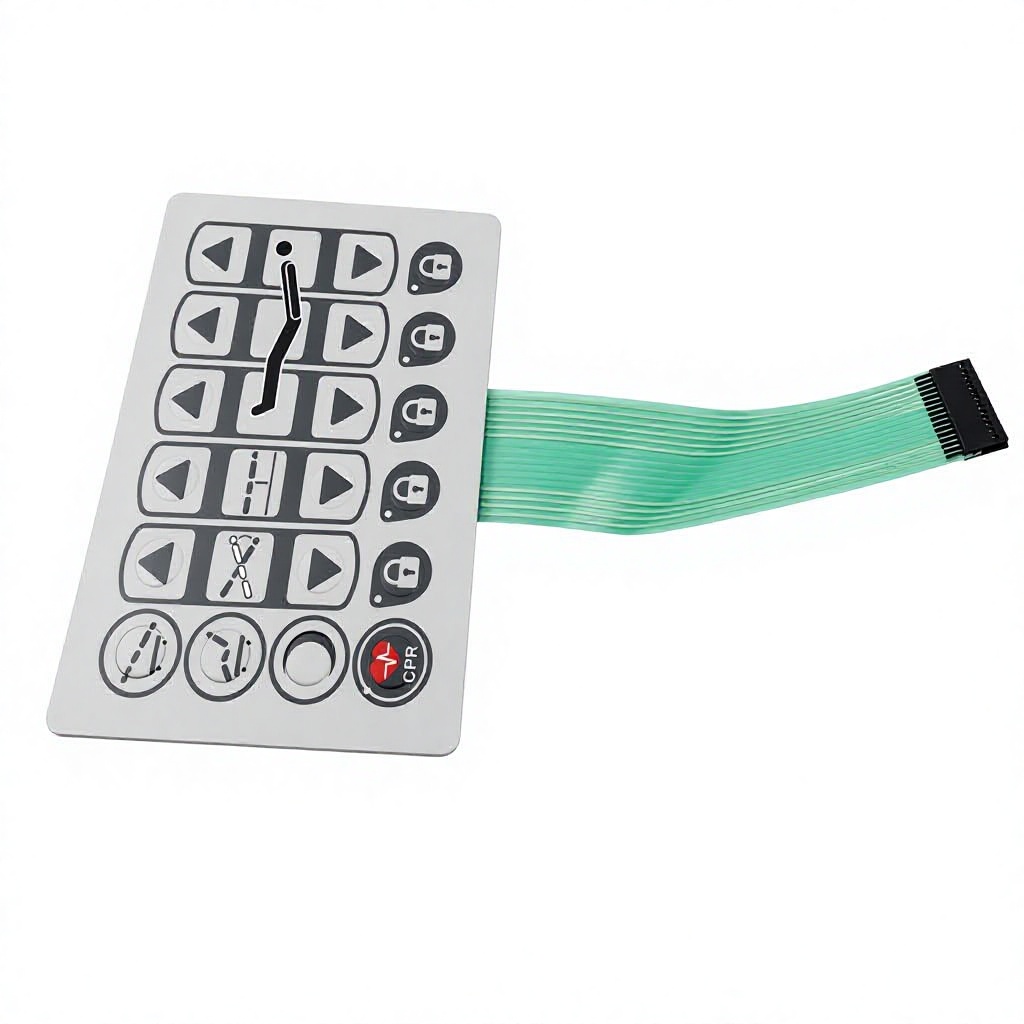
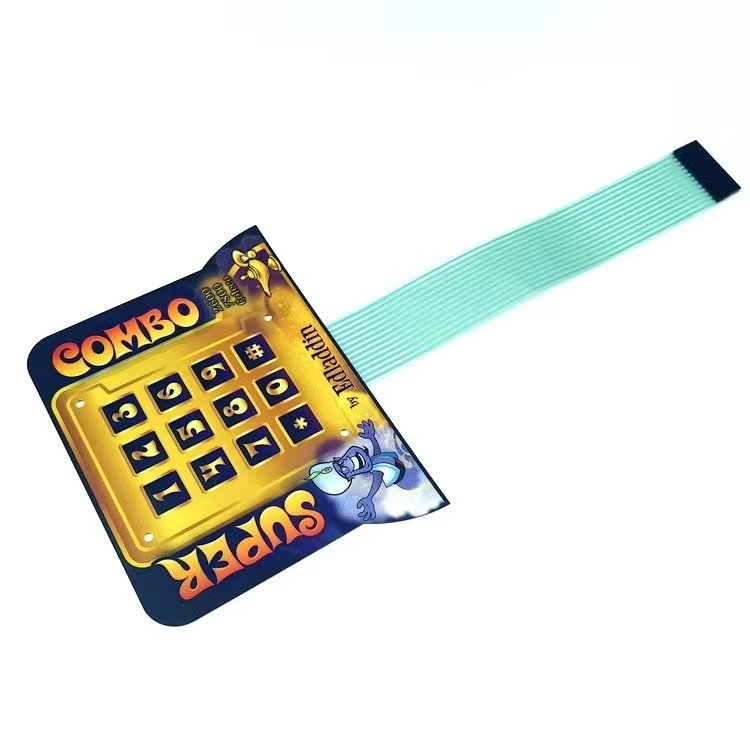
Estonia’s digitized civic infrastructure utilizes thousands of automated payment hubs, smart parcel collection lockers, and municipal touchpoints across urban Pärnu. We supply weather-resistant, vandal-resistant tactile membrane switch arrays and reverse-printed polycarbonate graphic overlays that withstand thousands of weekly transactions without cosmetic or mechanical degradation.

Electronics Contract Manufacturing (EMS) Integration

Estonia hosts specialized European EMS facilities building subassemblies for global instrumentation brands. Ravo supports local hardware developers with custom FPC/PCB membrane assemblies featuring fine-pitch zero-insertion-force (ZIF) tails, surface-mounted LEDs, and tight mechanical tolerances that mate smoothly into high-density enclosure cavities.

Market Insights

Trends Reshaping Force Sensing in Northern Europe

The Estonian industrial landscape is moving rapidly toward connected embedded electronics, clean design standards, and high-efficiency automation. Here are the core technical developments shaping demand in Pärnu and neighboring Baltic tech centers.

Shift from Bulky Load Cells to Ultra-Thin Form Factors

Engineers are replacing legacy strain-gauge load cells with 0.2 mm piezoresistive film sensors. This transition eliminates heavy mounting brackets, reduces bill-of-materials weight, and enables multi-point pressure measurement inside compact handheld and wearable devices.

Hygienic, Washdown-Ready Industrial HMIs

Post-pandemic biosecurity and strict EU food and pharmaceutical standards favor seamless, flat-panel interfaces over open mechanical pushbuttons. Membrane panels with antimicrobial textured overlays provide complete protection against liquid infiltration and harsh chemical cleaners.

Integration of Force-Activated Touch Controls

Pure capacitive touch panels frequently trigger false actuations when exposed to water droplets, salt spray, or thick industrial work gloves. By incorporating piezoresistive force sensors beneath the graphic overlay, systems require intentional physical pressure before triggering commands.

Agile Prototyping & Flexible Small-Batch Runs

Baltic engineering teams often follow agile hardware development cycles requiring rapid iterative prototyping (1 to 10 pcs) prior to European certification. Ravo's digital printing and rapid laser-cut tooling support this design process without high upfront steel tooling commitments.

Enterprise Advantages

Why Baltic Engineers & Buyers Choose Dongguan Ravo Electronics

Founded in 2003, our production floor combines complete in-house tool manufacturing, Class 1,000 cleanroom printing, and comprehensive quality assurance to provide reliable OEM/ODM human-machine interfaces worldwide.

20+ Years Direct Manufacturing Heritage

We are a dedicated factory, not a trading broker. From our 12,000 m² production facility in Fenggang Town, Dongguan, over 300 skilled technical personnel manufacture every component under a unified ISO 9001 quality management structure.

Rapid Engineering DFM Feedback (≤2 Hours)

Our cross-functional technical teams analyze your DXF, DWG, Gerber, or vector artwork files swiftly. We return manufacturability reviews (DFM), stack-up layer designs, and material recommendations directly aligned with your operational temperature and environment.

Extreme Prototyping Agility (From 1 Piece)

We eliminate sourcing bottlenecks for Baltic hardware startups and bespoke machine builders by offering functional prototypes from 1 to 10 pieces. In-house laser plotters and digital silk-screen printing bypass costly hard-steel tooling during your validation phase.

Fully Integrated In-House Production

Graphic overlay screen printing, die cutting, silicone rubber compression molding, SMT LED placement, and circuit lamination take place on the same production floor. This end-to-end control ensures fast engineering change implementations and tight dimensional tolerances.

Automated 100% Quality Assurance

Every single membrane switch and force sensor undergoes 100% automated electrical continuity, trace resistance, and pinout verification. Actuation force calibration, life-cycle fatigue testing, and environmental chamber baking ensure consistent zero-defect shipments.

EU-Compliant Materials & Reliable Export Logistics

All raw conductive inks, PET films, polyimide bases, and adhesives (genuine 3M 467MP, 3M 9448A) comply fully with RoHS and REACH regulations. We provide professional anti-static vacuum packaging and door-to-door express customs delivery into Pärnu and across Estonia.

Procurement Guidance

Frequently Asked Questions by Baltic Procurement & Hardware Engineers

Essential technical, commercial, and logistical questions answered to streamline your supplier qualification and project kickoff.

How does Ravo handle prototyping versus high-volume orders for Baltic customers?
We provide prototype runs starting from 1 to 10 units for functional validation, CE marking trials, and field test fixtures. Once your engineering team signs off on golden samples, mass production MOQs typically range from 100 to 500 units depending on circuit complexity, tactile dome layers, and surface-mount components.
Can your film force sensors withstand harsh Northern European winters and sub-zero operation?
Yes. Our standard polymer thick film sensors and polyester membrane stacks are thermally conditioned to operate continuously between -35°C and +80°C. For outdoor coastal marine applications or unheated forestry machinery in Pärnu, we utilize high-stability, heat-stabilized PET substrate films, low-temperature flexibility conductive inks, and specialized 3M cold-tack acrylic adhesives.
What engineering documentation is needed to receive an exact quotation?
To provide an accurate technical appraisal and quotation within 2 hours, please supply: a 2D mechanical dimensional drawing (DXF, DWG, or vector PDF), graphic layout with designated Pantone color codes, schematic pinout of tail traces, tactile feedback preferences (metal dome vs. flat non-tactile), connector pitch (e.g., standard 2.54mm or ZIF), and targeted batch quantities.
How do you ensure water and dust ingress protection (IP65 to IP67)?
Ingress protection is achieved via perimeter gasket cutouts using continuous closed-loop 3M adhesives, seamless non-porous graphic overlay films (autotype polyester or hard-coated polycarbonate), and hermetically sealed tail exits. This prevents fine timber sawdust, moisture, washdown sprays, and saltwater mist from reaching internal silver circuit lines.
What is the difference between a thin-film force sensor and a standard membrane switch?
A standard membrane switch is a binary device: it completes an electrical circuit (ON/OFF state) when pressed. A film force sensor utilizes dynamic piezoresistive carbon ink whose electrical resistance changes continuously in inverse proportion to the applied force. This allows your microcontroller to measure how hard the operator or object is pressing across an analog spectrum.
What typical delivery lead times should we expect when shipping to Pärnu, Estonia?
Following final drawing and stack-up approval, functional prototypes typically complete fabrication within 7 to 12 working days. High-volume serial production runs ship within 15 to 22 working days. We utilize international express air couriers (DHL, FedEx, UPS) directly to Pärnu, with standard air transit times ranging from 4 to 6 business days including customs clearance.
Are Ravo’s materials compliant with EU environmental and electrical directives?
All raw materials used in our cleanroom lines—including screen-printed silver and carbon inks, dielectric insulators, adhesive layers, LEDs, and connector terminals—comply with EU RoHS 3 (Directive 2015/863/EU) and REACH (EC 1907/2006) regulations. Full material declarations and laboratory certificates are available for auditing upon request.
What connector terminations are available for mating with our PCBA?
We provide a variety of tail termination options, including: standard 2.54 mm pitch crimped female housings (compatible with Berg, Nicomatic, or standard male headers), solder tabs, exposed male silver fingers, stiffened zero-insertion-force (ZIF) tails, or custom polyimide FPC flex circuits with gold-plated contact fingers for high-vibration equipment.

Initiate Your Custom Force Sensor or Interface Project

Whether you require a custom piezoresistive sensor array for automated machinery, a sealed maritime controller panel, or high-durability HMI prototypes in Pärnu, our senior engineering team is ready to assist. Submit your drawings or project specifications today for a detailed DFM review and quotation within 2 hours.

Get a Quote