Medical & Lab
 EN
 DE
 FR
 ES
 RU
 JA
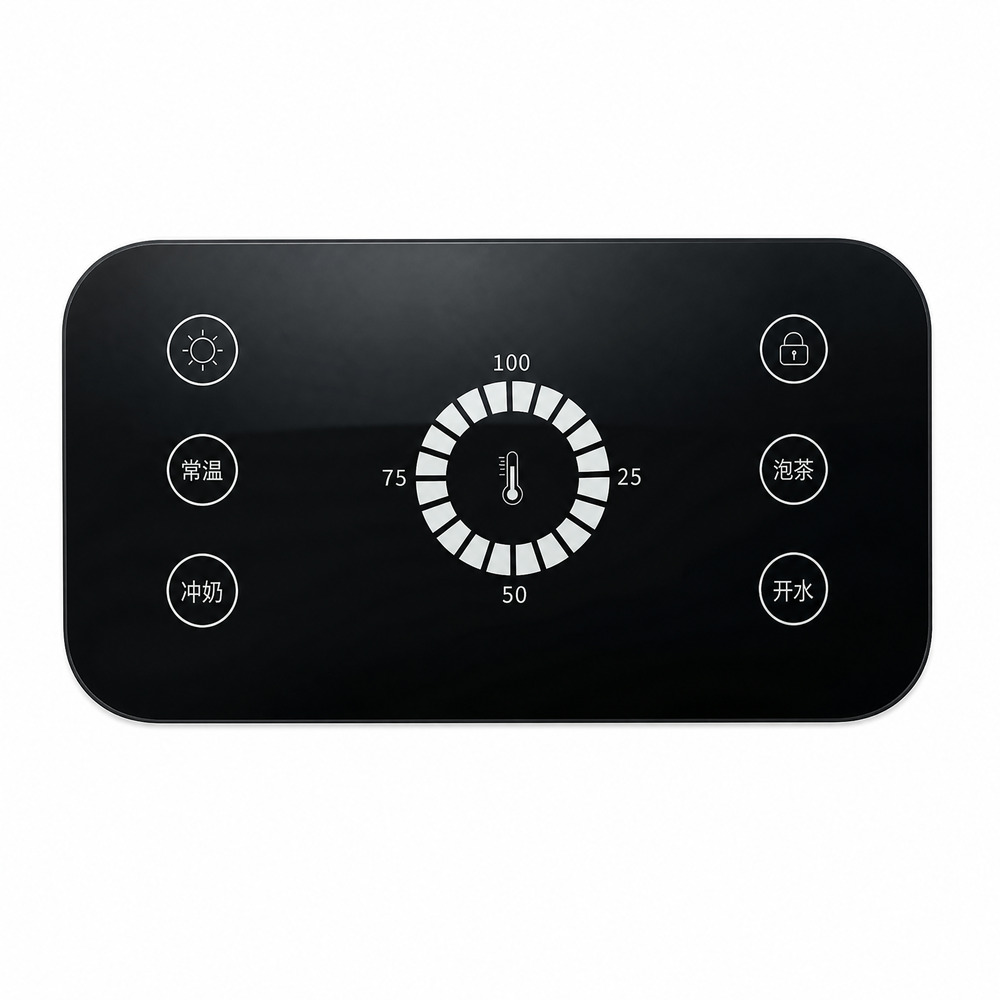
Direct OEM interface solutions manufactured with sub-surface reverse silk-screen and high-definition hybrid digital printing, laser-cut adhesives, and tactile dome dynamics engineered for Iberian deployment.
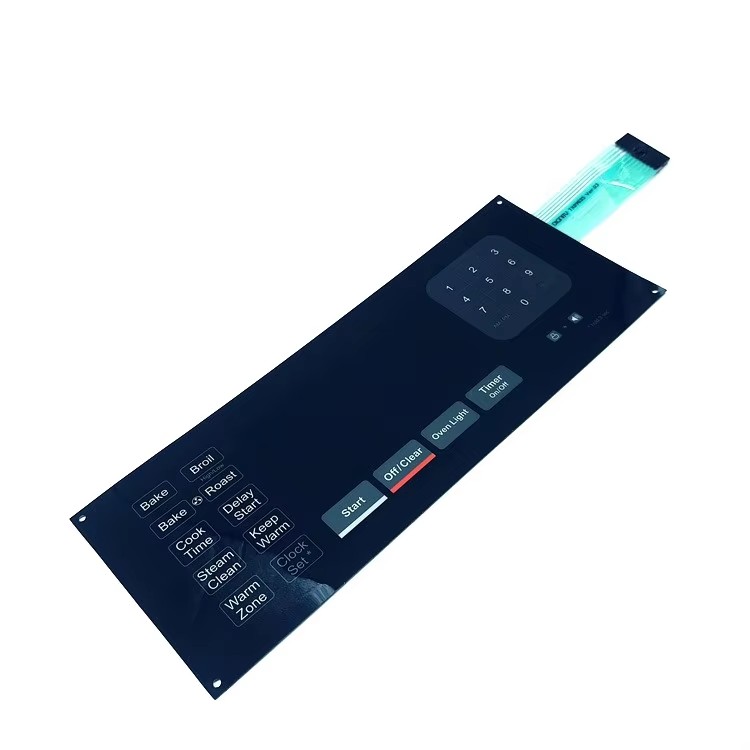
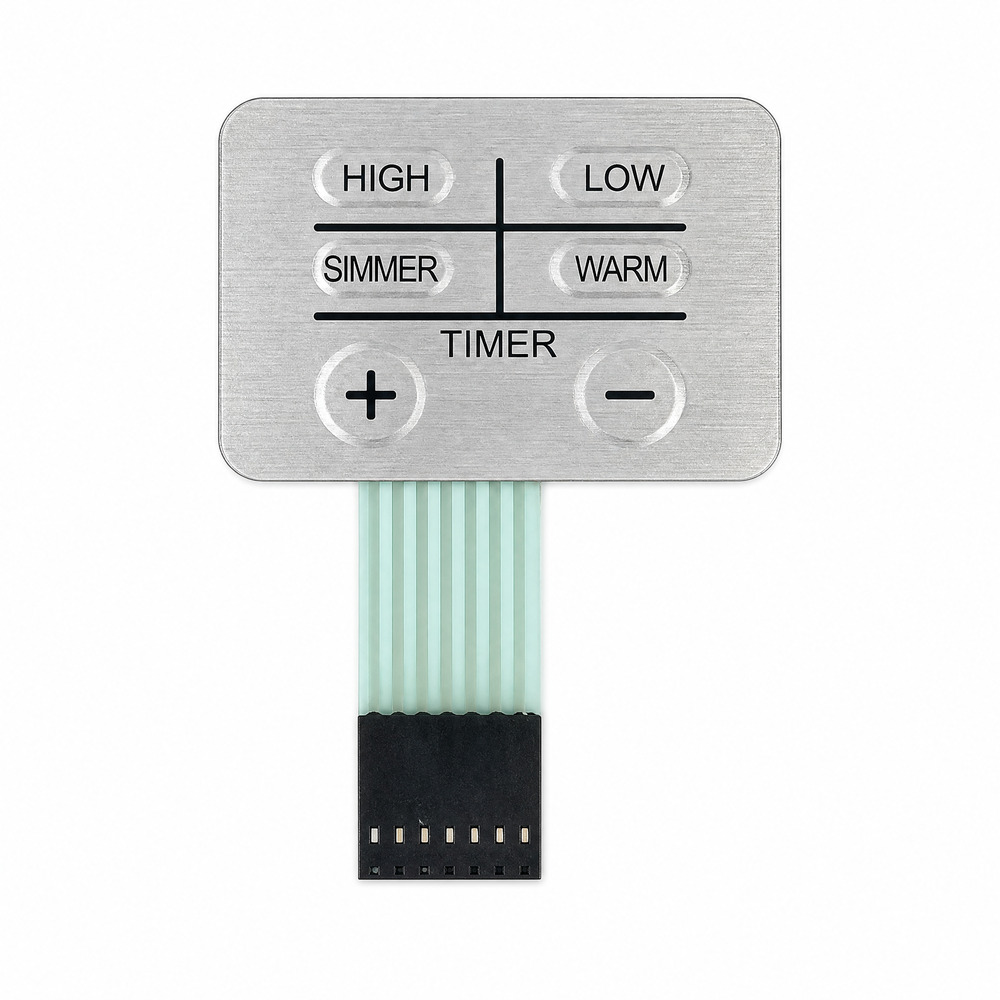
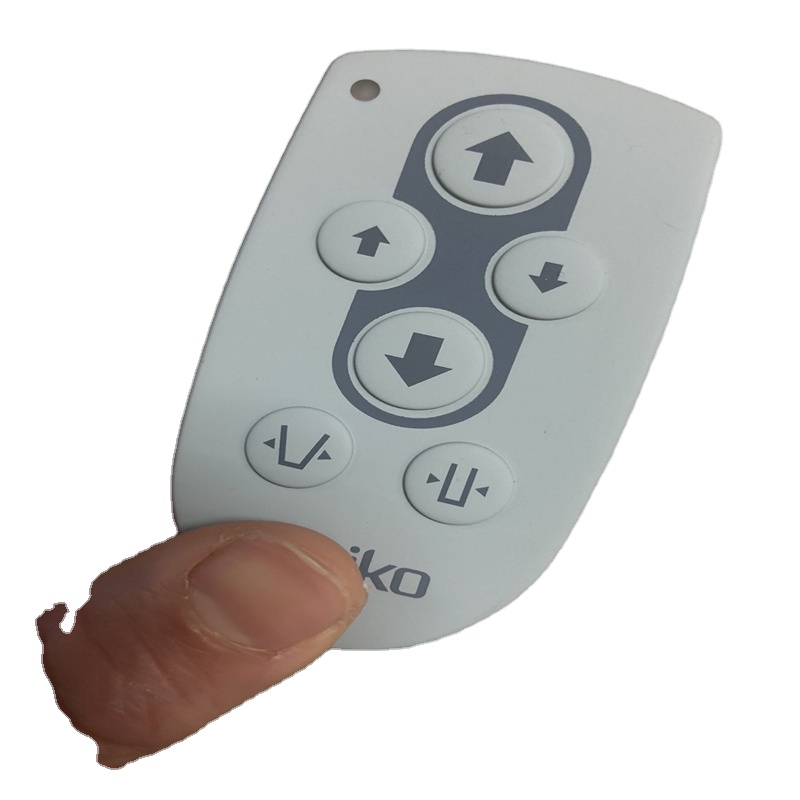
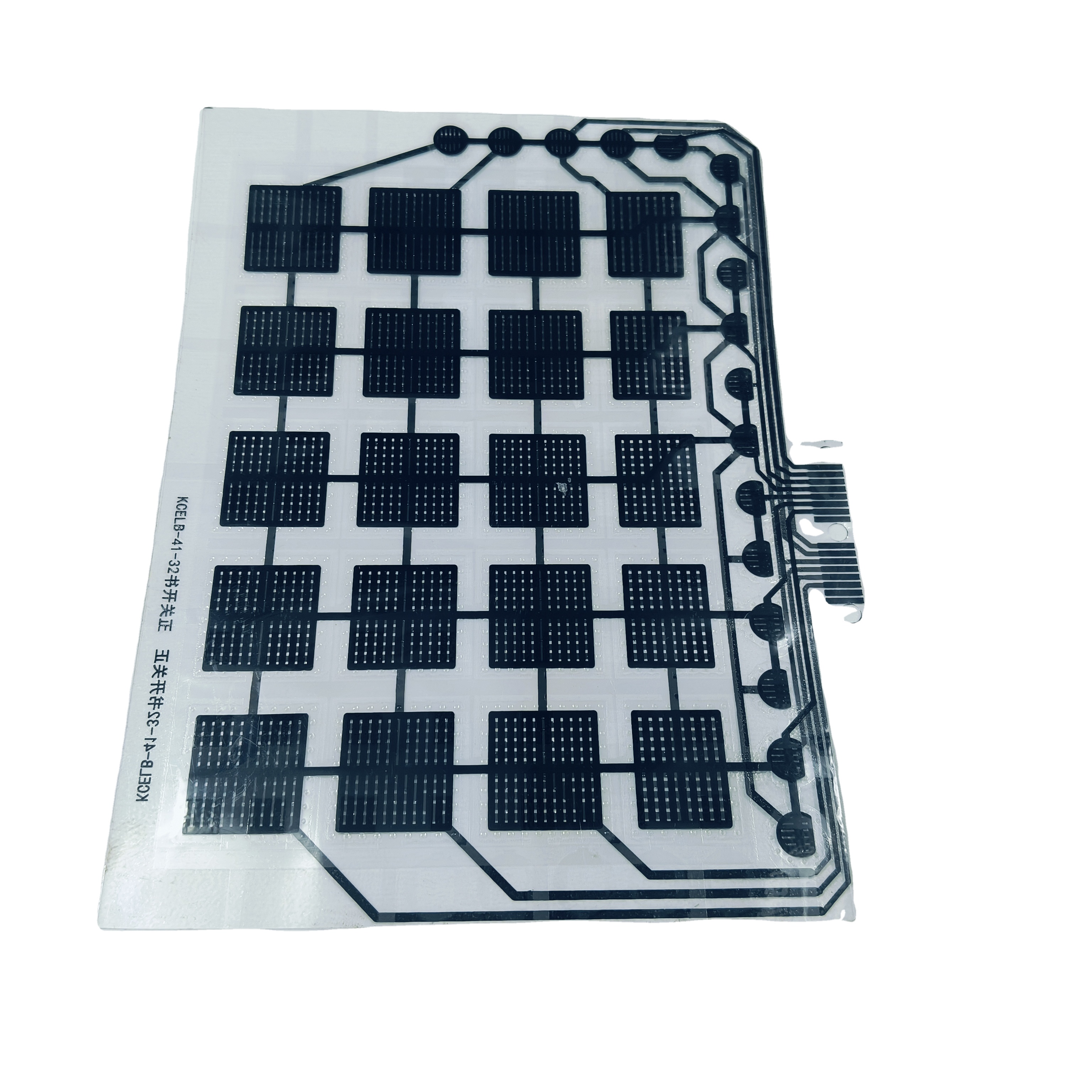
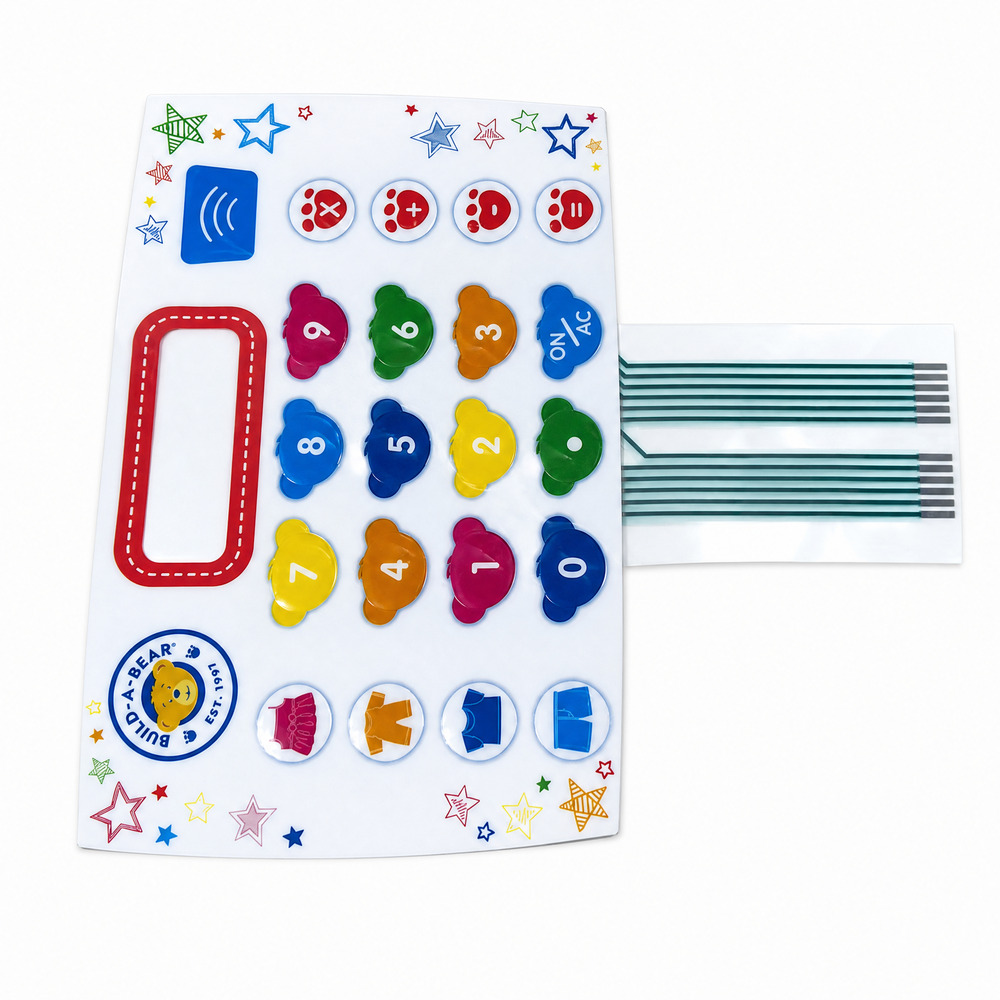
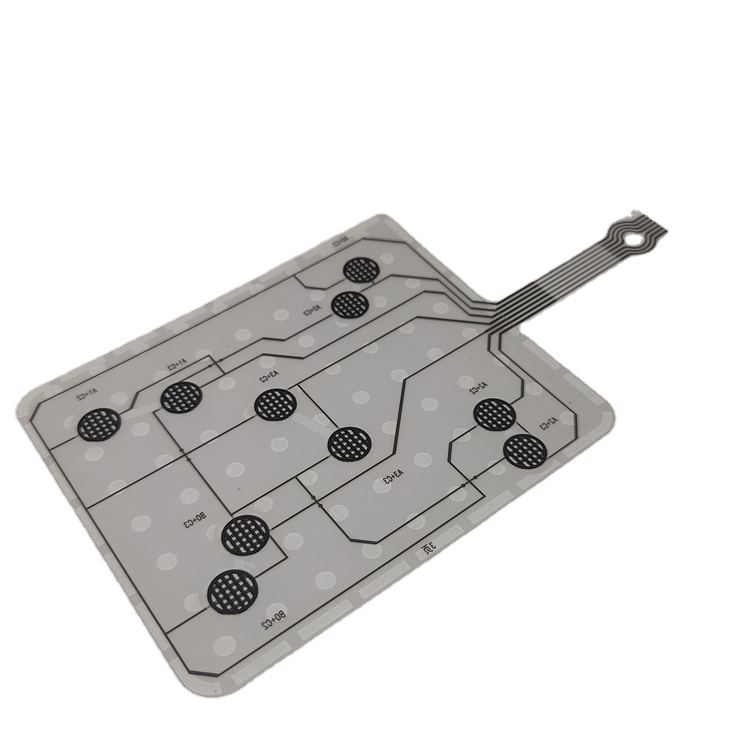
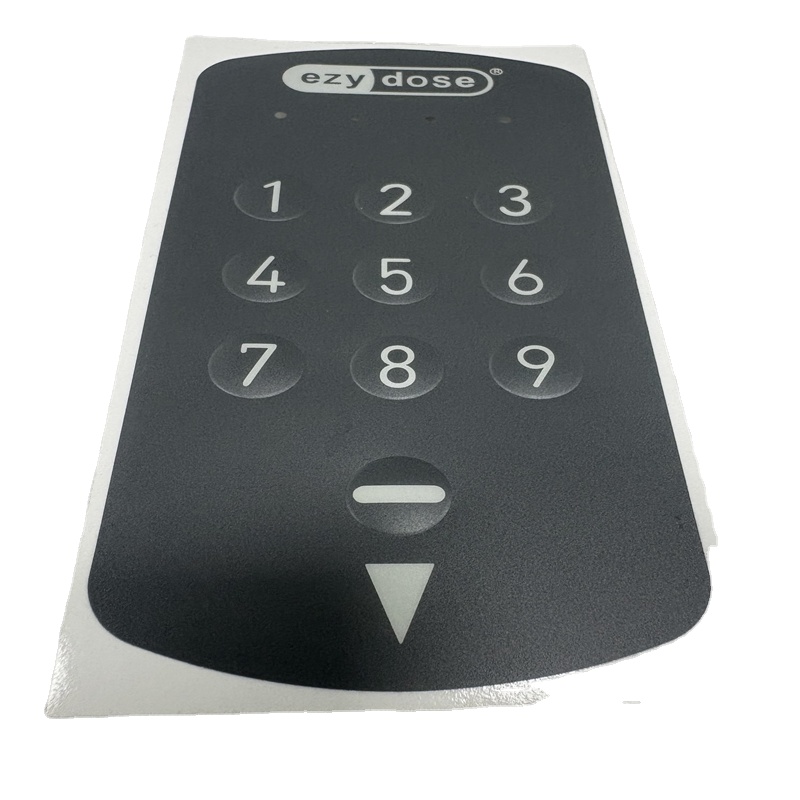
A critical overview of physical layer stacks, substrate molecular durability, adhesive rheology, and ingress protection dynamics demanded by original equipment manufacturers in central Spain.
Front panel engineering begins at the base polymer. While optical-grade Polycarbonate (Lexan 8010, HP92W) offers superior clarity, high impact resistance, and self-extinguishing UL94 V-0 flame ratings, it can suffer micro-cracking under repeated flexing. Biaxially oriented Polyethylene Terephthalate (Autotex XE, Autotex V200) delivers over 5 million flex cycles without fatigue, extreme resistance to industrial solvents, and stability against plasticizer migration from underlying gaskets.
To eliminate abrasive wear and chemical wash-off, graphics are printed sub-surface on the underside of clear films. This isolates ink chemistry from exterior mechanical abrasion, alcohol washdowns, and ambient atmospheric agents. For HMI modules hosting LCD, TFT, or 7-segment LED displays, selective gloss clear windows are created through uv-curable anti-glare screen print varnishes or smoked translucent color dropouts matching exact display absorption spectra.
The interface bond is paramount. Utilizing 3M High Performance Acrylic adhesives—such as 3M 467MP for smooth stamped aluminum or 3M 300LSE for low-surface-energy (LSE) polypropylene and powder-coated enclosures—prevents delamination. Engineering an unbroken perimeter seal ring completely encasing the tail egress ensures liquid ingress protection compliant with UNE 20324 / EN 60529 standard metrics up to IP67 immersion thresholds.
| Performance Parameter | Polycarbonate (PC) Overlays | Polyester (PET) Overlays | PMMA (Acrylic) Front Plates |
|---|---|---|---|
| Mechanical Flexural Fatigue | Moderate (~100,000 cycles before embrittlement) | Exceptional (>5,000,000 switch actuations) | Rigid / Non-Flexible (Structural display windows) |
| Chemical & Solvent Resistance | Low to aliphatic hydrocarbons, alcohols, ketones | Immune to alcohols, cleaning agents, cutting oils | Moderate; susceptible to acetone and halogenated compounds |
| UV Degradation & Yellowing | Requires UV-stabilized coating (Lexan HP92W) | Inherent UV resilience (Autotex XE grade) | Naturally UV stable; outstanding optical clarity |
| Tactile Dome Embossing Stability | Good immediate snap; relaxes over sustained heat | Retains thermoformed rim/pillow memory up to 85°C | Cannot be embossed; machine milled or laser bevelled |
| Typical OEM Application | Indoor test gear, medical monitors, instrumentation | Heavy industrial machinery, outdoor HMI, transit | High-end cosmetic fascia, point-of-sale display shields |
The Autonomous Community of Madrid stands as Spain’s technological powerhouse, encompassing advanced manufacturing, biomedical research, rail transit, and aerospace engineering. Here is how custom front panel overlays perform across local industrial hubs.
The aerospace manufacturing corridor south of Madrid requires front panel overlays complying with strict flammability standards (FAR 25.853 and UNE-EN ISO 9001). Assemblies feature non-reflective matte dead-front finishes, integrated anti-static ESD layers (carbon ink grids discharging >15kV), and MIL-STD tactical metal dome switches functional in vibration-heavy test equipment.
Laboratories and medical device OEMs located in Tres Cantos and Alcobendas demand front panel fascias resistant to hospital-grade disinfectants (hydrogen peroxide vapor, 70% IPA, glutaraldehyde). Antimicrobial polyester overlays with micro-textured surfaces prevent biological fluid capillary seepage and support touch operation with medical nitrile gloves.
From Coslada to Alcalá de Henares, automation builders and railway tier-suppliers (Metro de Madrid, ADIF rolling stock contractors) integrate ruggedized membrane panels into trackside inverters, ticketing consoles, and train driver interfaces requiring IP66 perimeter sealing against castilian dust and moisture ingress.
Under Madrid's low-emission urban mobility strategy, EV charging stations placed along the M-30 and peripheral transit arteries endure harsh Mediterranean sun, rapid thermal expansion (-5°C winter to +42°C summer), and public vandalism. We engineer outdoor UV-cured PET graphic overlays bonded with 3M 300LSE adhesive to high-impact powder-coated steel enclosures.
Industrial buyers and mechanical engineering design bureaus across Madrid are transitioning toward more resilient, intelligent, and sustainable human-machine interfaces.
Traditional tactile switches are increasingly complemented or replaced by capacitive touch membrane layers. Cleanroom-printed conductive silver-carbon traces situated behind seamless 0.25mm dead-front overlay films allow completely flat, crevice-free assemblies. This facilitates effortless CIP (Clean-in-Place) cleaning in food processing units in Pinto and Valdemoro, eliminating dirt traps.
Mid-tier engineering houses in Madrid often face high markups and 8-week minimum turnaround times from domestic intermediate brokers. By contracting directly with an integrated manufacturing source like Ravo in Dongguan, buyers eliminate intermediary overheads, obtain rapid DFM feedback within European morning business hours, and secure express air-cargo delivery (DHL/FedEx directly into Madrid Barajas MAD cargo terminal within 4 working days).
Madrid’s expanding medtech cluster is adopting printed force-sensitive resistors (FSR). Using piezoresistive carbon inks screen-printed onto PET substrate foils, these micro-thin sensors detect patient bed occupancy, surgical foot-pedal pressure gradients, and industrial robotic grip feedback without the bulk of electromechanical load cells.
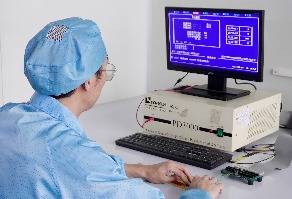
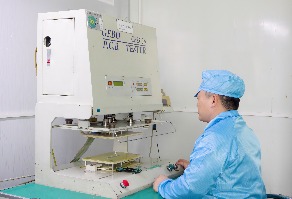
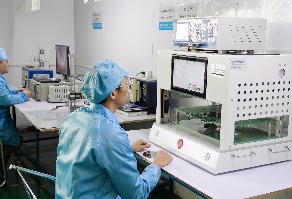
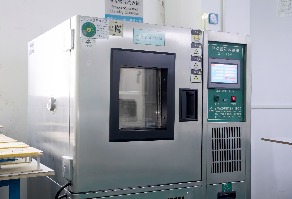
Operating from Fenggang Town, Dongguan, Ravo Electronics operates an integrated 12,000 square meter ISO 9001 certified plant. Rather than outsourcing steps, we maintain complete in-house control: automated screen-printing lines, computer-guided laser die-cutting, cleanroom lamination, SMD LED surface mounting, and rigorous electronic testing benches.
Our engineering support team reviews your Gerber, DXF, DWG, or Illustrator files, providing comprehensive DFM (Design for Manufacturability) advice, layer-stack analysis, and tailored adhesive recommendations within two hours.
Clear answers to typical technical, shipping, and commercial inquiries from Spanish procurement specialists and electronics hardware engineers.
Submit your 2D drawings, 3D enclosures, or graphic artwork for an expert Design-for-Manufacturability (DFM) review and competitive direct-factory quotation within 2 hours.
