EN
 DE
 FR
 ES
 RU
 JA EN DE FR ES RU JA
Engineered for seamless integration into medical devices, industrial automation, automotive seating, and consumer electronics across Latvia and the Baltic region.
As Latvia accelerates its transition toward high-tech advanced manufacturing, microelectronics, and digital robotics under the European Union’s Industry 4.0 frameworks, original equipment manufacturers (OEMs) and contract electronics manufacturers (EMS) across Riga, Liepāja, Ventspils, and Jelgava are increasingly replacing bulky mechanical microswitches with ultra-thin, low-profile Force Sensitive Resistors (FSRs) and custom membrane pressure arrays.
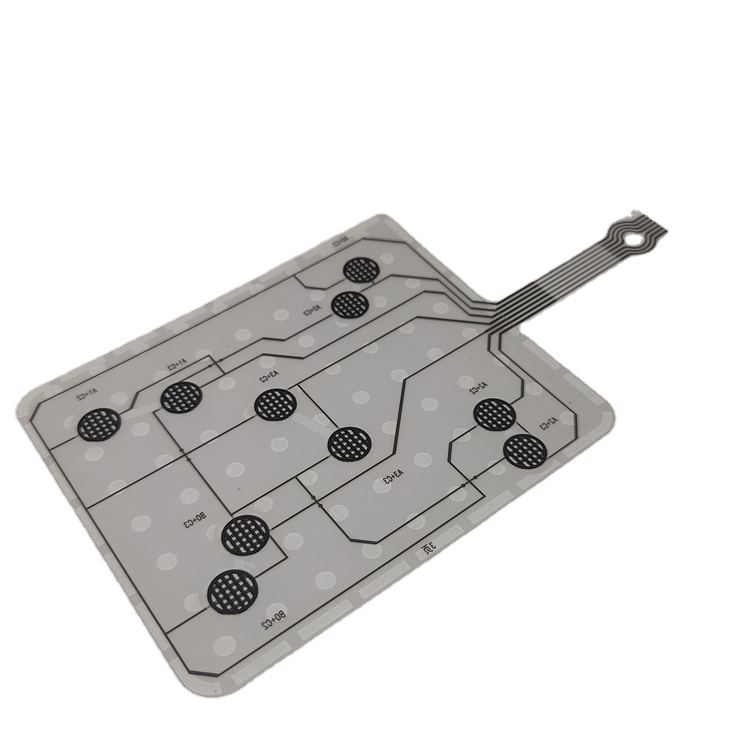
A Force Sensitive Resistor is a piezoresistive polymer thick-film device that exhibits a predictable decrease in electrical resistance as force applied to the active sensing surface increases. Unlike simple binary tactile switches, custom FSR sensors enable continuous analog force measurement—ranging from delicate tactile touch inputs (0.1 N) to heavy industrial load detection (up to 100 N or more). For Latvian engineering firms developing medical diagnostic devices, smart timber harvesting machinery, automated warehouse grippers, and e-mobility seating systems, finding reliable, high-volume OEM FSR sensor manufacturers capable of delivering customized geometry, tailored resistance curves, and strict environmental durability is critical.
E-E-A-T Technical Insight: Material selection and screen-printing precision govern FSR repeatability. Standard silver-ink circuits combined with proprietary semi-conductive piezoresistive carbon formulations allow sensor customization for sub-millimeter activation distances and zero power drain in standby mode.
Achieving stable piezoresistive performance under varying thermal and humidity conditions requires rigorous material engineering. At Dongguan Ravo Electronics Co., Ltd., custom thin-film force sensors are manufactured utilizing multi-layer precision screen-printing technology inside ISO-certified environment controls.
| Technical Parameter | Standard Specification Range | Ravo OEM Customization Capability |
|---|---|---|
| Actuation Force Range | 0.1 N to 20 N (Tactile / Touch) | Custom tuned from 0.05 N to >100 N (Heavy Duty) |
| Force Sensitivity Resolution | Continuous log-linear curve | Tailored multi-zone sensitivity mapping |
| Standby Resistance (Unactuation) | > 10 MΩ (Open Circuit) | > 20 MΩ ultra-high isolation for battery IoT |
| Operating Temperature | -20°C to +70°C | Extended range: -40°C to +85°C (Baltic Winter Grade) |
| Substrate Thickness | 0.125 mm – 0.200 mm PET | Polyimide FPC / Flexible PCB backer integration |
| Switching Cycle Durability | 1,000,000 actuations | Up to 10,000,000 cycles with stainless metal domes |
Latvia’s unique industrial positioning—combining medical technology R&D, smart forestry equipment automation, e-mobility prototyping, and sub-contract electronics manufacturing—demands customized FSR force sensors tailored to specific regional operational stresses.
Custom force-sensing shoe insoles, patient bed occupancy detection, and digital physical therapy pressure-mapping matrices deployed in hospitals and orthopedic clinics across Riga.
Heavy-duty piezoresistive sensors integrated into hydraulic forestry grabbers, automated sawmill conveyor weight sorters, and cargo strain monitoring systems operating in Liepāja and Ventspils ports.
Thin-film Seat Belt Reminder (SBR) occupancy matrix sensors engineered to withstand sub-zero Northern European winter temperatures without signal drift or material embrittlement.
Multi-zone tactile arrays built on flexible polyimide (FPC) circuits giving cobot grippers delicate touch control during high-speed electronic circuit board assembly in Jelgava manufacturing plants.
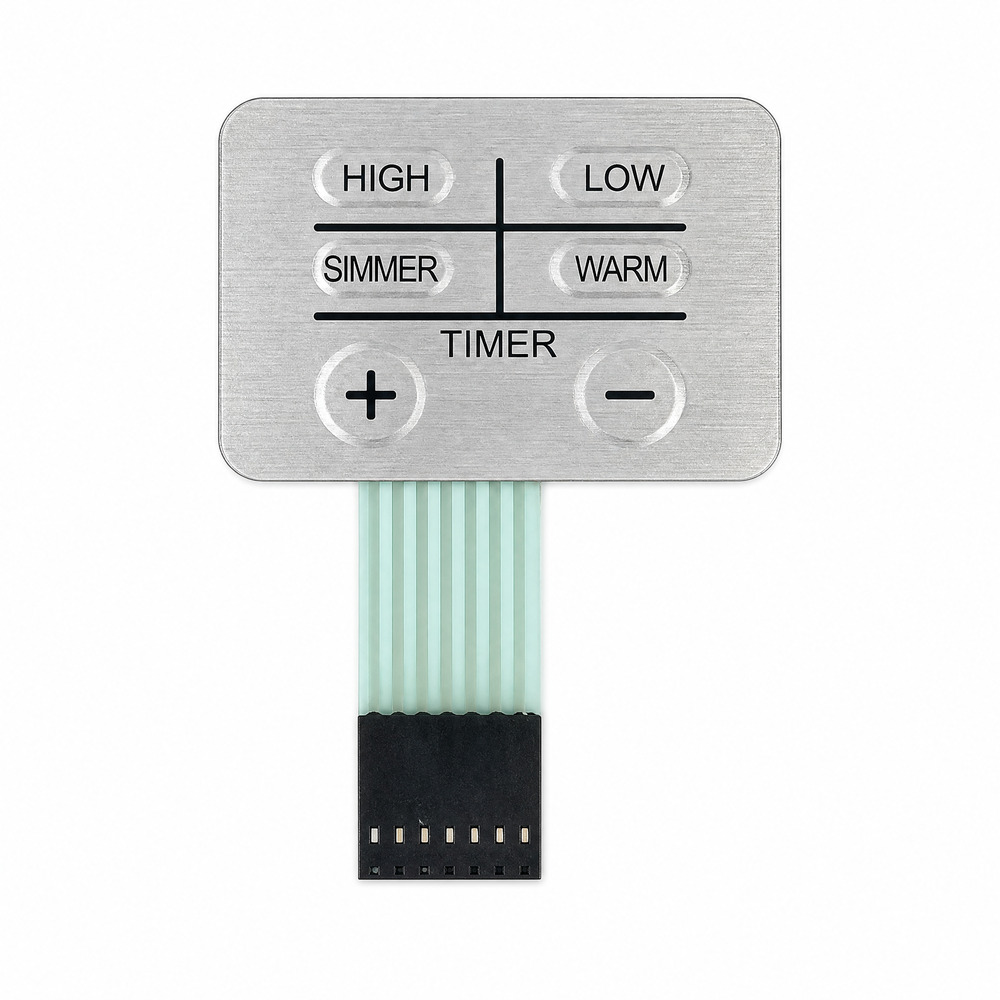
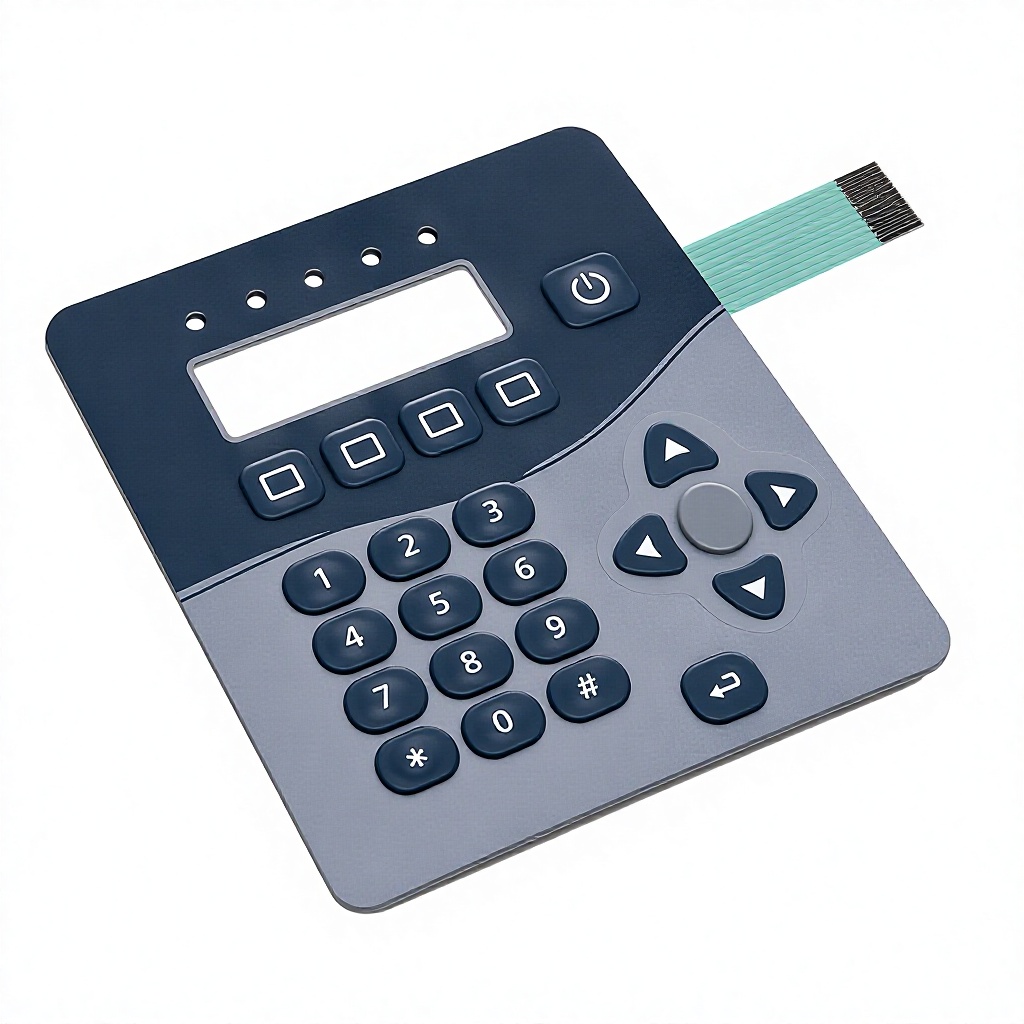
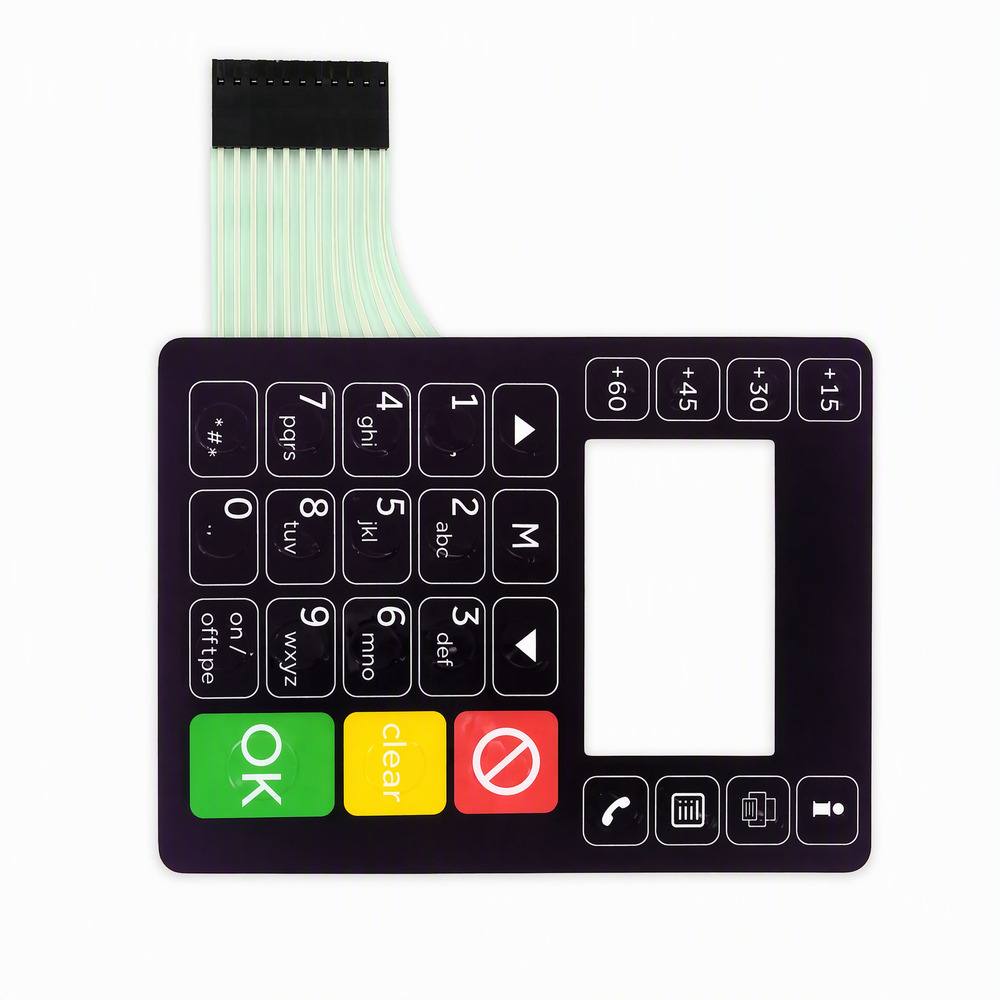
Capacitive and force-activated membrane control panels behind toughened glass or stainless steel overlays for outdoor ticketing kiosks and electric vehicle (EV) charging stations across Latvia.
Ultra-flexible force sensitive resistor pads integrated into smart sports apparel, biometric grip analyzers, and digital musical keyboards produced by local Baltic startups.
Sourcing electronic components in Northern Europe requires balancing rapid engineering turnarounds with strict European compliance standardizations. When Latvian OEMs source custom FSR sensors and custom membrane keypads, four macro trends dominate procurement decisions:
Modern industrial equipment manufactured in Latvia increasingly incorporates edge microcontrollers that monitor force data continuously. FSR sensors serve as zero-power analog transducers, enabling predictive maintenance algorithms to detect machine wear or structural strain before catastrophic mechanical failure occurs.
Standard off-the-shelf force sensors manufactured with basic commercial inks frequently suffer from ink delamination or severe baseline resistance drift when exposed to the Baltic climate (down to -30°C in winter). Advanced silver-ink stabilization, cold-weather acrylic adhesives (such as 3M 9472LE), and moisture-sealed perimeter gaskets ensure operational fidelity across extreme thermal cycles.
Latvian hardware companies exporting within the EU single market require full material traceability. All component raw materials—including conductive inks, PET substrates, graphic foils, and LEDs—must comply fully with EU RoHS 3 (Directive 2015/863) and REACH regulation (EC No 1907/2006) criteria, backed by accredited third-party test reports.
Hardware startups and established EMS companies in Latvia operate on tight project milestones. Waiting months for tooling iterations is unacceptable. Factories capable of delivering Design for Manufacturability (DFM) feedback within 2 hours and delivering working prototype samples within 7–10 days provide a distinct competitive advantage.
Why do leading engineering teams in Riga choose custom-manufactured force sensors over standardized, off-the-shelf distributor components?
| Feature / Parameter | Standard Off-the-Shelf FSRs | Dongguan Ravo Custom FSR Solutions |
|---|---|---|
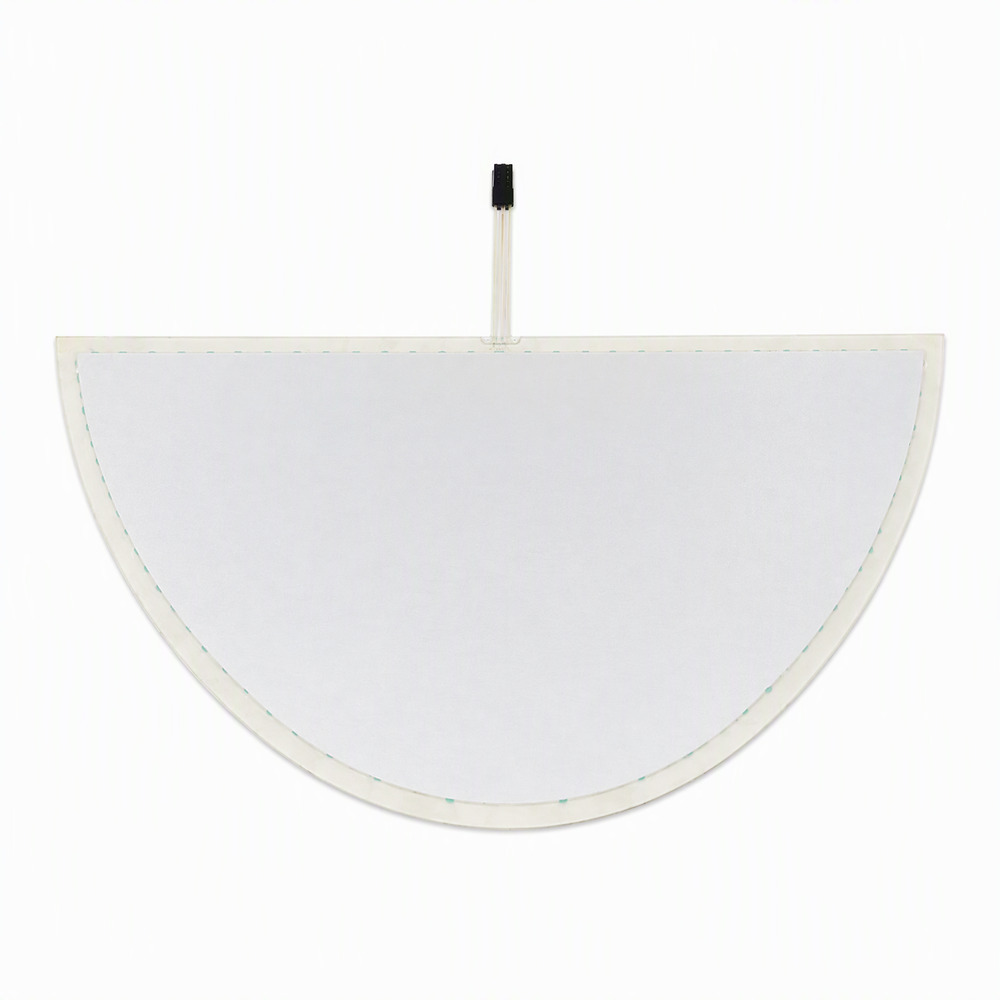
| Geometric Design Freedom | Fixed circular or square shapes only | 100% custom cutouts, curved shapes, or complex multi-point matrix arrays |
| Resistance vs. Force Curve | Generic pre-set response curve | Formulated piezoresistive inks for specific force thresholds (0.1N to 100N) |
| Tail & Connector Configuration | Short standard pin tails | Custom length ribbon tails, low-profile ZIF connectors, or flexible copper FPC |
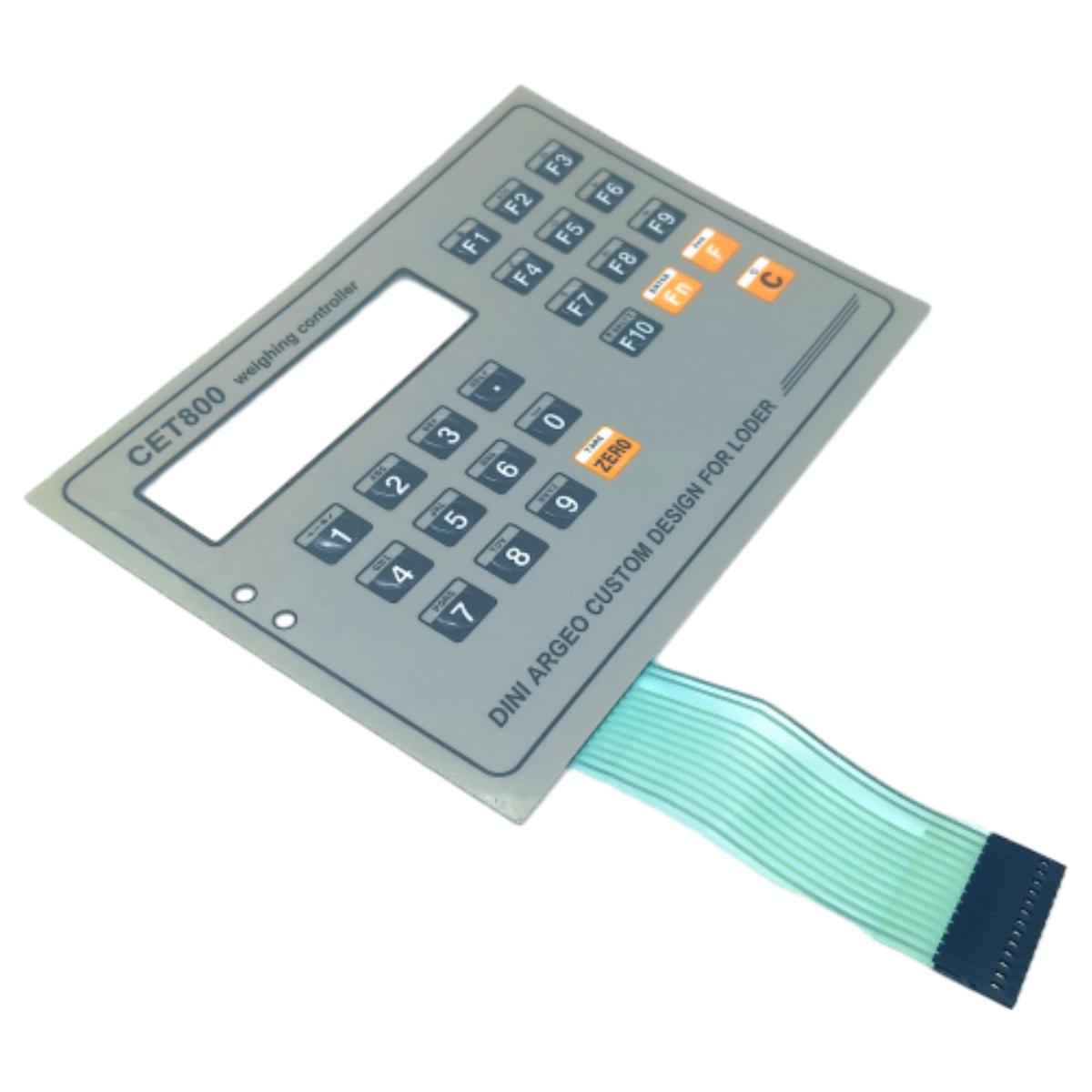
| Integration with HMI | Standalone sensor requiring separate keypad | Integrated single-piece assembly with graphic overlay, LEDs, and metal domes |
| Environmental Protection | Unsealed edges (prone to moisture ingress) | Perimeter IP67 liquid-proof gasketing and harsh-environment hard-coats |
| Unit Cost at Scale | High catalog markup per unit | Direct factory OEM wholesale pricing with scalable volume discounts |
Established in 2003 in Fenggang Town, Dongguan—the global epicenter of high-precision electronic manufacturing—Dongguan Ravo Electronics Co., Ltd. operates a 12,000 m² state-of-the-art production plant dedicated to engineering and manufacturing custom membrane switches, graphic overlays, silicone rubber keypads, and thin-film FSR pressure sensors.
With over two decades of technical expertise, our vertically integrated factory houses dust-free Class 10,000 cleanrooms, fully automated screen-printing lines, high-speed laser cutting machines, automatic SMD LED placement equipment, and advanced environmental testing chambers. We support international engineering teams from initial prototype development (MOQs from 1 piece) to full-scale automated mass production.
Why Latvian Buyers Choose Ravo: Direct factory communication with senior HMI design engineers, 100% electrical continuity testing, custom color-matching (Pantone/RAL ±0.5 delta E), and robust export packaging designed for seamless door-to-door air freight to Riga (RIX) airport.