 EN
 DE
 FR
 ES
 RU
 JA EN DE FR ES RU JA
Explore our core force-sensing resistor matrix arrays, tactile membrane controls, and industrial elastomeric switches configured to withstand demanding operating environments across Mexico's manufacturing ecosystem.
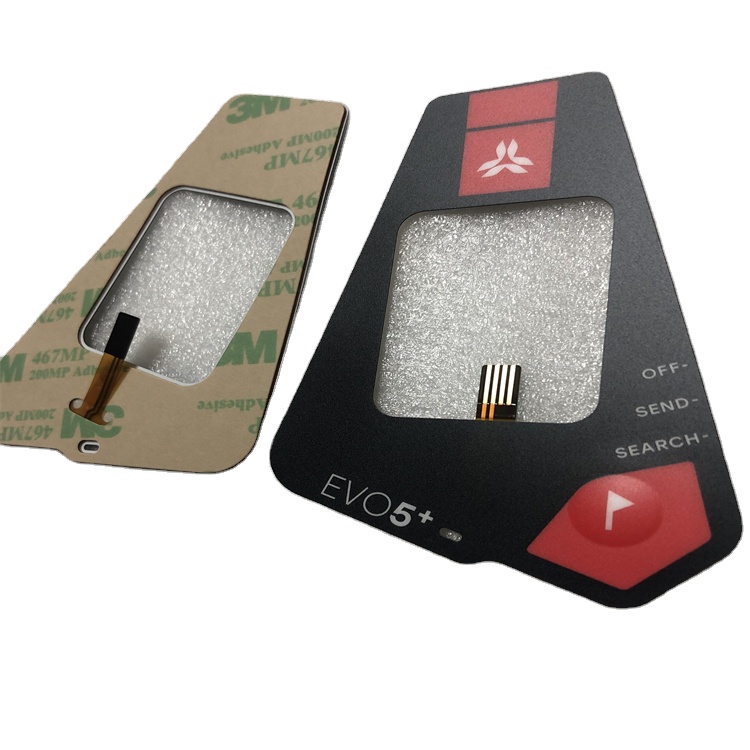
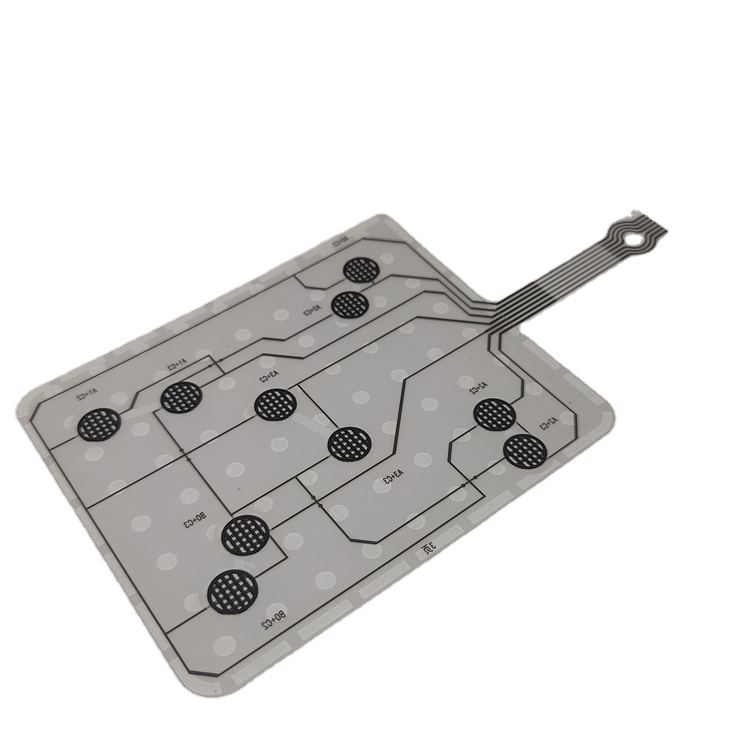
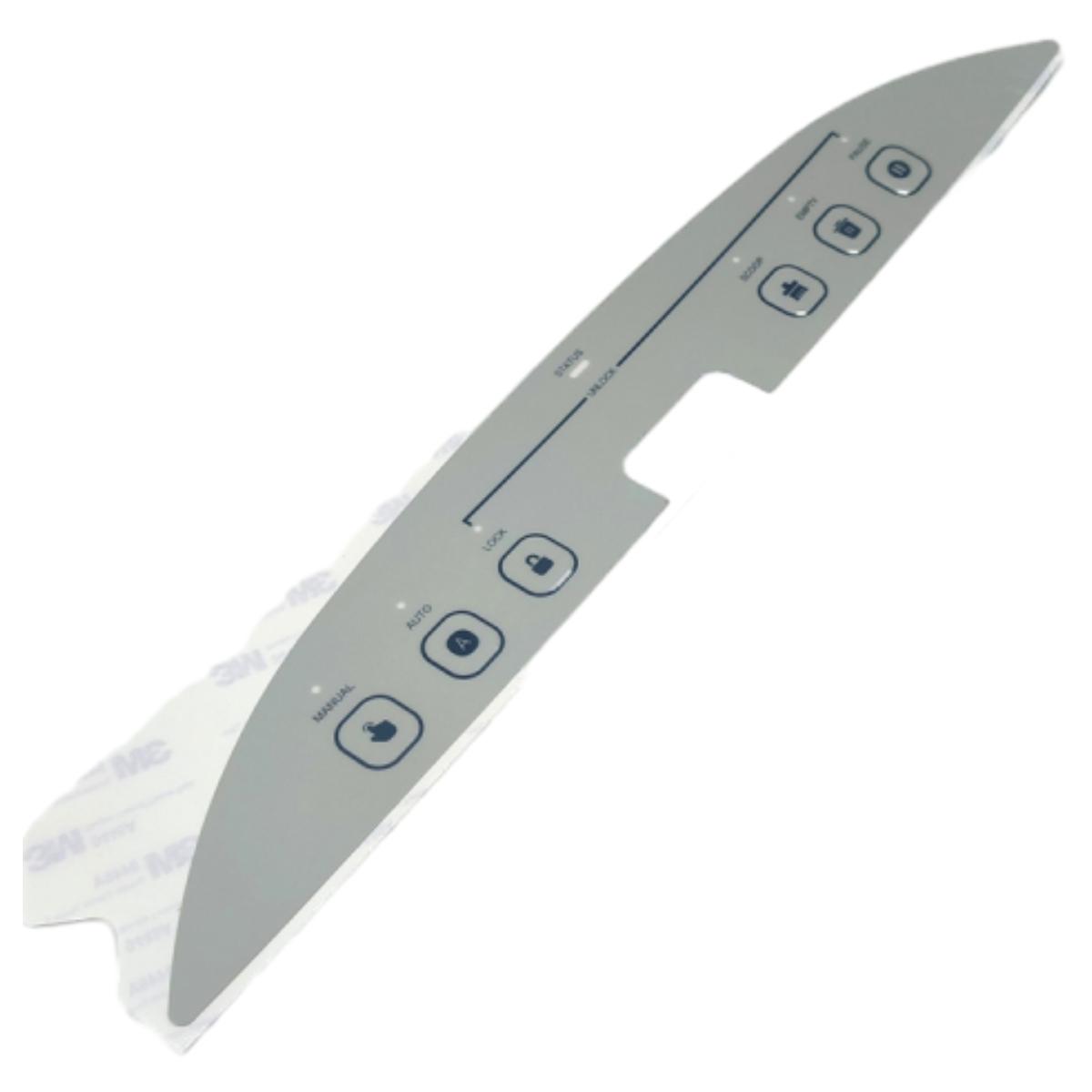
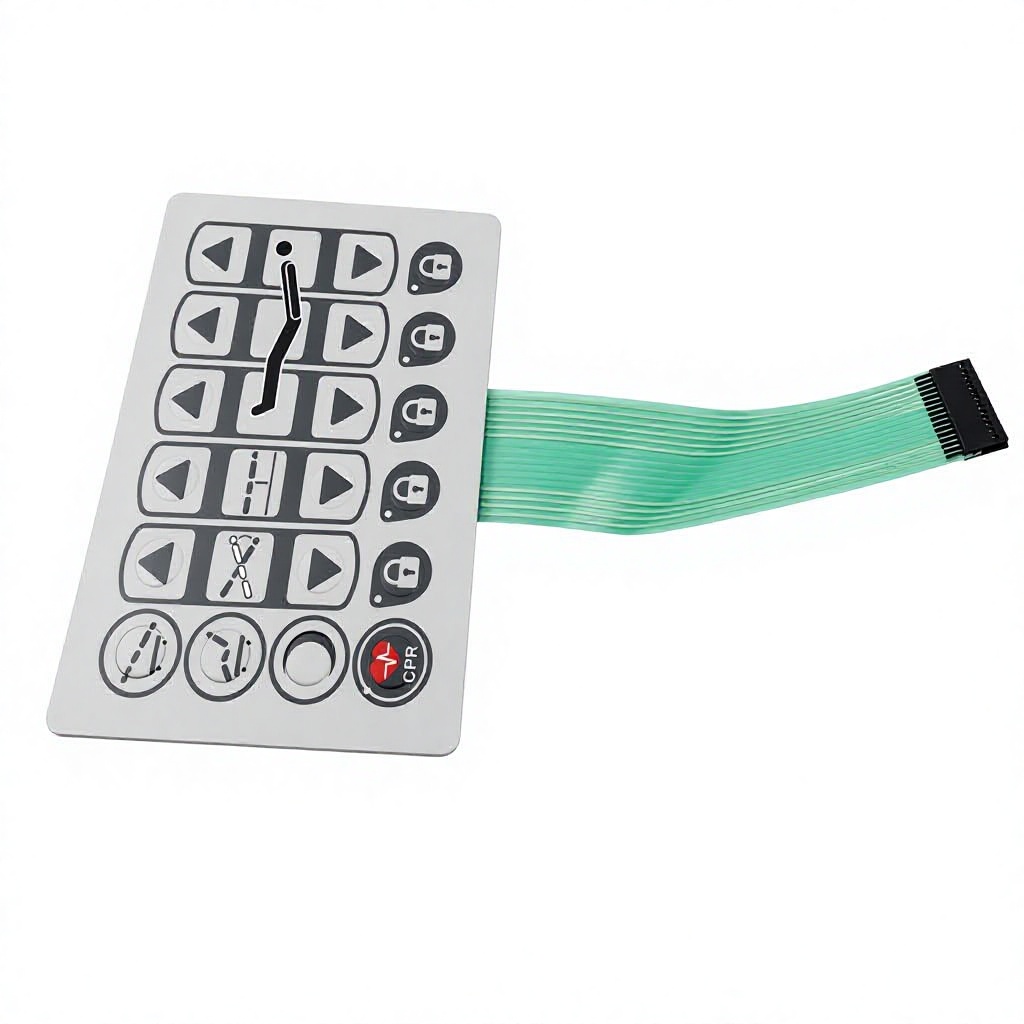
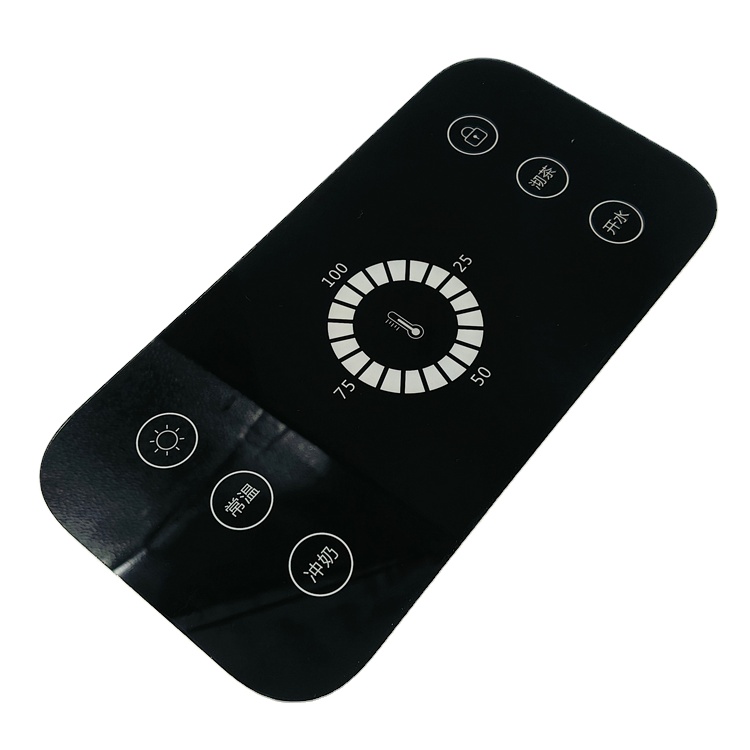
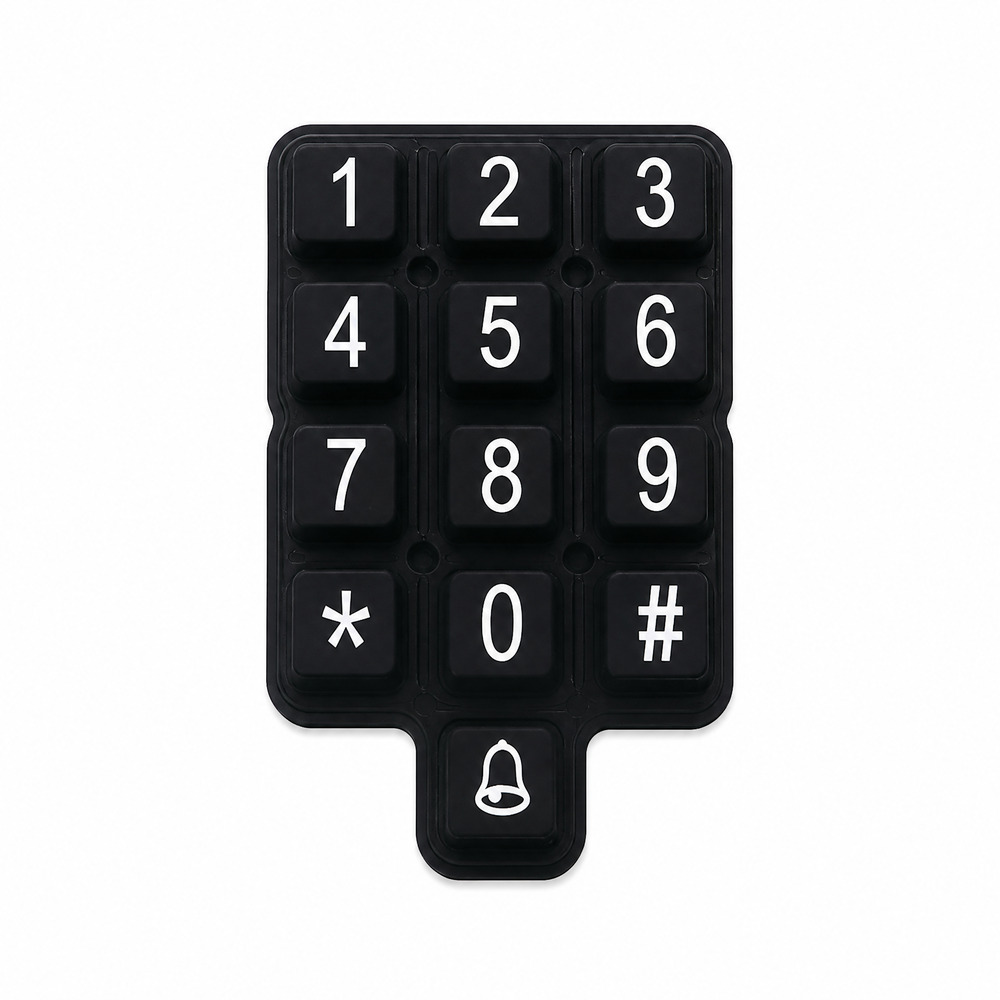
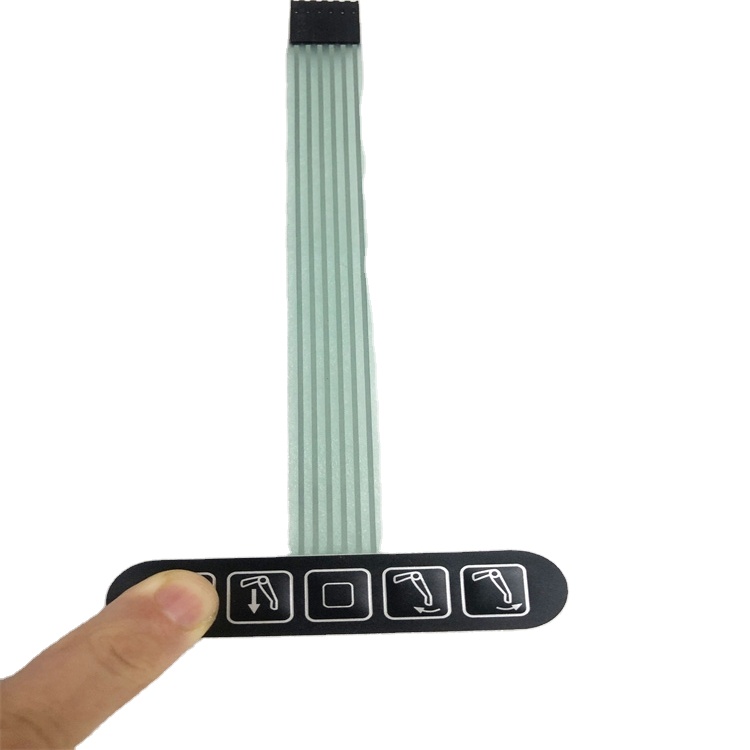
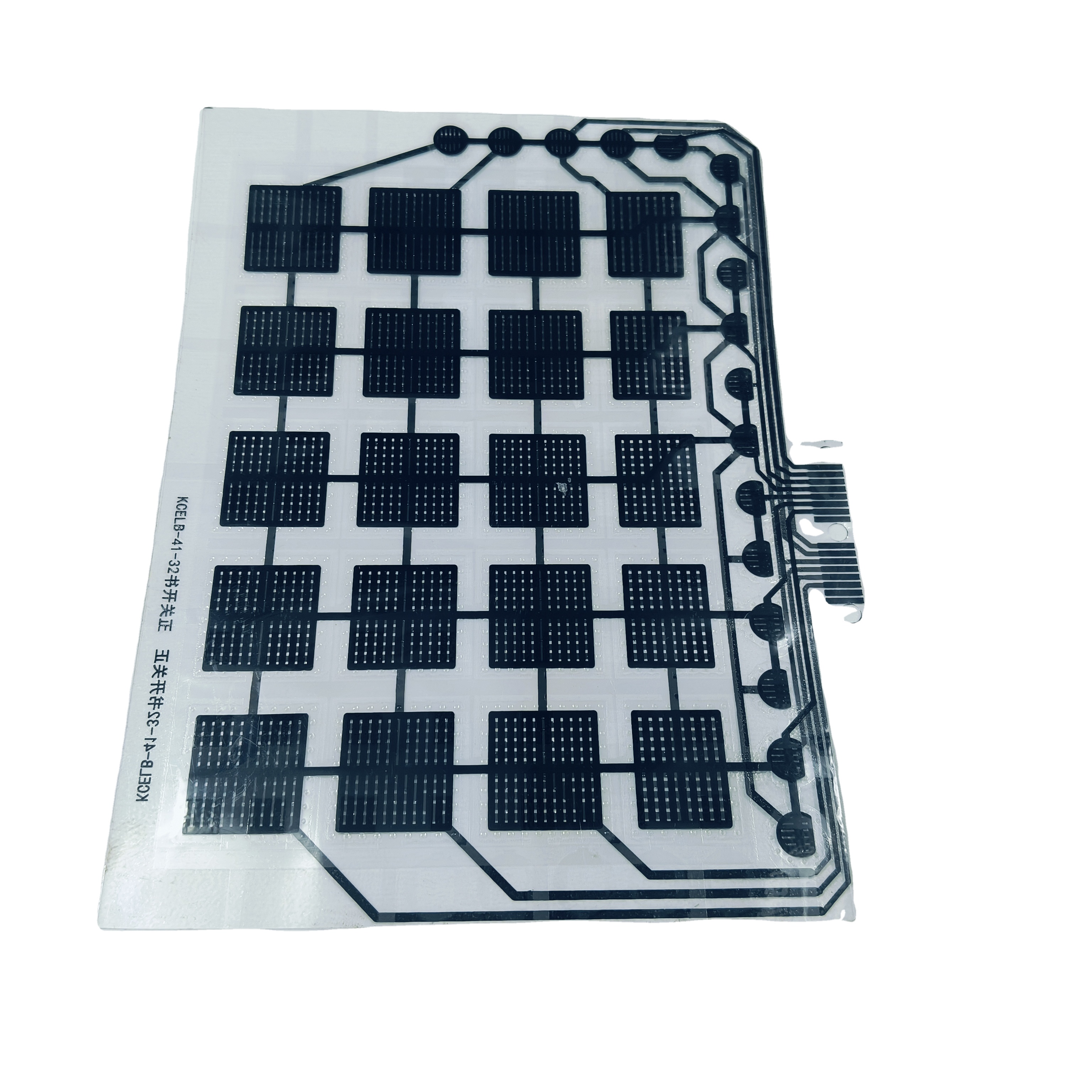
As international original equipment manufacturers accelerate their nearshoring initiatives under the United States-Mexico-Canada Agreement (USMCA / T-MEC), Mexico City (CDMX) has reinforced its position as the country's nerve center for advanced engineering coordination, procurement management, and electronics validation.
Together with the surrounding industrial basins of Valle de México, Toluca, Querétaro, Puebla, and the broader Bajío corridor, domestic and international enterprises require high-precision Force Sensitive Resistor (FSR) sensors that meet automotive Tier-1 durability standards, ISO 13485 medical cleanliness, and stringent aerospace tolerances without incurring the prohibitive lead times of Western European or American prototyping labs.
Dongguan Ravo Electronics Co., Ltd. bridges this critical gap. With more than two decades of direct fabrication expertise, we engineer bespoke FSR sensors featuring sub-millimeter matrix spacing, customized dynamic resistance ranges, and robust connector terminations (such as Amphenol FCI Clincher, Molex 2.54mm pitch female housings, or laser-profiled ZIF tails) specifically mapped to Mexican factory automation and contract manufacturing lines.
| FSR Technical Parameter | Standard Configuration | Custom Automotive / Medical Grade |
|---|---|---|
| Dynamic Sensing Range | 0.2 N to 20 N (20 g to 2 kg) | 0.05 N to 150 N (Calibrated for multi-stage actuation) |
| Force Repeatability | ±5% single part repeatability | ±2% with laser-trimmed conductive traces |
| Substrate Base Film | Heat-stabilized optical PET (125 µm) | DuPont Kapton Polyimide (PI) high-temp film |
| Temperature Drift Window | -20°C to +65°C operational range | -40°C to +105°C sustained under-hood / autoclave rated |
| Contact Adhesives | Standard acrylic transfer adhesive | 3M 467MP / 3M 9448A / 3M 300LSE low-surface-energy bond |
| Electrical Actuation Life | >5 Million continuous cycles | >10 Million cycles with protective carbon overcoat |
From smart medical clinics in Benito Juárez and Miguel Hidalgo to Tier-1 automotive sub-assembly plants in Cuautitlán Izcalli and Toluca, our force-sensing components power crucial mission-critical applications.
Supplying automotive Tier-1 subcontractors located in State of Mexico (Toluca/Lerma) and Puebla. Custom multi-point thin-film FSR matrices monitor weight distribution, passenger seat occupancy, and smart seatbelt reminder signals with extreme stability against mechanical hysteresis.
Equipping Mexico City's premier biomedical equipment producers and hospital furniture maquilas. Our tactile pressure sensing arrays enable continuous patient decubitus ulcer prevention, intelligent bed-fall alerts, and finger-touch micro-actuation panels with antibacterial overlays.
Designed for automated electronic packaging plants in Tlalnepantla and Naucalpan. FSR sensors integrated into robotic end-effectors calculate tactile feedback vectors in real time, preventing fragile electronic component crush incidents during pick-and-place assembly.
Serving major e-commerce fulfillment and freight distribution hubs near Felipe Ángeles International Airport (AIFA) and Cuautitlán. Ruggedized polymer thick-film FSR sheets provide low-profile continuous inventory weighing without bulky load cells.
Integrated into gas stoves, commercial ovens, and high-frequency espresso machines engineered by Mexican household appliance manufacturers. Built with oil-resistant, steam-proof graphic overlays with IP67 sealed membrane structures.
Utilized by clinical biomechanics researchers at UNAM, IPN, and private orthotic facilities in CDMX. Flexible insole-shaped carbon paste FSR matrices monitor plantar pressure distribution dynamically for sports medicine and diabetic foot monitoring.
Understanding the fundamental electrical construction of Force Sensitive Resistors allows mechanical and electrical systems engineers to select the optimal design for their circuit layouts.
In a shunt-mode FSR, interdigitated electrode fingers of conductive silver ink are printed on a single substrate layer. A second layer carrying proprietary semiconductive piezoresistive carbon ink is placed directly opposite, separated by a thin dielectric spacer ring.
When external mechanical force is applied, the microscopic asperities of the carbon film bridge the silver traces, decreasing electrical resistance across the sensor terminals in inverse proportion to the applied normal force. Shunt configurations offer exceptional sensitivity at lower force thresholds (0.1 N to 10 N), making them ideal for delicate touch surfaces, human finger pads, and electronic controllers.
Thru-mode sensors feature conductive silver pads printed entirely across one substrate, while the facing substrate carries an uninterrupted uniform layer of pressure-sensitive resistance ink.
Electric current flows vertically directly through the thickness of the piezoresistive layer when compressed. This construction delivers broader dynamic saturation limits (up to 150 N or higher), vastly superior tolerance against high point-pressures, and unmatched durability for automotive seat passenger classification, heavy mechanical clamping validation, and industrial hydraulic press monitoring.
How technical buyers and operations directors in Mexico are navigating supply chain shifts and next-generation product design.
With electric vehicle and battery sub-assembly investments surging across Puebla, Saltillo, and Toluca, battery module integrators are deploying multi-point custom FSR arrays to continuously record pouch cell swelling and internal mechanical stress variations during rapid charging cycles.
Product miniaturization demands the elimination of mechanical microswitches and bulky metal strain gauges. Our 0.2mm thin-film FSR components integrate invisibly into narrow device enclosures, reducing overall BOM weight and streamlining casing designs.
Product innovation labs situated in Mexico City's tech clusters (Polanco, Santa Fe, and Del Valle) require prototype iterations without standard production lock-ins. Ravo supports rapid prototyping starting from 1 to 10 pieces with direct engineering support within 2 hours.
Founded in 2003, Dongguan Ravo Electronics Co., Ltd. operates a 12,000 square meter vertically integrated manufacturing campus in South China's premier industrial center, serving major OEM/ODM brands across North America, Europe, and Latin America.
Our experienced application engineers review your CAD drawings, schematic diagrams, and force-deflection profiles promptly. We verify layer stack-up, trace trace clearance, ventilation conduits, and tail routing before cutting single-piece tooling.
Complete control over precision stainless-steel screens, CNC die-cutting, embossing plates, and lamination fixtures within Class 1,000 and 10,000 cleanrooms ensures zero airborne contamination between conductive sensor membranes.
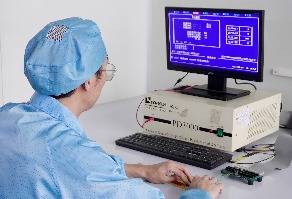
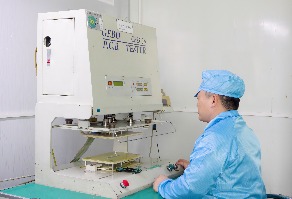
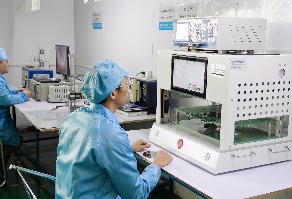
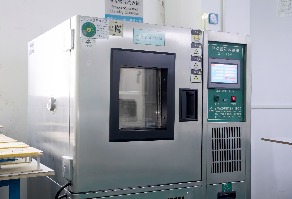
Every sensor array and membrane switch undergoes automated electrical continuity verification, dielectric breakdown checks, force-resistance curve validation, and sample-based 1,000,000+ cycle mechanical actuation testing prior to shipment.
A comprehensive procedural guide for procurement teams, supply chain directors, and customs brokers (*Agentes Aduanales*) importing custom HMI sensors into Mexico.
Importing custom FSR sensors and membrane switches into Mexico typically utilizes harmonized tariff schedules under HS Code 8543.70 (Other Electrical Machines and Apparatus having individual functions) or HS Code 9031.80 (Measuring or Checking Instruments).
For maquiladora enterprises operating under Mexico's IMMEX program, components imported for assembly and re-export to the United States or Canada benefit from VAT/IEPS certification exemptions. We supply comprehensive commercial invoices, detailed packing lists with net/gross metric weights, Certificates of Origin, and full material safety compliance statements (RoHS / REACH) to ensure expedited green-channel customs clearance at Mexico City Benito Juárez International Airport (MEX), Felipe Ángeles International Airport (AIFA), or sea ports including Manzanillo and Veracruz.
Practical technical and commercial answers tailored for project managers, hardware engineers, and sourcing agents.
We believe in removing barriers during the initial research and validation phases. For custom thin-film FSR pressure sensors and tactile membrane keypads, our prototype MOQ begins at just 1 to 10 pieces. Once engineering validation is achieved, mass production lots typically start between 100 and 500 units, providing complete flexibility for specialized pilot runs or high-volume series manufacturing.
Mexico encompasses diverse climates, from the dry high-altitude climate of the Valley of Mexico (CDMX, 2,240m altitude) to hot, humid coastal maquilas. We utilize heat-stabilized polyester films (Autotex PET) or DuPont Kapton polyimide substrates rated up to 105°C continuous service. Furthermore, our perimeter sealing techniques incorporate closed-cell 3M 467MP/468MP laminations with hydrophobic breather vents, preventing moisture ingress while balancing atmospheric pressure differentials.
To provide a formal DFM evaluation and quote, our engineering team requires:
1. 2D mechanical drawings (CAD files in .DXF, .DWG, or .PDF format) indicating external dimensions, active sensing areas, tail location, and bend relief zones.
2. Electrical requirements: Targeted force range (e.g., 0.5N to 50N), baseline resting resistance, and actuation point thresholds.
3. Graphic artwork (Adobe Illustrator .AI or vector .PDF) with Pantone or RAL color references if a visible cosmetic overlay or backlight is required.
4. Pinout schematic and connector preference (bare silver contact fingers, 2.54mm female housings, or ZIF stiffener).
Yes. All transactions are quoted in US Dollars (USD) via direct corporate telegraphic transfer (T/T). We support standard international trade terms including EXW, FOB Shenzhen/Hong Kong, and DAP/DDP direct to your facility in CDMX, Estado de México, Guadalajara, Querétaro, or Monterrey via international courier partners.
Capacitive touch panels identify electrical charge changes from the human fingertip. However, they are prone to false triggering when sprayed with water, cleaning solvents, or when operators wear thick leather or latex work gloves. In contrast, Force Sensitive Resistors respond purely to physical mechanical pressure. This makes FSRs exceptionally reliable in heavy industrial plants, medical operating rooms, and wet kitchen equipment where accidental touch must be strictly eliminated.
Yes. As a full-spectrum HMI manufacturer, we routinely combine technologies into unified sub-assemblies. We can stack an FSR pressure detection layer underneath a tactile metal-dome switch matrix, integrate surface-mount (SMD) side-emitting LEDs with optical light guide films (LGF), and mount the entire stack onto a rigid FR-4 PCB backer with threaded mounting studs for direct drop-in enclosure assembly.
Collaborate directly with our engineering team in Dongguan. Submit your CAD layout or functional specifications today for an exhaustive DFM analysis and competitive quote delivered within two hours.
