 EN
 DE
 FR
 ES
 RU
 JA EN DE FR ES RU JA
Precision-manufactured in Dongguan under ISO 9001 quality controls and delivered to German industrial automation, medical engineering (Medizintechnik), and control panel integrators.
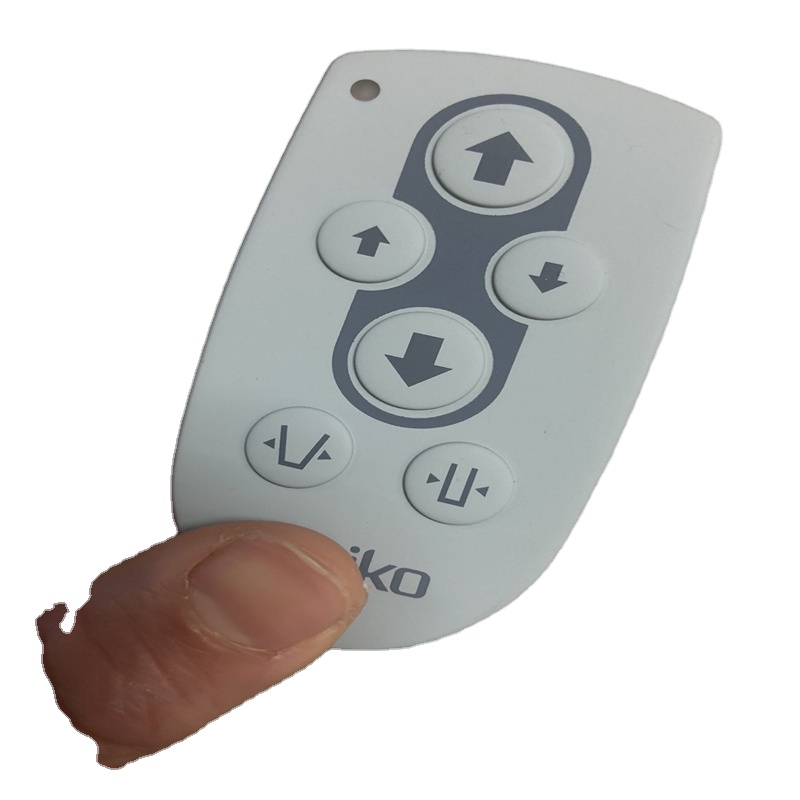
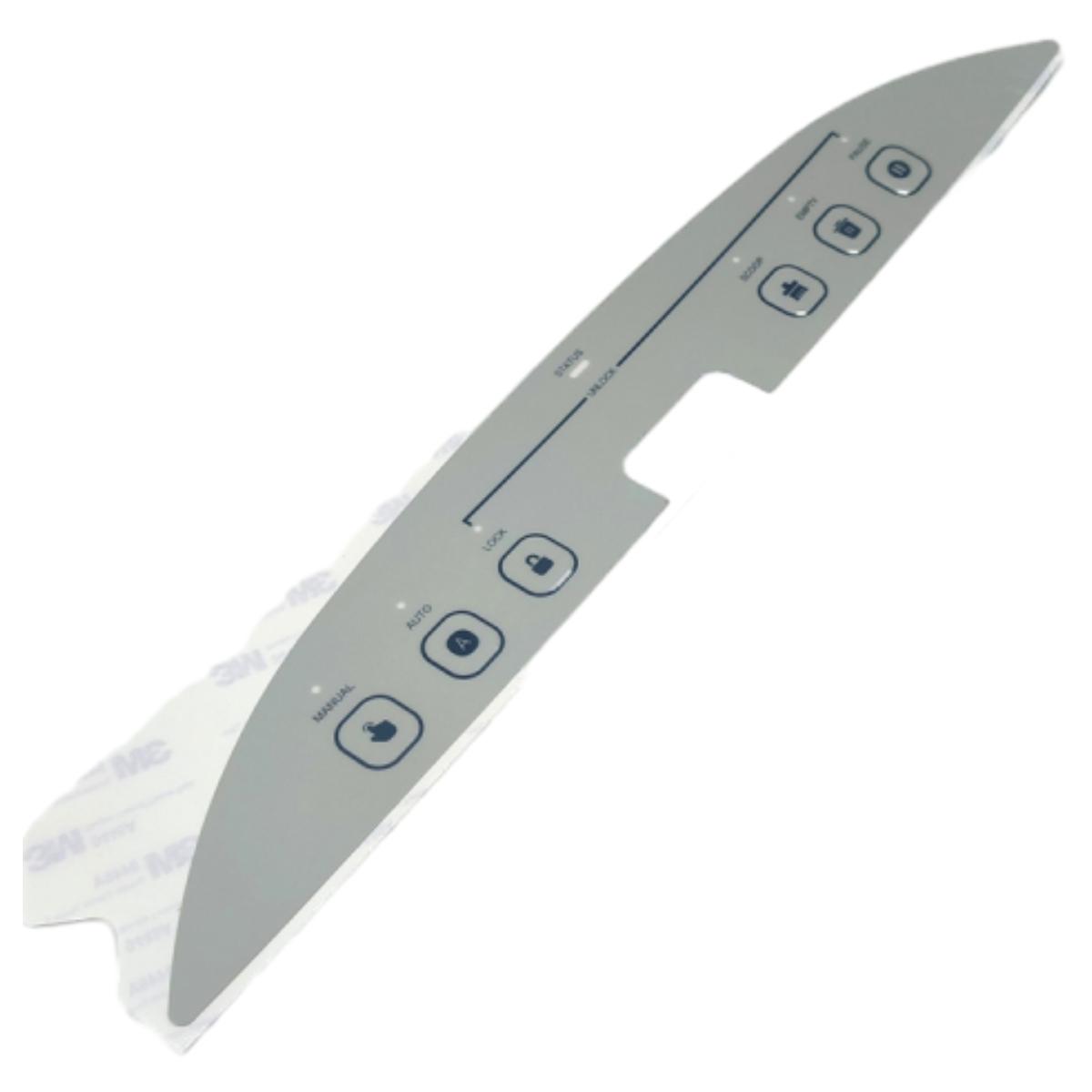
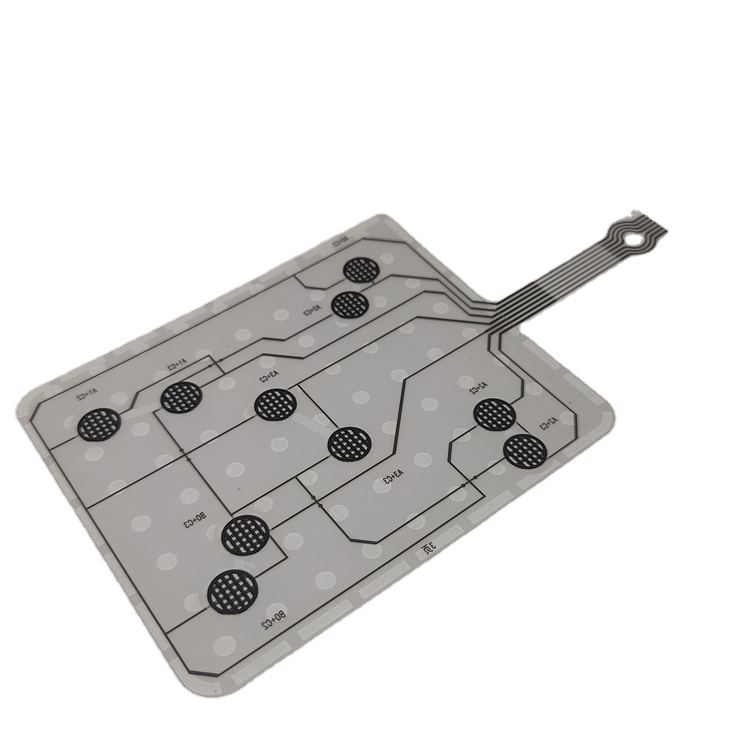
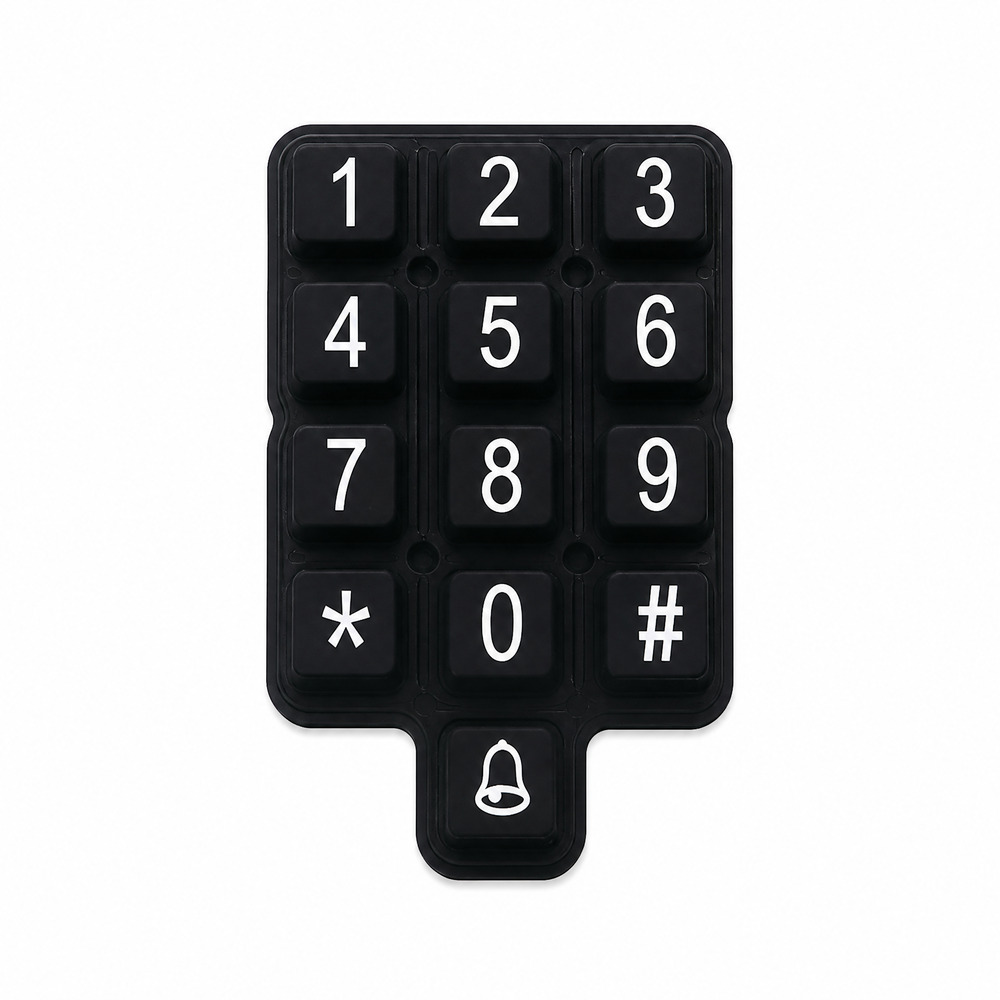
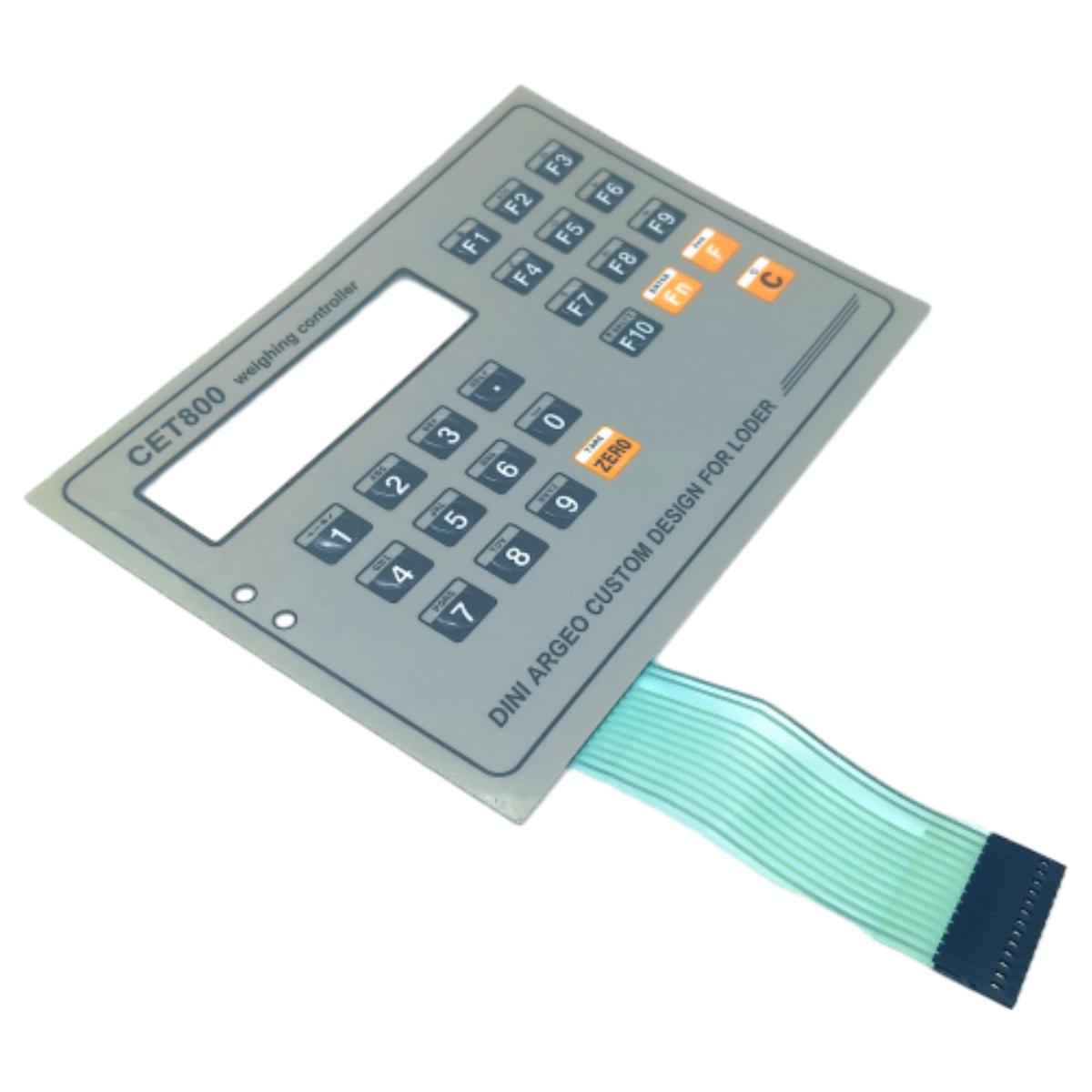
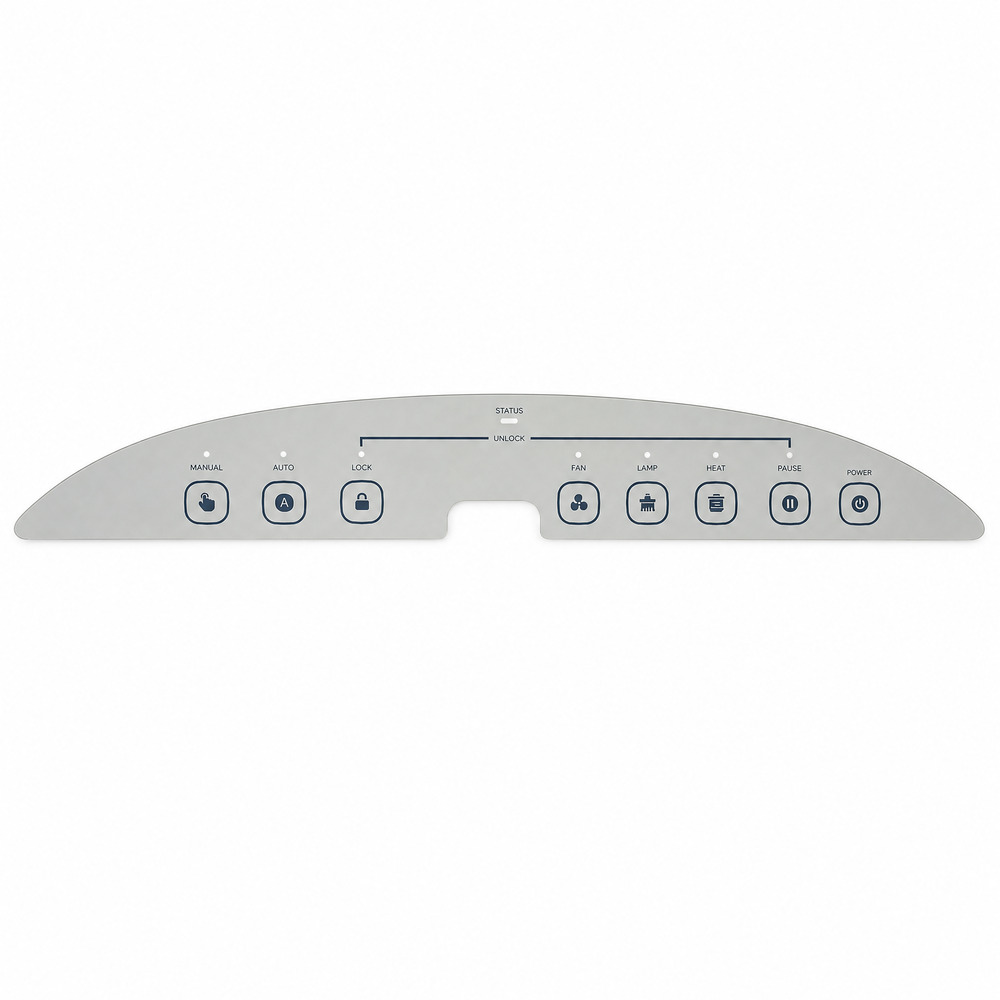
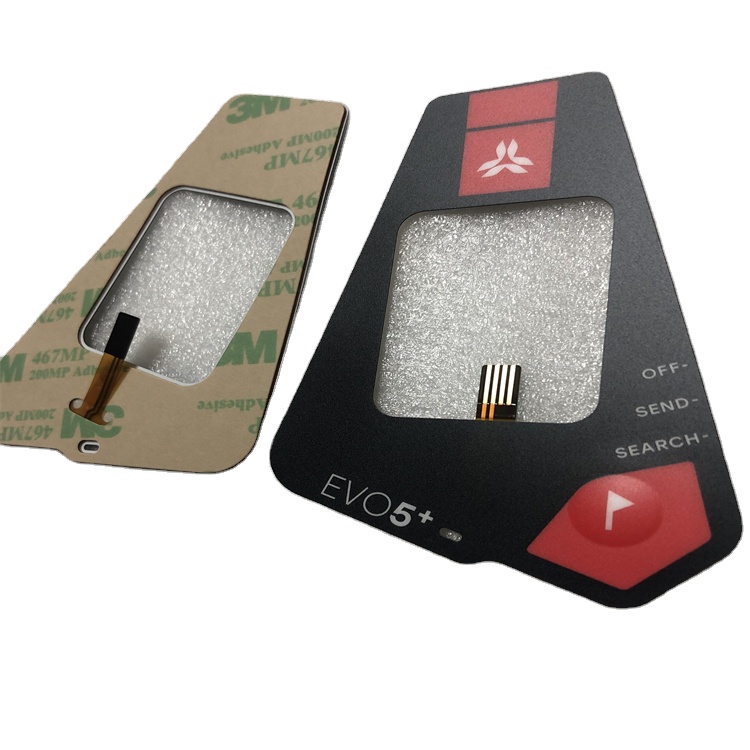
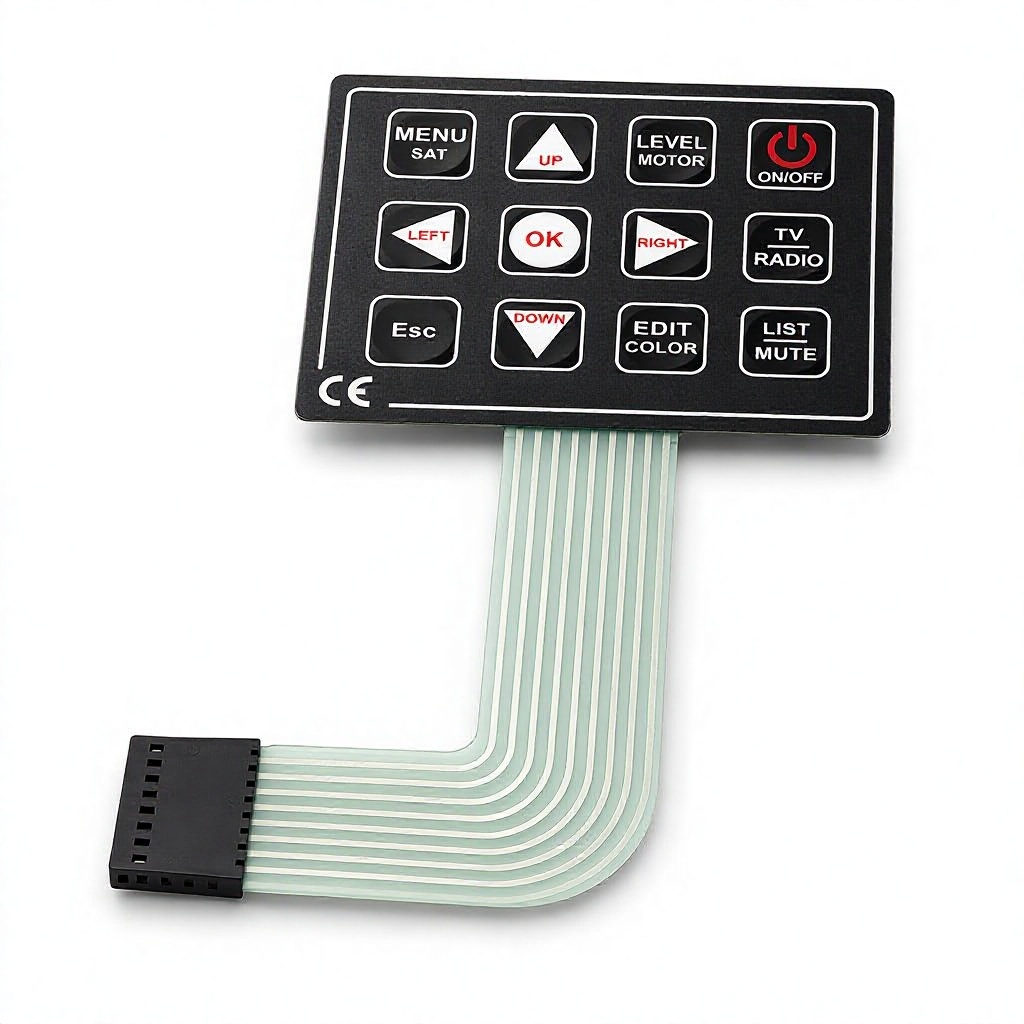
For German machine builders (Maschinenbau), automotive system suppliers, and medical technology enterprises, precision Human-Machine Interfaces (HMI) are mission-critical. Dongguan Ravo Electronics Co., Ltd. serves as an expert manufacturing partner in China, bridging the gap between competitive Asian manufacturing economics and stringent German technical compliance.
A standard polyester membrane keypad often falls short when integrated into demanding German industrial environments that experience intense vibrational loads, high electromagnetic fields, or aggressive chemical washdowns. This is where PCB-backed membrane switches (Leiterplatten-Folientastaturen) deliver undeniable engineering advantages. By replacing traditional flexible PET circuit layers with an engineered rigid FR-4 printed circuit board (PCB) substrate, our assemblies provide structural rigidity, exceptional solder joint integrity for surface-mount components (SMD LEDs, resistors, active ICs, and micro-controllers), and unyielding planarity for tactile metal domes.
With more than two decades of dedicated manufacturing experience, Ravo operates an end-to-end, vertically integrated industrial plant in Fenggang Town, Dongguan. Our in-house processes encompass cleanroom screen printing, Class 1000 dust-free lamination, automated SMT component placement, laser-guided die-cutting, embossing tooling fabrication, and 100% automated optical and electrical testing. Whether you require a prototype batch of 5 pieces for DIN testing or high-volume wholesale production exceeding 100,000 units annually, our German-speaking account managers and English-speaking senior design engineers guarantee complete alignment with European quality directives.
From Baden-Württemberg machine builders to Bavarian automotive tier suppliers, our custom PCB membrane switches satisfy the exacting requirements of German industrial standards.
German CNC machinery, packaging lines, and robotic workcells demand robust input panels. Our rigid FR-4 PCB membrane switches withstand continuous exposure to synthetic cutting oils, coolants, hydraulic lubricants, and metallic swarf. Integrated ESD/EMI shielding meshes (printed aluminum or solid copper planes) protect internal control electronics against static discharge up to 15 kV in high-voltage industrial enclosures.
In clinical diagnostic apparatus, surgical consoles, and patient monitors across German hospitals, surface hygiene is non-negotiable. Ravo manufactures sealed medical keypads utilizing antimicrobial polyester overlays (such as Autotex® AM with Microban® technology). The seamless flush design allows repeated wipe-downs with harsh hospital disinfectants, including isopropyl alcohol, bleach, and quaternary ammonium compounds, complying with DIN EN 60601-1.
High-precision laboratory instrumentation, portable calibration meters, and geological sensing devices require tight circuit tolerances and rock-solid electrical resistance stability. By using FR-4 rigid boards with ENIG (Electroless Nickel Immersion Gold) contact pads, loop resistance is maintained below 1.0 Ohm, eliminating signal noise, ghosting, and trace degradation across temperature extremes from -40°C to +85°C.
Understanding substrate tradeoffs is crucial for German hardware developers (Entwicklungsingenieure) optimizing for lifecycle durability, component integration, and cost efficiency.
| Evaluation Parameter | Rigid PCB Membrane Switch (FR-4) | Flexible FPC Circuit (Polyimide) | Standard Silver Flex (Printed PET) |
|---|---|---|---|
| Base Substrate Material | Glass-reinforced epoxy laminate (FR-4, 0.4mm–3.2mm) | Polyimide (PI) film with etched rolled/annealed copper | Heat-stabilized optical-grade Polyester (PET, 0.125mm) |
| Conductor Circuit Resistance | Ultra-low (< 0.5 Ω / trace), ENIG gold-plated contacts | Low (< 2.0 Ω / trace), immersion tin or gold plating | Moderate (10 Ω to 100 Ω, silver paste conductive ink) |
| Component Density & Soldering | High: Supports reflow soldering for dense SMD LEDs, ICs, BGA | Moderate: Fine-pitch soldering, micro-components | Low: Conductive epoxy bonding only (limited SMD capacity) |
| Mechanical Rigidity | Self-supporting; functions as both structural panel & circuit | Requires backing plate (aluminum, acrylic, or steel bracket) | Requires flat, rigid structural host housing |
| Actuation Durability (Cycles) | > 5,000,000 cycles with stainless-steel metal snap domes | > 3,000,000 cycles | 1,000,000 to 2,000,000 cycles |
| Vibration & Shock Resilience | Exceptional (Class-leading solder joint stability) | High (Flexible under structural displacement) | Moderate (Traces vulnerable to severe mechanical creasing) |
| Best-Suited German Applications | Maschinenbau controllers, medical diagnostics, inverters | Handheld remotes, aerospace transceivers, wearables | Cost-sensitive consumer appliances, toys, flat labels |
When selecting the circuit topology for an industrial input panel, German design engineers frequently grapple with the decision between traditional silver ink flex circuitry and rigid FR-4 PCB construction. While silver flex offers initial tooling cost advantages, PCB-backed membrane keypads dramatically reduce total system complexity. Because the FR-4 backer provides intrinsic mechanical rigidity, the customer eliminates the need for expensive secondary metal mounting plates, separate display bracketry, and manual wiring harnesses. Furthermore, connectors can be through-hole soldered directly to the reverse side of the PCB—such as terminal blocks, RJ45 ports, or D-sub headers—allowing for direct plug-and-play assembly inside the OEM equipment cabinet.
How German engineering evolution, DIN standards modernization, and the European Green Deal are transforming membrane keypad specifications.
German machinery manufacturers are rapidly converging traditional tactile physical buttons with modern capacitive slider/wheel touch zones. This hybrid architecture pairs the unequivocal fail-safe safety of a physical tactile metal snap dome for emergency stop (Not-Aus) and primary execution keys with the sleek, cleanable aesthetics of capacitive touch sensors for menu navigation and parameter fine-tuning.
The trend toward low-light operational readiness in agricultural tractors, medical operating theaters, and dimly lit server rooms has rendered bulky incandescent lamps obsolete. Ravo implements ultra-thin Light Guide Film (LGF) layered directly over the tactile metal dome arrays, energized by side-firing surface-mount micro-LEDs. This produces perfectly homogeneous symbol illumination without hotspots or power dissipation issues.
German corporate buyers must comply with the German Supply Chain Due Diligence Act (Lieferkettensorgfaltspflichtengesetz - LkSG). Ravo provides complete transparency across raw material tiers, documenting full compliance with EU REACH (EC 1907/2006), RoHS 3 (Directive 2015/863/EU), and WEEE directives, accompanied by conflict-mineral reporting templates (CMRT) and third-party laboratory verification certificates.
Combining 20+ years of high-volume engineering expertise with Western-style quality assurance and rapid engineering responsiveness.
Our quality management protocols incorporate stringent Incoming Material Inspection (IQC), In-Process Quality Control (IPQC) with vision-guided screen alignment, and 100% Final Quality Testing (FQC). Every membrane switch panel undergoes automated continuity, contact resistance, and dielectric insulation breakdown testing prior to anti-static export crating.
Time-to-market is pivotal for German project managers. When you submit your DXF, DWG, Gerber, or Illustrator artwork files, our dedicated bilingual HMI engineering team evaluates layer stackups, venting channels, key embossing clearances, and connector pitch, delivering comprehensive Design for Manufacturability (DFM) feedback and formal quotes within 2 business hours.
We provide thorough initial sample inspection reports (Erstmusterprüfbericht - EMPB) patterned after German VDA and AIAG PPAP Level 3 standards. Each pilot sample shipment includes dimensional measurement sheets (utilizing automated optical coordinate measurement machines), cross-section layer thickness analysis, and actuation force deflection curves.
We take complete ownership of international freight forwarding, customs clearance, and duty administration under Incoterms 2020 DDP (Delivered Duty Paid). Our established logistics corridors deliver directly to your regional warehouse facilities in Hamburg, Frankfurt, Stuttgart, Munich, or Dortmund via DHL Express (3–5 business days) or sea freight (28–32 days).
Unlike suppliers demanding excessive order commitments, Ravo maintains prototyping services starting from 1 to 5 pieces using laser-cutting and direct digital UV printing, bypassing steel tooling fees for rapid R&D proof-of-concept. As your program transitions into series production, our semi-automated reel-to-sheet printing lines comfortably scale past 500,000 units per month.
To ensure zero field delamination or color fading, we utilize genuine premium raw materials: MacDermid Autotype (Autotex® PET), Sabic (Lexan™ Polycarbonate), 3M industrial adhesives (3M 467MP, 468MP, 300LSE, 9448A), Nicomatic and FCI connector systems, and stainless-steel snap domes sourced exclusively from ISO-certified precision metallurgy specialists.
Clear, direct answers regarding tolerances, testing protocols, customs classifications, and supply contract terms.
We manufacture strictly in adherence to DIN ISO 2768-m (general dimensional tolerances for mechanical cutting and punching) and DIN 16742 for molded components. Outer perimeter die-cutting tolerance is controlled to ±0.15 mm, graphic printing registration to ±0.10 mm, and key embossing height consistency within ±0.08 mm. For critical PCB traces, IPC-A-610 Class 2 and Class 3 workmanship criteria govern all soldering and copper spacing.
IP67 sealing is accomplished by implementing a continuous, unvented outer perimeter adhesive ring (utilizing closed-cell acrylic foams such as 3M VHB™ or heavy-tack 3M 300LSE transfer adhesives). The internal switch venting channels are routed through internal air reservoirs or sealed breathe-back passages integrated directly within the PCB backer, preventing moisture entry during thermal expansion and vacuum washdowns.
For prototype evaluation batches (typically 5 to 10 working samples), Ravo offers laser-cut and digital-print options that reduce upfront tooling investments to nearly zero. When hard steel tooling (steel rule dies, embossing plates, and PCB photolithography) is required for series production, tooling charges typically range between €250 and €900 depending on complexity. Prototypes ship within 7 to 12 working days after final drawing sign-off.
For smooth bare metals (aluminum, stainless steel), 3M 467MP (2 mil) or 3M 468MP (5 mil) provides exceptional shear strength and temperature endurance (-40°C to +150°C). For textured powder-coated steel machine cabinets, polycarbonate, or low-surface-energy plastics (polypropylene, ABS), we specify 3M 300LSE high-strength acrylic adhesive, which delivers high initial tack and prevents corner peel-off.
Custom membrane switches and keypads are customarily classified under EU TARIC code 8537.10.98 (Boards, panels, consoles, desks, cabinets and other bases for electric control or the distribution of electricity, for a voltage not exceeding 1,000 V) or 8536.50.11 for individual pushbutton assemblies. Under DDP terms, our freight clearing agent handles all customs documentation, import turnover tax (Einfuhrumsatzsteuer - EUSt), and customs duties directly.
Yes. While German industrial machinery standards predominantly rely on the RAL Classic color system (e.g., RAL 7035 Lichtgrau, RAL 7016 Anthrazitgrau, RAL 9005 Tiefschwarz), we routinely mix ink formulations matching both RAL and Pantone Formula Guide colors. Our laboratory utilizes X-Rite spectrophotometers to verify color matching under standard D65 illuminant conditions, guaranteeing a color discrepancy factor of Delta E < 0.8 across production lots.
Upload your 2D engineering drawings (DXF/DWG/PDF) or CAD models today. Receive an expert DFM manufacturability evaluation, layer stackup proposal, and a competitive wholesale quote within 2 business hours.
