 EN
 DE
 FR
 ES
 RU
 JA EN DE FR ES RU JA
Precision-manufactured silver-conductive and copper flex matrix assemblies built to meet industrial specifications for mechanical resilience, chemical immunity, and rapid tactical deployment.
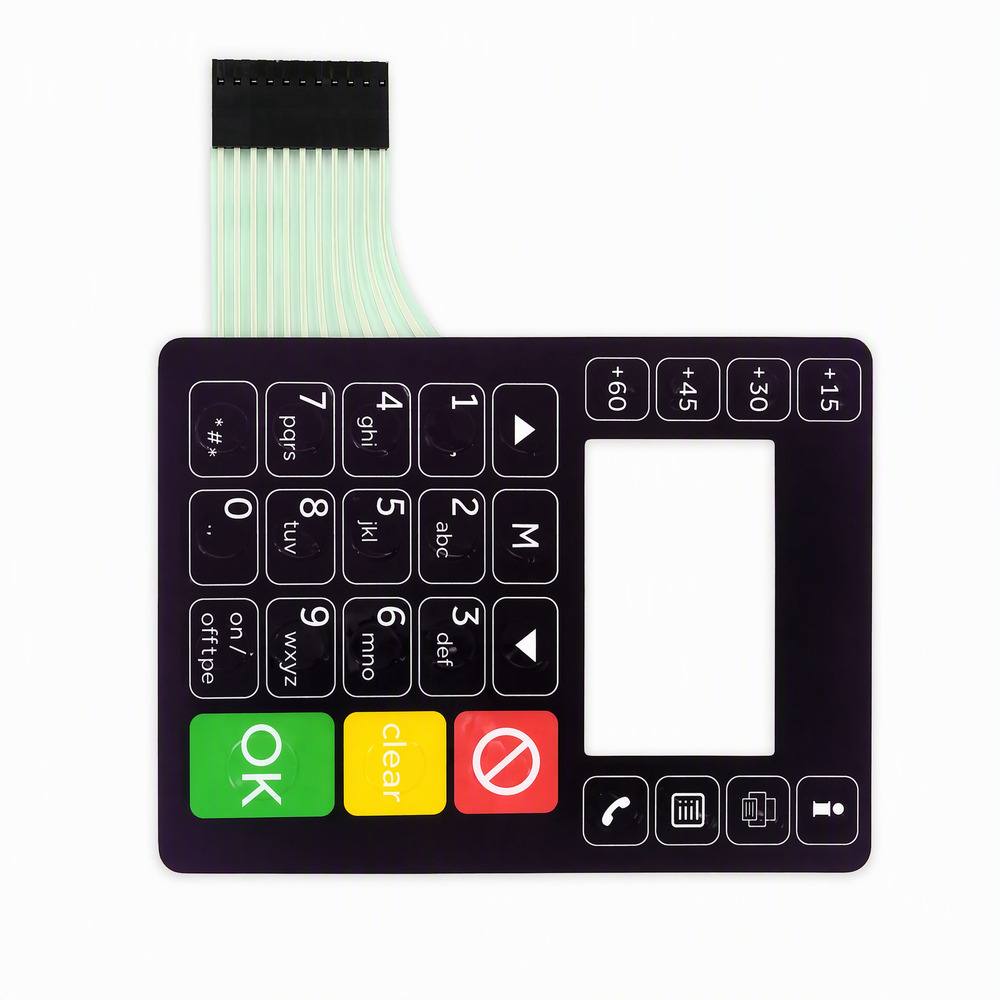
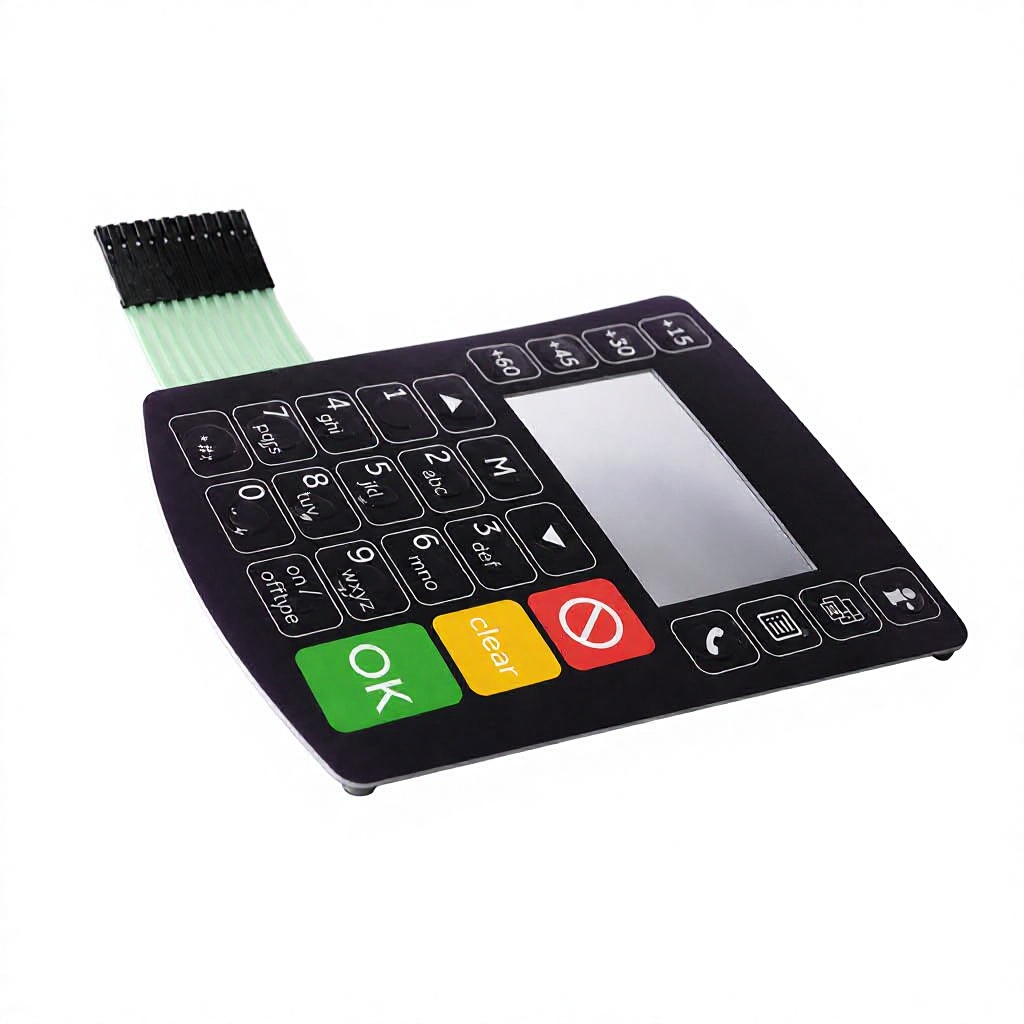
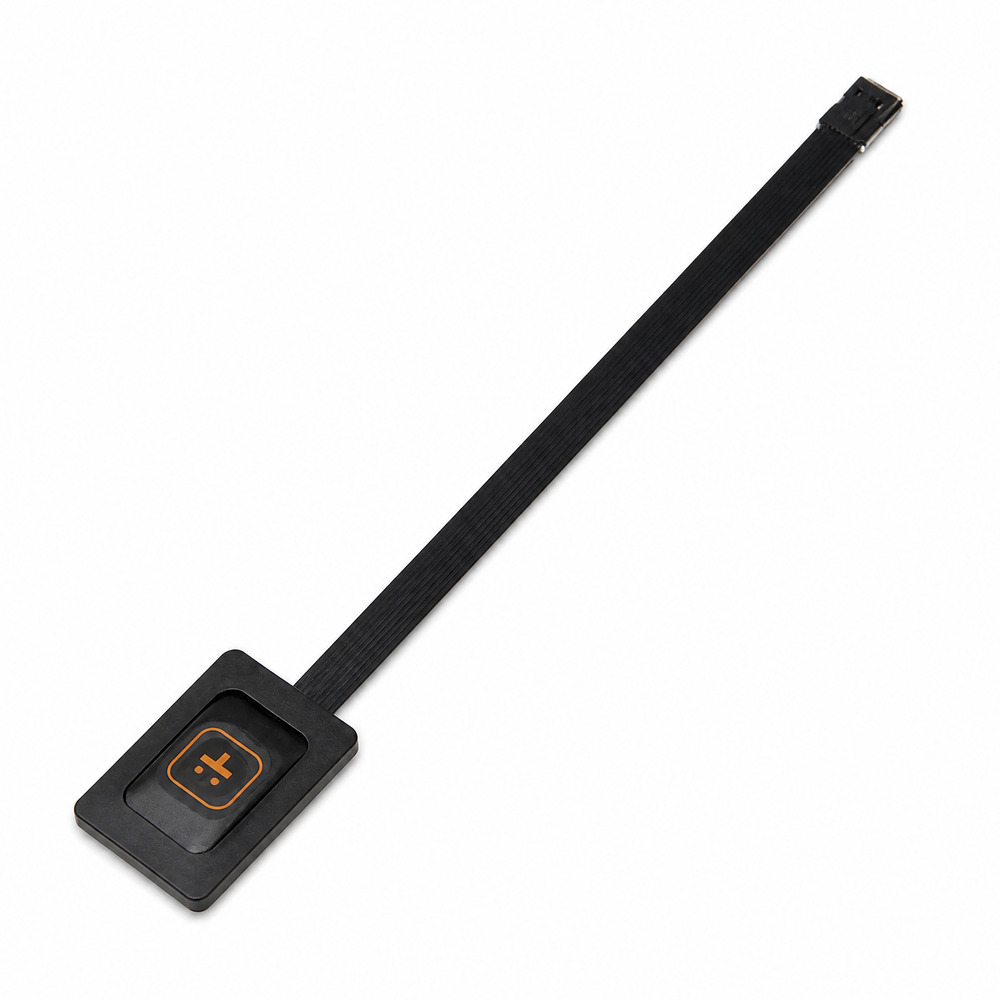
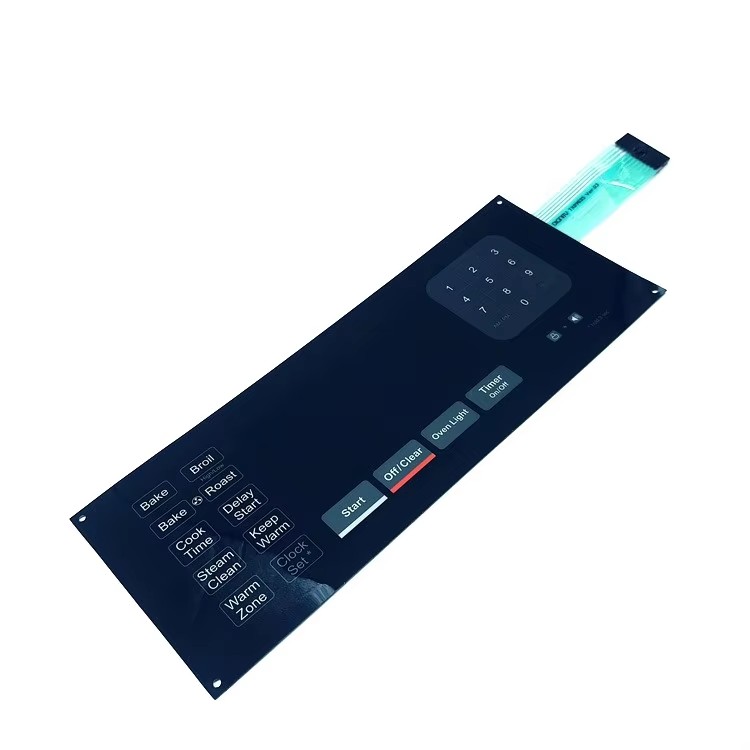
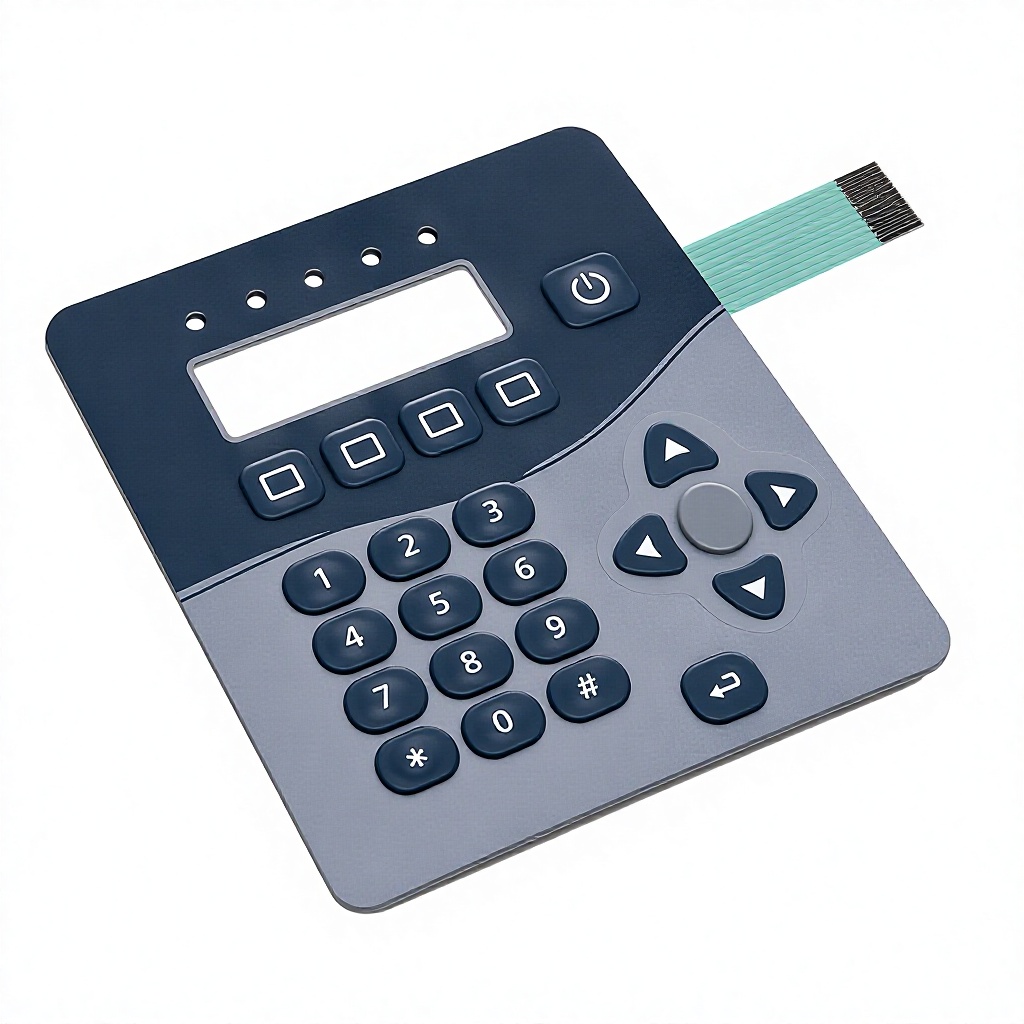
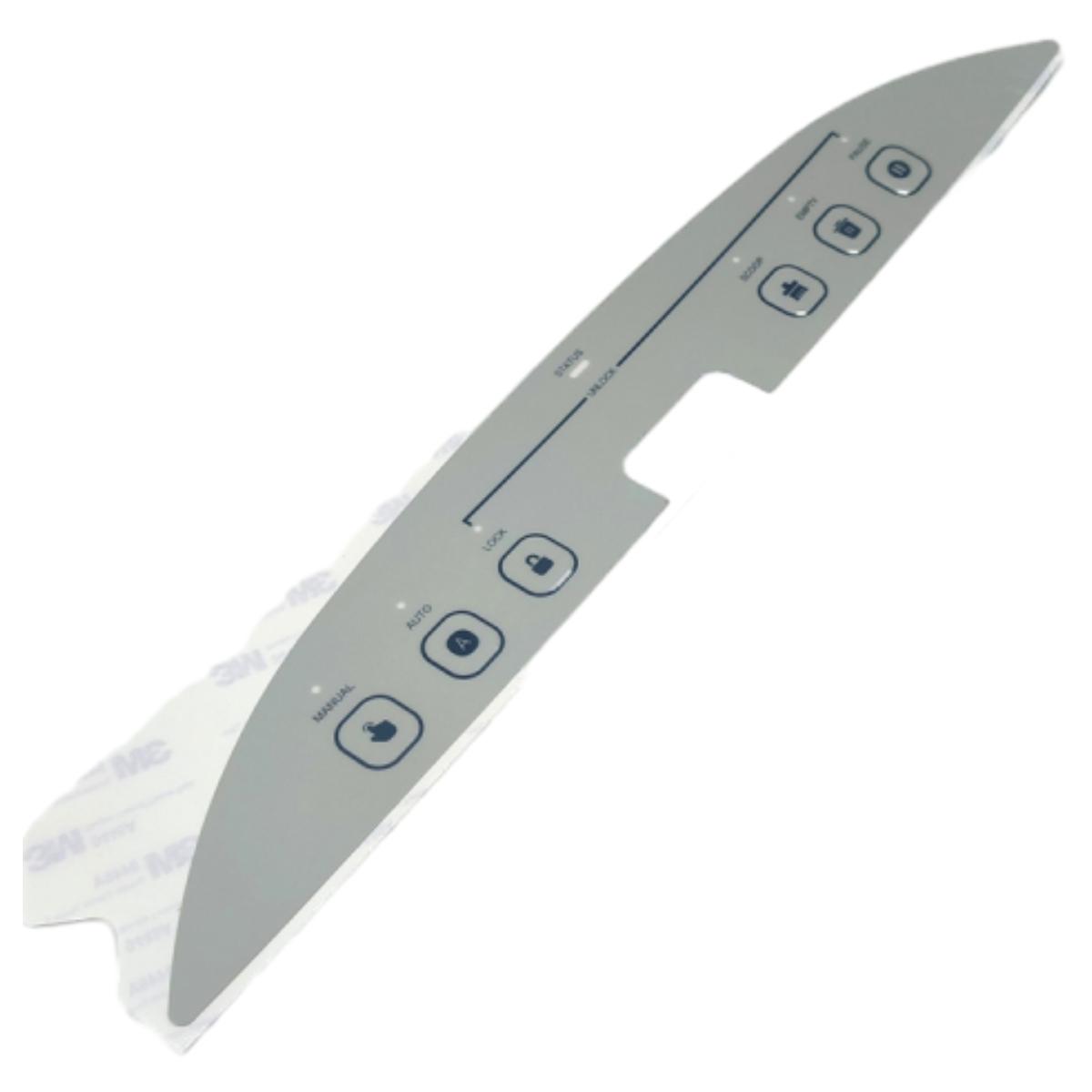
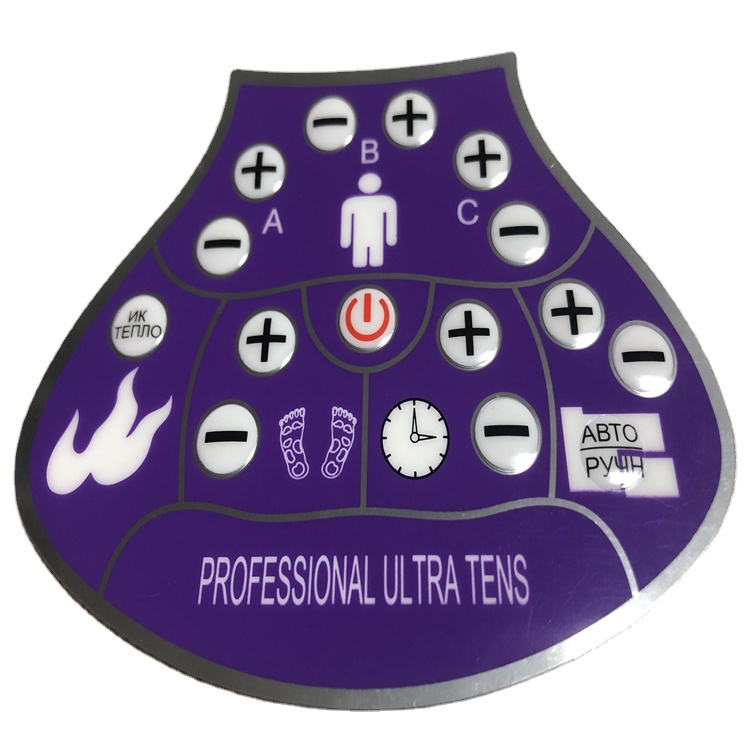
As the industrial, logistical, and technical nucleus along the Dnieper River, Dnipro hosts significant manufacturing infrastructure spanning heavy machine engineering, aerospace mechanics, defense-related technical refits, and process metallurgy. Devices deployed across these sectors encounter severe mechanical stresses, substantial thermal fluctuations (-30°C to +70°C), atmospheric dust, and petrochemical exposures. Off-the-shelf mechanical tactile switches consistently fail in these operational envelopes due to contact degradation, particulate intrusion, and mechanical binding.
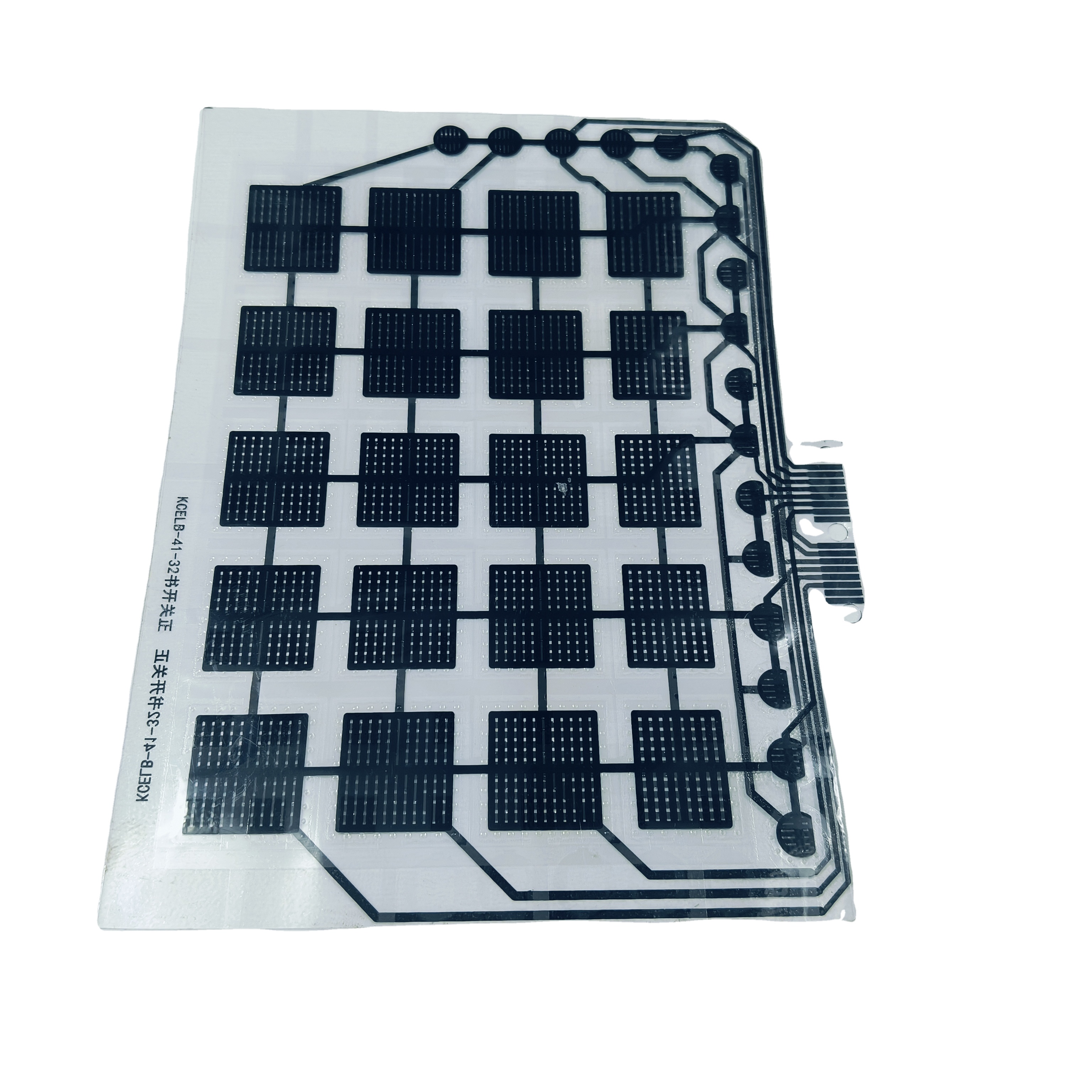
The electronic matrix keypad—engineered through screen-printed conductive silver or gold-flashed copper polyimide (FPC) tracks—serves as the primary human-machine interface (HMI) standard across resilient systems. Operating on an X-Y column-and-row bussing principle, an \(M \times N\) matrix architecture drastically lowers the total pinout required on host microcontrollers (e.g., STM32, ESP32, industrial PLCs), utilizing just \(M + N\) lines instead of dedicated individual circuit paths. This geometric reduction simplifies enclosure routing, enhances electromagnetic compatibility (EMC), and minimizes vulnerable connector joints within high-vibration equipment.
When selecting electronic matrix switches for Ukrainian hardware integrators and local production runs in Dnipro, engineering decisions center on substrate stability and trace density:
Utilizing high-grade Autotype or Toray heat-stabilized polyester (PET) base films, our silver tracks are coated with carbon overcoats to prevent silver migration and oxidation under high humidity. Highly economical for mid-to-high volume production with trace resistance kept under 50 ohms.
For mission-critical assemblies requiring ultra-low contact resistance (<1 ohm) and dense trace pitches (≤0.5mm), RAVO integrates rolled-annealed polyimide flex layers. Copper layers handle direct SMD component soldering (micro-LEDs, status diodes, resistors) and withstand severe multi-axis dynamic flexing.
Where keypads function as self-supporting structural elements within instrument panels, our 0.8mm–1.6mm FR-4 sub-assemblies incorporate blind clinch nuts, terminal pin headers, and onboard matrix decoding ICs, completely eliminating the need for internal mounting plates.
Dnipro’s contemporary market demands flexible, rapid modifications to existing physical equipment, along with rugged components for new hardware rollouts. RAVO's electronic matrix switches solve critical operational hurdles across primary regional sectors:
Foundries and steel-rolling processors operating throughout the Dnipropetrovsk Oblast generate elevated ambient temperatures, airborne slag, and abrasive graphite particles. RAVO constructs graphic overlays using chemically textured, hard-coated Autotex polyester with perimeter gas-tight gaskets (3M 300LSE adhesive stacks). This provides true IP67 ingress sealing that protects tactile metal domes from hydraulic fluid mist, oil splatter, and harsh cleaning reagents.
Serving the intensive agricultural sector across Central and Eastern Ukraine, bulk grain handling equipment, combine harvester terminal retrofits, and sorting systems require reliable operator feedback under vibration and gloved use. Our tactile matrix keypads utilize custom-plated, tripodal or four-legged stainless steel snap domes offering high actuation force (350g–450g), delivering distinct tactile clicks that eliminate operator input errors in loud processing plants.
Field-deployed communications gear and portable diagnostic monitors built by Dnipro's technical workgroups demand low visual profiles and dead-front backlighting. RAVO incorporates embedded surface-mount LEDs within the inner matrix layer, using selective light-blocking masks to ensure zero lateral light bleed, along with specialized aluminum foil shielding layers to suppress Electromagnetic Interference (EMI) emissions in sensitive radio-frequency environments.
Automated telemetry units, water station control cabinets, and regional transformer consoles rely on matrix keypads integrated with clear or smoked transparent display windows. RAVO integrates anti-glare, UV-resistant display windows with customized selective texturing, allowing smooth optical bonding directly over OLED and LCD readout screens without Newton rings.
The procurement landscape for human-machine interfaces across Eastern Europe is shifting away from off-the-shelf catalog parts toward hyper-customized, vertically integrated modular solutions. Several overarching technological advancements define current deployments:
Merging mechanical metal domes for critical functions (Emergency Stop, Execute) alongside capacitive slider/swipe tracks across a single unified overlay. This hybrid architecture retains tactile safety while accelerating data input.
Thin-film Force Sensing Resistors (FSR) utilize printed carbon-polymer composite layers to measure actuation force continuously. This allows variable-speed motor throttling directly via the sealed membrane key surface.
Dnipro equipment builders are bypassing intermediaries to work directly with audited manufacturers in Dongguan. Comprehensive engineering reviews before mold and screen generation reduce prototype lead cycles to just 7 to 10 days.
Founded in 2003 in Fenggang Town, Dongguan, Dongguan Ravo Electronics Co., Ltd. has evolved from an eight-person workshop into a specialized manufacturing facility spanning over 12,000 square meters with over 300 skilled technical personnel. We control every stage of membrane switch and matrix keypad manufacturing under one roof—from photolithography screen fabrication, silkscreen printing, precision laser cutting, and embossing to automated cleanroom lamination and 100% computerized electrical testing.
For buyers and procurement directors sourcing for integration in Dnipro, RAVO delivers direct commercial and engineering advantages:
We supply standard 2.54mm (0.100") and 1.00mm/1.27mm pitch flex tails. Tails can be terminated with standard female housings (such as Nicomatic, FCI Clincher, or Amphenol), bare contact fingers for ZIF connectors, or male solder pins suited to through-hole boards.
For outdoor or unheated factory environments encountering down to -40°C, we specify heat-stabilized polyester over polycarbonate (which can turn brittle) alongside 3M 300LSE or 467MP acrylic adhesives, ensuring bonded layers will not delaminate under thermal shock.
Yes. Our prepress engineering department accepts CAD, DWG, DXF, Vector AI, and high-res PDF artwork files. We configure clear, legible Ukrainian Cyrillic labeling, symbol fonts, ISO emergency icons, and exact Pantone/RAL color formulations using precision screen matching.
Prototype samples typically dispatch within 7 to 10 working days via international air express (DHL, FedEx, or UPS air hubs routed via European logistic corridors). Volume orders ship through consolidators via Warsaw or European freight hubs directly to local forwarding terminals in Dnipro.
