 EN
 DE
 FR
 ES
 RU
 JA EN DE FR ES RU JA
Precision-engineered thin-film force sensitive resistors (FSR), waterproof membrane switches, and custom graphic control panels manufactured in Dongguan, China for export to Managua and Latin American industrial hubs.
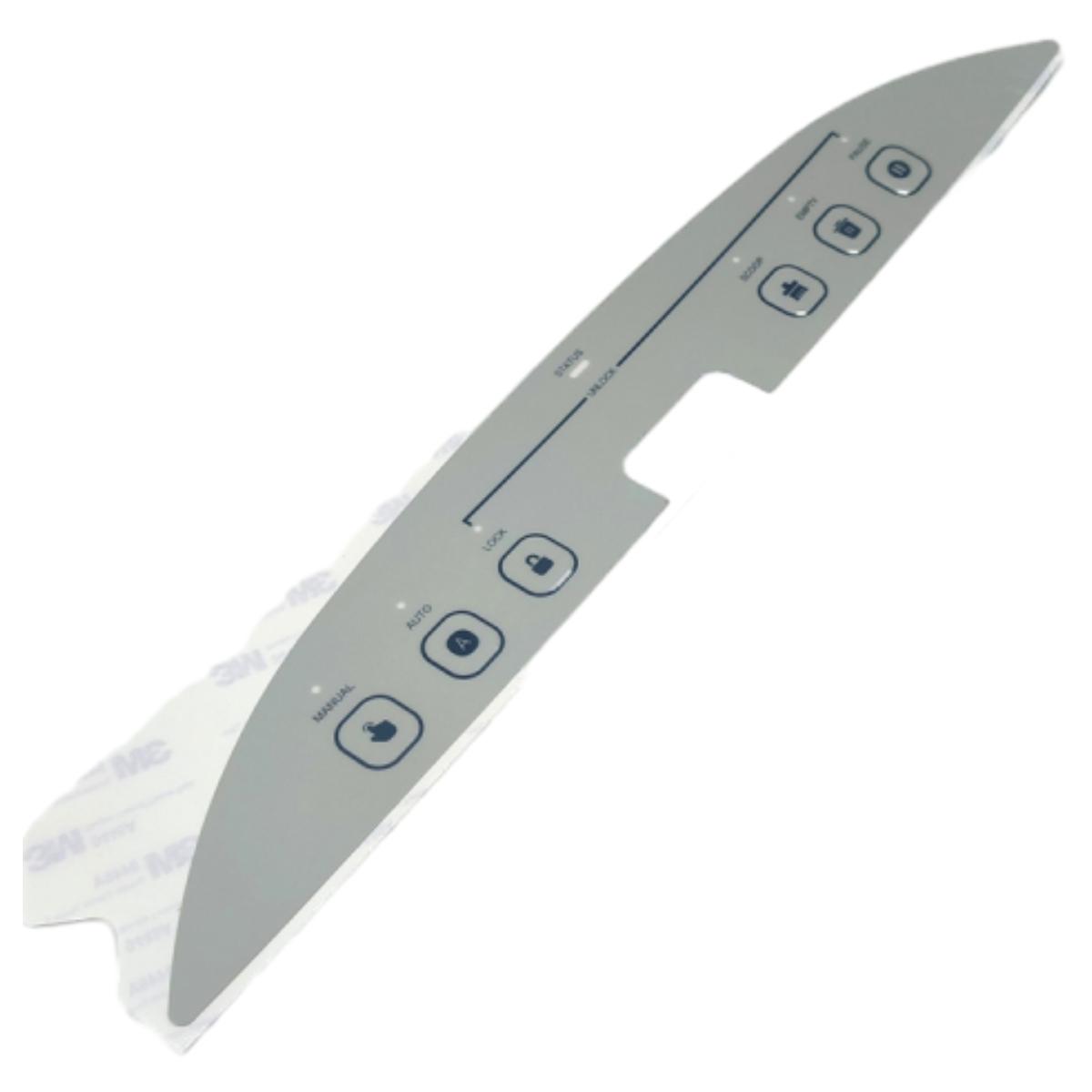
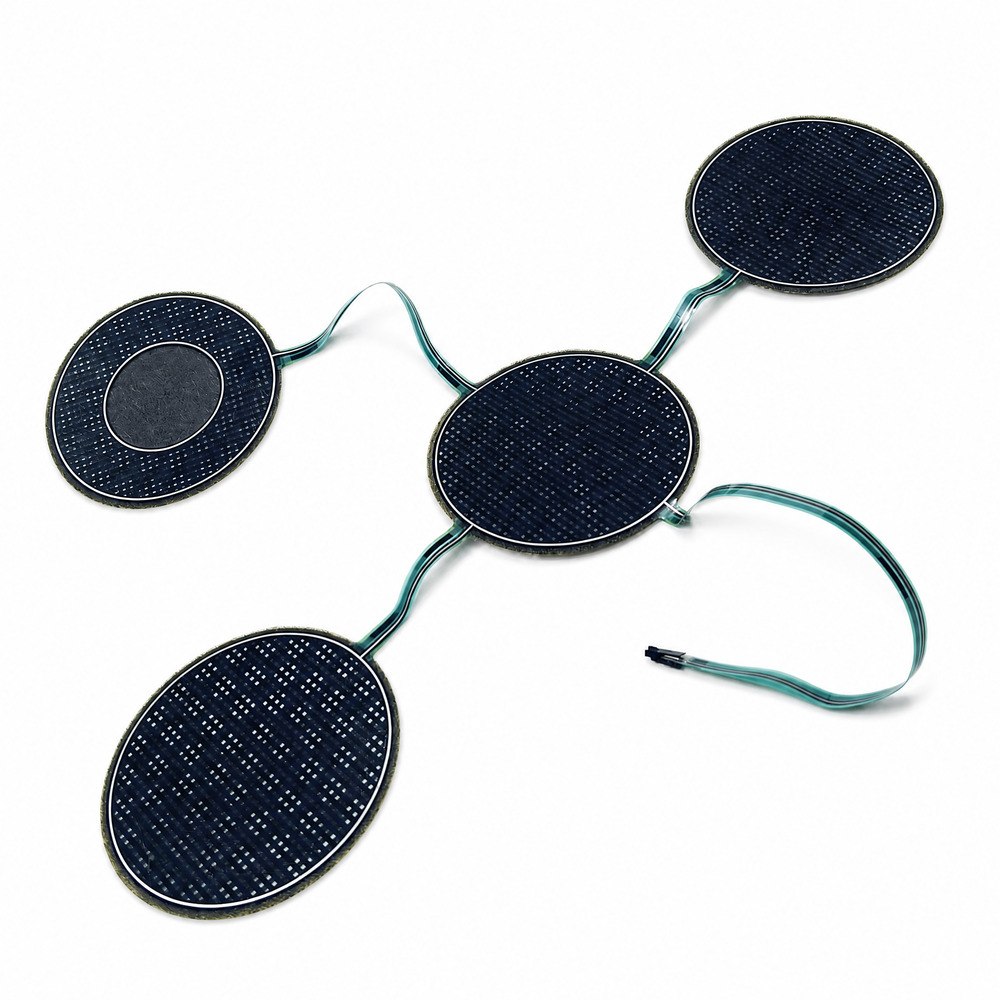
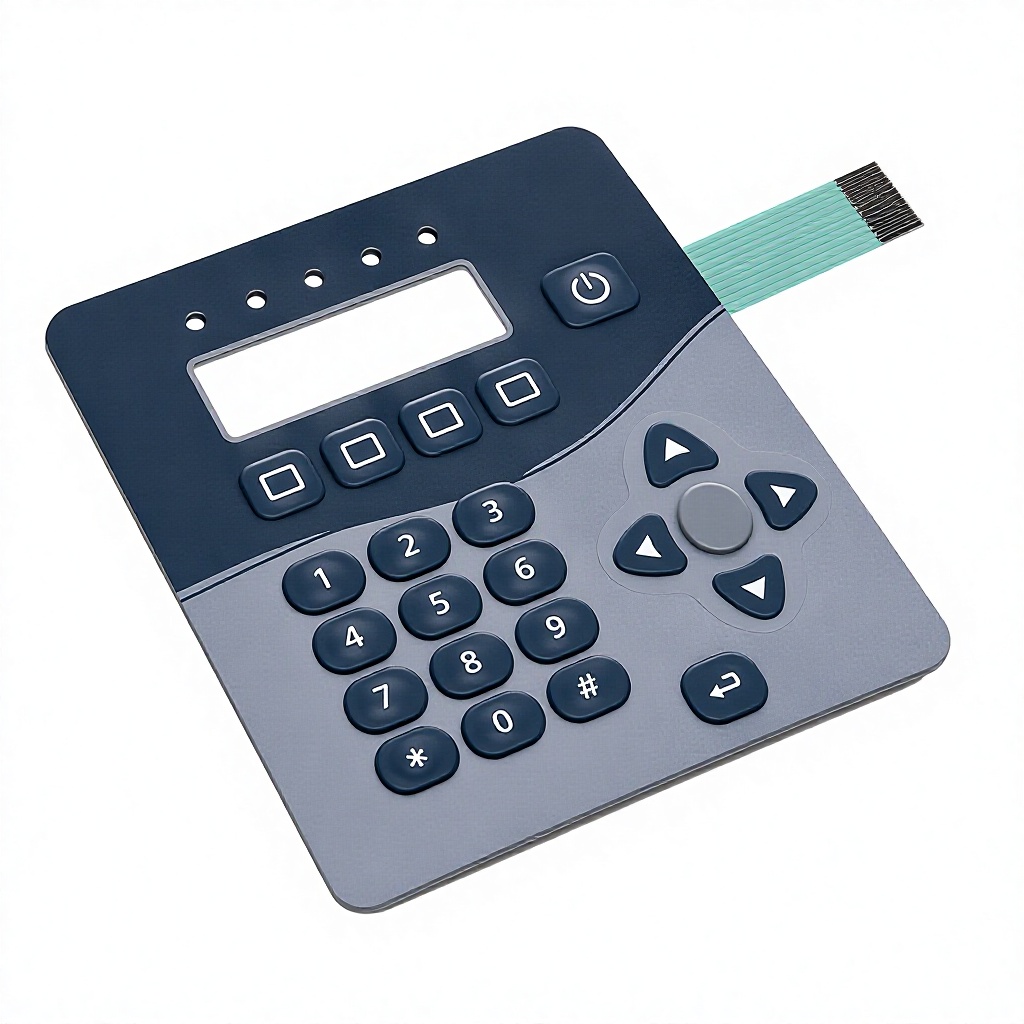
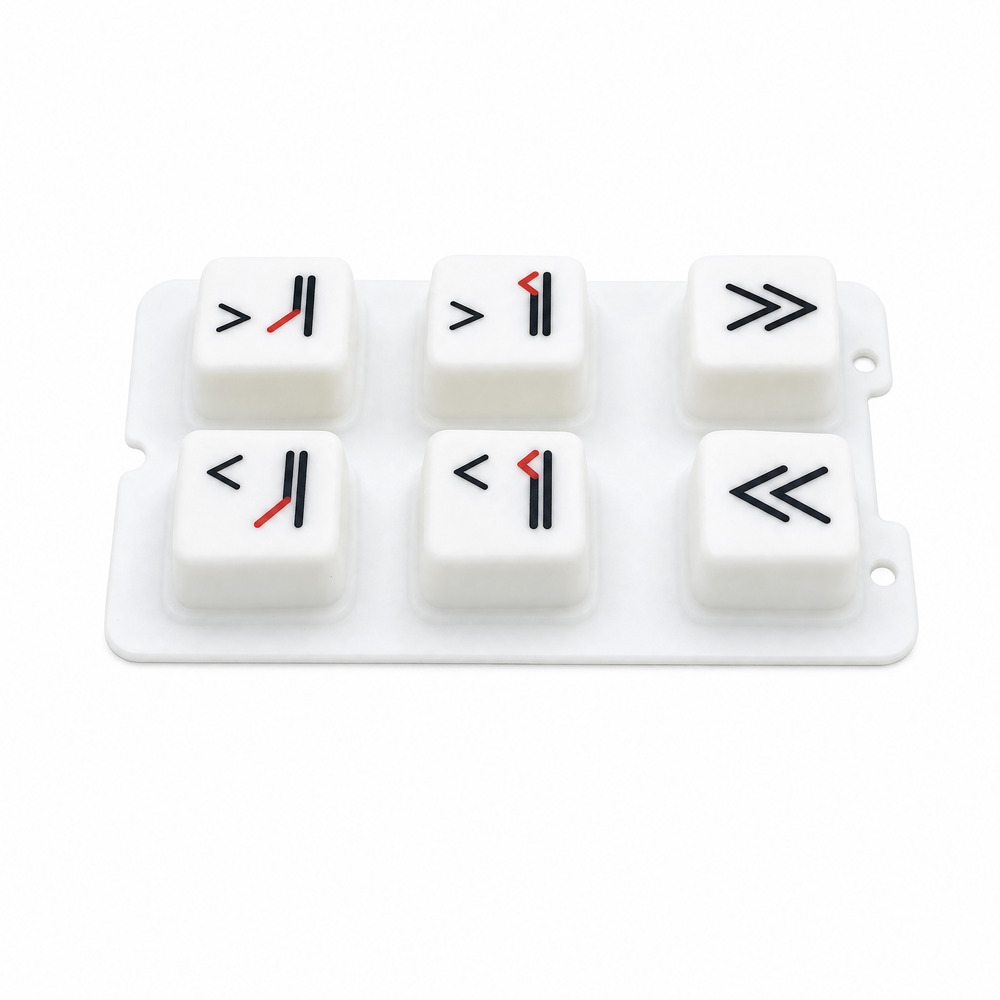
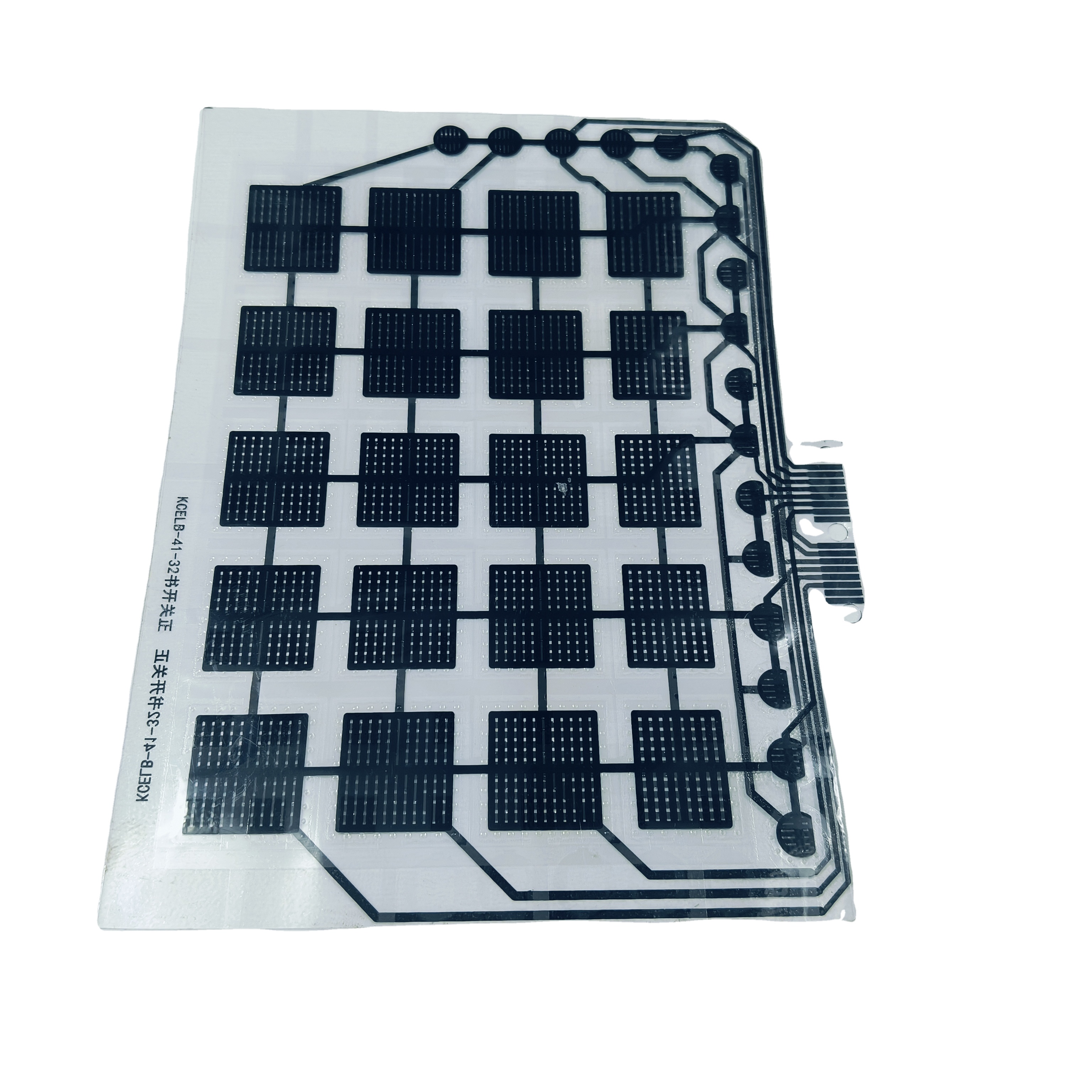
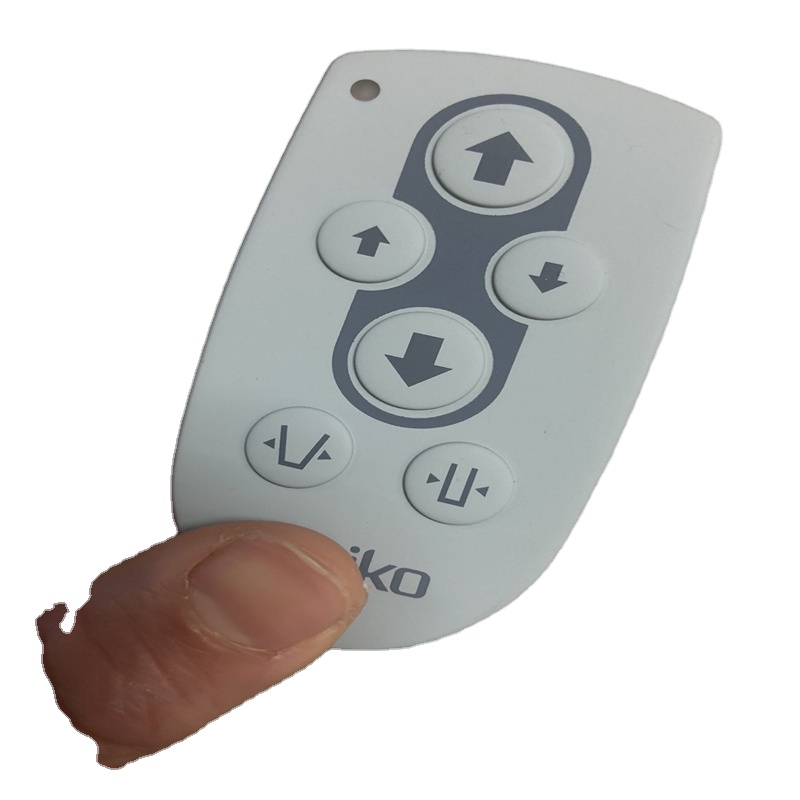
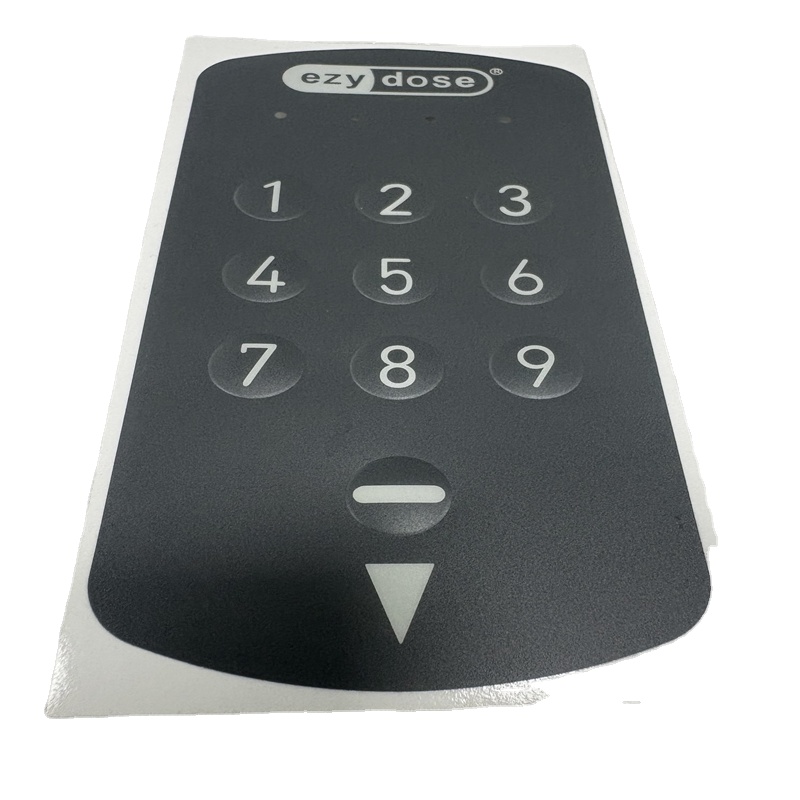
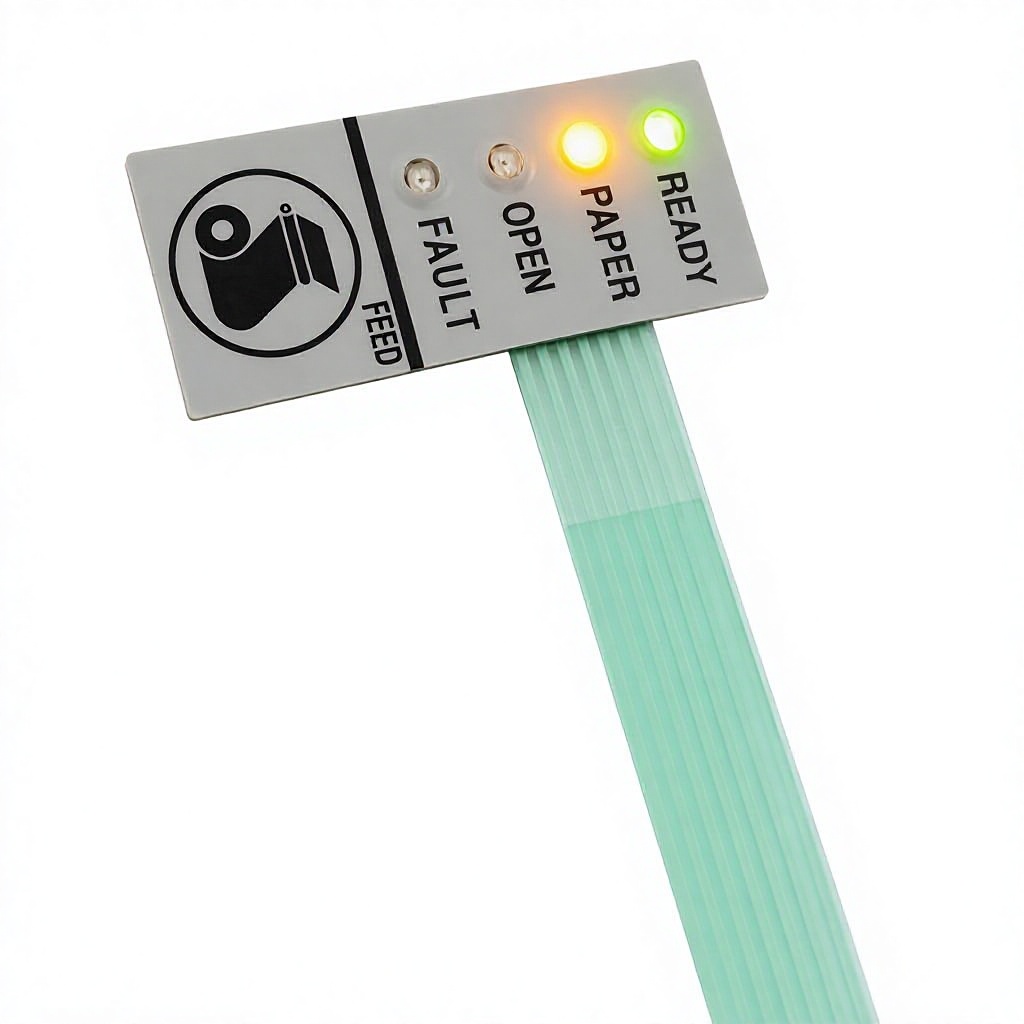
As Central America accelerates its integration into advanced digital health systems, smart biomechanical monitoring, and high-precision manufacturing, the demand for non-intrusive force measurements has reached an unprecedented high in the Managua market. As China's premier direct exporter of customized thin-film force sensitive resistors (FSR) and high-density matrix flexible printed circuit (FPC) pressure sensors, Dongguan Ravo Electronics Co., Ltd. delivers state-of-the-art piezoresistive sensing technology engineered to meet the stringent physical, thermal, and electrical demands of modern Latin American industries.
Piezoresistive foot pressure sensors operate on the principle of dynamic electrical resistance variation governed by applied mechanical force. Constructed upon ultra-thin, highly flexible Polyethylene Terephthalate (PET) or Polyimide (PI) substrates, these sensors feature screen-printed matrix arrays composed of conductive silver traces overlaid with semi-conductive carbon paste. When an operator, patient, or athlete exerts weight across the footbed, micro-contacts within the conductive matrix engage, creating a measurable linear-to-logarithmic drop in electrical resistance directly proportional to the localized pressure (kPa to MPa range).
To withstand millions of high-impact cyclic loadings—such as heel strike, mid-stance rollover, and toe-off propulsion—our foot pressure sensors incorporate a highly resilient multi-layer stack engineered in our Dongguan facility:
High-tensile optical-grade PET substrate (0.075mm - 0.125mm) offering exceptional dimensional stability, dielectric breakdown resistance, and flexural fatigue tolerance exceeding 5,000,000 bending cycles.
Ultra-low resistance screen-printed conductive silver ink (<0.02 Ω/sq/mil) forming matrix rows and columns, paired with pressure-sensitive carbon-based conductive inks for smooth, non-linear resistance translation.
Specially formulated anti-humidity perimeter adhesives (3M 467MP / 3M 9448A) that isolate conductive elements from humidity, moisture, and perspiration common in tropical climate zones like Managua.
As the political, economic, and healthcare capital of Nicaragua, Managua serves as the regional hub for clinical innovation, sports biomechanics research, industrial ergonomic risk prevention, and high-value leather shoe crafting. Chinese exports of thin-film pressure sensors must adapt directly to these local operational landscapes.
In major healthcare facilities across Managua—such as Hospital Vivian Pellas and Hospital Militar Escuela Dr. Alejandro Dávila Bolaños—diabetic neuropathy management is a major clinical focus. Unnoticed peak force concentrations beneath the metatarsal heads or calcaneus frequently result in tissue necrosis and severe ulceration. By integrating Ravo's multi-point foot pressure sensor matrices into diagnostic smart insoles, physical therapists and endocrinologists receive real-time, wireless plantar heatmaps that identify hyper-pressurized zones before skin breakdown occurs, transforming patient care from reactive treatment to proactive prevention.
With increasing investments in athletic training facilities and biomechanics academic research in Managua, sports scientists utilize force-sensing insoles to analyze center-of-pressure (CoP) trajectories, contact duration, weight transfer efficiency, and ground reaction forces (GRF). Ravo's high-frequency responsiveness (>1000 Hz capability) allows accurate data capturing during high-impact activities such as sprinting, soccer field cuts, and jump landings, enabling coaches to correct movement asymmetries and mitigate anterior cruciate ligament (ACL) injuries.
Managua's thriving Zona Franca industrial parks house tens of thousands of assembly line workers who spend up to 10 hours daily standing or operating foot pedal switches. Plantar pressure sensors embedded in safety boots evaluate worker standing fatigue, posture misalignment, and load-distribution balance. Local health and safety (EHS) officers use this empirical data to design custom anti-fatigue matting and ergonomic orthotic footwear inserts, significantly reducing lower-limb musculoskeletal disorders and absenteeism.
Nicaragua's renowned shoe crafting corridor between Masaya and Managua is transitioning toward intelligent, export-grade custom footwear. Local bootmakers leverage custom-shaped thin-film pressure sensors during custom fitting sessions to quantify exact arches, insteps, and heel pressure zones. This data-driven fitting process empowers local manufacturers to craft custom orthotic boots exported to North American and European markets at premium price points.
The Latin American flexible electronics and sensor market is experiencing steady compound annual growth. Specifically in Managua, key structural trends are accelerating the adoption of Chinese piezoresistive sensor technologies:
| Market Vector | Managua Local Demand Driver | Technical Requirement from Exporters |
|---|---|---|
| IoT Telehealth Expansion | Remote patient monitoring initiatives connecting rural clinics to Managua hospitals. | Low power consumption, flexible FPC tails compatible with BLE microcontrollers. |
| Tropical Environmental Stress | High average humidity (75%–88%) and elevated temperatures (28°C–35°C). | Hydrophobic dielectric coatings, silver migration prevention, IP67 sealed edges. |
| Agile R&D Nearshoring | Emerging biomedical start-ups requiring rapid prototyping and short lead times. | MOQs starting from 1 piece, ≤2-hour DFM turnaround, direct OEM factory prices. |
| Smart Footwear Integration | High demand for washable, ultra-thin sensory inserts for commercial footwear brands. | Flexibility under 0.2mm, high washability/sweat resistance, robust connector interfaces. |
Selecting the optimal sensor configuration depends heavily on the intended operational life cycle, force resolution requirements, and mechanical interface constraints. Below is a engineering overview comparing standard thin-film force sensors against Ravo's medical-grade pressure matrices:
| Specification Parameter | Standard Industrial FSR Sensor | Ravo Medical-Grade Plantar Sensor Array |
|---|---|---|
| Pressure Sensing Range | 0.5 N to 50 N (Single Point) | 0.1 N to 100 N/cm² (Matrix Multi-Zone) |
| Substrate Thickness | 0.125mm PET Film | 0.075mm to 0.10mm Ultra-Flex PET / Polyimide |
| Actuation Speed / Response Time | < 5 milliseconds | < 1 millisecond (Ultra-Fast Transient Capture) |
| Operating Temperature | -20°C to +65°C | -30°C to +85°C (Tropicalization Anti-Aging Grade) |
| Tail & Connector Options | 2.54mm Pitch Female Crimp / ZIF Tail | 0.5mm / 1.0mm Pitch FPC Connector, Gold-Plated Pins |
| Lifecycle Endurance | > 1,000,000 Actuations | > 5,000,000 Continuous Dynamic Cycles |
Located in Fenggang Town, Dongguan City—the manufacturing hub of South China's high-tech electronics supply chain—Dongguan Ravo Electronics Co., Ltd. has established itself since 2003 as an industry leader in custom membrane switches, capacitive touch keypads, rubber keypads, and flexible force sensors. Our 12,000 square meter ISO9001-certified factory integrates entire production workflows under one roof, eliminating sub-contractor delays and guaranteeing rigorous quality control.
Our dedicated engineering team analyzes client CAD drawings, schematic layouts, and environmental specs within two hours, offering actionable Design for Manufacturability (DFM) feedback.
Equipped with class-10,000 dust-free cleanrooms, semi-automatic screen-printing lines, high-precision laser profiling machines, and automated electrical resistance testing rigs.
Every single sensor matrix, membrane switch, and connector tail undergoes 100% automated electrical testing for shorts, open circuits, line resistance, and tactile actuation forces prior to shipment.
To assist purchasing directors, hardware engineers, and biomedical innovators in Nicaragua, we have compiled detailed answers regarding logistics, customization, import procedures, and payment parameters:
