EN
 DE
 FR
 ES
 RU
 JA EN DE FR ES RU JA
Explore our precision-printed flexible circuits, Force Sensitive Resistors (FSRs), and custom membrane switches specified by hardware developers across the Greater Wellington Region.
As Wellington solidifies its reputation as New Zealand's technology and high-value manufacturing capital — anchored by innovation hubs in Hutt Valley (Gracefield Quarter), Porirua, and the CBD — hardware engineers and procurement leaders face unique supply chain imperative: sourcing high-precision flexible force sensors and Human-Machine Interfaces (HMI) that satisfy rigorous international standards while offering fast prototyping turns.
Flexible Thin Film Pressure Sensors — technically categorized as piezoresistive Force Sensitive Resistors (FSRs) — operate by translating mechanical force into a measurable decrease in electrical resistance. Unlike rigid strain gauges or heavy load cells, thin-film FSRs feature an ultra-thin profile (<0.25mm), high mechanical flexibility, and exceptionally low power consumption. For Wellington-based OEMs pioneering advanced medical devices, smart agricultural tracking, marine instrumentation, and gait analysis systems, partnering with direct-from-factory Chinese specialists provides a decisive competitive edge in cost, customized geometry, and scalability.
To achieve long-term dynamic repeatable response curves across New Zealand's varied microclimates (from coastal Wellington humidity to alpine South Island conditions), understanding sensor stack-up material science is critical during DFM (Design for Manufacturability) review.
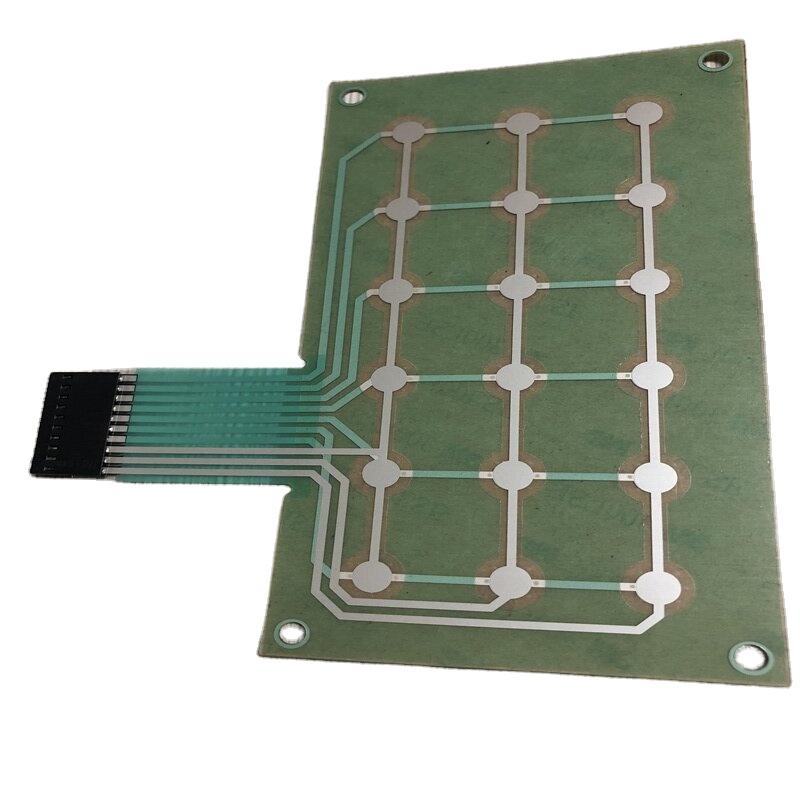
Utilizes formulated conductive silver paste busbars and micro-particle carbon functional inks screen-printed onto optical-grade PET substrate. Dynamic actuation force thresholds range from light touch (10g) up to heavy industrial loads (100kg+).
Incorporates perimeter double-coated acrylic adhesives (e.g., 3M 467MP, 3M 468MP, or 3M VHB) to seal against moisture ingress, saline fog in Wellington Harbour environments, and ambient air humidity changes.
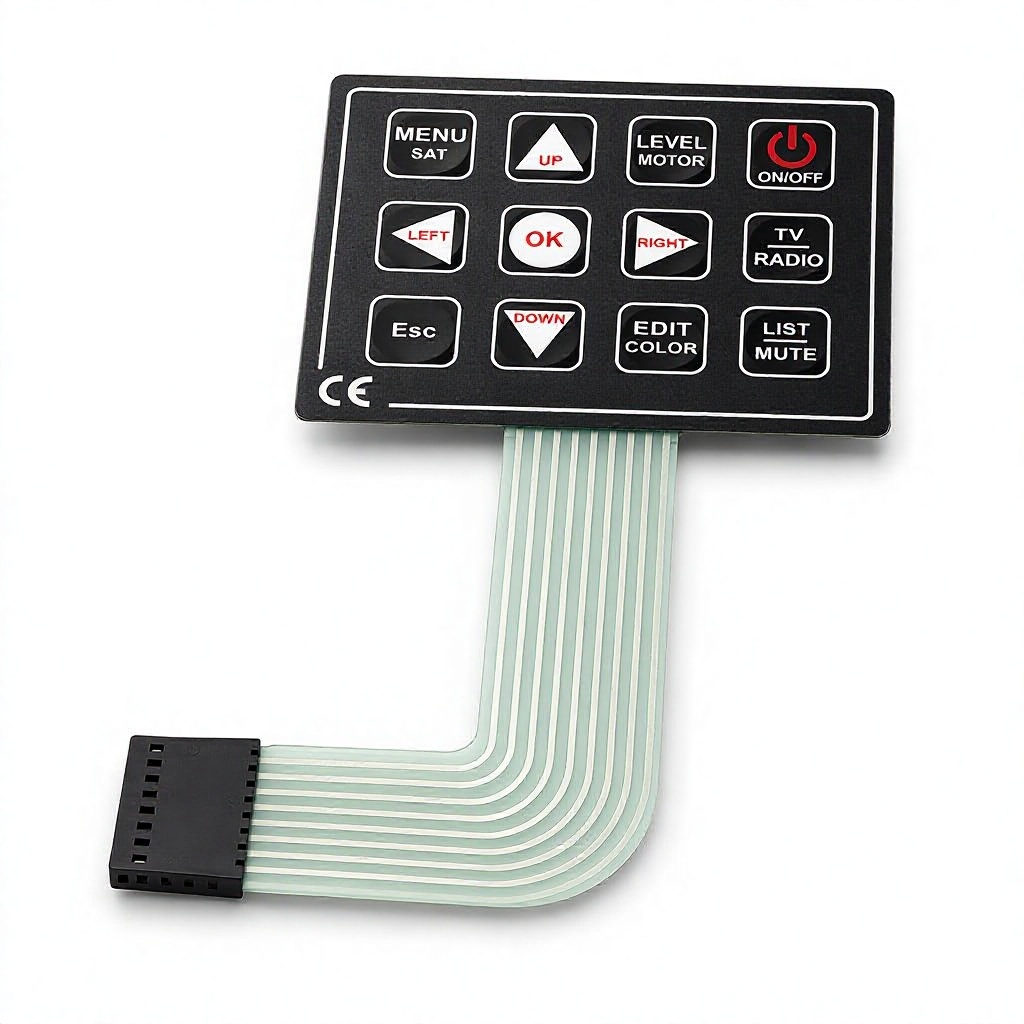
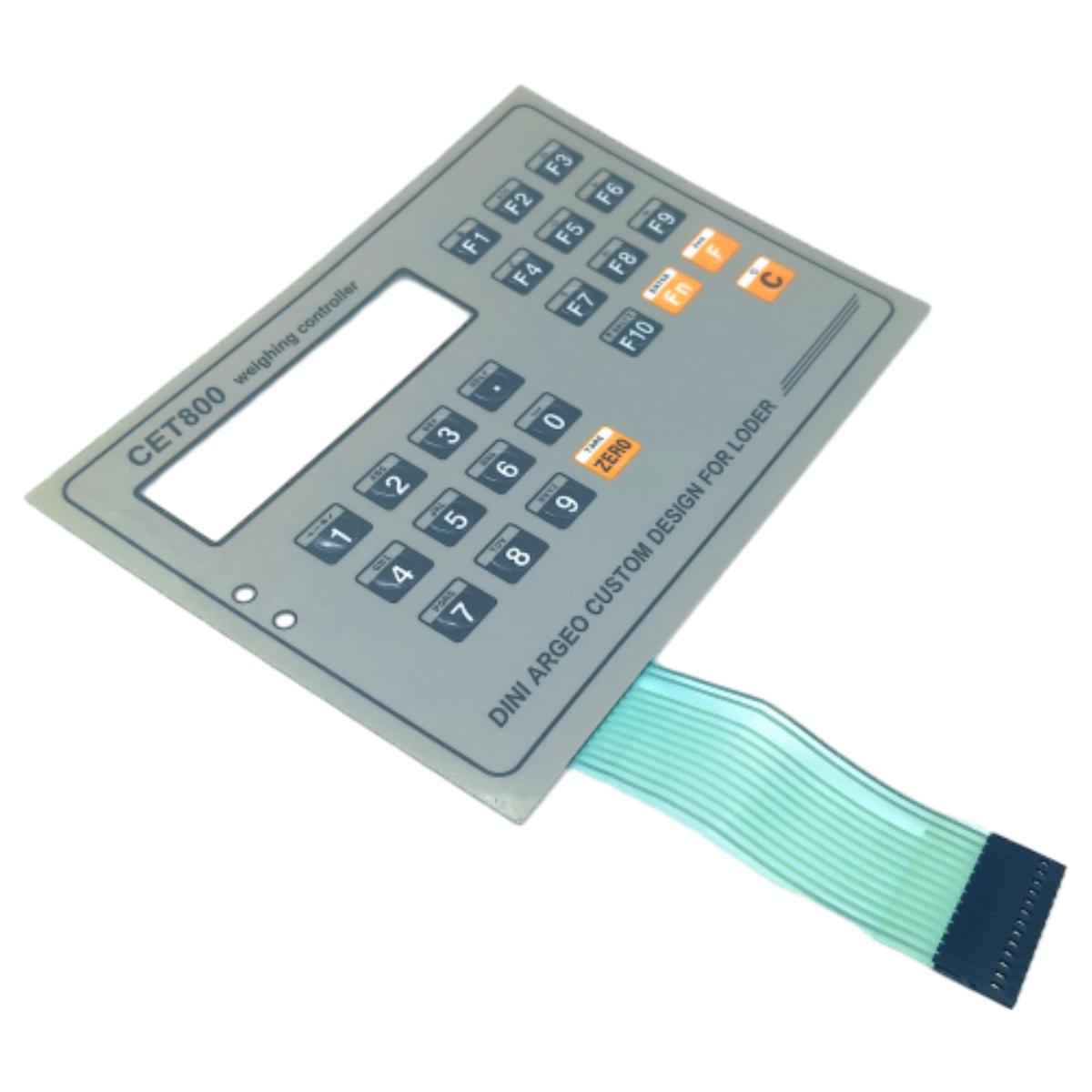
Tail pinouts feature standard 2.54mm pitch Amphenol/FCI female crimp connectors with latching housings, or direct ZIF (Zero Insertion Force) polyimide FPC tails designed for low-profile PCB mating.
| Engineering Parameter | Standard Off-The-Shelf FSRs | Dongguan Ravo Custom Flexible Sensors | Wellington Application Benefit |
|---|---|---|---|
| Force Range Sensitivity | Fixed ranges (0.1N to 20N) | Fully customized (0.05N up to 1000N+) | Tailored for both delicate infant medical monitoring & heavy agritech force sensing. |
| Substrate Thermal Tolerance | Standard PET (-20°C to +65°C) | High-temp PET / Polyimide PI (-40°C to +105°C) | Ensures stable sensor drift performance across outdoor New Zealand environmental extremes. |
| Adhesive Backing | Generic acrylic tape | 3M 467MP / 3M 9448A / Waterproof Sealed Gaskets | Prevents delamination under high vibration in marine & agricultural machinery. |
| Tail Interconnect Pitch | 2.54mm solder tabs only | 2.54mm pitch, 1.0mm FPC, or custom PCB headers | Seamless drop-in compatibility with local Wellington R&D PCB designs. |
| Prototyping Lead Time | 4-6 Weeks (Western Stockists) | 5-7 Business Days Express Air to NZ | Accelerates rapid iteration cycles for Wellington hardware startups and incubators. |
New Zealand’s capital region presents distinct industrial application vectors where thin-film flexible pressure sensors and custom graphic control overlays deliver high information gain and performance efficiency.
Wellington’s health technology firms specialize in non-invasive patient monitoring, smart rehabilitation beds, and ergonomic posture sensors. Custom multi-zone matrix FSR arrays manufactured by Dongguan Ravo are integrated under anti-microbial medical foam pads to track patient pressure distribution, preventing bedsores and reporting continuous weight shifts to hospital networks.
New Zealand's dairy and livestock sectors rely heavily on automated draft gates, hoof pressure analysis mats, and smart milking clusters engineered across Wellington and Manawatu. Our rugged, sealed flexible thin-film pressure sensors withstand slurry, washdown chemicals, and constant animal hoof impacts up to 500kg per active sensing pad.
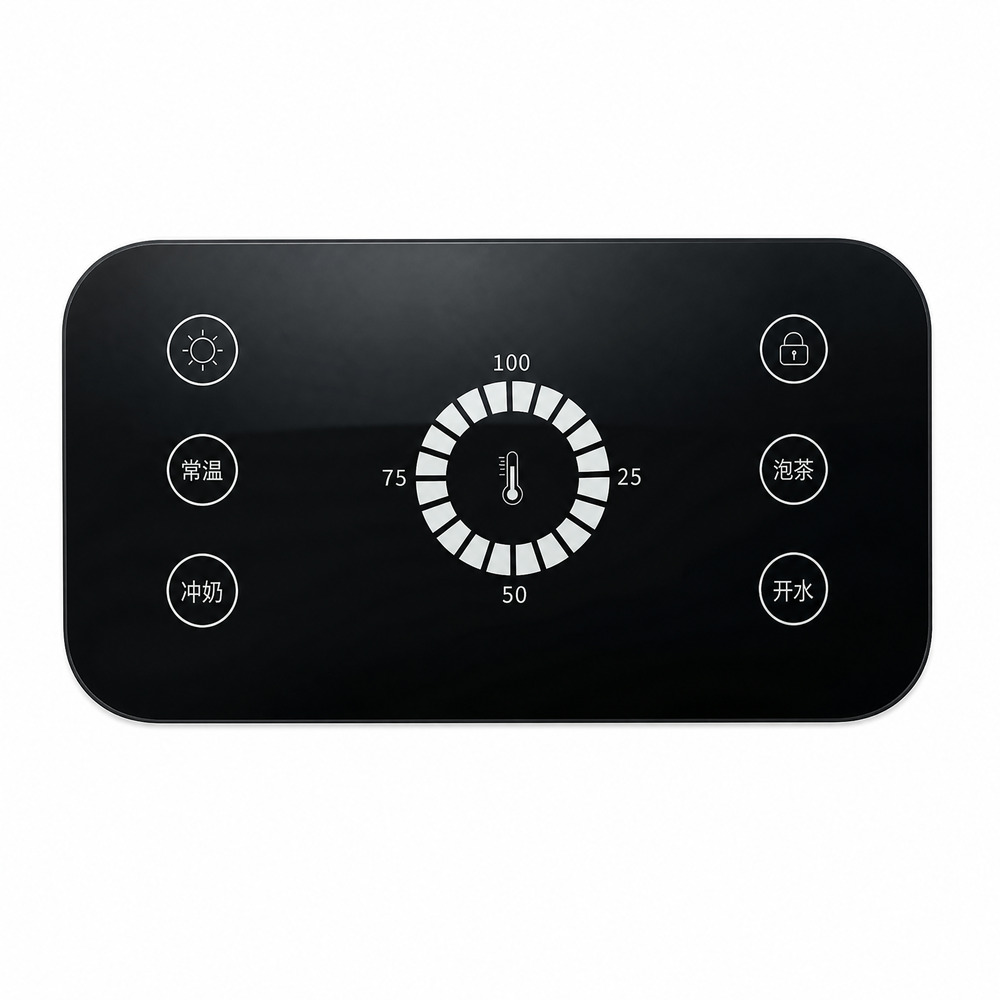
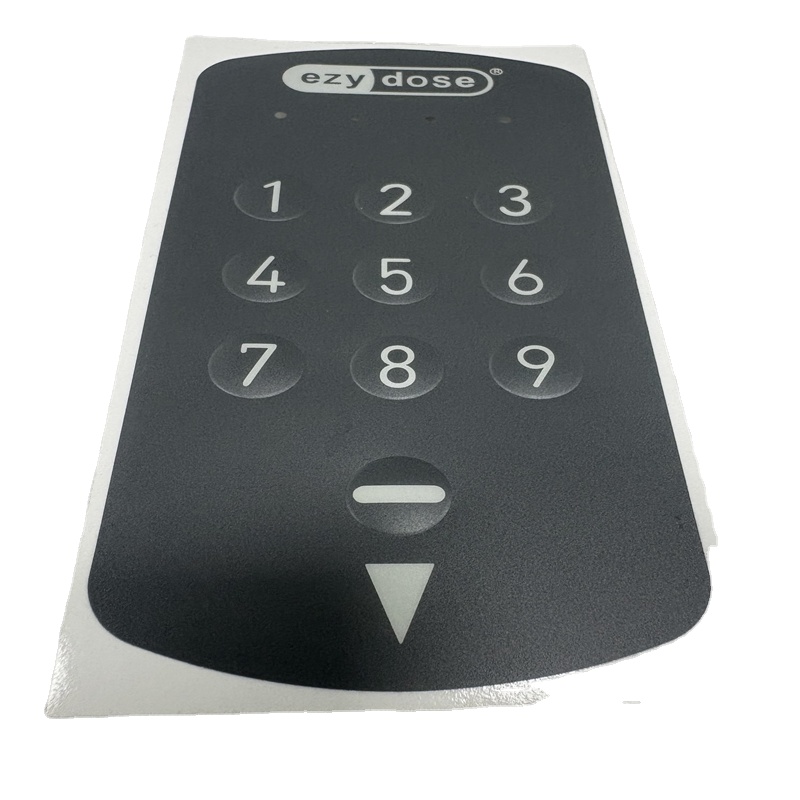
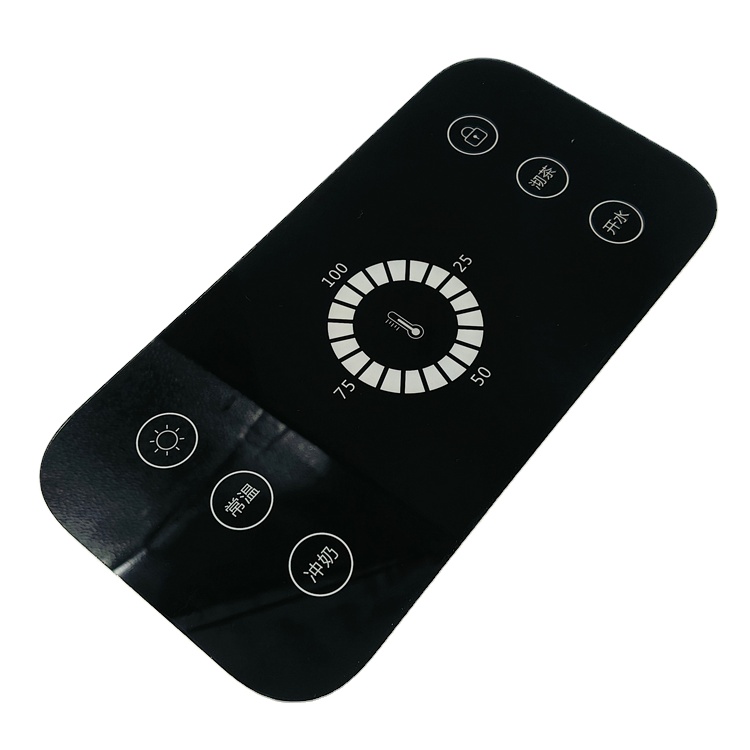
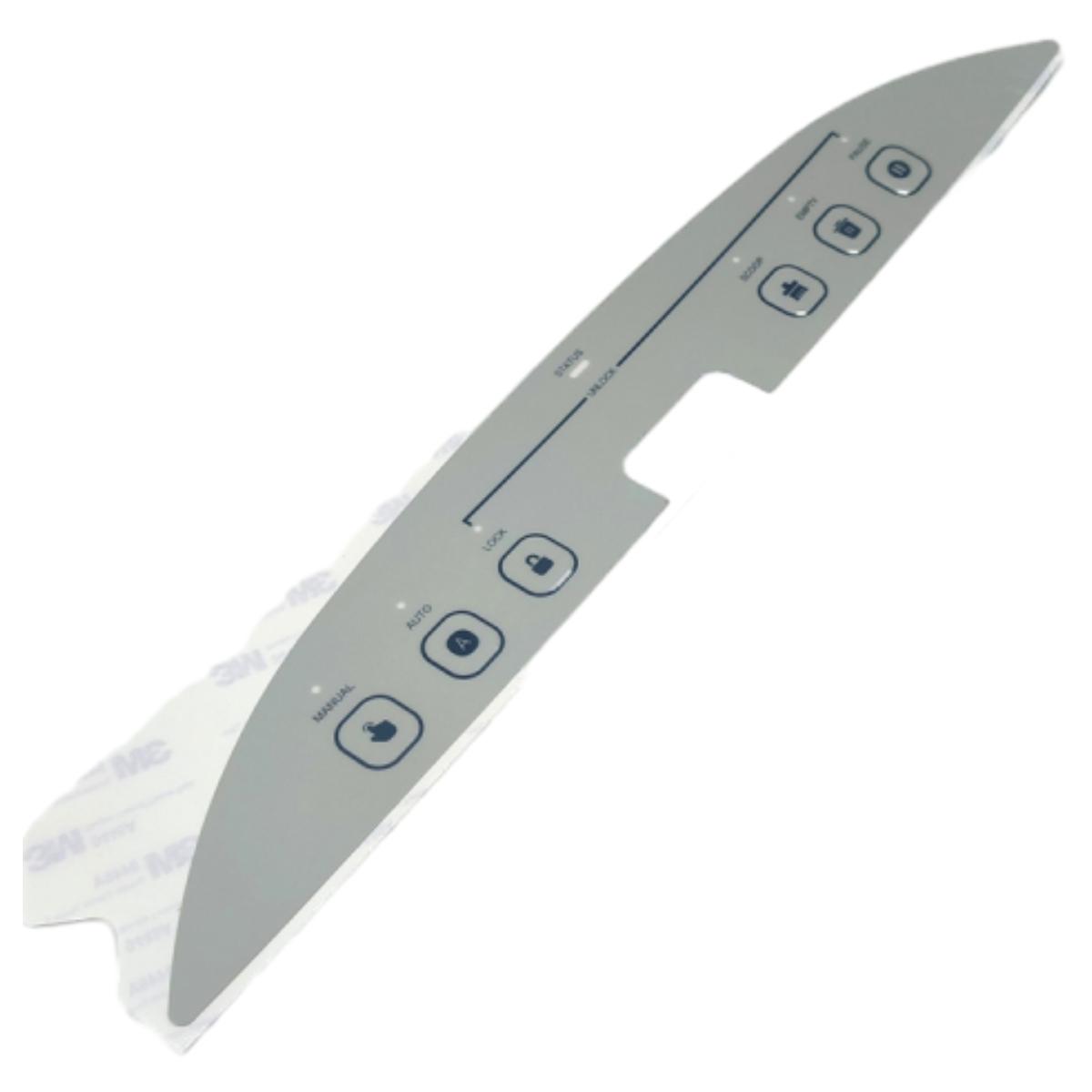
With Wellington Harbour and NIWA driving marine innovations, oceanographic buoys and deck control interfaces require UV-stable, saltwater-proof membrane control panels and tactile force-sensing switches. Sub-surface printed Polycarbonate overlay labels with matte velvet finishes eliminate glare while protecting sensitive internal driver electronics.
As Wellington electronics designers shift toward ultra-compact, Internet of Things (IoT)-enabled edge devices, demand for custom thin-film flexible pressure sensors and capacitive touch interfaces is growing rapidly across three key technological vectors:
Combining non-contact capacitive proximity sensing with true force-actuated FSR layers eliminates accidental key triggers in high-vibration marine or industrial control rooms across Wellington.
Growth in kiwi sports science and podiatry research centers (including Wellington university incubators) demands flexible, sub-0.15mm force sensing insoles that measure dynamic gait analysis in real time.
New Zealand’s Environmental Protection Authority (EPA) regulations mandate non-toxic, eco-friendly component sourcing. All Dongguan Ravo silver inks, PET films, and 3M adhesives meet strict European and Australasian eco-directives.
Established in 2003 in Fenggang Town, Dongguan, Guangdong, China — the primary manufacturing engine for global electronics — Dongguan Ravo Electronics Co., Ltd. operates a vertically integrated 12,000 m² clean production facility dedicated to precision human-machine interface solutions.
From precision screen printing, automated surface mount technology (SMT) for micro-LEDs, laser die-cutting, to custom embossing, every manufacturing phase occurs under strict ISO 9001 supervision.
Our dedicated engineering desk provides thorough DFM artwork and stack-up reviews within 2 hours, aligning with New Zealand business hours to eliminate project communication drag.
Prototypes start from just 1 piece for rapid verification. Mass production batches ship via direct air express (DHL/FedEx) arriving in Wellington within 3 to 5 business days.
Once CAD drawings and artwork Gerber files are finalized, prototype fabrication takes 5 to 7 working days. Air express courier delivery (via DHL or FedEx) directly to Wellington, Hutt Valley, or Auckland addresses typically takes 3 to 5 business days, ensuring complete door-to-door transit within 2 weeks.
Dongguan Ravo supplies complete export documentation including Commercial Invoice, Packing List with correct HS Tariff Codes (e.g., HS 8536.50 for membrane switches / HS 9031.80 for pressure sensors), Certificate of Origin, and RoHS/REACH material compliance declarations for seamless clearing through NZ Customs and MPI.
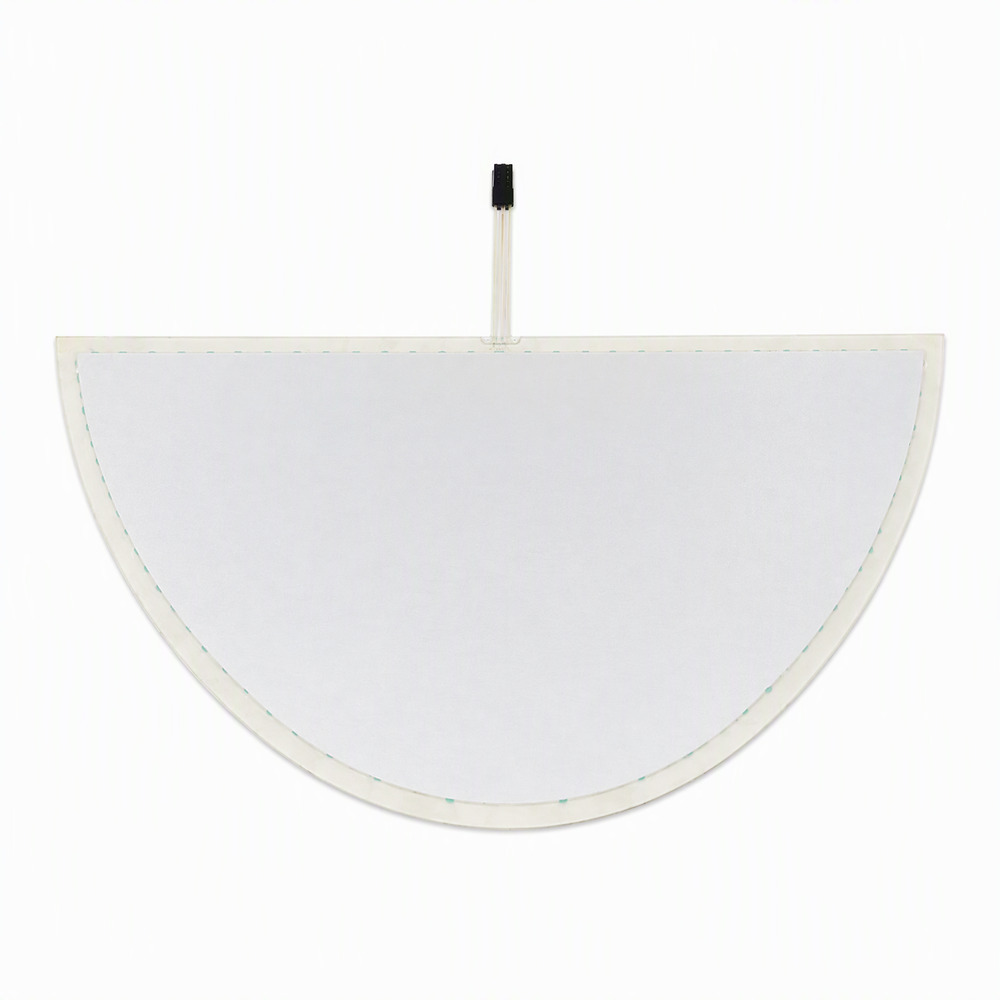
Yes. Utilizing state-of-the-art precision CNC laser cutting and steel rule dies, we manufacture sensors in any geometry — including concentric rings, matrix grids, curved wearable profiles, or multi-button arrays — with positional tolerances down to ±0.1mm.
We combine premium Dupont silver paste conductors with high-stability Acheson carbon piezoresistive inks printed under thermal curing tunnels. This achieves an actuation lifecycle exceeding 1 million to 5 million operations with minimal resistance drift (<5%).
We support Wellington’s active hardware startup ecosystem with sample runs starting at 1 to 5 pieces. For commercial batch production, typical MOQs range from 100 to 500 pieces depending on substrate tooling and connector configuration.
Send us your 2D/3D CAD files (STEP, DXF, DWG, PDF, or AI artwork) and our senior engineering team will respond with a complete Design for Manufacturability (DFM) analysis and fast quotation.