 EN
 DE
 FR
 ES
 RU
 JA EN DE FR ES RU JA
Explore our core thin-film force-sensing resistor (FSR) matrices, waterproof control overlays, and custom tactile human-machine interface assemblies tailored for Baltic equipment builders.
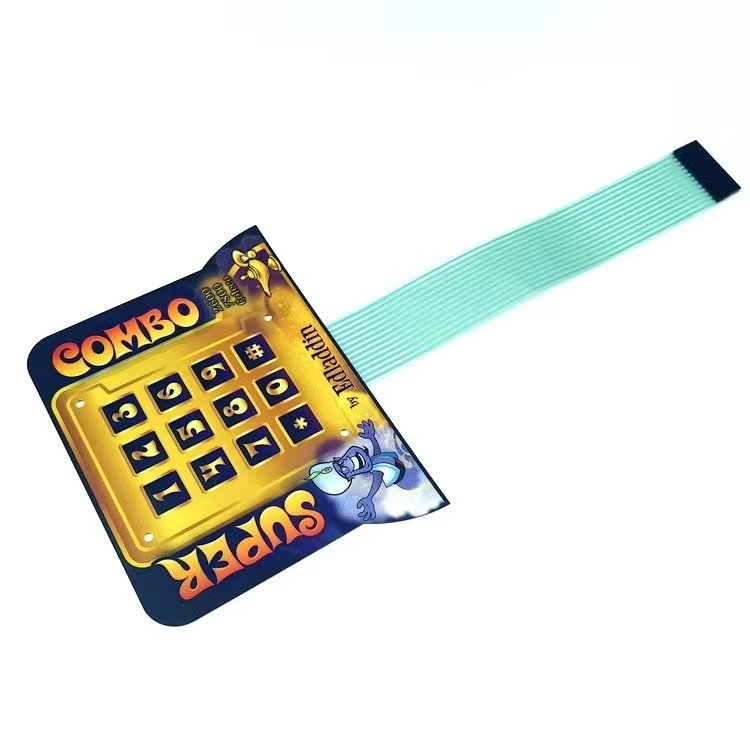
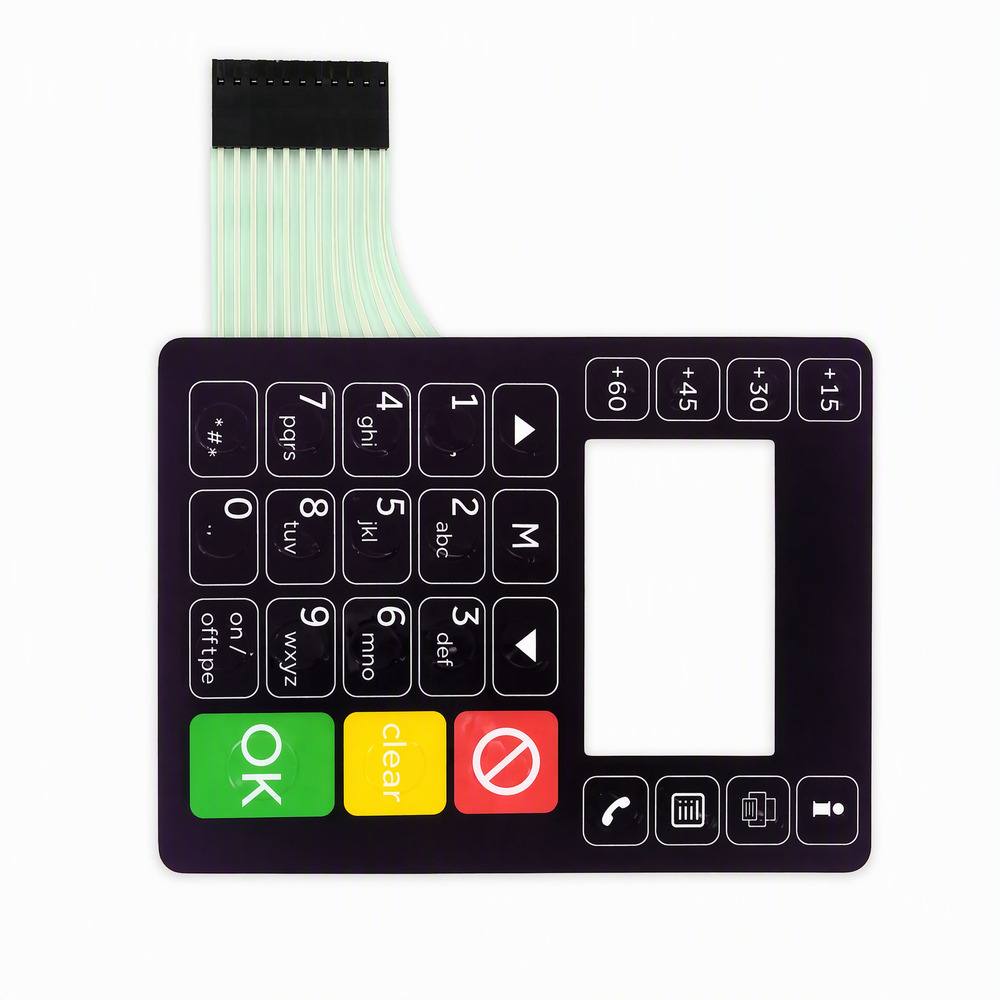
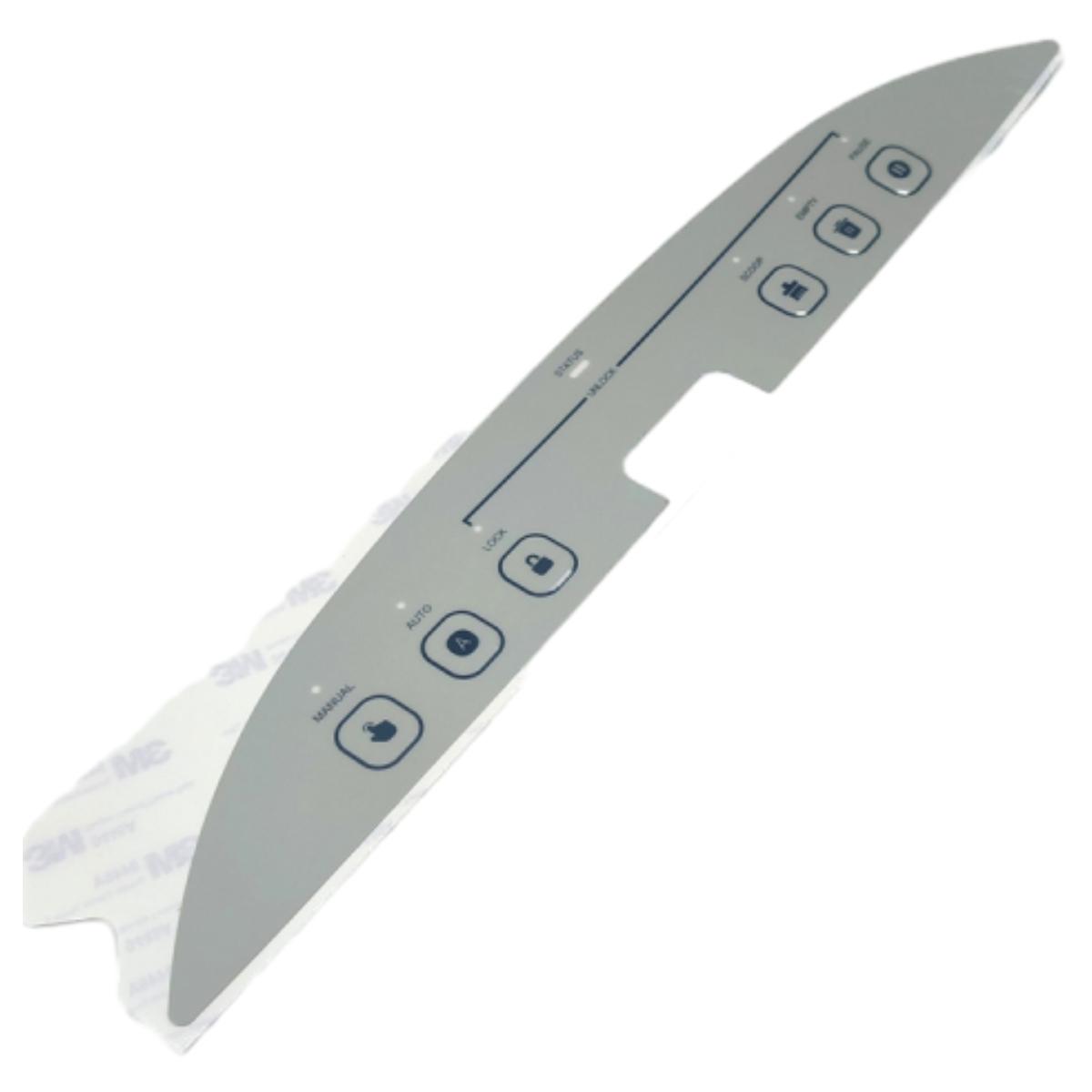
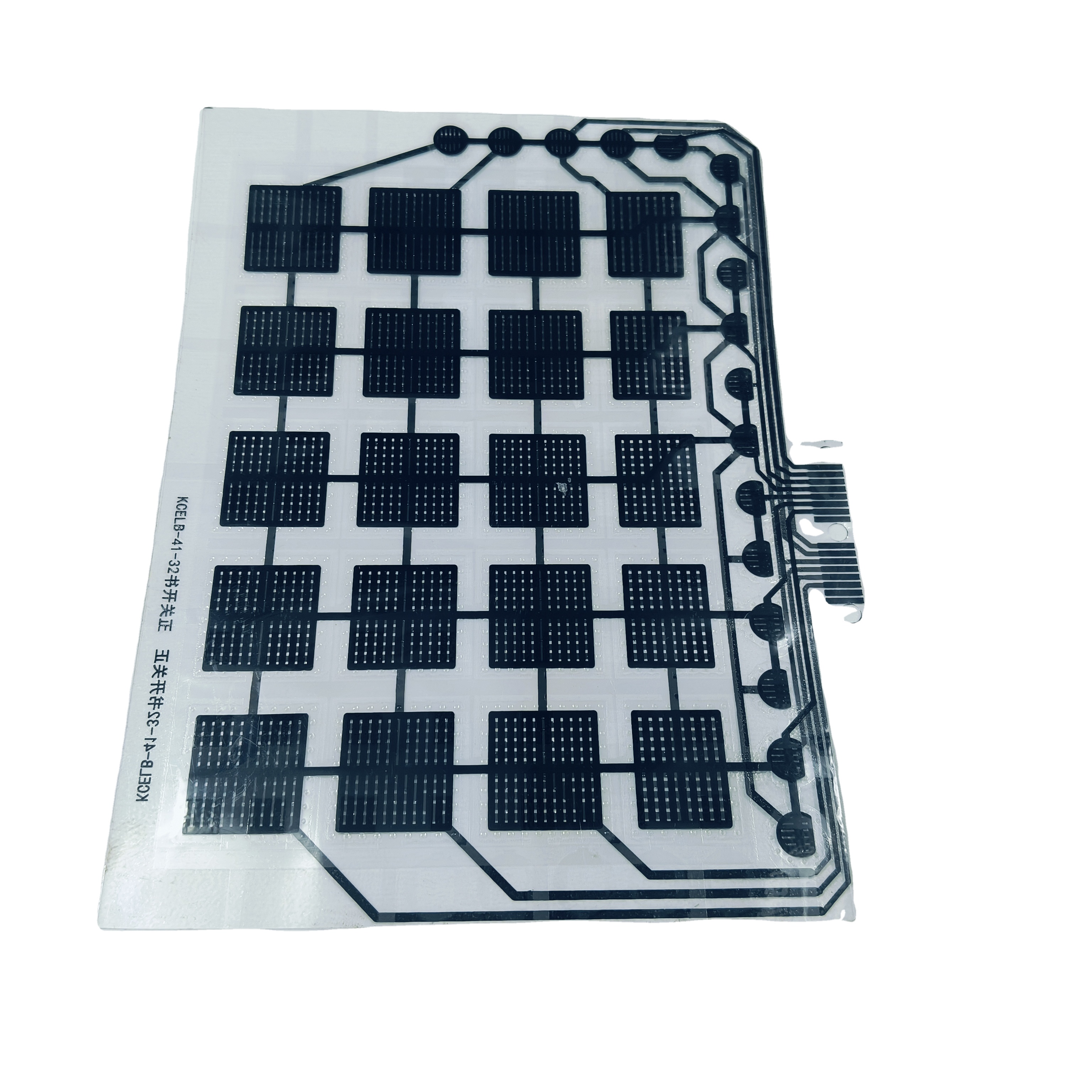
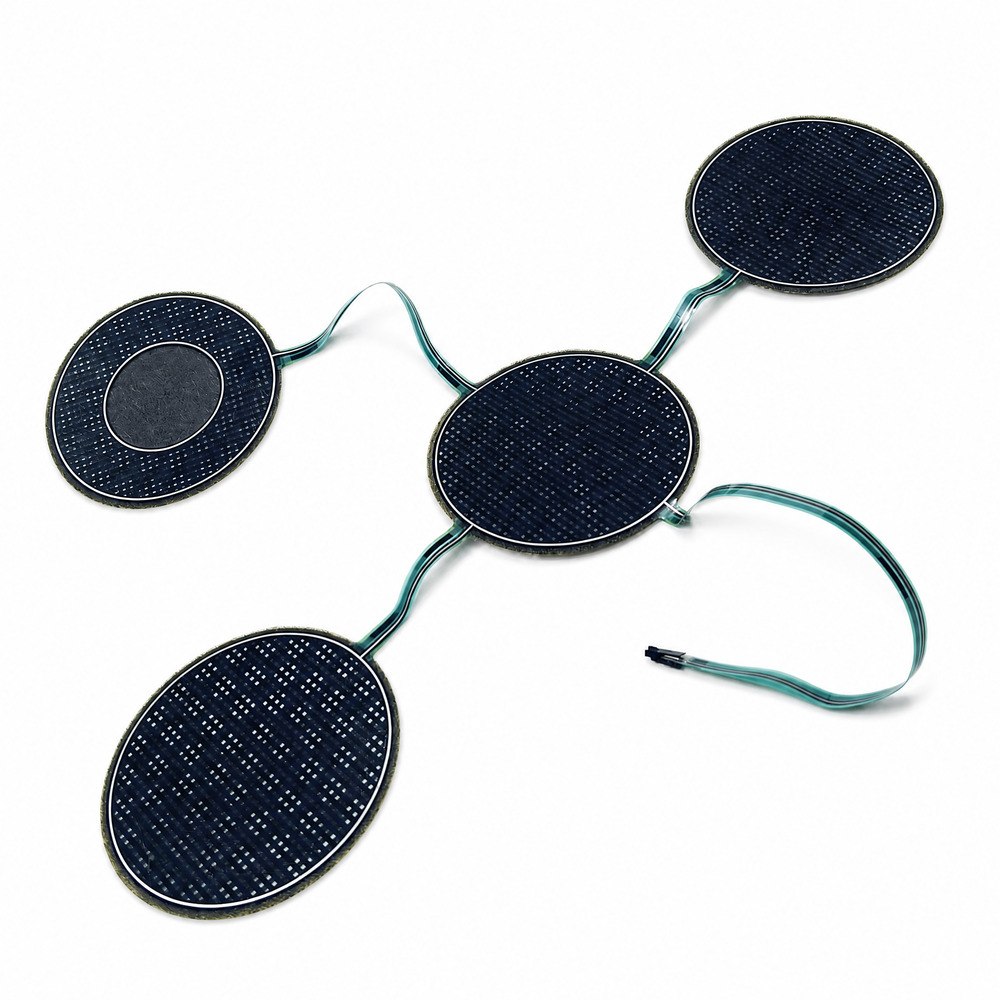
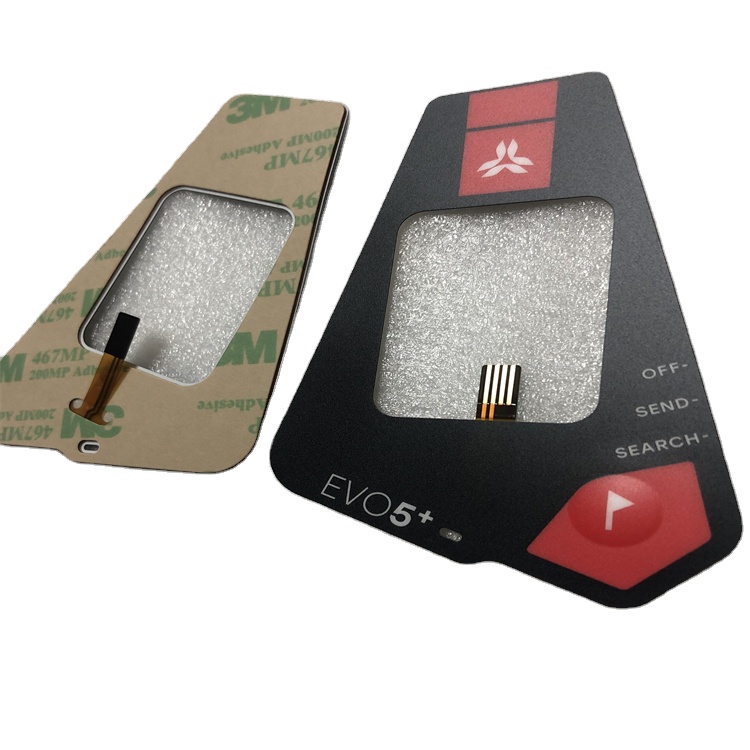
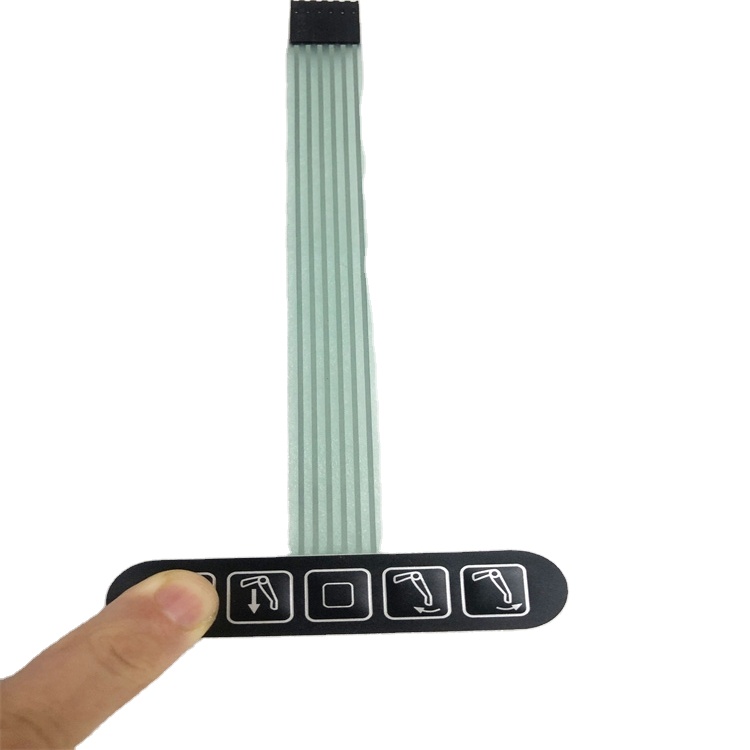
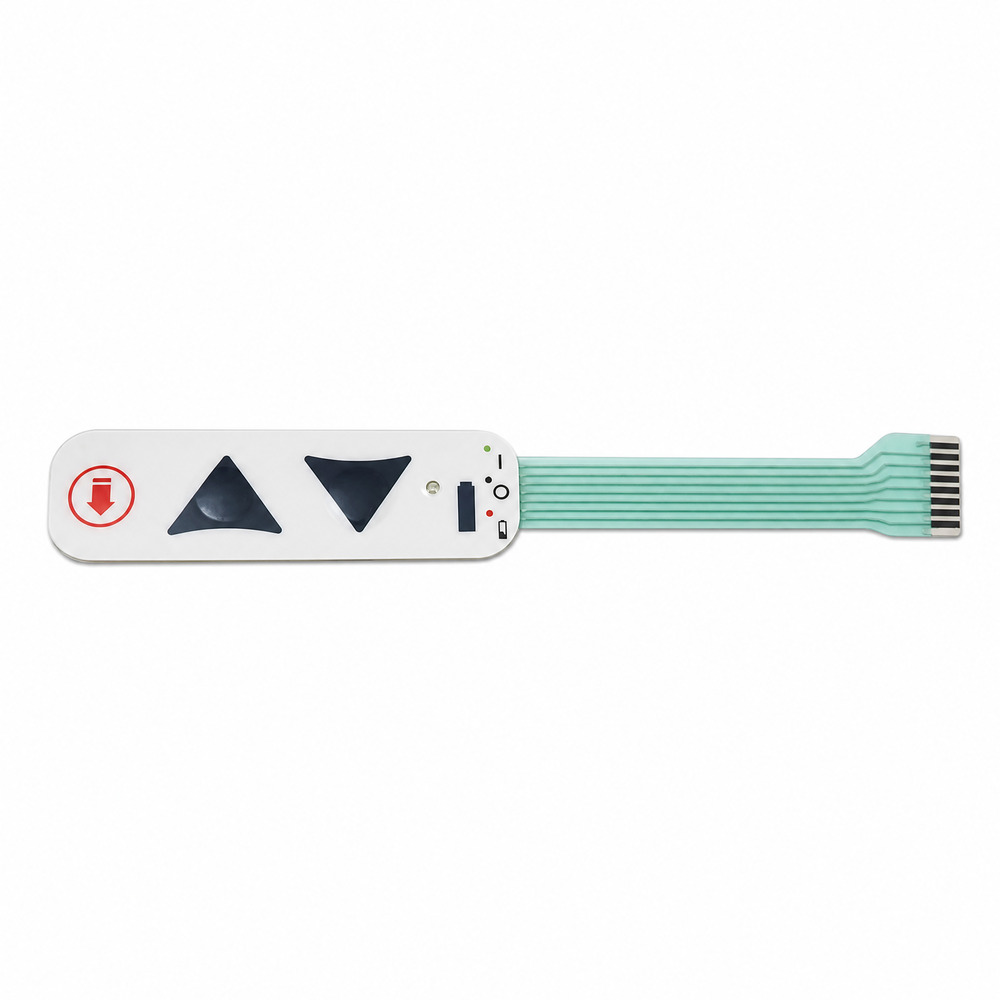
A rigorous engineering analysis of thin-film Force-Sensing Resistor (FSR) occupancy detection arrays designed for stringent European mechanical, safety, and operational standards.
The core sensor mechanism relies on micro-particulate conductive carbon polymer pastes suspended within a flexible thermoplastic matrix. Under quiescent states, electrical resistance remains virtually open-circuit (>10 MΩ). Upon mechanical compression, microscopic percolation thresholds are breached, yielding an inverse logarithmic resistance drop down to <1 kΩ under applied force, enabling calibrated occupant weight differentiation.
For applications subjected to rapid temperature changes—such as Estonian sub-zero winters—our sensors feature micro-channeled breathable perimeter vents equipped with PTFE semi-permeable membranes. This equalizes atmospheric pressure differentials across the internal switch cavities while preventing condensation, ice crystallization, and chemical fluid penetration, achieving verifiable IP65 to IP67 ingress protection.
High relative humidity paired with continuous DC biasing often triggers catastrophic dendrite silver migration across conductive interdigitated fingers. Ravo mitigates this failure mode by printing a proprietary carbon-over-silver dielectric shield. This conductive encapsulation isolates silver micro-traces from ambient moisture, ensuring electrical isolation even under prolonged 85°C / 85% RH climatic torture tests.
| Functional Parameter | Seat Occupancy Matrix (Automotive / UGV) | Dynamic Ergonomic Office Sensor | Medical Assistive Care Sensor |
|---|---|---|---|
| Primary Substrate | Heat-stabilized PET (125 µm to 188 µm) / Polyimide FPC | High-clarity optical grade PET (100 µm) | Biocompatible medical polyurethane / PET |
| Pressure Sensitivity Range | 0.2 kg to 120 kg (2 N to 1200 N per contact cell) | 0.5 kg to 45 kg (Zone localized) | 0.05 kg to 25 kg (High sensitivity mapping) |
| Operating Temperature | -40°C to +85°C (Nordic Winter Rated) | -10°C to +60°C | 0°C to +50°C |
| Hysteresis Factor | < 4.8% of full scale reading | < 6.5% of full scale reading | < 3.2% calibrated precision |
| Actuation Mechanical Life | > 2,000,000 dynamic cycles | > 1,000,000 cycles | > 5,000,000 cycles |
| Tail & Interconnect Interface | 2.54mm AMP/FCI crimp connector or soldered FPC ZIF | 2.54mm pitch female crimped housing | 0.5mm / 1.0mm ZIF locking connector |
| Compliance Standard | CE, UNECE R16, RoHS 2011/65/EU, REACH | CE, RoHS, WEEE | CE MDR 2017/745, ISO 10993 Cytotoxicity |
From Tallinn’s world-renowned autonomous robotic testing corridors to Tartu’s med-tech labs, our thin-film pressure sensors fulfill critical roles in next-generation hardware.
Estonia leads the globe in autonomous ground delivery robots and autonomous defense platforms (UGVs). Our custom multi-zone pressure arrays fit underneath cargo bays and emergency operator seats to verify cargo load presence, center-of-gravity shifts, and physical tampering in real time.
Estonia’s ambitious electrification of public transit and commercial delivery fleets necessitates compliant Seat Belt Reminder (SBR) sensors. Ravo sensors interface seamlessly with CAN-bus telematics, ensuring compliance with UNECE Regulation No. 16 for passenger safety.
Smart office hardware manufacturers in the Baltics incorporate our thin-film arrays into ergonomic mesh and foam chairs. The piezoresistive grid captures posture metrics, sedentary duration, and micro-movements, transmitting telemetry directly to corporate wellness dashboards via Bluetooth Low Energy.
Estonian healthcare technology innovators utilize our high-density pressure distribution mats within specialized wheelchairs and geriatric long-term care beds. The continuous pressure mapping prevents decubitus ulcers (bedsores) by alerting nursing staff to rotate immobile patients.
Understanding the interplay between European Green Deal mandates, digital prototyping workflows, and agile supply chain resilience.
As Estonia harmonizes with updated EU directives, safety-critical components embedded into passenger vehicles, agricultural equipment, and autonomous mobile machinery must carry certified CE marking. Compliance with the Low Voltage Directive (LVD) 2014/35/EU, Electromagnetic Compatibility (EMC) 2014/30/EU, and the General Product Safety Regulation (GPSR) is mandatory. Ravo provides comprehensive technical construction files (TCF), material declaration sheets, and EC Declarations of Conformity that pass customs audits conducted by the Estonian Tax and Customs Board (Maksu- ja Tolliamet) without delay.
During Nordic winters, temperatures across Estonia consistently plunge beneath -20°C, causing conventional pressure adhesives to crystallize, delaminate, and lose calibration. Modern procurement contracts specify strict dynamic hysteresis thresholds under cryogenic conditions. By employing high-grade automotive silicone adhesives, crosslinked acrylic carriers, and silver-carbon paste formulations stabilized against cold-temperature contraction, our sensors exhibit zero false-occupancy triggering even after prolonged outdoor exposure.
Estonia’s high-tech manufacturing sector operates on agile product iteration cycles. Hardware startups and EMS contractors cannot afford 10-week tooling cycles from regional distributors. Ravo bridges this gap with prototype batches manufactured from 1 piece and engineering reviews delivered in under two hours. With daily air-freight consolidation via Tallinn Lennart Meri Airport (TLL) and DHL/FedEx Express, custom sensor prototypes arrive on Estonian testbenches within 7 to 10 working days from CAD signoff.
In accordance with EU RoHS 2011/65/EU and REACH (EC) No 1907/2006, Estonian electronics manufacturers enforce zero tolerance for hazardous substances including lead, mercury, cadmium, and phthalates. Ravo uses only verified solvent-free or low-VOC conductive inks, halogen-free dielectric films, and recyclable PET carriers, empowering buyers to satisfy Scope 3 supply chain environmental audits effortlessly.
Operating since 2003, Ravo unites precision screen-printing, automated die-cutting, cleanroom lamination, and rigorous environmental stress screening under one roof.
Established in 2003 in Fenggang Town, Dongguan, our senior engineering core has solved complex HMI and thin-film force-sensing challenges for over two decades.
Send us your DXF, DWG, or Gerber files and our bilingual engineering team returns comprehensive Design For Manufacturability recommendations in two hours or less.
Fully equipped cleanroom printing suites, computer-controlled laser cutters, high-speed stamping presses, and environmental test chambers under direct internal management.
Every single sensor unit undergoes computerized pin-to-pin continuity verification, dielectric breakdown checks, and calibrated force-vs-resistance tolerance testing prior to packaging.
Full material certifications and testing dossiers maintained for all screen-printing inks, PET films, adhesives, and copper flex circuits to guarantee effortless European compliance.
Specialized ESD-shielded vacuum barrier packaging with integrated desiccant packs ensures zero moisture ingress, mechanical warping, or pin oxidation during international transit.
Direct technical answers addressing circuit integration, minimum order quantities, logistics, and Baltic regulatory compliance.
