ISO 9001:2015 Verified Manufacturer & Exporter

Top Trusted Tactile Pressure Sensor Manufacturers & Exporter

Global engineering white paper on high-precision Force-Sensing Resistors (FSR), tactile metal dome switches, and custom thin-film interface arrays built for medical, industrial automation, and automotive electronics.

Engineered Tactile Pressure Sensors & Custom HMI Assemblies

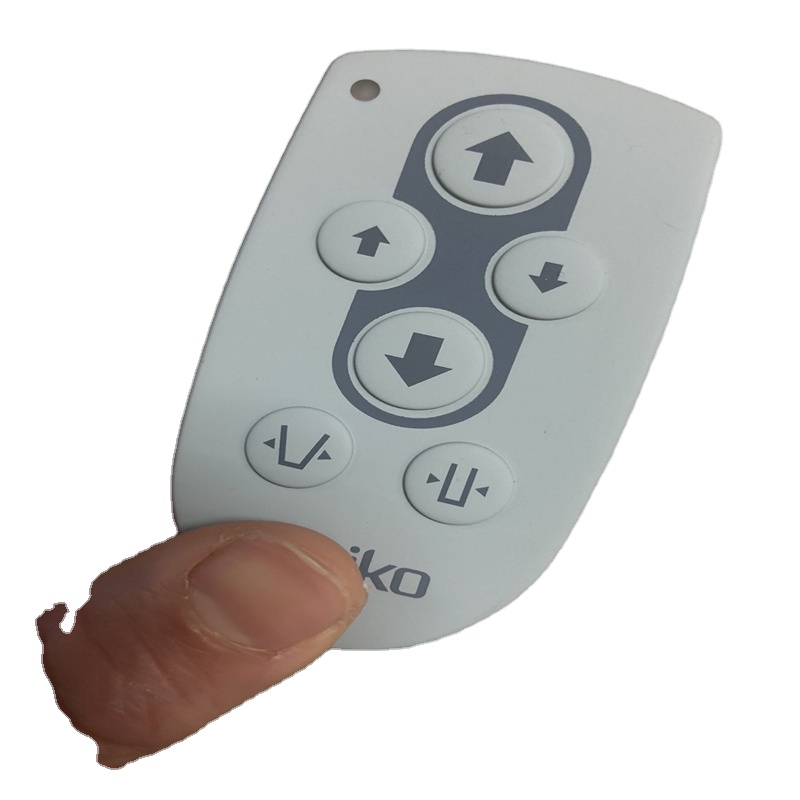
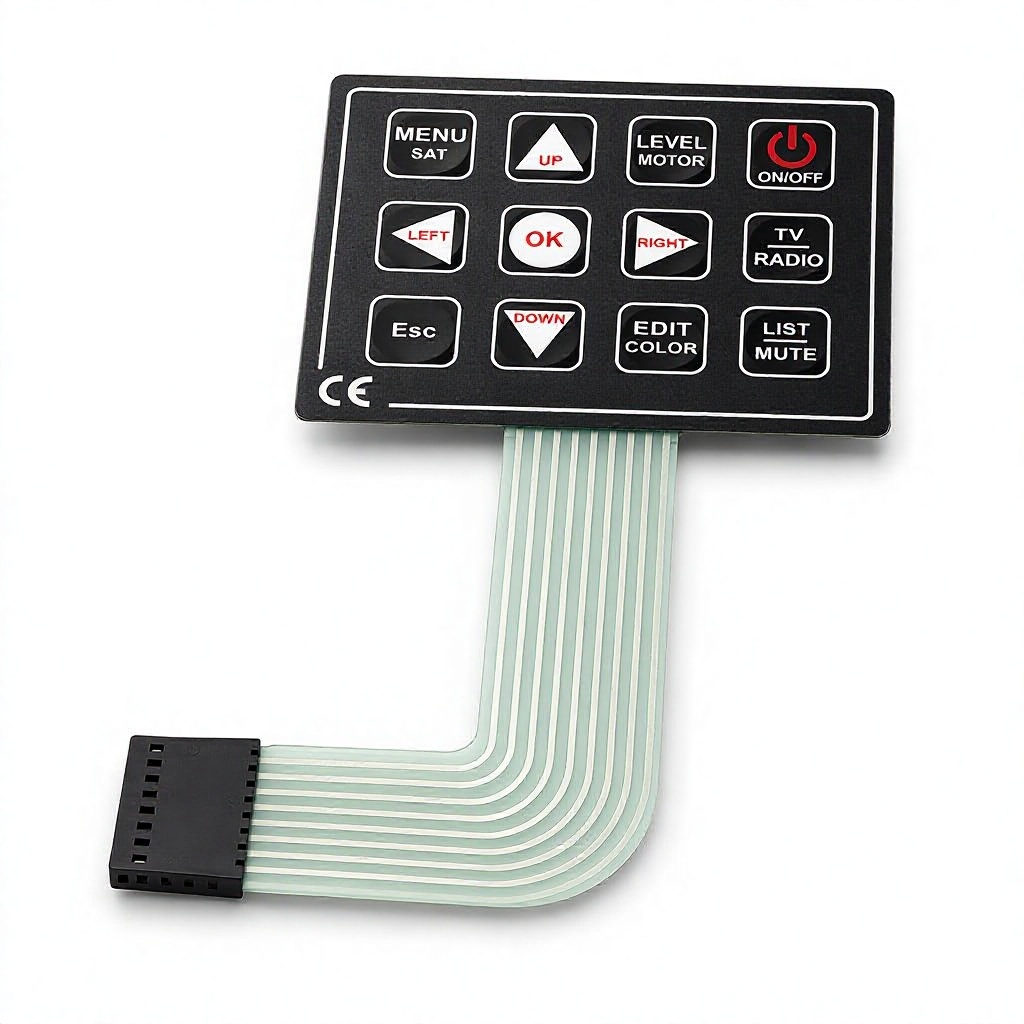
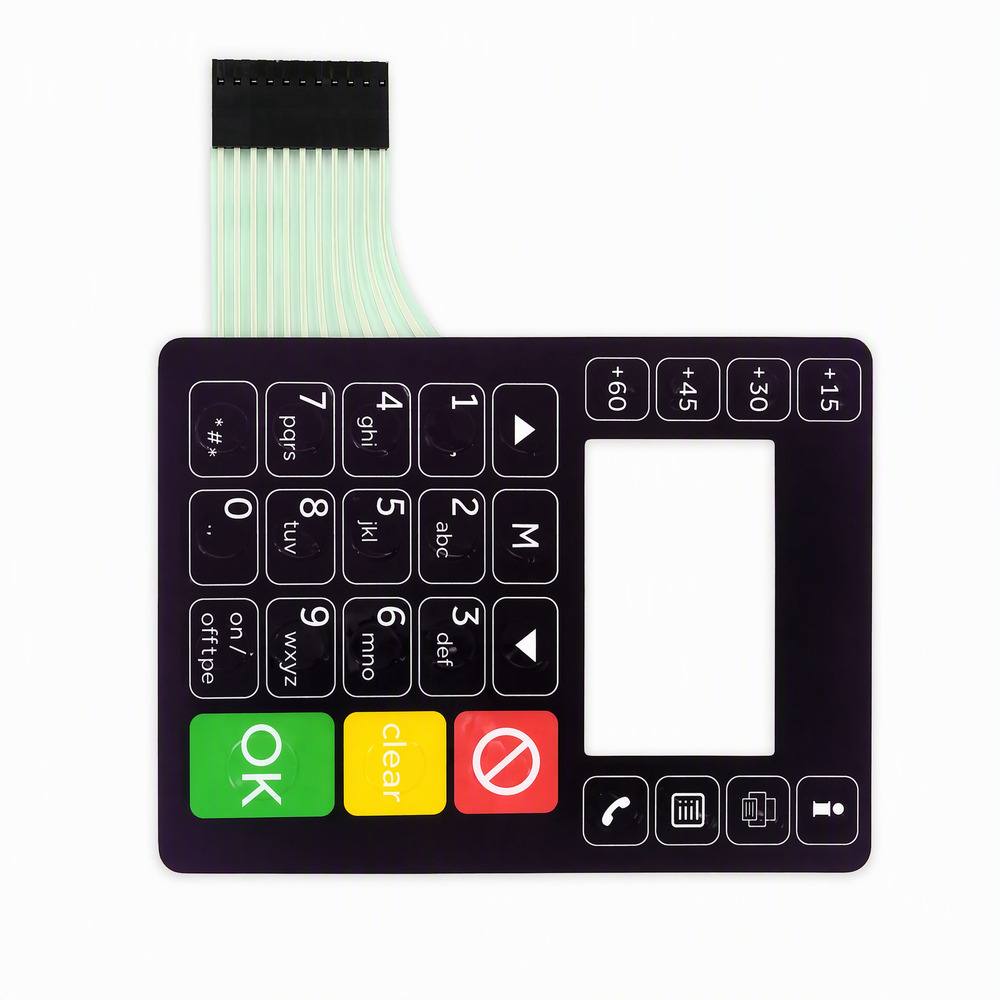
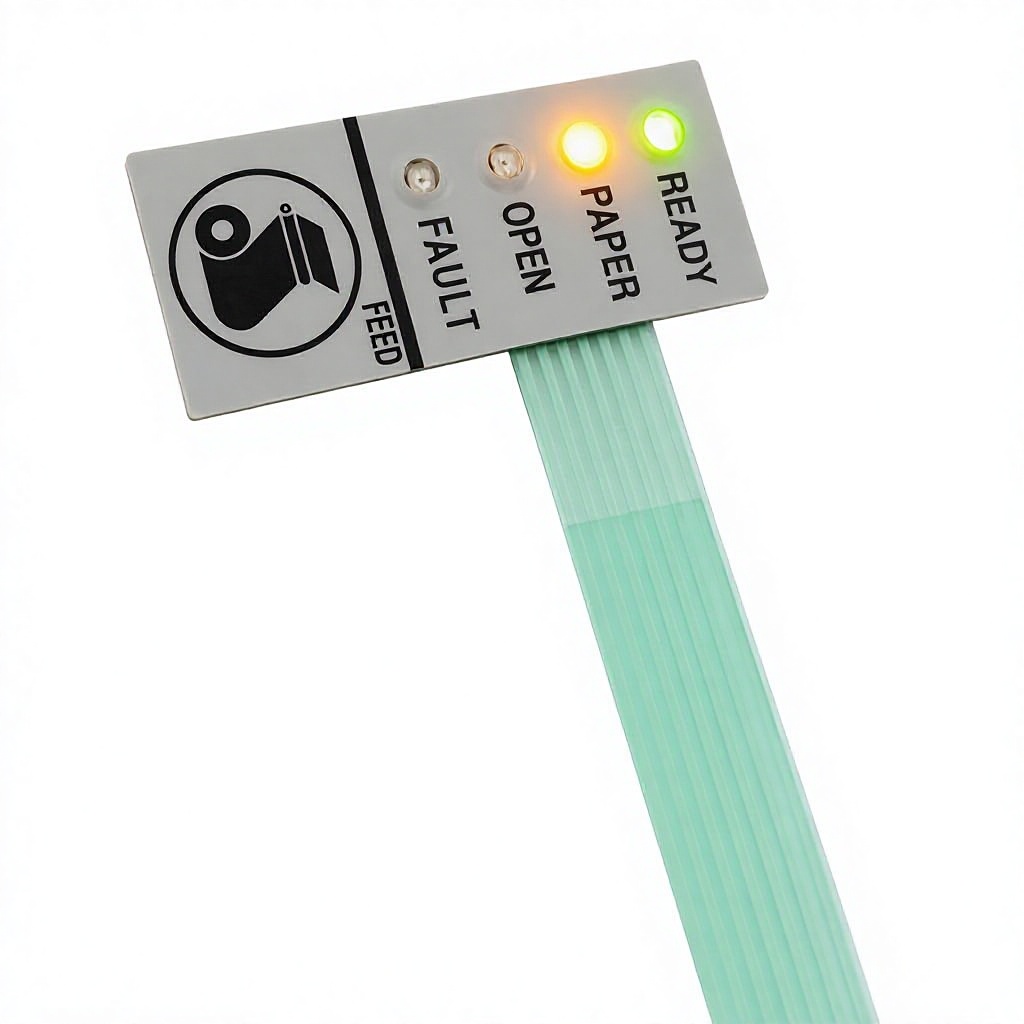
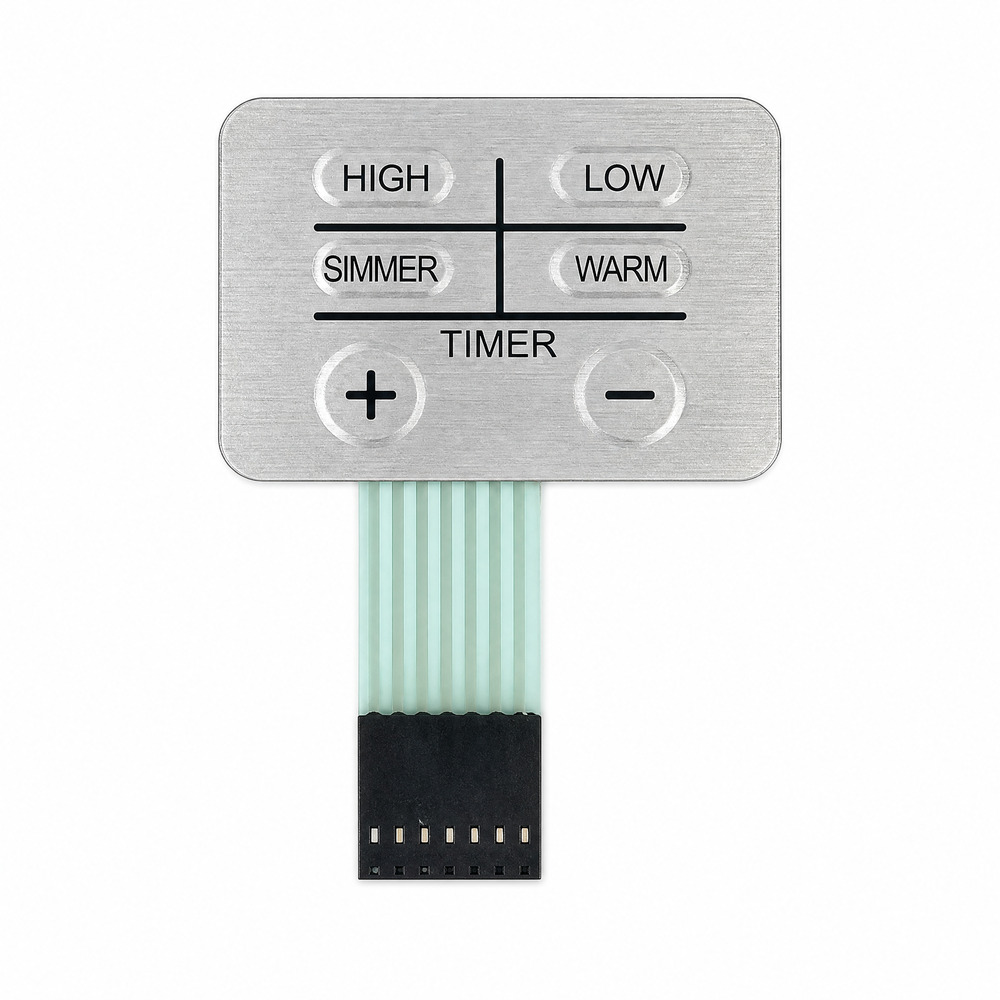
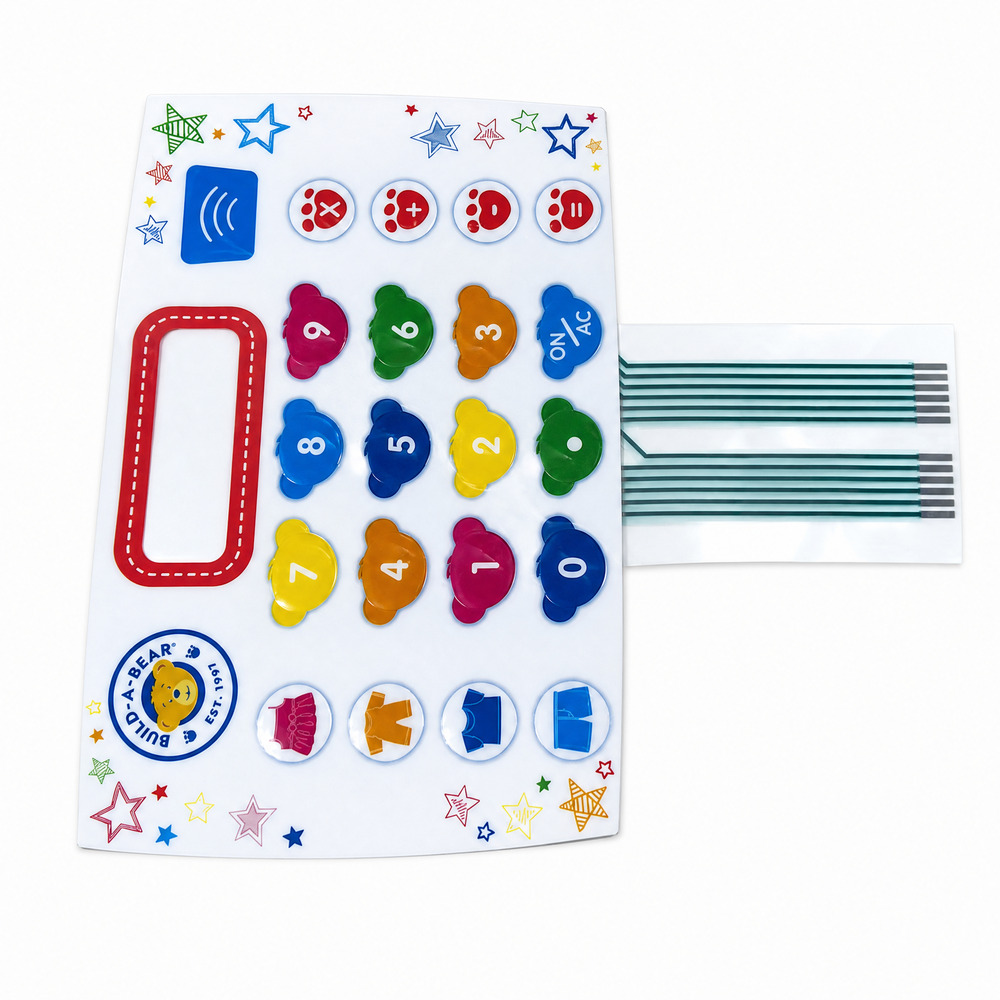
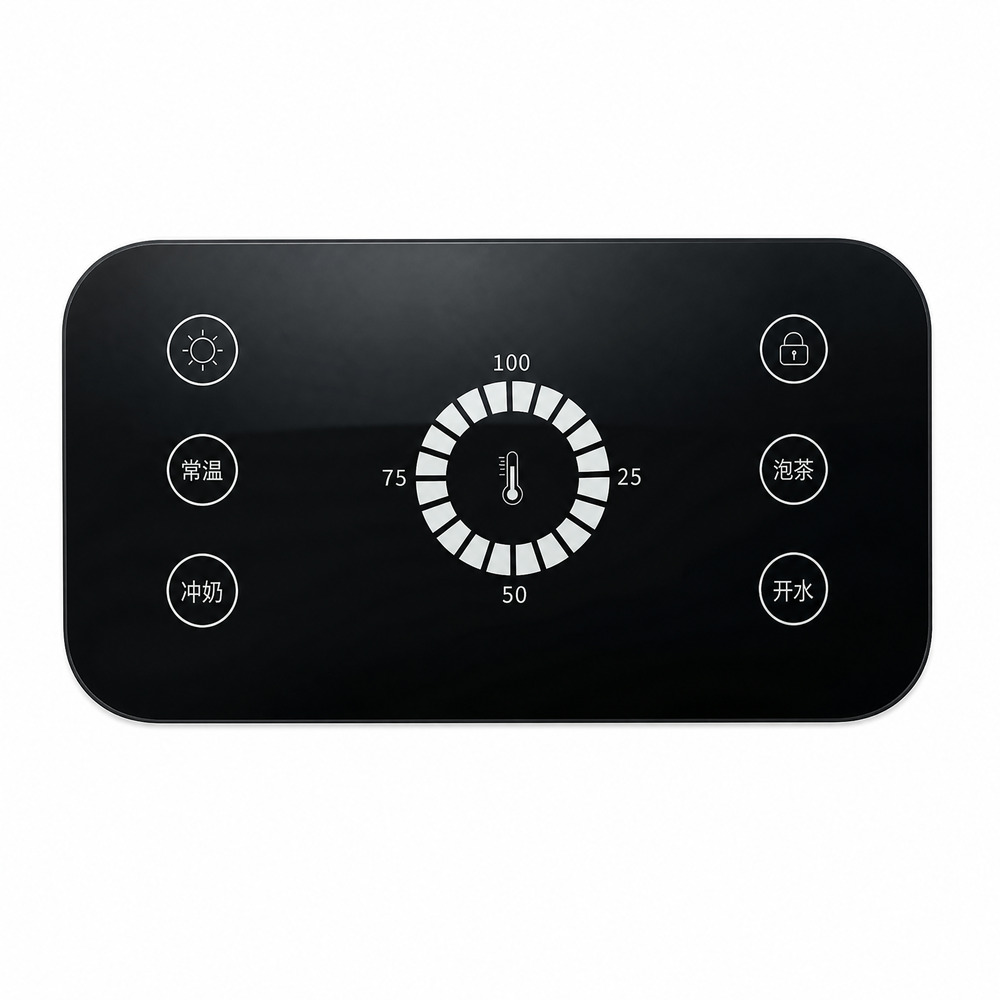
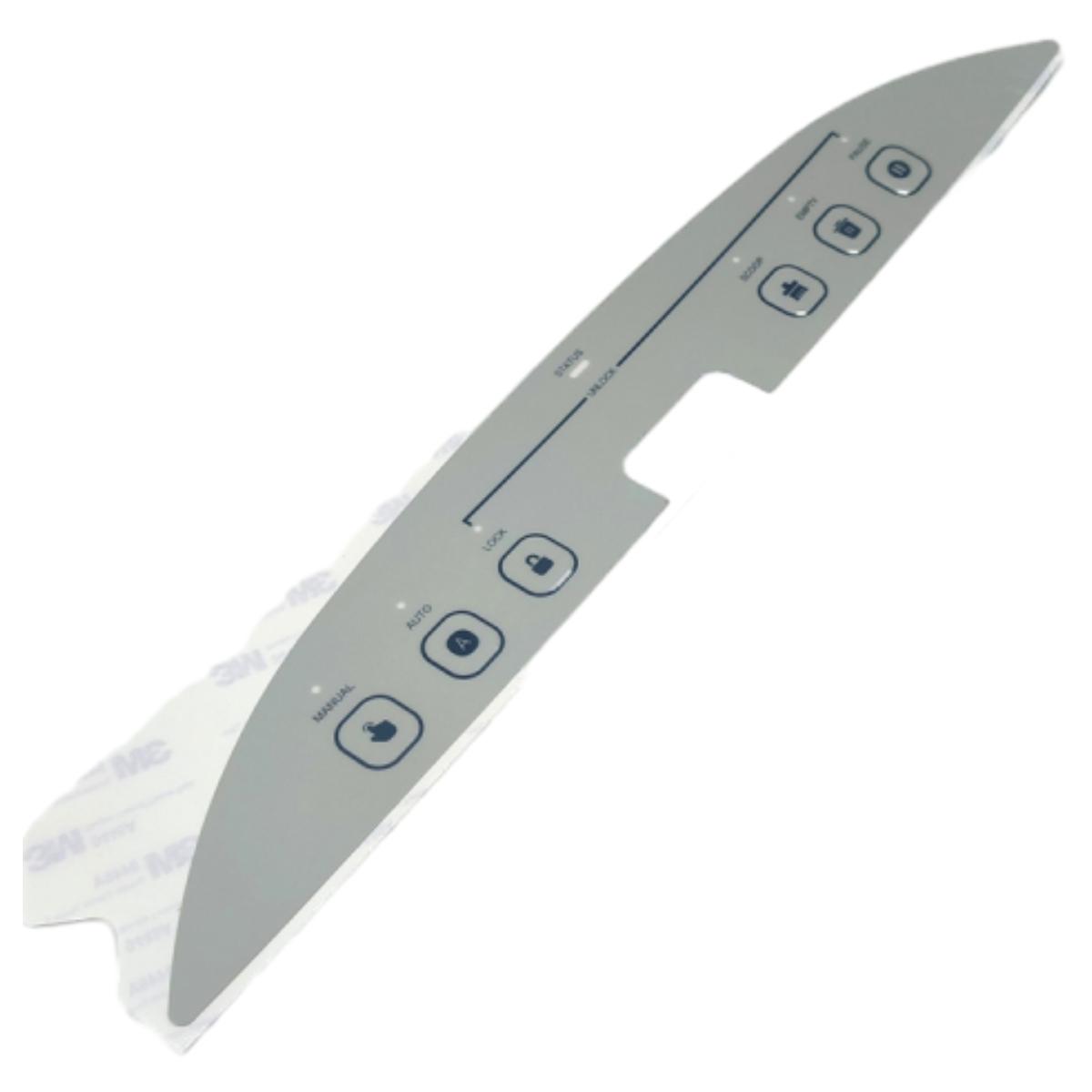
Explore our verified production series engineered in Dongguan. Every assembly is customizable by layer stack, snap force, pinout topology, and ingress protection rating.

Two Decades of Specialized Tactile Sensor & Keypad Engineering

Operating from our 12,000 m² clean-room production facility in Fenggang Town, Dongguan, Ravo Electronics integrates precision screen printing, automated laser ablation, stamping, and electrical quality verification under one roof.

2003

Year Established in Dongguan, China

12,000 m²

Modern Industrial Production Floor

≤ 2 Hours

Rapid Engineering DFM Evaluation

1 Piece

Prototype MOQ with Production Tooling

Engineering Leadership in Piezoresistive & Tactile Sensor Manufacturing

In modern high-reliability applications, tactile pressure sensing represents far more than a basic on-off toggle. A tactile pressure sensor combines mechanical haptic confirmation (such as the distinct snap ratio of a stainless-steel metal dome or thermoformed polydome) with variable analog force-sensing functionality driven by printed conductive carbon and silver micro-particulate matrices. Sourcing these components requires an export manufacturing partner capable of maintaining strict electrical resistance consistency, mechanical travel repeatability, and chemical barrier integrity over millions of continuous duty cycles.

At Dongguan Ravo Electronics Co., Ltd., our engineering methodologies address the physical mechanics that influence tactile perception and signal integrity. Through proprietary multi-pass screen printing and dynamic thermal curing cycles, we regulate sheet resistance ($R_s$) variations to within ±3%, ensuring that multi-point sensor arrays exhibit identical voltage division characteristics across broad industrial operational zones.

"The critical engineering challenge in tactile force-sensing switches lies in balancing mechanical snap actuation with piezoresistive dynamic response. Without meticulous vented spacer geometry and controlled dielectric thickness, entrapped air creates unpredictable pneumatic dampening, distorting force readings."

Micro-Layer Architecture: Inside a High-Reliability Tactile Pressure Sensor

To deliver uncompromising reliability across aerospace dashboards, patient monitoring devices, and harsh industrial environments, a custom tactile pressure sensor assembly relies on an optimized multi-layer stack-up:

1. Graphic Overlay & Haptic Layer

Sub-surface printed Autotype PET or Makrofol polycarbonate (0.125 mm to 0.25 mm) engineered with selective gloss, velvet textures, and chemical-resistant hardcoats for anti-glare protection and wipe-down sterilization.

2. Dome Retainer & Tactile Metal Domes

High-tensile SUS301 stainless-steel metal domes (nickel-plated or gold-plated) mounted within an acrylic carrier. Engineered snap ratios range from 40% to 65%, yielding crisp tactile feedback even when operated with heavy industrial gloves.

3. Vented Dielectric Spacer

Precision die-cut 3M 467MP or 3M 468MP adhesive carriers with laser-machined micro-vent channels. These balance internal barometric pressures during actuation while preventing moisture ingress and pneumatic resistance.

4. Dynamic Force-Sensing Resistor (FSR) Matrix

Modified semi-conductive carbon-graphite paste screen-printed over stabilized heat-treated Melinex polyester film. The polymer matrix modulates electrical resistance inverse to applied normal compressive load ($F \propto 1/R$).

5. Conductive Collector Trace & FPC Tails

High-conductivity low-cure silver inks or copper flexible printed circuits (FPC) with gold-plated contact fingers or crimped 2.54 mm female sockets, designed for direct insertion into ZIF receptacles or system PCBA headers.

6. Base Adhesive & Structural Substrate

High-shear pressure-sensitive adhesive formulations selected for high surface energy (metals) or low surface energy (plastics like ABS and polypropylene), reinforced with FR-4 or aluminum backers when rigidity is required.

Tactile Pressure Sensing Technologies: Comparative Architecture

Select the appropriate electrical and mechanical interface by comparing sensitivity, mechanical feedback, environmental limits, and volume production viability.

Interface Technology Tactile Confirmation Force Dynamic Range Hysteresis & Drift Operating Lifespan Environmental Rating Recommended Applications
Tactile Metal Dome + FSR Array Audible, crisp mechanical snap (180g–450g) 0.2 N to 50 N continuous Low (< 8% FSR drift) > 1,000,000 cycles IP65 to IP67 sealed Medical diagnostic panels, critical machinery, defense controllers
Thermoformed Polydome Membrane Soft tactile click (built into PET film) 0.5 N to 20 N Moderate (< 12%) > 500,000 cycles IP65 splash-proof Consumer appliances, office fitness controls, commercial dispensers
Pure Piezoresistive Flat Sensor (Non-Tactile) Zero mechanical click (pure analog force) 0.05 N to 100 N+ Minimal with edge-MCU filtering > 5,000,000 cycles IP67 hermetic Automotive seat occupancy, gait analysis insoles, robotic grippers
Capacitive Force Touch Assembly Haptic motor simulation / zero click Proximity + 0.1 N threshold Negligible hysteresis Solid state (>10M cycles) IP68 complete seal Outdoor kiosks, hygienic surgical consoles, smart architectural panels
Rigid PCB Backer + FSR Matrix Definite snap dome or tactile switch click 0.5 N to 80 N Extremely stable baseline > 2,000,000 cycles IP66 ruggedized Heavy automation, inverter controls, aerospace cockpit sub-assemblies

Future Procurement Trends for Tactile Pressure Sensors (2025–2030)

Anticipate market-driven design shifts, regulatory compliance demands, and manufacturing evolutions shaping the next generation of human-machine touch interfaces.

1. Convergence of Force & Haptic Feedback

Procurement teams are shifting away from standalone binary pushbuttons. Design engineers are integrating dual-action sensors that provide tactile physical engagement followed by variable pressure sensing for analog throttling, such as motor speed ramp-up or multi-stage medical infusion triggers.

2. Embedded Edge Processing on FPC

Modern procurement schedules increasingly specify smart tactile membranes equipped with integrated surface-mounted micro-controllers directly soldered on polyimide circuits. These convert analog resistance curves into calibrated digital $I^2C$ or SPI signals, eliminating calibration routines on the host PCBA.

3. Sustainable Polymers & Low-VOC Formulations

European and North American buyers require compliance beyond basic RoHS and REACH. Next-generation tenders require halogen-free dielectric inks, bio-based conductive carbon carriers, and zero-solvent acrylic pressure adhesives that reduce environmental lifecycle footprint without sacrificing high-temperature adhesion.

4. Stringent Ingress & Chemical Defense

Post-pandemic standards have transformed medical and clean-room interfaces. Membrane overlays must resist rigorous decontamination cycles involving aggressive quaternary ammonium compounds, bleach, and isopropyl alcohol, requiring UV-cured textured polyester films that withstand over 10,000 disinfectant wipe tests.

5. Low-Volume Prototyping Flexibility

Agile product hardware cycles require manufacturers to support low Initial Order Quantities (MOQ from 1 piece) utilizing digital printing and knife-plotter laser die cutting, enabling clients to evaluate functional prototypes before investing in dedicated steel tooling dies and silk-screen stencils.

6. Supply Chain Near-Sourcing & Direct DFM

Procurement directors prefer verified Chinese exporters who eliminate technical communication friction. Offering bilingual engineering teams that provide direct Design-for-Manufacturability (DFM) reviews within 2 hours prevents costly redesign delays and accelerates time-to-market.

Precision Metrology & Zero-Defect Manufacturing Protocols

Every production batch undergoes exhaustive multi-point electrical testing, snap-ratio verification, environmental baking, and mechanical fatigue cycling.

Material Selection & Environmental Reliability Validation

The operational lifespan of a tactile pressure sensor relies on selecting raw materials tailored to environmental stress factors. At Dongguan Ravo Electronics, our standard bill of materials specifies premium substrates from global chemical leaders, including DuPont Teijin PET films, MacDermid Autotype textured polyesters, Acheson conductive silver pastes, and 3M 200MP/300LSE adhesive matrices.

Before batch release, tactile sensor switches undergo a rigorous quality testing protocol in our certified on-site metrology laboratory:

  • Actuation Force & Snap Ratio Testing: Computer-controlled force gauges record displacement curves, validating that peak actuation force ($F_a$) and contact force ($F_c$) stay within specified engineering margins (±15g).
  • 100% Continuity & Short Circuit Scanning: Microprocessor-controlled automatic circuit analyzers check all conductor traces, contact resistance (typically <100 Ω on silver ink, <1 Ω on copper FPC), and insulation resistance (>100 MΩ at 100V DC).
  • Accelerated Life & Mechanical Fatigue Cycling: Pneumatic silicone-tipped actuators cycle sample buttons at 3 to 5 Hz up to 1,000,000+ presses while logging contact resistance to detect ink degradation or dome fatigue.
  • Climatic Chamber Environmental Stressing: Assemblies are placed in programmable temperature and humidity chambers (-40°C to +85°C, 95% RH for 96 hours) to verify dimensional stability, adhesive peel strength, and electrical insulation integrity.

Frequently Asked Questions for Tactile Sensor Sourcing

Clear, engineering-focused answers covering tooling costs, material choices, environmental sealing, and lead times for global B2B buyers.

Q1 What is the minimum order quantity (MOQ) for custom tactile sensor arrays?

We support rapid engineering cycles by offering prototype quantities from 1 to 10 pieces utilizing digital laser cutting and high-speed flatbed printing. For mass production runs utilizing dedicated steel die tooling and precision automated screen printing stencils, standard batch MOQs typically start at 100 to 500 units depending on component complexity and circuit substrate selection.

Q2 How do you maintain repeatable force-resistance curves in FSR tactile sensors?

Consistency in force-sensitive resistors depends on ink film deposition uniformity and precise particle dispersion. We use high-precision screen printers with automatic squeegee pressure balancing, multi-zone infrared convection curing tunnels, and tight batch-to-batch ink viscosity controls to hold dynamic response tolerances within ±5% across the entire active sensing area.

Q3 Can metal dome switches be integrated directly above force-sensing ink layers?

Yes. In our hybrid tactile FSR designs, the metal dome sits on a dedicated upper actuator layer directly aligned over the force-sensing pad. When pressed, the initial deflection provides an immediate mechanical click (e.g., 280g actuation), after which continued pressure activates the continuous piezoresistive analog sensor, enabling multi-stage actuation within a single compact button footprint.

Q4 Which mounting adhesive should be selected for plastic vs. powder-coated housings?

Adhesive selection is dictated by the surface energy of the mating enclosure. For high surface energy substrates such as bare aluminum or steel, 3M 467MP (0.05 mm) or 3M 468MP (0.13 mm) provides exceptional shear and chemical resistance. For low surface energy (LSE) materials like textured ABS, polycarbonate, or powder coatings, we recommend 3M 300LSE or 3M 9448A to prevent edge lifting and moisture ingress.

Q5 How do your engineering designs achieve true IP65 to IP67 waterproof ratings?

We employ a continuous perimeter adhesive ring surrounding the active switch cavities, completely isolating electrical contacts from ambient moisture. Flexible tail exits are engineered with potted elastomeric dams or bottom-entry routing, preventing liquids from wicking along conductive traces into the housing during high-pressure washdowns or surgical sterilization.

Q6 What files and specifications are needed to initiate a DFM engineering review?

Please provide a 2D mechanical CAD drawing (DXF, DWG, or PDF) showing overall dimensions, cutouts, tail exit location, and pin assignments, alongside a graphic vector file (AI, CDR, or EPS) specifying Pantone or RAL color codes. Specifying operating temperatures, tactile force preferences, and connector requirements allows our engineering team to return a detailed DFM report within 2 hours.

Q7 What are the standard production lead times for prototypes and volume export orders?

Following drawing and artwork approval, functional prototypes are completed and dispatched via express courier within 7 to 10 working days. Full mass production orders typically require 15 to 22 working days, depending on whether specialized hard tooling, embossed graphic dies, or custom electronic components (SMD LEDs, integrated ICs) are required.

Q8 What export packaging standards are used to protect sensitive printed circuits in transit?

Every tactile sensor shipment is packed using anti-static ESD shielding bags, vacuum-sealed with desiccant packets to prevent trace oxidation during international ocean or air freight. Products are cushioned within custom-slotted high-density foam inserts and packed into heavy-duty 5-ply corrugated export cartons to ensure safe arrival at your assembly plant.

Request Your Custom Tactile Sensor Engineering Evaluation

Send us your technical drawings or functional performance criteria. Our senior engineering team in Dongguan will analyze your layout and return a comprehensive DFM proposal and competitive quotation within two hours.