IP67 Waterproof
 EN
 DE
 FR
 ES
 RU
 JA
Built with aerospace-grade polyesters, stainless steel tactile domes, hermetic perimeter seals, and conductive silver formulations engineered to resist over 1,000,000 actuations.
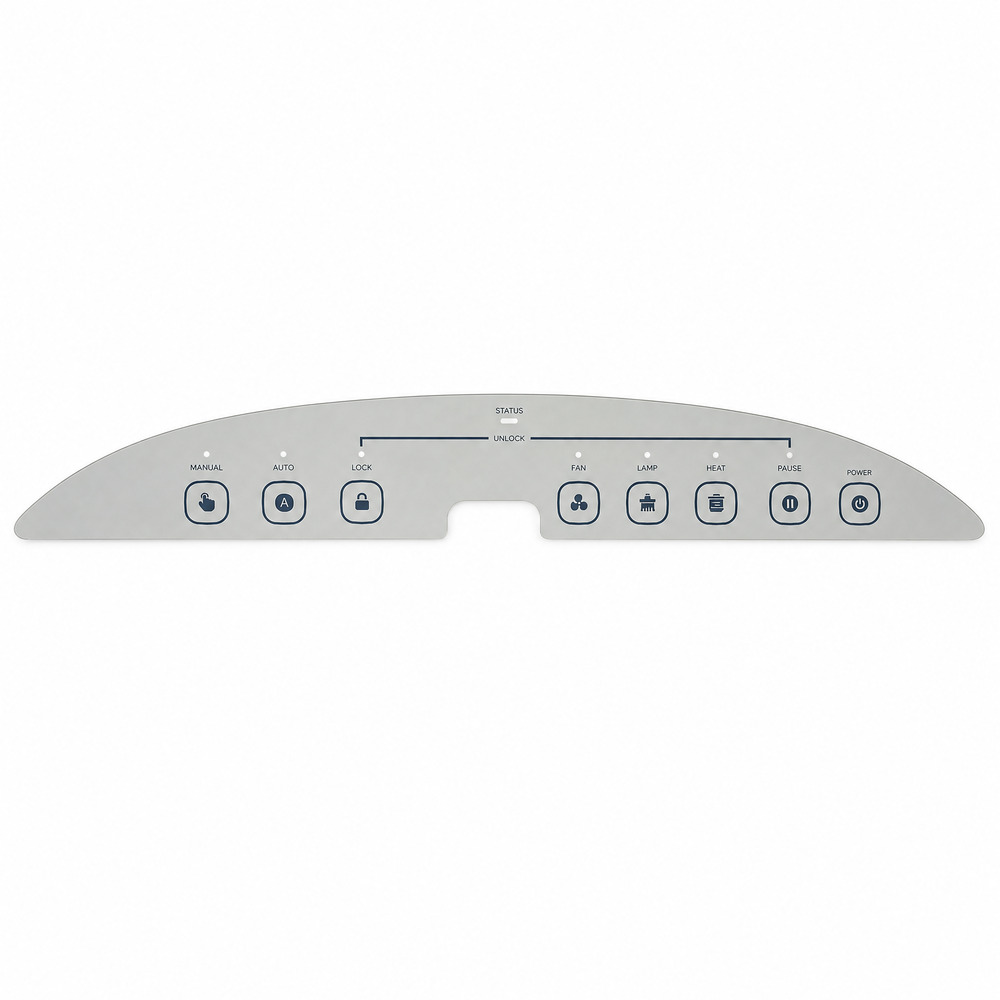
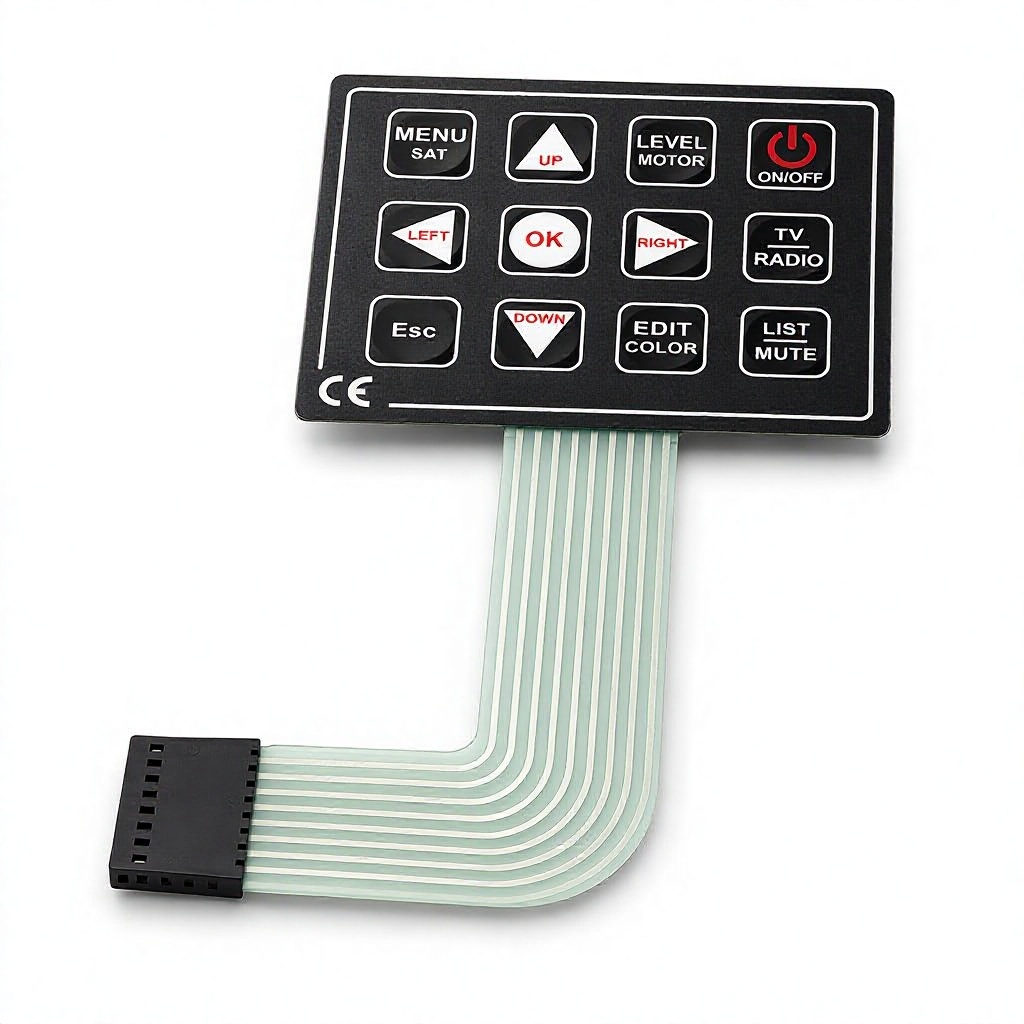
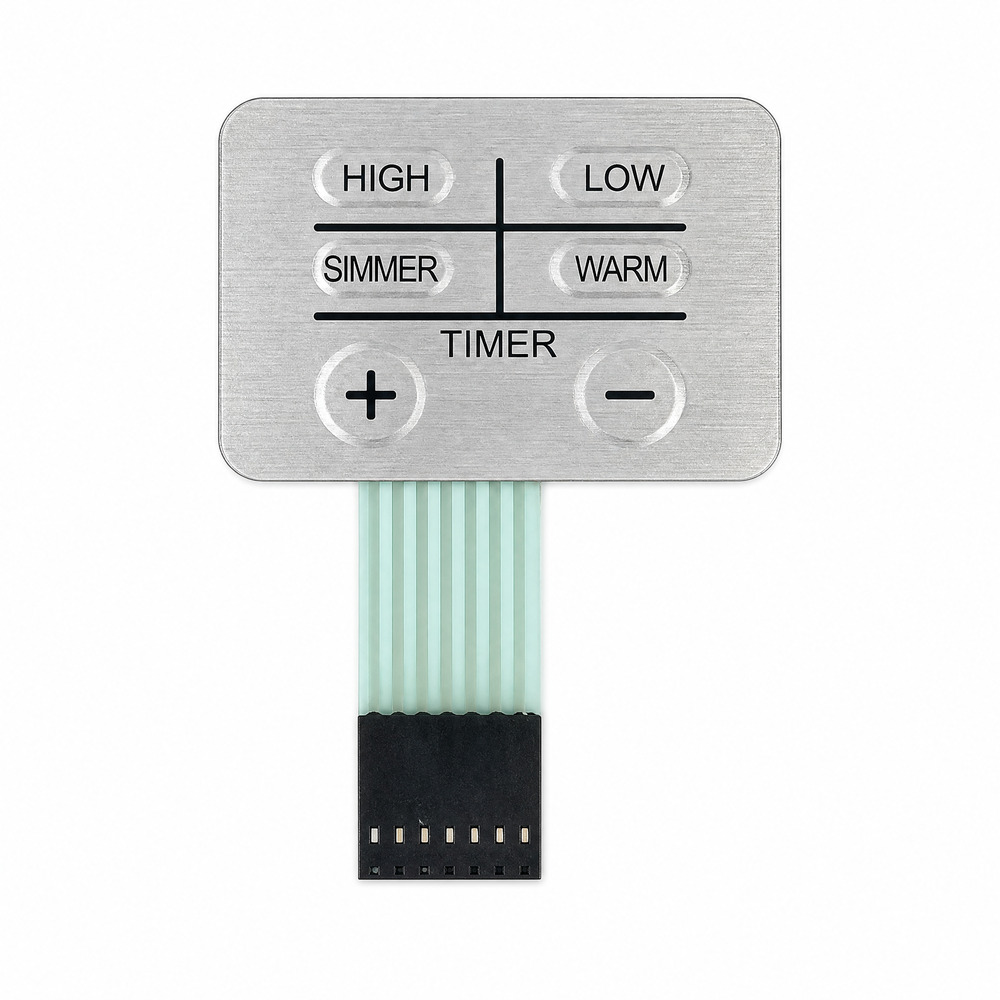
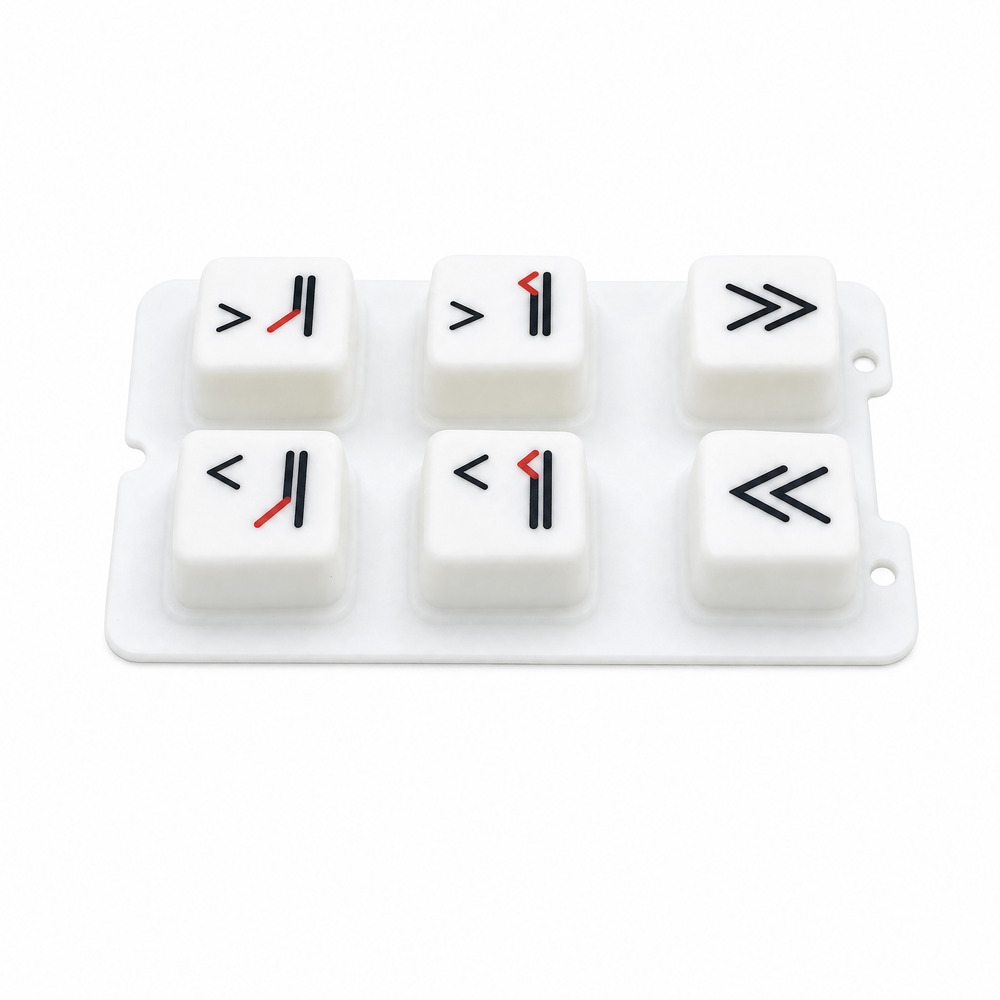
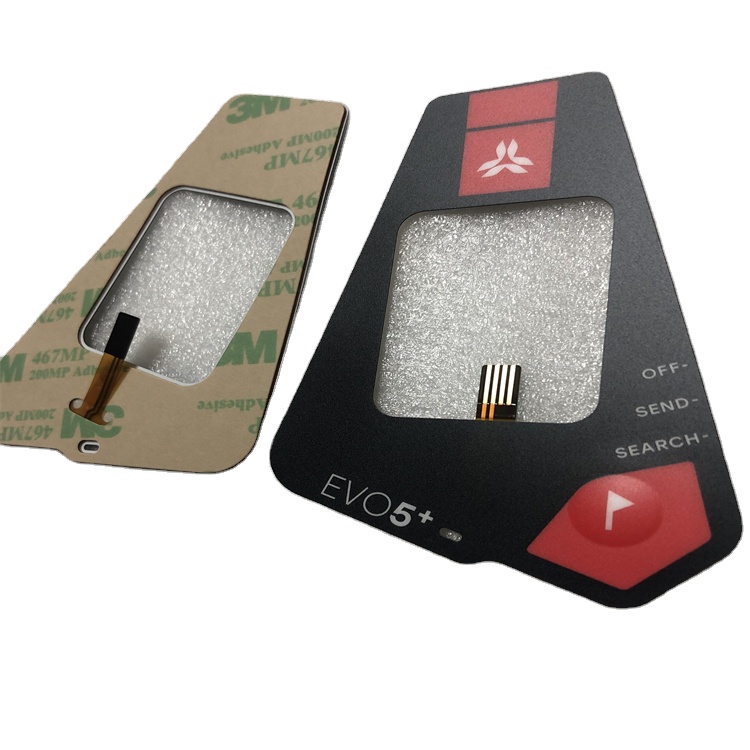
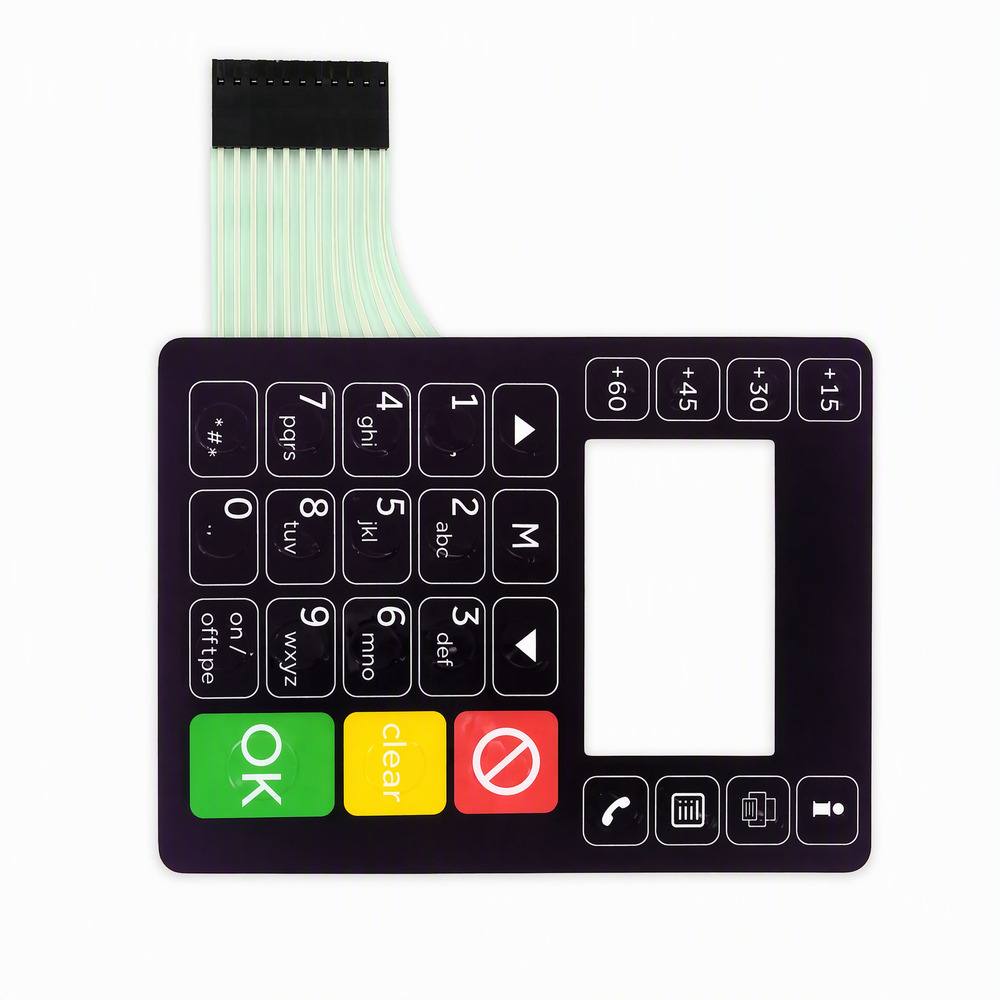
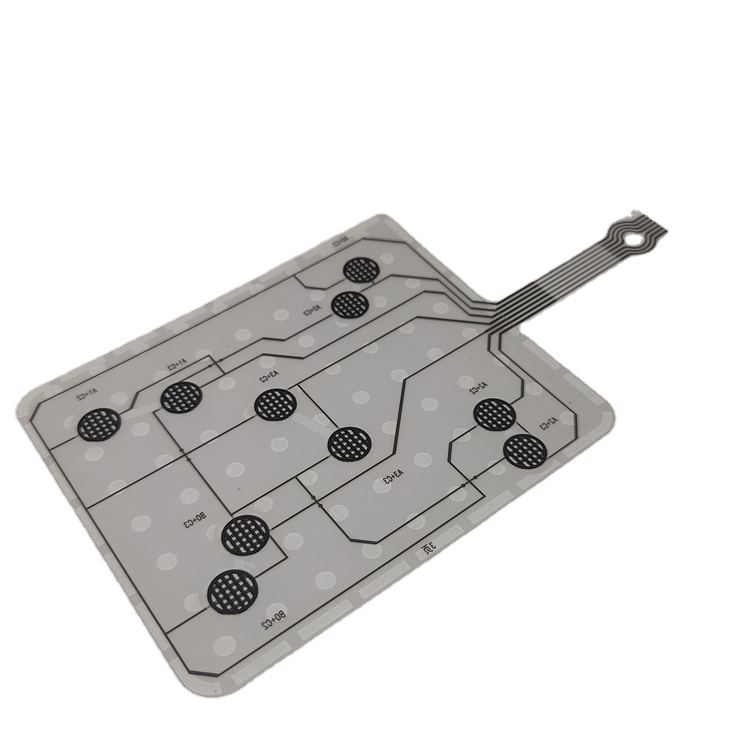
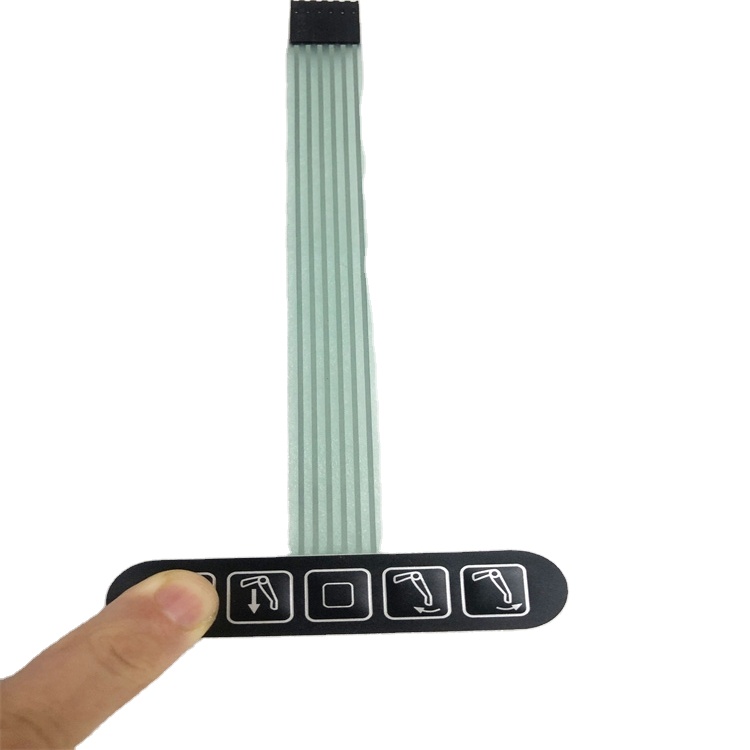
Combining polymer physics, precision silkscreen chemistry, surface-mount robotics, and micro-embossing tooling to construct uncompromising control systems.
Unlike standard converters who outsource secondary operations, our Fenggang, Dongguan campus houses complete silkscreen lines, optical lamination presses, laser profiling, CNC punching, and SMT assembly under one roof. We eliminate interfacial delamination by controlling environmental variables, matching thermal expansion coefficients across PET, Polycarbonate, PMMA, and silicone elastomers.
Our engineering desk guarantees an exhaustive Design for Manufacturability (DFM) review within 2 hours of CAD/vector receipt (DXF, DWG, STEP, AI). We analyze tail routing trace resistance, silver-migration risks under high humidity, venting network topologies for tactile domes, and dielectric isolation barriers, allowing rapid prototyping from just 1 piece without re-tooling delays.
Certified under ISO 9001 quality systems with strict RoHS and REACH compliance across all inks, adhesives, and base materials. Every production lot undergoes automated continuity mapping, insulation resistance testing (>100MΩ at 100V DC), contact chatter analysis, and lifecycle stress evaluation inside computerized mechanical actuation fixtures rated up to 5,000,000 cycles.
A deep dive into multi-layer engineering: how material selection, adhesive mechanics, and shielding topologies impact field performance in demanding mission-critical deployments.
Human-Machine Interface (HMI) control panels serve as the primary operational surface between complex mechanical equipment and their operators. Designing a control interface capable of enduring mechanical vibration, aggressive washdowns, chemical degreasers, and continuous tactile actuations requires careful layer-by-layer material balancing. Below is the breakdown of our field-proven stack-up architecture:
| Stack Layer | Standard Material Selection | Engineering Functionality | Key Design Considerations |
|---|---|---|---|
| 1. Graphic Overlay | Autotex XE PET / Lexan HP Polycarbonate | Sub-surface reverse printed barrier; tactile key indication; optical windows for LCD/OLED/LED. | Textured vs. gloss surfaces; anti-glare coatings; UV stability for outdoor zero-yellowing; chemical resistance. |
| 2. Overlay Adhesive | 3M 467MP / 3M 468MP Acrylic Adhesive | Bonds overlay to spacer/switch housing without bubbles; seals perimeter against liquids. | Shear strength at high temperatures; resistance to plasticizer migration from sub-layers. |
| 3. Dome Retainer Layer | Optically clear polyester with adhesive backing | Holds tactile stainless steel metal domes securely in precise mechanical alignment. | Laser-cut venting channels engineered to prevent air-cushioning and sluggish tactile snaps. |
| 4. Actuation Domes | SUS301 Stainless Steel / Polydome thermoformed | Provides tactile feedback, audible snap, and closes the circuit path. | Trip forces from 220g to 500g; round, 4-leg, or oblong footprints; nickel or gold-plated options. |
| 5. Circuit Layer | Polyester (PET) with silver/carbon conductive inks OR Polyimide Copper (FPC) | Electrical conductive traces, contact pads, LED mounting points, and tail interconnects. | Trace width and spacing; loop resistance limitations; carbon-over-silver overprinting to stop dendrite growth. |
| 6. Rear Adhesive | 3M 9471LE / 3M 300LSE / 3M VHB Series | Permanent mechanical bond to the machine's metal chassis or plastic casting. | LSE (Low Surface Energy) bonding for polypropylene/powder-coated metals; shear and peel durability. |
By implementing sub-surface reverse screen-printing, legends, icons, and status borders are completely shielded from surface friction, cleaning reagents, and physical impact. For electromagnetic compatibility (EMC), we integrate continuous aluminum foil, selective carbon grid, or printed silver shielding layers tied to ground leads, neutralizing ESD discharges up to 15kV.
Consult with our senior application engineers. We evaluate your switch footprint, tail pinouts, and ingress sealing constraints free of charge.
Navigating supply chain evolutions, component convergence, and smart factory demands across the 2025–2030 sourcing horizon.
Global procurement teams are shifting away from sourcing bare membrane switches, sub-assemblies, and support brackets from separate vendors. Modern Tier-1 buyers demand pre-tested, integrated modules that incorporate rigid FR4 backers, pre-soldered connectors, light guides, and display shields. This shifts incoming inspection overhead directly to the factory, streamlining final line assembly from minutes to seconds.
While screen-printed conductive silver ink remains the most cost-effective option for basic matrix layouts, high-reliability sectors (aerospace, surgical apparatus, mining telemetry) increasingly mandate copper-etched Polyimide FPC circuitry. FPCs accommodate ultra-fine pitch component geometries (<0.5mm), support direct SMT reflow for ultra-bright micro-LEDs, and provide negligible trace resistance across extended cable lengths.
Post-pandemic healthcare standards and food manufacturing regulations necessitate graphic overlays impervious to quaternary ammonium disinfectants, isopropyl alcohol, and sodium hypochlorite washes. Sourcing criteria now prioritize specialized films like MacDermid Autotex with integrated micro-textured antimicrobial hardcoats, preventing bacterial colonization and stress-cracking under rigorous sanitation cycles.
From flat mechanical membranes to intelligent, context-aware touch surfaces integrated with force-sensing networks.
Pure mechanical switches and flat projected capacitance (PCAP) glass each present operational trade-offs: mechanical switches wear over time, while flat glass lacks tactile confirmation for gloved workers. Next-generation designs merge planar capacitive electrode patterns beneath embossed overlays, combining smooth, seamless wipe-down hygiene with localized haptic vibration pulses and auditory clicks for error-free machine operation.
Moving beyond simple binary On/Off states, custom-printed carbon paste pressure-sensing membranes measure proportional mechanical loading. Embedded across industrial grips, medical patient beds, vehicle passenger seating, and robotic effectors, our screen-printed thin-film sensor matrices translate variable force signatures into real-time analog outputs with sub-millisecond response rates.
Eliminating hotspots and uneven luminance in low-light environments is critical for transport dashboards and surgical theaters. By incorporating ultra-thin side-firing LEDs paired with etched optical light-guide films (LGF) and diffusion layers, legends illuminate evenly across the entire surface. Complementary "dead-front" printing conceals operational warnings and buttons until backlit by system alerts.
A look inside our 12,000 m² cleanroom manufacturing infrastructure in Dongguan, certified for mission-critical output.
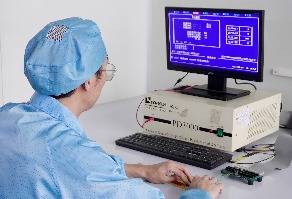
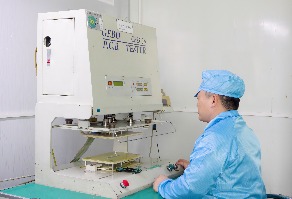
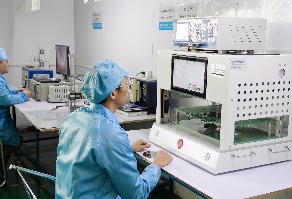
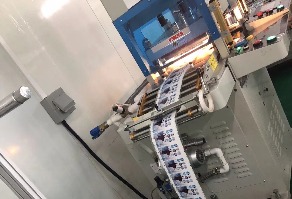
Addressing core mechanical, electrical, and commercial parameters to derisk your interface manufacturing projects.
We work with 2D mechanical drawings (DXF, DWG, PDF) showing dimensional profiles, key placements, and tail paths; vector artwork (Adobe Illustrator, CorelDraw) with explicit Pantone PMS/RAL color callouts; and a circuit schematic or pinout table specifying common bus connections, matrix outputs, and LED polarities.
True ingress protection requires a continuous outer adhesive gasket border of at least 3.0mm width outside active switch cavities, completely encasing the circuit. We run the flexible interconnect tail through a specialized rear pass-through channel rather than exiting from the active seal boundary, preventing liquid capillary migration.
Silver-ink circuits printed on PET film offer superior cost economics for low-power, moderate-complexity human interfaces. Copper FPC (Polyimide) provides superior electrical performance for fine-pitch traces (<0.5mm), supports component reflow soldering, provides lower trace resistance (<1Ω), and excels under dynamic continuous flexing.
Silver migration occurs under applied DC voltage and moisture. We prevent dendrite bridging by overprinting all exposed silver contact traces with a carbon conductor paste layer, isolating the silver from ambient humidity. We also maintain minimum trace spacing standards and apply insulating UV-cured dielectric overcoats.
For heavy industrial or outdoor machinery where operators wear thick gloves, we recommend 4-leg stainless steel domes rated at 350g to 500g trip force, paired with rim-embossed overlay keys. This configuration yields distinct tactile feedback and a clear audible snap through work gloves, eliminating accidental double-clicks.
We support rapid prototyping from just 1 to 10 units for design verification, using digital flatbed cutting and laser-etched tooling to bypass hard-tooling setup costs. Rapid-prototype samples typically ship within 5 to 7 business days following DFM approval, while volume production runs ship in 2 to 3 weeks.
Connect directly with our engineering team for stack-up validation, layer recommendations, and volume manufacturing quotes.
