EN
 DE
 FR
 ES
 RU
 JA EN DE FR ES RU JA
Directly manufactured under ISO 9001:2015 certified quality systems in Dongguan, our turnkey interface assemblies merge multi-shot silicone molding, tactile metal dome arrays, and silver-printed conductive circuitry engineered for over 1 to 5 million operational actuations.
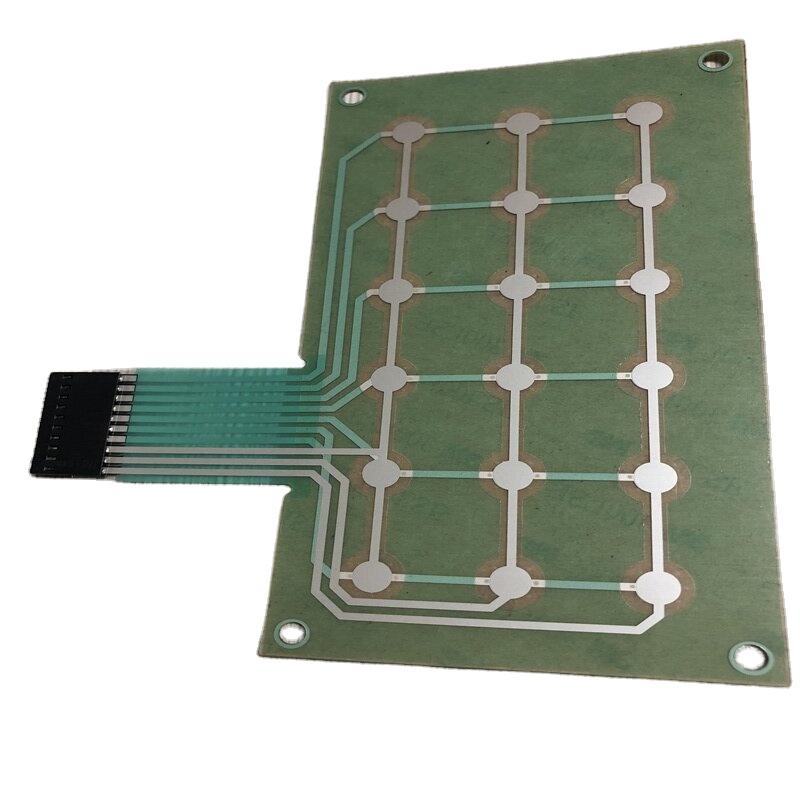
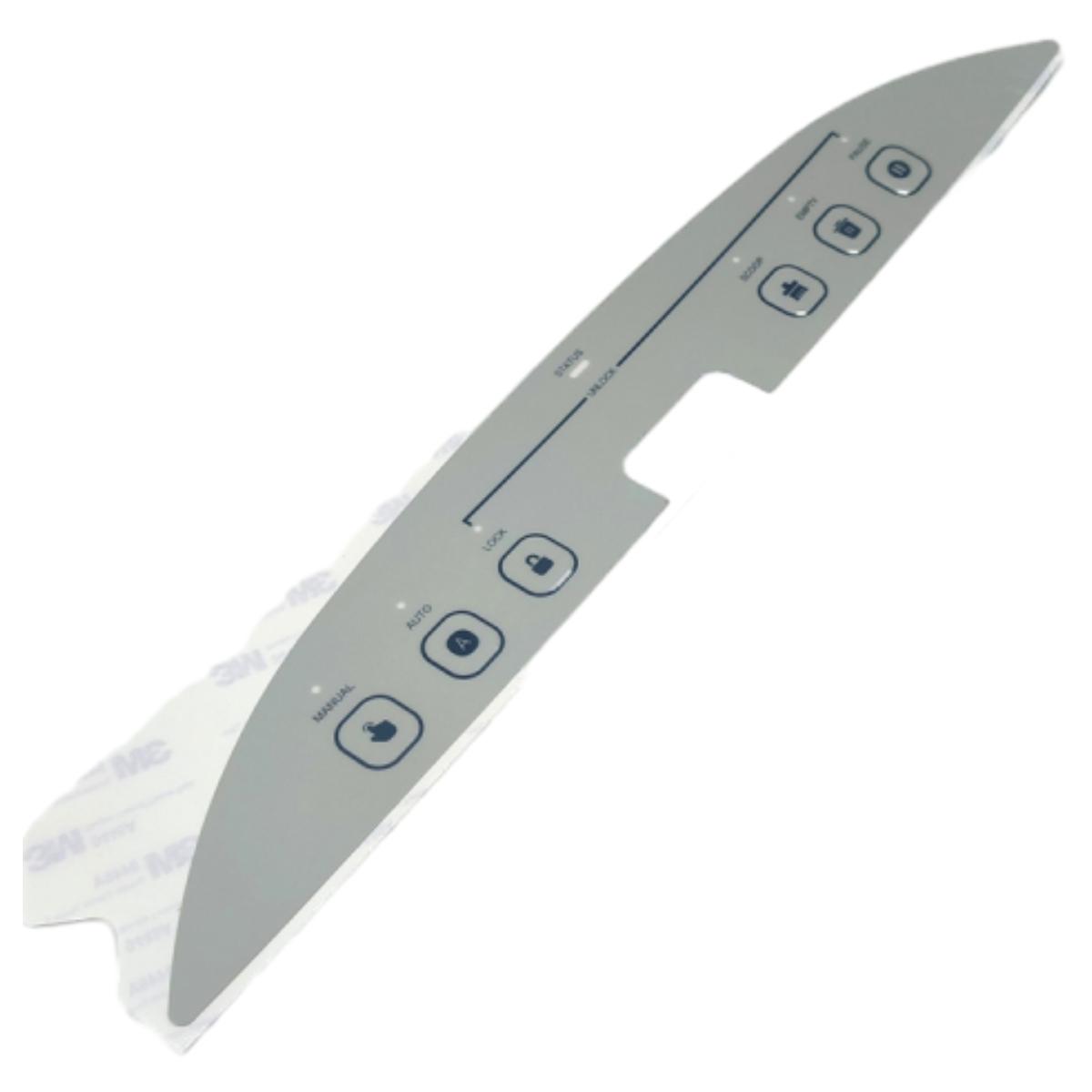
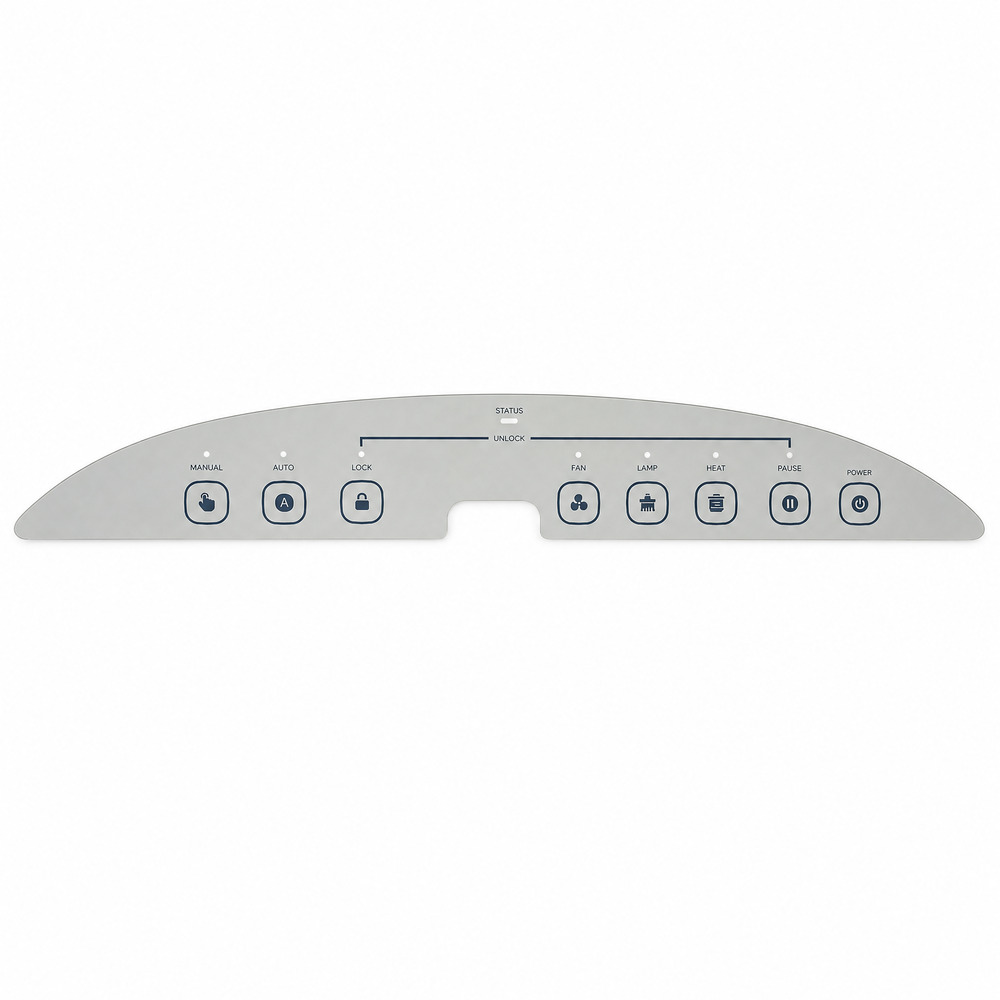
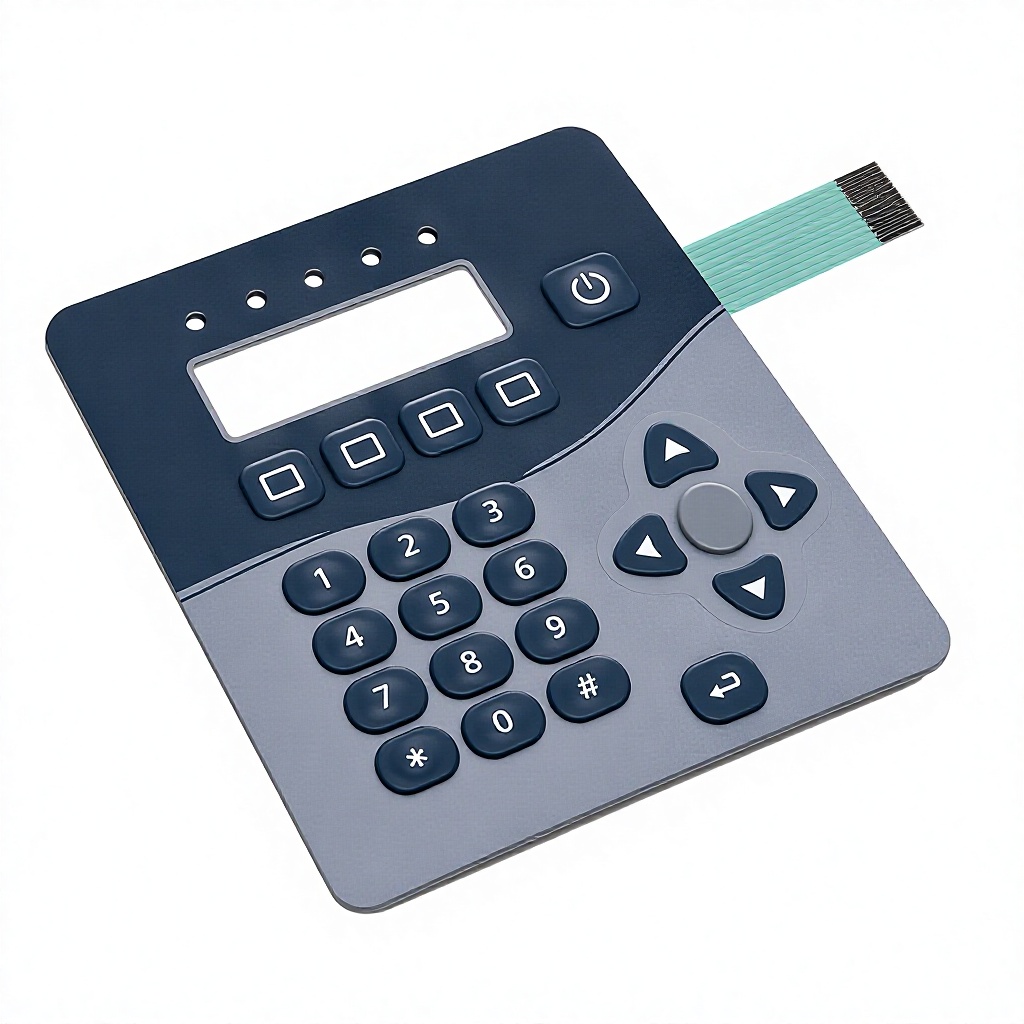
In ruggedized electronics, industrial machinery, and clinical diagnostic hardware, the silicone rubber keypad serves as both the tactile primary input and the front-line environmental barrier. Selecting an original equipment manufacturer (OEM) demands a comprehensive evaluation beyond superficial unit pricing: engineering tolerance governance, durometer stability across thermal extremes (-40°C to +200°C), contact resistance consistency, and integrated sub-assembly capabilities.
True tactile feedback depends on the geometry of the elastomeric webbing. By carefully controlling the force-displacement curve (F1 peak actuation force versus F2 contact force), our tooling designers achieve snap ratios ranging from 40% to 65%, guaranteeing distinct actuation feel without premature material fatigue.
Whether integrating conductive carbon pills (<100 Ω), low-resistance gold/nickel contact tablets (<1 Ω), or stainless-steel tactile metal domes, our compounding and vulcanization techniques prevent silicone oil leaching and contact migration over millions of operational cycles.
By engineering perimeter sealing ribs directly into compression-molded silicone skirts and laminating them with automotive-grade 3M 467MP/3M 9448A acrylic adhesives, our assemblies provide absolute barriers against particulate intrusion, splash liquids, and aggressive sanitizing fluids.
Based on factory audits, engineering turnaround, prototyping agility, toolroom infrastructure, cleanroom capability, and compliance adherence (RoHS, REACH, ISO 9001, FDA food/medical grades), here is the definitive benchmark of industry-leading producers.
| Manufacturer / Exporter | Primary Production Hub | Specialization & Core Strengths | Tooling / Lead Time | Prototype MOQ | Classification |
|---|---|---|---|---|---|
| Dongguan Ravo Electronics Co., Ltd. | Dongguan (Guangdong), China | Integrated Silicone-to-Membrane assemblies, laser-etched backlit keypads, FPC/PCB substrates, FSR force sensors | Fast DFM (≤2h), 7-12 days tooling | 1 piece to 10 pcs | Tier 1 Bespoke OEM |
| Shin-Etsu Polymer Co., Ltd. | Tokyo, Japan / Global | High-volume automotive switch elements, conductive rubber inter-connectors, specialized silicone compounds | Rigid high-volume tooling (3-5 wks) | 10,000+ pcs | Tier 1 Mega Automotive |
| Silicone Engineering Ltd. | Blackburn, United Kingdom | Calendered silicone sheeting, aerospace-grade solid and sponge rubber profiles, specialized silicone gasketry | Standard European lead times | Custom Batch / High Volume | Tier 1 Material Specialist |
| RSP, Inc. | Brookfield (WI), USA / ShenZhen | Contract manufacturing, multi-shot rubber moldings, plastic bezel assemblies for medical handhelds | Domestic DFM, overseas tooling | 500 to 1,000 pcs | Tier 1 Contract Assembler |
| Simtec Silicone Parts | Miramar (FL), USA | Liquid Silicone Rubber (LSR) multi-shot micro-molding, cleanroom medical Class 7/8 components | High precision steel tools (4-6 wks) | Automated Batch / High MOQ | LSR Injection Specialist |
| Cixi Silicon Rubber Electronics | Ningbo (Zhejiang), China | Cost-effective commercial remote controls, consumer appliance button pads, high-cavitation compression tooling | 10-15 days standard tooling | 2,000+ pcs | Volume Exporter |
| Dow Silicones Corporation | Midland (MI), USA / Global | Raw fluoro-silicone materials, masterbatch pigmentation, high-consistency silicone rubber (HCR) polymers | Material formulation supply | Chemical Batch MOQ | Polymer Manufacturer |
| Kurz Typofol GmbH | Sulzbach-Rosenberg, Germany | HMI decorative foils, in-mold decoration (IMD/IML) combined with back-molded elastomeric matrices | High tooling complexity | Enterprise Level MOQ | European HMI Specialist |
| Wacker Chemie AG | Munich, Germany / Global | Medical elastomer compounds, liquid silicone formulations with extreme biological inertness and tear strength | Material compounding supplier | Industrial Volume | Polymer Synthesizer |
| Shenzhen Kingley Technology | Shenzhen, China | POS terminal silicone keypads, conductive carbon pill vulcanization, double-shot backlit computer keyboards | 12-18 days tooling | 1,000 pcs | Export Manufacturer |
Strategic Takeaway for Procurement Managers: While chemical powerhouses (Wacker, Dow, Shin-Etsu) synthesize foundational raw resins, the downstream fabrication process—encompassing multi-cavity precision tool design, Shore A durometer blending, laser etching, selective PU spray coating, and FPC/PCB integration—is where Dongguan Ravo Electronics excels. Based in the heart of South China's high-tech manufacturing corridor in Fenggang Town, Dongguan, Ravo bridges bespoke engineering agility with direct-factory volume pricing.
Supply chain shocks, strict RoHS/REACH chemical compliance, and the demand for smarter interfaces are reshaping international procurement strategies for elastomeric components over the next decade.
Procurement directors are phasing out fractured supply chains where rubber keypads, graphic overlays, flexible printed circuits (FPC), and surface-mount LEDs are purchased from separate vendors. Consolidating full-stack assembly with a single manufacturer eliminates stack-up tolerance stacking issues and reduces total logistics costs by up to 28%.
In place of legacy steel compression tools costing upwards of $5,000 and requiring 6-week lead times, agile R&D engineering requires single-cavity prototype tooling from 1 piece to 10 pieces within 7 to 10 working days. This dramatically compresses clinical and field-trial iteration timelines.
European and North American regulatory mandates increasingly penalize high-outgassing vulcanizing agents. Advanced procurement contracts now mandate post-cured silicone resins exhibiting virtually zero volatile organic compounds (VOCs), ensuring compliance with ISO 10993 cytotoxicity and RoHS/REACH environmental standards.
Silicone keypad manufacturing is evolving from simple solid-color rubber mats into highly sophisticated optical-mechanical-electrical interface sub-systems.
Translucent silicone bodies are coated with opaque background coatings followed by high-speed fiber-laser ablation. This exposes crisp, backlit iconography with edge resolutions tighter than ±0.05 mm, eliminating optical bleed while maintaining crisp symbol sharpness.
Rather than utilizing bulky external lamps, contemporary keypads integrate thin polycarbonate optical light-guide films (LGF) or fiber-optic weaves directly under the silicone keys. Side-firing SMT LEDs on the underlying FPC illuminate legends uniformly with ultra-low current consumption.
Silicone naturally possesses a high surface friction coefficient that attracts airborne debris and wears under continuous glove contact. Applying matte polyurethane (PU), UV-cured epoxy, or microscopic vapor-deposited Parylene creates a silky-smooth, abrasion-resistant barrier passing 500,000+ Norman wear cycles.
Merging tactile actuation with capacitive proximity detection is the frontier of medical design. By embedding conductive silver traces within the elastomeric base, a single keypad surface can register non-contact hovering or zero-force gestures alongside physical tactile confirmation.
Established in 2003 in Fenggang Town, Dongguan, Ravo has engineered and manufactured precision custom membrane switches, graphic overlays, LED backlit keypads, flexible printed circuits, and silicone rubber switches for clients across Europe, North America, and Asia for over two decades.
Unlike trading intermediaries, Ravo controls the entire production cycle under one roof: automated screen printing, cleanroom compression molding, computerized laser engraving, CNC die-cutting, adhesive lamination, and automated optical inspection (AOI).
Our senior HMI engineering team evaluates your CAD 2D/3D models, layer stack-ups, contact travel clearances, and trace pitch configurations with actionable Design for Manufacturability (DFM) feedback returned within 2 hours during business operations.
We understand the demands of hardware development. Ravo accommodates initial prototyping runs starting from 1 piece, scaling seamlessly into mass-production volume orders of hundreds of thousands of units with identical quality controls.
Every circuit tail, contact trace, and backlighting node undergo computerized automated testing for contact resistance, short circuit detection, insulation integrity, and life cycle verification before cleanroom vacuum packaging.
Located in Fenggang Town, Dongguan, adjacent to Shenzhen, Ravo leverages South China's elite precision tooling, high-grade Dow/Wacker silicone masterbatches, and 3M adhesive supply pipelines, ensuring rapid component turnaround and reliable global export shipping.
Fluent English-speaking technical project managers guide your design from initial Gerber and 2D DXF files to post-delivery integration, ensuring clear communication, compliant customs documentation, and zero technical friction.
Practical, engineering-grounded answers addressing the key technical, financial, and manufacturing concerns of international electronics buyers.
The snap ratio represents the tactile crispness felt by the user and is calculated using the formula: Snap Ratio = (F1 - F2) / F1 × 100%, where F1 is the peak actuation force and F2 is the return contact force. An optimal snap ratio typically ranges between 40% and 65%. A ratio below 40% feels mushy or unresponsive, while a ratio above 70% can lead to premature webbing collapse and shortened fatigue life. Ravo's toolmakers adjust the webbing angle (typically 40° to 55°) and wall thickness (±0.02 mm) to achieve the exact ergonomic tactile response your application requires.
Most commercial and medical silicone keypads specify a material durometer between 40 Shore A and 70 Shore A. For standard tactile keypads with compression webbing, 50 to 60 Shore A offers the ideal balance between elasticity, tactile snap, and flexural longevity. High-durometer formulations (70–80 Shore A) are often reserved for plastic-feel keytops, while softer formulations (30–40 Shore A) are utilized in non-tactile, gasket-sealed pushbuttons with long travel distances.
Conductive Carbon Pills: Compression-molded into the silicone key base during vulcanization. They provide virtually silent actuation, zero metal-on-metal corrosion, a cycle life exceeding 1 to 5 million presses, and typical contact resistance <100 Ω (easily interfaced with standard CMOS/microcontroller inputs).
Metal Domes: Placed between the silicone actuator and PCB/FPC contacts. They deliver a pronounced audible and tactile click with ultra-low contact resistance (<1 Ω), making them ideal for high-noise industrial or safety-critical control panels.
We achieve complete ingress protection through engineered perimeter sealing skirts and custom adhesive systems. The silicone mat is designed with continuous compression beads or perimeter flanges that seat into corresponding enclosure grooves. When backed with genuine 3M 467MP, 3M 468MP, or 3M 9448A pressure-sensitive adhesives, the keypad acts as a hermetic barrier preventing water, oils, and sanitizing chemicals from penetrating internal circuitry.
Yes. We utilize translucent silicone compounded with optical-grade clarity, apply multi-layer opaque base coatings, and laser-ablate precise legends. To prevent light bleeding between adjacent keys, internal light-isolation baffles or opaque silicone ribs are molded directly into the tool, allowing individual keys or status indicators to illuminate distinctly with dedicated surface-mount LEDs on the underlying circuit.
To initiate a quotation and DFM review, provide: (1) 2D/3D CAD drawing (DXF, DWG, STEP, or IGES) with key dimensions, stroke travel, and webbing thickness; (2) Artwork files with designated Pantone or RAL color codes; (3) Actuation force requirements (e.g., 150g ± 30g); (4) Desired contact method (carbon pill, metal dome, gold tablet); (5) Surface finish (matte PU, epoxy, laser etch); and (6) Estimated annual production volume. Our team delivers comprehensive DFM reviews within 2 hours.
Send your 2D/3D drawings, artwork, or project specifications today. Our engineering specialists in Dongguan will return a comprehensive DFM evaluation, layer stack-up guidance, and factory-direct quotation within 2 hours.