 EN
 DE
 FR
 ES
 RU
 JA EN DE FR ES RU JA
Discover our precision-built human-machine interfaces engineered for high reliability, harsh industrial environments, and consumer-grade responsiveness.
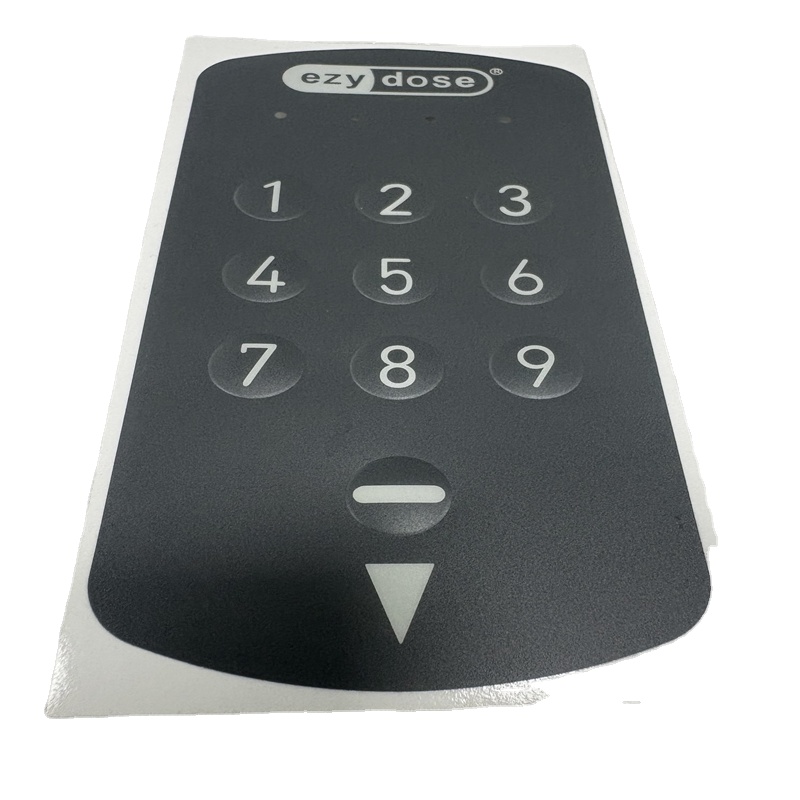
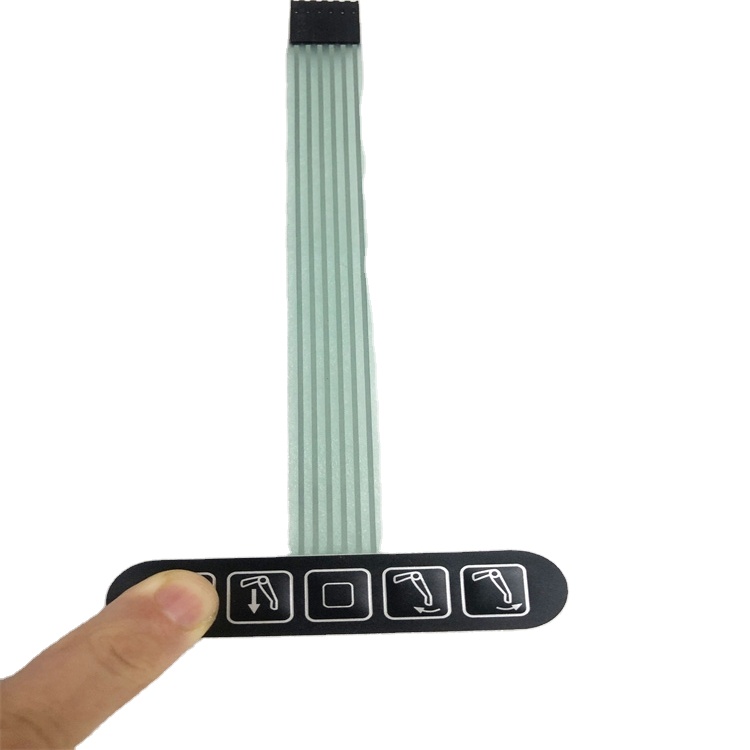
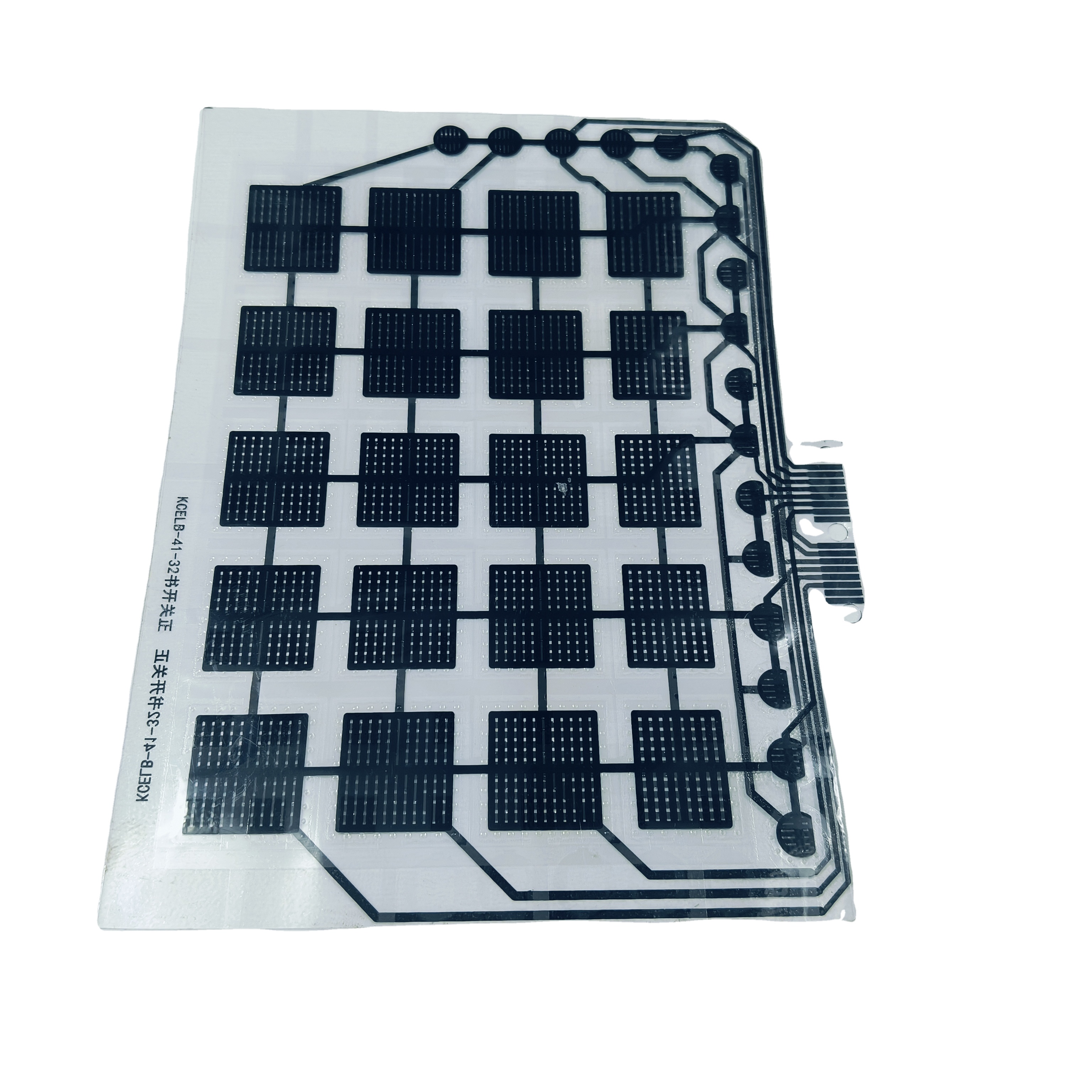
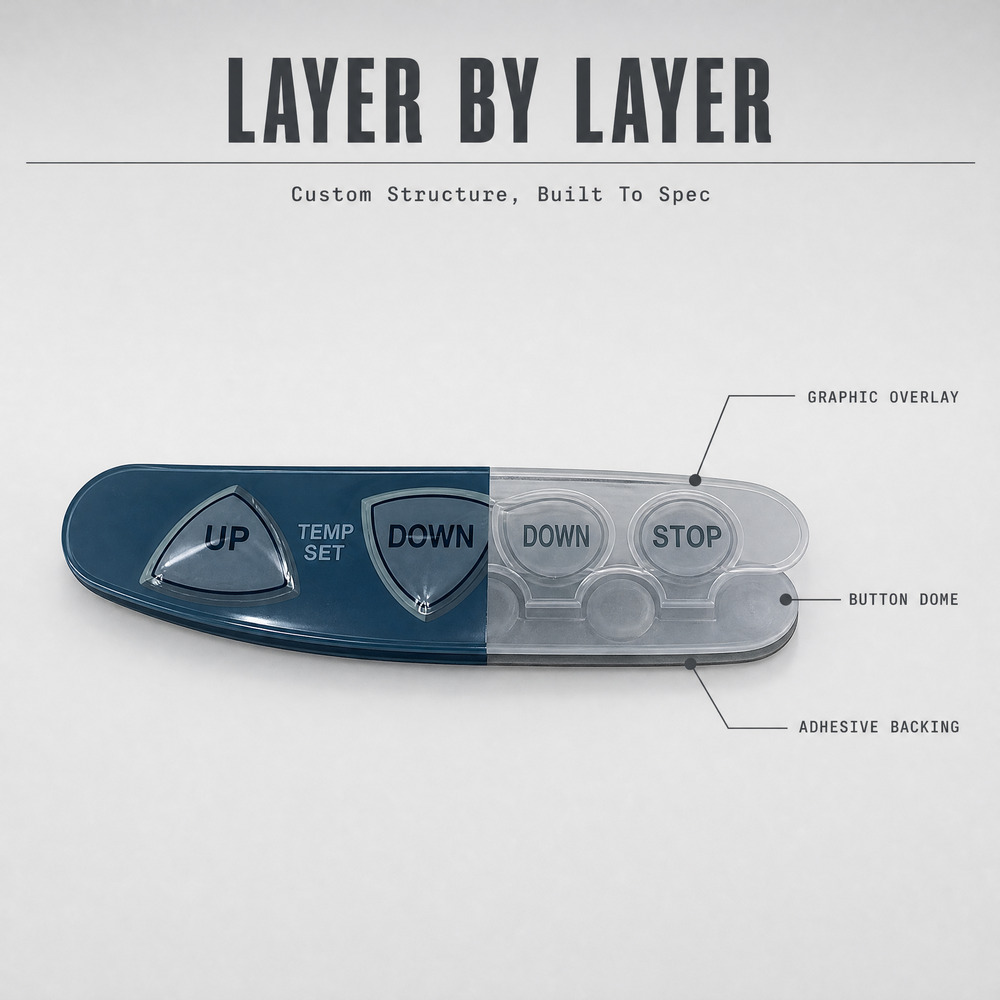
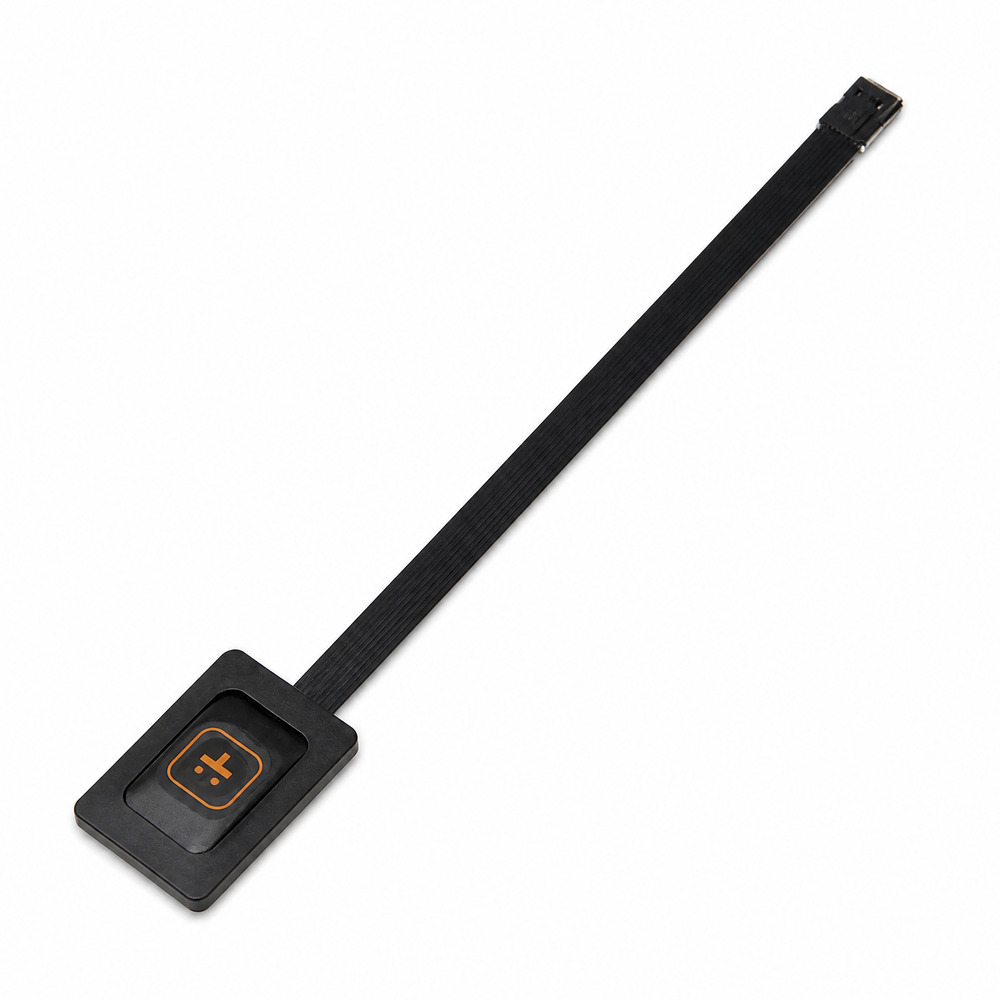
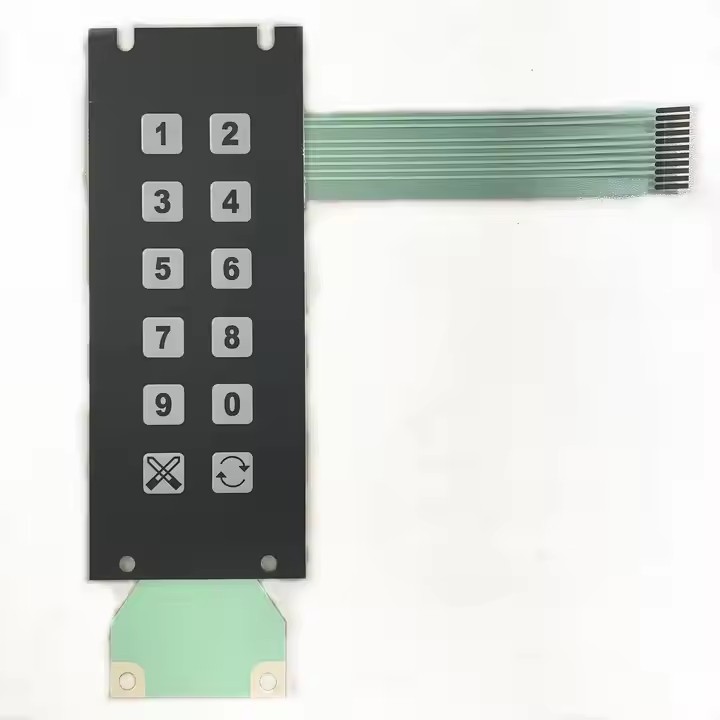
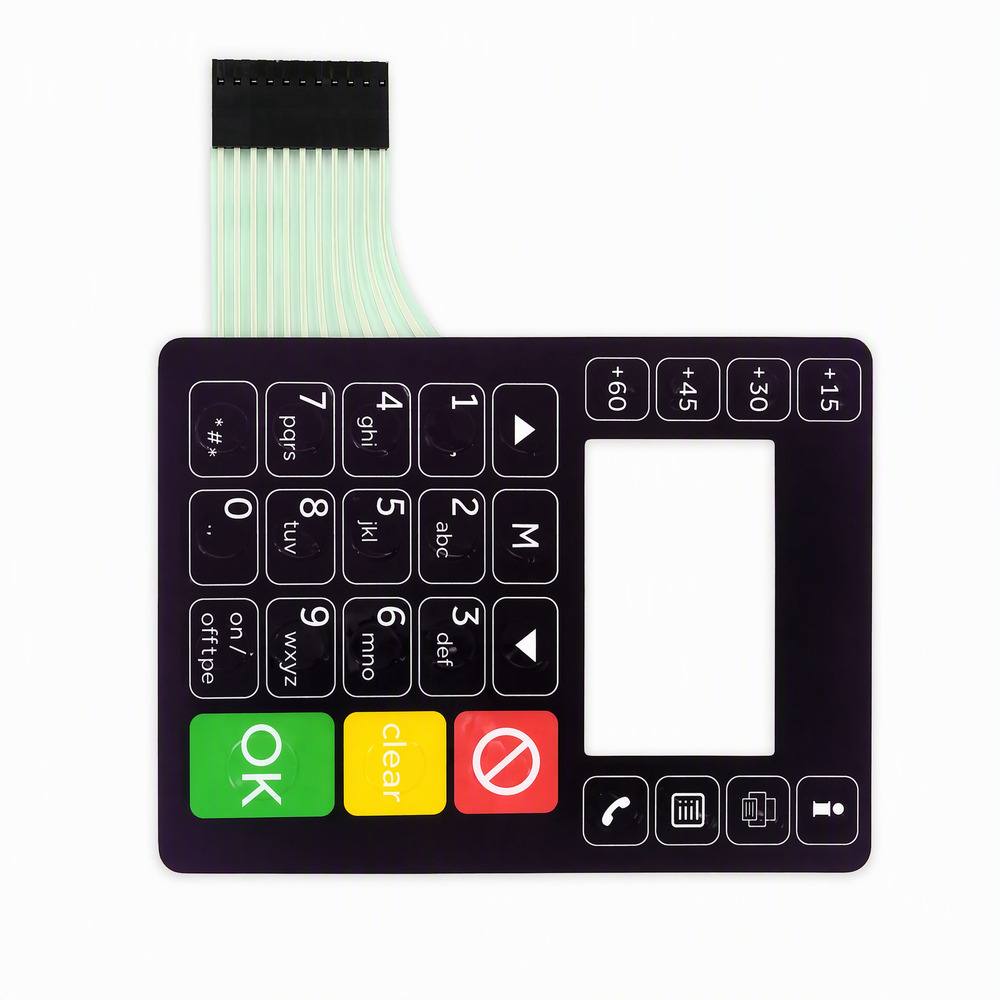
A comprehensive analysis of substrate selection, tactile kinematics, environmental hermeticity, and electrical integrity for next-generation Human-Machine Interfaces.
In modern electronic engineering, human-machine interface (HMI) reliability determines the operational safety and lifespan of industrial automation, medical equipment, and high-performance commercial appliances. While traditional polyester (PET) flexible circuits printed with conductive silver pastes remain functional for cost-sensitive, low-density applications, the rapid convergence of embedded microcontrollers, edge sensors, and dense surface-mount devices (SMDs) has established PCB-backed membrane switches (FR-4 substrate architectures) as the dominant design methodology for mission-critical deployments.
An OEM/ODM PCB membrane switch combines the intuitive, sealed aesthetic of a graphic overlay with the robust mechanical stability and high-density interconnection of a standard printed circuit board. Unlike flexible silver-printed tails that are susceptible to silver migration under high humidity or trace fractures caused by sharp radius bending, FR-4 copper traces offer zero silver-whisker risk, micro-inch trace routing tolerance, and robust solder anchoring for active electronic components. This eliminates the necessity of discrete secondary driver boards, consolidating the graphic facade, tactile domes, status LEDs, buzzer circuits, and wire-harness headers into a solitary, self-supporting electromechanical assembly.
Evaluating trade-offs between PET silver ink, Polyimide FPC, and Rigid FR-4 PCB is fundamental for electronics procurement teams and design engineers during Design for Manufacturability (DFM) verification.
| Performance Characteristic | Standard PET Silver-Print | Flexible Printed Circuit (FPC) | Rigid PCB Membrane Switch (FR-4) |
|---|---|---|---|
| Trace Material & Process | Screen-printed conductive silver/carbon ink | Etched rolled annealed / electro-deposited copper | Etched FR-4 copper laminates (1oz / 2oz standard) |
| Contact Resistance | Moderate to High (>20 Ω depending on tail length) | Very Low (<1 Ω) | Ultra Low (<0.1 Ω across all traces) |
| Component Density (SMT) | Extremely limited (conductive epoxy bonding only) | High (reflow soldering with polyimide stiffeners) | Maximum (standard reflow/wave soldering for ICs & LEDs) |
| Environmental Hermeticity | IP54 - IP65 (susceptible to humidity degradation) | IP65 - IP67 (sealed perimeter options) | IP67 - IP68 Complete perimeter chemical seal |
| Mechanical Support | Requires flat aluminum/steel mounting chassis | Requires backing plate or rigid chassis support | Self-supporting structural panel with threaded studs |
| Actuation Lifespan | Up to 1,000,000 cycles | Up to 3,000,000 cycles | Exceeding 5,000,000 cycles with stainless domes |
Key technological disruptions shaping contract manufacturing, supply-chain resilience, and total cost of ownership (TCO) over the next 3 to 5 years.
Tier-1 OEMs are shifting from buying disparate graphic foils, bare switches, and discrete carrier plates toward single-source procurement of fully integrated front-panel modules. Procurement teams favor suppliers that deliver fully tested assemblies with embedded display windows, CNC aluminum chassis integration, and soldered interconnect cables ready for drop-in assembly.
Agile product development cycles necessitate on-demand prototyping runs (from 1 to 5 pieces) using digital UV flatbed printing and laser cut-off tooling before committing to heavy steel die-tooling investments. Suppliers offering low-barrier sampling coupled with swift DFM feedback cycles capture higher lifetime production contracts.
Environmental declarations and material traceability have shifted from bureaucratic checkboxes to prerequisite sourcing hurdles. Industrial buyers require full auditability for non-hazardous inks, flame-retardant backing adhesives (e.g., genuine 3M 467MP/468MP), and RoHS/REACH compliance to guarantee international clearance in North America and the EU.
How edge sensing, ergonomic illumination, and tactile feedback engineering are redefining modern human-machine interface development.
Hybrid architectures merge the flat, wipe-clean elegance of capacitive touch interfaces with localized metal-dome tactile keys for critical actions (such as Emergency Stop or Power). This guarantees fail-safe tactile feedback while maintaining high aesthetic elegance and cleanability in clinical medical environments.
Light Guide Film (LGF) and micro-SMD side-firing LEDs embedded on FR-4 backers now allow completely uniform symbol backlighting without light bleed or hot spots. Dead-front graphic printing obscures inactive control icons until illuminated, giving interfaces a streamlined, cockpit-grade modern appearance.
Thin-film piezoresistive pressure sensors and carbon matrix sensors are increasingly integrated directly into the membrane stack. From automotive seat occupancy detection to smart rehabilitation gear, pressure-sensing matrices deliver analog force feedback directly across the interface footprint.
Inside Dongguan Ravo Electronics Co., Ltd.: Complete in-house control from precision screen printing to cleanroom SMD assembly and environmental testing.
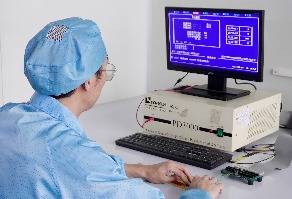
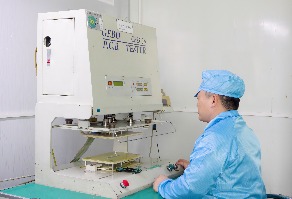
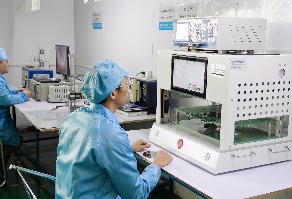
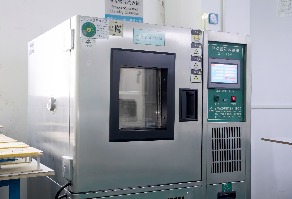
Founded in 2003 in Fenggang Town, Dongguan — within South China's premier electronics manufacturing corridor — Dongguan Ravo Electronics Co., Ltd. has developed over two decades of dedicated engineering expertise in custom Human-Machine Interfaces. Spanning over 12,000 square meters of production facilities and maintaining a peak workforce exceeding 300 skilled specialists, we maintain strict vertical integration under one roof.
1. Complete In-House Engineering & Tooling: We maintain fully equipped in-house screen printing, die-cutting, embossing, rigid FR-4 SMD soldering, and laser calibration facilities. This insourcing minimizes technical discrepancies and ensures our engineering response time averages ≤ 2 hours for comprehensive DFM analysis and schematic feedback.
2. Uncompromising Quality Verification: Reliability is engineered into every membrane layer. Our testing lab conducts 100% electrical continuity verification, contact loop resistance checking, open/short identification, dome tactile force curves (180g to 500g tolerances), and stroke life testing exceeding 1 to 5 million actuations on stainless-steel snap domes.
3. Rigorous Material Sourcing: To ensure industrial-grade endurance, we partner with industry-leading material providers. Front overlays are fabricated using genuine Autotype MacDermid PET or Sabic Lexan Polycarbonate films. Adhesive layers utilize authentic 3M 467MP, 468MP, or 300LSE adhesive transfer tapes, assuring bubble-free bonding on powder-coated metals, textured plastics, and cast aluminum chassis.
Key technical, financial, and manufacturing considerations clarified by our senior engineering team.
Send your CAD layouts, 2D drawings, or functional requirements to our engineering team. We deliver complete Design for Manufacturability (DFM) analyses, layer stack-up proposals, and competitive factory-direct quotations within 2 business hours.
