Global Export & Custom Engineering Whitepaper

OEM/ODM Force Sensing Resistor Manufacturers & Exporters

High-precision piezoresistive thin-film pressure sensors, custom printed thick-film electronics, and industrial membrane switch assemblies engineered for medical, automotive, and industrial HMI controls.

Precision Force Detection & Interface Solutions

Featured Membrane Keypads & Thin-Film Force Sensor Assemblies

Explore our production-proven human-machine interface builds and custom piezoresistive arrays. From sub-millimeter flexible force sensors to IP67-rated waterproof tactile operator panels, each system is fully customizable to your mechanical enclosure, actuation threshold, and environmental demands.
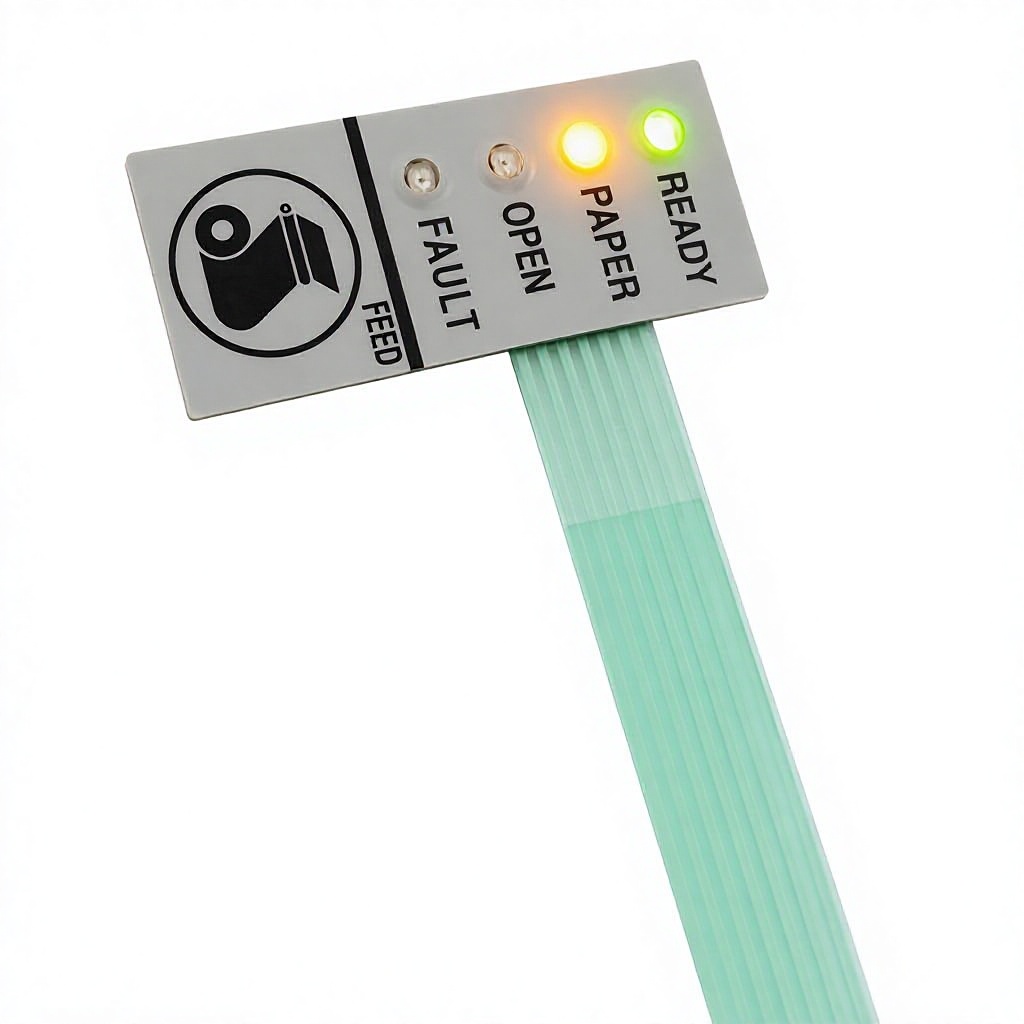
Medical & POS Custom LED Membrane Switch Indicator Panel Membrane Keypad

Custom LED Membrane Switch Indicator Panel Keypad

Engineered with integrated surface-mount status LEDs, graphic display filtering windows, and shielded circuits for clinical diagnostic instruments and mission-critical transaction terminals.
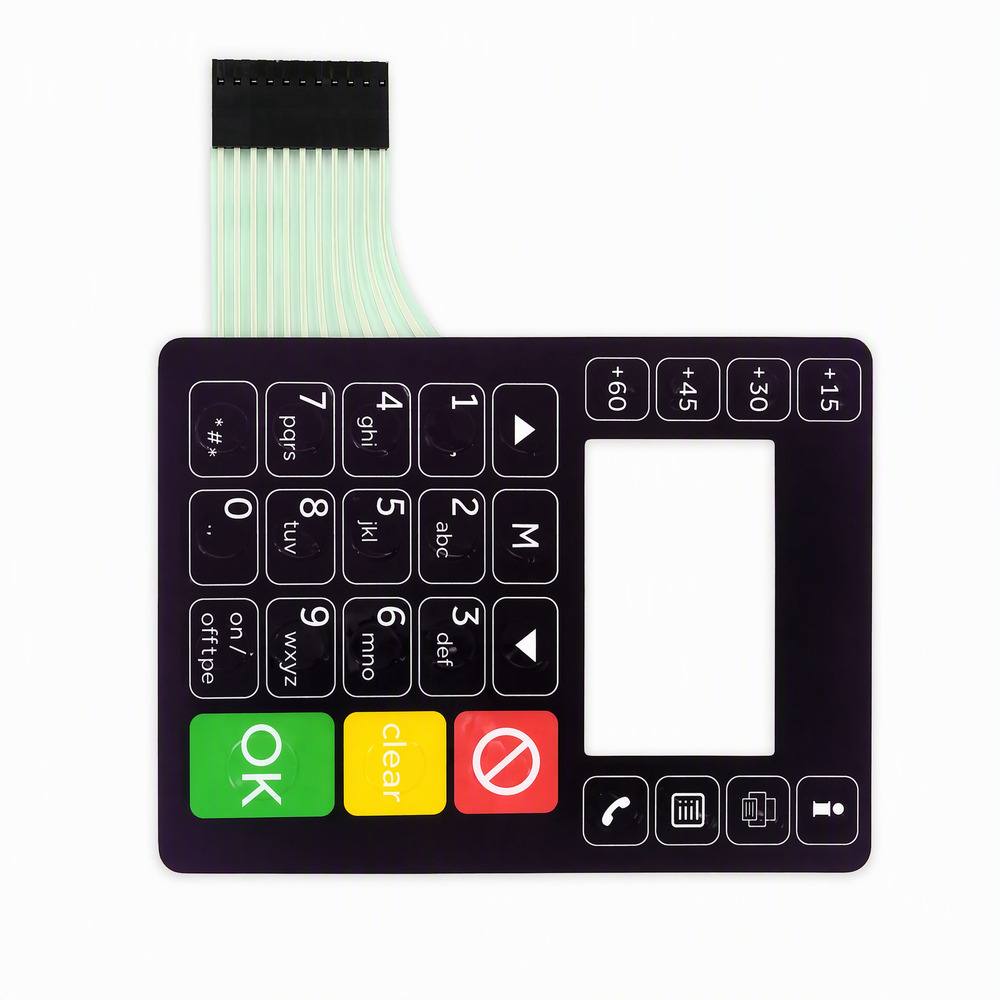
  • Actuation Force: 250g - 350g
  • Life Rating: > 1,000,000 Cycles
  • Ingress Protection: IP65 Equivalent
OEM Engineering 10+ Years Experience Membrane Switch Supplier 7x12h Technical Support

Turnkey Membrane Switch Prototyping & Technical Support

High-durability tactile interface backed by our Dongguan DFM team. Rapid prototyping within 5-7 business days, including multi-color silkscreen matching and comprehensive continuity validation.
  • Response Window: ≤ 2 Hours DFM
  • Switching Current: 10mA - 100mA
  • Prototype MOQ: From 1 Piece
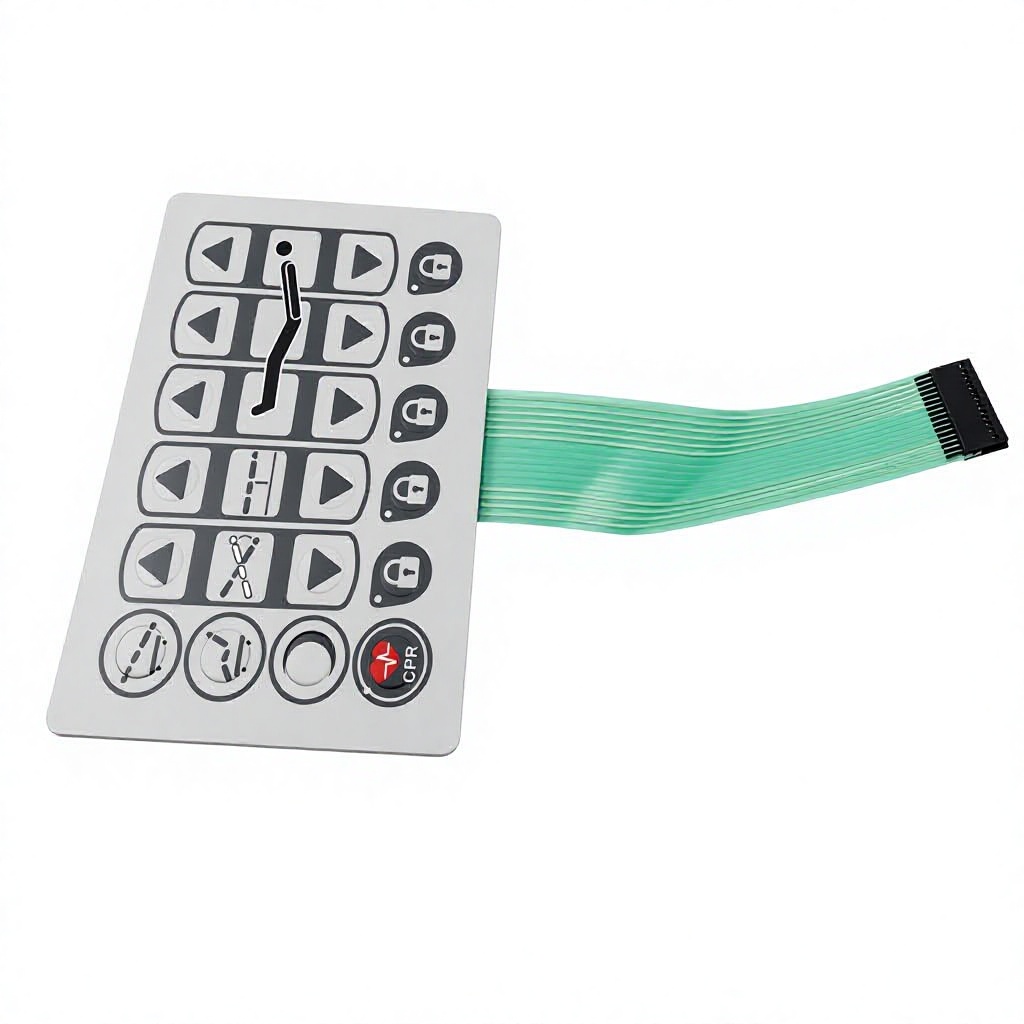
Hospital Grade Medical Bed Membrane Keypad Tactile Membrane Switch Panel

Medical Bed Tactile Keypad Panel with Antimicrobial Foil

Sanitizer-resistant polyester overlay with stainless-steel dome matrix for hospital ICU beds, surgical patient adjusters, and diagnostic lifters. Clean sealed edge structure prevents liquid ingress.
  • Chemical Proof: Alcohol/Bleach Cleanable
  • Switch Stroke: 0.5mm Crisp Click
  • Tail Type: 2.54mm Female Pitch
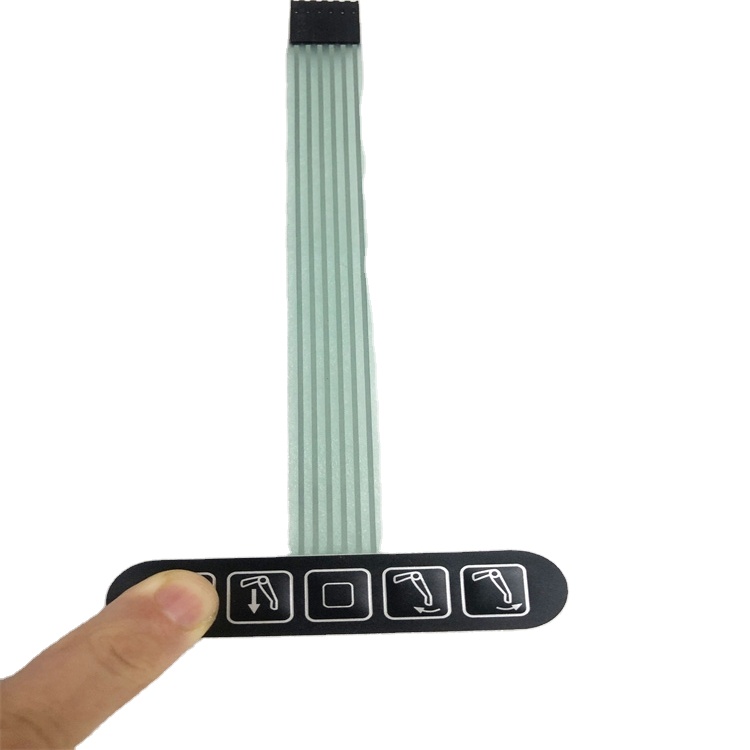
Industrial Rugged OEM Custom Tactile Membrane Switch Waterproof Keypad Panel

OEM Waterproof Tactile Keypad for Industrial Machinery

Heavy-duty metal dome membrane keyboard with embossed tactile navigation keys. Engineered specifically for harsh CNC manufacturing units, mining controls, and outdoor hydraulic systems.
  • Substrate: Autotex Matte PET
  • Mounting Backer: 3M 467MP / 3M 9448A
  • Temperature: -30°C to +80°C
Smart Touch Toys Membrane Keyboard Capacitive Touch Switch Silver Ink Keypad

Capacitive Touch Silver Ink Circuit Panel

Ultra-flat zero-travel capacitive sensor array screen-printed with low-resistance conductive silver ink. Perfectly suited for smart learning consoles, audio devices, and sleek consumer touch consoles.
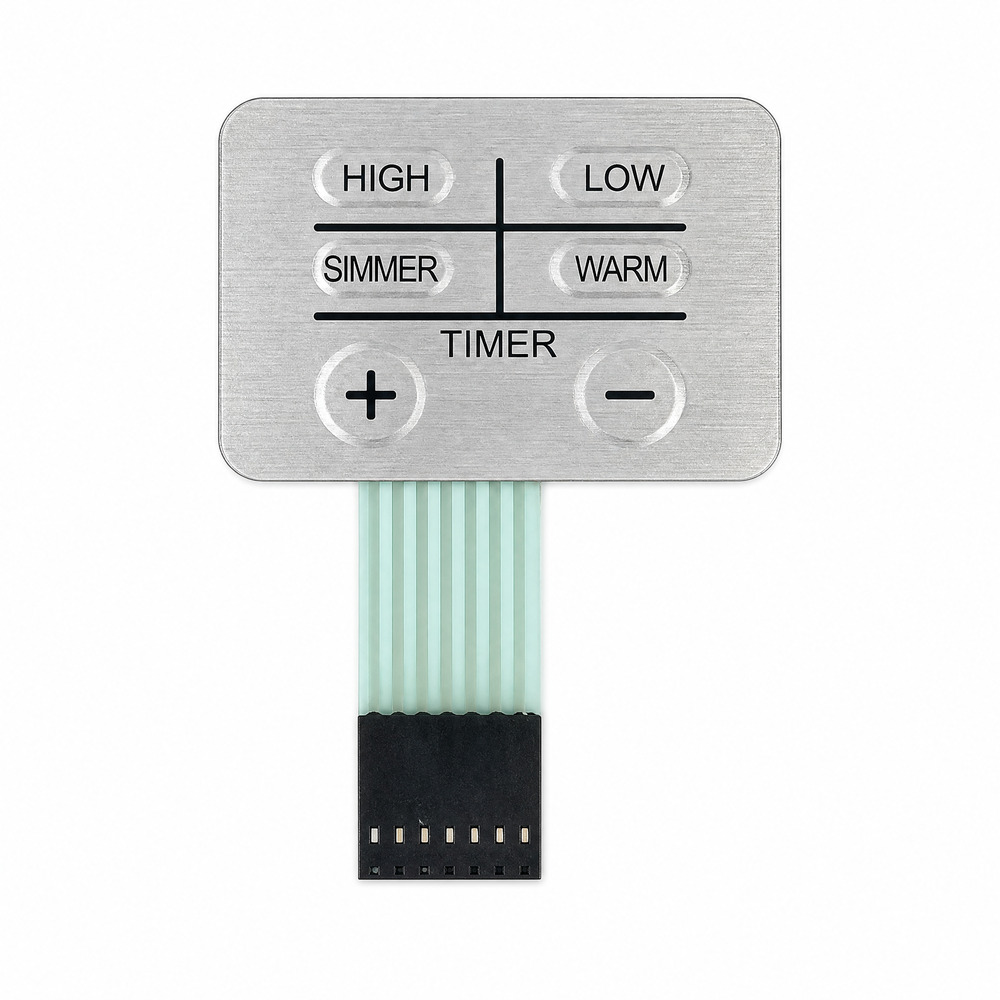
  • Actuation: Zero Stroke (Proximity)
  • Loop Resistance: < 50 Ω / Trace
  • Operating Cycles: > 5,000,000 Touches
High Thermal Custom Heat-resistant Waterproof Membrane Switch for Gas Stove & Oven Control Panel

Heat-Resistant Control Panel for Stoves & Ovens

Multi-layer sealed heat-resistant panel fabricated from high-grade thermally stabilized polyester. Repels vapor, oil mist, and steam in commercial catering and residential kitchen appliances.
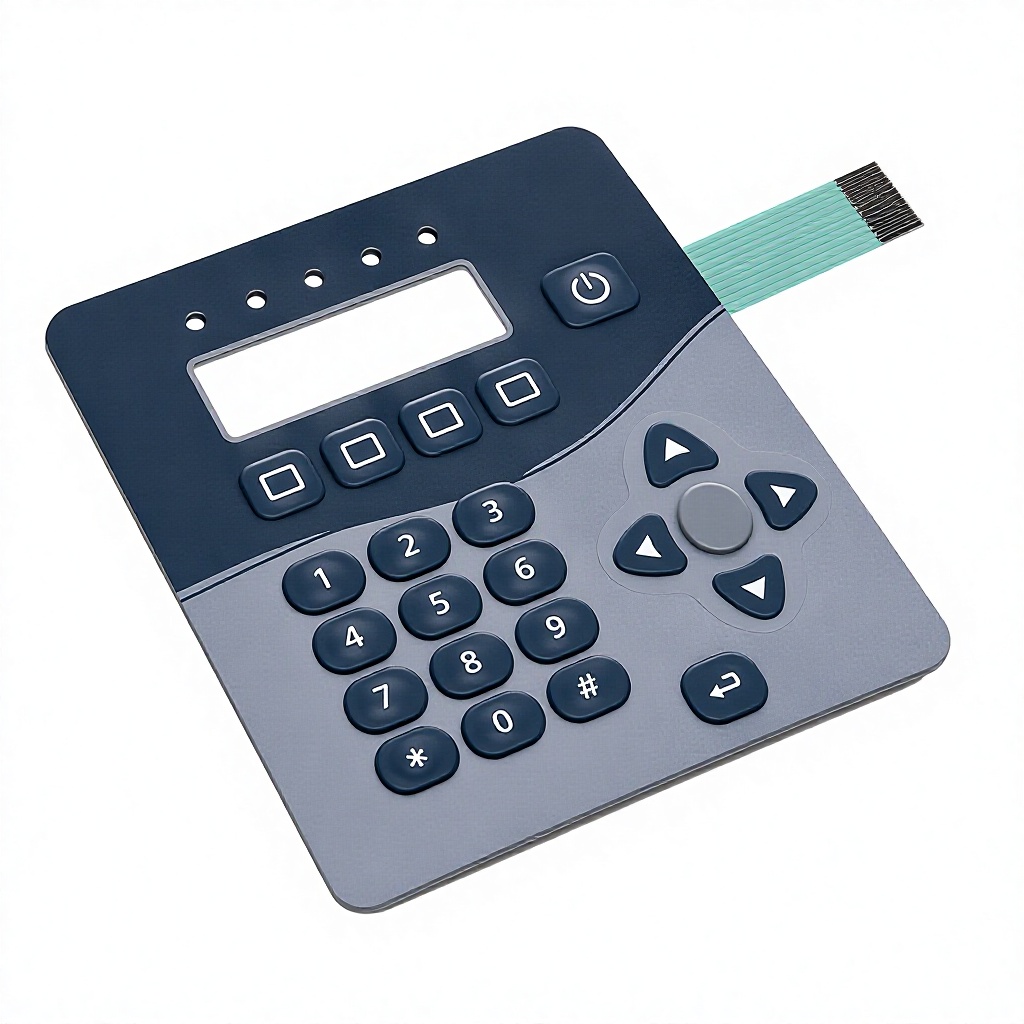
  • Heat Endurance: Up to +105°C Continuous
  • Surface Layer: Flame-Retardant Polycarbonate
  • Sealing Level: IP66 Oil & Liquid Proof
Instrument HMI Custom Membrane Switch Panel Ribbon Cable Interface Display Window

Ribbon Cable Interface Switch with Display Window

Precision graphic overlay integrated with optical-clear display windows for OLED/LCD screens. Finished with flexible flat ribbon cables (FFC) and durable latching headers for fast plug-and-play assembly.
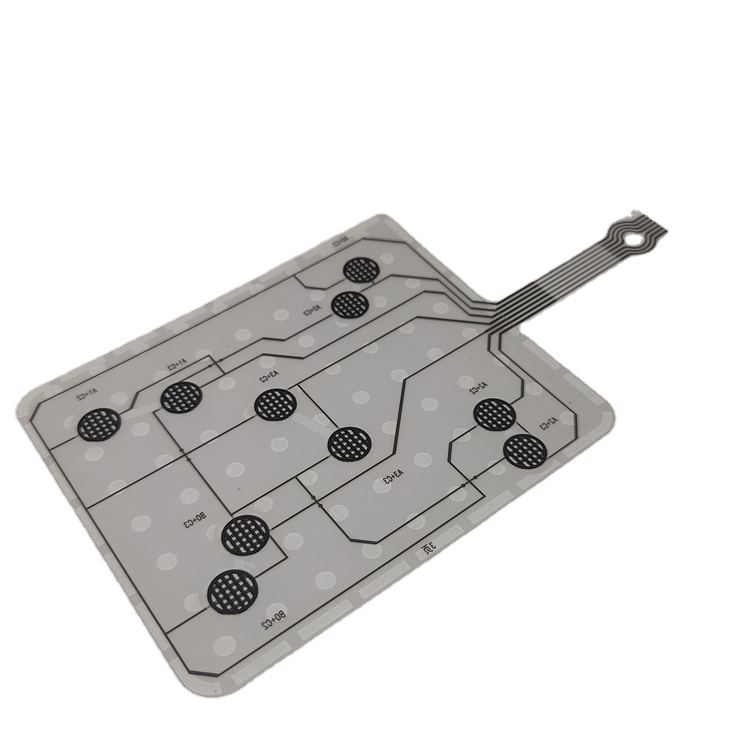
  • Window Clarity: Anti-Glare / Transparent Gloss
  • ESD Shielding: Full Aluminum Foil / Grid
  • Tail Connector: ZIF 1.0mm or 2.54mm Crimp
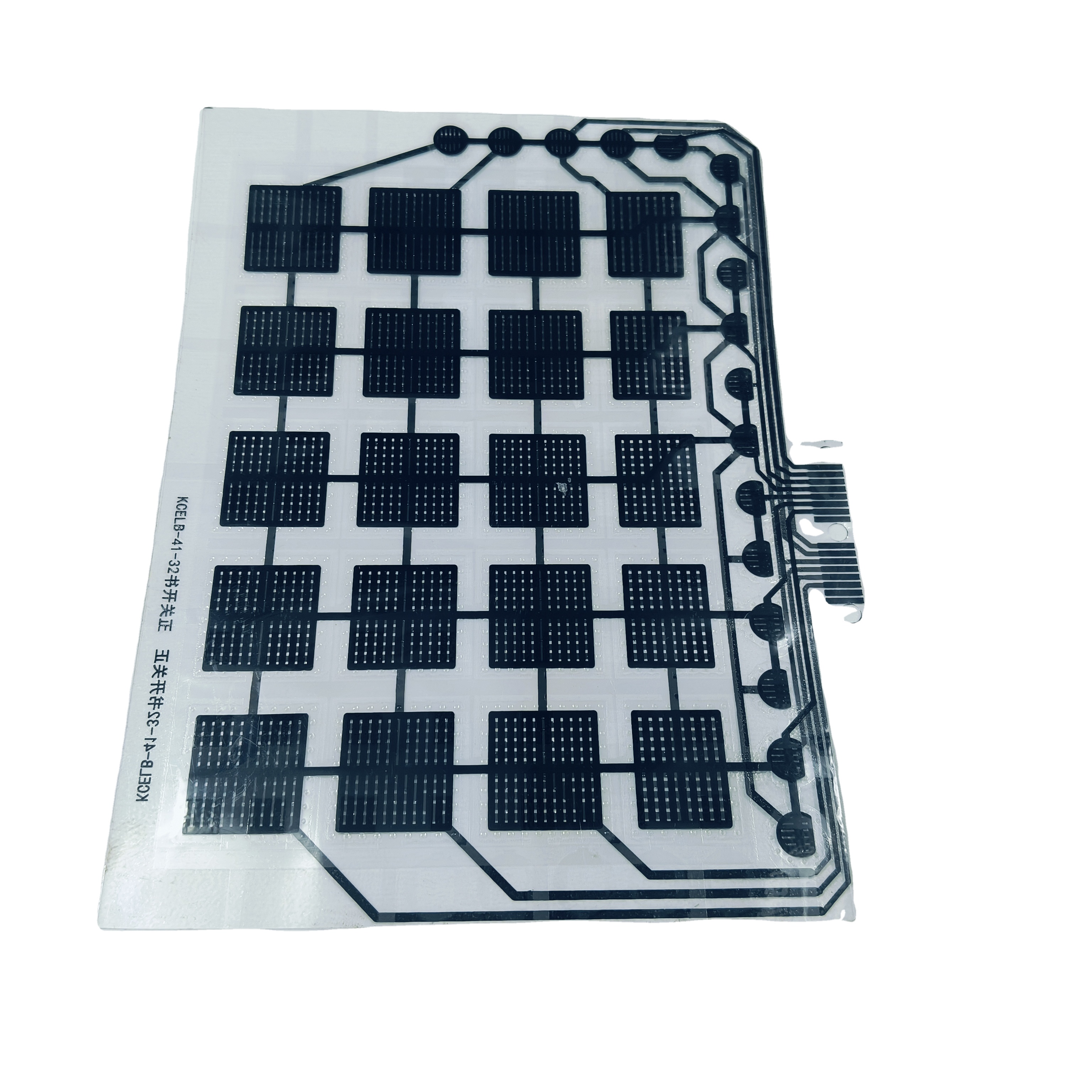
Core FSR Technology Custom Flexible Silver Ink Printed Circuit Membrane Pressure Sensor Thin Film Force Sensitive Resistor FSR Sensor

Flexible Thin-Film Force Sensitive Resistor (FSR) Sensor

Custom-profiled piezoresistive thick-film force sensor. Detects dynamic mechanical pressure through calibrated change in electrical resistance. Ideal for biomechanical wearables, seat occupancy, and touch force.

  • Pressure Range: 0.1N to 100N (Customizable)
  • Stand-off Resistance: > 10 MΩ (Unloaded)
  • Thickness: < 0.25mm Ultra-Thin
Piezoresistive Physics & Design Architecture

How Force Sensing Resistors Translate Mechanical Load into Electrical Conductance

A Force Sensing Resistor (FSR) is a polymer thick-film (PTF) device that exhibits a decrease in electrical resistance corresponding to an increase in force applied perpendicular to its active sensing surface. Unlike strain gauges which measure microscopic structural elongation, FSRs utilize the quantum mechanical tunneling and contact percolation effects between semi-conductive micro-particles suspended within a resilient elastomeric polymer binder.

At Dongguan Ravo Electronics Co., Ltd., our engineering methodology focuses on two primary topological architectures based on application-specific spatial restrictions, actuation resolution, and sensitivity curves:

  • Shunt-Mode Configuration: Features interdigitated silver conductive electrode fingers screen-printed on a single PET substrate layer, faced by an opposing substrate coated with piezoresistive carbon-polymer ink separated by a micro-dielectric air spacer ring. Ideal for sub-0.3mm profiles and ultra-rapid response times under 5 microseconds.
  • Thru-Mode Configuration: Involves a sandwich topology where top and bottom solid conductor tracks clamp directly onto an intervening functional piezoresistive layer. This architecture delivers superior low-force sensitivity (thresholds < 0.1 N) and reduced mechanical hysteresis during high-frequency cyclical actuation.
  • Substrate & Tail Chemistry: Standard builds utilize optical-grade biaxially-oriented polyethylene terephthalate (PET, 75μm to 175μm), while harsh thermal and high-density soldering demands are met via premium Polyimide (Kapton®) flexible printed circuits (FPC).
Sensor Benchmarking Metrics Ravo QA Lab
Resistance Repeatability (± % Over 1M Cycles) 98.2%
Mechanical Hysteresis Suppression < 5.8% (Industry Avg: 12%)
Signal Linearity Range (± dB Calibration) 96.4% Correlation
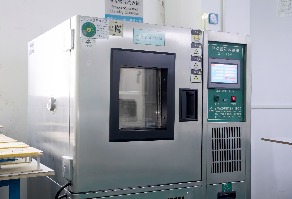
Thermal Stability Drift (-20°C to +70°C) < 0.08% / °C
Tail Pitch: 1.0mm / 1.27mm / 2.54mm Get a Quote
Precision DFM Specifications

Standard vs. Custom Piezoresistive Engineering Envelope

Performance Parameter Standard Commercial Grade Medical / Precision Ravo Grade Engineering Notes & Design Options
Force Actuation Range 0.2 N to 20 N (20g to 2kg) 0.05 N to 200+ N (5g to 20kg+) Controlled via spacer gasket thickness & carbon paste particle distribution.
Unloaded Stand-off Resistance > 1 MΩ (Open Circuit State) > 10 MΩ to 20 MΩ Zero quiescent standby power drain; ideal for battery-powered IoT devices.
Mechanical Hysteresis 10% to 15% (Typical error) < 5% to 7% (Optimized recovery) Critical for precise biomechanical gait analysis & surgical force feedback.
Continuous Cycle Life 1,000,000 Actuations > 5,000,000 to 10,000,000 Actuations Tested using ASTM-standard rounded polyacetal stylus at 3 Hz cycle frequency.
Connector Termination Standard Berg/Crimp Clincher Pins ZIF tail, FPC solder tab, or ACF bonding Gold-plated contacts available to resist salt mist and oxidation in marine HMIs.
Environmental Sealing IP54 Dust Proof Hermetic IP67 Liquid Proof Formulated utilizing continuous perimeter adhesive ring & venting filter maze.
Strategic Sourcing Intelligence

Future Procurement Trends in Force Sensing Resistors (2025–2030)

As smart automation, robotics, and medical devices demand subtler human-machine interactions, supply chain managers and lead hardware architects are shifting procurement criteria from commodity switching to high-reliability continuous tactile arrays.

Multi-Zone Matrix Mapping Arrays

Procurement teams are transitioning away from single-point discrete pressure sensors toward high-density X-Y coordinate pressure distribution films. These matrix arrays allow continuous surface pressure imaging for smart wheelchair pressure mapping, patient bed-turn timers, and robotic end-effector slip detection.

Medical Biocompatibility & Wearables

With the rapid growth of remote patient monitoring, in-shoe gait diagnostic insoles and smart orthotics require ultra-flexible, skin-safe, breathable piezoresistive materials. Buyers actively evaluate suppliers against cytotoxicity tests, ISO 10993 compliance, and extreme sweat-acid degradation resistance.

Hybrid Capacitive + FSR Interfaces

Automotive cockpits and avionics panels increasingly demand multi-stage activation: a capacitive touch detection zone awakens the interface on proximity, while an integrated piezoresistive FSR underlayer confirms deliberate mechanical intention, eliminating false activations from accidental brush strokes.

Consolidated Turnkey Tier-1 Sourcing

Global OEMs are consolidating vendor rosters. Instead of sourcing bare sensor films from one vendor, graphic overlays from another, and PCB backers elsewhere, purchasing directors partner with fully integrated manufacturers like Ravo to deliver pre-tested, calibrated sensor-to-cable sub-assemblies.

ESG & Halogen-Free Materials

European and North American regulatory pressures (RoHS, REACH, halogen-free directives) demand transparent chemical declarations for carbon pastes, curing solvents, and acrylic adhesives. Procurement audits now heavily weight eco-compliant manufacturing processes and cleanroom environmental controls.

Next-Generation Engineering

Technological Milestones Reshaping Piezoresistive Sensor Manufacturing

Continuous breakthroughs in material science are bridging the historical trade-off between flexible film convenience and rigid sensor precision. Discover how Dongguan Ravo Electronics incorporates advanced nanotechnology into scalable mass production.

CNT & Graphene Doped Pastes

By infusing multi-walled carbon nanotubes (MWCNTs) and graphene nanoplatelets into conventional carbon-black polymer formulations, we achieve significantly steeper conductive percolation thresholds, expanding dynamic force sensitivity into the micro-load realm (< 10 grams) without compromising film flexibility.

Laser Micro-Spacer Texturing

Eliminating traditional silkscreened dot spacer inconsistencies, our production line implements high-precision UV picosecond laser micromachining to create continuous gradient spacer arrays. This produces tailor-made non-linear logarithmic electrical response curves engineered to match specific human finger tactile dynamics.

Cross-Linking Anti-Creep Binders

A persistent challenge in legacy FSR devices has been signal drift under static load (mechanical creep). Ravo's formulation utilizes thermosetting polyurethane-acrylate hybrid resin networks that resist molecular migration under sustained pressure, reducing 24-hour static drift from 18% down to under 3.5%.

Integrated Signal Conditioning Circuits

Modern FSR sub-assemblies now incorporate surface-mounted transimpedance amplifiers, operational amplifier voltage dividers, and I2C/SPI microcontrollers directly onto FPC tail backers. This delivers pre-calibrated digital force values directly to the customer's central processor, bypassing analog noise pickup.

Proven Manufacturing Excellence

Why Global Equipment Makers Choose Dongguan Ravo Electronics

Founded in 2003 in Fenggang Town, Dongguan — the epicenter of South China's high-precision electronics manufacturing corridor — Dongguan Ravo Electronics Co., Ltd. has grown from an eight-person workshop into a vertically integrated plant exceeding 12,000 m². We provide global exporters and Fortune 500 equipment builders with dependable, verified manufacturing reliability.

2003
Founded in Dongguan, China
12,000m²
Dedicated Production Floor Area
300+
Skilled Technical Personnel
≤ 2 Hours
Engineering DFM Turnaround Time

In-House Tooling & Complete Customization

From custom graphic layouts, Pantone color management, and metal dome tactile actuation to specialized piezoresistive formula blending, every screen stencil, embossing die, and laser cutting program is developed and controlled on our own production floor.

Uncompromising 100% Quality Assurance

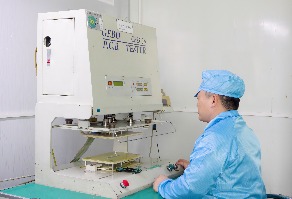
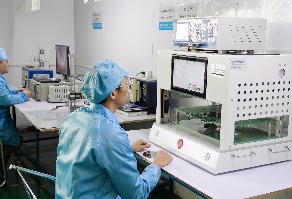
Every single batch undergoes automated optical inspection (AOI) for circuit trace integrity, 100% electrical continuity and insulation resistance screening, alongside dynamic force-resistance bench testing, ensuring zero defective parts reach your overseas assembly line.

Certified Global Export Logistics

Over 14+ years of verified international trade across Europe, North America, Japan, and Oceania. All materials meet strict RoHS, REACH, and UL flammability standards, packaged in custom antistatic vacuum cartons with full export documentation.

Verified In-House Production Facilities (Dongguan, China)

Transparent, audited manufacturing operations ready for international customer site visits.
Ravo Clean Printing Workshop
Screen Printing Workshop
Automated Silkscreen Line
High-Precision Silkscreen Line
Membrane Switch Assembly Floor
Clean Lamination & Assembly
Quality Inspection Station
100% Electrical Inspection
Procurement & Technical Clarifications

Frequently Asked Questions for Sourcing & R&D Engineers

Everything your hardware development and supply chain teams need to know before issuing a formal Request for Quotation (RFQ).

What is the standard Minimum Order Quantity (MOQ) for custom FSR and membrane switches?
For custom prototypes and DFM verification phases, we support production runs starting from as low as 1 to 10 pieces. For scheduled commercial mass production, our standard economic order quantity typically starts between 100 to 500 units depending on component complexity, layer count, integrated backlighting, and die-tooling parameters.
What engineering documentation is required to initiate an accurate quotation?
To provide a comprehensive DFM feedback and quotation within 2 hours, please provide: (1) Mechanical 2D/3D CAD vector drawings (AutoCAD DWG/DXF, STEP, or Adobe Illustrator with vector layers), (2) Electrical schematic indicating pinouts, circuit resistance limits, and tail exit location, (3) Desired actuation force threshold and active sensing area dimensions, and (4) Operating environmental constraints (temperature, UV exposure, chemical contact, ingress protection).
How do you ensure force-resistance curve consistency across production batches?
Consistency is maintained through rigorous process controls: (1) Ink viscosity and conductive solid percentage are verified via automated rheometers prior to printing, (2) Screen printing emulsion thickness is laser-monitored within ±2μm tolerances, (3) Computer-controlled convection drying ovens ensure complete polymer cross-linking without thermal substrate shrinkage, and (4) Automated sample testing records dynamic resistance curves against calibrated load-cells across every master production roll.
Can Force Sensing Resistors and tactile metal domes be integrated within the same panel?
Yes, absolutely. A highly popular HMI configuration combines a top tactile metal dome with an underlying Force Sensing Resistor layer. When the operator presses the key, the metal dome collapses to provide a crisp, unmistakable tactile click, while the bottom FSR simultaneously measures the continuous post-click squeeze pressure. This dual architecture is widely utilized in surgical power tools, military radio PTT switches, and industrial velocity throttles.
What interface connector and tail termination styles do you support?
We offer comprehensive connection terminations: (1) Industry-standard female crimped connector housings (such as Nicomatic or Amphenol FCI Clincher™) on 2.54mm (0.100") or 1.27mm pitch, (2) Plain bare-tab tails with polyimide stiffeners designed for Zero Insertion Force (ZIF) socket insertion on 1.0mm or 0.5mm pitch, (3) Solderable copper polyimide FPC tails, and (4) Anisotropic Conductive Film (ACF) heat-seal bonding directly onto rigid PCB motherboards.
How do you prevent moisture ingress and edge delamination in outdoor and medical gear?
We engineer hermetic IP67-rated seals utilizing full perimeter closed-cell acrylic transfer adhesives (typically high-tack 3M 467MP, 3M 468MP, or 3M 300LSE for low surface energy plastics). To prevent internal pressure build-up and false sensor triggering during atmospheric barometric fluctuations or thermal expansion, we integrate labyrinthine micro-venting channels equipped with hydrophobic, oleophobic ePTFE breathable membrane filters.
What are typical sampling and volume production lead times?
Following formal sign-off on the engineering approval drawings: Prototype samples typically ship within 7 to 12 business days (inclusive of custom tooling and laser-cut die fabrication). Mass production batches generally dispatch in 15 to 20 working days, with urgent expedited turnaround schedules supported upon request by our Dongguan plant management.
Fast Turnaround & Direct Factory Engineering

Ready to Engineer Your Custom Force Sensor or Interface?

Connect directly with our senior application engineers in Dongguan. Send us your CAD drawings, force profile targets, or prototype specifications, and receive a professional DFM review and formal quotation within 2 business hours.