Explore proven production configurations built to stringent ISO 9001 and IATF-aligned engineering protocols. Fully customizable tactile stroke, force-displacement profiles, laser backlighting, and ingress sealing.
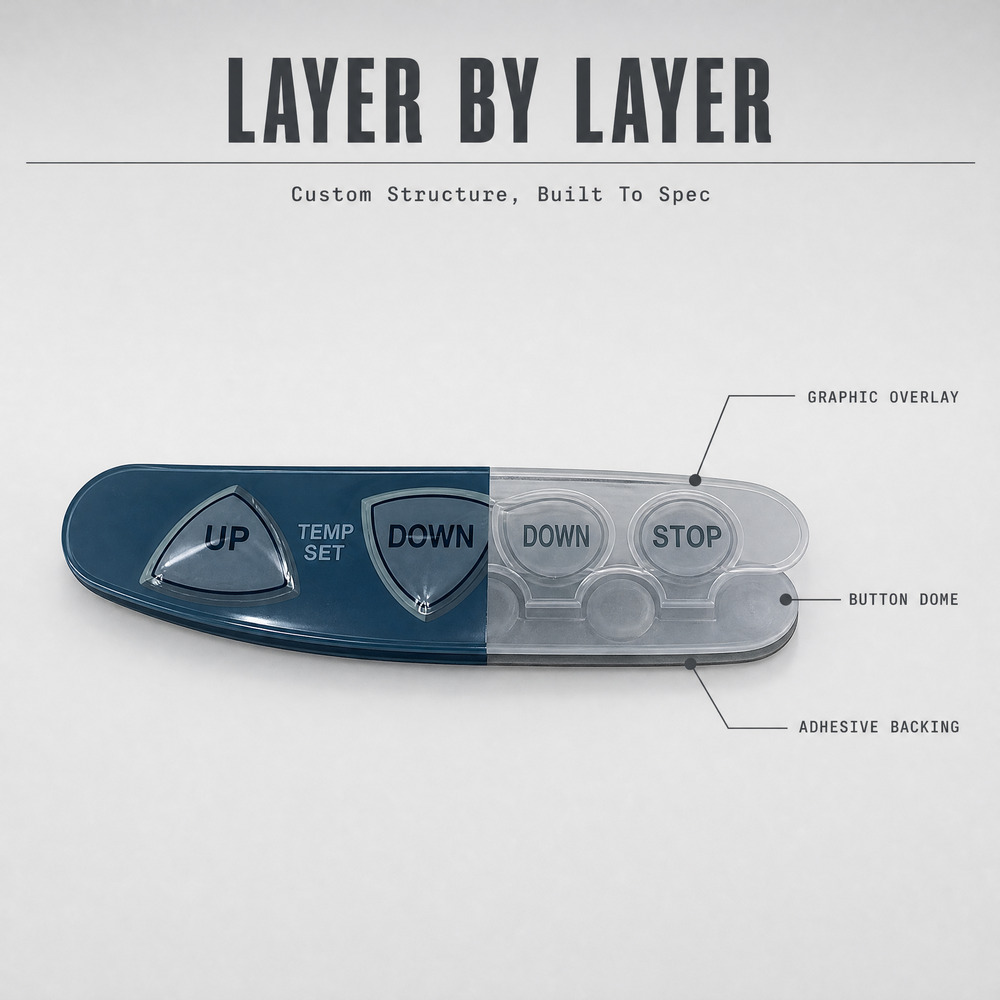
Stainless steel four-leg tactile metal domes (snap ratio >50%)
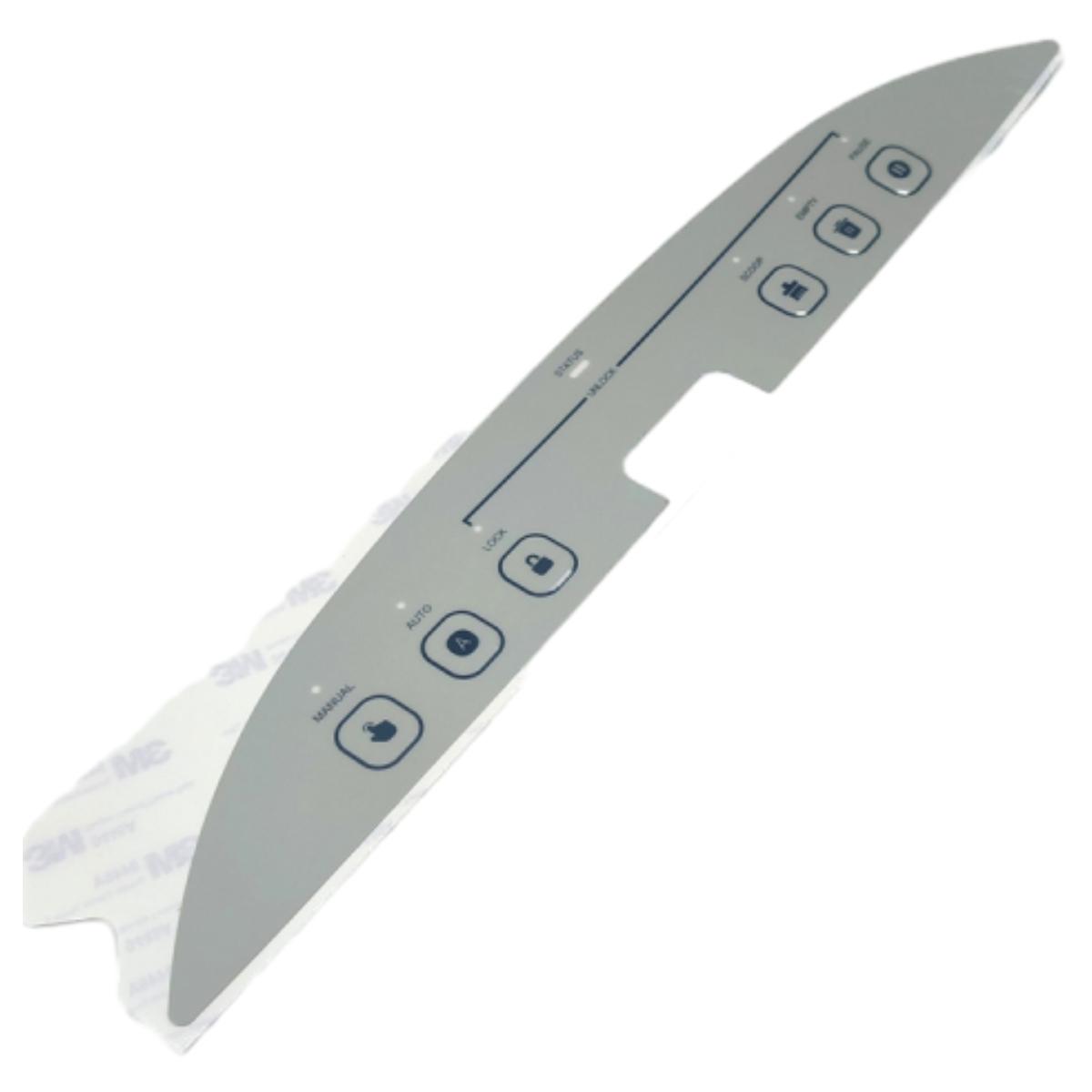
Laser-etched translucent legends with black light-block coat
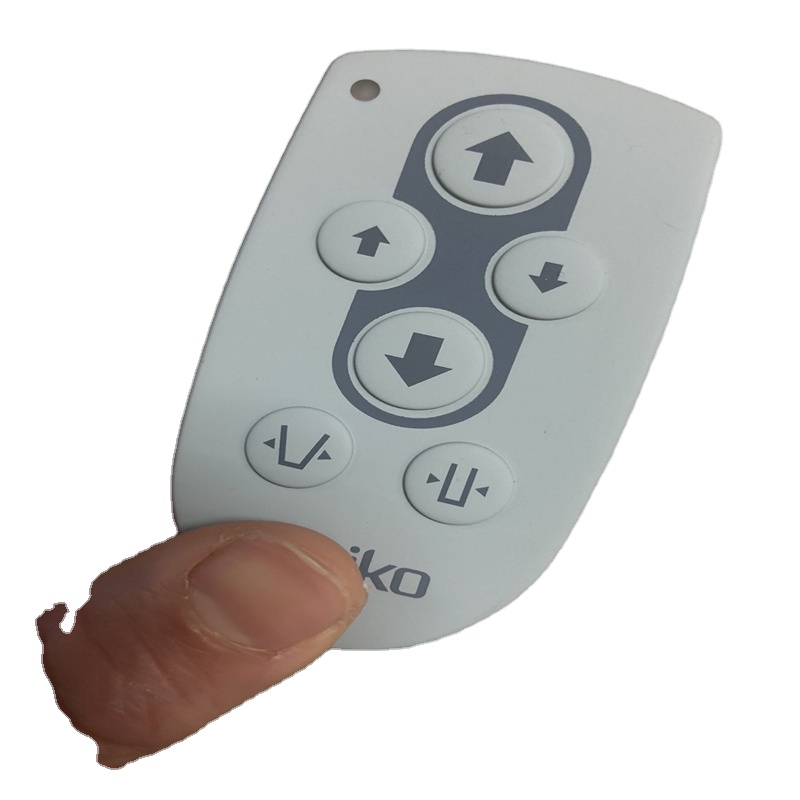
Dual-layer silicone-on-membrane hybrid structure
Enterprise Manufacturing Pedigree
Vertically Integrated Silicone & Membrane Engineering Since 2003
Operating from Dongguan Ravo Electronics Co., Ltd.'s modernized 12,000m² manufacturing facility in Fenggang Town, Dongguan, we combine two decades of elastomeric compounding, precision molding, and cleanroom electronic integration under one roof.
2003
Established in Dongguan, China
12,000m²
Dedicated Production Facility
≤ 2h
Engineering DFM Response SLA
98.59%
Buyer Satisfaction & Response Rate
In-House Tooling & Rapid DFM Prototyping
Our dedicated mold-making shop features high-speed CNC centers, precision wire EDM, and cryogenic deflashing equipment. We convert your 2D/3D CAD geometry (STEP, DXF, DWG) into physical compression molds rapidly, cutting prototype lead times to as low as 7 business days while holding dimensional tolerances within ±0.05mm.
Multi-Tier Quality Control & Testing Labs
From incoming silicone batch rheometer analysis to 100% automated optical inspection (AOI) and electrical resistance mapping, our QA process enforces ISO 9001 certified protocols. Every key profile undergoes computer-controlled life-cycle cycle testing (up to 5 million cycles), contact bounce analysis, and environmental heat/humidity cycling.
Full Export Compliance & Global Logistics
Over 14 years of direct export trading support Tier-1 OEM/ODM clients across North America, Germany, the UK, Japan, and Australia. All raw silicone, conductive carbon pills, screen printing inks, and 3M adhesive tapes are fully documented with RoHS, REACH, and FDA biocompatibility compliance declarations.
Engineering White Paper
Anatomy of High-Performance Elastomeric HMI Architecture
Optimizing custom silicone keyboards demands a deep understanding of mechanical force-displacement curves, material chemistry, contact electrical dynamics, and environmental sealing physics.
1. Webbing Geometry and Tactile Force-Displacement Profiling
The core mechanism defining the operator experience of a silicone rubber keyboard is the elastomeric webbing hinge located beneath each keytop. When an operator depresses a key, the compression force rises linearly until reaching the peak actuation threshold (F1). At this juncture, the molded silicone webbing collapses instantaneously, transitioning the force curve downward to the contact bottoming force (F2). The difference between F1 and F2 divided by F1 represents the "Snap Ratio" (typically engineered between 40% and 65% for crisp industrial feedback).
Our engineering team calculates the specific draft angles (generally 40° to 60°), wall thicknesses (0.35mm to 0.65mm), and transition radii using non-linear finite element analysis (FEA). This prevents localized stress fatigue, key wobble, and hysteresis degradation over millions of actuation cycles, guaranteeing consistent tactile snap whether deployed on handheld hospital scanners or high-vibration off-highway vehicle dashes.
2. Contact Conduction Technologies: Carbon Pills vs. Metal Domes
Depending on electrical circuit voltage, current sensitivity, and contact resistance tolerances, Ravo engineers implement three primary conductive interconnect topologies:
Molded Low-Resistance Carbon Pills: Solid carbon conductive discs vulcanized permanently into the silicone base during compression molding. Contact resistance typically ranges from <50Ω to 150Ω. This topology provides absolute silence, zero acoustic clatter, zero oxidation in corrosive atmospheres, and a life expectancy easily surpassing 1,000,000 cycles.
Stainless Steel Tactile Metal Domes (Gold/Nickel Plated): For applications demanding a definitive, audible mechanical "snap" with instantaneous digital trigger feedback, four-leg or oblong metal domes are positioned between the silicone actuator prong and the underlying printed circuit board (PCB) or flexible printed circuit (FPC). Contact resistance drops to <1Ω, suitable for high-speed digital multiplexed logic.
Conductive Carbon Ink Printing: Formulated for ultra-thin profiles or multi-tiered complex key layouts where vulcanized pill geometry is spatially restricted.
3. Optical Engineering: Backlighting, Laser Etching, and Light-Guide Films (LGF)
Modern industrial consoles and military-spec interfaces demand night-vision and dim-light operational capability without blinding hotspots. We achieve pristine illumination balance via translucent silicone base compounding (optical grade LSR or high-clarity solid silicone). The raw silicone is spray-coated with a translucent color layer followed by an opaque top blocking layer (usually matte black or industrial grey).
High-precision fiber laser etching systems ablate the opaque outer coat with micron accuracy, exposing the translucent legend underneath. When paired with surface-mount (SMD) LEDs distributed on the underlying PCB or coupled with ultra-thin (0.125mm) polycarbonate Light Guide Films (LGF), illumination is evenly channeled laterally beneath legends, eliminating shadows and high-intensity hot spots while maintaining complete water and dust hermetic sealing.
HMI Technology Comparison Matrix for Systems Engineers
Evaluation Parameter
Custom Silicone Keypad
Standard PET Membrane Switch
Capacitive Glass Interface
Mechanical Discrete Switches
Ingress Protection (IP)
IP67 to IP68 Hermetic
IP65 (Perimeter Gasket)
IP65 - IP67 Surface Only
IP40 - IP54 (Difficult Sealing)
Tactile Travel Distance
1.0 mm – 2.5 mm (Deep Travel)
0.1 mm – 0.5 mm (Shallow)
0.0 mm (Zero Mechanical Travel)
2.0 mm – 4.0 mm
Glove / Wet Operation
Exceptional (High Feedback)
Moderate (Requires Embossing)
Poor (False Triggers / Glitches)
Excellent
Operating Temperature
-40°C to +200°C (Silicone Compound)
-20°C to +70°C
-10°C to +60°C
-25°C to +85°C
Chemical / Disinfectant Durability
Superior (Bleach, IPA, Oils)
High (Requires Hardcoat PET)
High Chemical Resistance
Vulnerable to Liquid Infiltration
Actuation Lifecycle
1M to 5M+ Actuations
1M Cycles (Metal Dome)
Infinite (Solid State)
10M to 50M Cycles
Tooling NRE Investment
Moderate (Steel/Alu Tooling)
Low to Moderate (Die Rules)
High (Masking & ASIC Driver)
Zero (Off-the-shelf Switches)
Industry Horizon
Future Sourcing & Technology Trends in Custom Silicone Keyboards
Global original equipment manufacturers (OEMs) are shifting interface specifications to meet heightened hygiene mandates, human-factor ergonomic standards, and smart industrial automation requirements.
Trend 01
Antimicrobial & Biocompatible Formulations
Medical device directives (ISO 10993 and FDA 21 CFR 177.2600) increasingly mandate that human-interface components incorporate permanent silver-ion antimicrobial agents embedded directly into the silicone polymer matrix to suppress pathogen growth across clinical shifts.
Trend 02
Hybrid Silicone-Membrane-Capacitive Arrays
The convergence of tactile physical buttons with seamless capacitive swipe zones. By integrating thin-film Force Sensitive Resistors (FSR) or capacitive PET tail extensions directly beneath compression-molded silicone shells, devices offer both physical actuation and gesture inputs.
Trend 03
Ultra-Matte Oleophobic Nanocoatings
Traditional silicone is prone to static charge attraction and environmental particulate accumulation. Next-generation coatings employ Parylene-C vapor deposition and UV-cured fluoropolymer topcoats that resist grease, solvents, and dust while providing a silky, premium haptic touch.
Trend 04
Sustainable & Low-VOC Silicone Compounding
Driven by strict European chemical directives (RoHS, REACH-SVHC), Tier-1 automotive and industrial purchasers require zero-volatile platinum-cured liquid silicone rubber (LSR) processing with closed-loop post-curing cycles to eliminate volatile siloxanes.
Minimize engineering change orders (ECOs) and compress time-to-market by reviewing key mechanical and electrical variables prior to mold manufacturing freeze.
1. CAD & Geometric Draft Optimization
Compression molding requires minimum draft angles of 1° to 3° on vertical key top walls to facilitate clean demolding without shearing the thin elastomeric return webbing. Ensure bezel clearance of 0.3mm to 0.5mm around each key perimeter to prevent binding against the device enclosure.
2. Contact Resistance & Current Density
Clearly define circuit pull-up/pull-down resistor thresholds. If your logic board operates at low CMOS logic levels (<3.3V) with microamp currents, specify gold-plated metal domes (<1Ω) or low-resistance carbon pills (<30Ω) to avoid spurious high-impedance floating logic states.
3. Environmental Perimeter Gasket Design
For IP67-rated waterproof consoles, do not rely solely on perimeter pressure-sensitive adhesives. Integrate a molded silicone sealing rib or undercut lip that sandwiches between the enclosure housing ribs, compressing by 25%–30% upon final screw assembly to form an impenetrable moisture barrier.
Technical Sourcing FAQ
Frequently Asked Questions by Industrial Sourcing Teams
Comprehensive engineering and procurement answers covering silicone durometers, tooling longevity, electrical impedance, and international regulatory compliance.
What Shore A hardness is recommended for industrial silicone keypads?
For general industrial and medical handheld applications, 50° to 60° Shore A represents the engineering sweet spot, providing optimal tensile strength, excellent tactile webbing recovery, and balanced tactile resistance. For high-actuation force applications or heavy-glove operators (e.g., mining or military), 65° to 75° Shore A is specified. Conversely, delicate medical devices requiring ultra-light actuation typically leverage 35° to 45° Shore A compounds.
What is the standard tooling lifespan for compression molds?
Tooling fabricated from hardened P20 or NAK80 tool steel features a guaranteed mold life exceeding 300,000 to 500,000 press cycles. Under multi-cavity tooling configurations (e.g., 4 to 16 cavities per mold plate depending on keypad dimensions), a single mold tool can comfortably deliver over 2,000,000 to 5,000,000 finished silicone parts throughout its working lifecycle, backed by Ravo's lifetime mold maintenance policy.
How do you prevent legend wear and chemical abrasion over long service lives?
We apply an automated, thermally cured polyurethane (PU) clear coat or an optical-grade silicone epoxy overcoat across the printed key surfaces. In critical applications subjected to repeated hospital bleach, isopropyl alcohol, or petrol washdowns, our PU topcoat withstands more than 500,000 cycles on the Norman Tool RCA Abrasion Wear Tester (ASTM F2357 standard) without symbol degradation.
Can silicone keypads be integrated directly with membrane circuits and FPCs?
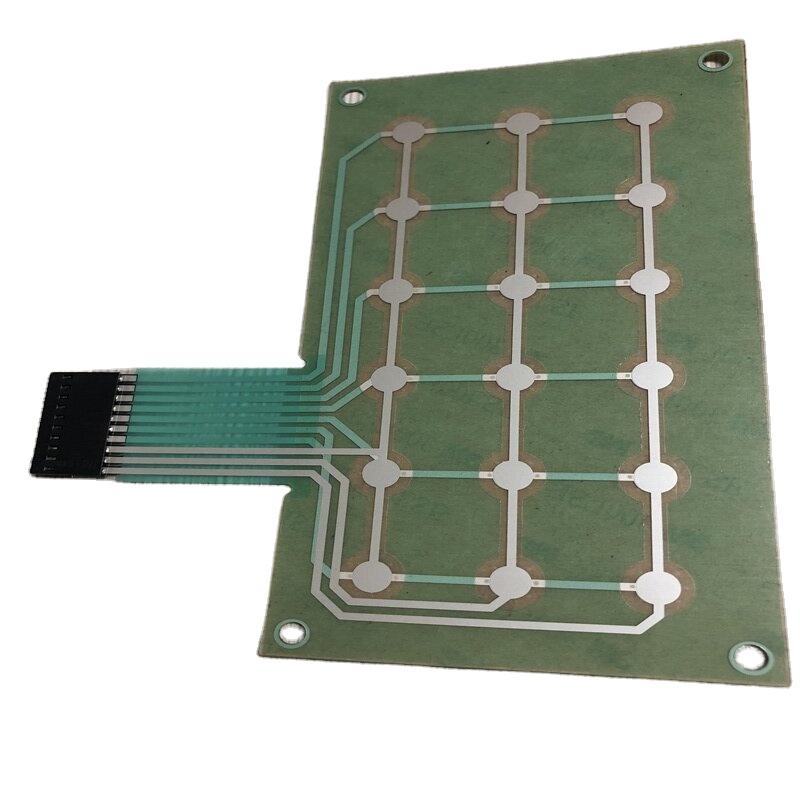
Yes. A primary strength at Dongguan Ravo Electronics Co., Ltd. is our hybrid assembly line. We fabricate the compression-molded silicone rubber keypad, bond it securely via high-performance silicone-to-plastic pressure-sensitive adhesives (such as 3M 9448A, 3M 467MP, or custom corona-discharge priming treatments), and mate it perfectly to an underlying silver-ink printed PET membrane circuit, polyimide FPC, or rigid FR-4 PCB.
What electrical resistance can we expect from conductive carbon pills?
Standard high-grade carbon pills yield contact resistance between 50Ω and 150Ω when compressed against gold-plated or nickel-plated PCB contact fingers at standard actuation force (150g–250g). For high-precision applications requiring ultra-low impedance, we also manufacture low-resistance gold-doped pills or integrate nickel-carbon hybrids capable of sustaining resistance under 10Ω over 1,000,000 operations.
What are the minimum prototype order quantities (MOQ) and lead times?
To support rapid prototyping for engineering validation and clinical trials, our prototype tooling MOQ starts from just 1 to 10 pieces. After drawing and DFM approval, first-article samples are typically shipped within 7 to 14 business days. Mass production volume runs typically scale at 100 to 5,000+ pieces with standard repeating reorder lead times of 12 to 18 business days.
How is complete light-bleed prevention guaranteed on laser-etched keys?
We use multi-pass automated spraying robots to apply a high-opacity light-blocking primer undercoat prior to spraying the final decorative cosmetic surface color. This opaque barrier layer possesses zero pinhole porosity. Our fiber laser ablation system is calibrated to excise solely the opaque topcoat to the precise depth where the translucent substrate begins, preventing halo light bleeding or lateral optical cross-talk between adjacent keys.
Are materials compliant with RoHS, REACH, and medical FDA standards?
All raw silicone gums, cross-linking curing catalysts, conductive pills, color pigment concentrates, and spray coats are rigorously vetted and certified. We supply certified third-party SGS/TUV material test reports validating compliance with EU RoHS 2.0 (Directive 2011/65/EU and amendments), REACH SVHC candidate lists, and FDA 21 CFR 177.2600 for food and medical skin contact.
Accelerate Your Custom Silicone Keyboard Project Today
Transfer your 2D CAD layouts, 3D STEP models, or interface requirements to Dongguan Ravo Electronics Co., Ltd. Our engineering team reviews all tolerances, webbing kinematics, and circuitry to return an exhaustive DFM report within 2 hours.
 EN
 DE
 FR
 ES
 RU
 JA