IP67 Waterproof
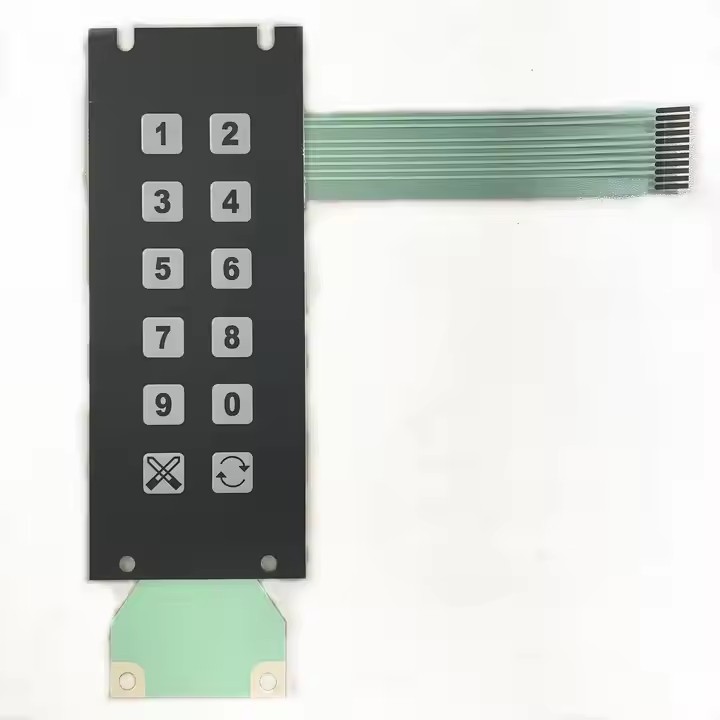
Fuel Dispenser Silk Screen Non-Tactile Keyboard
- Hydrocarbon & Fuel Resistant Overlay
- 3M 468MP High-Shear Adhesive Backer
- Flat Flush Profile for Zero Dirt Trap
 EN
 DE
 FR
 ES
 RU
 JA
Precision-fabricated in our Dongguan facility under class 10,000 cleanroom environments. Each switch configuration matches custom circuit schematics, custom embossed tactile profiles, and certified environmental ratings.
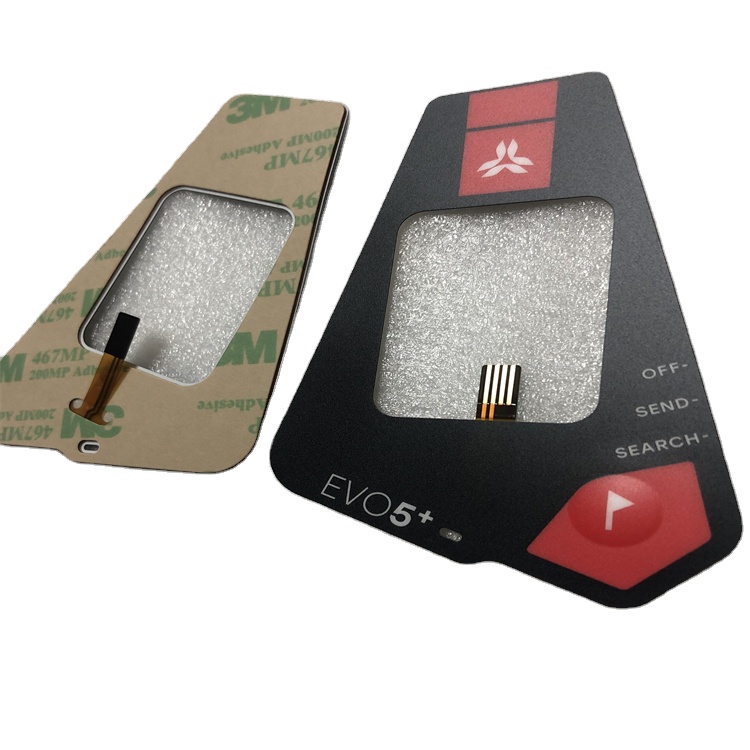
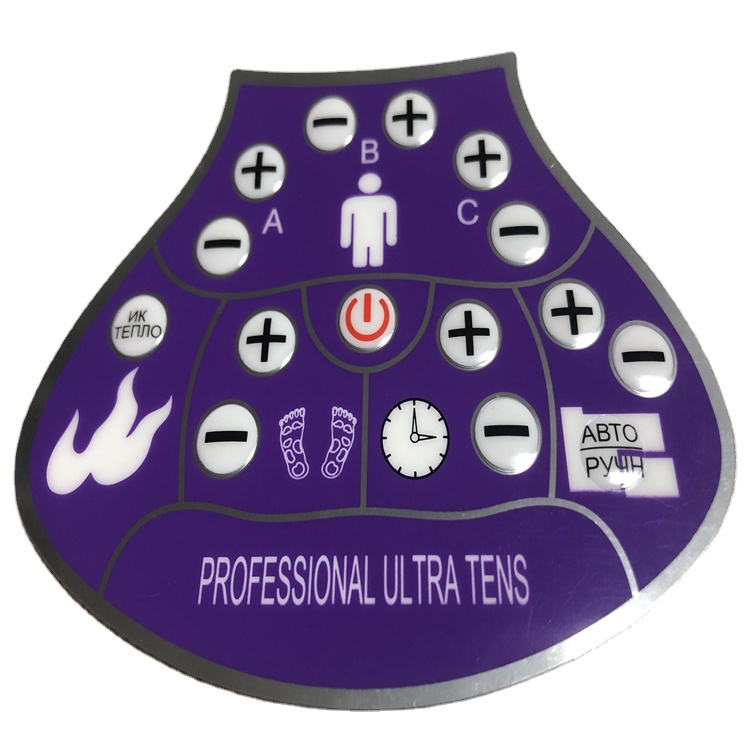
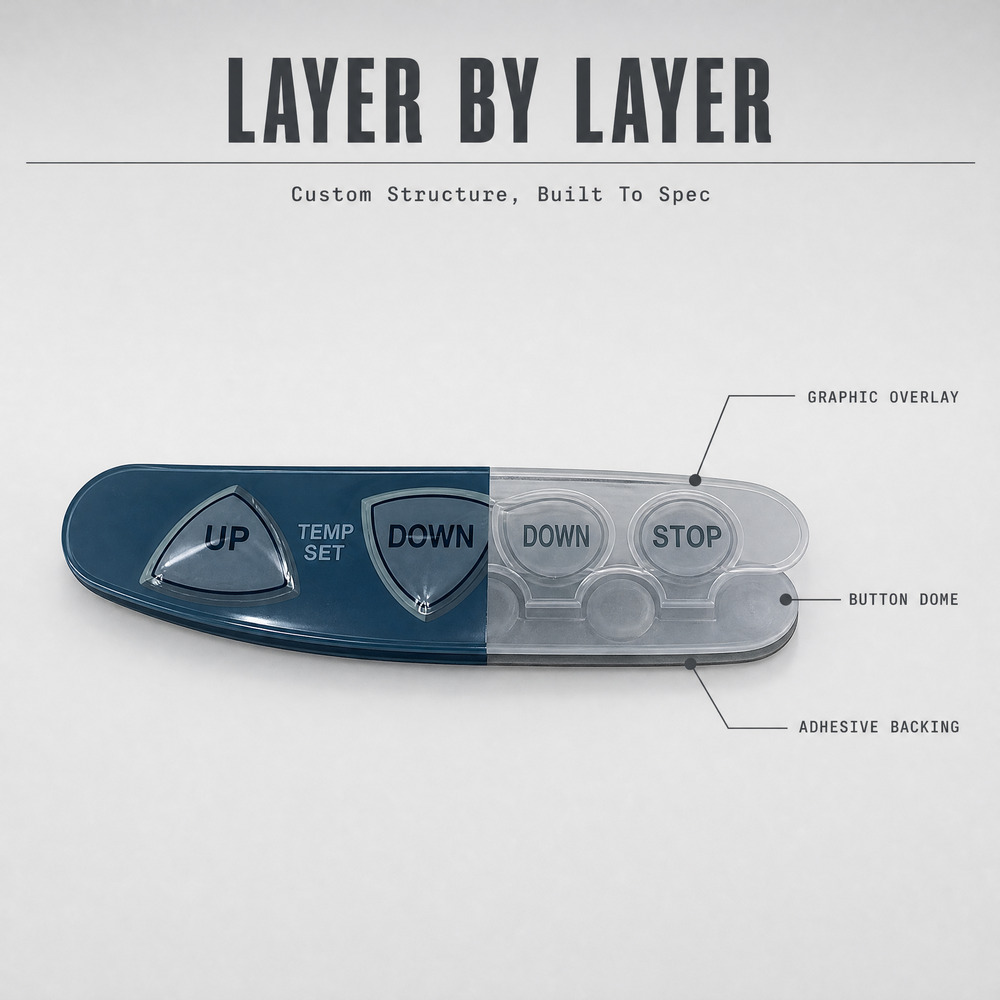
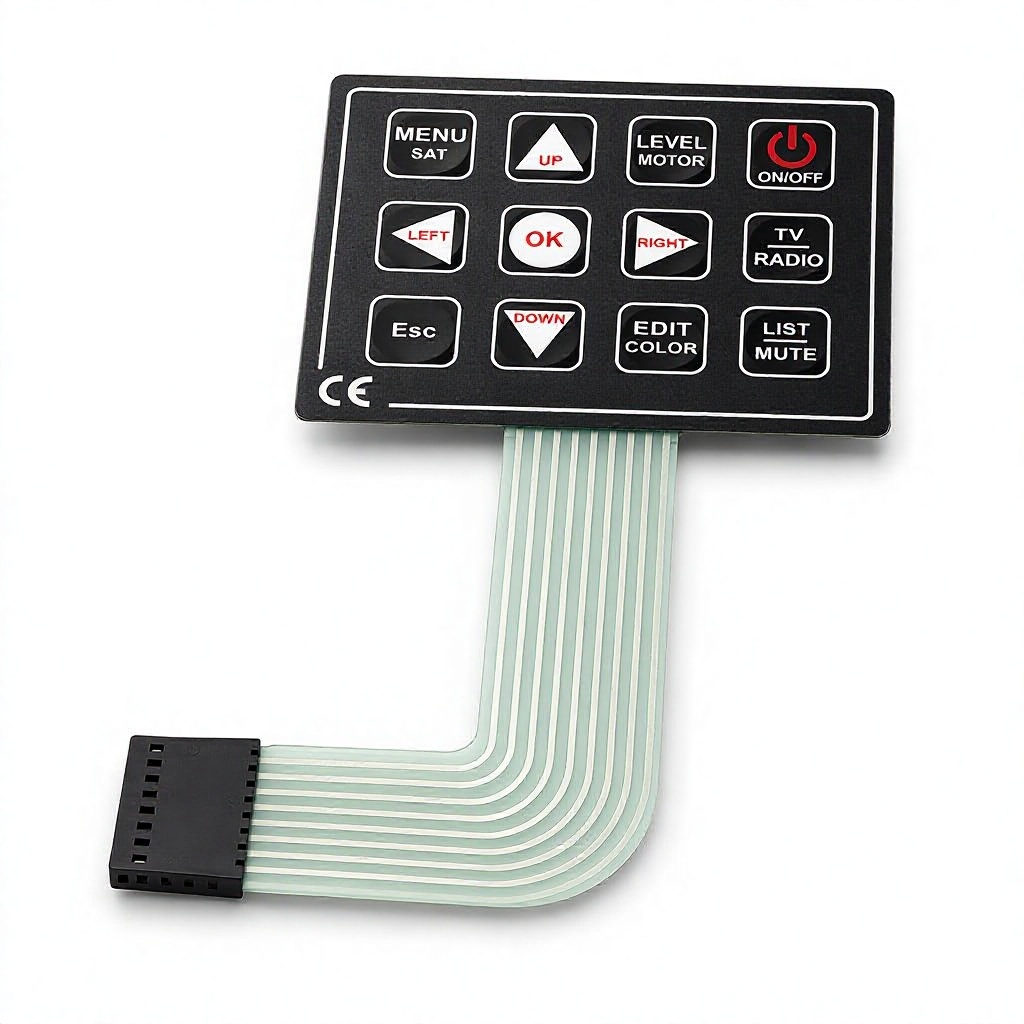
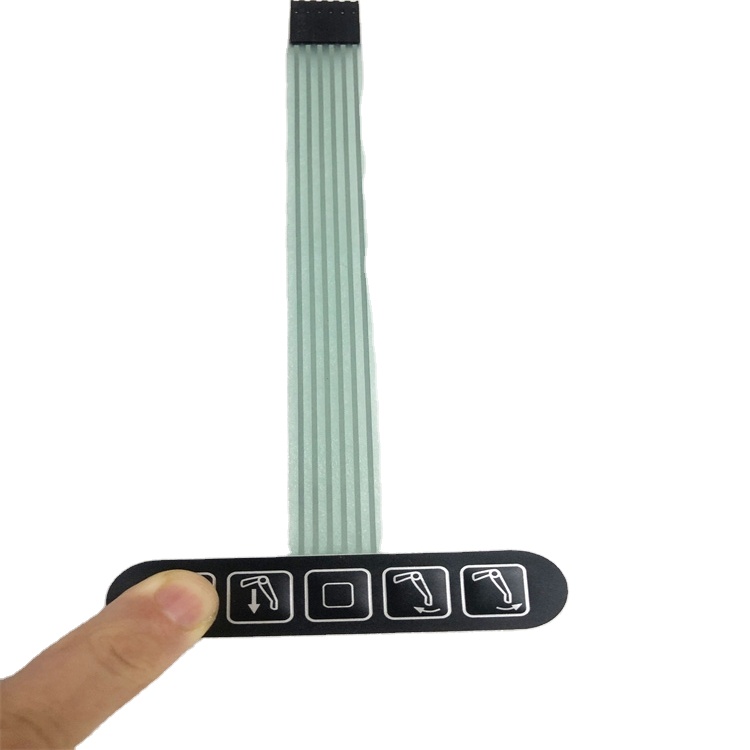
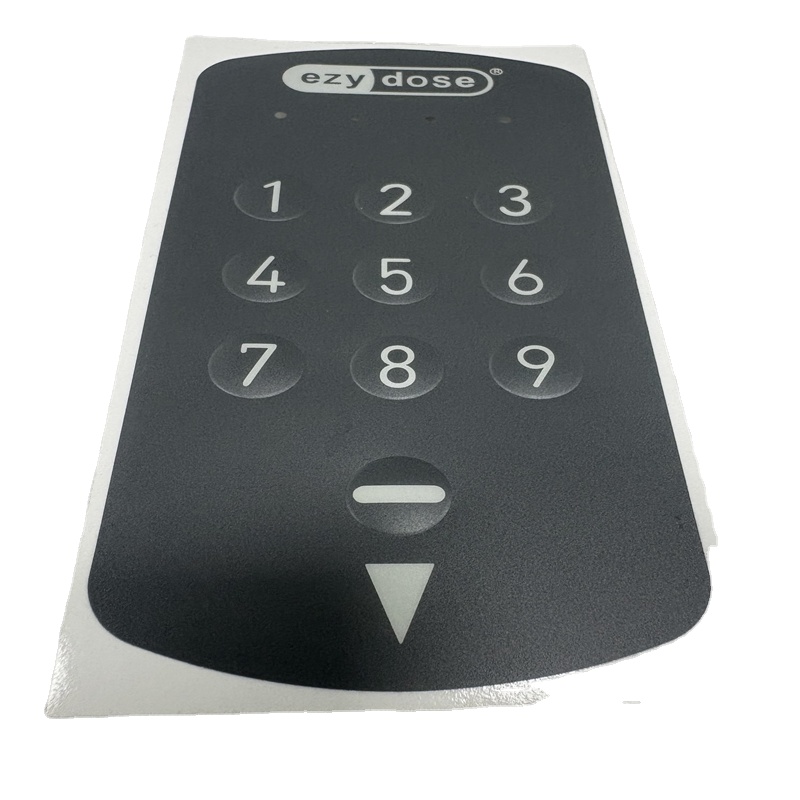
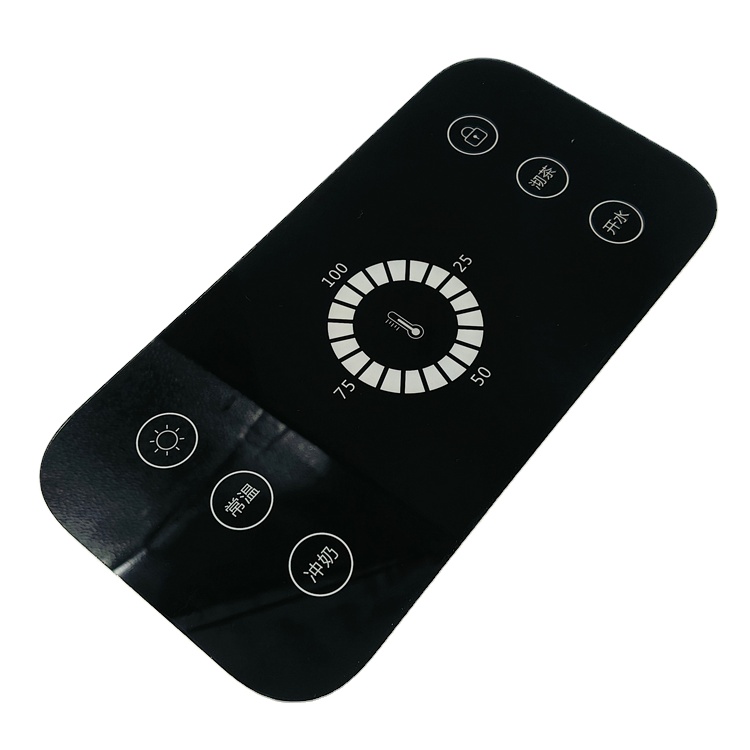
Building a truly waterproof membrane switch goes far beyond standard surface adhesion. Achieving verified IP65, IP67, or subsea IP68 ratings demands meticulous structural balancing of pneumatic air displacement, hydro-lock prevention, perimeter adhesive cohesion, and hermetic tail sealing.
Standard commercial membrane switches rely on intermittent adhesive borders that leak under pressurized liquid spray. Ravo engineers a continuous, un-interrupted closed-loop adhesive frame utilizing modified acrylics (such as 3M 200MP or 300LSE). By routing the circuit traces internally and creating an independent perimeter barrier, moisture cannot bridge between conductive tracks, even under sustained immersion.
When an operator depresses a tactile metal dome inside a hermetically sealed switch cavity, air is displaced. If the air has nowhere to vent, back-pressure creates "hydro-lock," dampening tactile feedback and causing switch actuation failures. Ravo incorporates internal sub-surface micro-venting channels fitted with hydrophobic ePTFE (expanded polytetrafluoroethylene) membranes, equalizing pressure without ingress.
Over 75% of field failures in wet-environment membrane keypads occur where the flexible connector tail exits the switch envelope. Liquid travels along the microscopic seams of the circuit layers via capillary draw. Ravo applies dedicated UV-curable dielectric potting dams, hot-melt silicone barriers, or ultrasonic perimeter welding around the tail transition zone to establish a permanent moisture block.
| Substrate Material | Actuation Flex Life | Chemical Resistance (Acids/Oils) | Outdoor UV Stability (ASTM G154) | Thermal Window | Primary Industrial Use Case |
|---|---|---|---|---|---|
| Autotex XE Biaxial PET | > 5,000,000 cycles | Exceptional (Alcohols, Ketones, Petrochemicals) | High (Barrier Coat resists yellowing >5 yrs) | -40°C to +85°C | Marine consoles, outdoor fuel dispensers, agricultural HMI |
| Bayer Makrofol Polycarbonate | ~ 100,000 cycles (Prone to fatigue micro-cracking) | Moderate (Attacked by aromatic hydrocarbons) | Fair (Requires specialized UV stabilizer films) | -30°C to +105°C | Indoor test gear, medical monitors, commercial display panels |
| Molded Medical Silicone | > 1,000,000 cycles | High (Tolerates bleach, chlorhexidine, autoclave) | Excellent (Inherent natural UV inertness) | -45°C to +150°C | Surgical keyboards, ICU controllers, offshore handhelds |
| Polyimide (Kapton) FPC | > 10,000,000 flexures | Impervious to virtually all industrial chemicals | High (Internal buried routing substrate) | -50°C to +125°C | High-vibration aerospace, dense interconnect robotics |
Established in 2003 in Fenggang Town, Dongguan, China, Dongguan Ravo Electronics Co., Ltd. has grown from an artisan screen-printing lab into a modern, vertically integrated 12,000 m² advanced HMI production campus. We provide turnkey OEM and ODM solutions spanning precision screen printing, automated CNC cutting, laser embossing, cleanroom dome placement, and high-frequency lamination under one roof.
Our dedicated engineering team operates with an average response time of ≤2 hours for Design for Manufacturability (DFM) reviews. By managing graphic overlay production, circuit deposition, and final electrical testing internally, we eliminate subcontracting delays and enforce strict traceability across all global shipments.
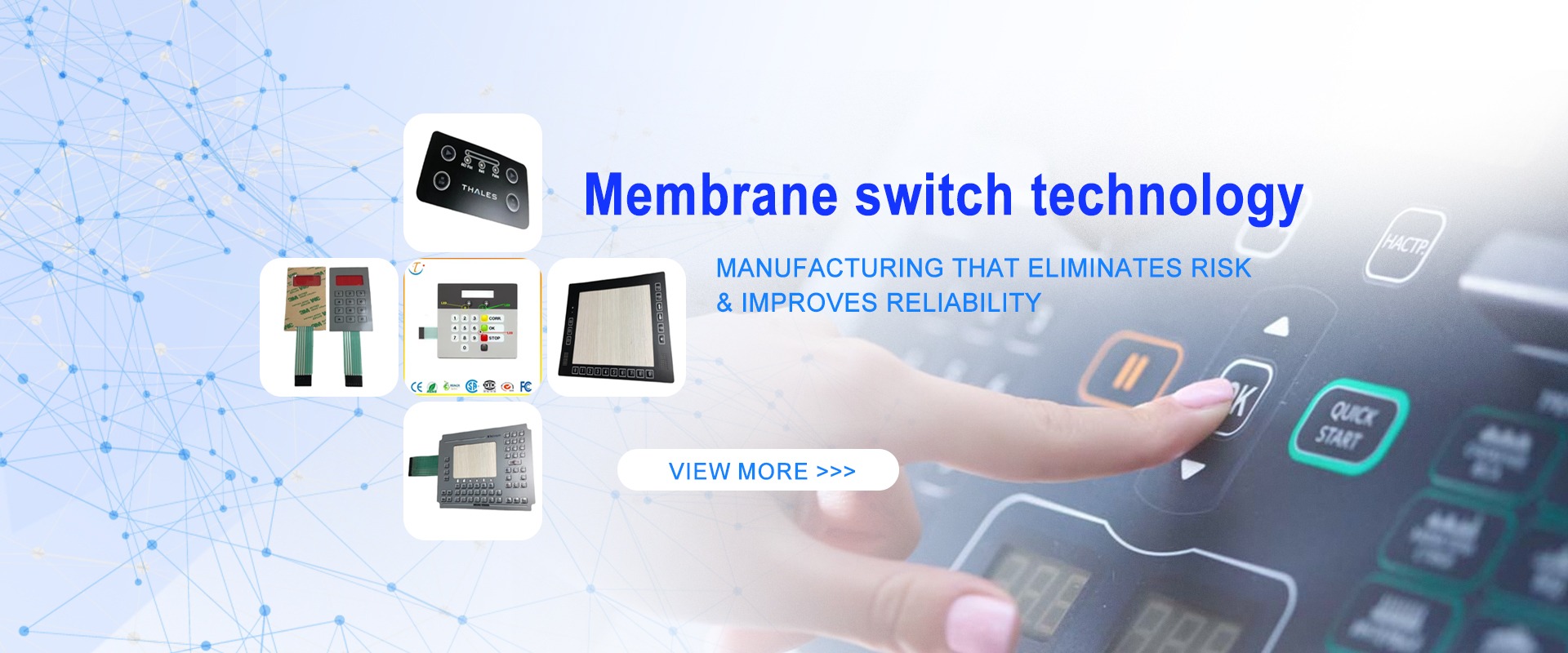
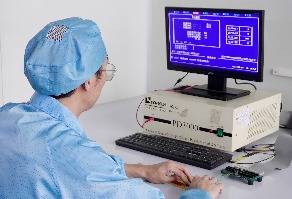
Climate-controlled dust-free assembly and multi-layer structural lamination.
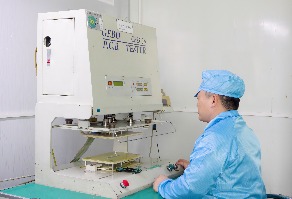
Micron-level registration alignment for conductive silver, carbon, and graphic inks.
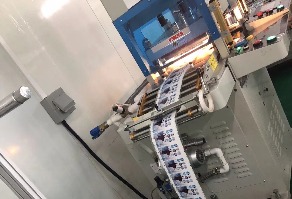
Tolerances down to ±0.05mm for complex adhesive perimeter gaskets and spacer windows.
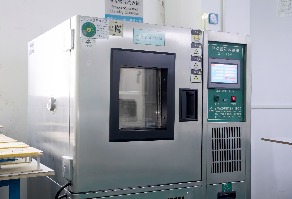
Computerized trace continuity, contact resistance verification, and dome stroke profiling.
Procurement directors and systems engineers face an evolving component landscape. As modern industrial hardware converges toward connected, miniaturized, and ruggedized architectures, membrane switch procurement is shifting toward higher technical integrations.
Procurement teams are moving away from purely mechanical keypads in favor of hybrid designs that marry flush capacitive sliders with physical, metal-dome-backed confirmation keys. This configuration delivers the sleek, easily sanitizable aesthetics of glass consoles alongside the physical tactile feedback mandated for safety-critical emergency shut-offs and gloved industrial operations.
While screen-printed conductive silver ink remains cost-effective for static layouts, OEMs in automotive diagnostics, medical robotics, and subsea controllers increasingly specify etched copper Polyimide (FPC) backbones. FPC circuits virtually eliminate silver migration failures in high-humidity zones, permit ultra-dense trace spacing, and allow direct reflow soldering of active SMD components.
Bulky, uneven discrete LED illumination is being replaced by micro-etched Light Guide Films (LGF). Modern procurement demands ultra-thin (<1.2 mm) profiles where light from side-firing SMDs is uniformly redirected through specific switch legends, providing dead-front indicators and night-vision-friendly illumination without generating excessive thermal hotspots.
Post-pandemic medical device guidelines enforce intensive, round-the-clock surface wipe-downs with harsh quaternary ammonium compounds, isopropyl alcohol, and sodium hypochlorite. Sourcing specifications now mandate chemical-grade biaxially oriented PET foils treated with micro-textured antimicrobial barriers that do not wash off or degrade over years of sterilizations.
Procurement managers are increasingly embedding pressure-sensitive arrays (FSRs) beneath graphic overlays. Rather than binary ON/OFF signals, industrial HMIs now detect variable finger pressure to modulate motor speeds, control surgical robotic arms, or manage vehicle seat occupancy detection, eliminating external transducer assemblies.
With expanding North American and European EPA regulations targeting polyfluoroalkyl substances (PFAS) and halogenated flame retardants, tier-1 electronics brands are auditing supplier supply chains. Ravo leads this compliance shift by engineering solvent-free acrylic adhesives and RoHS 3 / REACH SVHC compliant material stacks across all product classes.
How materials science, automated optical alignment, and nanostructured surface coatings are redefining environmental survivability in industrial electronics.
The next frontier in waterproof HMI design is In-Mold Electronics (IME). By screen printing conductive inks directly onto a thermoplastic decorative sheet and thermoforming it into a complex 3D contoured housing, the interface panel and enclosure merge into a seamless solid-state block. This architecture eliminates physical seams, holes, and gaskets, creating absolute immunity to pressurized water jets (IP69K).
Conventional silver inks suffer from micro-fractures under repetitive high-pressure key embossing. New ink formulations engineered with carbon nanotubes (CNTs) and conductive graphene platelets provide enhanced flexural modulus. Traces can undergo aggressive 180° bends around tight enclosure radii with zero resistive drift, preventing trace opens even after millions of actuations.
To meet zero-defect mandates for mission-critical medical and automotive tiers, manual visual inspection is obsolete. Ravo implements automated high-resolution optical inspection (AOI) lines that verify every printed sheet for trace width consistency down to 25 microns, detects pinpoint pinhole defects in dielectric coatings, and evaluates LED placement alignment within millisecond cycles.
Key technical answers to address risk factors, specifications, and quality guarantees before placing your first custom OEM production run.
We achieve IP67/IP68 ingress ratings by combining a continuous closed-cell adhesive perimeter ring (using 3M 200MP or 300LSE series high-performance transfer films) with specialized hydrophobic ePTFE vent membranes. These vents equalize pressure during rapid temperature shifts while completely blocking liquid water. Furthermore, the connector tail exit is fully encapsulated using potting dam technology to eliminate capillary liquid draw.
Stainless-steel metal domes provide a sharp, crisp tactile snap with customizable actuation forces ranging from 180g to over 500g, rated for 1,000,000 to 5,000,000 operations across broad temperature windows (-40°C to +85°C). Polydomes are thermoformed directly into the PET film; while more economical and flatter, their tactile crispness softens over high cycle counts or under elevated ambient temperatures.
Polycarbonate (PC) is ideal for applications requiring high optical clarity, heavy 3D embossing, or self-extinguishing flame retardant properties (UL94 V-0). However, if your device involves continuous key flexure (>100,000 actuations) or exposure to harsh industrial chemicals, alcohols, and UV light, biaxially oriented PET (such as Autotex XE) is mandatory to prevent fatigue cracking and environmental haze.
For low-surface-energy (LSE) substrates like Polypropylene (PP), Polyethylene (PE), or heavily powder-coated aluminum castings, standard acrylic adhesives like 3M 467MP will suffer adhesive delamination over time. We engineer these specific switches using 3M 300LSE or 3M 9471LE modified high-tack acrylic adhesives, delivering peel adhesion exceeding 25 N/100mm.
Yes. We integrate miniature top-fire or side-fire SMD LEDs directly into spacer cutouts on PET or FPC circuit layers using anisotropic conductive adhesives or high-temp solder paste. Combined with Light Guide Film (LGF) layers, we achieve razor-thin uniform illumination with complete hermetic encapsulation, preventing moisture from contacting electrical solder joints.
Every shipment from Dongguan Ravo Electronics includes a formal Certificate of Conformance (CoC), 100% trace continuity test records, contact resistance verification sheets (<100 ohms standard), and raw material RoHS / REACH compliance certifications. First Article Inspection (FAI) reports and actuation force displacement curves are provided upon request.
Following drawing sign-off and DFM approval, functional prototypes typically complete fabrication and test within 7 to 10 business days. Standard tooling, laser-cut steel dies, and screen frames are manufactured in-house. Volume production runs typically ship within 15 to 20 working days depending on total order volume and custom connector availability.
We integrate dedicated continuous screen-printed silver grid layers, carbon conductive barriers, or solid aluminum foil shielding sheets situated directly below the graphic overlay. This ESD layer is routed to an independent ground pin or chassis grounding tab, safeguarding internal microprocessors against static discharges up to 15kV to 25kV (IEC 61000-4-2 standard).
Submit your CAD DXF/DWG mechanical layouts, vector graphic artwork (AI/PDF), and schematic details. Our senior engineering team in Dongguan will return a comprehensive Design for Manufacturability (DFM) assessment and factory-direct quote within ≤ 2 hours.
