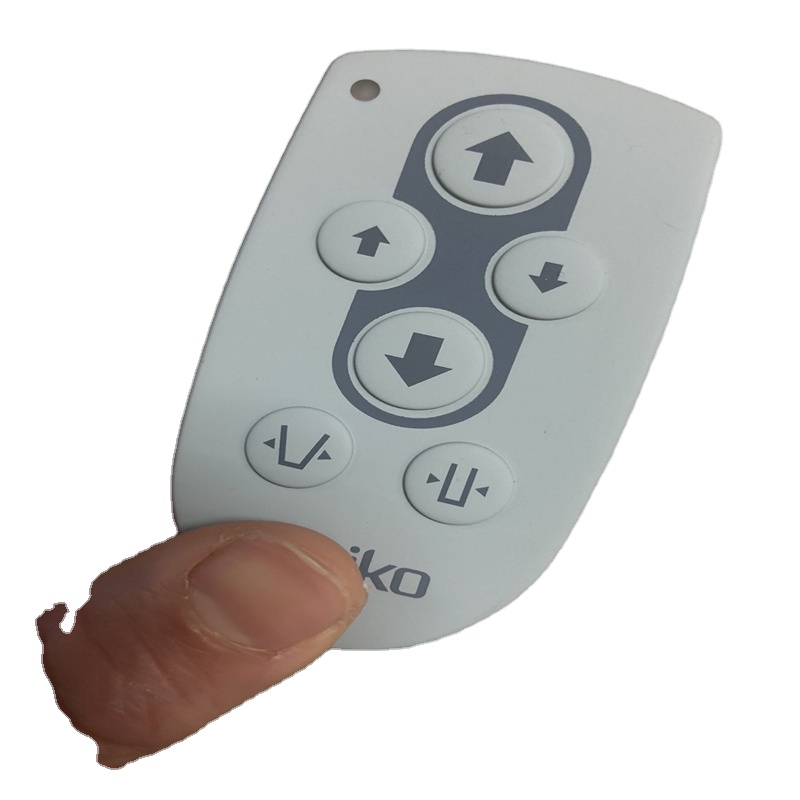
Custom Silicone Rubber Membrane Switch Keypad Metal Dome Tactile Integrated LED Backlighting for Medical Device Control Panel
Medical-Grade
LED Backlit
Tactile Dome
 EN
 DE
 FR
 ES
 RU
 JA
Engineered for mission-critical tactile feedback, environmental durability, and seamless integration across industrial, medical, and smart IoT controls.
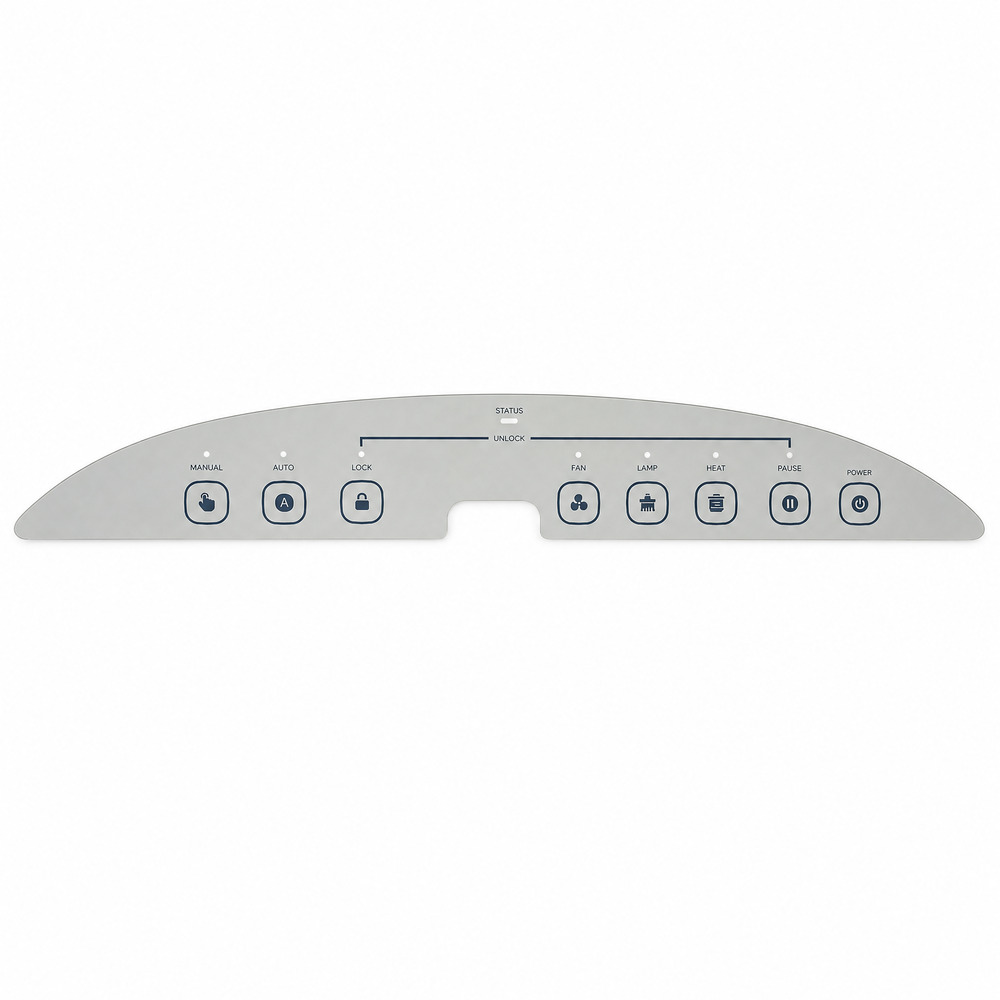
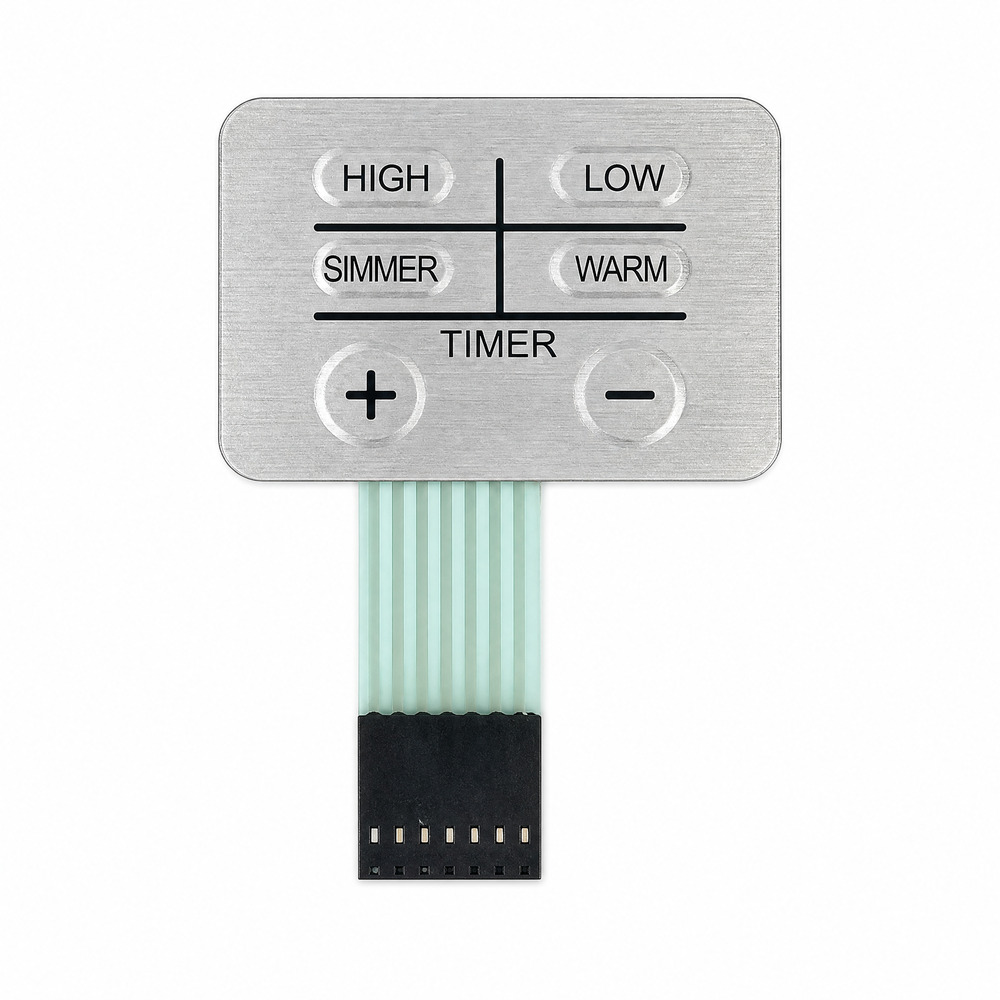
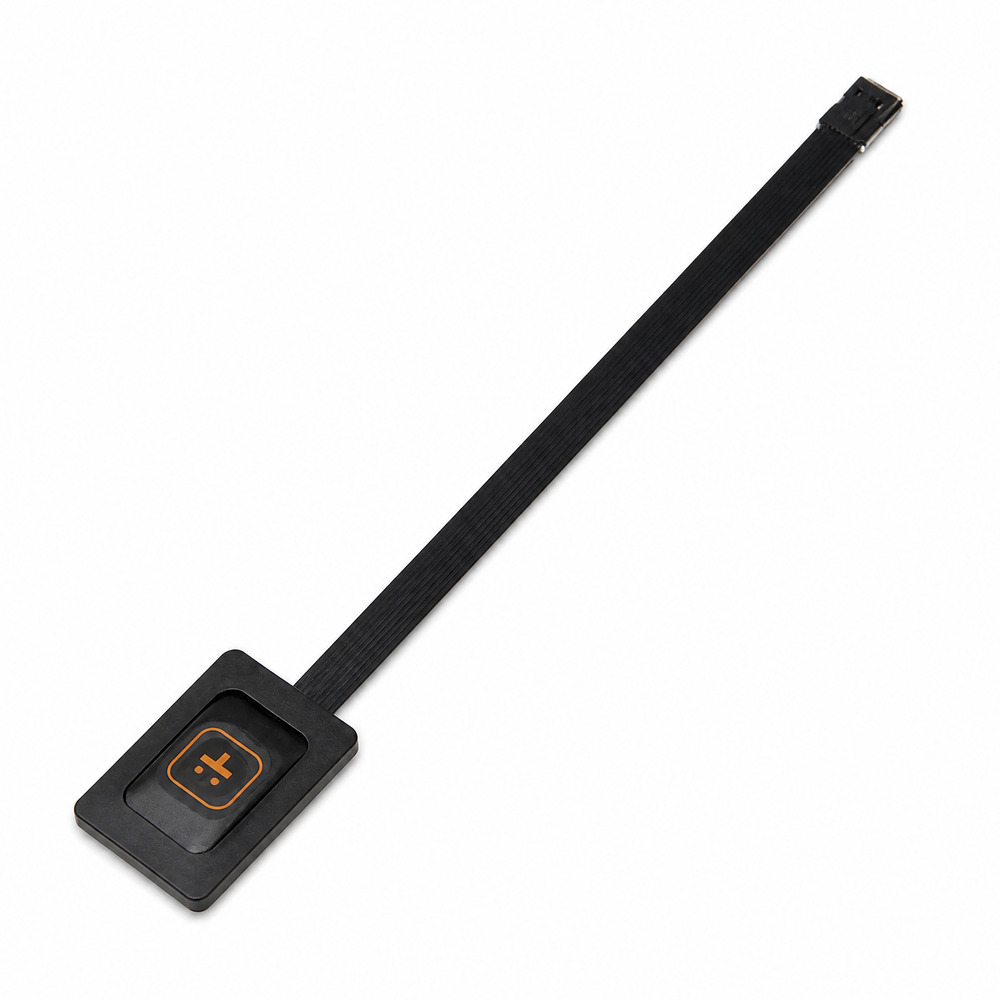
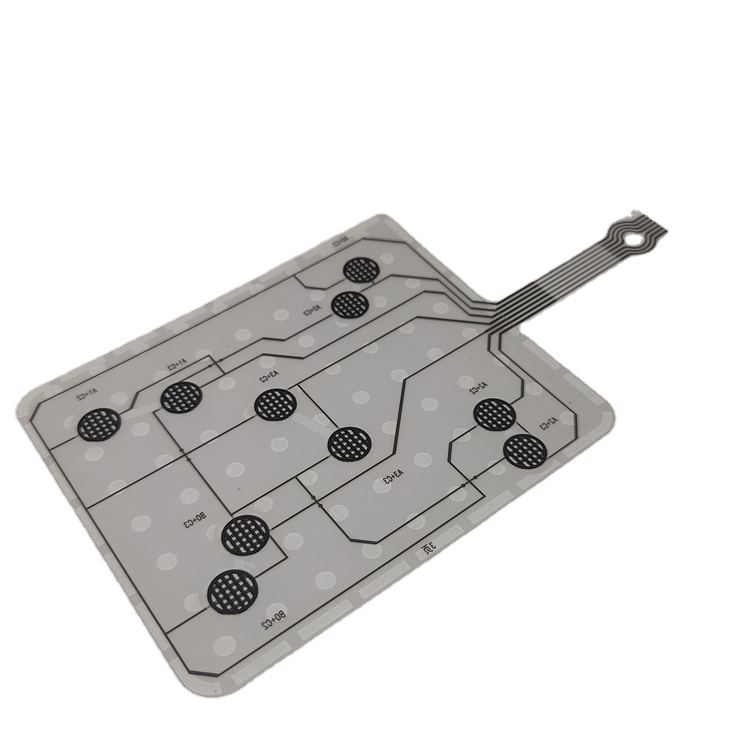
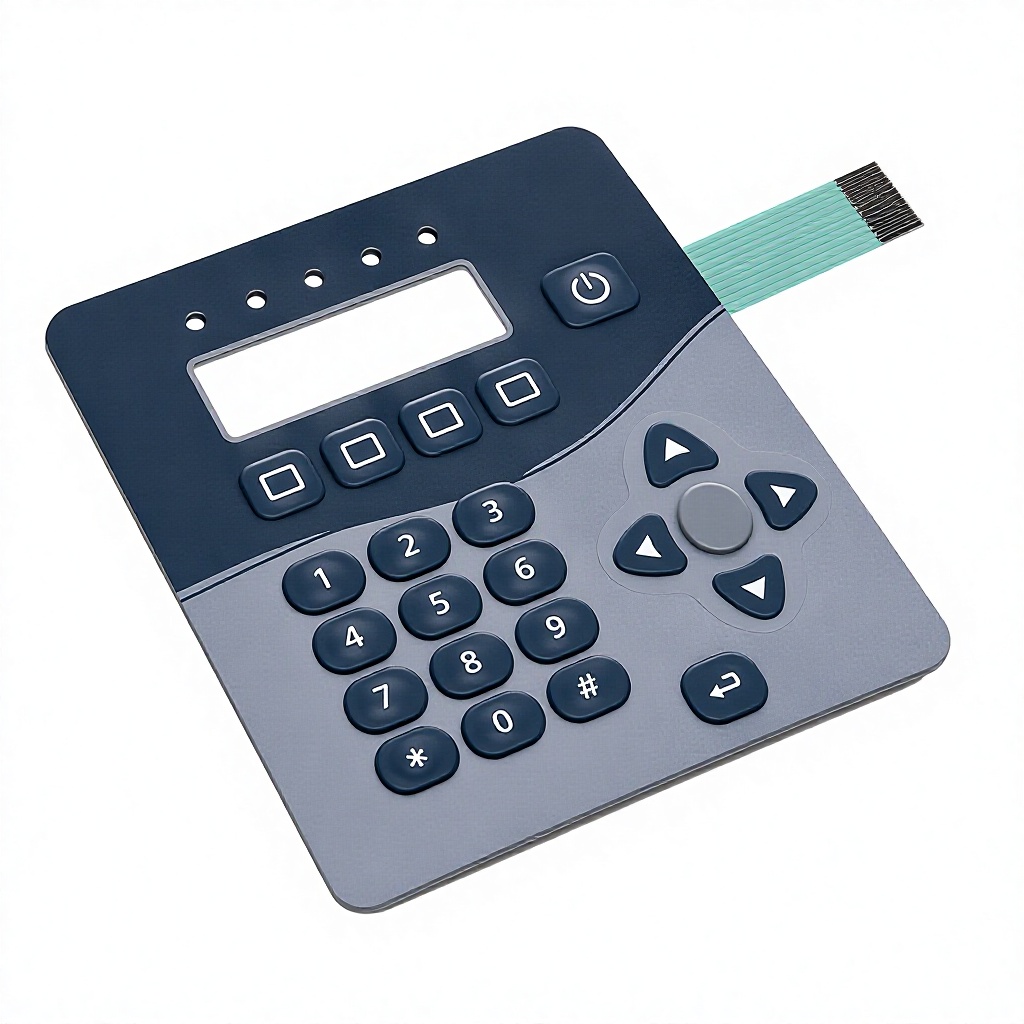
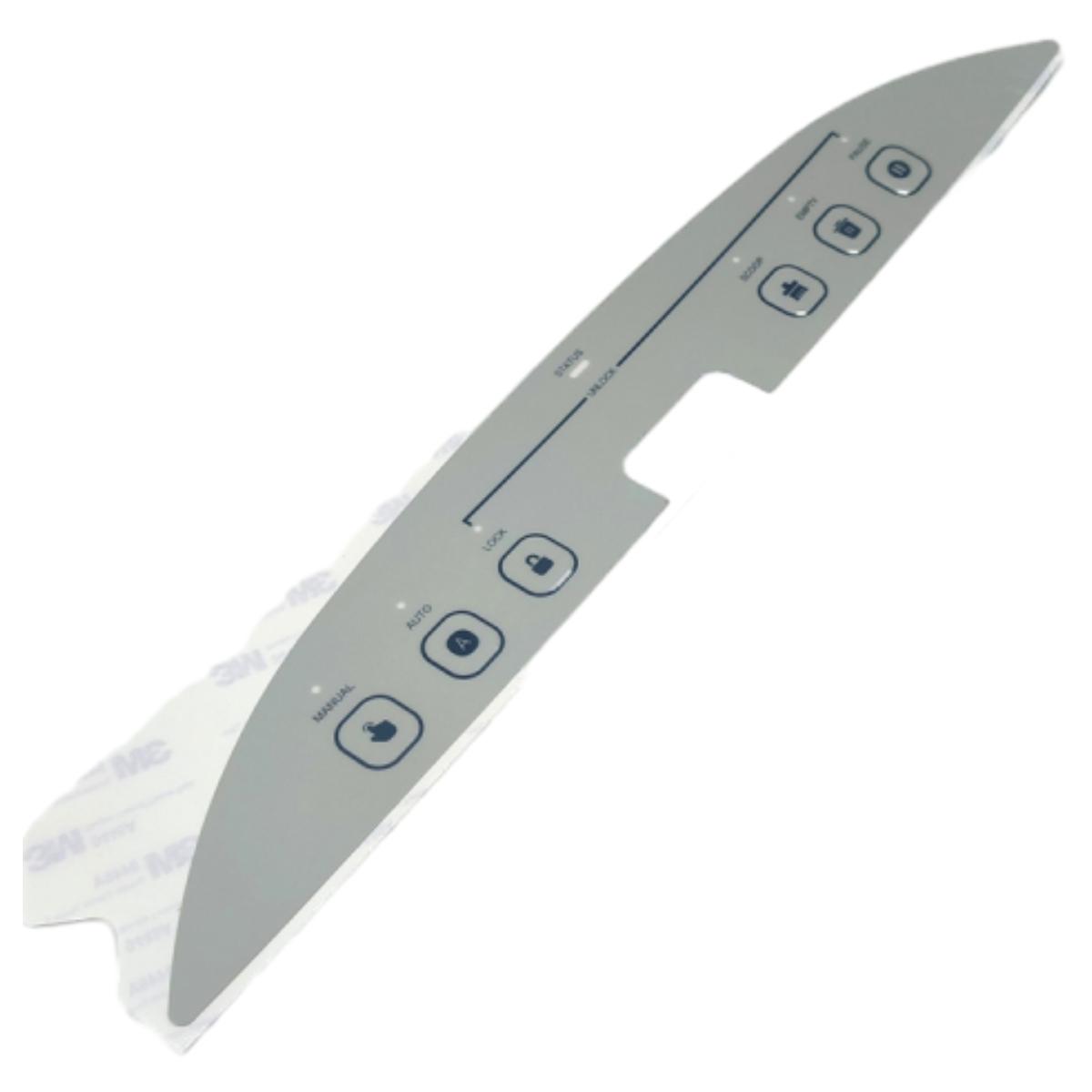
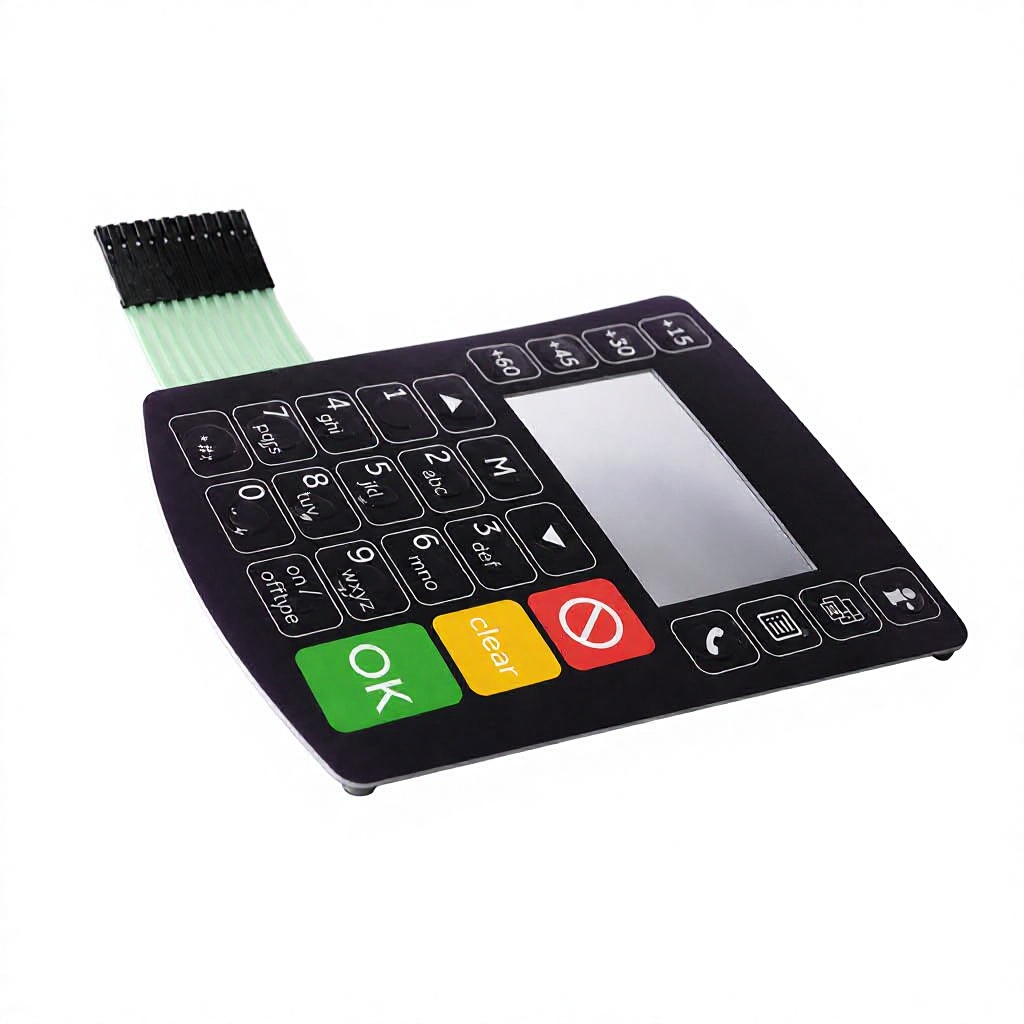
In modern electromechanical design, the Silver Flex Circuit—also classified in electronic manufacturing as Polymer Thick Film (PTF) flex circuitry—occupies a unique, high-efficiency niche bridging conventional rigid PCBs and cost-prohibitive etched copper polyimide (FPC) substrates. Utilizing high-purity micro-flake silver particulates suspended within specialized thermoplastic polymer binders, these circuits are screen-printed directly onto optical-grade biaxially-oriented polyethylene terephthalate (PET) or polyimide films.
For international original equipment manufacturers (OEMs), contract electronics manufacturers (CEMs), and design engineering groups across Europe, North America, and the Asia-Pacific, sourcing silver flex circuits from certified Chinese exporters provides a substantial bill-of-materials (BOM) dividend without compromising functional conductivity or cycle longevity. When correctly formulated, conductive silver ink traces achieve bulk sheet resistance values below 0.05 Ω/sq/mil, accommodating low-voltage signal routing, capacitive touch sensor matrices, electrostatic discharge (ESD) shielding planes, and force-sensitive resistor (FSR) nodes.
Furthermore, the physical dynamics of printed silver on stabilized polyester films present distinct damping characteristics. Unlike work-hardened rolled annealed copper, which can undergo mechanical fatigue, work-hardening, and eventual micro-fracture under repeated tight-radius dynamic creasing, properly cured polymer thick-film silver conductors absorb mechanical shear stress throughout thousands of continuous flex cycles when maintained within designated bend-radius parameters.
| Engineering Property | Polymer Thick Film (PTF) Silver Circuit | Etched Copper Polyimide (FPC) | Rigid FR-4 PCB Interface |
|---|---|---|---|
| Substrate Material | Heat-Stabilized PET (0.075mm – 0.175mm) | Kapton / Polyimide (0.025mm – 0.050mm) | Woven Glass Epoxy FR-4 (0.4mm – 3.2mm) |
| Trace Conductor System | Screen-Printed Micron Silver Flake + Carbon Blend | Subtractive Etched Rolled-Annealed Copper | Etched Electro-Deposited Copper Foil |
| Typical Sheet Resistance | < 0.015 – 0.050 Ω/sq/25µm | < 0.0005 Ω/sq/35µm (1 oz Cu) | < 0.0005 Ω/sq/35µm |
| Component Attachment | Anisotropic / Isotropic Conductive Epoxy (ECA) | Standard Reflow Soldering (SAC305) | SMT / Through-Hole Soldering |
| Tooling & Setup Capital | Ultra-Low (Laser photoplot, mesh screens, steel dies) | Moderate to High (Photolithography masks, etching) | Moderate (Drill files, phototools, routing fixtures) |
| Bend Radius Tolerance | Tight static bending (R > 2mm with carbon overcoat) | Dynamic ultra-tight bending (R > 1mm) | Zero dynamic flex (Rigid structural planes) |
Key technological convergences, material advancements, and supply chain paradigms redefining global procurement workflows through 2026–2030.
Electrochemical silver migration presents an operational hazard when raw silver traces undergo direct current bias in high-humidity ambient environments. Procurement engineering is prioritizing 100% carbon-paste overcoat masking on interdigitated switch terminals and interconnect tail fingers. This hybrid layering arrests silver dendrite crystallization while retaining optimal circuit conductivity.
Global equipment designers are systematically transitioning away from discrete cable harnesses and mechanical push-buttons. Silver flex assemblies now integrate surface-mount technology (SMT) sub-components, such as ultra-low-profile reverse-gull-wing LEDs, thermistors, optical sensors, and decoupling capacitors directly into the flexible substrate, bonding them securely using conductive epoxies.
Modern procurement cycles require rapid agile development. Leading Chinese exporters maintain in-house digital flatbed cutting, high-speed UV inkjet proofing, and precision screen fabrication. This infrastructure compresses typical new-product-introduction (NPI) prototype turnarounds from weeks down to 5–7 operational business days, accommodating lot sizes starting at 1 piece.
The flexible circuit landscape is witnessing an accelerating intersection between basic physical switching and advanced multi-modal environmental detection. As consumer appliances, surgical instruments, and automotive cockpits trend toward continuous, non-intrusive sensor deployment, silver flex circuits serve as the primary operational substrate for dynamic force-sensing resistors (FSR) and printed capacitive touch interfaces.
In force-sensing topologies, micro-structured silver interdigitated finger electrodes interface with elastomeric semiconductive layers. When pressure is exerted, micro-scale physical contact points multiply exponentially, causing a predictable, monotonic drop in electrical resistance. Dongguan Ravo Electronics utilizes proprietary formulations that yield superior repeatability across millions of actuations, with virtually negligible drift under elevated operating temperatures.
Simultaneously, the demand for hermetically sealed human-machine interfaces that withstand chemical washdowns (such as hospital-grade bleach, isopropyl alcohol, and high-pressure steam) has solidified silver flex membrane panels as the industry standard for IP65 through IP67 rated equipment. By combining 3M 467MP/468MP high-performance acrylic adhesives with continuous perimeter barrier gaskets and sealed tail egress tunnels, silver flex switch assemblies permanently isolate sensitive internal electronics from liquids, grease, and particulate ingress.
Over two decades of precision fabrication, technical discipline, and specialized global export logistics.
From initial CAD/Gerber Design for Manufacturability (DFM) verification to precision screen tensioning, clean-room printing, thermal curing tunnels, high-speed hydraulic die-cutting, and final vacuum packing, all operations reside under our 12,000 m² Dongguan facility. This eliminates subcontractor markups and quality drift.
Our frontline engineering team consists of bilingual specialists trained in printed electronics, mechanical tolerances, and industrial design. We review your drawings (DXF, DWG, Step, PDF, AI), evaluate dielectric clearance, trace widths, and bend reliefs, returning comprehensive DFM feedback in under 2 hours.
Every silver flex circuit batch is subjected to rigorous incoming raw material validation (RoHS/REACH compliant PET substrates and Acheson/Henkel conductive inks), 100% automated electrical continuity and isolation testing, adhesive peel force tests, and mechanical tactile dome life cycling exceeding 1,000,000 actuations.
Essential technical and logistical insights addressing international procurement and engineering considerations.
