 EN
 DE
 FR
 ES
 RU
 JA EN DE FR ES RU JA
Manufactured under strict ISO9001 protocols, our membrane pressure sensors, force-sensing matrices, and environmental graphic overlays are tailor-engineered for medical diagnostics, industrial robotics, automotive smart cabins, and rugged consumer hardware.
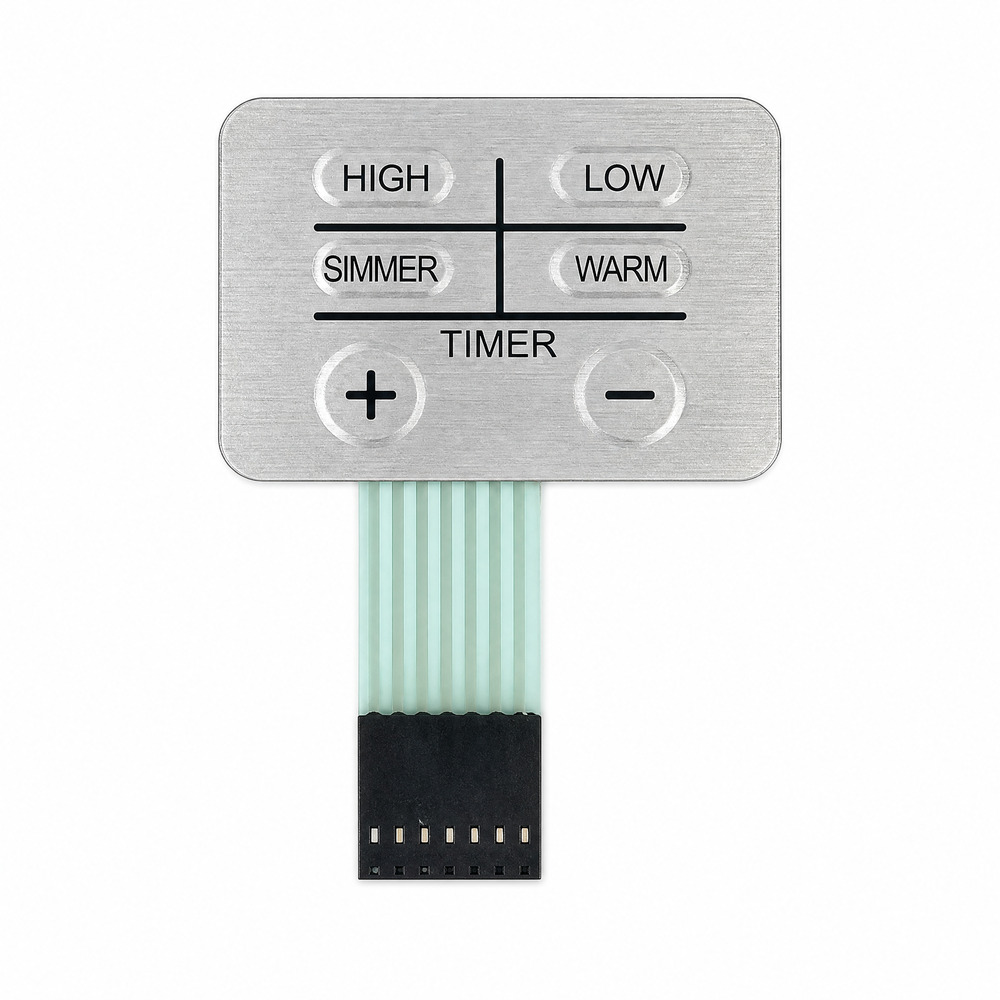
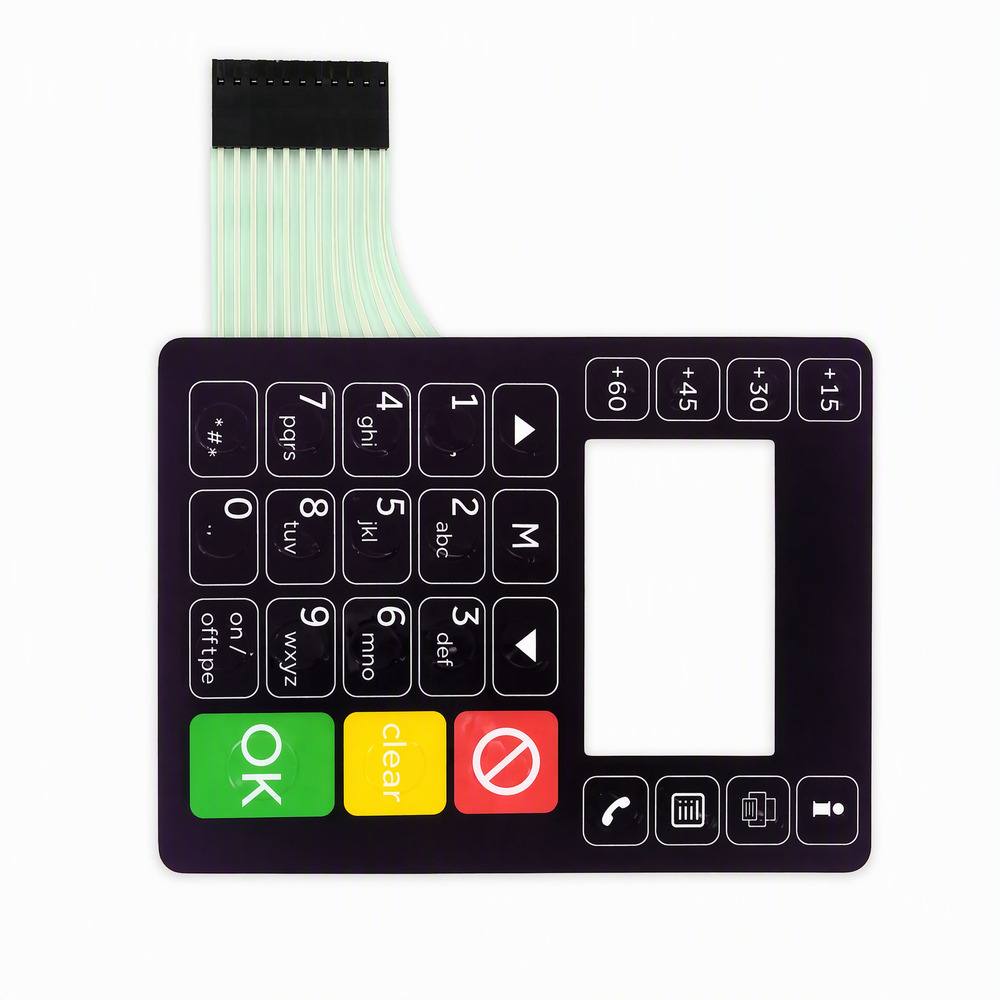
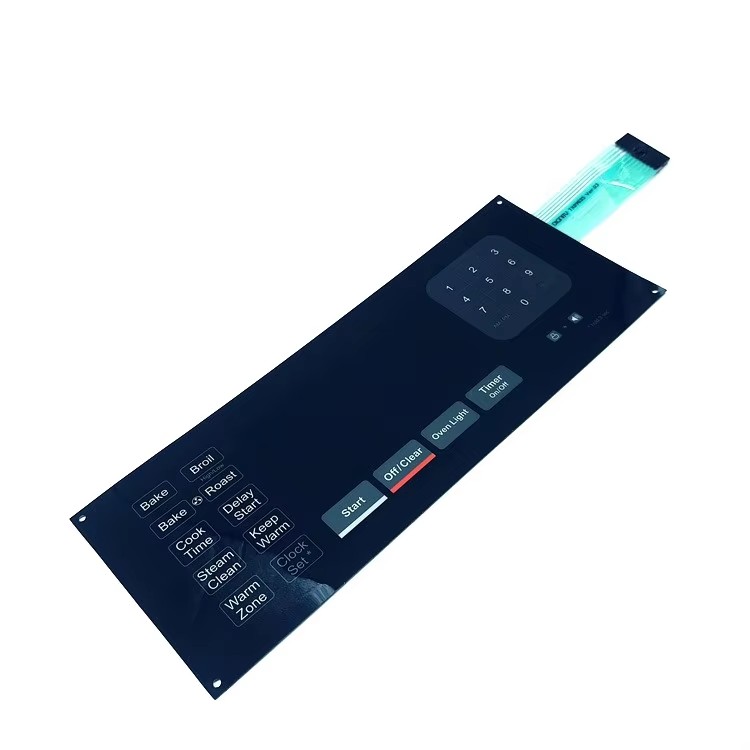
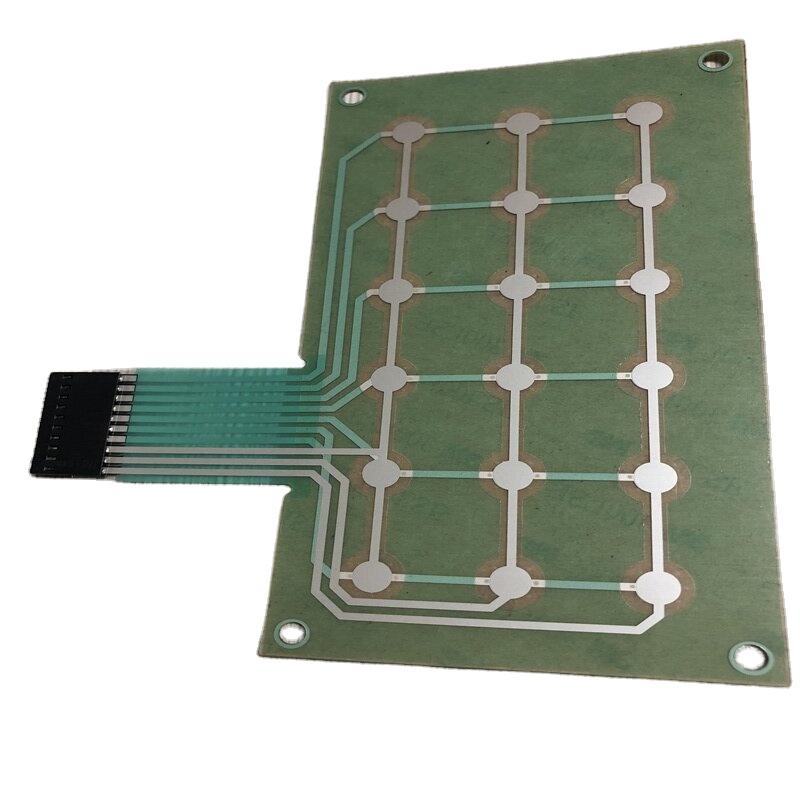
A technical examination of piezoresistive quantum tunneling, force-sensing resistor ink deposition, and multi-layer elastomeric integration.
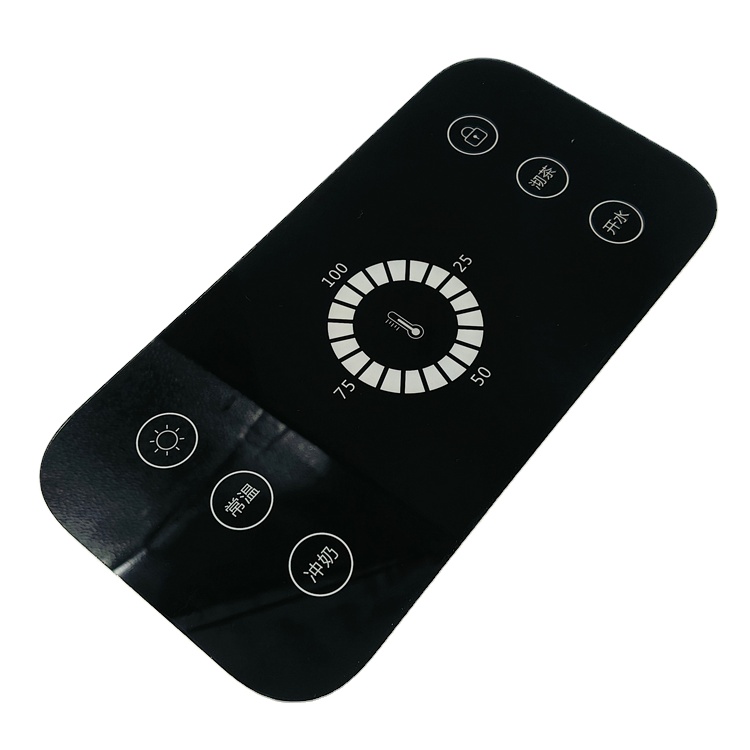
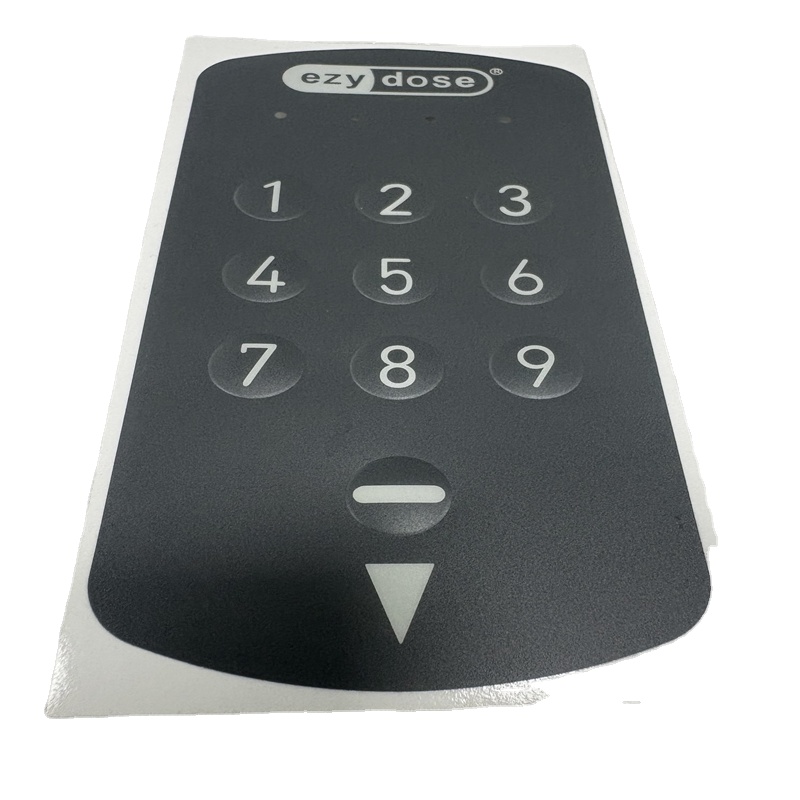
Membrane pressure sensors—frequently designated as Force Sensing Resistors (FSR), thin-film tactile matrices, or dynamic piezoresistive sheets—represent a paradigm shift in human-machine interface (HMI) design and mechanical force quantitation. Unlike conventional rigid mechanical micro-switches or electromechanical load cells, a flexible membrane sensor operates by converting normal mechanical load into measurable electrical resistance deviations. At the microscopic core of this phenomenon is percolation theory and quantum tunneling. Conductive particles (such as specialized semi-conductive carbon paste, vapor-grown carbon fibers, or organometallic silver nanoparticles) suspended within an elastomeric polymer matrix move into closer physical proximity under compressive force, exponentially multiplying conductive pathways and precipitating a deterministic drop in surface sheet resistance.
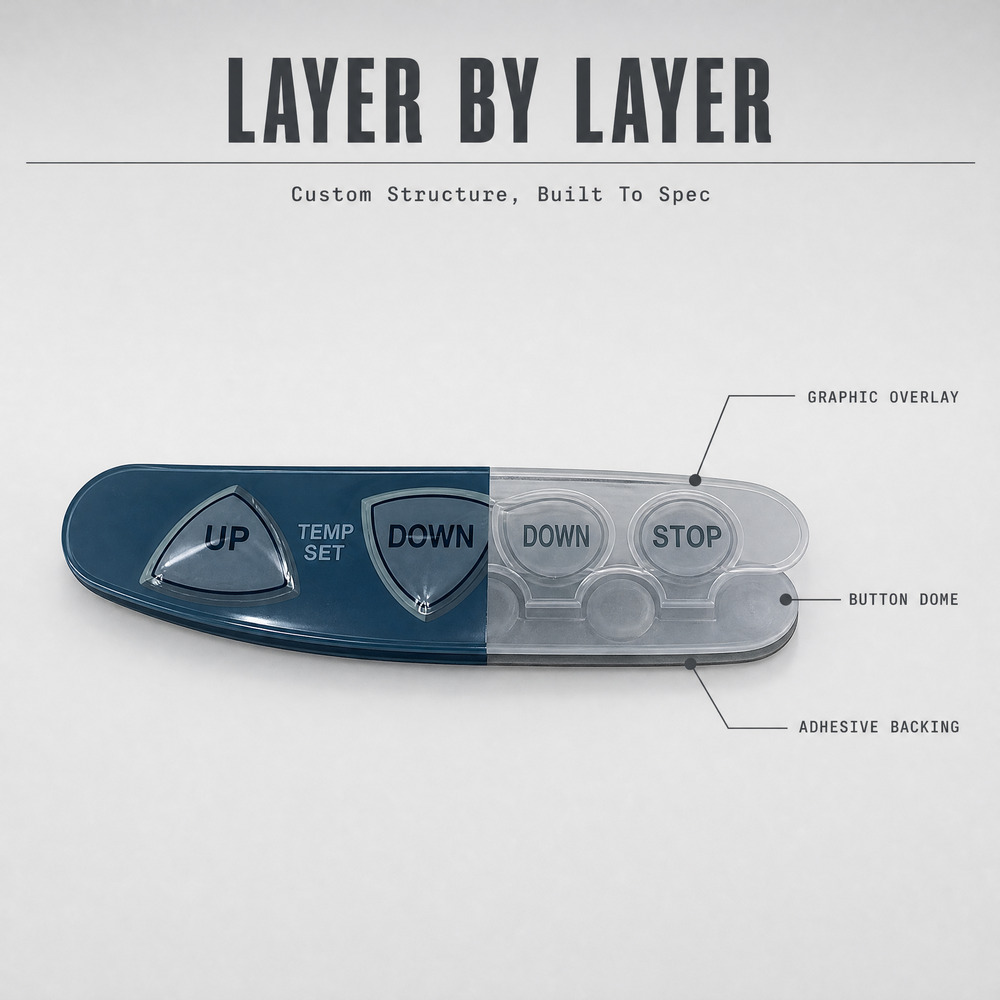
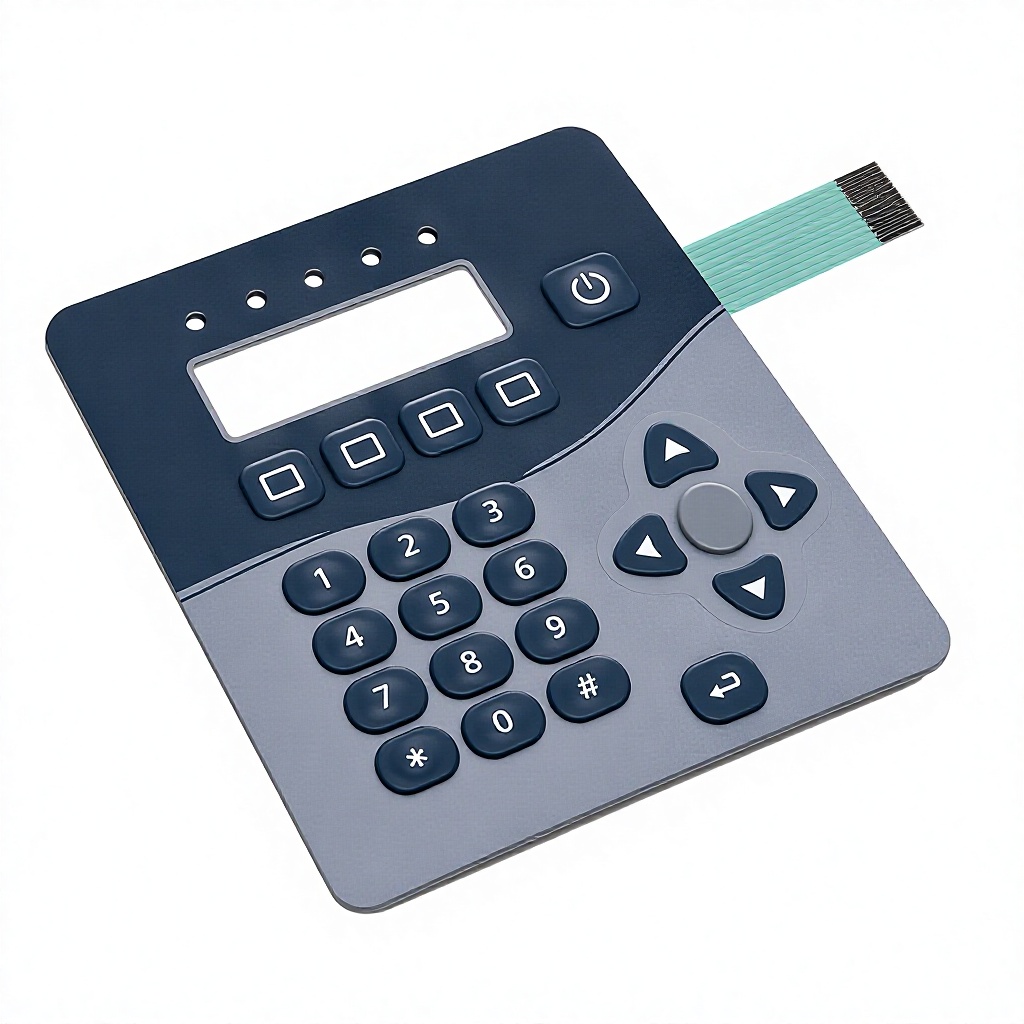
In typical industrial stack-ups manufactured at Dongguan Ravo Electronics, membrane pressure sensors feature a multi-strata topology. The upper substrate generally consists of an optical-grade, heat-stabilized biaxially-oriented polyethylene terephthalate (BOPET) or high-temperature polyimide (PI) film ranging from 0.075 mm to 0.188 mm. The bottom layer hosts precision screen-printed interdigitated silver or carbon electrode electrodes. Separating these conductive faces is a micron-tolerance die-cut spacer bonded with cross-linked acrylic pressure-sensitive adhesives (e.g., 3M 467MP or 3M 9448A). The dynamic sensitivity curve—spanning from gentle actuation forces of 10 grams (0.1 N) up to heavy loads of 100 kg (1000 N)—is calibrated by modifying micro-spacer thickness, particle concentration within the carbon ink formulation, and screen-printing mesh counts.
| Substrate / Architecture Type | Typical Force Range | Actuation Fatigue Life | Environmental Tolerance | Primary Industrial Vector |
|---|---|---|---|---|
| Silver-Carbon Hybrid PET Matrix | 0.2 N – 50 N (Continuous) | > 5,000,000 actuations | -20°C to +70°C; IP65 sealed | Automotive Occupancy, Smart Beds, Floor Gait |
| Flexible Polyimide (FPC) Circuit | 0.5 N – 200 N (Linear response) | > 10,000,000 cycles | -40°C to +125°C; Chemical Proof | Robotic Tactile Arrays, Medical Probes, Aerospace |
| Tactile Metal-Dome Integrated | 1.5 N – 5 N (Snap threshold) | > 1,000,000 tactile snaps | -30°C to +85°C; IP67 perimeter | Diagnostic Handhelds, Defense Keypads, Inverters |
| Silicone Elastomer + Carbon Pill | 0.8 N – 12 N (Custom stroke) | > 2,000,000 cycles | -40°C to +180°C; Dust & Fluid-proof | Ruggedized Controllers, Mining & Marine Consoles |
The elimination of brittle solder joints, mechanical springs, and friction-prone actuators gives membrane pressure sensors unprecedented mechanical compliance. They bend effortlessly around compound curves, integrate seamlessly within narrow enclosures without adding weight, and resist corrosive washdowns that routinely ruin conventional micro-switches. However, engineering high-yield sensors demands strict environmental equilibrium during screen printing: humidity control to prevent silver ion migration, laminar airflow to eradicate particulate contamination, and conveyorized infrared or UV curing to stabilize ink resistance.
How Tier-1 engineering departments, EMS supply chain leads, and global procurement managers are structuring long-term sourcing strategies.
Global procurement teams are shifting away from discrete single-point contact switches to multi-point tactile grid matrices. Demands in surgical robotic manipulators and smart prosthetic grips require arrays with spatial pitches below 1.5mm and sub-gram sensitivity resolutions.
While PET remains the cost champion for standard HMIs, high-temperature polyimide (PI) circuits combined with reflowable SMT micro-controllers are capturing higher procurement budgets. Smart sensors now feature integrated local filtering and analog-to-digital processing directly on the flex tail.
European and North American supply chains require zero-compromise environmental certifications. Sourcing contracts heavily favor verified manufacturers with completely traceable supply chains for lead-free conductive pastes, phthalate-free spacers, and bio-compatible adhesives.
Product life cycles are accelerating. OEMs demand rapid prototyping (1 to 10 pcs) with finished engineering validation in days rather than months. Factories that maintain fully integrated in-house laser tooling, digital printing, and automated testing secure preferential vendor status.
Furthermore, supply chain resilience is dictating multi-tier vendor audits. Procurement officers are consolidating their vendor portfolios by prioritizing vertically integrated Chinese partners over trading middlemen. By partnering directly with facilities that process raw films, print functional inks, laminate high-bond adhesives, and stamp perimeter cuts within a single facility, global enterprises mitigate tariff risks, eliminate compounding margin markups, and compress lead times by up to 40%.
Breakthrough material sciences and interface geometries redefining membrane sensing capabilities over the next decade.
The infusion of single-walled carbon nanotubes (SWCNT) and pristine graphene sheets into carbon pastes is revolutionizing baseline stability. These nanomaterials dramatically reduce sensor hysteresis (under 3%), minimize drift under static loads, and push fatigue durability beyond 20 million load cycles.
Emerging human-machine interfaces combine force-sensing thresholds with projected capacitive touch (PCAP) directly on indium tin oxide (ITO) or silver nanowire substrates. This dual-mode interface eliminates false triggers caused by water sprays in high-hygiene food processing or operating theaters.
Transitioning from 2D planar membranes to 3D formed parts, In-Mold Electronics prints silver circuits and conductive piezoresistive nodes directly onto films that are thermoformed and injection-molded into structural automotive dash panels, handles, and ergonomic control pods.
Operational prowess, vertically integrated supply chains, and seasoned engineering talent rooted in Dongguan since 2003.
From initial CAD/Gerber file analysis to CNC cutting, semi-automatic screen printing, infrared curing tunnels, laser kiss-cutting, and SMD pick-and-place, every operational sequence takes place inside our cleanroom facility.
Our senior mechanical and electrical engineers review your layer stack, tactile feel expectations, and tail pinouts with high urgency. We return practical Design for Manufacturability (DFM) feedback in 2 hours during active shifts.
Accelerate your iterative R&D cycles without punitive setup minimums. We support prototype batches starting from 1 to 10 pieces with production-matched materials to streamline formal regulatory qualification.
Every membrane circuit undergoes 100% electrical continuity and insulation resistance screening. Actuation longevity, force thresholds, peel adhesion, and environmental thermal shock are verified through sample life tests.
Located in Fenggang Town, Dongguan, our plant taps directly into South China's specialized chemical, tooling, raw substrate, and connector ecosystem, reducing supply lead times and tooling costs significantly.
With more than 14 years of direct export experience servicing clients across Germany, North America, Japan, and the UK, we supply fully compliant customs documentation, RoHS/REACH declarations, and ESD safe packaging.
Direct technical and commercial answers addressing common engineering hurdles, compliance queries, and ordering parameters.
Consult directly with our Dongguan engineering department for a detailed DFM assessment, tailored layer stack configuration, and rapid prototype quote. Let us bring reliability, precision, and cost advantages to your next-generation interface.
Inquire Now