EN
 DE
 FR
 ES
 RU
 JA EN DE FR ES RU JA
Export-certified human-machine interfaces engineered with high-durability Autotex PET, precision tactile metal domes, and sealed adhesives tested to over 1,000,000 cycles.
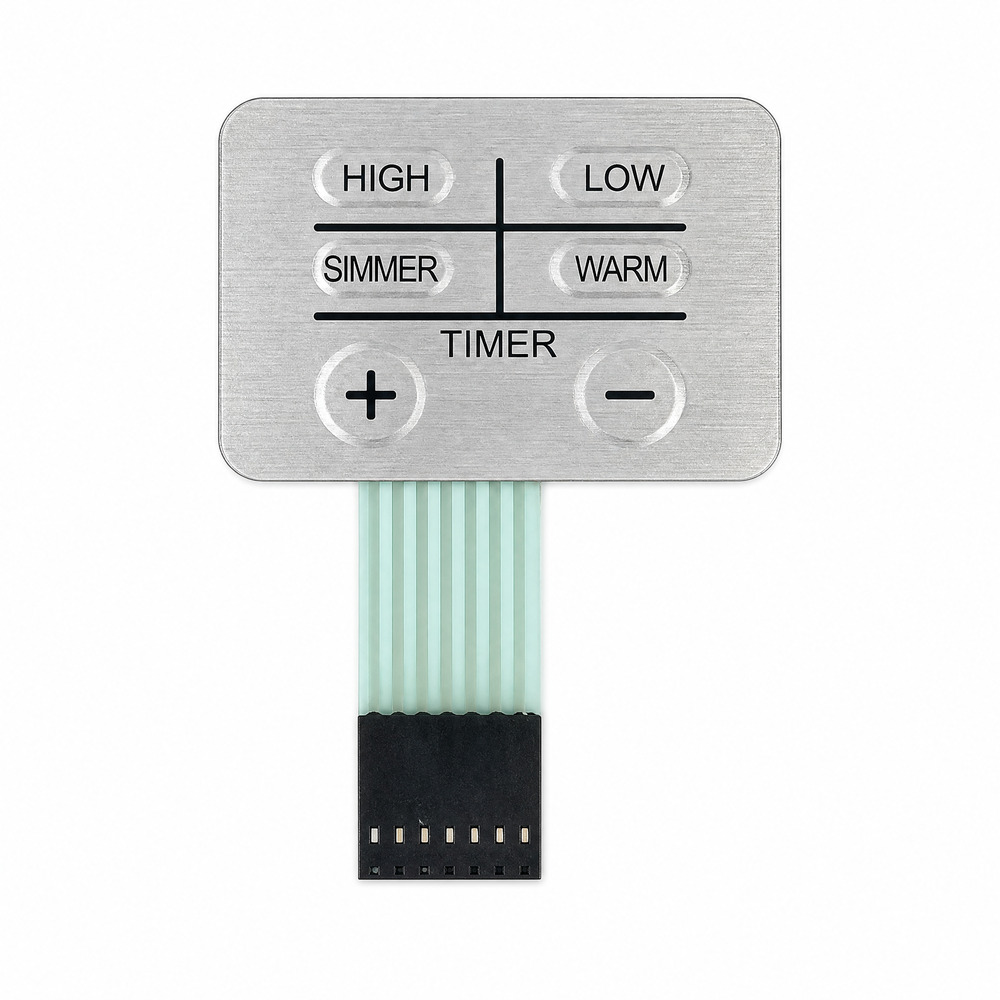
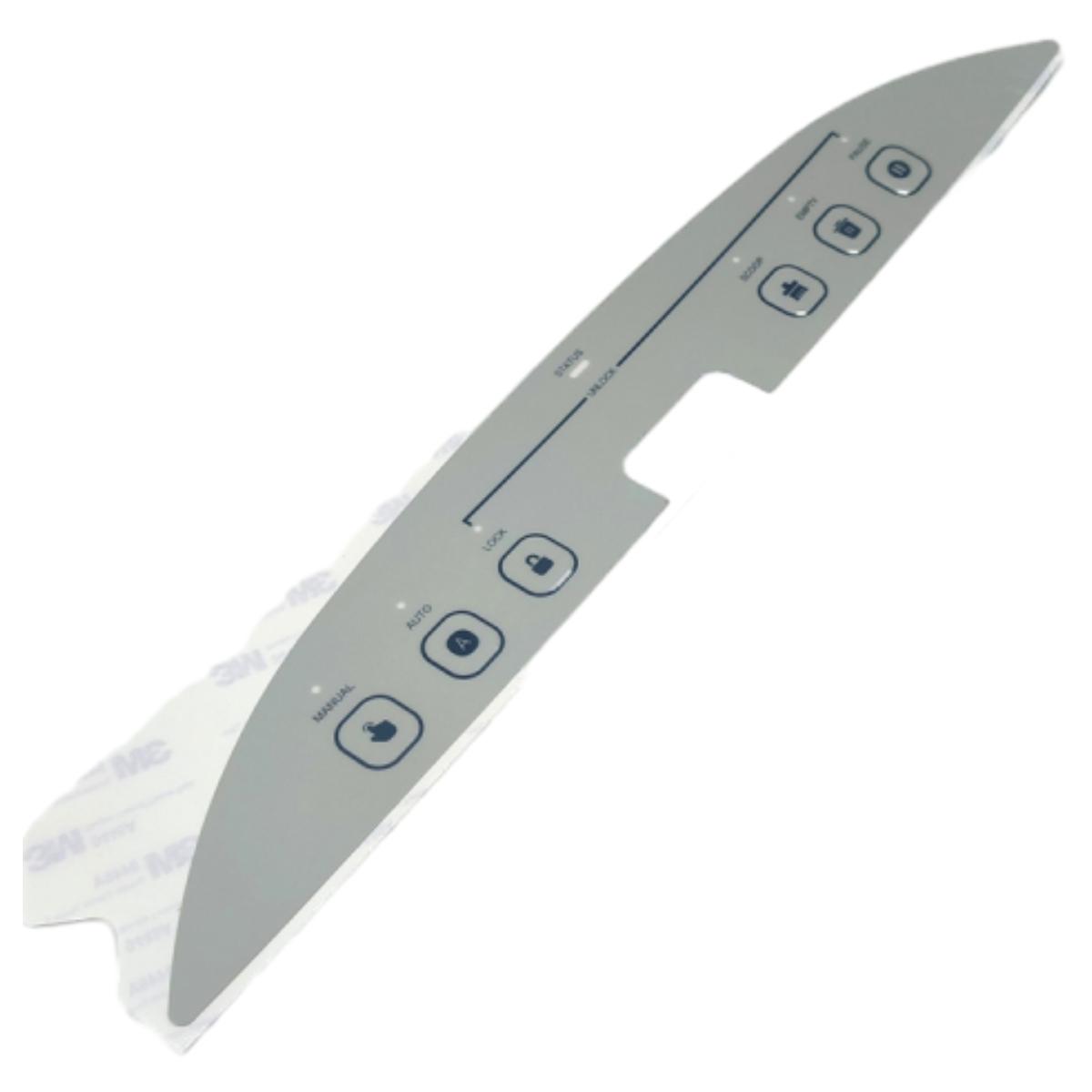
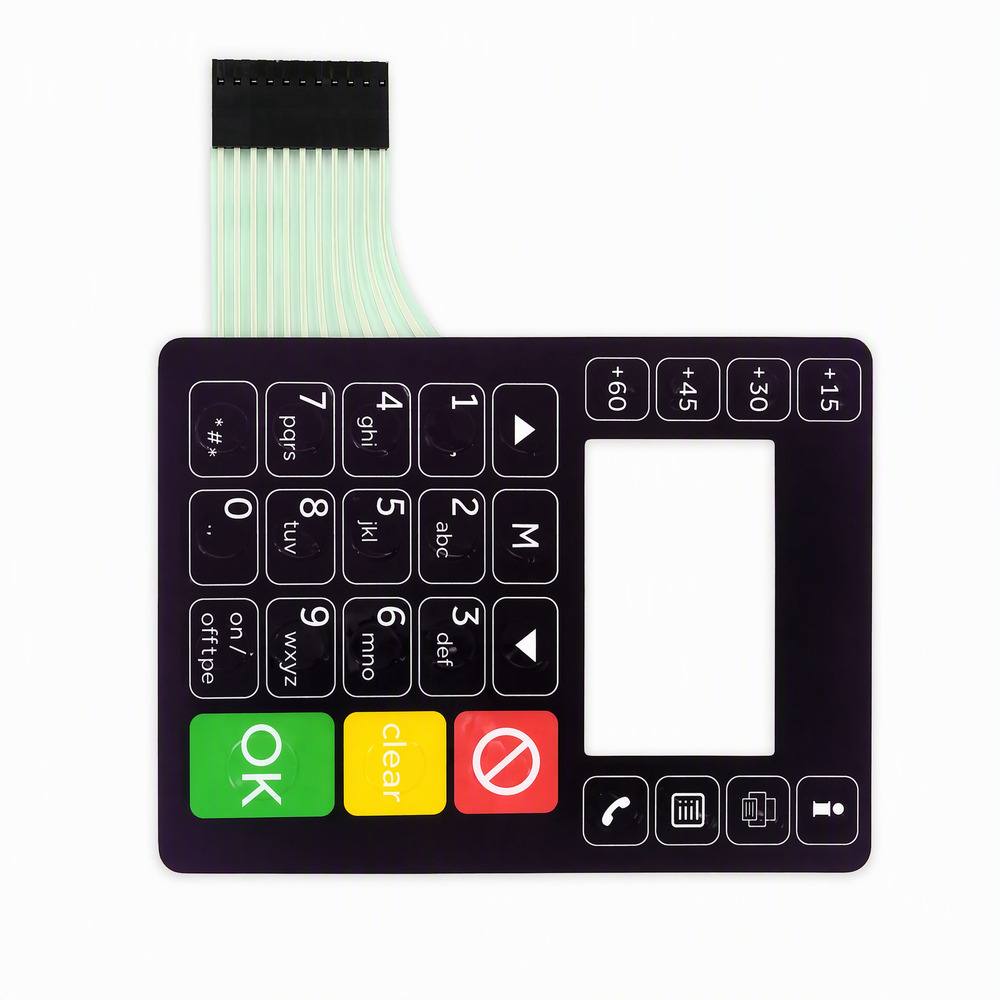
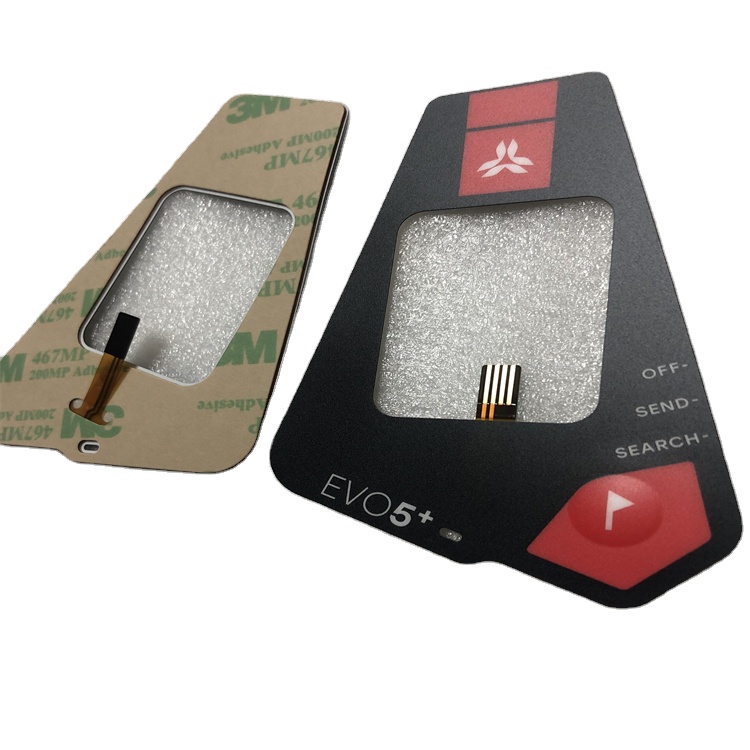
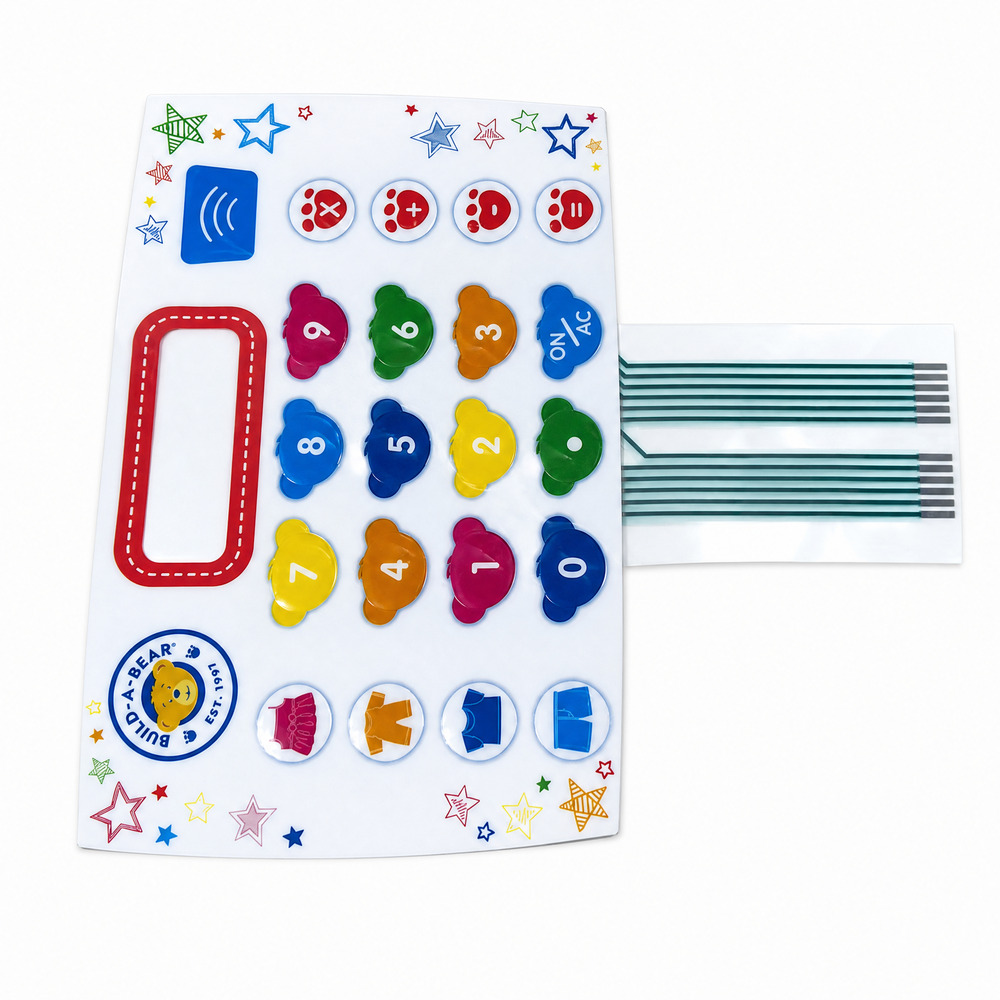
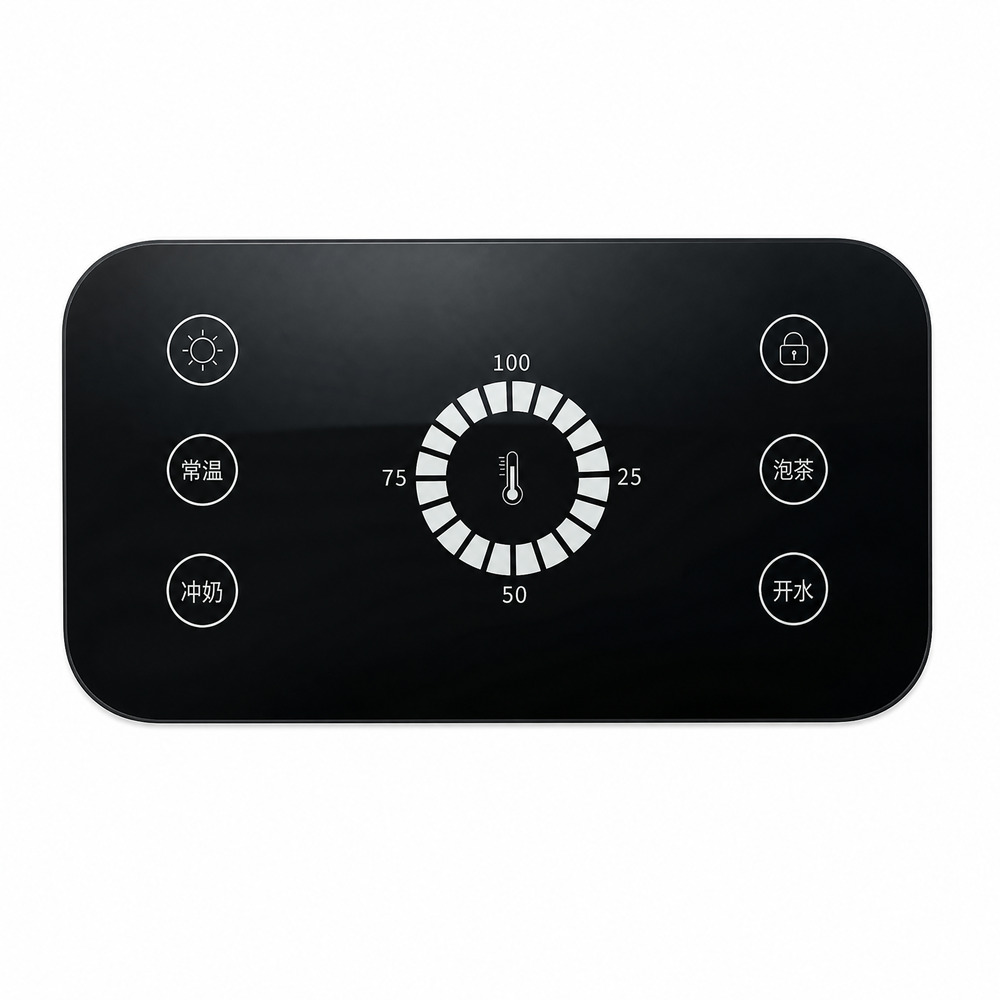
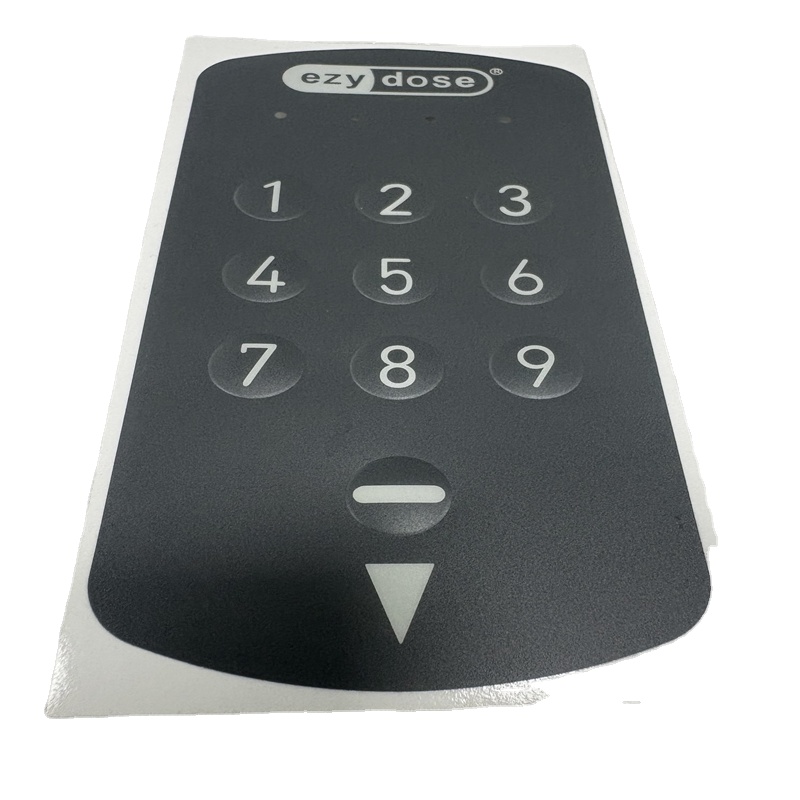
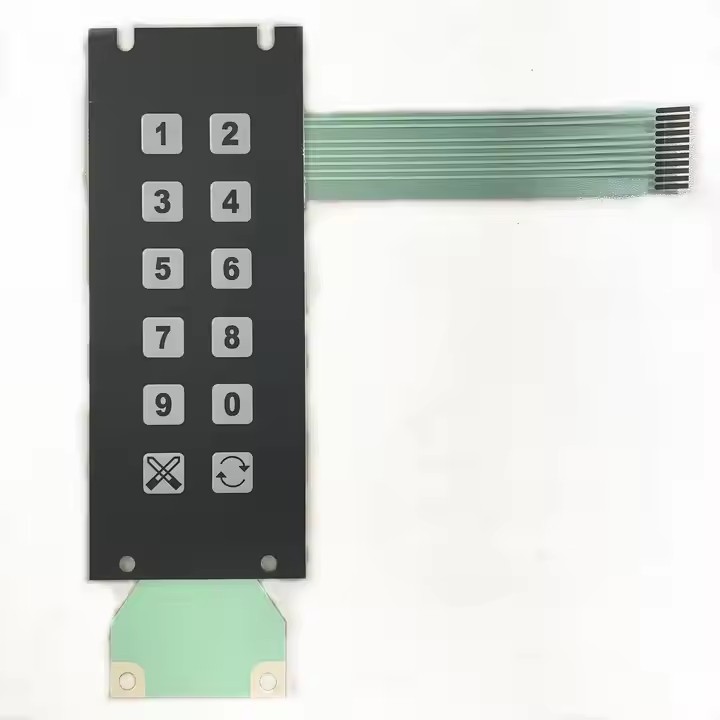
In modern industrial automation, medical electronics, automotive diagnostics, and commercial instrumentation, the human-machine interface (HMI) serves as the primary operational conduit. While capacitive glass touchscreens have proliferated consumer markets, ruggedized industrial and medical devices demand unequivocal tactile feedback, zero-latency actuation, extreme chemical resilience, and operational certainty under gloved or blind manipulation. This engineering whitepaper examines the biomechanical, thermodynamic, and material considerations that govern high-reliability embossed membrane switches manufactured in China for global export.
The tactile perception of a membrane switch key is defined by its force-displacement curve. When an operator applies downward pressure on an embossed key, the resistance increases linearly until it reaches the critical actuation force ($F_a$). At this apex, the mechanical structure (either an embossed polyester polydome or an underlying stainless-steel snap dome) undergoes elastoplastic buckling. The force precipitously drops to the contact force ($F_c$), completing circuit closure against the lower silver-conductive or copper-etched trace tier.
Achieving absolute batch consistency across thousands of embossed keypads requires rigorous control of the tactile snap angle, the radius of the dome perimeter, and thermal stabilization of the polyester film. Inferior embossing tooling yields sluggish return forces ($F_r$), causing operator fatigue and "double-click" bouncing anomalies. By employing CNC micro-machined matched male-female brass tooling and automated hydraulic press cycles with closed-loop PID temperature regulation, our manufacturing process restricts actuation force variance to within ±15 grams across massive production batches.
Select the precise mechanical relief configuration based on enclosure bezel depth, key pitch, operator ergonomics, and tactile actuation requirements.
Raises the entire surface of the key uniformly by 0.3mm to 0.8mm above the panel plane. Ideal for large tactile surfaces, graphic legends requiring broad illumination windows, and low-profile industrial interfaces. Distributes finger force evenly across the underlying switch stack.
Forms a crisp, raised boundary ridge (0.2mm to 0.5mm height, 0.8mm to 1.5mm width) along the periphery of the key while maintaining a recessed center. Guides the operator's fingertip directly to the switch center, essential for gloved operation in emergency vehicles and machinery panels.
Generates an inherent tactile snap directly within the thermoformed polyester film without requiring an internal metal dome. Reduces assembly layer count and bill of materials (BOM) costs while yielding a smooth, cushioned tactile sensation rated for 1,000,000 actuations.
Engineered for public accessibility terminals, ATM kiosks, and medical dosing instruments. Precisely formed domed dots conform strictly to international ADA and ISO 17049 standards for dimensional height, dot base diameter, and spherical profile endurance under heavy vandalism loads.
High-Pressure Forming (HPF) utilizing pressurized heated air or oil elastomeric bladders. Prevents micro-crazing of hard-coated polyester films and preserves optical clarity in display windows while enabling compound 3D contours, deep draw ratios, and severe radius returns.
| Embossing Profile | Standard Relief (mm) | Internal Actuation Element | Typical Snap Ratio | Rated Switch Life | Primary Application Sectors |
|---|---|---|---|---|---|
| Pillow Embossing | 0.30 - 0.70 mm | Stainless-Steel Metal Dome | 45% - 60% | > 3,000,000 cycles | Marine Navigation, Petrochemical Panels |
| Rim / Border Embossing | 0.25 - 0.50 mm | Metal Dome or Flat Circuit | 50% - 65% | > 5,000,000 cycles | CNC Automation, Heavy Vehicle Dashboards |
| Polyester Polydome | 0.40 - 0.85 mm | Thermoformed PET Film | 25% - 40% | > 1,000,000 cycles | Commercial White Goods, Toys, Dispensing |
| Braille Relief Dots | 0.60 - 0.90 mm | Tactile Indicator / Non-Switch | N/A (Sensory) | > 10,000,000 touches | Public Transit, Fuel Dispensers, Elevators |
| Combined Rim + Dome | 0.50 - 1.10 mm | Gold/Nickel Plated Dome | 55% - 70% | > 2,000,000 cycles | Medical Diagnostic Units, Aviation Avionics |
A precision embossed membrane switch is an intricately laminated electro-mechanical composite. Failure in any single tier—whether due to plasticizer migration, silver migration under electrical bias, or localized shear delamination—compromises the entire host apparatus. Dongguan Ravo Electronics Co., Ltd. engineers the stack-up from the molecular substrate level to guarantee field longevity in harsh operating environments.
The external face of the membrane keypad directly encounters ultraviolet radiation, chemical wiping agents, mechanical abrasion, and human tactile fatigue. Selecting between Biaxially Oriented Polyethylene Terephthalate (BOPET, e.g., MacDermid Autotex F150/F200), Polycarbonate (PC, e.g., SABIC Lexan 8010/HP92W), and Polymethyl Methacrylate (PMMA) represents a fundamental design trade-off:
To deliver uncompromising sensory feedback, stainless-steel snap domes (available in 4-leg, round, and oblong configurations) are positioned precisely above the contact circuits. For low-current logic level switching (<10mA), our assemblies incorporate nickel-plated or selectively gold-plated domes to forestall oxidation. To prevent air entrapment from creating pneumatic backpressure (which dampens the click sensation), our laser-cut spacer tiers incorporate microscopic internal venting channels. Crucially, these channels vent internally into sealed adjacent chambers rather than to the ambient atmosphere, preserving IP65, IP66, and IP67 ingress protection against moisture and dust intrusion.
Adhesion failure between the membrane switch and the device housing is completely prevented through our deployment of genuine 3M high-performance adhesive systems:
Strategic hardware procurement teams are shifting away from fragmented sub-tier purchasing. The following engineering vectors represent the dominant sourcing demands for 2025 to 2030.
Combining the sleek, wipe-clean aesthetic of capacitive slider surfaces with critical tactile-embossed emergency stop and system-power buttons. Eliminates operator interface error while preserving modern smart-panel aesthetics.
Replacing bulky, energy-draining discrete cluster LEDs with ultra-thin (0.125mm) micro-etched Light Guide Films. Side-firing SMD LEDs channel light evenly across embossed legends, preventing hot-spotting in low-light cockpits.
Perimeter ultrasonic perimeter welding and hydrophobic, breathable ePTFE membranes at the tail exit. Prevents internal silver sulfide dendrite corrosion in wastewater treatment facilities and petrochemical fuel dispenser panels.
Migration from screen-printed silver ink tails to polyimide Flexible Printed Circuits (FPC) and FR-4 PCB backers. Enables fine-pitch pitch (0.5mm) ZIF connectors, surface-mount microcontrollers, and zero trace resistance variation.
Headquartered in Fenggang Town, Dongguan City—the epicentre of global hardware innovation and precision supply chains—Dongguan Ravo Electronics Co., Ltd. has specialized exclusively in the engineering, tooling, prototyping, and mass production of custom membrane switches, graphic overlays, silicone keypads, and thin-film force sensors since 2003.
Spanning an advanced manufacturing facility of more than 12,000 square meters, our vertically integrated plant houses class-10,000 cleanroom printing environments, automated roll-to-roll silkscreen lines, precision flatbed die-cutting presses, CNC laser prototyping stations, and closed-loop hydraulic embossing machinery. By eliminating sub-contractor handoffs, we maintain rigorous control over trace registration, cure thermal profiles, and adhesive laminate integrity.
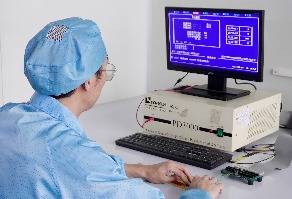
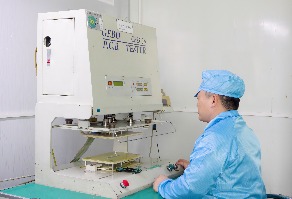
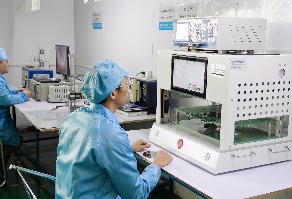
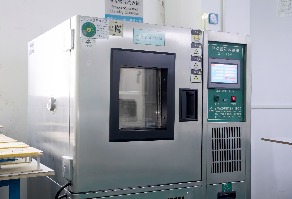
Every membrane switch batch produced for export to North America, Germany, the UK, Japan, and Australia undergoes exhaustive quality assurance protocols before packing in ESD-shielded vacuum packaging:
Direct technical answers addressing the critical tooling, environmental, testing, and logistics inquiries raised by procurement officers and mechanical hardware engineers.
Tooling packages encompass matched male-female CNC embossing dies, steel rule cutting dies, and screen stencils. Initial rapid prototypes (1 to 10 pieces) typically dispatch within 7 to 12 business days following CAD/Artwork approval. Hardened steel tooling for high-volume wholesale export requires 12 to 15 business days. Rapid laser-cut, non-embossed mechanical concept prototypes can be provided in as few as 3 to 5 business days.
Silver migration occurs when moisture combines with DC electrical bias, causing silver ions to precipitate dendrites across circuit traces and induce micro-shorts. We mitigate this through three engineering controls: (1) Applying continuous dielectric polymer encapsulation masks over all printed silver traces; (2) Maintaining minimum trace spacing ≥0.5mm; and (3) Recommending etched copper Polyimide FPC circuitry for mission-critical marine or outdoor medical apparatus.
Yes. By utilizing continuous perimeter adhesive ring barriers (minimum 3.0mm width) around the entire switch geometry, applying internal venting channels that do not exit to the open air, and sealing the tail exit through continuous acrylic gasket transfer tapes, our assemblies achieve certified IP65 to IP67 dust and water ingress protection.
To deliver an exhaustive Design for Manufacturability (DFM) review within our standard ≤2-hour response window, please provide: (1) Vector graphic artwork in Adobe Illustrator (.AI), vector .PDF, or CorelDraw with explicit Pantone PMS / RAL color callouts; (2) 2D mechanical enclosure drawings in DXF or DWG; (3) Schematic circuit netlist with pinout designations and tail pitch requirements; and (4) Anticipated environmental operating conditions.
Stainless-steel metal domes deliver a sharp, audible tactile click, an actuation life exceeding 3,000,000 to 5,000,000 cycles, and superior consistency across extreme temperature ranges (-40°C to +85°C). Polydomes (thermoformed directly into the PET sheet) offer a softer, quieter tactile feel, eliminate internal metal components, lower unit costs for massive production runs, but exhibit tactile degradation above 70°C.
We supply silver-ink and FPC flexible tails with standard 2.54mm (0.100") and 1.27mm (0.050") pitch crimped female housing connectors (FCI / Amphenol Clincher / Nicomatic compatible), bare trace tails with rear polyimide stiffeners for Zero Insertion Force (ZIF) PCB sockets, and direct solder pin headers for PCB-backed membrane sub-modules.
Submit your CAD mechanical drawings, overlay artwork, or target schematic requirements. Our senior engineering team in Fenggang, Dongguan will return a comprehensive DFM manufacturability analysis, layer stack-up proposal, and wholesale export quotation within 2 hours.