China Top Conductive Rubber Keypad Supplier & Exporters

Precision-Engineered Elastomeric Input Solutions, Conductive Carbon/Gold Pill Integration & Complete HMI Subassemblies by Dongguan Ravo Electronics Co., Ltd. Since 2003

Production Portfolio

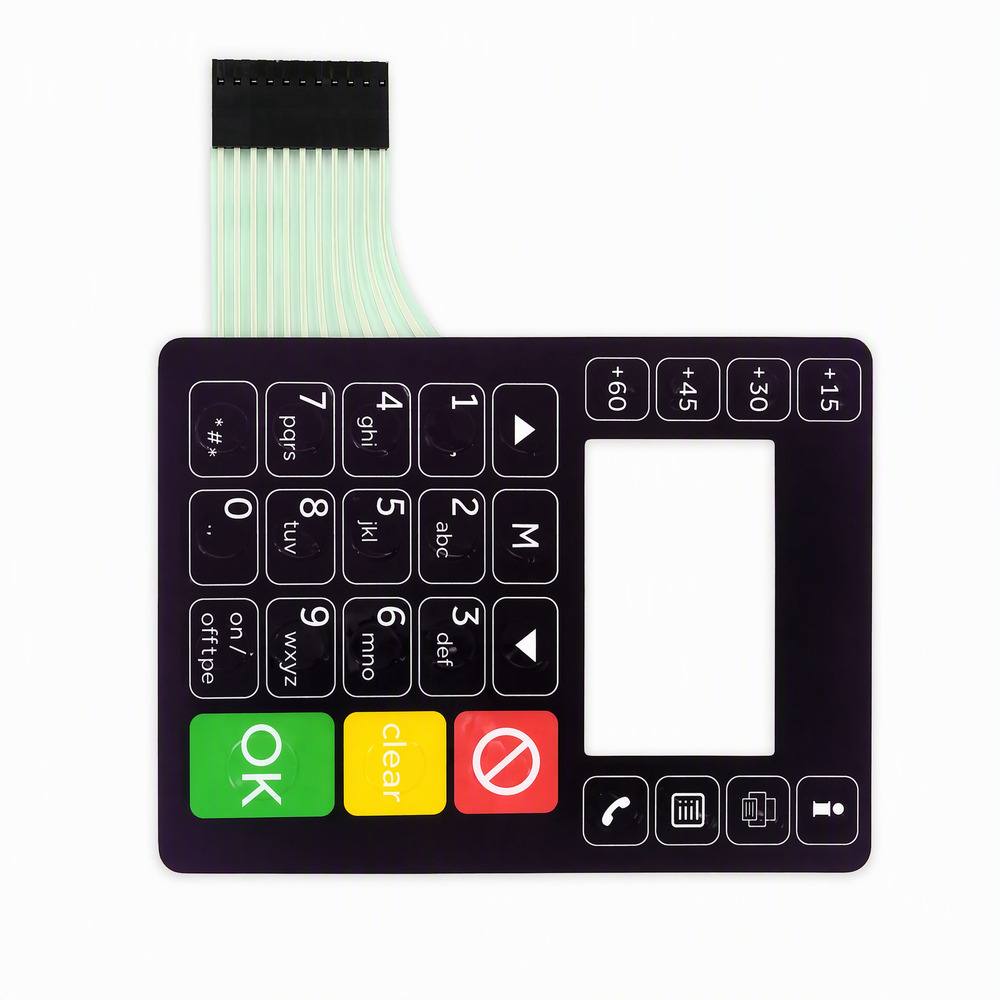
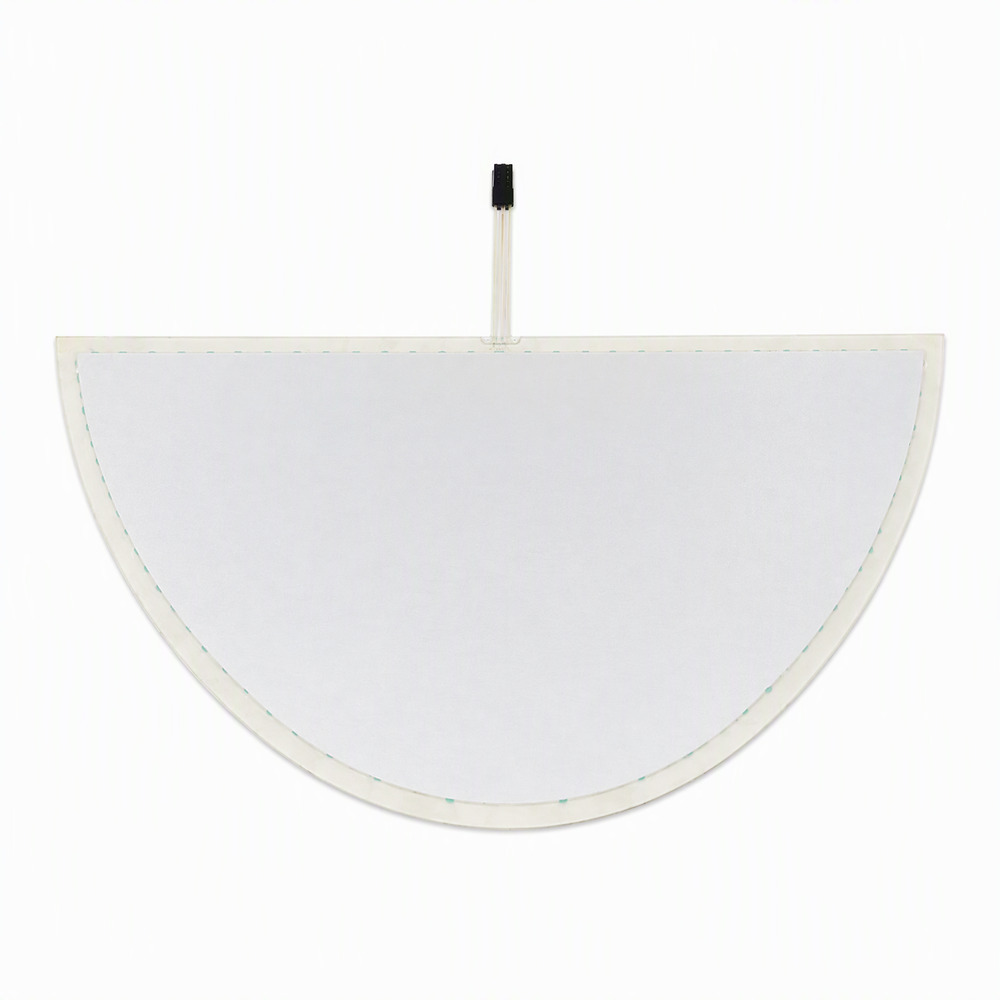
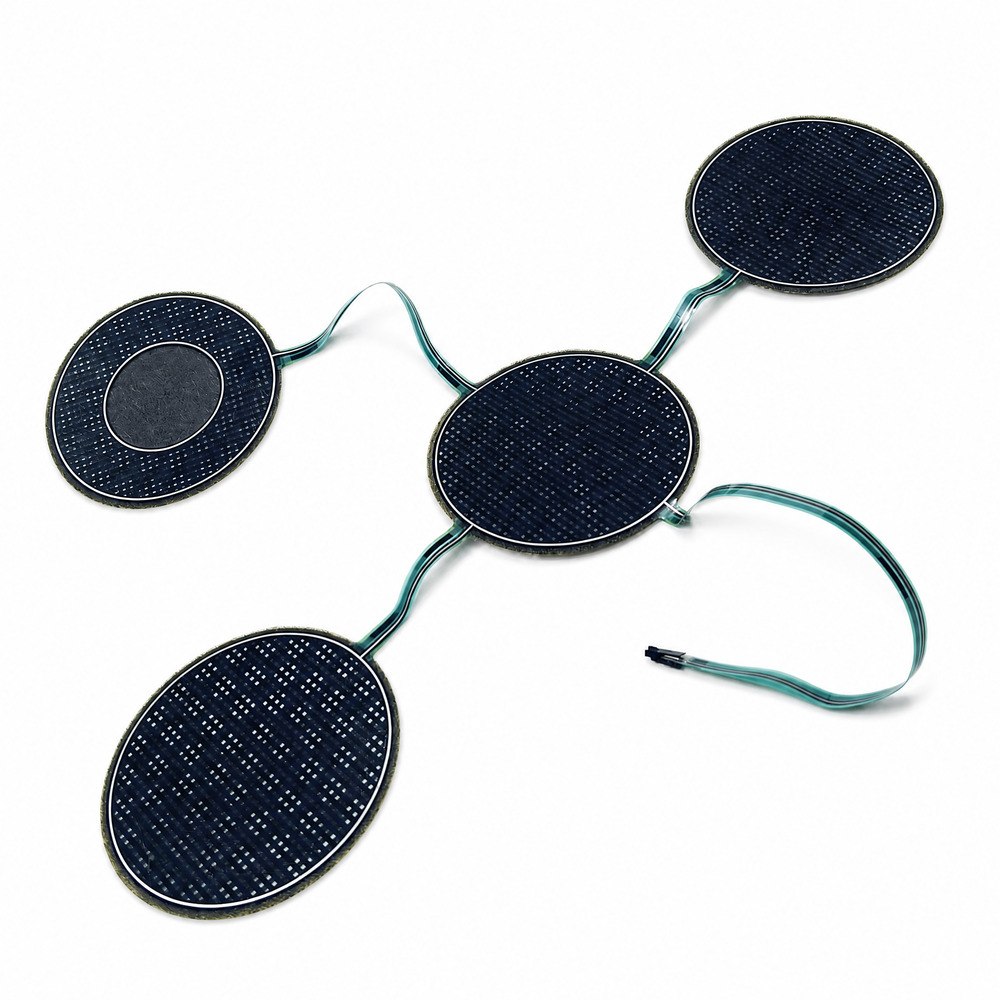
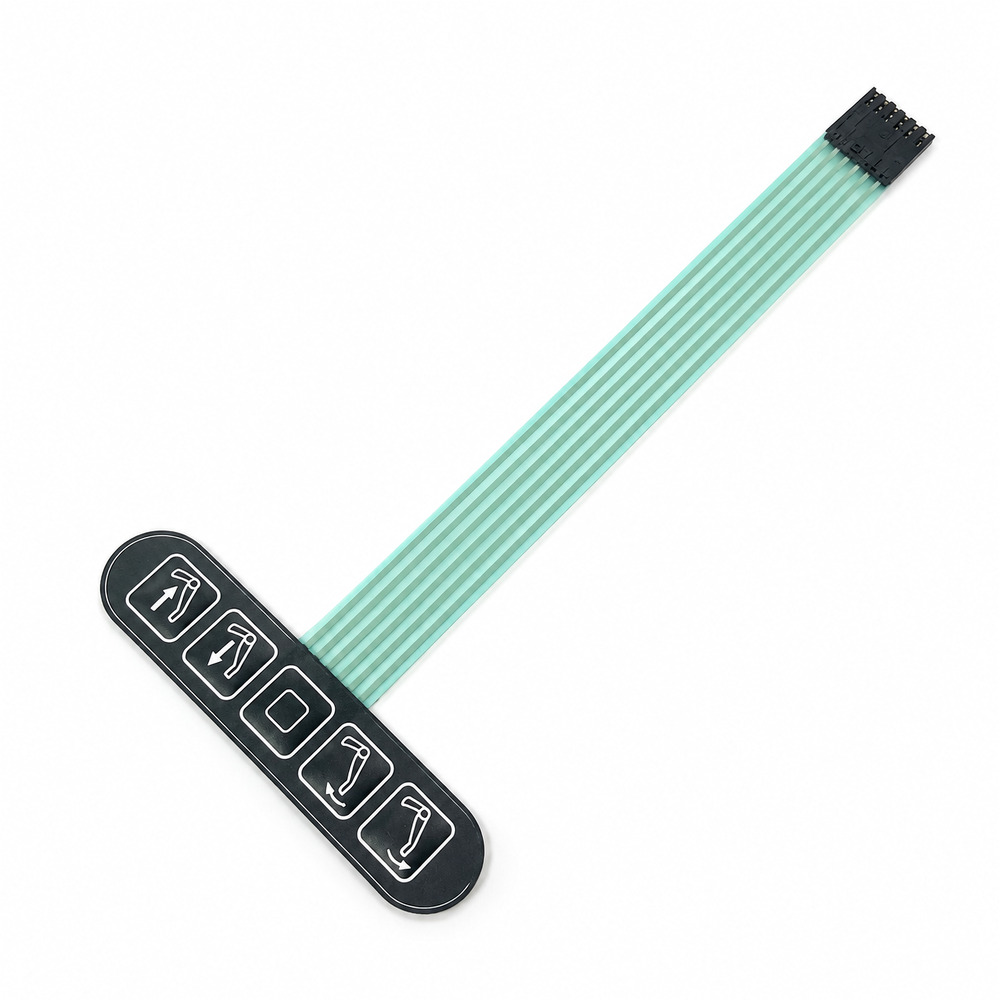
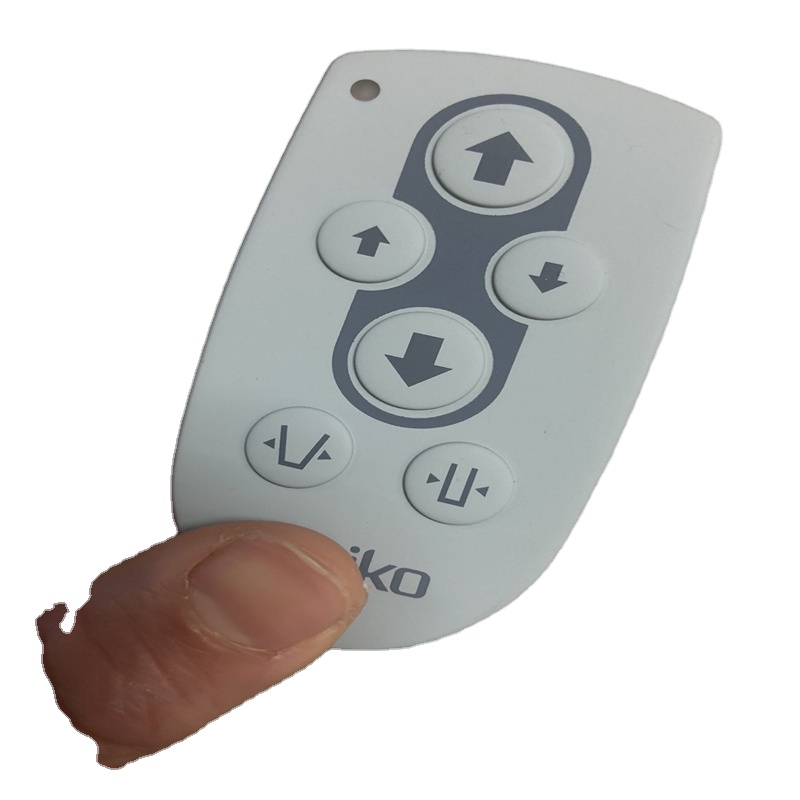
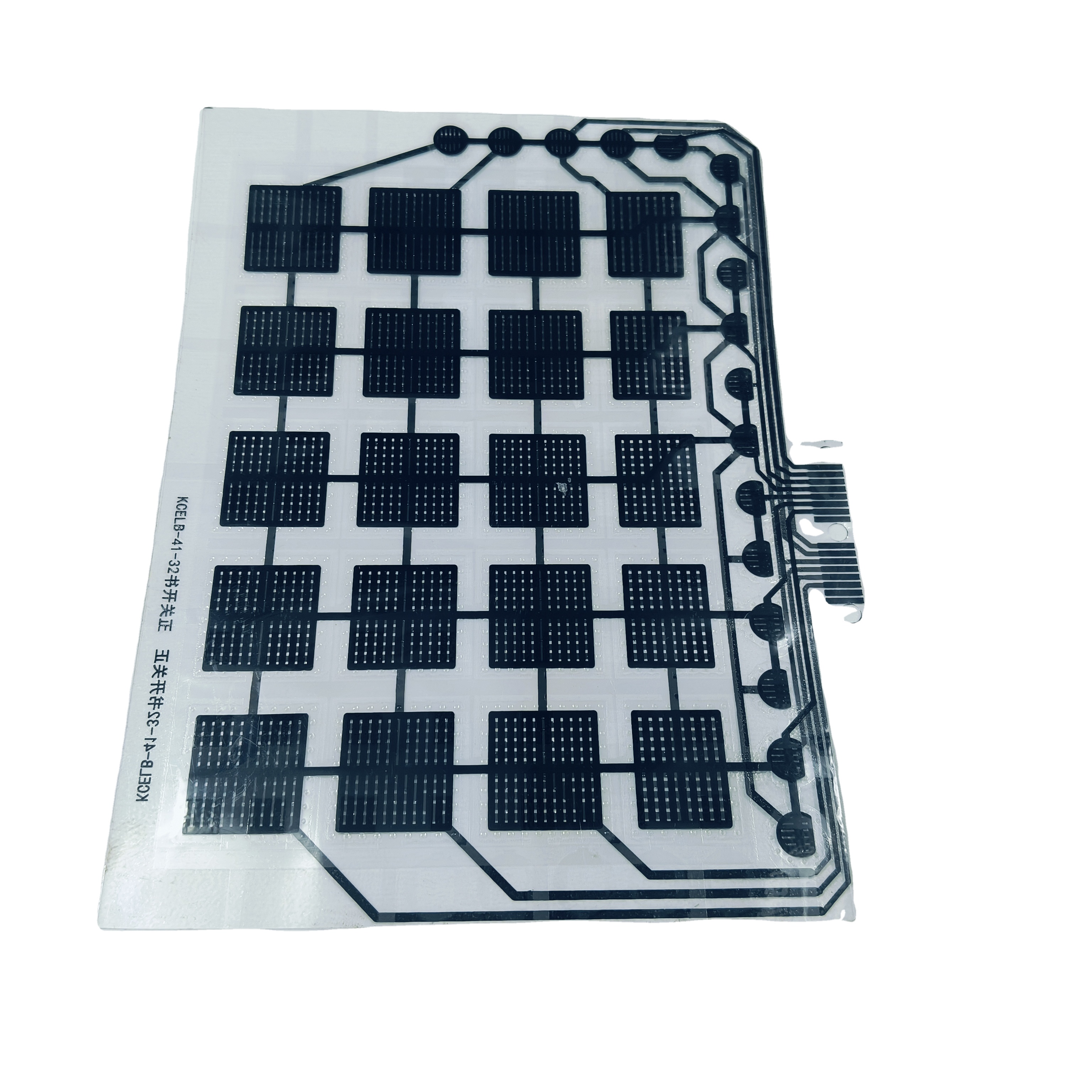
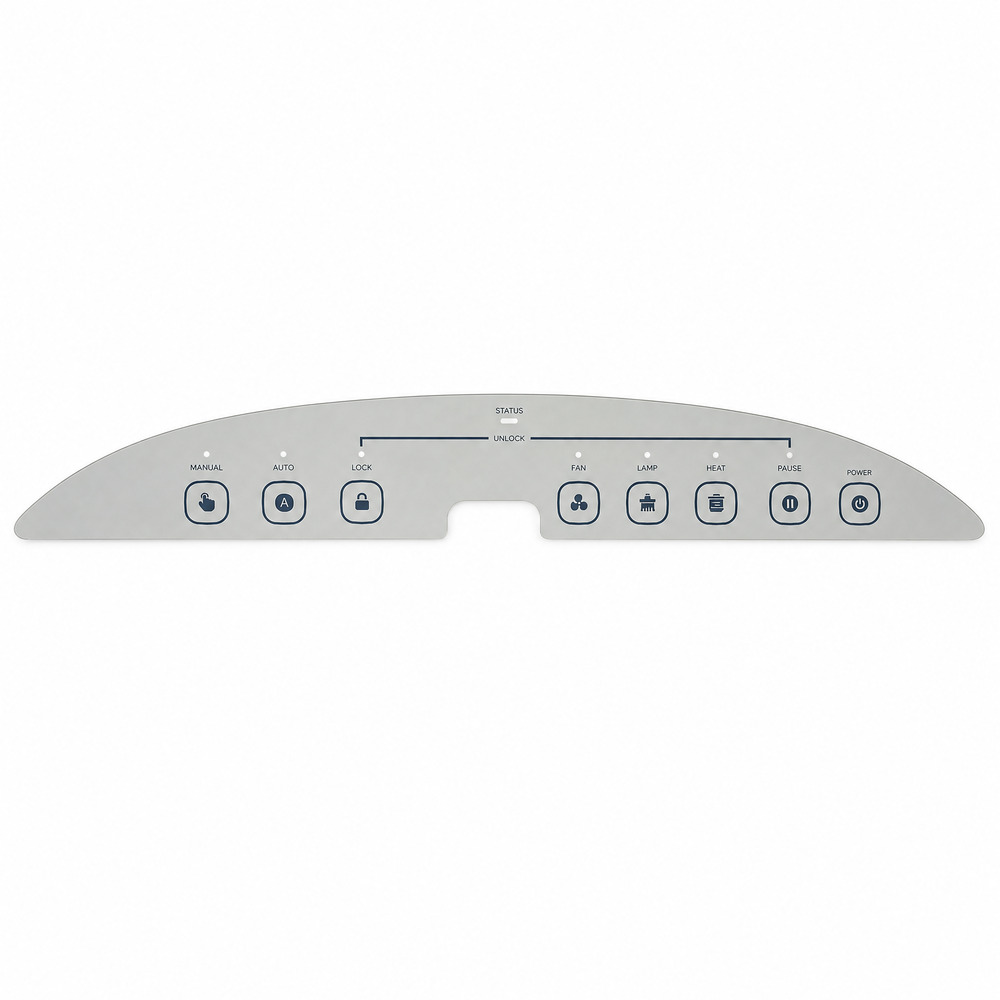
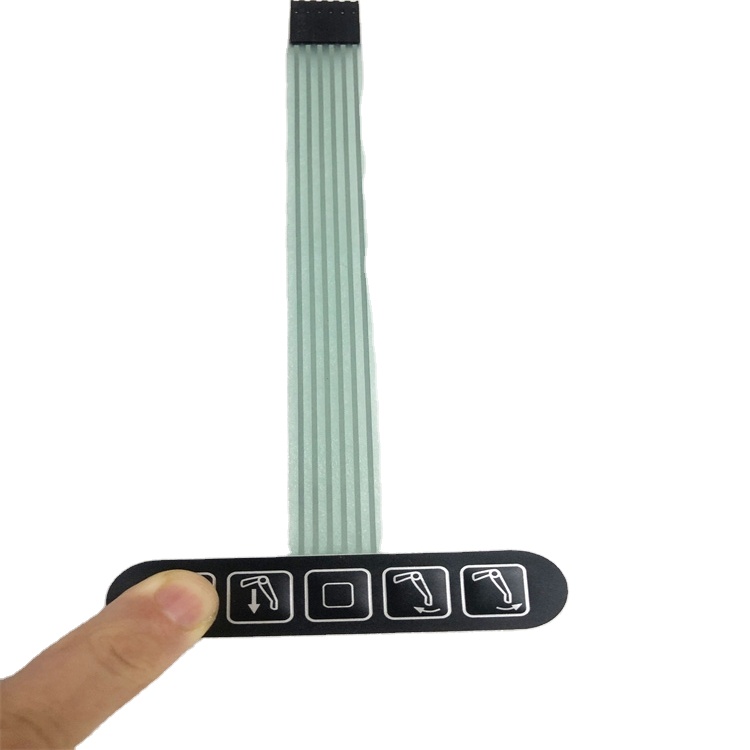
Precision Conductive Rubber Keypads & Custom Interface Assemblies

Explore our core electro-mechanical actuation components engineered for industrial machinery, diagnostic medical systems, automotive consoles, and rugged consumer hardware.

Enterprise Authority

Engineering Excellence & In-House Manufacturing Strength

Dongguan Ravo Electronics Co., Ltd. has delivered precision Human-Machine Interface (HMI) devices and custom conductive elastomeric solutions to global OEMs since 2003.

2003
Year Established
12,000 m²
Production Plant Area
≤ 2 Hours
DFM Engineering Response
100%
Electrical Continuity Tested

Vertical Integration from Tooling to Assembly in Fenggang Town, Dongguan

Operating in the center of South China's advanced electronics manufacturing hub, Dongguan Ravo Electronics Co., Ltd. maintains comprehensive control over the entire production cycle of conductive rubber keypads, elastomeric switches, and hybrid membrane assemblies. Our facility spans over 12,000 square meters, housing dedicated compression molding workshops, class 10,000 cleanrooms for silkscreen and digital printing, automated CNC tooling centers, and advanced laser-etching suites.

Unlike trading intermediaries, Ravo maintains full vertical accountability. Our engineering staff conducts detailed Design for Manufacturability (DFM) reviews within two hours of file submission, assessing key stroke travel, snap ratios, return angles, draft angles, and contact pill geometries to ensure optimal tooling yields. By combining silicone compounding, precision molding, conductive pill co-molding, surface spray finishing, laser etching, and automated testing under one ISO 9001 certified roof, we eliminate cross-vendor tolerances, reduce engineering cycle times, and guarantee trace-level lot quality.

Rapid Prototyping from 1 Piece

Accelerate your iterative NPI cycles with rapid aluminum prototype tooling and sample turnarounds within 5 to 7 business days, validating tactile mechanics before committing to multi-cavity steel molds.

Certified Material Compliance

Every batch of synthetic polydimethylsiloxane, conductive carbon pellets, and adhesive backing complies with RoHS 3, REACH SVHC, and FDA food-grade or ISO 10993 biocompatibility requirements where specified.

Full Electro-Mechanical Validation

Automated multi-station testers measure actuation force curves, contact resistance (<100Ω standard, <10Ω gold pill), tactile snap ratio, insulation resistance (>100MΩ at 250V DC), and life cycle longevity.

Engineering Whitepaper

Electromechanical Dynamics & Material Science of Conductive Rubber Keypads

A rigorous examination of silicone elastomer formulations, tactile snap mechanics, conductive contact interfaces, and environmental sealing physics for hardware engineers.

1. Elastomer Chemistry and Shore Hardness Optimization

Conductive rubber keypads rely primarily on crosslinked polydimethylsiloxane (silicone rubber), a flexible synthetic elastomer characterized by an alternating silicon-oxygen polymer backbone. This molecular structure imparts high thermal stability (-40°C to +200°C), superior dielectric properties, low surface tension, and non-reactive chemical neutrality. In manufacturing tactile switch mats, durometer hardness is typically calibrated between 30 Shore A and 70 Shore A (ASTM D2240). Lower durometer ratings (30–45 Shore A) are typically utilized for soft-touch, high-travel keys (1.5mm to 3.0mm) such as handheld remote controllers, while higher durometer ratings (50–70 Shore A) are specified for high-tactile, fast-actuation industrial instrumentation or glove-actuated aerospace and medical devices.

2. Snap Ratio Mechanics and Tactile Curve Engineering

The characteristic tactile "click" of a rubber keypad is governed by the elastomeric web (membrane) geometry supporting each keytop. The force-deflection curve of an elastomeric switch follows a non-linear hysteretic profile composed of three distinct physical milestones: Peak Actuation Force (Fa), Contact Force (Fc), and Return Force (Fr).

The tactile sensation experienced by the operator is quantitatively dictated by the Snap Ratio (Sr), mathematically defined as:

Snap Ratio Formula: Snap Ratio (%) = [(Fa - Fc) / Fa] × 100%
Where:
Fa = Actuation Force (Peak initial resistance before elastomeric web collapse, typically 80g to 300g)
Fc = Contact Force (The minimum force required to establish electrical continuity once collapsed, typically 20g to 80g)
Return Force (Fr) = The residual upward elastic force restoring the key to rest (must remain >30g to prevent key sticking)

A high snap ratio (40% to 60%) delivers a crisp, unmistakable tactile response favored in mission-critical applications where tactile confirmation is necessary without looking at the device. Conversely, a lower snap ratio (20% to 35%) produces a muted, quiet key response with a longer lifecycle, suited for continuous data-entry terminals and office automation hardware. The web angle (commonly engineered between 35° and 55°) and web thickness (typically 0.3mm to 0.6mm) are critical geometric variables controlled through precision compression mold EDM tooling.

3. Conductive Contact Technologies: Comparative Electrical Physics

Closing the electrical circuit on the underlying rigid PCB or flexible membrane switch layer requires an electrically conductive contact element vulcanized onto the base of the silicone plunger. The selection of conductive contact technology dictates contact resistance, oxidation resistance, electrical chatter, and mechanical life expectancy:

Contact Technology Contact Resistance Rated Actuation Life Corrosion / Oxidation Typical Applications
Conductive Carbon Pills < 100 Ω (Standard) 5,000,000+ Cycles Zero Oxidation (Inert) Consumer remotes, automotive consoles, office automation, home appliances
Co-Molded Conductive Silicone < 150 Ω 3,000,000+ Cycles Zero Oxidation (Inert) Thin-profile keypads, low-travel membranes, high-temperature switches
Gold-Plated Metal Pills < 5 Ω 2,000,000+ Cycles Excellent (Gold barrier) Low-voltage digital logic, precision medical electronics, high-speed telecom
Tactile Metal Dome Hybrid < 1 Ω 1,000,000+ Cycles Nickel/Gold plated options Definitive tactile click, outdoor machinery, military handheld controllers
Printed Conductive Carbon / Silver < 200 Ω 1,000,000+ Cycles Moderate (dependent on binder) Cost-sensitive consumer toys, disposable diagnostic units, high-volume posters

4. Environmental Protection & Hermetic Sealing Architecture

Conductive rubber keypads inherently serve a dual electromechanical purpose: they deliver tactile switching while functioning as a continuous environmental front-panel sealing gasket. When engineered with integrated perimeter sealing lips (O-ring style beads molded directly into the rubber perimeter), the elastomeric mat compresses against the plastic or metallic enclosure bevel, creating an IP67 or IP68 hermetic barrier against liquid jetting, particulate infiltration, hydraulic fluids, and chemical disinfectants. This sealing integrity prevents trace corrosion on the underlying PCB circuit traces, extending hardware field reliability across harsh outdoor, industrial factory, and clinical environments.

Innovation Radar

Technological Evolution & Design Trends in Elastomeric Keypads

How cutting-edge material engineering, photonic backlighting, hybrid electronics, and nanocoatings are shaping next-generation human-machine interfaces.

Uniform Light Guide & Laser Etching

Integration of ultra-translucent optical grade liquid silicone rubber (LSR) with micro-molded Light Guide Films (LGF). Multi-layer color spraying followed by automated fiber laser etching allows legends to illuminate evenly with zero hotspotting and negligible current draw.

Hybrid Multi-Durometer Co-Molding

Simultaneous injection of hard silicone keytops (70–80 Shore A) onto an ultra-flexible elastomeric web base (30–40 Shore A). This achieves the rigid, premium feel of thermoformed thermoplastic keys while preserving the smooth, long-travel tactile curve of high-grade silicone rubber.

Advanced Nanocoatings & Antimicrobial Additives

Application of low-friction Parylene, polyurethane (PU), and UV-curable fluorosilicone topcoats that slash surface tackiness, resist lint accumulation, and provide exceptional resistance to aggressive clinical sterilizing agents (IPA, bleach, and quaternary ammonium compounds).

Tactile Dome Hybrid Assemblies

Bonding custom silicone keypads directly over stainless-steel tactile metal domes mounted on FPC or rigid FR4 boards. This provides operators with a crisp metallic snap, high tactile confirmation, and tactile actuation even through thick heavy-duty work gloves.

Integration with Thin-Film Force Sensors (FSR)

Pairing elastomeric keypads with force-sensitive resistor (FSR) carbon layers. Devices can sense variable input pressure (progressive throttle, dynamic gaming control, pressure-sensitive surgical tools) alongside traditional digital on/off switching.

ESD Suppression & Grounding Architecture

Molded conductive carbon backing webs and integrated perimeter grounding pills that safely intercept and dissipate electrostatic discharge events up to 15kV, shielding sensitive onboard IC microcontrollers from electrical latch-up or damage.

Procurement Strategy

Global Sourcing Trends & Supply Chain Dynamics (2025–2030)

A strategic breakdown for procurement directors, commodity managers, and supply chain leads navigating total cost of ownership (TCO) in electro-mechanical interface procurement.

1. Total Cost of Ownership (TCO) vs. Piece-Part Price

Forward-thinking procurement organizations have shifted from evaluating suppliers purely on initial piece-part quotation to comprehensive Total Cost of Ownership (TCO) modeling. In conductive rubber keypad procurement, low piece prices from unverified workshops frequently lead to massive downstream costs: inconsistent actuation force caused by poor mold venting, high contact resistance resulting from low-grade carbon pill bonding, flash along key perimeters causing switch sticking, and legend fading due to non-cured silicone inks. Working directly with established China manufacturers like Dongguan Ravo Electronics mitigates these failure modes through automated mixing, controlled vulcanization curing cycles, and multi-parameter AOI inspection.

2. Tooling Amortization and Multi-Cavity Scalability

Initial tooling investment represents a pivotal capital allocation decision in new product introductions. Ravo operates a structured two-tier tooling strategy:

  • Phase 1: Rapid Pilot Tooling (Single/Dual Cavity Aluminum or Pre-Hardened Steel): Optimizes upfront NPI budgets, delivering 50–500 engineering validation units for field testing and regulatory certification in 2 weeks.
  • Phase 2: High-Volume Multi-Cavity Tooling (P20 / NAK80 / S136 Hardened Tool Steel): Engineered for 500,000 to 1,000,000+ compression press cycles. High-cavitation molds (8 to 64 cavities) drastically drive down piece-part costs for scaled mass production runs.

3. Supply Chain Consolidation: Single-Source Complete HMI Subassemblies

Modern global OEMs are actively eliminating multi-tiered supply chains where silicone keypads are sourced from one vendor, PCBs from another, graphic overlays from a third, and final assembly executed at an EMS facility. By consolidating procurement with a vertically integrated supplier capable of manufacturing the graphic overlay, conductive silicone keypad, PCB/FPC circuit, integrated SMD LEDs, and final casing integration under one roof, buyers reduce handling margins, eliminate cross-component stack-up tolerance issues, and compress lead times by up to 35%.

4. Regulatory Compliance & ESG Traceability

With stringent global environmental directives—including EU RoHS 3 (EU 2015/863), REACH SVHC (Regulation EC 1907/2006), California Proposition 65, and halogen-free directives—tier-one exporters must deliver complete, audited chemical test reports for every silicone gum batch, pigment masterbatch, vulcanizing agent, and conductive carbon pill formulation. Traceable material certifications mitigate product seizure risks at customs and protect OEM brands in regulated medical and automotive markets.

Procurement FAQ

Frequently Asked Questions: Sourcing Conductive Rubber Keypads

Direct engineering and commercial answers to the questions international procurement specialists and hardware designers ask most frequently.

What is the standard contact resistance of a conductive carbon pill, and can it be customized?

Our standard conductive carbon pills exhibit an electrical contact resistance of less than 100 Ω when actuated against a standard gold-plated, nickel-plated, or carbon-printed PCB pad under 100g to 150g of actuation force. For low-voltage digital circuits, sensitive microcontroller inputs, or high-speed data entry where electrical noise must be minimized, Ravo offers ultra-low-resistance gold-plated pills (<5 Ω), low-resistance conductive silicone pellets (<30 Ω), or hybrid stainless-steel tactile metal dome assemblies (<1 Ω).

How does Dongguan Ravo ensure tactile force consistency across all keys on a keypad?

Tactile force consistency depends entirely on precision mold machining and controlled silicone flow. Our in-house mold shop utilizes high-precision high-speed CNC centers and mirror EDM equipment with machining tolerances held within ±0.005mm. Furthermore, our raw silicone compound is vacuum-degassed and blended with strict pigment and durometer control. During production, every batch is checked on automated force-displacement test benches to verify that peak actuation force (Fa) and snap ratio remain within an engineering tolerance of ±10% across all key positions.

What surface protection options exist to prevent legends and graphics from wearing off?

We provide four primary levels of surface protection depending on operational severity:
1. Silicone Wear-Resistant Clear Coat: Standard anti-dust matte finish for consumer remote controls.
2. Polyurethane (PU) Coating: High-durability topcoat providing strong abrasion resistance against continuous fingernail contact.
3. UV-Cured Epoxy Drip Coating: Creates a high-gloss, domed lens over the keytop, delivering total mechanical protection and a distinct 3D visual appeal.
4. Laser-Etched Backlit Coating: Translucent silicone is sprayed with an opaque color coat, followed by precision CNC laser ablation to expose the legend, finished with a protective hard lacquer.

What CAD file formats and design documentation are needed to initiate a DFM review and quotation?

To receive a comprehensive DFM review within 2 hours, please provide:
• A 3D CAD model (STEP, IGES, or SolidWorks) showing keytop geometry, stroke travel, plunger clearance, and perimeter sealing bead details.
• A 2D mechanical drawing (PDF, DWG, or DXF) specifying key stroke, actuation force (Fa in grams), Shore A durometer, tolerances, and contact pill dimensions.
• Artwork files (Adobe Illustrator vector format) with Pantone / RAL color codes for keytops and legends.
• Expected annual usage (EAU) to allow us to configure optimal tooling cavitation.

Can conductive rubber keypads be engineered to achieve IP67 or IP68 waterproof ratings?

Yes. Conductive rubber keypads are ideal for IP67/IP68 sealing. By integrating a continuous perimeter sealing bead (gasket rib) into the silicone molding, the keypad acts as its own hermetic gasket. When clamped between the product's front bezel and interior mounting plate with calculated nominal compression (typically 25% to 30% squeeze), it creates an impermeable barrier against pressurized water jets, dust ingress, and immersion, completely protecting the internal PCB and electronics.

What is the typical prototype and mass production lead time for custom tooling?

For prototype tooling (single or dual cavity aluminum / P20 steel), lead time is typically 7 to 10 working days, with initial first-article inspection (FAI) sample parts delivered via express airfreight within 3 to 5 days thereafter. Mass production multi-cavity hardened steel tooling (NAK80 or S136) takes approximately 15 to 22 working days. Once tooling is approved, recurring mass production lead times generally range between 12 and 18 working days based on batch volume and secondary processes.

How do you prevent carbon pill detachment during high-cycle operation?

Carbon pill detachment is completely prevented by employing high-pressure vulcanized co-molding rather than adhesive gluing. The conductive carbon pills are placed into precision cavity nests within the heated compression mold prior to inserting the raw silicone slab. During the high-temperature vulcanization cycle (175°C to 190°C under 150 to 200 tons of hydraulic pressure), the silicone polymer cross-links directly into the microscopic surface matrix of the conductive pill. This chemical and mechanical co-cure bond makes the pill an indivisible part of the key plunger, easily surviving 5+ million actuation cycles without delamination.

What is the minimum order quantity (MOQ) for custom conductive rubber keypads?

For prototype and engineering validation phases, we support orders starting from as low as 1 piece up to 50 pieces using prototype tooling. For full-scale production runs using multi-cavity tooling, standard commercial MOQs generally begin at 500 to 1,000 pieces depending on part dimensions, color complexity, and packaging specifications. Tiered pricing discounts are applied at 5,000, 10,000, 50,000, and 100,000+ unit volume tiers.

Accelerate Your HMI Project with China's Leading Keypad Exporter

Upload your 2D/3D CAD models, schematics, or target specifications. Our senior engineering team in Fenggang, Dongguan will return a comprehensive DFM manufacturability analysis and competitive factory-direct quote within 2 hours.