 EN
 DE
 FR
 ES
 RU
 JA EN DE FR ES RU JA
Explore our core engineering builds: automotive occupant sensors, force-sensing resistors, tactile membrane keyboards, and graphic overlays manufactured in our 12,000 m² Dongguan facility.
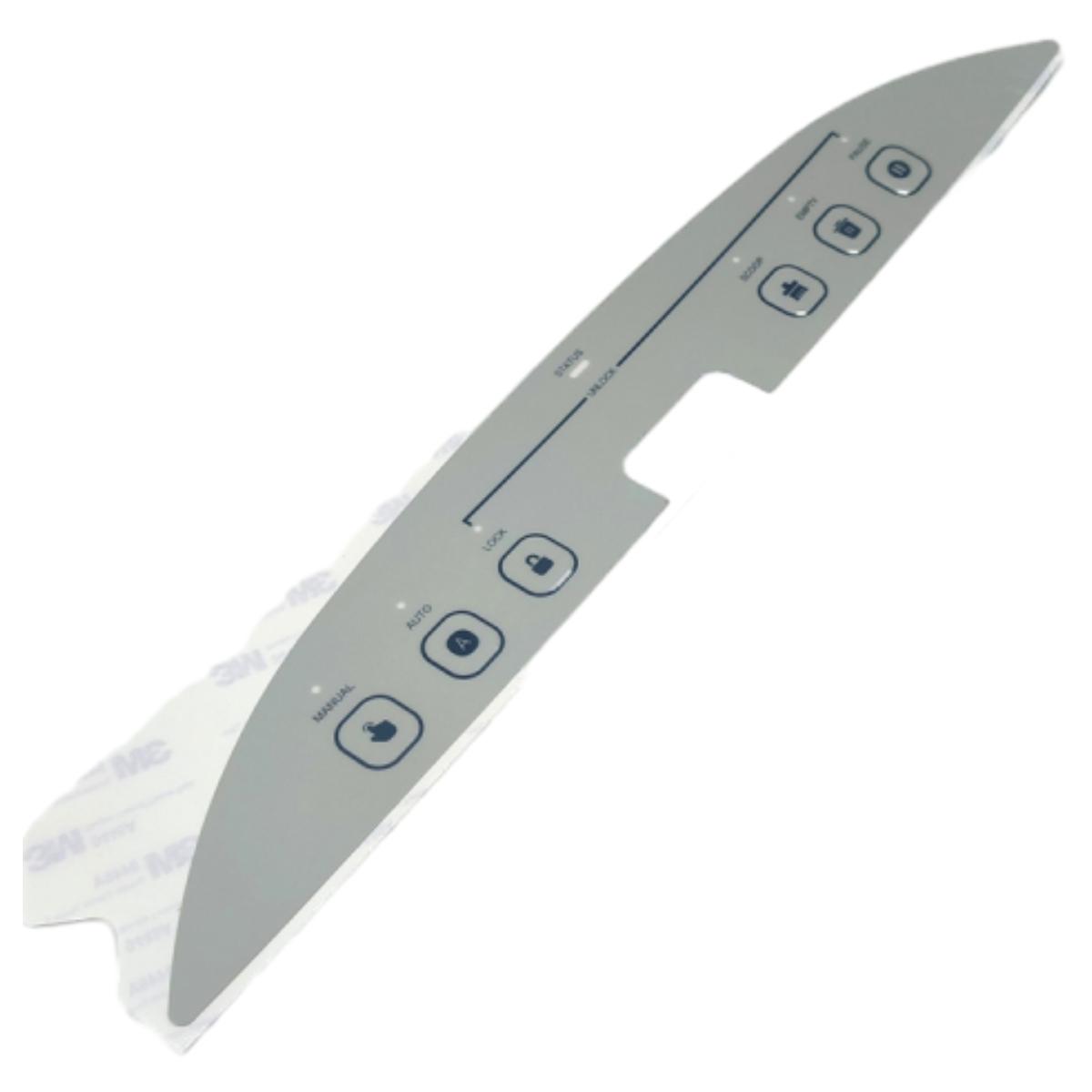
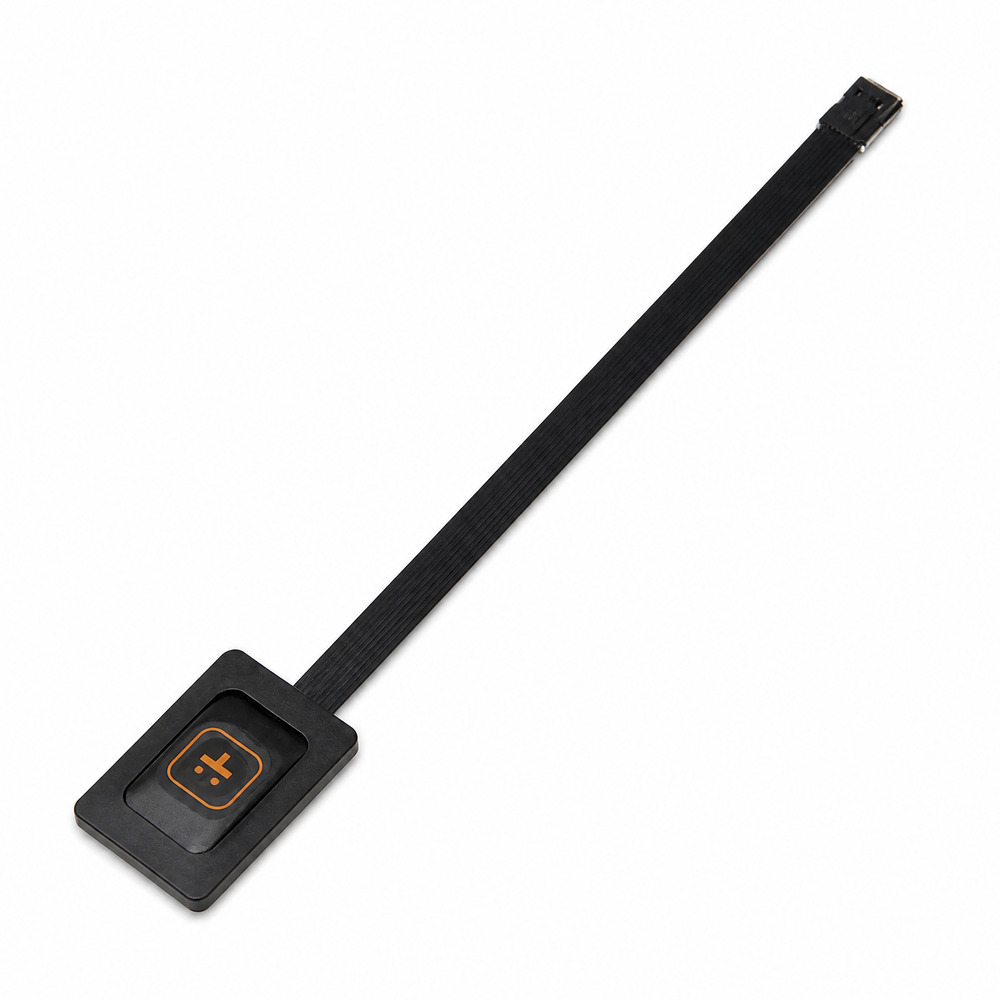
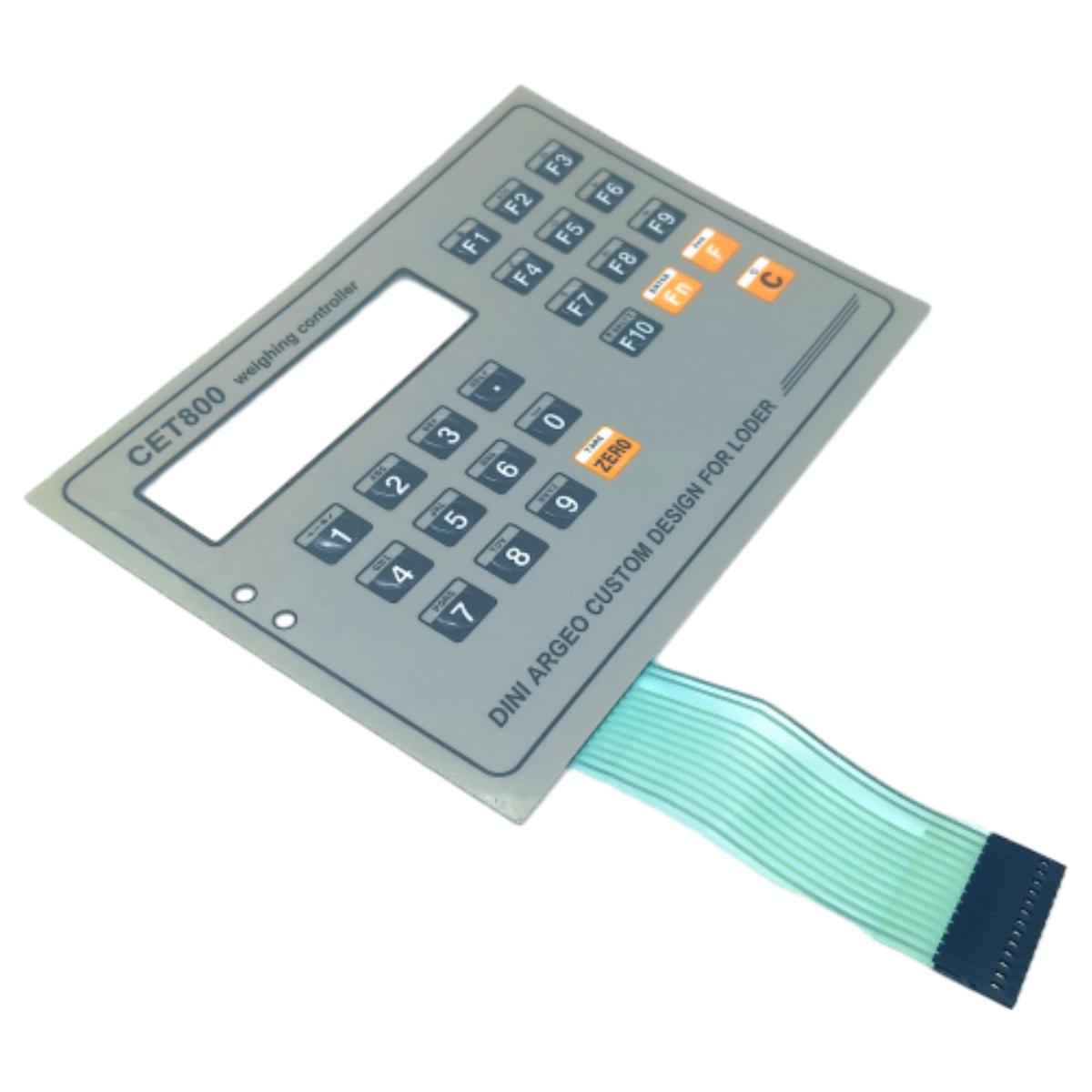
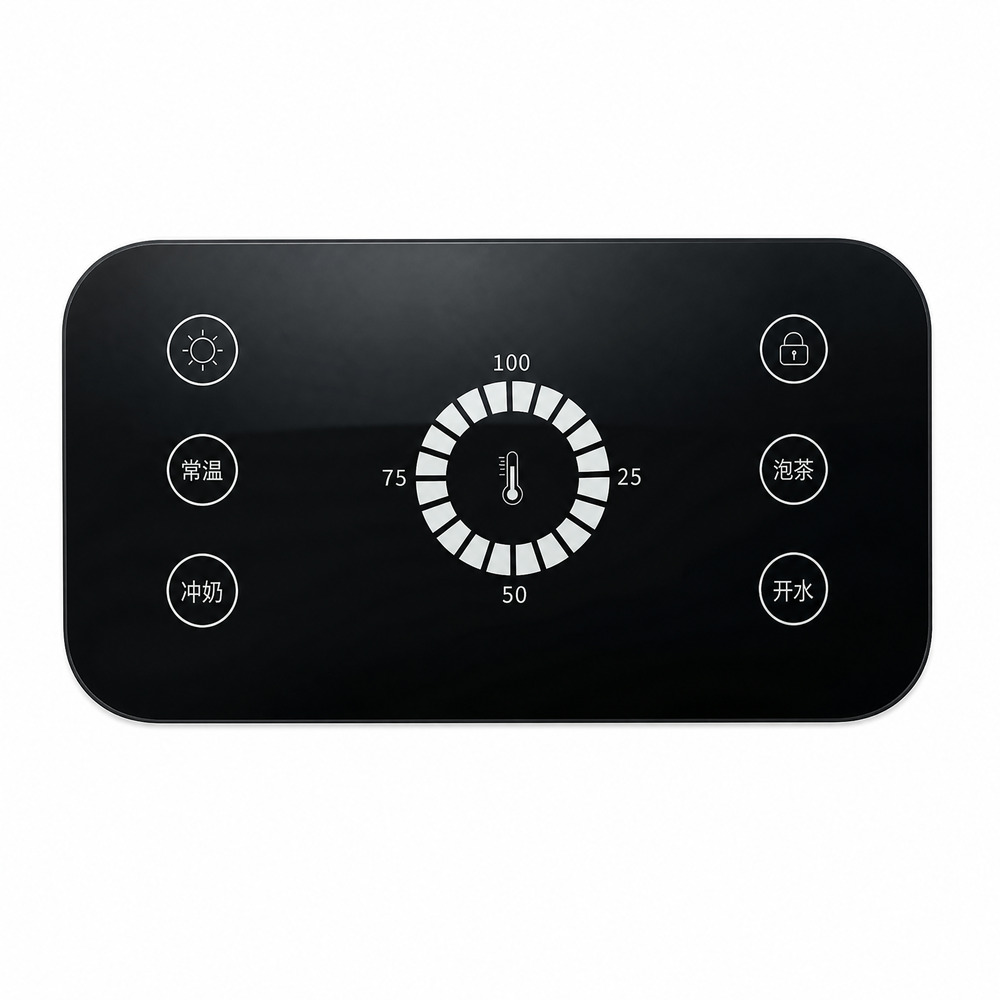
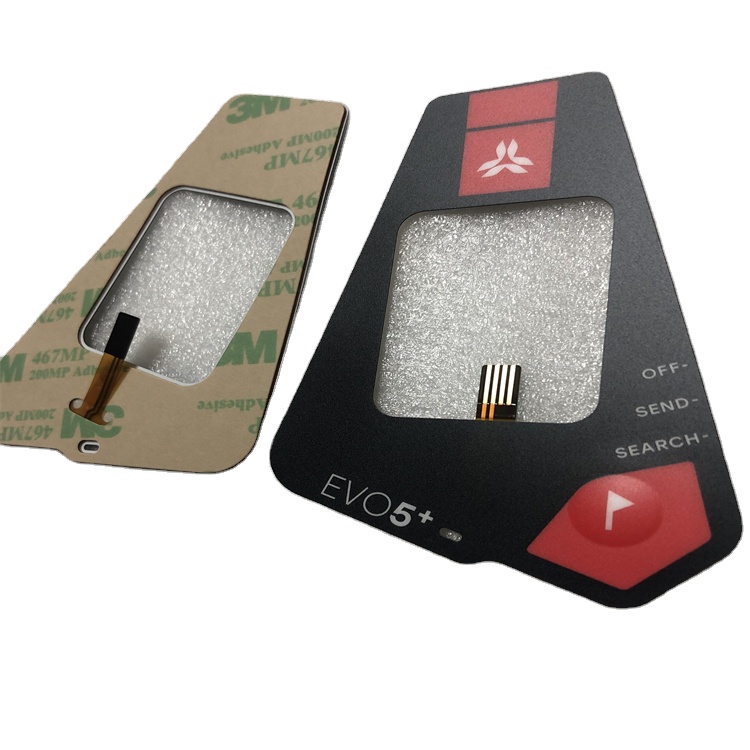
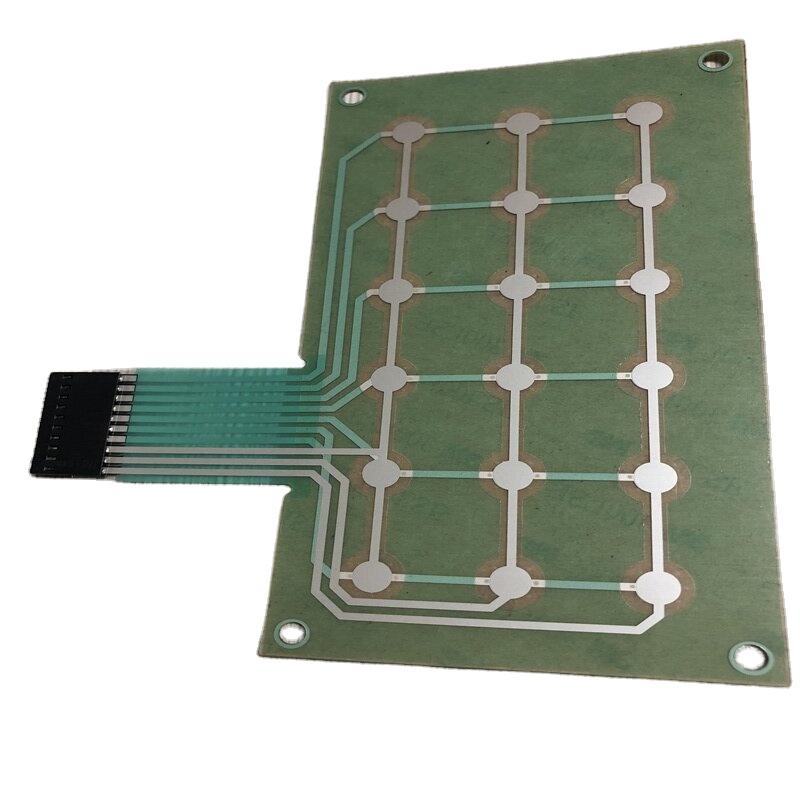
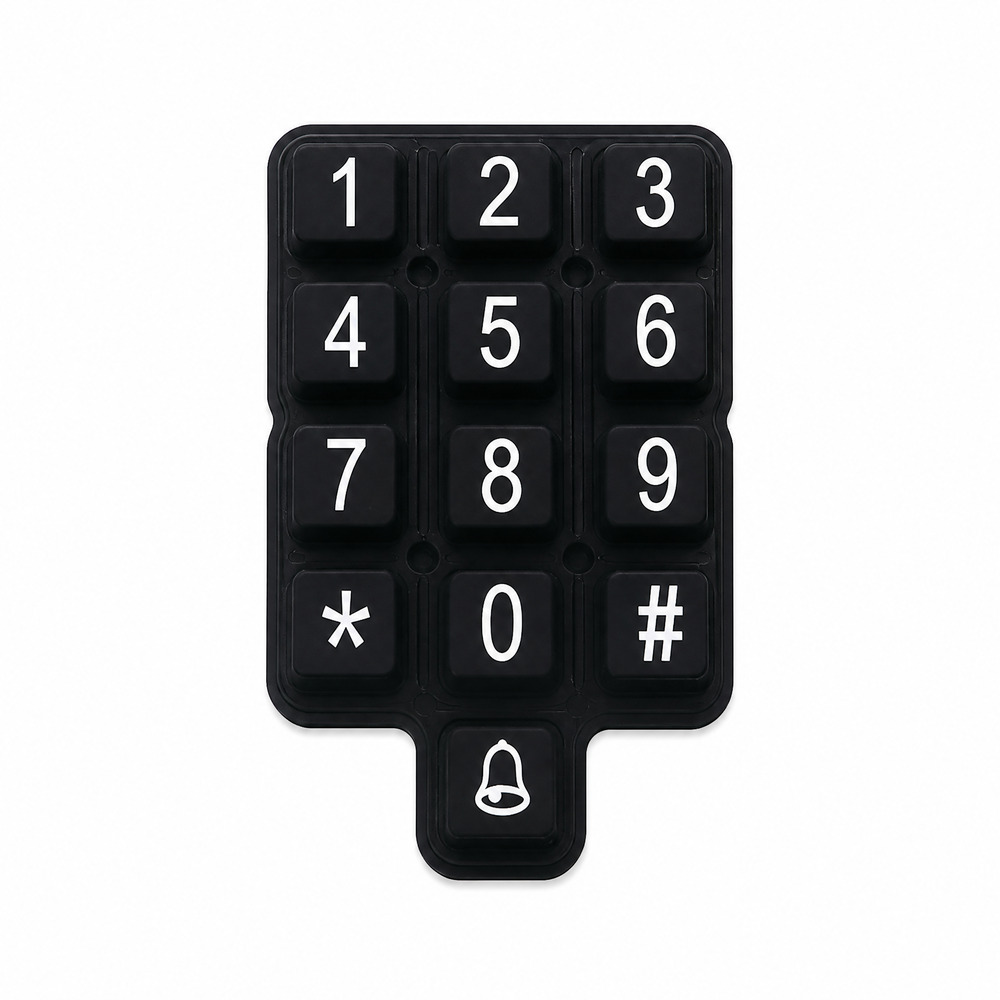
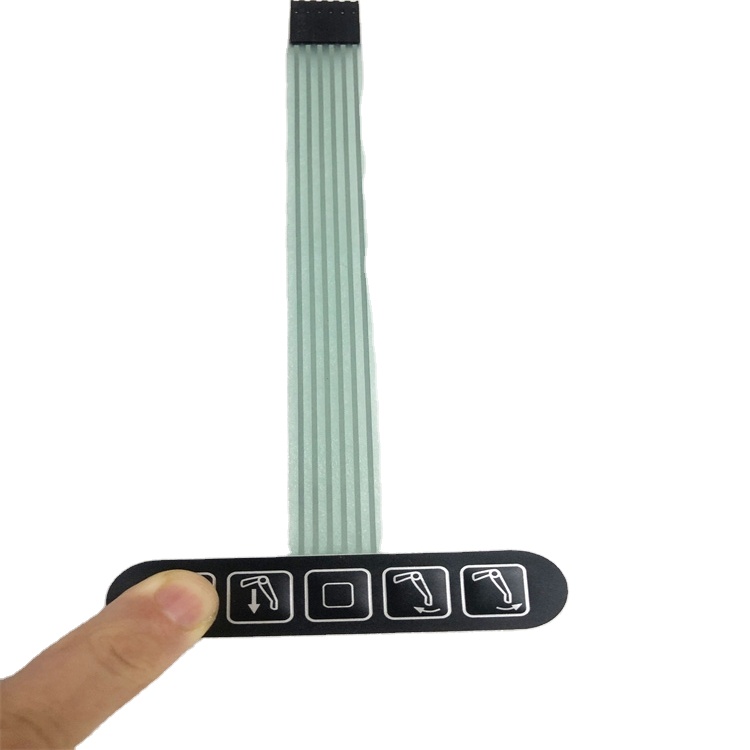
A Seat Pressure Sensor (commonly referred to in automotive systems as a Seat Belt Reminder [SBR] sensor or Occupant Classification System [OCS]) is a mission-critical, flexible thin-film electromechanical assembly designed to detect presence, mass distribution, and passenger status. As modern transportation cabins, medical equipment, and ergonomic workspaces evolve, the pressure sensing matrix has shifted from simple mechanical microswitches to sophisticated piezoresistive Force-Sensing Resistor (FSR) arrays.
At Dongguan Ravo Electronics Co., Ltd., our engineering methodology builds upon two decades of precision printed electronics. By precisely screen printing interdigitated conductive silver traces and pressure-sensitive semiconductor carbon pastings onto high-tensile, heat-stabilized polyester (PET) or polyimide (PI) substrates, we achieve non-linear resistance modulation directly proportional to applied normal force. Whether deployed under dense polyurethane automotive foam or inside ergonomic smart seating, our sensors convert compressive mechanical force into consistent, low-noise analog or digital trigger signals.
A high-reliability automotive or medical seat pressure sensor consists of a multi-layer composite engineered to withstand shear, dynamic compression, and high-humidity environmental aging without delamination or calibration drift:
| Engineering Layer | Standard Material Spec | Functional Performance Attribute | Tolerance / Validation |
|---|---|---|---|
| Top Protective Layer | 0.100mm – 0.188mm Autotype PET | High-tensile barrier against foam friction & liquid spills | Tensile strength ≥140 N/mm² |
| Upper Electrode Pattern | Acheson Conductive Silver / Carbon Paste | Interdigitated matrix fingers printing; low bulk resistance | Sheet resistivity <0.025 Ω/sq/mil |
| Adhesive Isolation Spacer | 3M 467MP / 3M 9448A Die-Cut Spacer | Vented micro-channel air relief; prevents false contact | Thickness tolerance ±0.012mm |
| Piezoresistive Sensing Layer | Formulated Quantum Tunneling Carbon Paste | Continuous resistance decay under applied gram force | Repeatability ±3% over 100k cycles |
| Lower Substrate Base | 0.125mm – 0.250mm High-Tg Toray PET | Dimensional stability during lamination and thermal cycling | Shrinkage <0.2% @ 150°C 30min |
| Interconnect Tail & Pins | PET Tail with Female Crimp or FPC Tail | Automotive connector adaptation (TE, Amphenol, JST) | Pin pull strength ≥40 N |
Procurement directors and supply chain engineers face evolving regulatory frameworks, fluctuating raw material indices, and escalating demands for digital testing verification.
Global automotive and medical OEMs are phasing out single-point binary switches in favor of distributed multi-node matrix arrays. This transition allows vehicle Electronic Control Units (ECUs) to distinguish between inanimate child restraint seats (CRS), cargo loads, and adult passengers, fulfilling Euro NCAP and US FMVSS 208 mandates.
Tier-1 systems integrators increasingly bypass non-manufacturing trading intermediaries, procuring directly from vertically integrated Chinese manufacturing hubs. Direct factory collaboration reduces engineering lead times from months to hours, ensuring custom tooling adjustments and PPAP Level 3 readiness without margin stacking.
Stringent European chemical legislations require supply chains to eliminate harmful plasticizers, phthalates, and halogenated solvents. Procurement protocols now demand certified non-toxic conductive inks, water-based dielectric spacers, and full compliance with RoHS, REACH SVHC, and automotive IMDS material logging.
From autonomous smart cabins to decubitus ulcer prevention in clinical health, flexible printed sensing is merging with edge signal processing.
By marrying ultra-thin microcontrollers (MCUs) and ADC converters directly onto the sensor tail via anisotropic conductive adhesive (ACA), modern seat sensors output localized I2C, SPI, or CAN-bus telemetry, eliminating the need for bulky external signal amplification harnesses.
In medical hospitals and automated patient mobility beds, wide-format thin-film pressure mapping matrices identify sustained high-pressure focal points. Real-time telemetry alerts caregivers to reposition immobilized patients before ischemic tissue necrosis occurs.
Electric vehicle (EV) cockpits incorporate our thin-film arrays into dynamic ergonomic contours. The sensor calculates real-time center-of-gravity shifts and biometric breathing cadence, autonomously triggering pneumatic lumbar adjustments and climate control zones.
Founded in 2003 in Fenggang Town, Dongguan, Dongguan Ravo Electronics Co., Ltd. is a vertically integrated powerhouse delivering customized HMI and printed sensor solutions.
Over 12,000 m² of modern production space featuring Class 1,000 and Class 10,000 cleanrooms for micro-particle-free screen printing, precision die-cutting, and automated hot-press lamination.
Our veteran engineering team provides Design for Manufacturability (DFM) reviews in ≤2 hours. In-house computer numerical control (CNC) tooling and screen prep cut prototype lead times down to 3–7 business days.
Every single seat sensor and membrane switch undergoes 100% automated continuity verification, contact impedance profiling, and insulation dielectric breakdown testing at 500V DC before export dispatch.
14+ years of verified international trade across Germany, the United States, Japan, and the UK. Packaged with anti-static shielding and moisture-barrier vacuum seals to survive intercontinental transit intact.
Detailed engineering answers to the operational questions posed by quality auditors, component engineers, and purchasing teams.
Our standard seat occupancy sensor configurations actuate at an initial threshold of 20g to 50g per sensing node, with an analog piezoresistive saturation range extending up to 10kg/cm². Through custom carbon paste formulation and spacer thickness profiling (from 0.05mm to 0.25mm), we calibrate sensitivity curves precisely for lightweight automotive child-seat detection or heavy industrial equipment operators.
We incorporate laser-cut micro-ventilation channels into our die-cut adhesive spacers (e.g., 3M 467MP). These channels equalize differential atmospheric pressure between chambers during rapid thermal changes (-40°C to +85°C) and cyclic loading, ensuring that residual internal vacuum never triggers uncommanded electrical continuity.
Yes. Utilizing hydro-phobic breathable membranes (e.g., Gore-tex acoustic/pressure vents) combined with high-tack perimeter adhesive seals and UV-cured potting along the flexible circuit tail exit, our sensor assemblies achieve IP67 immersion ratings, protecting the silver circuits from aggressive beverage spills, detergents, and sweat.
We supply flexible silver-ink or copper FPC tails terminated with 2.54mm pitch crimped female terminals, locking automotive housings (TE AMP, Molex, Delphi/Aptiv), solder-tab pins, or bare ZIF contact fingers with customized stiffeners for direct PCB mating.
Under standard cyclic test regimens simulating passenger ingress and egress (using a contoured rubber indenter at 1.5 Hz with 500N peak load), our sensors are certified to surpass 1,000,000 to 3,000,000 actuation cycles without delamination or contact resistance shifting beyond ±10% of nominal rating.
To support OEM development cycles, engineering prototypes can be produced from as few as 1 to 5 pieces. Standard prototype turnaround is 7 to 10 working days following DFM sign-off. Full production runs have scalable MOQs typically starting at 500 pieces, with production capacity exceeding 300,000 units monthly.
To prevent dendritic silver ion migration under continuous DC voltage in humid environments, our process overprints all silver traces with an impermeable carbon conductor layer and a dielectric passivation barrier. This isolates the silver from airborne oxygen and trace moisture, assuring zero electrochemical migration over decades of field service.
We accept 2D mechanical outlines in AutoCAD DXF or DWG format, vector artwork in Adobe Illustrator (AI) or PDF, and electronic routing files in Gerber format. Our engineering team reviews layer stack-ups, pad spacing, and connector tolerances, returning a comprehensive DFM assessment and formal quotation within 2 business hours.
