B2B Whitepaper & Sourcing Dossier

Top China Silicone Button Pad Suppliers & Exporter for the Belgium Market

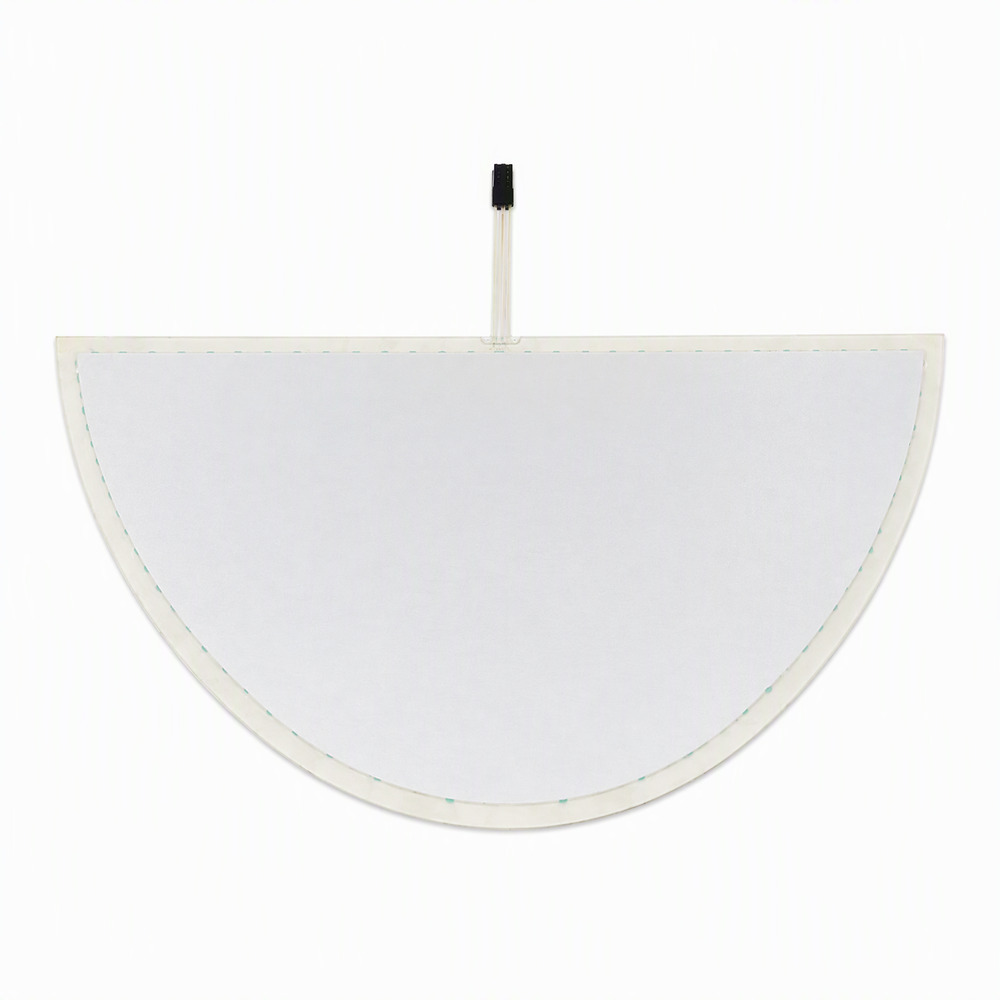
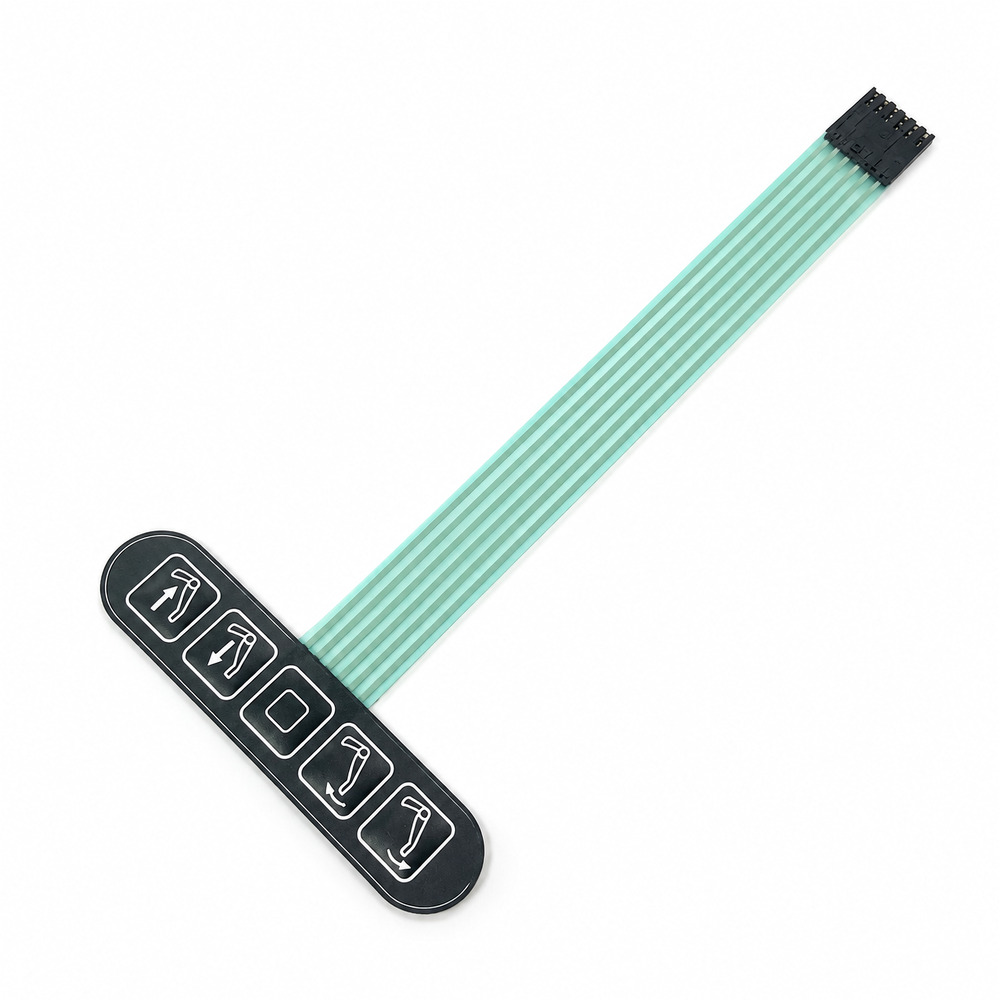
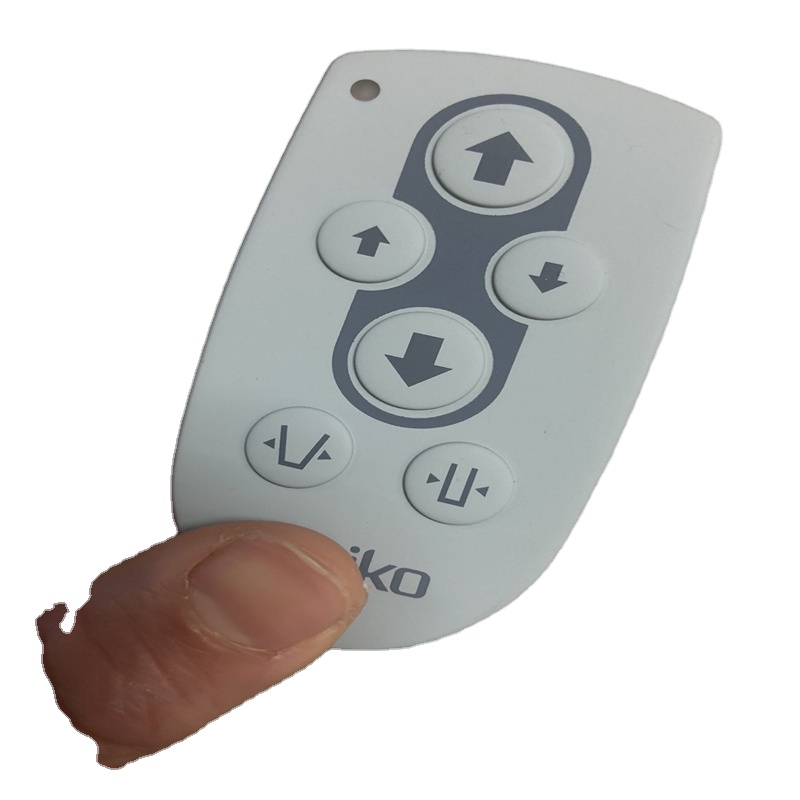
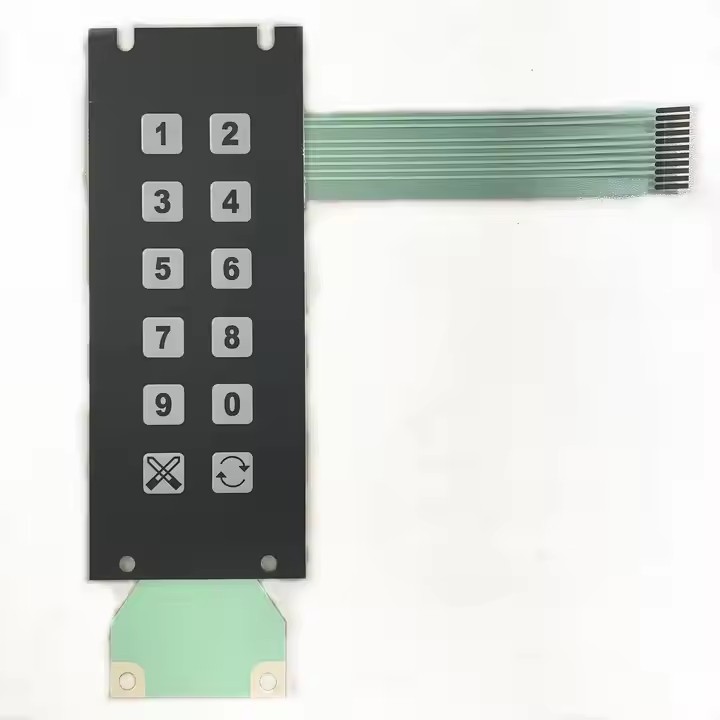
High-precision compression-molded elastomeric keypads, sealed silicone membrane assemblies, and biocompatible HMI interfaces engineered for Belgium’s medical, petrochemical, and advanced industrial automation sectors.

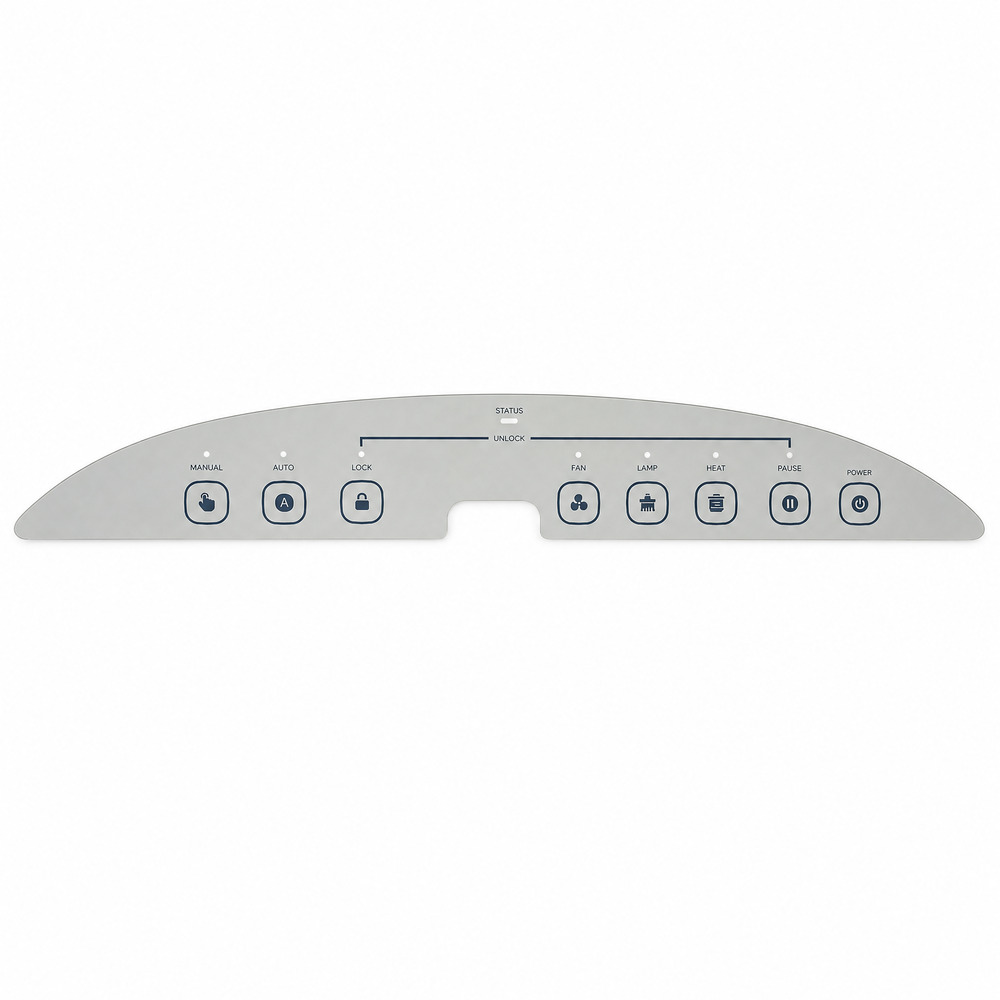
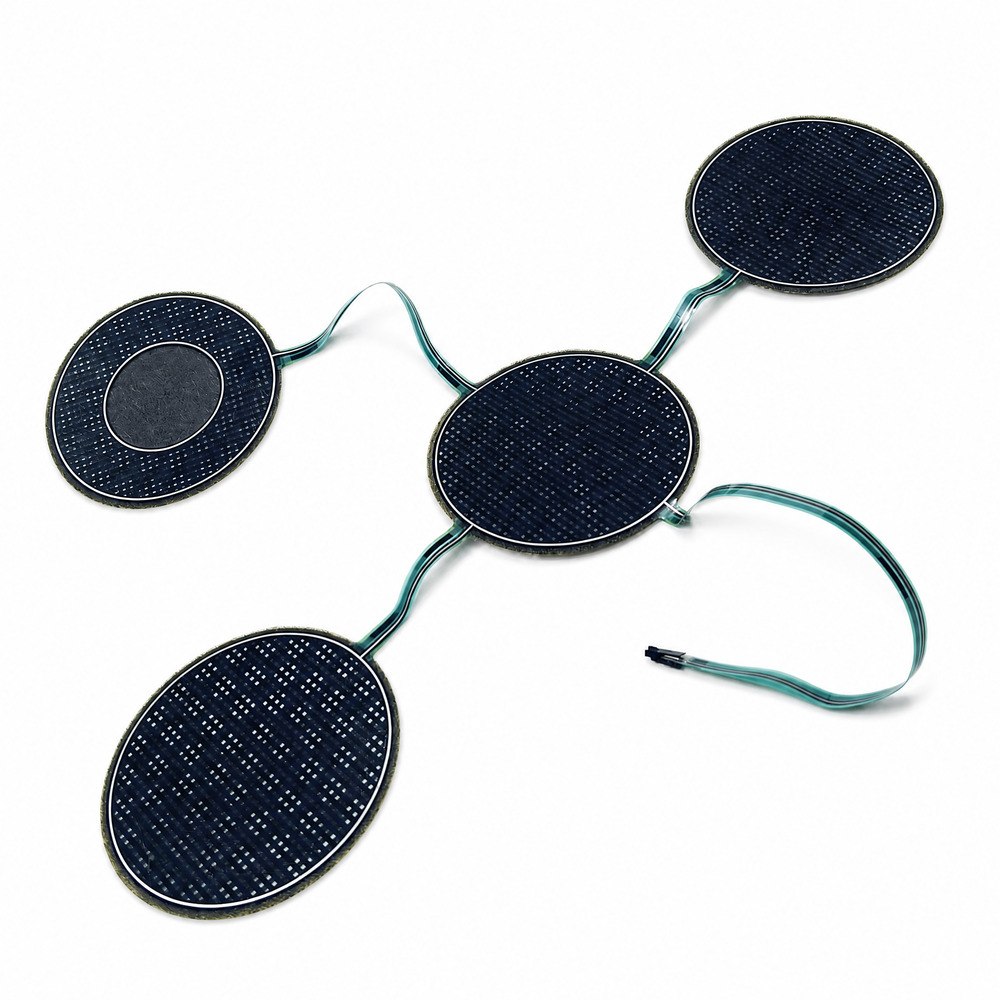
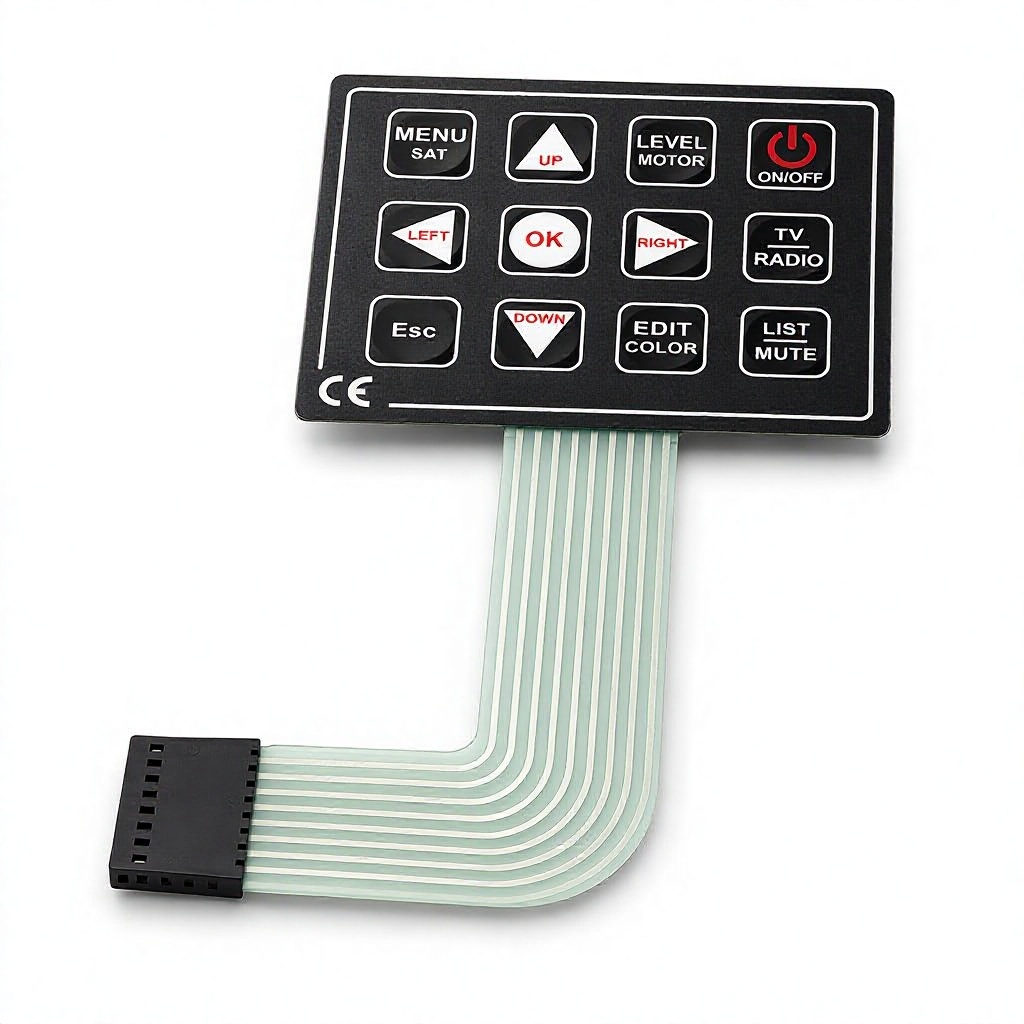
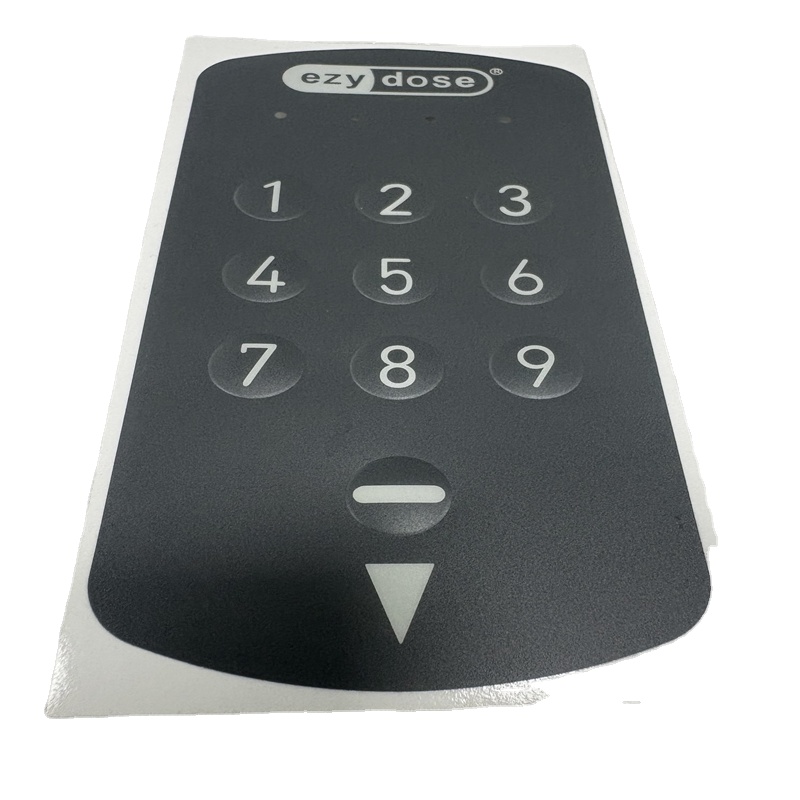
Featured Engineering Portfolio

Precision Interface Assemblies for High-Reliability Equipment

Built strictly to custom 2D/3D CAD specifications with full RoHS, REACH, and ISO 9001 quality compliance for European deployments.

Technical Whitepaper

Engineering Elastomeric HMI: Material Science & Tactile Dynamics

A comprehensive engineering guide for Belgian equipment designers, electro-mechanical engineers, and supply chain managers.

In modern industrial human-machine interfaces (HMI), the silicone button pad (also known as an elastomeric keypad or silicone rubber switch) bridges physical tactile ergonomics and rugged environmental isolation. When original equipment manufacturers (OEMs) and design houses across Brussels, Flanders, and Wallonia design operator panels, their engineering decisions hinge on force-deflection geometry, chemical resistance, post-curing degasification, and electrical interface compatibility. As China's premier specialized silicone keypad and membrane switch manufacturer since 2003, Dongguan Ravo Electronics Co., Ltd. produces elastomeric interface sub-assemblies that fulfill rigorous European directives while maintaining micron-level tooling precision.

2003
Established in Dongguan
12,000m²
Vertically Integrated Plant
≤2h
DFM Engineering Response
10M+
Actuation Cycle Life Tested

1. Polymer Compounding & Durometer Calibration (Shore A Scale)

The base substrate of our silicone button pads utilizes premium-grade vinyl methyl silicone (VMQ) rubber, vacuum-kneaded with colloidal silica reinforcing fillers. Durometer selection—measured on the Shore A scale—directly governs key travel, structural stiffness, and tactile sensation. For Belgian biomedical monitors and hospital infusion pumps, a softer durometer of 40° to 50° Shore A provides gentle, silent tactile damping. Conversely, for rugged maritime consoles deployed in the Port of Antwerp-Bruges or heavy rail control boards, our engineers specify 60° to 70° Shore A silicone to prevent accidental actuation and withstand high-vibration environments.

Durometer (Shore A) Typical Actuation Force Stroke Travel Tactile Response Primary Belgian Application Sector
30° – 40° A 50g – 100g 1.8mm – 2.5mm Ultra-soft, dampened linear return Handheld diagnostic gadgets & laboratory pipettes
45° – 55° A 120g – 220g 1.2mm – 1.8mm Balanced snap ratio (40%–55%), crisp click Medical patient monitors, HVAC controllers, Ghent food plant HMIs
60° – 70° A 220g – 400g 0.8mm – 1.4mm Firm, distinct tactile snap, high feedback Antwerp container crane remotes, petrochemical telemetry, AGV pendants
75° – 85° A 400g – 600g+ 0.5mm – 1.0mm Heavy-duty industrial tactile switch Emergency stop surrounds, railway signaling, defense instrumentation

2. Webbing Geometry & The Snap Ratio Equation

The core of elastomeric tactile feedback lies in the webbing angle and thickness surrounding each key. When an operator applies fingertip force, the elastomeric webbing flexes elastically until reaching its critical buckling threshold (peak force, $F_1$). Upon buckling, the resistance collapses rapidly to the contact force ($F_2$), driving the conductive contact pill against the gold-plated or silver-printed circuit pads underneath.

The qualitative "feel" of a silicone button pad is quantified by the Snap Ratio Formula:

Snap Ratio (%) = [(F1 - F2) / F1] × 100%

For Belgian engineering standards, our compression molding tooling maintains a uniform snap ratio between 45% and 60%. This creates a satisfying, positive click that confirms data entry even through protective industrial gloves, while preventing operator fatigue during prolonged terminal operations.

3. Conductive Contact Technologies: Pills, Pellets, and Metal Domes

To complete the low-voltage electrical circuit across the mating printed circuit board (PCB) or flexible printed circuit (FPC), Ravo equips silicone button pads with three primary electrical contact systems:

Conductive Carbon Pills

Molded-in low-resistance carbon pellets (<100 Ω resistance) offering exceptional cycle life exceeding 5 million strokes. Impervious to oxidation, making them ideal for standard membrane and PCB switch arrays.

Gold-Plated Contacts

Ultra-low contact resistance (<1 Ω) engineered for low-current signal switching and sensitive microcontroller inputs in analytical laboratory instruments and telecommunication arrays.

Integrated Metal Domes

Combines a silicone rubber overlay with stainless steel tactile metal domes (four-leg or round). Provides tactile feedback with an audible acoustic snap, popular in medical and mission-critical controls.

4. Surface Protection & Backlighting Engineering

Unprotected silicone rubber exhibits a high surface friction coefficient that easily attracts airborne dust and degrades under constant abrasion. Ravo utilizes advanced robotic cleanroom finishing to apply multiple protective coatings:

  • Polyurethane (PU) Matte/Gloss Coating: Protects screen-printed legends against friction, sweat, and mild solvents, passing 100,000+ RCA abrasion test cycles.
  • UV-Cured Epoxy Capping: Creates a smooth, transparent 3D dome over keytops, delivering a ceramic-like aesthetic and scratch protection for consumer interfaces.
  • Parylene Vacuum Deposition: Creates a pinhole-free barrier coating that renders silicone completely inert to aggressive hospital disinfectants (isopropanol, sodium hypochlorite).
  • Translucent Silicone + Spray Coating + Laser Etching: The gold standard for night-vision and backlit interfaces. High-transparency silicone is sprayed with opaque base and color coats, then CNC laser-ablated to expose translucent legends for LED illumination.
Geographic & Industrial Alignment

Tailored Silicone Button Pad Applications Across Belgium

Engineering interfaces adapted to the specific operational environments of Belgium’s top economic clusters.

MedTech & Biopharma (Wallonia & Brussels)

Serving health-tech developers in Liège, Leuven, and Charleroi. Medical-grade silicone pads engineered for clinical cleanability, resisting repeated wipedowns with bleach and alcohol without legend degradation. Biocompatible raw materials meeting ISO 10993 cytotoxicity criteria.

Maritime & Logistics (Port of Antwerp-Bruges)

Heavy cargo cranes, terminal straddle carriers, and robotic Automated Guided Vehicles (AGVs) operating in corrosive North Sea marine environments. We supply IP67-sealed silicone switch mats with integrated sealing lips that prevent moisture and salt-fog ingress into internal electronics.

Food & Beverage Processing (Flanders Agro-Belt)

Automated sorting, bottling, and processing equipment across West and East Flanders. Food-contact safe silicone keypads certified to FDA 21 CFR 177.2600. Designed with flush contour geometry to withstand daily high-pressure washdowns and eliminate microbial harborage zones.

Chemical & Petrochemical Plants (Antwerp Cluster)

In the Antwerp chemical manufacturing basin—Europe's largest integrated petrochemical cluster—control interfaces face airborne hydrocarbons, aromatic solvents, and volatile atmospheres. We engineer fluorosilicone keypads providing chemical resistance and zero spark ignition hazard.

Regulatory Whitepaper

Belgian & EU Market Trends: Compliance, Durability & Design

Navigating strict European chemical compliance and technological shifts in human-machine interface design.

Full REACH & RoHS 3 Compliance

Belgian customs at Brussels Airport (BRU) and Antwerp Port scrutinize incoming polymer components. Every silicone batch formulated at Ravo complies strictly with EU REACH Regulation (EC 1907/2006), guaranteeing zero Presence of Substances of Very High Concern (SVHC), including D4/D5/D6 siloxanes. Accompanied by full SGS third-party test certificates.

Low-Emission Post-Curing Standards

To meet Belgium’s environmental workplace air quality directives, all silicone molded parts undergo forced-draft oven post-curing at 200°C for 4 to 8 hours. This process strips out residual low-molecular volatiles, prevents cross-linking odors, minimizes compression set, and ensures stable mechanical properties across thermal swings.

Hybrid HMI Architectures

Belgian engineering firms are shifting toward hybrid HMI assemblies: combining a molded silicone keypad with an underlying Rigid FR-4 or Flexible FPC circuit and an anti-glare polyester (Autotex) graphic overlay. This delivers the tactile click of elastomeric buttons with the clean, sealed aesthetic of modern flat panels.

Quality Assurance Workflow

End-to-End Manufacturing Process from CAD to Belgium Delivery

A rigorous six-stage production process delivering repeatability on every batch.

01
DFM Review

Engineering analysis of draft angles, wall thickness, snap ratios, and key travel. Detailed feedback within 2 hours.

02
In-House Tooling

High-precision CNC steel molds, EDM cavity cutting, and automated prototype tooling fabricated on-site.

03
Clean Molding

Automated vacuum compression molding with calibrated vulcanization temperature and cycle control.

04
Laser & Coating

Class 10,000 cleanroom robotic spraying, laser etching, silk screening, and abrasion-proof PU curing.

05
100% Testing

Automated contact resistance, actuation force curves, optical laser inspection, and cycle endurance testing.

06
Export Packing

Anti-static ESD vacuum packaging, shock absorbing crating, and direct DDP shipping to Antwerp or Brussels.

Procurement & Engineering FAQ

Frequently Asked Questions by Belgian Buyers & Engineers

Clear answers to key questions regarding customs clearance, tooling longevity, and lead times.

What are the typical shipping options & transit times to Belgium?
For rapid prototyping and urgent pilot batches, we utilize air express (DHL/FedEx/UPS) directly into Brussels Airport (BRU) or Liege Cargo Superhub (LGG), delivering in 4 to 6 business days. For volume container production, sea freight from Shenzhen to the Port of Antwerp-Bruges takes approximately 24 to 28 days on water. We provide full DDP (Delivered Duty Paid) terms where customs declaration, VAT clearance, and import duties are completely handled.
Do your silicone formulations comply with Belgian food and pharma laws?
Yes. We stock platinum-cured, medical-grade silicone elastomers conforming to FDA 21 CFR 177.2600 and European USP Class VI / ISO 10993 cytotoxicity guidelines. For food automation machinery operating in Flanders, these materials exhibit zero toxicity, impart no taste or odor, and resist continuous CIP (Clean-In-Place) thermal sterilization cycles.
What tooling guarantees do you offer for silicone compression molds?
All our production molds are machined from hardened P20 or NAK80 tool steel. We guarantee a mold life of over 500,000 compression cycles. We maintain, clean, and store the tooling in our temperature-controlled mold warehouse for the lifetime of your product, replacing worn cavities at our own expense with zero recurring tooling charges to the customer.
What engineering files are required to initiate a DFM quotation?
We accept 3D CAD files in STEP, IGES, or native SolidWorks format for key geometry and webbing analysis, paired with 2D drawings in DXF, DWG, or vector PDF format denoting dimensions, tolerances, Pantone color codes, Shore A durometer, and stroke travel specifications. Our engineering team responds with a comprehensive DFM evaluation within 2 hours.
Can you incorporate ESD and EMI shielding into the silicone pad assembly?
Yes. Electrostatic discharge (ESD) protection is critical for medical and industrial machinery. We integrate conductive silver grid printing, carbon conductive backings, or internal aluminum foil layers connected directly to a ground tab, safely dissipating static discharges of up to 15kV without damaging underlying sensitive microprocessors.
How do you handle color matching for corporate branding requirements?
We match colors using Pantone Formula Guide Solid Coated references or standard European RAL Classic color systems. Color formulation is verified via computer spectrophotometer under standard D65 daylight simulation lightboxes, guaranteeing color delta E (ΔE) values under 1.0 across different production lots.
Factory Strengths

Why Belgian Industrial Leaders Partner with Ravo

Combining two decades of South China manufacturing scale with precision European quality standards.

12,000m² Integrated Facility

Founded in 2003 in Fenggang Town, Dongguan, Ravo hosts mold-making, silicone mixing, vulcanization, screen printing, die-cutting, cleanroom assembly, and test laboratories under one unified roof.

Rapid Prototyping from 1 Piece

We break down traditional volume barriers. Test new product designs with pilot prototype tooling from just 1 to 10 pieces, delivered in 5 to 7 days to accelerate your product development lifecycle.

ISO 9001 & European Verification

Our quality system is verified on-site by international inspection bodies. Every production lot is tracked with material batch certificates, dimensional CMM inspection reports, and continuity test records.

Accelerate Your Next HMI Project with Ravo

Send your 2D/3D CAD drawings, material requirements, and annual volume estimates. Our senior engineering staff will review your files and provide a detailed DFM report along with competitive factory-direct pricing within 2 hours.