 EN
 DE
 FR
 ES
 RU
 JA EN DE FR ES RU JA
Direct from our 12,000 m² Dongguan manufacturing plant: battle-tested sensor geometries, custom ink formulations, and membrane stacks engineered to tight Baltic specifications.
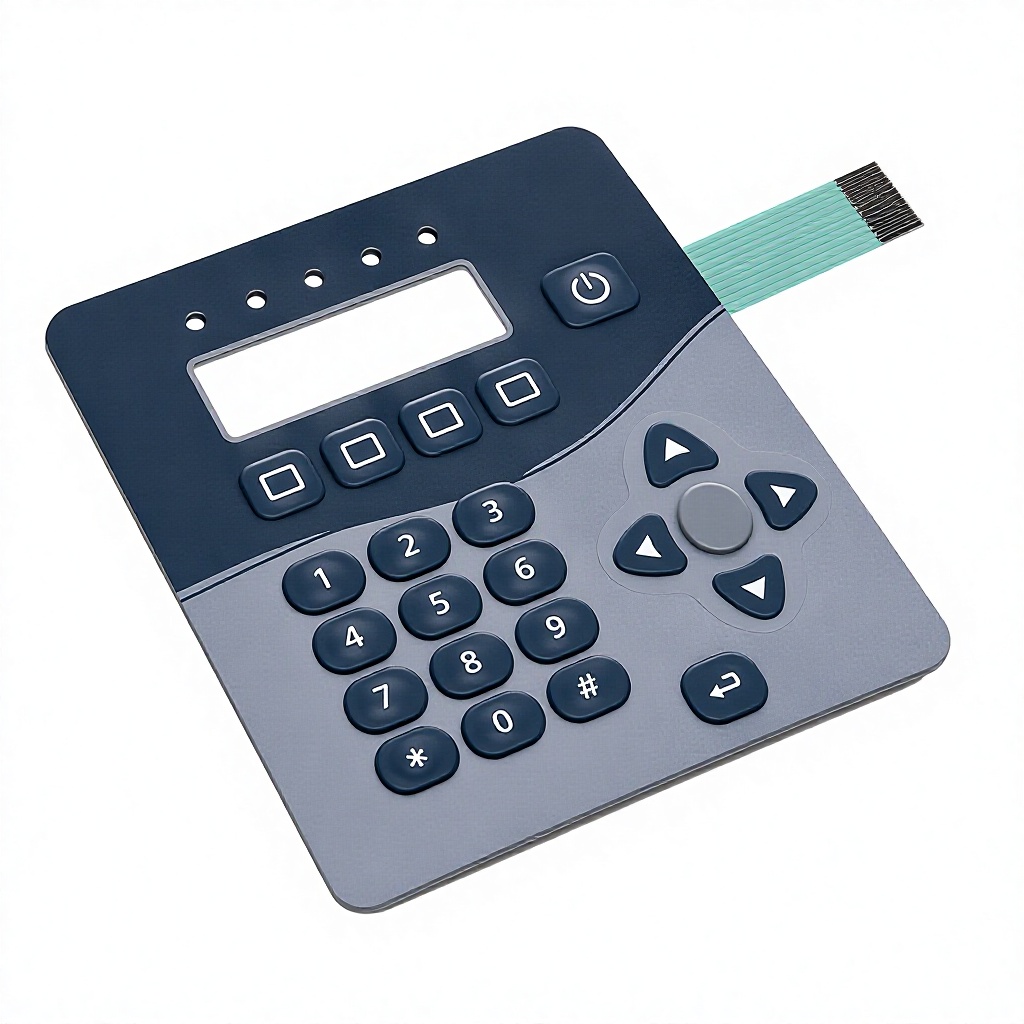
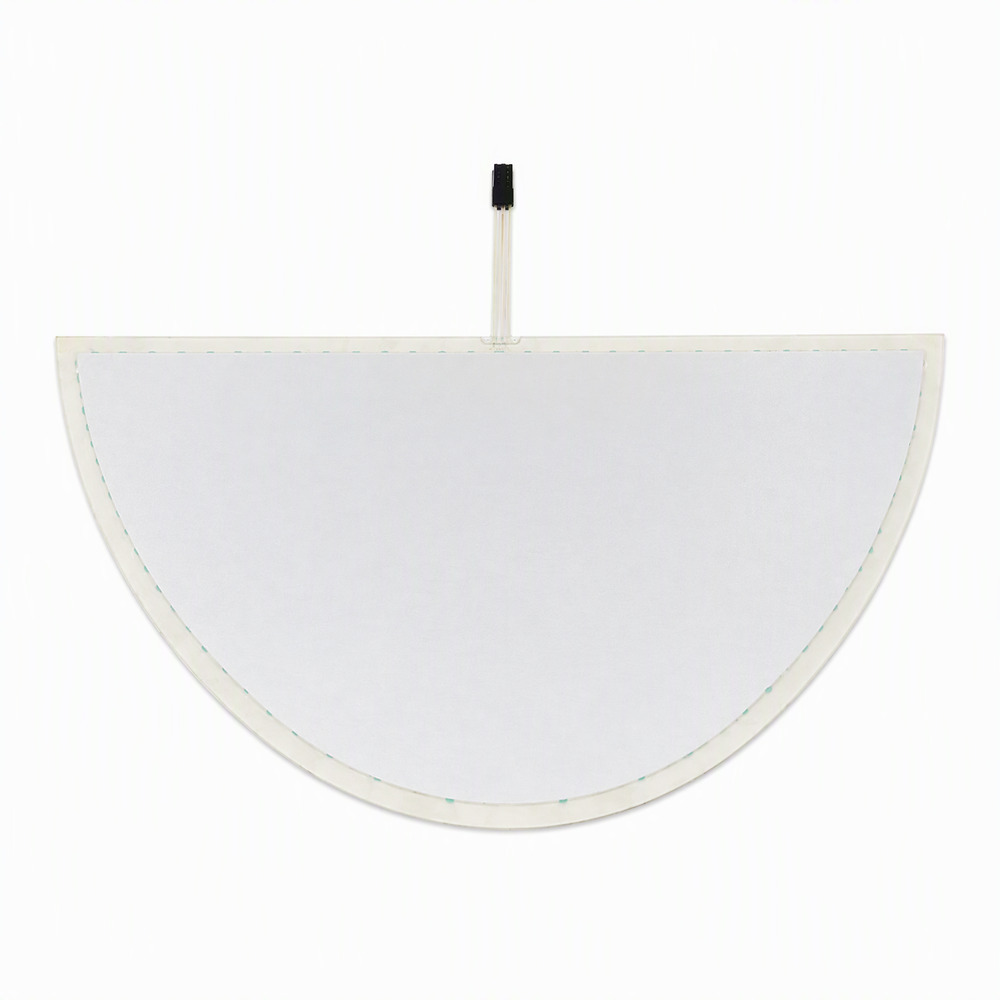
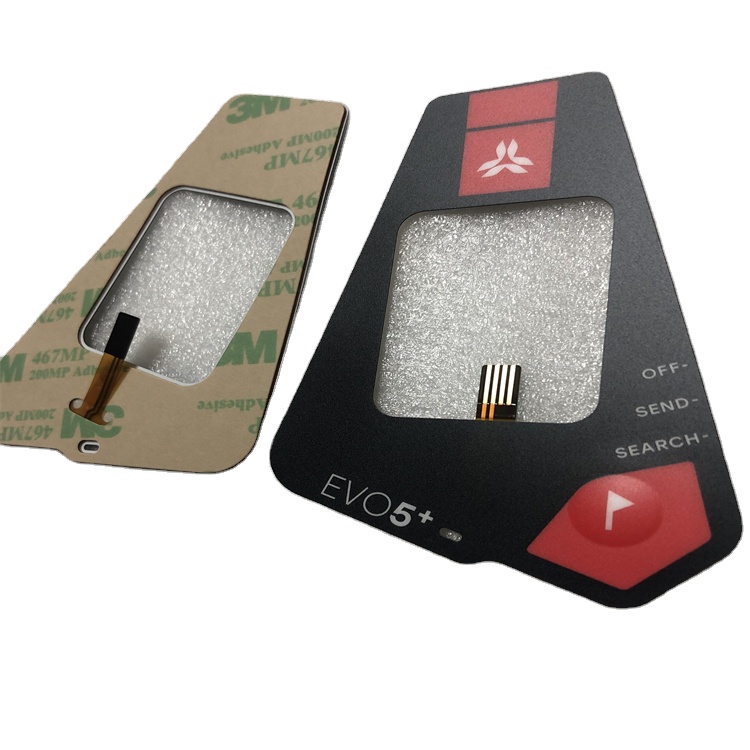
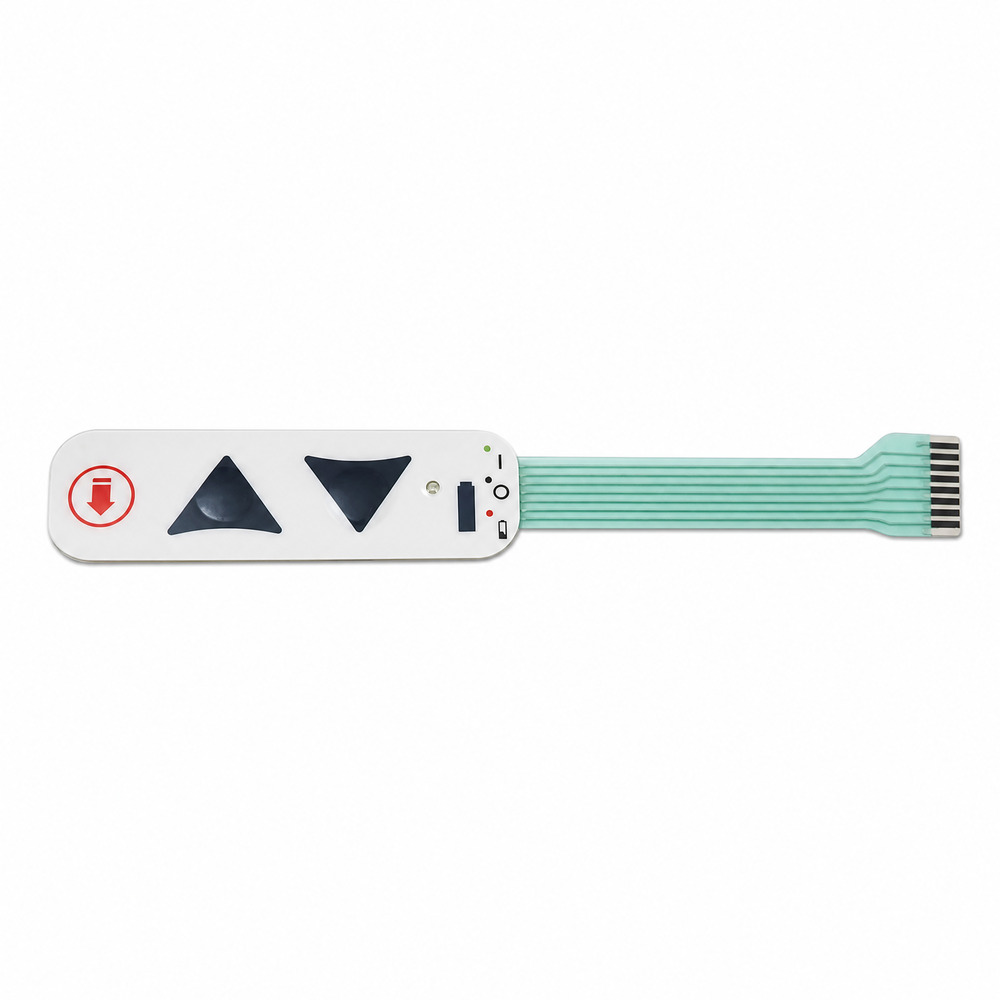
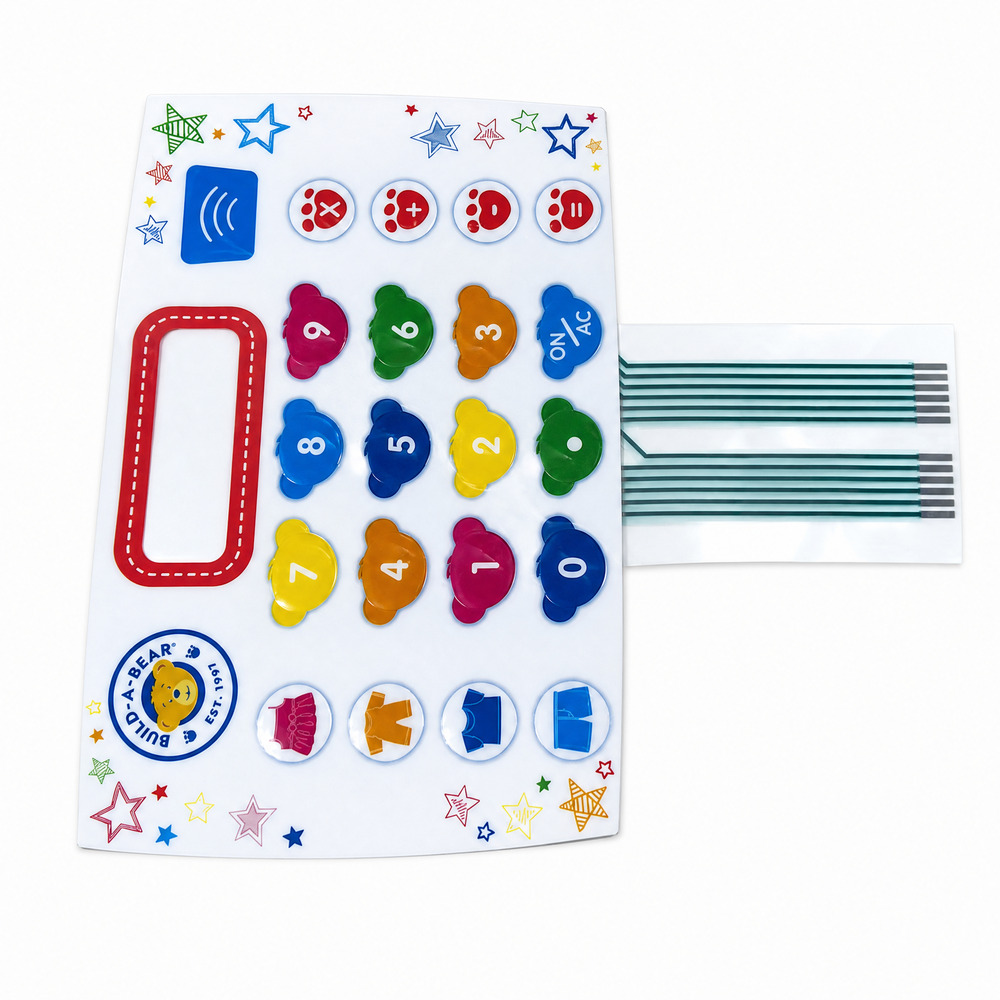
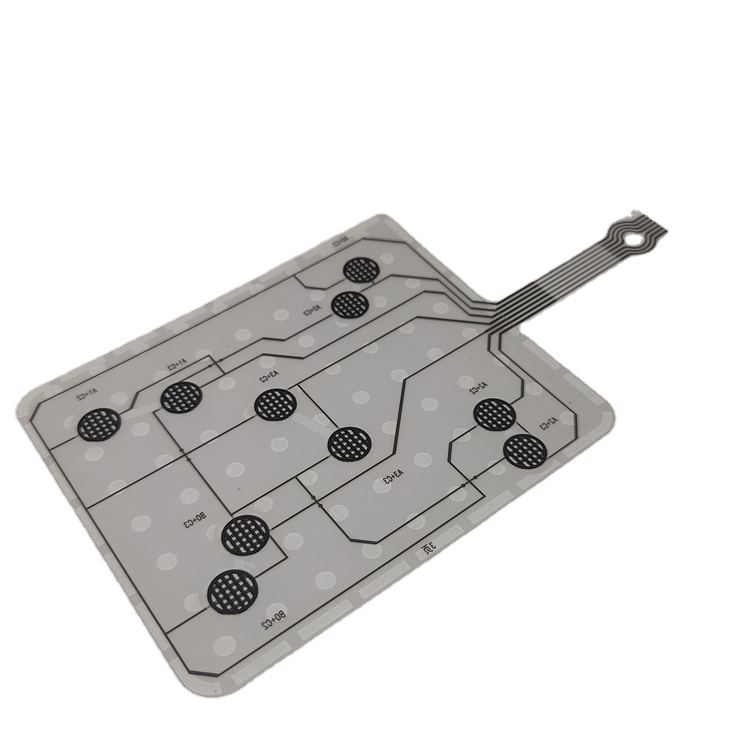
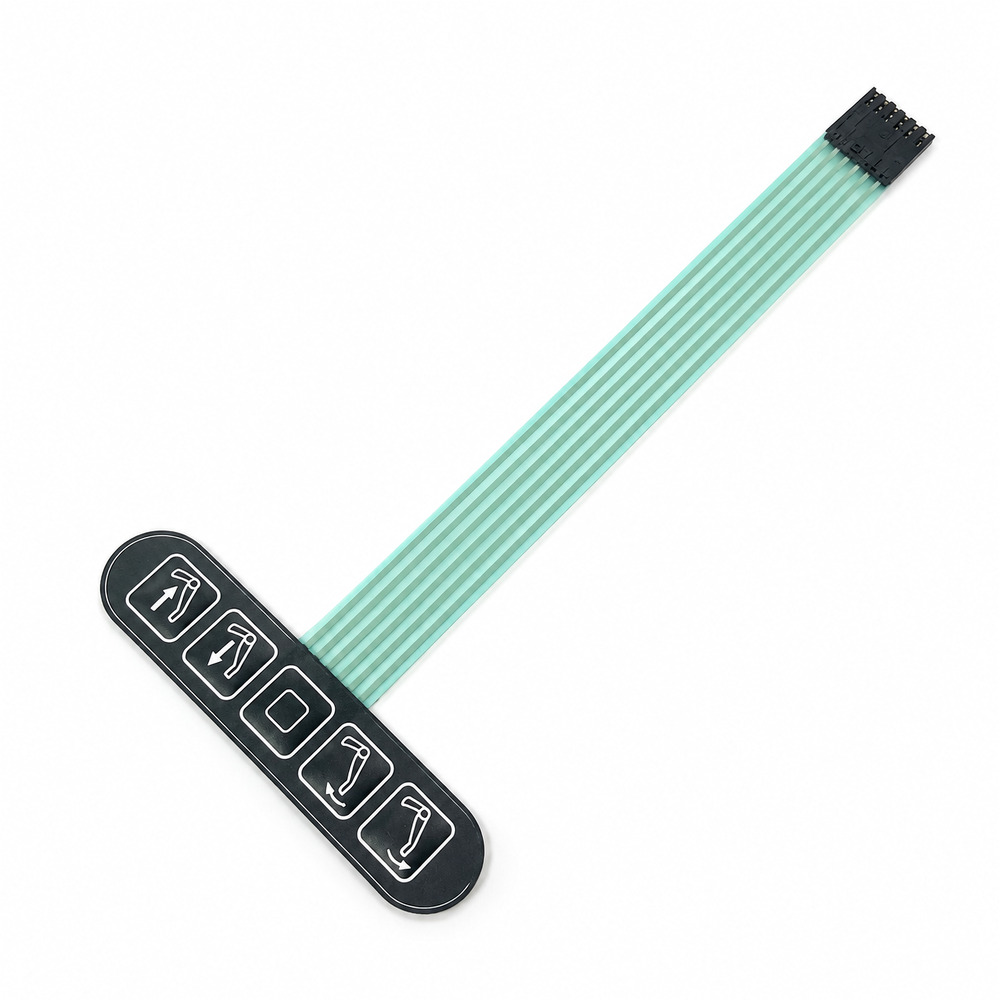
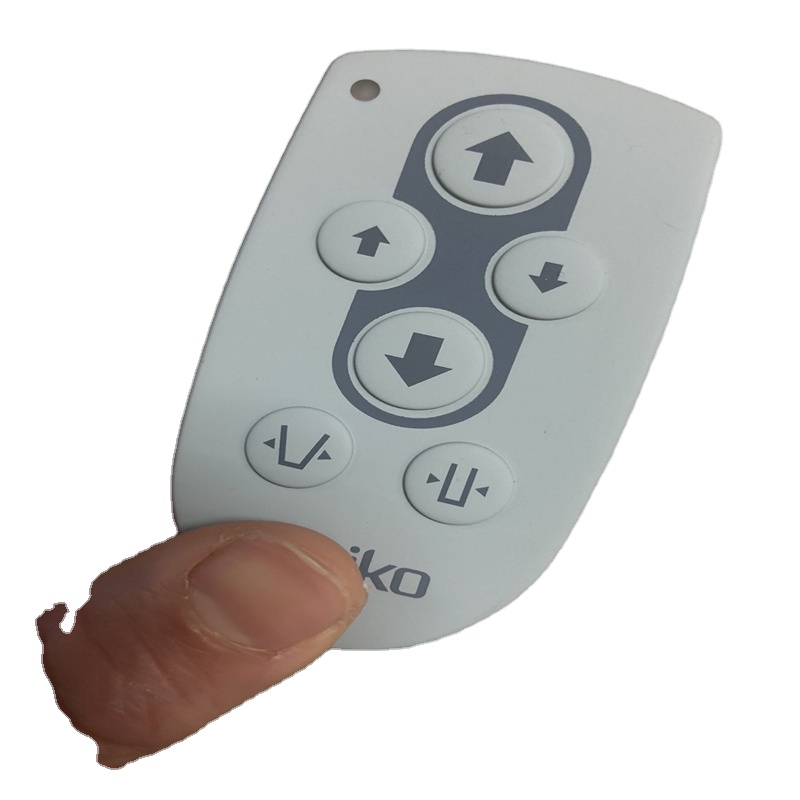
Force Sensing Resistors (FSRs) are robust, polymer thick film (PTF) devices that exhibit a predictable decrease in electrical resistance when an increasing mechanical force is applied to their active sensing surface. Unlike rigid silicon strain gauges or bulky load cells, thin-film FSR sensors offer an ultra-thin physical profile (often below 0.35 mm total thickness), superior mechanical flexibility, and shock insensitivity. For hardware engineers, systems integrators, and industrial designers in Liepāja and across the broader Kurzeme industrial district, custom FSR technology from Dongguan Ravo Electronics Co., Ltd. delivers an optimized balance of low per-unit cost, high dynamic sensitivity, and straightforward electronic integration.
Piezoresistive Conduction Dynamics: In an FSR sensor, conductive carbon nanoparticles suspended in an elastomeric binder contact interdigitated silver or copper conductor traces. As mechanical pressure increases, microscopic surface asperities compress, dramatically increasing micro-contact junctions and reducing surface-to-trace resistance according to an inverse power-law curve: R(F) ∝ F-k.
When engineering custom force sensors for Baltic clients, Ravo Electronics configures the sensor stack in one of two baseline architectures based on the customer's spatial footprint and target sensitivity range:
1. Shunt-Mode (Single-Substrate) Architecture: In a shunt-mode FSR, both interdigitated electrode fingers are screen-printed on a single flexible substrate (typically 0.125 mm to 0.175 mm biaxially oriented PET or polyimide FPC). A second top sheet printed with a specialized semi-conductive piezoresistive carbon formulation is laminated over the top, separated by a precision die-cut spacer adhesive (such as 3M 467MP). Under zero load, the spacer maintains an air gap between layers, presenting an open circuit resistance exceeding 10 MΩ. When external force is applied, the carbon sheet bridges the finger traces, yielding smooth, repeatable analog resistance changes across a broad actuation spectrum (0.2N to 50N). Shunt-mode is exceptionally durable, cost-effective, and simpler to terminate via standard 2.54 mm pitch female crimp connectors or ZIF tails.
2. Thru-Mode (Dual-Substrate Sandwich) Architecture: Thru-mode designs print a continuous conductive electrode on the top flexible carrier and an identical continuous electrode on the bottom substrate, sandwiching a proprietary pressure-sensitive conductive polymer matrix in between. Current passes perpendicularly through the entire thickness of the sensing material. Thru-mode sensors exhibit higher initial force sensitivity, superior linearity in high-pressure regimes (ranging up to 100N – 300N), and reduced susceptibility to shear-induced hysteresis. This makes them the configuration of choice for heavy industrial machinery clamping analysis, container distribution scale pads, and automotive seating occupant classification systems.
Liepāja's coastal geographic location on the Baltic Sea demands stringent environmental protection against continuous relative humidity, freeze-thaw cycles, and airborne saline fog. Ravo Electronics incorporates specialized polymer systems developed over twenty years of material science refinement:
From the multimodal logistics hubs of the Liepāja Special Economic Zone (LSEZ) to Western Latvia's precision metalworking and medical rehabilitation clusters, our custom FSR solutions solve mission-critical challenges.
Liepāja is one of the Baltic Sea's vital ice-free transshipment ports. Custom multi-point FSR sensor arrays embedded beneath heavy-duty warehouse pallets, conveyor rollers, and automated forklift forks monitor load distribution, container tare balances, and sudden impact shocks in real time, preventing cargo damage and structural overstress.
Liepāja's engineering cluster relies heavily on high-precision CNC equipment and stamping dies. Ultra-thin FSR pressure mapping foils inserted into hydraulic chucks, pneumatic vises, and robotic end-effectors continuously profile clamping force balance, preventing component warping and tool slippage without consuming valuable spatial clearance.
With Kurzeme positioning itself as a central hub for Baltic offshore wind projects, mechanical stress analysis on turbine tower damping pads, cable strain relief clamps, and hatch gaskets requires passive, low-power pressure sensors capable of enduring cold, salty, vibrating maritime environments over multi-year deployments.
Latvia's growing MedTech and orthopedic rehabilitation sector demands sub-millimeter plantar foot pressure insole sensors and hospital bed occupancy mapping arrays. Ravo designs biocompatible, ultra-flexible PET/silicone laminated matrix sheets that detect patient micro-movements, bed-exit events, and therapeutic pressure-ulcer risks.
For regional transport, timber haulage, and municipal vehicle fleets operating on harsh Baltic routes, custom seat-occupancy sensing (SBR) films provide reliable weight detection, driver fatigue monitoring through posture shift logging, and safety system interlocks that remain fully operational from -30°C winters to +40°C cabin summers.
Combining traditional tactile metal dome keypads with underlying proportional FSR sensors allows single-button multi-state control (e.g., light press for slow motor jogging, firm press for high-speed indexing). This hybrid human-machine interface streamlines industrial crane remotes and marine deck machinery operated with heavy work gloves.
Latvia's National Industrial Policy and the European Green Deal are accelerating the automation of regional logistics and production centers. Liepāja is experiencing a notable influx of smart manufacturing investments driven by its Special Economic Zone incentives and deep-water port connectivity. This industrial evolution is driving three prominent hardware procurement trends:
As IoT monitoring platforms proliferate throughout warehouse docks and processing plants in Liepāja, energy efficiency has become paramount. Unlike optical, magnetic, or capacitive sensors that require continuous baseline current, piezoresistive FSR devices draw zero electrical power when quiescent. The sensor acts as an open switch in an unactuated state, making it the ideal transducer for battery-powered LoRaWAN, BLE, or Zigbee wireless monitoring beacons deployed across massive Baltic logistics yards.
Latvian enterprises purchasing direct from China require unassailable compliance documentation to avoid customs bottlenecks at the Port of Liepāja or Riga International Airport. Every custom FSR sensor manufactured at Ravo's Dongguan plant is produced exclusively using RoHS 3 (Directive (EU) 2015/863) compliant carbon pastes, silver emulsions, adhesives, and base films. Our raw materials are rigorously tested and certified free of hazardous phthalates, lead, cadmium, and SVHCs (Substances of Very High Concern) under EU REACH regulations, accompanied by certified third-party testing dossiers (SGS / Intertek).
Modern Baltic R&D teams are moving away from discrete, bulky signal conditioning boards. Dongguan Ravo assists engineering teams by incorporating custom resistor networks, flexible flat printed circuit (FPC) jumpers, and surface-mount operational amplifiers directly onto the sensor tail. By transforming raw logarithmic piezoresistive resistance curves into linear 0–3.3V or 0–5V analog output signals, we dramatically reduce our clients' PCB engineering overhead and component count.
Comprehensive baseline capabilities engineered, tested, and validated for export to industrial clients across Latvia and the European Union.
| Parameter | Standard PET Silver Series | High-Precision Polyimide (FPC) Series | High-Temperature Matrix Series |
|---|---|---|---|
| Target Force Range | 0.1 N to 50 N (~10g to 5kg) | 0.05 N to 100 N (~5g to 10kg) | 1.0 N to 300 N+ (~100g to 30kg+) |
| Baseline Resistance (Unactuated) | > 10 MΩ (Open Circuit) | > 20 MΩ (High Isolation) | > 10 MΩ |
| Repeatability (Single Device) | ± 4% to ± 6% of Reading | ± 2% to ± 3% of Reading | ± 3.5% of Reading |
| Device-to-Device Repeatability | ± 10% to ± 15% (Typical) | ± 5% to ± 8% (Calibrated Batch) | ± 8% to ± 12% |
| Response Time (Rise Time) | < 10 Microseconds | < 5 Microseconds | < 8 Microseconds |
| Operating Temperature Range | -30°C to +75°C | -40°C to +125°C | -35°C to +105°C |
| Total Sensor Thickness | 0.20 mm – 0.35 mm | 0.12 mm – 0.25 mm | 0.30 mm – 0.50 mm |
| Actuation Lifetime (Cycles) | > 5 Million Actuations | > 10 Million Actuations | > 7 Million Actuations |
| Ingress Protection Rating | IP65 (IP67 with sealed perimeter) | IP67 Sealed Standard | IP66 High Temperature |
Founded in 2003 in Fenggang Town, Dongguan — the core of China's world-renowned hardware and electronics ecosystem — Dongguan Ravo Electronics Co., Ltd. has evolved from a specialized membrane workshop into a 12,000 m² integrated manufacturing titan. Our facility houses Class 1,000 and Class 10,000 dust-free cleanrooms, semi-automatic screen-printing lines, high-precision laser cutting plotters, hydraulic embossing presses, and fully automated digital electrical testing benches.
Send our senior engineering team your CAD drawings (DXF, DWG, STEP) or graphic files (AI, PDF). We provide exhaustive Design for Manufacturability (DFM) reviews, stack-up layer analysis, and trace impedance feedback within two business hours.
We eliminate high barrier-to-entry tooling costs for start-ups and testing pilots in Latvia. Take advantage of laser-tooled rapid prototyping runs from 1 to 10 pieces to validate force curves before committing to high-speed die tooling.
Every single sensor unit undergoes 100% continuity testing, open-circuit isolation verification, and sample-based automated mechanical life-cycling (tested up to 5,000,000 actuations) before export vacuum-packaging.
Because design, ink mixing, screen preparation, precision printing, adhesive die-cutting, automated assembly, and final QC inspection share the exact same factory floor in Dongguan, our feedback loops are instantaneous. Baltic engineering changes that typically take three weeks at regional brokers are executed and shipped in days at Ravo.
Direct answers addressing freight logistics, Baltic environmental survivability, interface electronics, and sample validation.
Standard flexible films can turn brittle under sub-zero conditions. For Latvian installations, Ravo specifies cold-resistant biaxially oriented PET substrates laminated with specialized low-temperature modified acrylic adhesives (such as 3M 467MP/468MP) rated for continuous operation from -40°C to +85°C. Additionally, our carbon pastes maintain uniform elastomeric flexibility, preventing ink micro-cracking across freeze-thaw cycles.
For urgent prototype batches (1–100 pcs), express air couriers (DHL, FedEx, UPS) deliver directly to Liepāja addresses in 4 to 6 business days from our Dongguan facility, clearing customs via Riga International Airport (RIX). For production orders, we provide sea-freight containers delivered straight to the Port of Liepāja or combined air-sea solutions under Incoterms DDP, DAP, or FOB Shenzhen.
Yes. As a comprehensive HMI manufacturer since 2003, our core competency is multilayer integration. We routinely fabricate complete human-machine interfaces that sandwich piezoresistive FSR sensor circuits beneath embossed, waterproof graphic overlays (PET/PC), integrating surface-mount LEDs, light guide films (LGF), and tactile metal snap domes on a unified tail.
The simplest and most effective topology is an inverting operational amplifier (such as the MCP6004 or LM358) where the FSR is placed in the feedback loop. This configuration linearizes the sensor's native conductance response: VOUT = -VREF × (RFEEDBACK / RFSR), generating an output voltage directly proportional to applied mechanical force that can be read directly by any standard 10-bit or 12-bit microcontroller ADC pin.
To provide a formal quote and DFM report within 2 hours, please supply your mechanical drawing in 2D DXF, DWG, or PDF format showing sensor boundaries, active sensing zones, tail routing, and connector type (e.g., standard 2.54 mm female Berg/crimp housing or bare ZIF tail). If your part includes a graphic overlay, please include artwork in vector AI, EPS, or CDR with specified Pantone color codes.
Standard industrial thick-film printing achieves batch-to-batch baseline resistance consistency within ±10% to ±15%. However, for critical medical or calibration-sensitive machinery in Liepāja, Ravo offers precision micro-screen mesh printing, laser resistance trimming, and optical layer alignment that narrows batch tolerances down to ±5%, backed by complete batch measurement serialization records.
Accelerate your hardware development with China's premier membrane switch and piezoresistive force sensor manufacturer. Receive an exhaustive engineering DFM analysis, layer stack proposal, and transparent price quotation within two hours.
