EN
 DE
 FR
 ES
 RU
 JA EN DE FR ES RU JA
Custom-engineered graphic overlays, membrane switch keypads, and touch panels manufactured for demanding equatorial, coastal, and industrial applications.
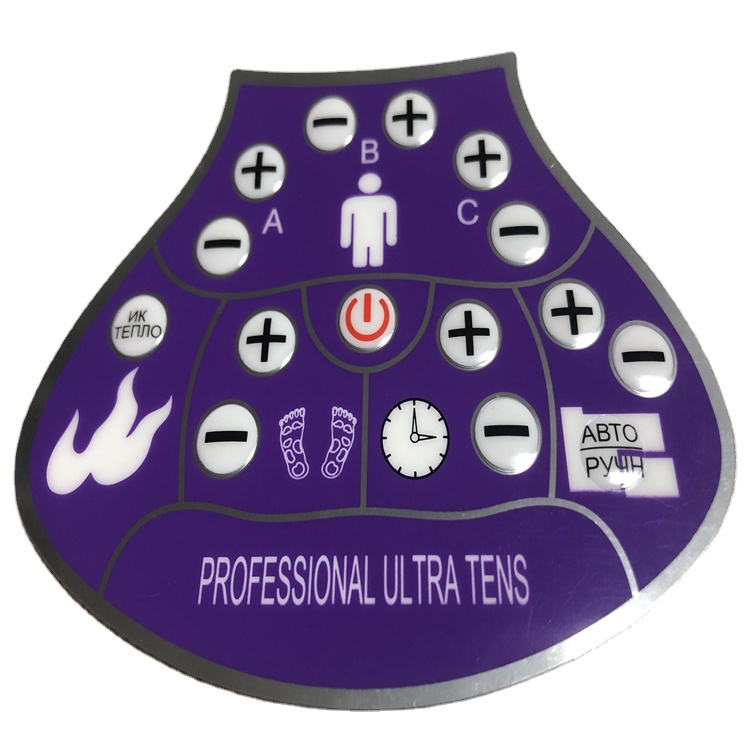
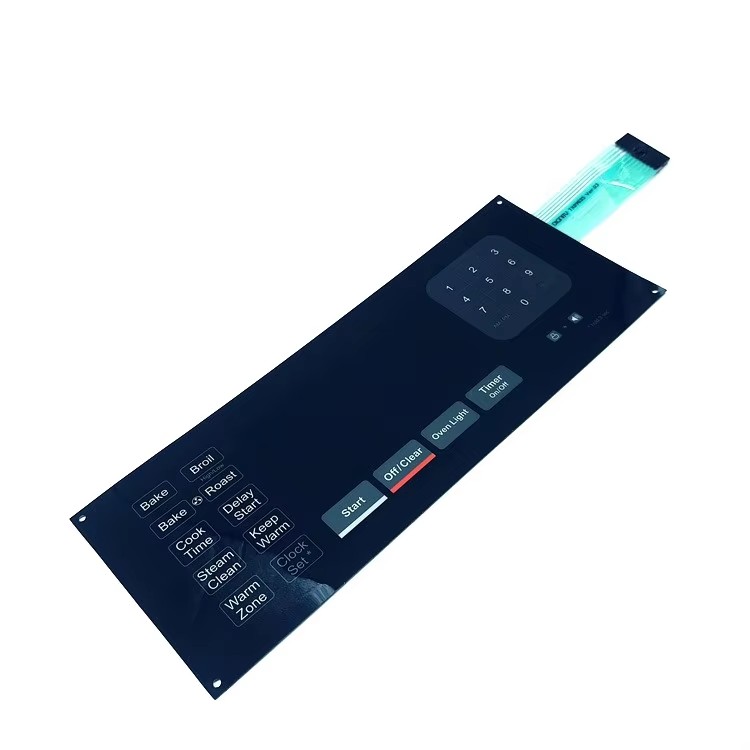
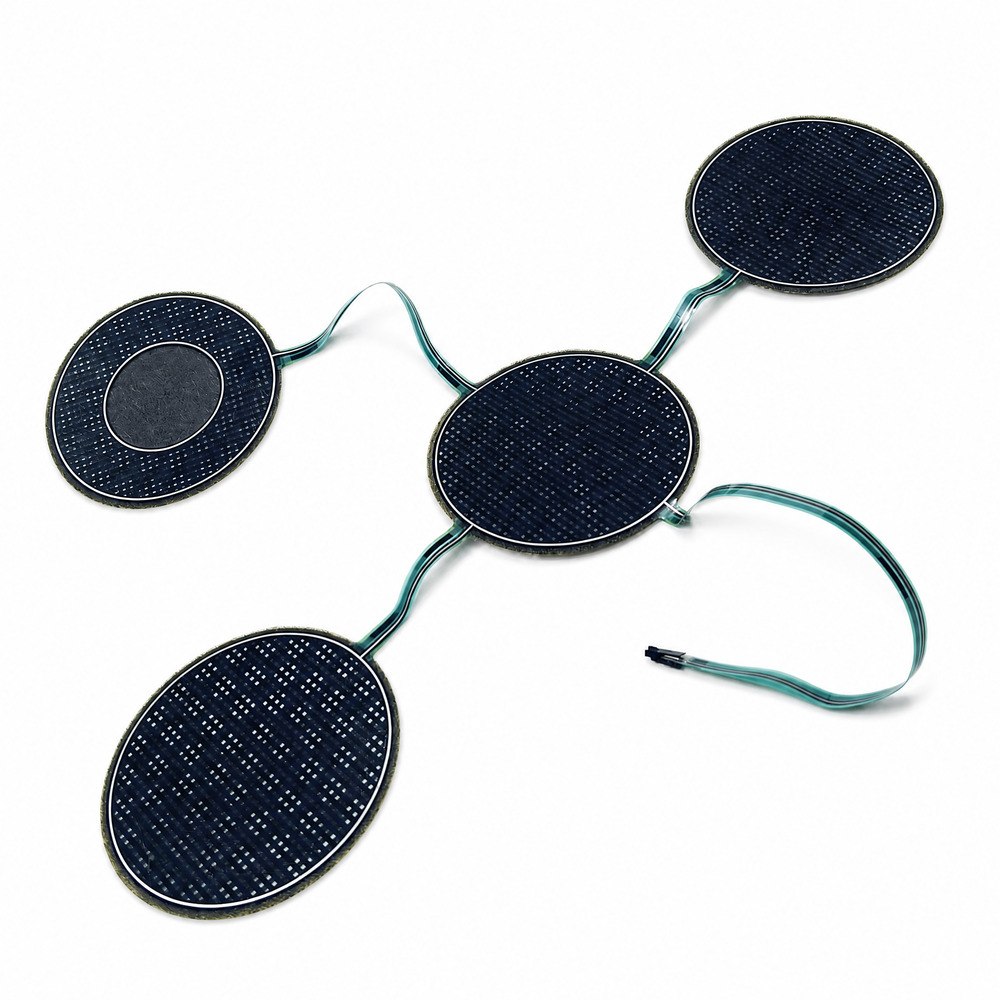
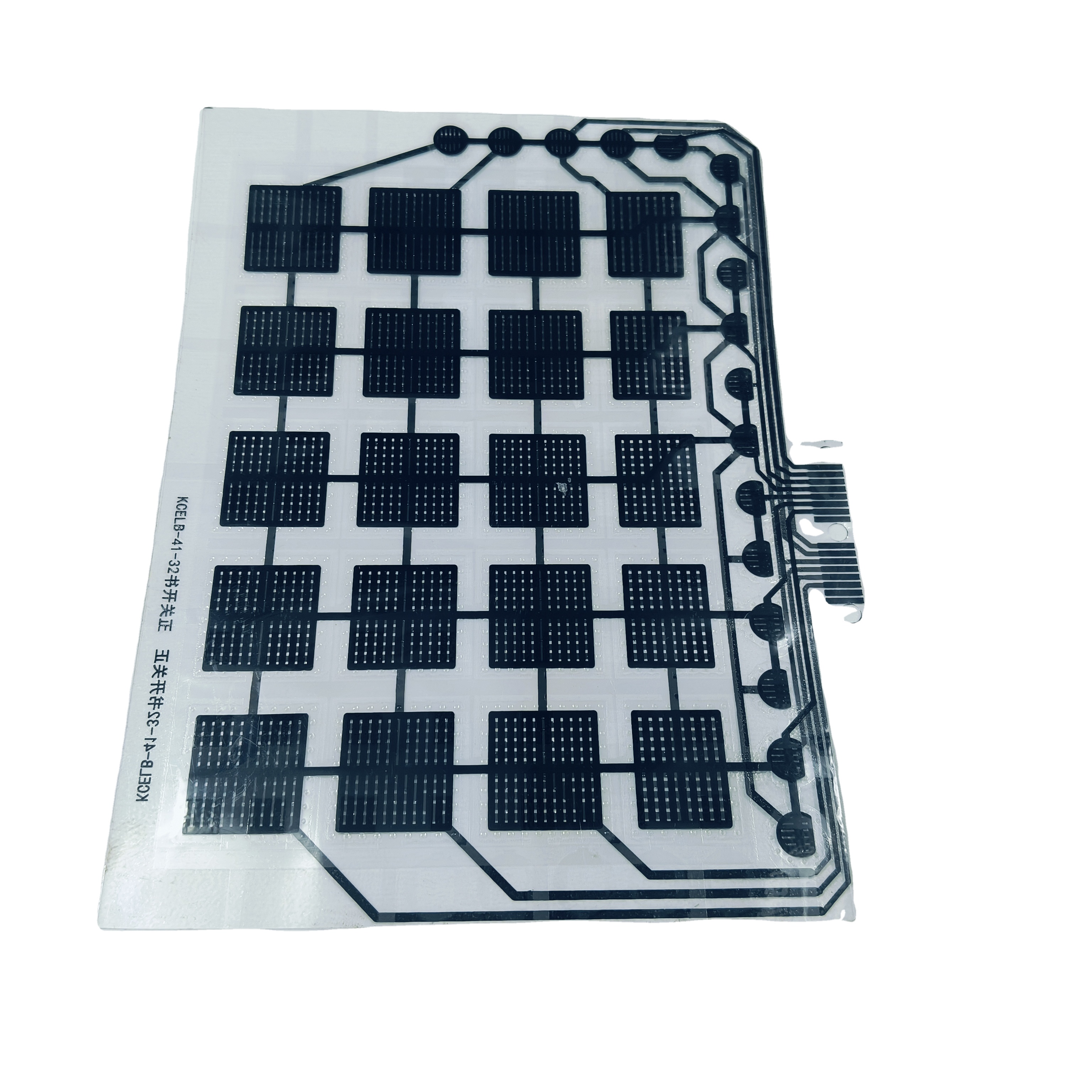
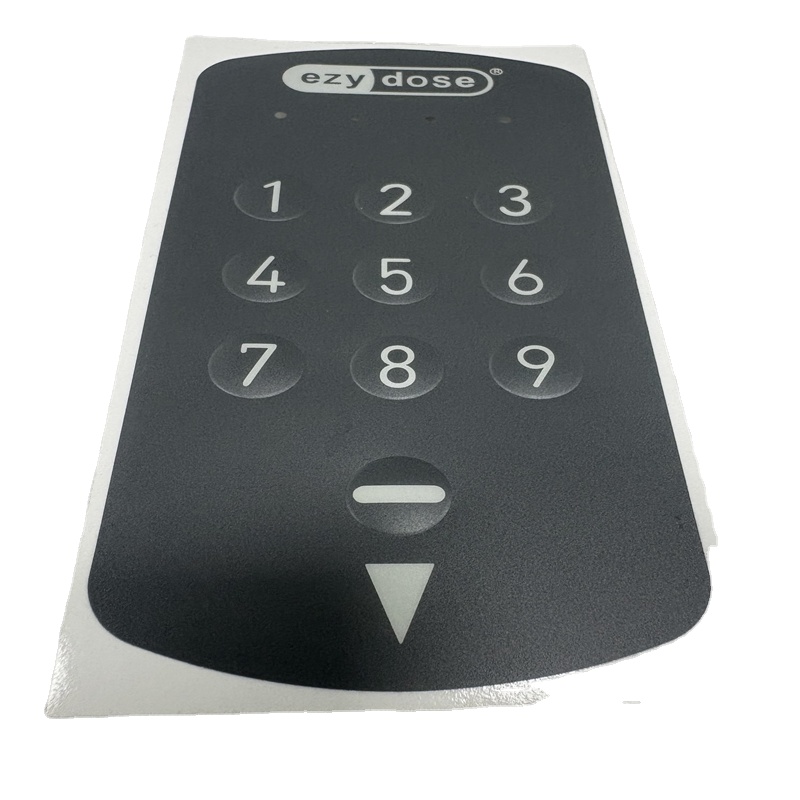
Selecting the optimal human-machine interface (HMI) substrate for deployment in the Republic of Palau requires a rigorous material physics approach. Located in the western Pacific Ocean within an equatorial tropical rain-forest zone (Köppen climate classification Af), Palau experiences sustained atmospheric relative humidity averaging 82% to 90%, high ambient solar ultraviolet exposure (UV index consistently reaching 11+), and continuous exposure to airborne ocean aerosol salts (saline spray containing NaCl, MgCl2, and sulfates).
Standard Polycarbonate (PC) graphic overlays, while providing initial tensile clarity and cost advantages, suffer severe chemical degradation under persistent tropical UV irradiance and humidity. Photolytic cleavage of the ester linkages in polycarbonate leads to yellowing, micro-cracking, loss of flexural strength, and eventual moisture ingress into the underlying silver conductive circuit tracks. Conversely, Biaxially-Oriented Polyethylene Terephthalate (BOPET / Polyester) engineered with specialized UV-stabilized hard coats (such as MacDermid Autotype Autotex XE series) provides an order-of-magnitude increase in operational lifespan.
| Material Property | BOPET / Polyester (Autotex Fine/Velvet) | Uncoated Polycarbonate (Lexan) | UV-Hardcoated Acrylic (PMMA) |
|---|---|---|---|
| Actuation Flex Life (Cycles) | > 5,000,000 switch operations | ~ 100,000 switch operations | Brittle (Unsuitable for key embossing) |
| UV Accelerated Weathering (QUV 340nm) | > 3,000 hours (Delta E < 2.0) | < 500 hours (Severe yellowing & haze) | > 4,000 hours (Excellent optical clarity) |
| Chemical & Salt Fog Resistance (ISO 9227) | Immune to salt spray, fuels, alcohol, detergents | Prone to stress cracking from solvents | High chemical resistance, low impact flex |
| Thermal Stability Range | -40°C to +105°C continuous | -30°C to +85°C continuous | -20°C to +70°C continuous |
| Water Vapor Transmission Rate (WVTR) | < 1.5 g/m²/24hr (Ultra-low moisture ingress) | ~ 4.5 g/m²/24hr (Higher moisture penetration) | ~ 5.0 g/m²/24hr |
For custom graphic overlay manufacturing targeted at Koror, Airai, and offshore maritime operations across Palau, Dongguan Ravo Electronics Co., Ltd. recommends high-grade polyester (0.125mm to 0.25mm thickness) with reverse-printed, lightfast solvent inks or UV-cured digital pigments, coupled with hydrophobic acrylic adhesive systems (such as 3M 467MP or 3M 468MP High-Performance Acrylic Adhesive).
To withstand high hydrostatic pressure spikes during severe weather, salt mist buildup, and direct moisture condensation, our polyester graphic overlays utilize a engineered multi-layer stack-up constructed under cleanroom conditions:
Palau’s unique geography and economic reliance on eco-tourism, maritime conservation, solar microgrids, and ocean infrastructure create distinct performance criteria for control interface design. Our custom polyester graphic overlays and membrane keypads are deployed across four key local sectors:
Scuba diving boat control panels, GPS/sonar display overlays, marine bilge pump switches, and outboard engine interface panels requiring IP67 liquid sealing and salt-fog immunity.
Desalination water reverse osmosis plant controls, saltwater pool chlorination system touchpads, outdoor resort HVAC controllers, and eco-lodge lighting management consoles.
Island-wide renewable energy storage system (ESS) keypads, inverter monitoring displays, diesel-solar hybrid generator control overlays engineered for UV endurance and direct outdoor heat.
Oceanographic sensor control panels, coastal tide monitoring stations, weather data logging interfaces, and water quality testing meters used by marine research institutes.
As the Republic of Palau advances its national sustainability goals, modernizing critical infrastructure while maintaining strict environmental protection standard (Palau Energy Policy and Green Growth Initiatives), local OEMs and engineering importers face evolving hardware design trends:
While traditional mechanical push buttons deteriorate rapidly under constant marine salt spray, new HMI designs in Palau combine smooth, wipe-clean capacitive touch polyester overlays with selective tactile embossing (pillow or rim embossing) for critical emergency stop functions. This hybrid approach eliminates physical key gaps where salt crusts build up, ensuring absolute cleanability and IP68 fluid isolation.
High ambient equatorial sunlight in Palau makes conventional instrument displays difficult to read. Next-generation graphic overlays incorporate custom light-guide film (LGF) backlighting and dead-front printing techniques. Icons remain invisible when unlit, illuminating sharply with uniform SMD LED backlight when activated, reducing operator visual fatigue during night-time maritime operations.
With humidity remaining high year-round, bio-fouling and mold growth on outdoor interface panels represent ongoing maintenance headaches. Advanced polyester films treated with inorganic silver-ion antimicrobial coatings actively inhibit fungal spores, micro-algae growth, and bacterial colonization, preserving optical transparency and sanitary control surfaces in public, medical, and resort facilities across Koror.
Since 2003, Dongguan Ravo Electronics Co., Ltd. has established itself as an industry-leading manufacturer of custom membrane switches, graphic overlays, backlit keypads, flexible printed circuits (FPC), and silicone rubber keypads. Operating from our 12,000 square meter state-of-the-art facility in Dongguan, China, we provide end-to-end design, DFM optimization, screen printing, automated die-cutting, assembly, and 100% electrical testing under one roof.
Answers to common technical, logistics, and material customization questions asked by engineers, procurement officers, and equipment manufacturers sourcing interface panels for Palau:
Polyester features significantly superior flexural fatigue resistance (>5 million switch actuations vs ~100,000 for PC), ultra-low water vapor transmission rates, and immunity to chemical attack from marine fuels, oils, and salt spray. When treated with a UV-stabilized hardcoat, PET will not turn yellow, micro-crack, or delaminate under Palau’s high intense solar UV radiation.
We implement a continuous, non-broken closed-cell perimeter adhesive channel surrounding the active circuit area, combined with a rear tail exit gasket seal design (IP67/IP68 rating). By employing high-tack 3M acrylic adhesive systems (e.g., 3M 468MP or 3M 300LSE), water, condensation, and ocean fog are physically prevented from entering the internal conductive layers.
We support prototype development with MOQs starting at just 1 to 10 pieces. After drawing and artwork approval, engineering samples are produced and dispatched within 7 to 10 working days. Mass production orders typically require 2 to 3 weeks depending on complex features such as LED backlighting or metal dome integration.
To provide a detailed DFM review within 2 hours, our engineering team requires vector artwork files for graphic printing (Adobe Illustrator .AI, CorelDRAW .CDR, or vector .PDF with Pantone/RAL color codes) and 2D/3D mechanical dimensional drawings (AutoCAD .DXF, .DWG, or STEP files) specifying key embossing locations, window sizes, and tail circuit connector specs.
All graphic overlays and membrane keypads are packed in anti-static vacuum-sealed ESD bags with moisture-absorbing desiccant packs, wrapped in protective bubble layers, and boxed in heavy-duty export corrugated cartons. We ship via express air freight (DHL, FedEx, UPS) directly to Palau International Airport (3-5 business days) or via ocean freight consolidation to Malakal Port in Koror.
Yes. We offer three primary backlighting technologies: Surface-Mount Device (SMD) LEDs embedded directly inside the PET circuit layer, ultra-thin Light Guide Film (LGF) for ultra-uniform light distribution across key text, and Electroluminescent (EL) lamps for low-power continuous backlighting.
We screen-print a protective carbon paste layer over all exposed conductive silver tracks and contact pads. Carbon is chemically inert and does not suffer from silver migration or oxidation when exposed to trace moisture or ocean salt ions, ensuring uninterrupted electrical conductivity over years of maritime service.
Absolutely. We select specialized adhesives like 3M 300LSE (Low Surface Energy) or thick 3M 468MP transfer tapes designed specifically to flow into surface micro-textures on cast aluminum, powder-coated steel enclosures, ABS, and polycarbonate structural plastic housings.
Contact our senior HMI engineering team today for a free DFM review, stack-up recommendation, and competitive factory-direct quote within 2 hours.