EN
 DE
 FR
 ES
 RU
 JA EN DE FR ES RU JA
Engineered to exact OEM drawings, combining reverse sub-surface printing, high-dielectric polycarbonate carriers, selective texturing, and Mil-grade pressure-sensitive adhesives.
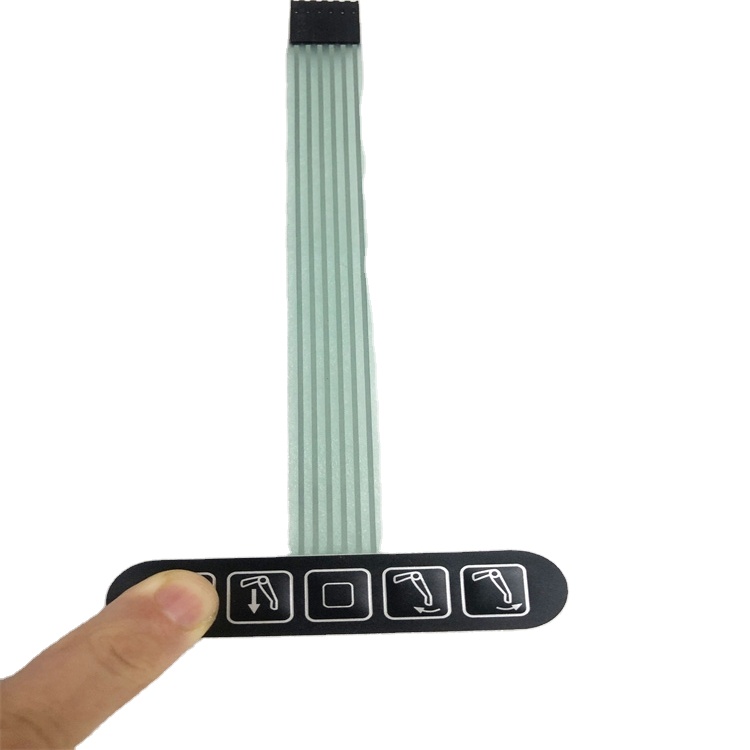
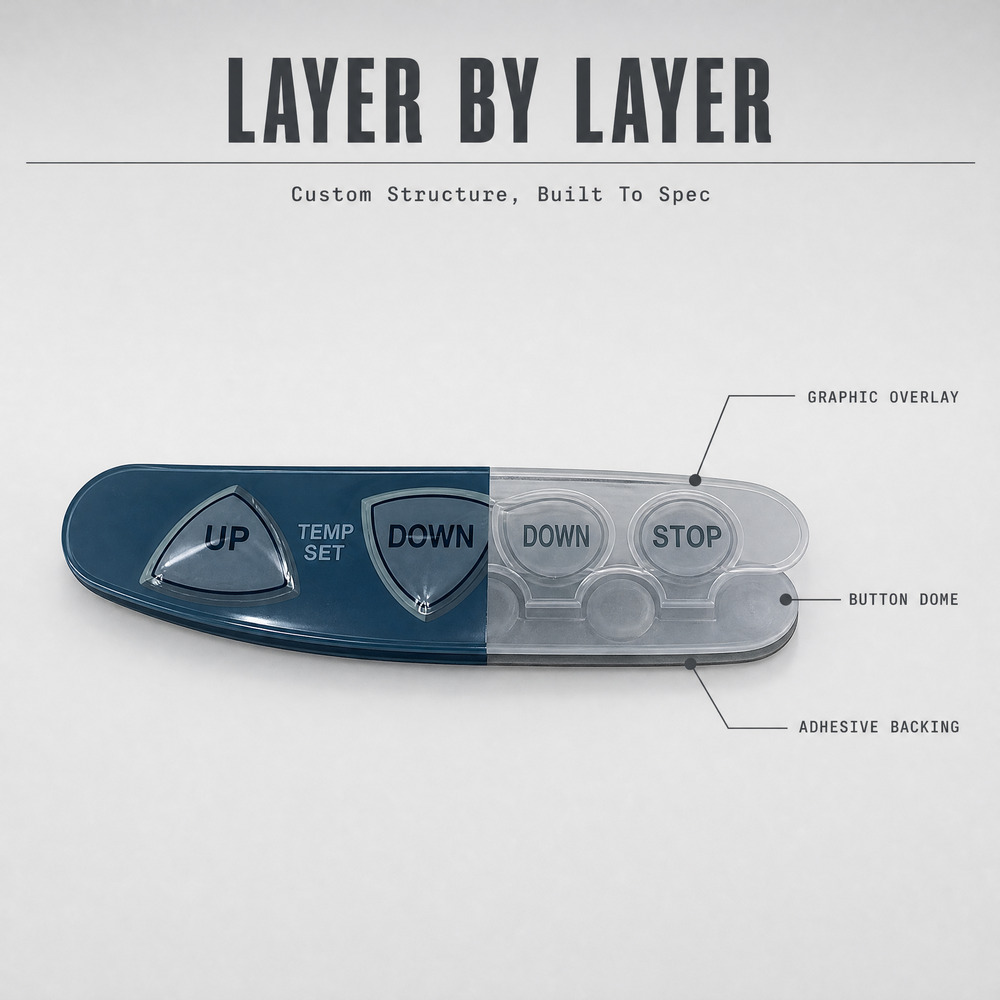
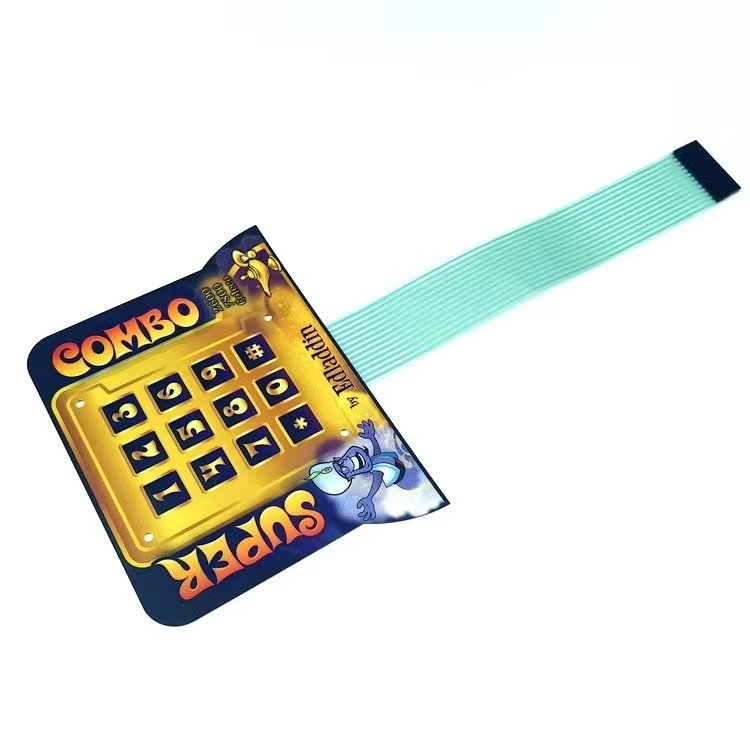
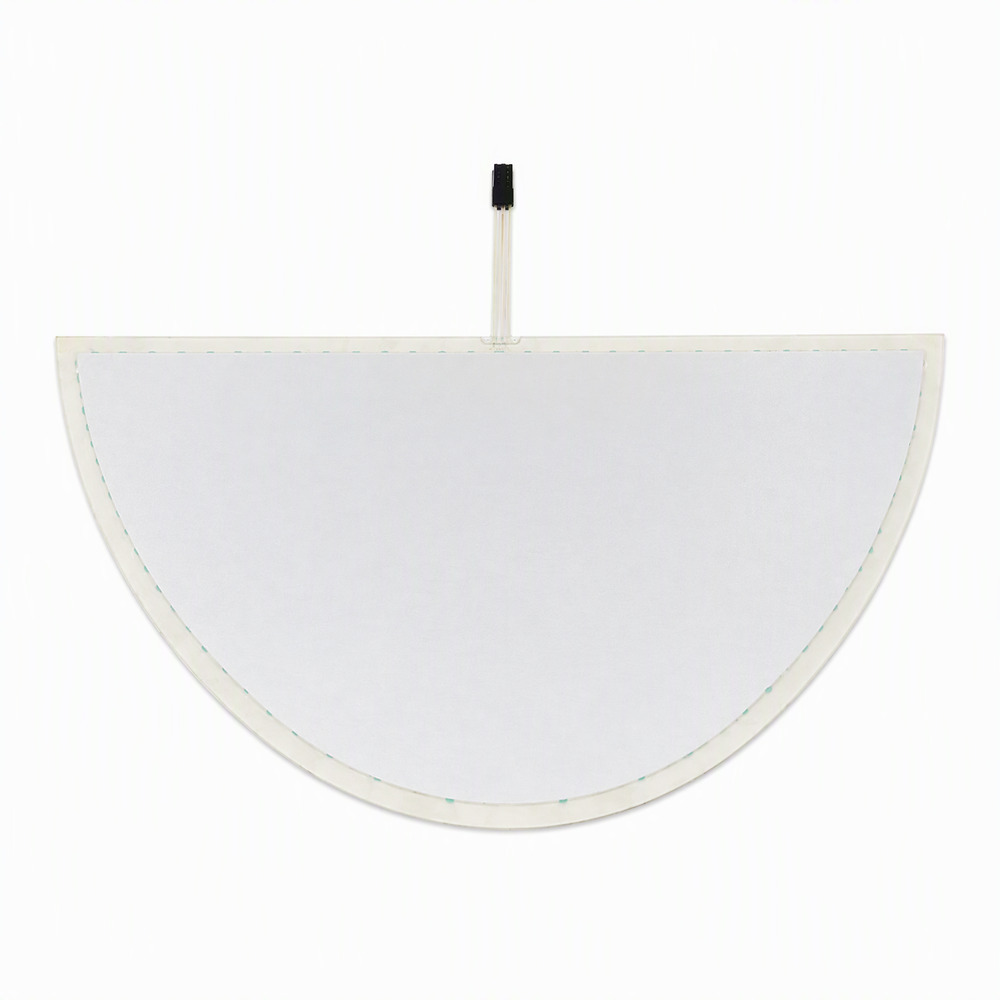
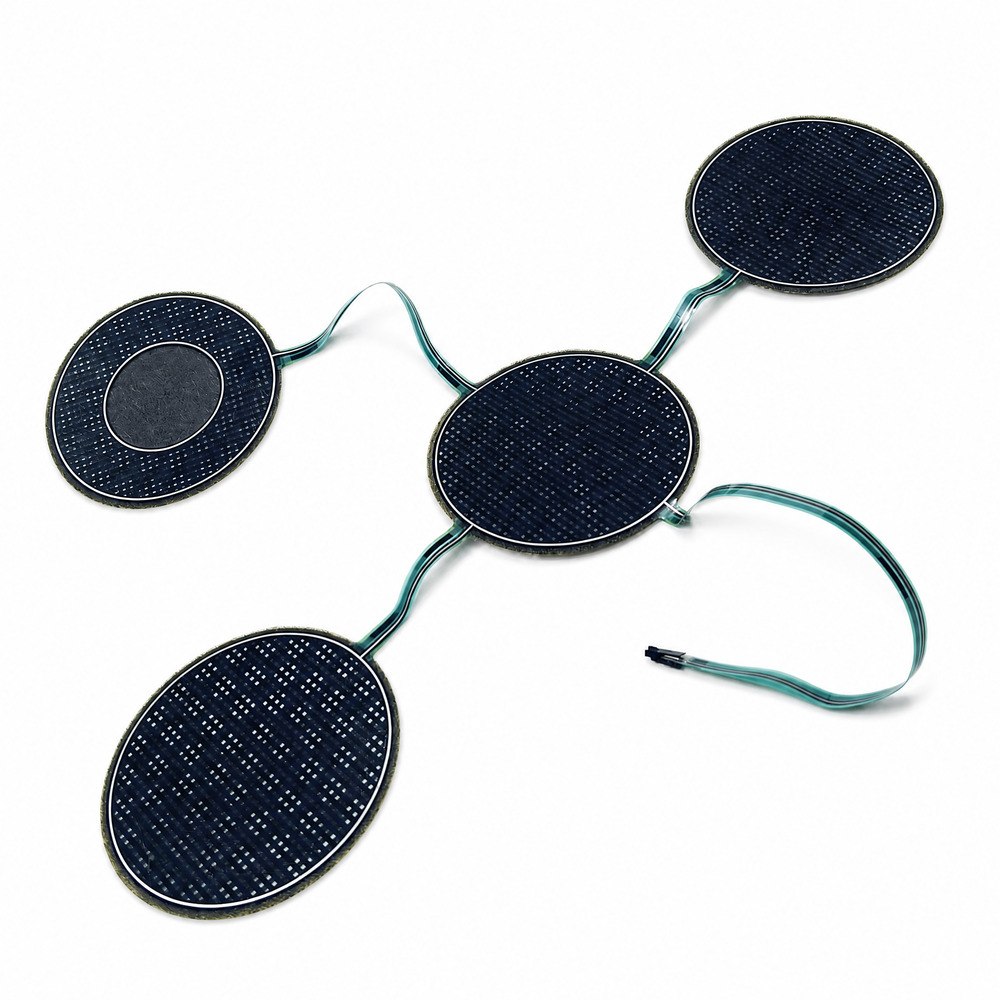
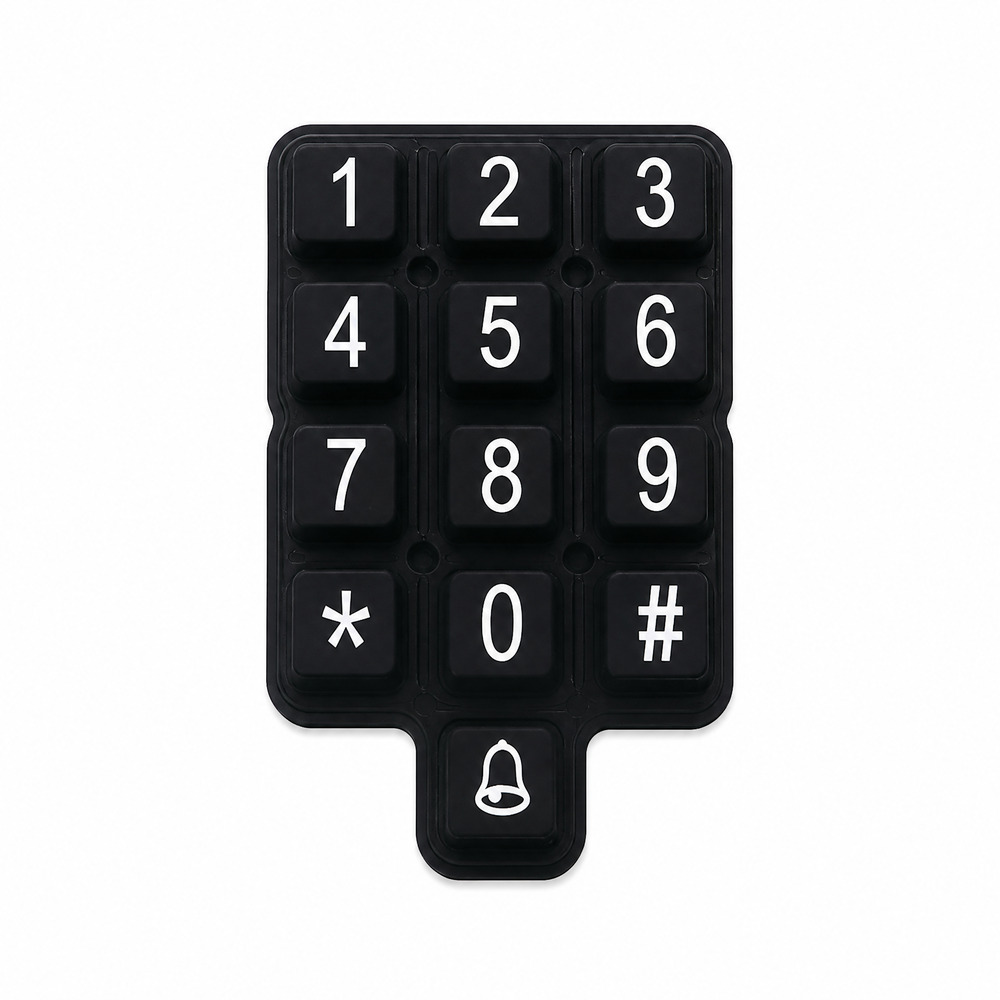
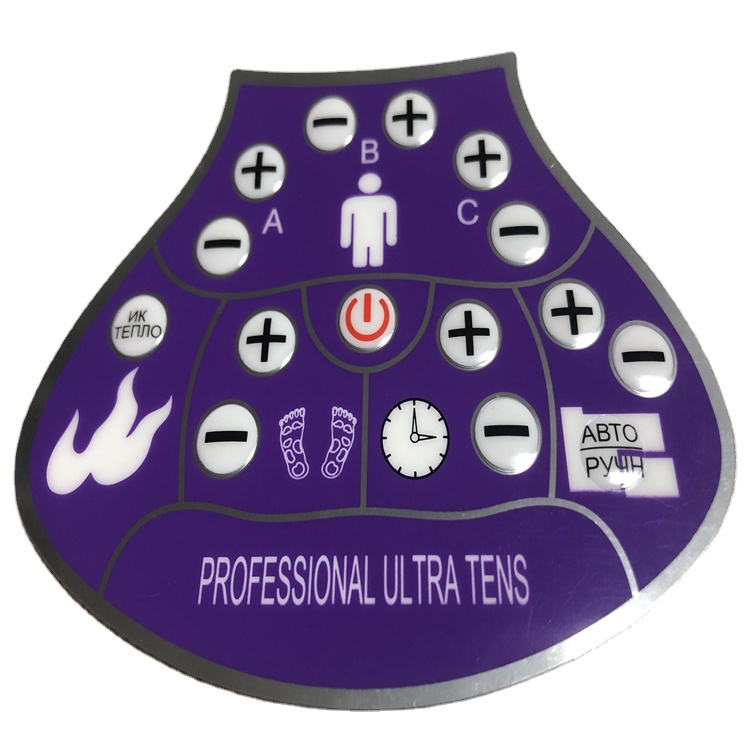
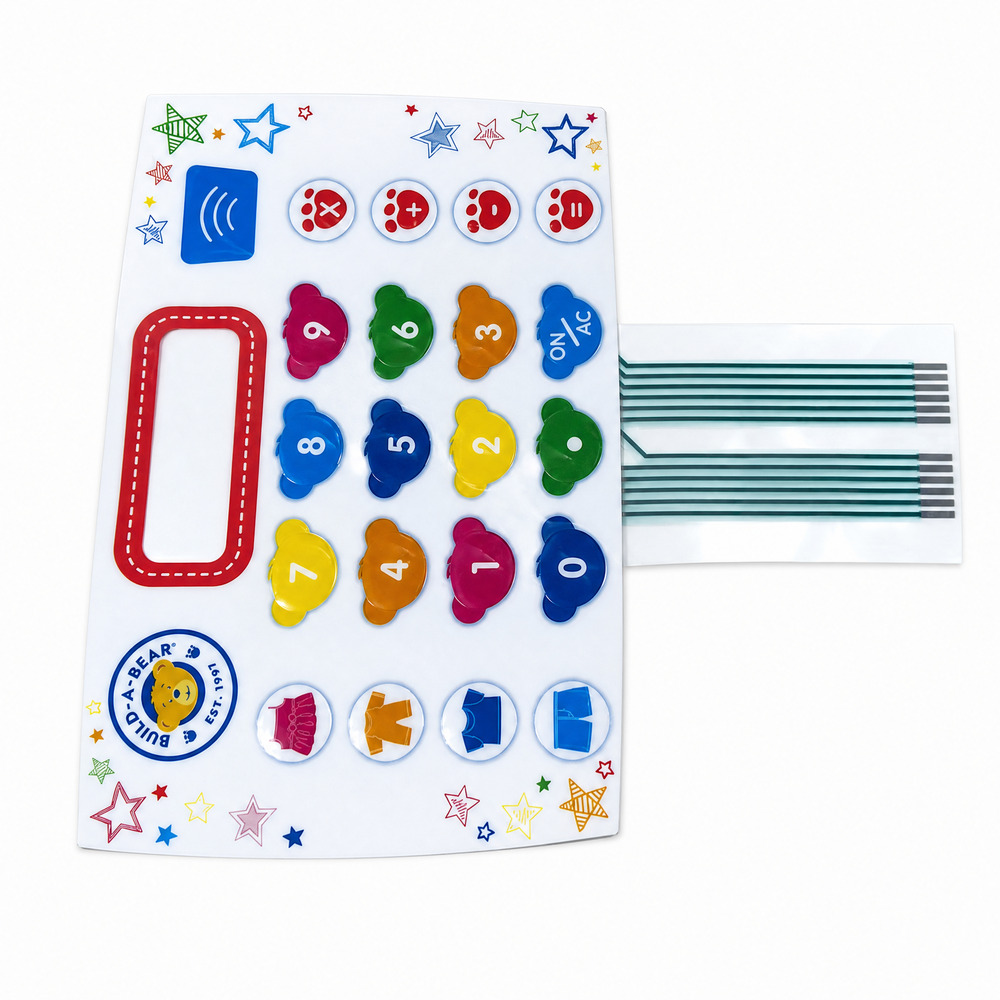
A comprehensive technical brief on substrate characteristics, sub-surface screen printing, selective finishes, and environmental endurance for demanding hardware platforms.
In human-machine interfaces (HMI), a polycarbonate (PC) graphic overlay serves not merely as aesthetic labeling, but as the primary functional barrier defending electronic circuits against physical abrasion, chemical splash, thermal shock, and electromagnetic interference. For advanced engineering firms across the Greater Los Angeles industrial corridor—from El Segundo's aerospace clusters to Orange County's biomedical device corridors—choosing between polycarbonate (Lexan™ / Makrofol®) and alternative polyesters requires stringent adherence to thermal, mechanical, and optical parameters.
Polycarbonate films demonstrate exceptional dimensional stability, high impact resistance (virtually unbreakable under standard industrial handling), and a high heat deflection rating up to 135°C (275°F). Because printing is executed via sub-surface reverse screen printing, the printed inks, conductive traces, and critical legends reside on the second surface, safely sealed beneath a resilient clear or textured polycarbonate film layer. No amount of rubbing, disinfectant wiping, or aggressive fingering can scrape away your user interface legends.
Dielectric Strength: ~15 to 30 kV/mm, providing an intrinsic barrier against electro-static discharge (ESD) events up to 25 kV.
Light Transmission: Clear grades offer up to 88%–91% transmission for transparent display windows, with haze ratings under 1.0%.
Flammability Ratings: Meets UL94 V-2 standard; flame-retardant grades achieve UL94 V-0 or UL94 VTM-0 down to 0.125 mm thickness.
Embossing Retention: Superb thermoforming and hydroforming characteristics allow pillow, rim, and dome button embossing that maintain tactile shape over hundreds of thousands of cycles.
Selecting the optimal thermoplastic overlay substrate depending on cyclic flex fatigue, chemical exposure, and visual clarity.
| Evaluation Parameter | Polycarbonate (Lexan™ PC) | Biaxially Oriented PET (Autotex®) | Cast Acrylic (PMMA) |
|---|---|---|---|
| Impact Resistance | Superior (Virtually shatterproof) | High (Tough, tear resistant) | Brittle (Subject to stress cracking) |
| Switch Flexural Fatigue | Moderate (~100,000 to 250,000 cycles) | Exceptional (5,000,000+ actuations) | Non-applicable (Rigid sheet only) |
| Continuous Heat Envelope | -40°C to +125°C (-40°F to +257°F) | -40°C to +85°C (-40°F to +185°F) | Up to +80°C (+176°F) |
| Solvent & Chemical Resistance | Moderate (Avoid ketones, chlorinated) | High (Resists harsh fuels, MEK) | Moderate (Attacked by acetone) |
| Optical Window Clarity | Very High (Water clear, <1.0% haze) | Moderate (Requires print treatment) | Highest (92% transmission) |
| Flammability Certification | UL94 V-0 / UL94 V-2 Compliant | UL94 VTM-2 (Standard) | UL94 HB (Horizontal Burn) |
| Thermoformed Key Embossing | Crisp geometry, precise edges | Requires specialized heat setting | Cannot be cold/hot embossed |
*Design Recommendation: If your Los Angeles hardware product incorporates heavy tactile button embossing, complex die-cut curves, or back-lit LCD/LED displays, Polycarbonate provides superior structural stability at optimized unit economics.
From defense-grade ground support stations to clinical medical diagnostics, we manufacture interface solutions tailored to regional hardware sectors.
Overlays deployed in ground control consoles, ruggedized telemetric receivers, and field-diagnostic hardware. UV-inhibited velvet polycarbonate prevents cockpit glare while meeting strict mil-spec outgassing metrics.
Seamless, wipedown-ready front panels engineered for laboratory centrifuges, patient vitals monitors, and surgical pumps. Formulated to withstand 70% isopropyl alcohol and quaternary ammonium wipe protocols without yellowing.
Commercial DC fast-charging kiosks, battery bank management controllers, and solar inverters subject to intense Southern California sunlight and desert thermal fluctuations (-10°C to +55°C ambient).
Tactile control surfaces for recording studios, live mixing switchers, stage luminaires, and broadcast streaming decks. Selective gloss/matte dead-fronting delivers crisp illuminated channels under stage lights.
How cutting-edge optical, adhesive, and ergonomic innovations are redefining HMI components in 2025 and beyond.
Modern industrial equipment demands sleek, unified monolithic front panels. Utilizing proprietary semi-translucent smoke inks, indicator legends remain completely invisible ("dead-front") until back-lit by high-intensity SMD LEDs, eliminating visual clutter on complex control surfaces.
Outdoor SoCal installations face intense UV index exposure and coastal salt air. We apply optical-grade silicone-modified hardcoats directly onto the outer face of polycarbonate overlays, providing 3H pencil hardness against scratch wear and stopping polymer chain photo-oxidation.
Replacing traditional mechanical switches, designers are merging 0.25mm thin polycarbonate graphic foils with printed silver-capacitive sensors or flexible printed circuits (FPC), delivering touch-slider functionality alongside thermoformed locating rims for blind tactile feedback.
Matching the backing adhesive to your product housing chemistry is essential to prevent edge-lifting and moisture ingress.
| Adhesive Specification | Caliper / Thickness | Ideal Enclosure Substrate | Thermal & Environmental Profile |
|---|---|---|---|
| 3M 467MP (200MP Series) | 0.05 mm (2.0 mil) | High Surface Energy (HSE): Smooth Aluminum, Stainless Steel, Glass | Resists solvent splash; temp rating up to 204°C (400°F). Industry standard for flat metal chassis. |
| 3M 468MP (200MP Series) | 0.13 mm (5.0 mil) | Slightly textured aluminum castings, painted metals, rigid plastics | Thicker adhesive layer fills microscopic surface roughness on cast enclosures, ensuring void-free adhesion. |
| 3M 300LSE (High-Strength Acrylic) | 0.09 mm - 0.13 mm | Low Surface Energy (LSE): Polypropylene, Polyethylene, Textured ABS, Powder Coats | Specifically formulated for difficult-to-bond plastics and coarse textured powder coatings without priming. |
| 3M 9472LE (300LSE Series) | 0.13 mm (5.0 mil) | Oily metals, heavily textured structural plastics, outdoor consoles | Extreme tack, high peel strength, exceptional bond stability in high ambient desert heat and humid coastlines. |
Eliminate distributor markups, middleman communication latency, and rigid toolroom constraints.
Established in 2003, Dongguan Ravo Electronics Co., Ltd. has developed from an engineering team of eight specialists into a premier 12,000 m² cleanroom manufacturing enterprise. Unlike domestic US brokers who outsource production overseas, Ravo houses precision screen printing, laser die-cutting, automated surface-mount placement, CNC tooling, and cleanroom lamination completely under one roof.
For engineering teams across Southern California operating on tight prototype sprint deadlines, our direct-factory model delivers decisive agility:
Clear, transparent technical and logistical answers for supply chain managers and project engineers.
Stringent verification checkpoints applied to every production lot prior to cleanroom vacuum packaging.
Polycarbonate films are evaluated for surface tension (dyne level), caliper consistency (±0.005 mm), and surface micro-scratch defects under collimated light prior to staging.
Ink-to-substrate bonding is verified using ASTM D3359 cross-hatch tape tests (Class 5B rating) to guarantee inks will never flake or delaminate under high shear pressure.
For assemblies incorporating printed circuit layers, programmable automated testers analyze circuit resistance, contact bounce (<5ms), and open/short insulation integrity.
Sample units from each lot undergo automated pneumatic life-testing, actuating stainless metal domes or polydomes through 1,000,000 cycles to monitor tactile force decay.
Qualification units are cycled inside thermal shock chambers (-40°C to +105°C at 95% RH) to ensure adhesive layers remain free of bubble blisters or edge lifting.
Every batch is purged with ionized air to dissipate static charges, sealed inside moisture-barrier anti-static bags, and packed with corner-protected heavy-gauge export cartons.
Connect with our senior technical engineering team right now. Upload your 2D/3D mechanical drawings or request physical overlay sample packs delivered to your Los Angeles or Southern California facility.