Capacitive Hybrid
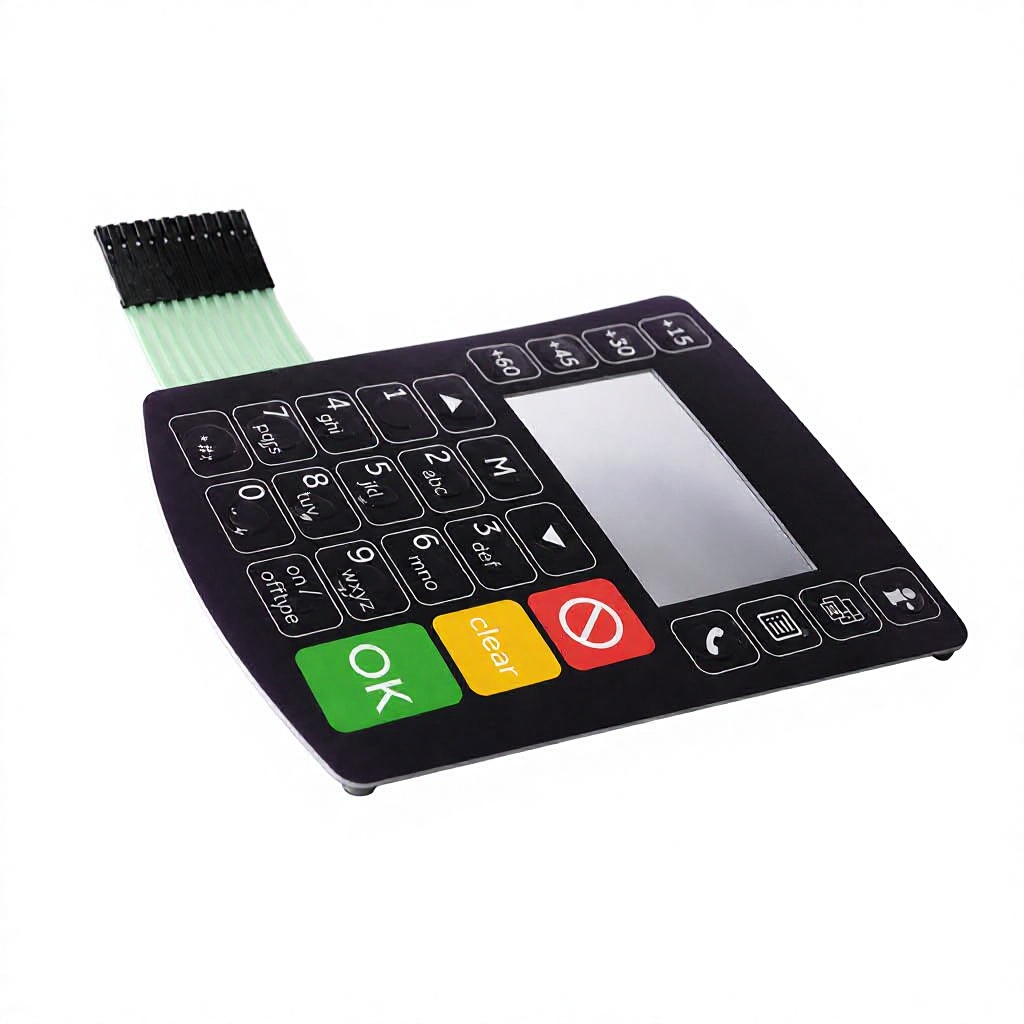
Custom Capacitive Touch & Dome Array Keypad Panel
- Hybrid tactile dome and capacitive sensing zones
- Seamless wipe-clean PET/PC overlay surface
- IP67 perimeter adhesive sealing barrier
 EN
 DE
 FR
 ES
 RU
 JA
Direct factory configurations manufactured for industrial electronics, medical equipment, alpine outdoor devices, and automated machinery across Salzburg Land and the broader European market.
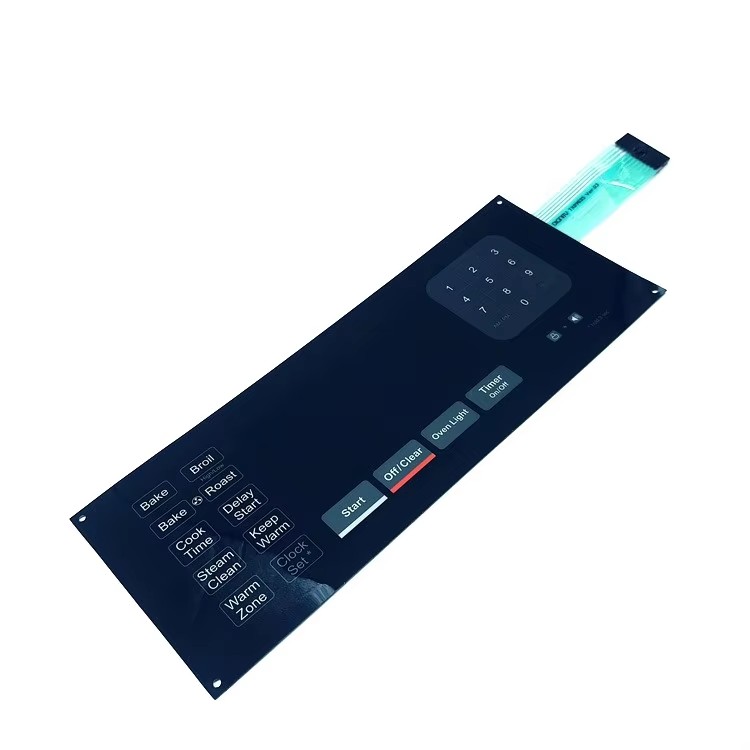
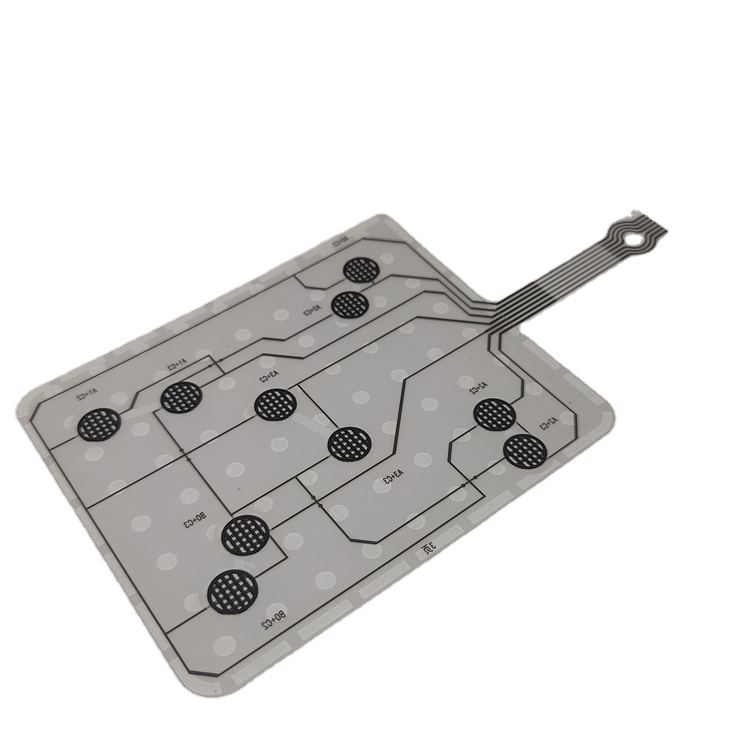
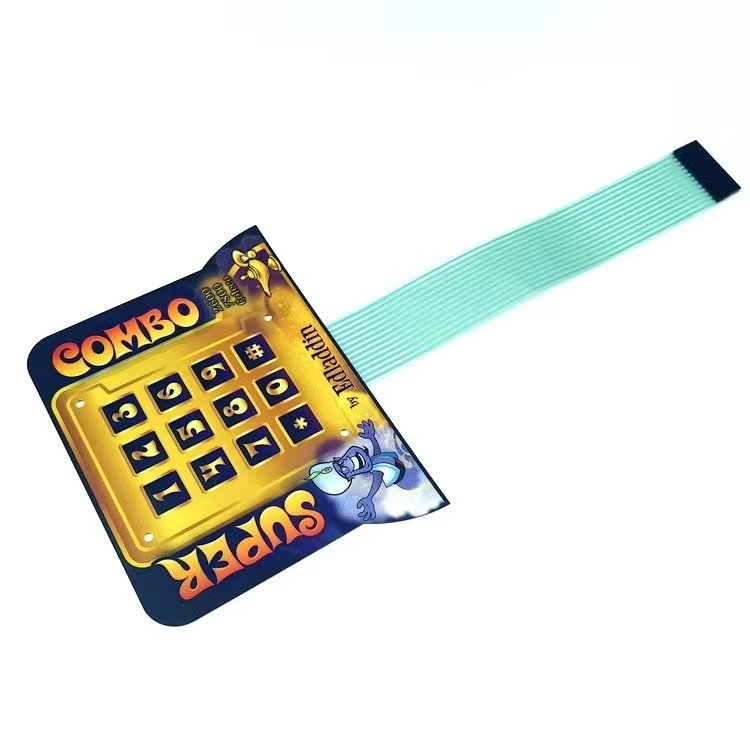
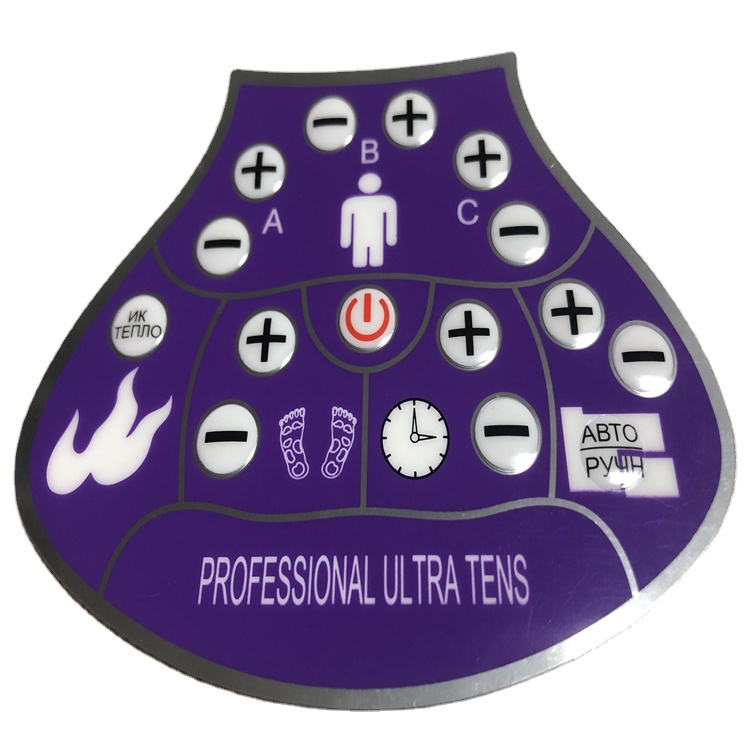

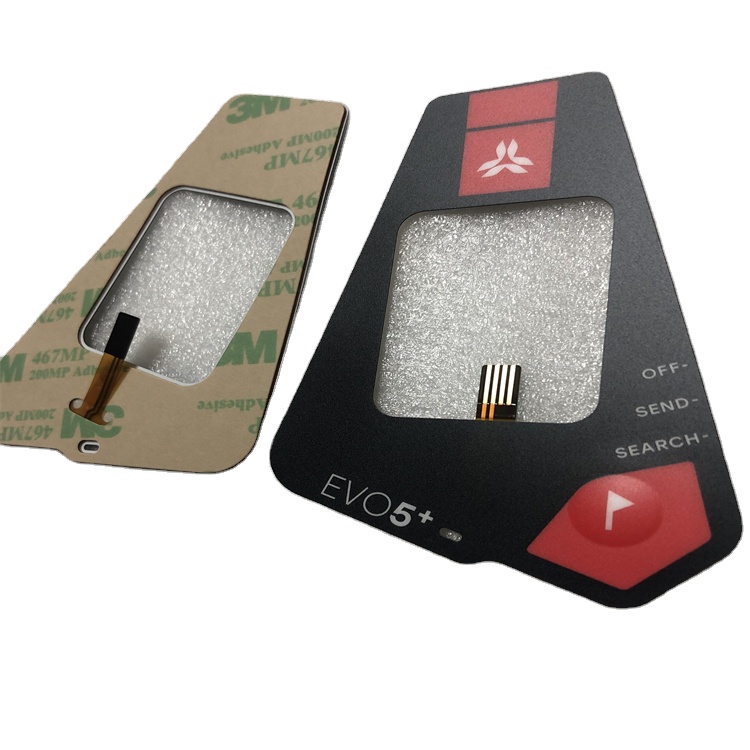
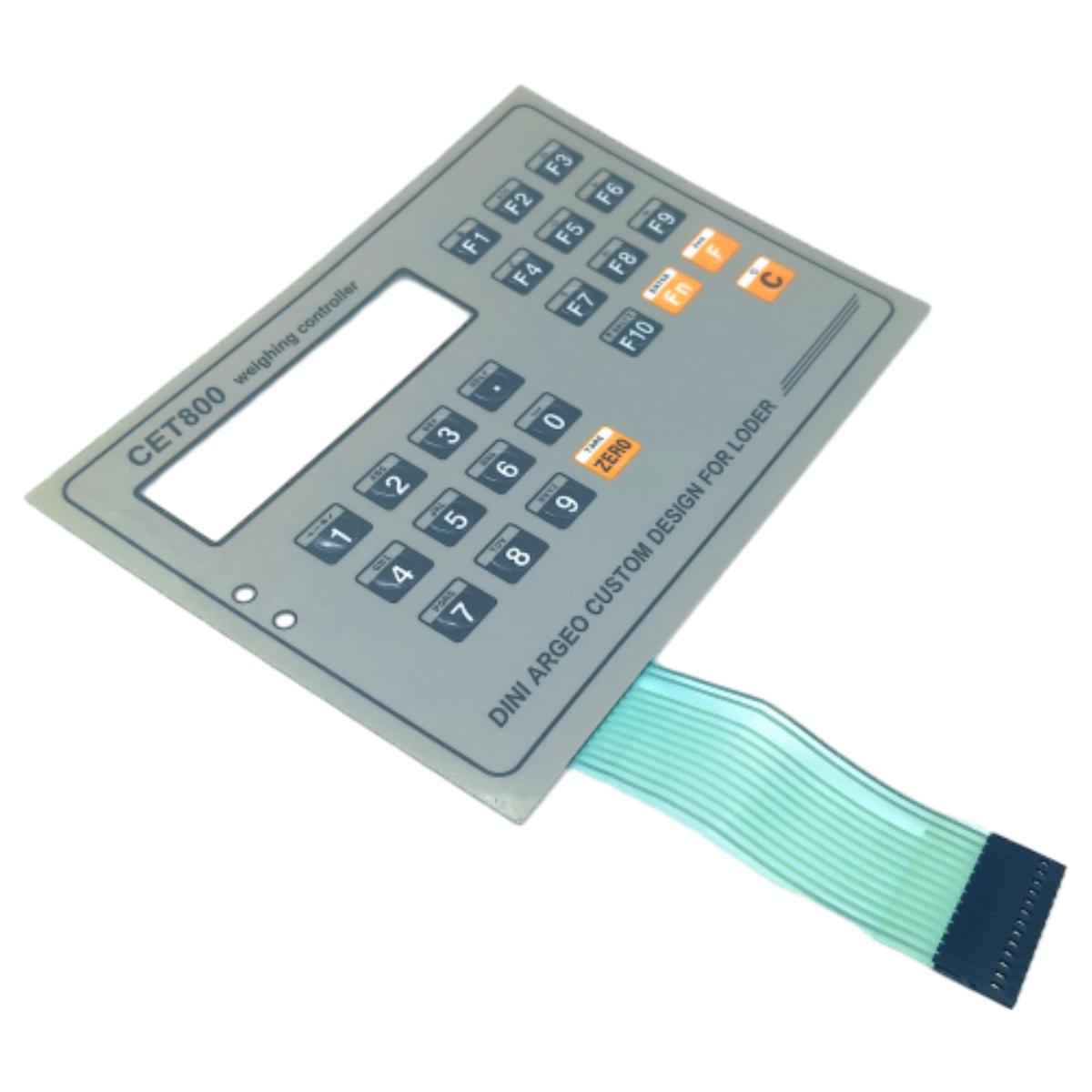
In-depth electro-mechanical analysis of tactile feedback curves, contact resistance stabilization, and environmental sealing criteria for Central European original equipment manufacturers.
A metal dome array switch (often referred to as a tactile snap dome sheet or peel-and-place dome carrier) is the premier electromechanical switching layer used in high-reliability Human-Machine Interfaces (HMIs). Unlike elastomeric rubber contacts or non-tactile membrane circuits, a dome array incorporates precision-stamped, pre-stressed stainless steel spring domes held in precise geometric registration on a pressure-sensitive adhesive carrier film. When integrated into industrial or medical instrumentation, it serves as the critical bridge that translates physical human input into a crisp, unambiguous electrical logic signal.
For systems engineers and hardware designers operating in Salzburg’s high-precision manufacturing clusters—from lifting technologies and alpine cable systems to automated bottling machinery and in-vitro medical diagnostics—the mechanical feedback signature of an HMI directly influences operational safety, user confidence, and device longevity. Understanding the kinematic behavior of metal domes under dynamic cycling is vital to preventing premature contact fatigue and contact resistance creep.
The tactile snap ratio is defined as (F1 - F2) / F1 × 100%, where F1 represents initial actuation peak force and F2 represents contact collapse force. Our tooling guarantees a crisp snap ratio between 45% and 65%, ensuring positive tactile confirmation through thick working gloves in alpine or field industrial environments.
We configure dome arrays across three distinct base carriers: flexible screen-printed silver ink circuits on heat-stabilized biaxially oriented PET (BOPET), fine-pitch copper-polyimide Flexible Printed Circuits (FPC), and rigid multilayer FR-4 glass-epoxy PCBs. Each stack is balanced with selective venting channels to eliminate air-cushioning rebound.
Constructed from high-tensile SUS301 stainless steel, our snap domes are offered with bare stainless, bright nickel, or selective gold plating. Gold-plated contact interfaces maintain contact resistances below < 0.1 Ω over >1,000,000 cycles, preventing oxide insulation even in corrosive damp-heat testing environments.
| Circuit Architecture | Conductor Material | Min. Trace / Space | Actuation Cycle Life | Moisture / Condensation Tolerance | Typical Salzburg Application Field |
|---|---|---|---|---|---|
| Silver Flex PET Matrix | Conductive Silver Ink + Carbon Overcoat | 0.38 mm / 0.38 mm | > 1,000,000 cycles | Moderate (Requires perimeter IP65 gasket) | Consumer electronics, heating controls, exercise gear |
| Polyimide Copper FPC | Rolled Annealed (RA) Copper Foil | 0.10 mm / 0.10 mm | > 3,000,000 cycles | Superior (Zero silver dendrite migration) | Alpine rescue beacons, medical handpieces, vehicle telemetry |
| Rigid FR-4 PCB Assembly | Electrodeposited Copper (1.0 - 2.0 oz) | 0.15 mm / 0.15 mm | > 5,000,000 cycles | Hermetic when integrated into die-cast housings | Hydraulic crane remotes, railway switch cabinets, PLC modules |
| Silicone + Dome Hybrid | Silicone actuator over FPC/PET | Dependent on carrier | > 2,000,000 cycles | High (Elastomer acts as secondary ingress shield) | Outdoor municipal terminals, heavy construction interfaces |
In harsh alpine environments common to western Austria, ordinary membrane switches frequently suffer from two environmental failure modes: pressure entrapment and silver migration. When an operator moves an electronic control console from a heated cab down into a freezing valley (-20°C), internal atmospheric contraction can pull moisture inward if venting is poorly engineered. Dongguan Ravo Electronics counters this by integrating hydrophobic microporous ePTFE venting membranes within the spacer layer stack. This permits instant isobaric equalization without allowing atmospheric humidity or liquid water droplets to reach the contact pads of the dome array.
Salzburg stands as a premier hub for high-spec engineering, industrial automation, medical life sciences, and alpine mobility. Discover how our dome array switches integrate seamlessly into local manufacturing demands.
Salzburg is globally renowned for world-class hydraulic lifting, crane manufacturing, and commercial utility transport. Belly-pack radio remotes and boom-mounted auxiliary keypads demand deep, crisp actuation profiles. Our four-leg stainless steel dome arrays (350g to 500g force) provide unmistakable tactile snaps that prevent inadvertent machine triggers by operators wearing heavy work safety gloves under sub-zero conditions.
From the Untersberg to the surrounding Pongau peaks, regional alpine infrastructure companies deploy remote monitoring panels, automated lift control units, and avalanche safety telemetry consoles. Our UV-stabilized Autotex XE textured polyester overlays combined with gold-plated dome arrays withstand intensive solar radiation at elevations exceeding 2,500 meters without yellowing, brittleness, or micro-cracking.
Rooted around the Paracelsus Medical University (PMU) research clusters, medical technology firms develop precision centrifuges, point-of-care analyzers, and diagnostic dental units. We engineer completely flat, antimicrobial-coated graphic overlays over tactile metal domes. The continuous surface is unaffected by aggressive hospital disinfectants (isopropanol, sodium hypochlorite, hydrogen peroxide) while delivering reliable tactile entry.
In the Flachgau and Hallein packaging and brewing sectors, industrial HMIs face constant high-pressure water washdowns, airborne sugars, and steam cleaning. We integrate thick 3M 300LSE and 200MP solvent-free acrylic adhesives that maintain bond integrity up to +125°C, paired with IP67-rated perimeter perimeter gaskets to seal completely against moisture penetration.
Austria’s pioneering position in biomass heating systems and decentralized photovoltaic installations demands control consoles rated for 15+ years of continuous service. Our PCB-backed dome arrays integrate SMD LEDs for clear status indicators and optical windows for TFT displays, designed to tolerate sustained ambient operating temperatures up to +85°C.
Specialty emergency vehicle fabricators in the Salzburg catchment area require durable secondary cab switches for pump management, lighting arrays, and warning systems. We supply customized FPC-based dome assemblies with dead-front backlighting, making icons invisible until lit up, ensuring emergency vehicle cockpits remain uncluttered at night.
Key technological evolutions influencing how mechanical and electrical engineers across Austria specify next-generation user interface arrays.
Salzburg hardware firms are balancing local supply chains with agile, high-precision overseas manufacturing partners capable of providing comprehensive Design for Manufacturability (DFM) verification within hours, bypassing high domestic tooling expenses.
Pure touchscreens often fail in high-vibration machinery or rain-soaked alpine rescue environments. The emerging standard combines high-resolution color displays with peripheral physical metal dome arrays for tactile emergency stops, cursor navigation, and critical confirmations.
Products entering Austria must rigorously observe RoHS (2011/65/EU), REACH (EC 1907/2006), and conflict-free mineral traceability regulations. Ravo verifies all inks, films, adhesives, and plating metals through documented third-party SGS laboratory test reports.
Handheld wireless transceivers require internal clearance under 0.8 mm for the entire interface layer. Utilizing 0.05 mm polyimide FPC circuits laminated with low-profile triangle snap domes enables ultrathin form factors without forfeiting tactile travel.
Vertically integrated production from laser die-cutting and automated screen printing to Class 1,000 cleanroom assembly and 100% automated optical inspection (AOI).
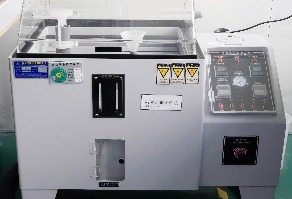
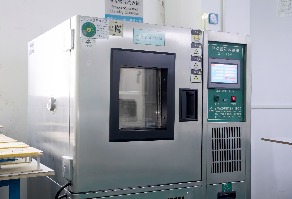
Founded in 2003, Dongguan Ravo Electronics Co., Ltd. operates a facility of more than 12,000 m² in Fenggang Town, Dongguan, staffed by over 300 skilled technicians, toolmakers, and senior HMI engineers. Rather than outsourcing critical fabrication steps, we maintain internal ownership of screen-making, CNC die tooling, high-precision silkscreen printing lines, laser plotting, pick-and-place metal dome placement, and environmental life testing. This vertical integration allows us to deliver professional DFM evaluations to Salzburg procurement teams within 2 hours and ship certified rapid prototypes in as fast as 7 working days.
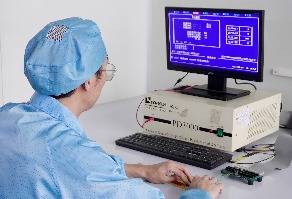 12,000 m² Facility Floor
 High-Precision Overlay Printing
 Class 1,000 Cleanroom Assembly
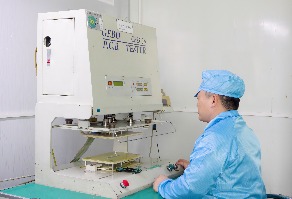
 100% Continuity & Resistance QC
CAD (DXF, DWG, STEP) and vector artwork analysis, pin-pitch check, dome travel verification, and layer-stack optimization.
CNC machining of embossing steel dies, laser cutting of spacer adhesive nests, and precision stencil mesh fabrication.
Sub-surface printing with exact Pantone/RAL color matching, conductive silver ink traces, and carbon wear-resistant pads.
Automated pick-and-place equipment positions SUS301 metal domes onto pre-spaced adhesive carriers with micro-precision.
Every switch batch undergoes electrical open/short continuity testing, loop resistance measurement, and tactile force verification.
Vacuum anti-static moisture-barrier packaging, export crating, and expedited DAP shipping direct to your facility in Salzburg.
Real, straightforward technical answers addressing lead times, alpine environmental durability, import compliance, and customization options for Austrian hardware teams.
We provide full DAP/DDP shipping options to Salzburg, Grödig, Hallein, Bergheim, and surrounding industrial districts via DHL Express, FedEx, and air freight corridors through Salzburg Airport (SZG) or Munich Airport (MUC). All shipments include commercial invoices with correct HS codes (typically 8537.10 or 8536.50), certificates of conformance (CoC), and full material declarations to ensure rapid customs clearance with no import friction.
For outdoor machinery and equipment subjected to Austrian winter temperatures, we advise using four-leg stainless steel domes with diameters of 10 mm to 14 mm and actuation forces between 350g and 450g, paired with a rim-embossed overlay (0.3 mm height). This combination gives operators wearing insulated winter work gloves crisp, positive tactile feedback while preventing unintentional actuation from accidental brush contact.
We deploy complete perimeter gasket sealing with continuous 3M acrylic adhesive borders, accompanied by labyrinth venting channels shielded with hydrophobic ePTFE membranes. For mission-critical alpine consoles, we recommend a polyimide FPC circuit layer with gold-plated contact pads. Because copper conductors do not exhibit electrochemical silver migration, they remain immune to dendrite short circuits even under sustained 95% relative condensing humidity.
Upon receipt and digital sign-off of your engineering drawings (DXF/STEP/AI), standard tactile dome array prototypes ship within 7 to 12 working days. Volume production orders typically require 15 to 20 working days, depending on layer complexity and circuit backer type. If modifications are required during prototyping, our in-house tooling room can adjust cutting dies and printing films in as fast as 48 hours.
Yes. We routinely incorporate ultrathin side-firing or top-mount SMD LEDs (0603 or 0805 packages) within the spacer cavity layer, paired with transparent or translucent colored tint windows for LCD/OLED displays. We also execute dead-front graphics, where indicator icons remain completely invisible against a sleek black or charcoal panel until illuminated by internal LEDs.
To support pilot runs, research programs, and European innovation grants, we offer functional prototype runs starting at just 1 piece. For standard series manufacturing, our baseline MOQs typically range from 100 to 500 pieces, offering maximum flexibility for high-mix, low-to-medium-volume European industrial machinery builders.
Send us your dimensional drawings, schematic netlists, or 3D step files. Our senior HMI engineering team will provide a comprehensive manufacturability review, layer-stack recommendation, and competitive factory-direct pricing within 2 hours.
