 EN
 DE
 FR
 ES
 RU
 JA EN DE FR ES RU JA
Custom-manufactured membrane keypads, force-sensitive resistors, and graphic overlays tailored to rigid hospital sanitization and high-reliability operational demands.
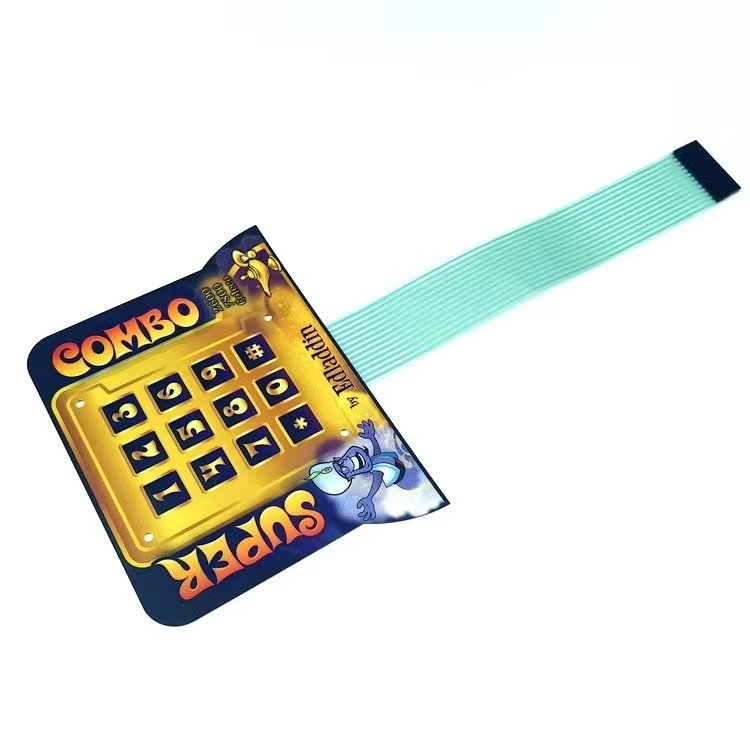
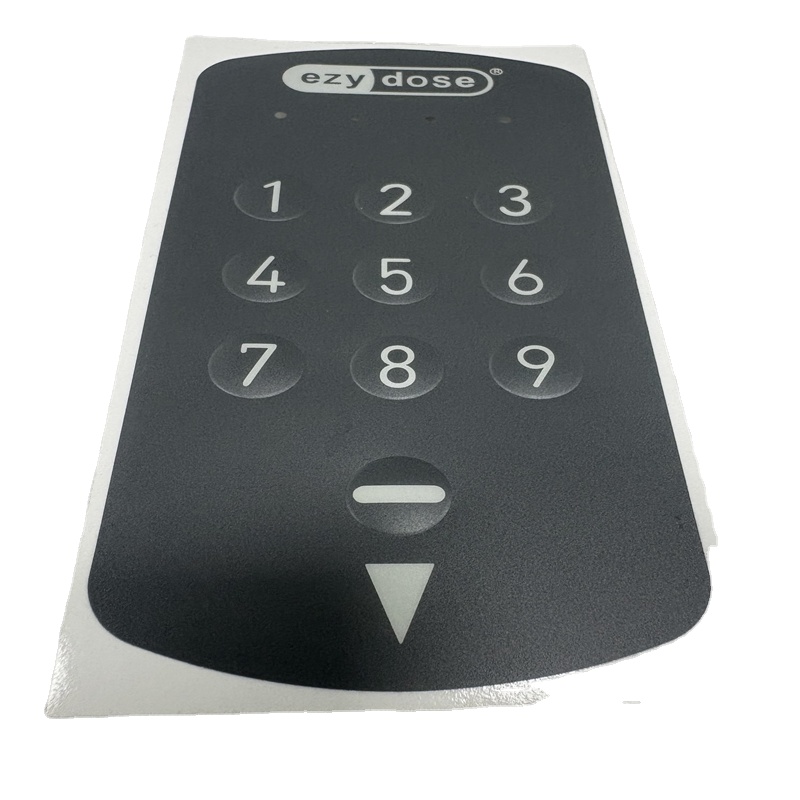
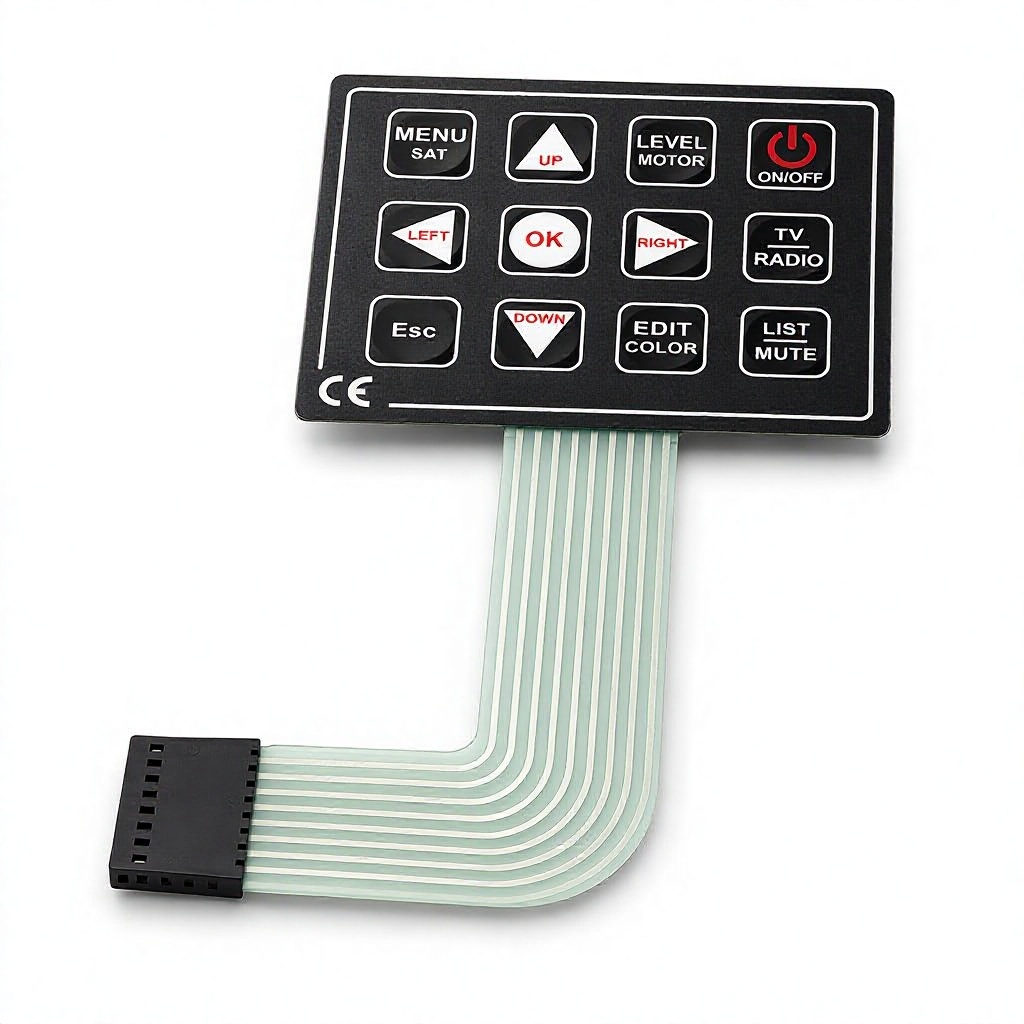
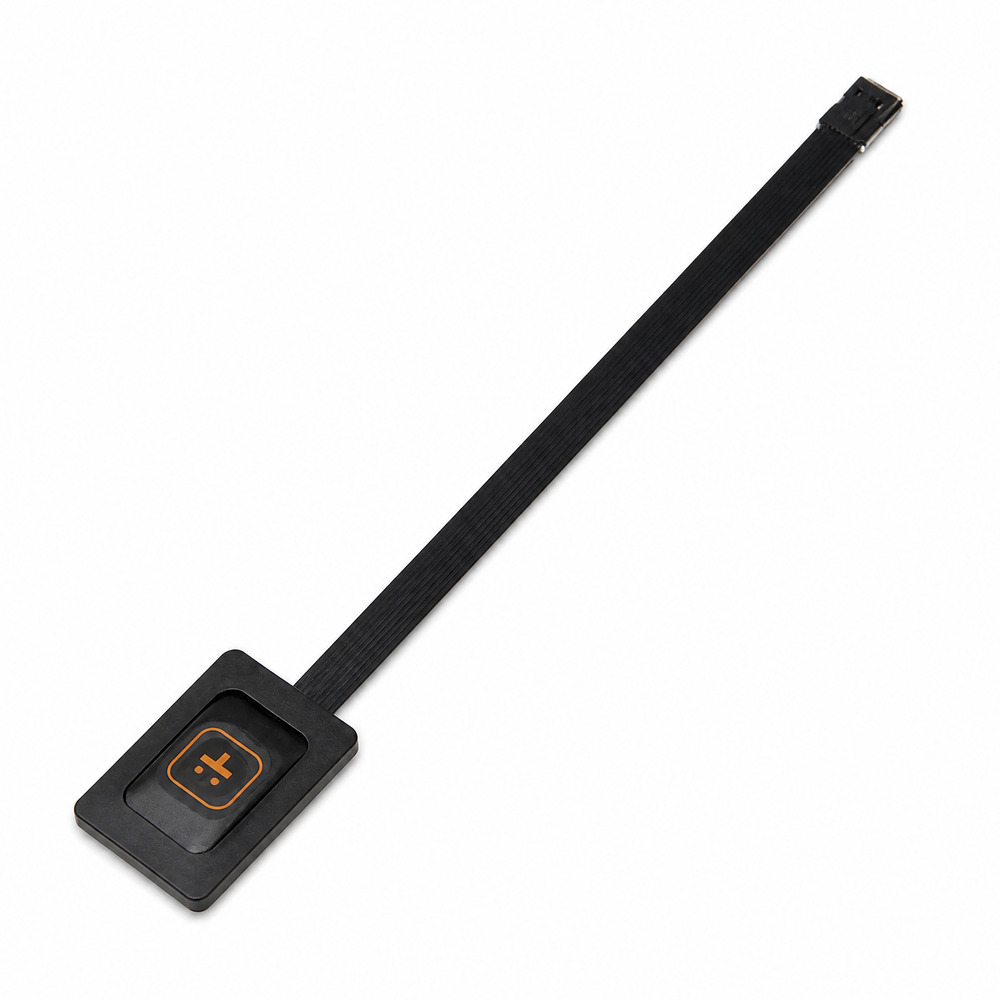
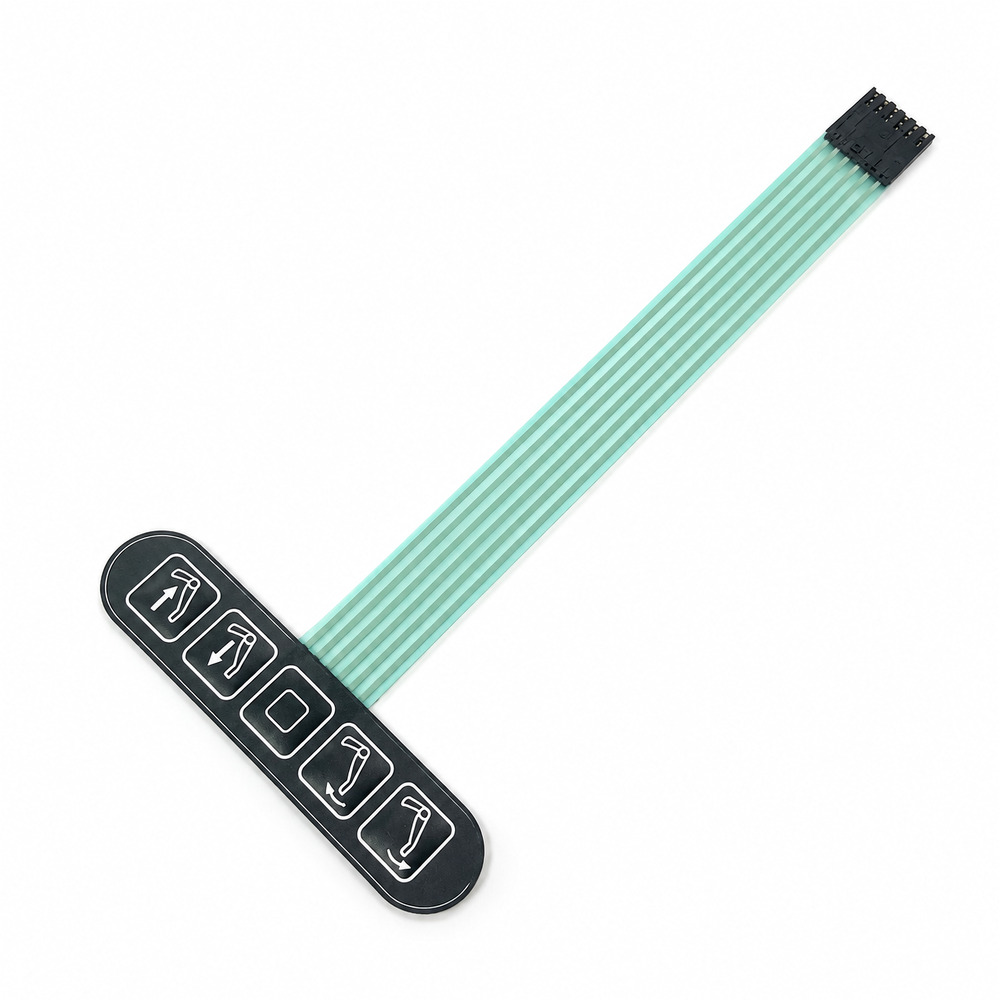
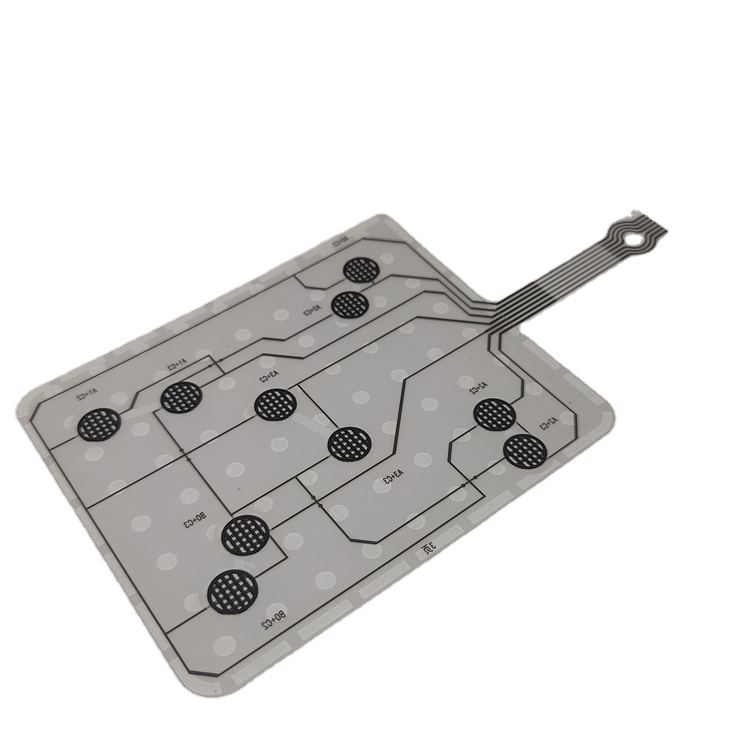
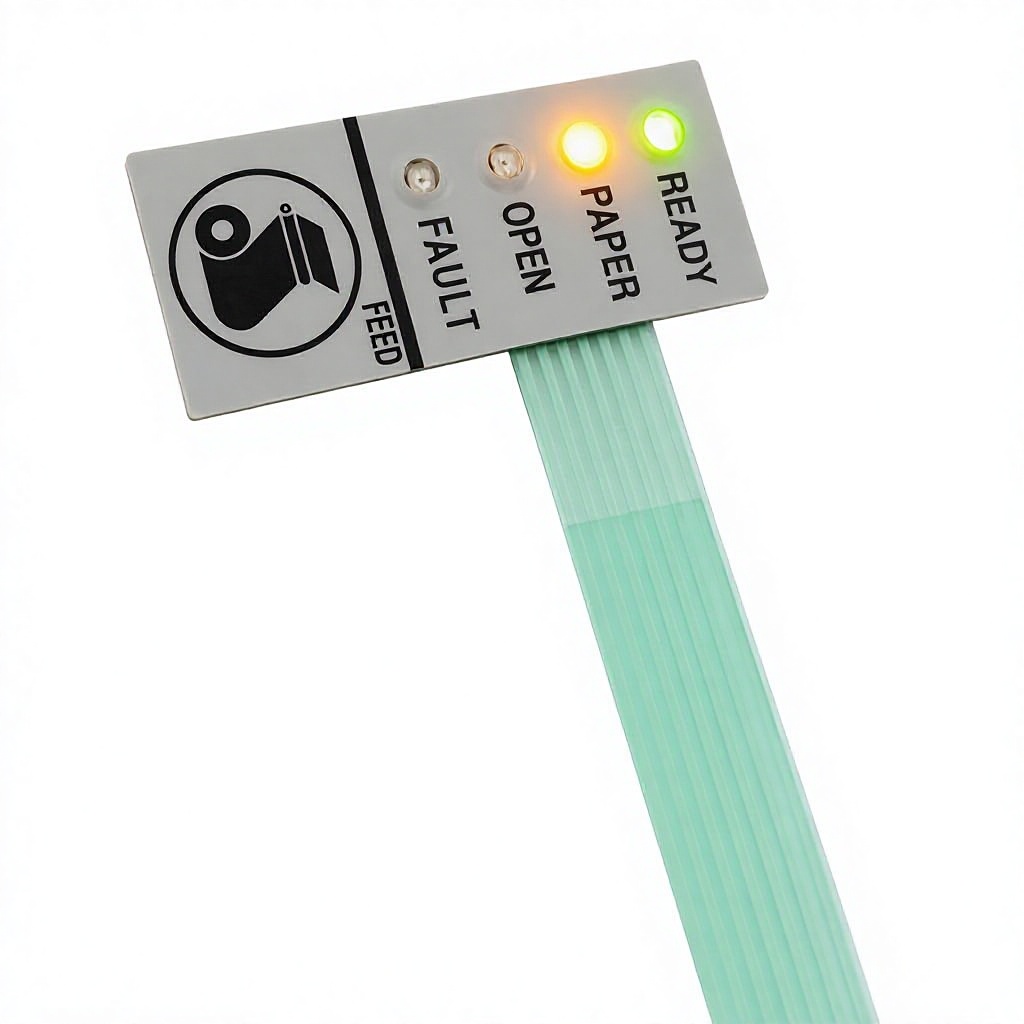
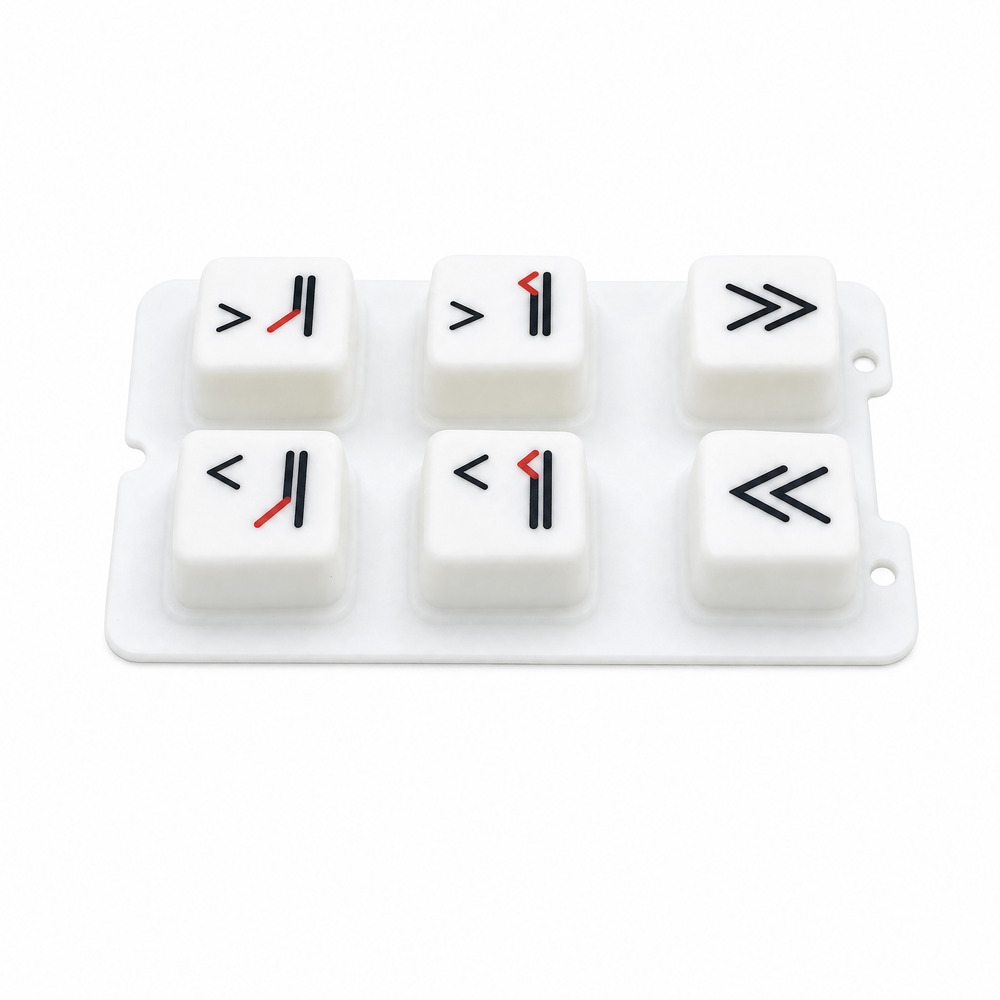
Modern healthcare devices demand an unprecedented level of interaction safety, chemical resilience, and continuous operational integrity. In critical medical environments—ranging from intensive care unit (ICU) monitoring racks and automated diagnostic analyzers to mobile infusion pumps and surgical control consoles—the Human-Machine Interface (HMI) serves as the primary gateway for clinical execution. A failure in the membrane switch interface can jeopardize patient outcomes or cause catastrophic system downtime. As leading medical grade membrane switch suppliers and exporter serving Masaya, our engineering philosophy integrates deep material science, rigorous electrical shielding, and precise mechanical actuation to exceed international medical electronics standards.
Hospital staff routinely wipe down control panels using aggressive chemical disinfectants, including 70% Isopropyl Alcohol (IPA), Sodium Hypochlorite (bleach solutions), Hydrogen Peroxide Vapors (VHP), Cidex, and Quaternary Ammonium compounds. Standard commercial membrane keypads rapidly degrade under these harsh cleaning protocols, suffering from key legend yellowing, graphic film crazing, border delamination, and eventual liquid ingress into the switch matrix.
Our medical-grade membrane switches utilize premium textured polyester substrates (such as Autotex AM or MacDermid Autotype PE/PET films) featuring chemically hard-coated front surfaces. This surface chemistry acts as a non-porous shield, preventing chemical cracking, clouding, and solvent migration. Furthermore, our proprietary sub-surface reverse screen printing method places conductive inks and graphic pigments behind the durable PET layer, ensuring legends remain perfectly legible despite thousands of harsh wipe-down cycles.
Cross-contamination and Healthcare-Associated Infections (HAIs) represent critical challenges for medical facilities in Masaya and regional health authorities. To address microbial proliferation on frequently touched switch panels, our graphic overlays incorporate built-in silver-ion (Ag+) antimicrobial technology. The antimicrobial agent is dispersed uniformly throughout the hardcoat matrix during film extrusion, releasing micro-level ions that disrupt bacterial cell wall respiration and inhibit 99.9% of bacterial strains (including MRSA, E. coli, and Pseudomonas aeruginosa) in accordance with ISO 22196 testing protocols.
Engineering Benchmark: Unlike temporary topical spray coatings that wash off during routine sanitization, integrated silver-ion antimicrobial coatings remain active throughout the complete physical lifespan of the medical membrane switch assembly, providing permanent surface protection.
Medical environments frequently expose equipment to fluid spills, saline drips, cleaning solutions, and high atmospheric humidity. Ingress of conductive liquids into the active trace layer causes silver dendrite migration, catastrophic electrical shorting, and false key triggering. We mitigate liquid entry by engineering full perimeter environmental sealing gaskets using high-tack acrylic adhesives (such as 3M 467MP, 3M 468MP, or VHB series). Our perimeter gasket seals complete an airtight seal around internal silver-ink traces, flexible printed circuits (FPC), and metal dome cavities, achieving IP67 and IP68 ratings for washdown-ready medical hardware.
Masaya serves as a major industrial, agricultural, and healthcare sub-hub in Western Nicaragua, situated strategically between Managua and Granada. Local municipal hospitals, regional outpatient clinics, emergency responder networks, and expanding OEM electronic contract manufacturers in the Masaya department require resilient, low-maintenance medical interfaces. The tropical climate of Masaya—characterized by high ambient temperatures, elevated relative humidity (often exceeding 85%), and seasonal dust particulates—imposes strict design challenges on electronic control hardware.
High-density multi-key switch panels fitted with stainless steel metal domes offer distinct tactile feedback (400g actuation force) for nurses operating equipment with latex or nitrile gloves. Integrated status LEDs provide immediate visual confirmation in low-light night wards.
Portable diagnostic units deployed in regional Masaya health centers demand compact, lightweight HMI control units. FPC-backed membrane keypads combined with silicone rubber keycovers protect sensitive internal microcontrollers against violent bumps, drops, and fluid spills during transit.
Autoclave sterilization units operating in local healthcare institutions generate severe localized thermal cycles and high steam pressure. Our specialized high-temperature polyimide and PET film assemblies sustain continuous thermal exposure without adhesive degradation or graphic warping.
In warm, humid climates like Masaya, moisture ingress coupled with continuous DC voltage across printed silver traces triggers silver electrochemical migration (dendrite growth). Microscopic silver filaments bridge adjacent circuit lines, resulting in latent electrical shorting. As a qualified global exporter, we implement three critical preventative layers for all medical membrane switches exported to Masaya:
The healthcare landscape across Central America is undergoing rapid modernization. Regional initiatives supported by international health organizations and domestic public investment are accelerating the installation of modern diagnostic, therapy, and patient-care machinery in municipal hospitals across Masaya, Nindirí, La Concepción, and Masatepe. Furthermore, Nicaragua’s duty-free trade zones (Zona Franca) are increasingly attracting nearshoring investments for light electronic assembly and medical device sub-components targeting North and South American markets.
OEM equipment manufacturers supplying Masaya cannot afford long prototyping delays or unreliable material quality. Procurement directors require agile manufacturing partners capable of delivering rapidly from Design for Manufacturability (DFM) review to physical samples. Our engineering team delivers full CAD/Gerber DFM evaluations within 2 hours, allowing local hardware developers to compress product development timelines from months down to days.
A key technological trend in medical equipment design serving Masaya is the transition from traditional mechanical push-buttons to completely flat, capacitive touch membrane panels. Smooth glass or polycarbonate surfaces eliminate cracks, crevices, and key bezels where pathogens and grime accumulate. Our capacitive touch membrane panels integrate copper FPC or printed silver sensor pads under seamless graphic overlays, enabling multi-touch actuation, slider controls, and proximity wake-up functionality while preserving maximum cleanability.
Operating rooms and intensive care units house dense arrays of high-frequency surgical instruments, defibrillators, and wireless telemetry devices. Electrostatic discharge (ESD) generated by medical staff touching interface panels can freeze or corrupt sensitive internal microprocessors. We incorporate fully grounded aluminum foil or printed conductive grid shielding layers directly into our medical membrane switch stacks, discharging up to 15 kV ESD pulses harmlessly to chassis ground while blocking electromagnetic interference (EMI/RFI).
Selecting the correct material stack-up is essential to balancing cost, mechanical tactile feel, chemical resistance, and long-term operating life. Below is a comprehensive engineering comparison table detailing our medical-grade HMI construction options:
| Performance Feature | Autotex AM Polyester (PET) | Polycarbonate (PC) Overlay | FPC Flexible Copper Circuit | Rigid PCB Backer Assembly |
|---|---|---|---|---|
| Chemical Resistance | Excellent (IPA, Bleach, Cidex) | Moderate (Sensitive to Solvents) | Excellent (Polyimide Base) | Excellent (FR-4 Glass Epoxy) |
| Flexural Fatigue Life | > 5 Million Actuations | > 1 Million Actuations | > 10 Million Actuations | Rigid (Non-Flexing) |
| Antimicrobial Coating | Integrated Silver-Ion (Ag+) | Topical Option Available | N/A (Internal Layer) | N/A (Internal Layer) |
| Operating Temperature | -40°C to +105°C | -30°C to +85°C | -40°C to +125°C | -40°C to +130°C |
| Component Density | Low (SMD LEDs, Domes) | Graphic Front Layer | High (SMD ICs, Connectors) | Very High (Complex Circuitry) |
| ESD/EMI Shielding | Aluminum / Carbon Shield | Grounded Conductive Layer | Solid Copper Ground Plane | Dedicated Ground Layers |
| Recommended Applications | ICU Monitors, Surgical Panels | Indoor Diagnostic Devices | Compact High-Density Devices | Heavy Equipment & Inverters |
With over 20 years of dedicated expertise in human-machine interface design and manufacturing, our state-of-the-art facility in Dongguan, China delivers end-to-end production solutions for international healthcare and industrial OEM clients. We operate under stringent ISO 9001 quality management workflows, incorporating fully automated screen printing, dust-free cleanroom laminating, automated optical inspection (AOI), and precise laser cutting systems.
All graphic overlays, display window adhesives, and active circuit layers are laminated within dust-free cleanrooms, preventing microscopic airborne contamination from creating optical defects or circuit shorts.
Every single manufactured circuit layer undergoes automated continuity, open/short circuit, and contact resistance testing before final assembly, guaranteeing zero defect escapes to our customers in Masaya.
We support R&D engineers with prototype runs starting from just 1 to 10 pieces. Express tooling and fast-turn production allow custom samples to ship within 7 to 12 business days.
Our full range of raw materials—including 3M adhesives, Autotex films, MacDermid polyesters, stainless steel metal domes (Nicomatic / Snaptron), and conductive silver pastes—complies strictly with RoHS, REACH, and California Proposition 65 directives. Complete material safety declarations and first-article inspection reports (FAIR) accompany every export shipment.
All assemblies are produced under ISO 9001 certified quality controls. We provide full compliance declarations for RoHS, REACH, and ISO 22196 (antimicrobial efficacy), alongside complete Certificate of Conformance (CoC) and electrical test reports for seamless customs clearance and regulatory filing in Nicaragua.
We utilize hard-coated textured polyester films (such as Autotex AM) combined with sub-surface reverse screen printing. The graphics and conductive inks are shielded beneath the chemically inert PET sheet, ensuring complete resistance against 70% IPA, bleach solutions, hydrogen peroxide, and cidex cleanings.
Yes! We support R&D engineering phases with prototype quantities starting from as few as 1 to 10 pieces. Our rapid tooling and digital printing capabilities allow quick turnarounds without requiring expensive steel die tooling during early product iterations.
We supply standard 2.54mm pitch female crimp connectors (FCI/Berg/Amphenol), 1.0mm or 0.5mm pitch ZIF flex tail connections, polyimide FPC tails with gold plating, and direct PCB-backed male headers tailored to your specific mainboard enclosure layout.
We apply a full UV-cured dielectric insulation overcoat over all printed silver traces, overprint high-wear contact pads with inert carbon paste, and enforce strict minimum trace pitch standards. Sealed 3M perimeter adhesive gaskets further exclude atmospheric moisture.
Four-leg stainless steel metal domes with actuation forces ranging from 300g to 450g provide a crisp, audible tactile snap that medical staff can easily feel through thick surgical or nitrile gloves. Key embossing (rim or pillow style) further assists blind key positioning.
Send us your 2D/3D CAD drawings, vector artwork, or technical requirements. Our senior HMI engineering team will provide a comprehensive DFM review, stack-up recommendation, and direct price quote within 2 hours.
Contact Us